×

Tanzania🇹🇿 | citiesMpanda
Katavi access, remote market, tobacco farms, western gateway | things to do and best time to go

Explore MakambakoExplore Musoma

Backpacking in Mpanda
🏆 Top pickcity ranked #4
By Johan Kruseman 🇳🇱 | Updated May 15, 2026

Everyone talks about Mpanda as the “gateway to Katavi National Park,” but if you’re only thinking of lions and hippos, you’ll miss the real pulse of this place. Mpanda sits in western Tanzania, far from the safari crowds of Arusha or the beachy haze of Zanzibar. The town itself is honest and unpolished—dusty streets, the scent of grilled maize, and a rhythm that slows you down whether you want it or not. For backpackers, Mpanda is less a destination and more a crossroads: a practical launchpad for Katavi’s wild drama, or a necessary pause between the chaos of Kigoma and the southern highlands. Don’t expect a buzzing hostel scene or Instagrammable cafés; you’ll find basic guesthouses, a lively market, and evenings that end early. Getting here is half the adventure—buses rumble in from Sumbawanga or Tabora, and the train is slow but memorable. Compared to Sumbawanga, Mpanda feels more frontier than frontier-town, with fewer travelers but a stronger sense of “real Tanzania.” Costs are low, safety is decent if you keep your wits, and the biggest reward is the feeling you’ve earned every sunrise.

Discover everything you want to know in the 📖 Tanzania Travel Guide.
Loading the map 🌍
CLICK TO FILTER
city
town
unique site
national park
hike
beach
attraction
festival
SHOW COUNTRY‘S BESTSHOW ALL

✨ Why go?
Ranked #4 city in Tanzania
Why visitors keep coming back

Backpackers flock to Mpanda for its strategic position as a gateway to Lake Tanganyika and the Mahale Mountains. This town is a launchpad for hikes and cultural experiences, making it a perfect stop for those who crave both adventure and connection. The walkable streets are lined with small-scale hostels and guesthouses, offering a cozy atmosphere where you can swap stories over a plate of ugali or fresh fish from the lake.

While some travelers breeze through, many linger for a few days, soaking in the friendly vibe and local life. It’s a place where solo travelers and small groups can feel at home, sharing tips and plans with fellow adventurers. The scent of street food wafts through the air, inviting you to explore. If you’re a slow traveler or a hiker, Mpanda’s charm lies in its ability … read more 👉
Backpackers flock to Mpanda for its strategic position as a gateway to Lake Tanganyika and the Mahale Mountains. This town is a launchpad for hikes and cultural experiences, making it a perfect stop for those who crave both adventure and connection. The walkable streets are lined with small-scale hostels and guesthouses, offering a cozy atmosphere where you can swap stories over a plate of ugali or fresh fish from the lake.

While some travelers breeze through, many linger for a few days, soaking in the friendly vibe and local life. It’s a place where solo travelers and small groups can feel at home, sharing tips and plans with fellow adventurers. The scent of street food wafts through the air, inviting you to explore. If you’re a slow traveler or a hiker, Mpanda’s charm lies in its ability to balance quiet moments with opportunities for exploration. It’s not just a stop; it’s a chance to breathe in the essence of Tanzania.
Get the complete Travel Guide for Tanzania
Everything organized for offline planning — routes, highlights, costs & tips

See what’s inside 👉

Get the Travel Guide -

💡 HighlightsPlaces and moments you shouldn't skip

Quick note: I don’t have live web access right now to verify every small, locally named site in Mpanda, so I can either (A) give a careful, best-effort list based on what’s reliably known about the town and nearby institutions (with a risk of small name or detail errors), or (B) wait while you give me a source or allow me to check live info. Which do you want me to do?
Spotted a mistake or missing something? Contact us.

🏘️ NeighborhoodsHow different areas shape the experience

Mpanda is a vibrant hub in Tanzania, offering a mix of local culture and practical amenities for backpackers. Here’s how to navigate its neighborhoods:

Central Mpanda: This is the heart of the town. You’ll find bustling markets, local eateries, and shops. The vibe is energetic, perfect for soaking in daily life. Costs are reasonable, and it’s walkable, making it easy to explore. Nightlife is low-key, with a few bars where you can mingle with locals. Ideal for short stays, as everything is within reach.

Lake Tanganyika Area: If you’re drawn to the water, this area is a must. The atmosphere is serene, with stunning views of the lake. Accommodations range from budget hostels to mid-range lodges. It’s a bit quieter, perfect for relaxation after a day of exploring. Transport options are limited, … read more 👉
Mpanda is a vibrant hub in Tanzania, offering a mix of local culture and practical amenities for backpackers. Here’s how to navigate its neighborhoods:

Central Mpanda: This is the heart of the town. You’ll find bustling markets, local eateries, and shops. The vibe is energetic, perfect for soaking in daily life. Costs are reasonable, and it’s walkable, making it easy to explore. Nightlife is low-key, with a few bars where you can mingle with locals. Ideal for short stays, as everything is within reach.

Lake Tanganyika Area: If you’re drawn to the water, this area is a must. The atmosphere is serene, with stunning views of the lake. Accommodations range from budget hostels to mid-range lodges. It’s a bit quieter, perfect for relaxation after a day of exploring. Transport options are limited, so plan to stay longer if you want to fully enjoy the lakeside activities.

Mpanda’s Outskirts: For those seeking a more rural experience, the outskirts offer a glimpse into local life. The vibe is laid-back, and you’ll find homestays that provide an authentic feel. Costs are lower here, but be prepared for less walkability. Public transport can be sporadic, making it better suited for longer stays where you can immerse yourself in the community.

⌛️ 1 day1-day itinerary for Mpanda

Mpanda, Tanzania, is a vibrant town that pulses with the rhythm of daily life, offering a glimpse into local culture far from the typical tourist trail. The scent of fresh chapati wafts through the air as you navigate the bustling market, where vendors call out their wares. This is a place where the ordinary becomes extraordinary.

Start your morning at the local market, where the colors of fruits and vegetables pop against the earthy tones of the stalls. Engage with the vendors; their smiles are as warm as the sun rising over Lake Tanganyika. Grab a few ripe bananas or some spicy samosas for a quick breakfast. The market buzzes with energy, and you’ll feel the heartbeat of the town.

In the afternoon, head to the shores of Lake Tanganyika. The water glimmers under the sun, inviting you to … read more 👉
Mpanda, Tanzania, is a vibrant town that pulses with the rhythm of daily life, offering a glimpse into local culture far from the typical tourist trail. The scent of fresh chapati wafts through the air as you navigate the bustling market, where vendors call out their wares. This is a place where the ordinary becomes extraordinary.

Start your morning at the local market, where the colors of fruits and vegetables pop against the earthy tones of the stalls. Engage with the vendors; their smiles are as warm as the sun rising over Lake Tanganyika. Grab a few ripe bananas or some spicy samosas for a quick breakfast. The market buzzes with energy, and you’ll feel the heartbeat of the town.

In the afternoon, head to the shores of Lake Tanganyika. The water glimmers under the sun, inviting you to take a dip or simply relax on the sandy beach. If you’re feeling adventurous, rent a kayak to explore the shoreline. The tranquility of the lake contrasts beautifully with the lively town, offering a moment of peace.

As evening approaches, wander through the Nyakato neighborhood, where you can find local eateries serving up traditional dishes. Try ugali with fish stew, a staple that fills you up and warms your soul. The atmosphere is lively, with laughter and music spilling from nearby homes.

End your day at the viewpoint near the old railway station. As the sun sets, the sky transforms into a canvas of oranges and purples, a perfect backdrop to reflect on your day. Mpanda isn’t just a stopover; it’s a place that invites you to connect, explore, and savor the essence of Tanzania.
Build the Right Itinerary
Use the Tanzania Travel Guide’s 7, 14 & 21-day routes as a starting point to plan a trip that actually works on the ground.

Get the Travel Guide -

🌤️ When to go?Choosing the right time of year


  • Topic: Weather – Mpanda’s dry season from June to October is your best bet. Expect clear skies and minimal rain, which means trails stay firm and rivers calm. The wet season (November to May) brings heavy rains that can turn paths into mud traps and make some areas inaccessible.

  • Topic: Temperature – During the dry months, daytime highs hover around 25-28°C (77-82°F), perfect for hiking without overheating. Nights can dip to 12-15°C (54-59°F), so pack a light jacket. The wet season is warmer but muggy, pushing highs to 30°C (86°F) or more, which can sap your energy.

  • Topic: Daylight Hours – Near the equator, Mpanda enjoys roughly 12 hours of daylight year-round. Sunrise is around 6:30 AM, sunset near 6:30 PM, giving you a solid window for exploring without rushing.

  • Topic: Crowds – Mpanda
read more 👉

  • Topic: Weather – Mpanda’s dry season from June to October is your best bet. Expect clear skies and minimal rain, which means trails stay firm and rivers calm. The wet season (November to May) brings heavy rains that can turn paths into mud traps and make some areas inaccessible.

  • Topic: Temperature – During the dry months, daytime highs hover around 25-28°C (77-82°F), perfect for hiking without overheating. Nights can dip to 12-15°C (54-59°F), so pack a light jacket. The wet season is warmer but muggy, pushing highs to 30°C (86°F) or more, which can sap your energy.

  • Topic: Daylight Hours – Near the equator, Mpanda enjoys roughly 12 hours of daylight year-round. Sunrise is around 6:30 AM, sunset near 6:30 PM, giving you a solid window for exploring without rushing.

  • Topic: Crowds – Mpanda is off the beaten path, so crowds are rare anytime. However, the dry season draws more regional visitors, especially August and September, so expect a livelier atmosphere but still no tourist crush.

  • Topic: Seasonal Activities – Dry months open up wildlife viewing and trekking opportunities. The wet season is great for birdwatchers chasing migratory species, but many trails become slippery and less accessible.

  • Topic: Price Fluctuations – Accommodation and transport costs peak slightly in the dry season due to demand but remain reasonable compared to Tanzania’s more famous spots. The wet season offers lower prices but at the cost of comfort and access.


Pro-tip: Aim for late August to early October—dry trails, manageable crowds, and cooler mornings combine for a backpacking experience that feels earned, not endured.


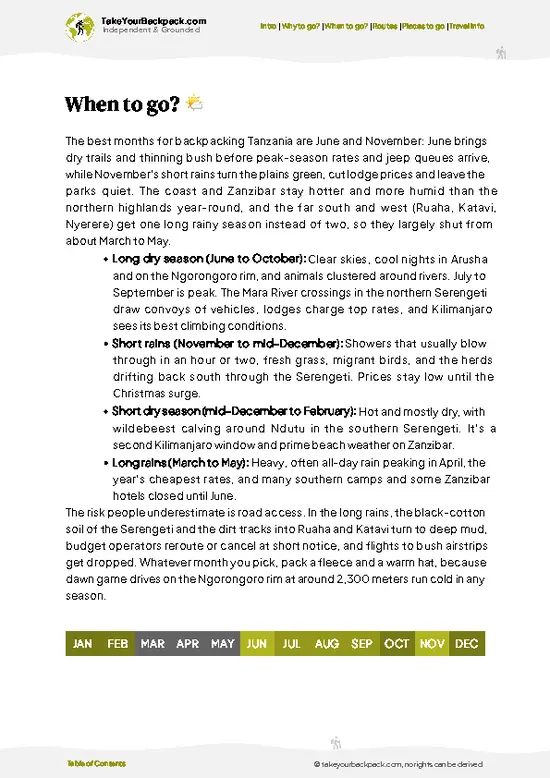
source: climatestotravel.comJANJanuary: fair for travelingFEBFebruary: fair for travelingMARMarch: fair for travelingAPRApril: fair for travelingMAYMay: fair for travelingJUNJune: highly recommended for travelingJULJuly: highly recommended for travelingAUGAugust: excellent for travelingSEPSeptember: excellent for travelingOCTOctober: excellent for travelingNOVNovember: fair for travelingDECDecember: fair for traveling
when-to-go

✈️ The backpacker research shortcutTanzania Travel Guide

An offline-friendly backpacking guide with optimized travel routes, ranked highlights, transport advice, and the best areas to stay.
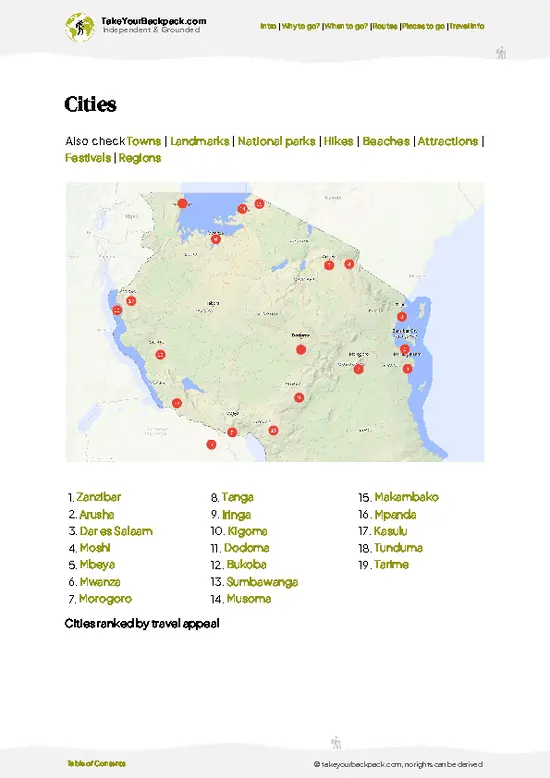
example page 0 from our offline Travel Guide for Tanzaniaexample page 1 from our offline Travel Guide for Tanzaniaexample page 2 from our offline Travel Guide for Tanzaniaexample page 3 from our offline Travel Guide for Tanzaniaexample page 4 from our offline Travel Guide for Tanzaniaexample page 5 from our offline Travel Guide for Tanzaniaexample page 6 from our offline Travel Guide for Tanzaniaexample page 7 from our offline Travel Guide for Tanzania
The digital guide (383 pages) contains:
100 highlights, ranked by travel appeal
Optimized 7, 14 & 21-day travel routes
Best neighborhoods to stay
How to get around
Offline-friendly for travel without Wi-Fi
👉 See all 30+ guide features

📅 Plan smarter in minutes, not weeks
Month by month travel advice
Festivals & national holidays
Budget expectations

🗺️ Go to the right places, skip the overrated ones
Honest pros & cons of destinations
Top hikes, parks & viewpoints
Lesser-known places most travelers miss
Clear “worth it vs skip it” guidance

🛏️ Travel smoothly without rookie mistakes
Best areas to stay
Transport systems explained simply
Common scams & safety advice
SIM cards, money & practical tips

🌍 Understand the country, not just visit it
Culture & traditions
52 Essential phrases & customs
Festivals worth planning around
Traveler-friendly historical context
Insights that make places more meaningful

📱 Built for real travel conditions
Fully downloadable PDF
Works completely offline
Optimized for phone use
Useful in remote areas & buses
Everything in one place
Save weeks of stressful planning
Get instant access to the full guide directly. 30-day money-back guarantee.


Sent to your inbox immediately after payment • 100% Secure Checkout
Best Backpacking Travel Advisor 2025 tourism awardBest Backpacking
Travel Advisor
2025
What others say about Take Your Backpack Guides:
⭐⭐⭐⭐⭐
Fantastic, amazing amount of information!
⭐⭐⭐⭐⭐
My goodness this is amazing, it's what I've been looking for hats off too you!
⭐⭐⭐⭐⭐
I think this is absolutely BRILLIANT
⭐⭐⭐⭐
Very complete and informative. It's still missing places, but I gotta to commend you
⭐⭐⭐⭐⭐
This is truly amazing, thank you, can't wait to explore it with my kids!
⭐⭐⭐⭐⭐
Awesome resource, thank you!
⭐⭐⭐⭐⭐
This is amazing! Can't wait to explore the ones I haven't seen
⭐⭐⭐⭐
I love this! Well done, great idea.
⭐⭐⭐⭐⭐
Thanks for taking the time to make this gem!
⭐⭐⭐⭐⭐
This might be the best website I've ever seen.
⭐⭐⭐⭐⭐
Congratulations, and thank you so much for your work; it's incredibly valuable.
⭐⭐⭐⭐
In all seriousness I think you did a great job pointing out the important spots
⭐⭐⭐⭐⭐
10/10 very good
⭐⭐⭐⭐⭐
As someone who's only just starting to visit regularly this is awesome, thank you.
⭐⭐⭐⭐
Thank you very much! I'm going to visit my dad, it's going to be very useful!
⭐⭐⭐⭐⭐
This is really cool! We'll be travelling for the first time and this definitely come in handy.
⭐⭐⭐⭐⭐
You are now our minister of culture, congratulations 👨‍💼
⭐⭐⭐⭐⭐
Just wanted to tell you that this is a pearl! Going to follow your recommendations.
⭐⭐⭐⭐⭐
This is so cool. I'll definitely be using the resource for my travels soon.
⭐⭐⭐⭐⭐
This is very impressive! Good work.
⭐⭐⭐⭐⭐
This is an amazing and informative site. Very well done!

🛏️ Where to stay?Where staying makes the most sense

In Mpanda, the best spot for backpackers is the area around the central market and main road junction. This neighborhood hums with local life—vendors shouting over the scent of fresh cassava and roasted maize, motorbikes weaving through the dusty streets. It’s where you’ll find the pulse of the town, and that’s exactly what makes it ideal for solo travelers and budget backpackers. Safety here is a practical thing: the streets stay busy well into the evening, which naturally keeps trouble at bay.

Hostels and guesthouses cluster near this hub, offering simple, clean beds without the tourist price … read more 👉
In Mpanda, the best spot for backpackers is the area around the central market and main road junction. This neighborhood hums with local life—vendors shouting over the scent of fresh cassava and roasted maize, motorbikes weaving through the dusty streets. It’s where you’ll find the pulse of the town, and that’s exactly what makes it ideal for solo travelers and budget backpackers. Safety here is a practical thing: the streets stay busy well into the evening, which naturally keeps trouble at bay.

Hostels and guesthouses cluster near this hub, offering simple, clean beds without the tourist price tag. The vibe is low-key but social—travelers swap stories over cheap chai or local beer in small, open-air cafés. It’s easy to strike up a conversation with fellow adventurers or locals, which is a rare find in a town where tourism is still under the radar.

Compared to quieter residential zones or the outskirts, this central area saves you time and energy. You’re close to transport links, markets, and eateries, so you spend less time navigating and more time soaking in the raw, unfiltered atmosphere of Mpanda. It’s not polished, but that’s the point—it’s real, and it’s where the adventure begins.

🚌 Getting aroundHow to get around Mpanda

Mpanda moves at its own rhythm—neither frantic nor sluggish, but a steady pulse that matches the dusty roads and the warm, dry air. The town’s flow is less about strict timetables and more about reading the moment: a bus might leave when it’s full, not when the clock says so. Vendors call out in the morning light, their voices mixing with the scent of roasting maize and the occasional rumble of a motorbike. This is a place where patience pays off, and where understanding the local tempo unlocks smoother, more authentic travel. You don’t just get from A to B here—you soak in the atmosphere between stops, and that’s part of the journey.


  • Walking: The heart of Mpanda beats on foot. The town is compact enough to explore by walking, which costs nothing and lets you catch the subtle shifts in
read more 👉
Mpanda moves at its own rhythm—neither frantic nor sluggish, but a steady pulse that matches the dusty roads and the warm, dry air. The town’s flow is less about strict timetables and more about reading the moment: a bus might leave when it’s full, not when the clock says so. Vendors call out in the morning light, their voices mixing with the scent of roasting maize and the occasional rumble of a motorbike. This is a place where patience pays off, and where understanding the local tempo unlocks smoother, more authentic travel. You don’t just get from A to B here—you soak in the atmosphere between stops, and that’s part of the journey.


  • Walking: The heart of Mpanda beats on foot. The town is compact enough to explore by walking, which costs nothing and lets you catch the subtle shifts in light and life—from the dusty market stalls to quiet side streets where children play. Walking is your best bet for short hops and spontaneous detours.


  • Bajaji (Motorcycle Taxi): Bajajis are everywhere, zipping through narrow lanes and dirt roads. They’re cheap—usually around 1,000 to 2,000 Tanzanian shillings for short rides—and fast enough to dodge the midday heat. Negotiate the price upfront; there’s no fixed fare, and the ride is bumpy but efficient. Bajajis run all day until dusk, perfect for quick errands or reaching spots beyond walking distance.


  • Daladala (Minibus): The backbone of local transit, daladalas run on flexible schedules, leaving when full rather than on the hour. Fares are low, typically under 2,000 shillings, but expect crowded conditions and frequent stops. They connect Mpanda to nearby villages and the bus station, making them essential for budget travelers heading out of town or exploring the region.


  • Long-Distance Buses: For journeys beyond Mpanda, buses depart from the main station, usually early morning between 6 and 8 AM. Tickets vary by destination but remain affordable. These buses are slower and less comfortable than private options but offer a genuine slice of Tanzanian travel life. Booking a day ahead is wise, especially in high season.


  • Private Car Hire: While pricier, renting a car or hiring a driver can be a game-changer if you want to explore remote areas on your own schedule. Expect to pay significantly more than public transit, but the comfort, flexibility, and ability to chase the best light for photos or wildlife spotting make it worth considering for serious adventurers.

👛 Costs (as of 20 January 2025)Money, prices, and spending tips

Backpacking in Mpanda, Tanzania, means embracing a slower pace where costs stay modest but the experience is rich with local flavor and raw landscapes. Here’s what you can expect to spend daily as an independent traveler navigating this off-the-beaten-path town.
  • Dorm Accommodation: Dorm beds in Mpanda are basic but clean, often in guesthouses or small hostels. Expect to pay around $5 to $10 per night. These places usually have simple mosquito nets and shared bathrooms, which keeps prices low but comfort reasonable.
  • Meals: Street food and local eateries dominate here. A filling meal of ugali (cornmeal) with vegetables or fish can cost between $1.50 and $3. If you opt for a slightly more tourist-friendly spot, expect to pay up to $5 for a meal. Fresh fruit and snacks are cheap and plentiful,
read more 👉
Backpacking in Mpanda, Tanzania, means embracing a slower pace where costs stay modest but the experience is rich with local flavor and raw landscapes. Here’s what you can expect to spend daily as an independent traveler navigating this off-the-beaten-path town.
  • Dorm Accommodation: Dorm beds in Mpanda are basic but clean, often in guesthouses or small hostels. Expect to pay around $5 to $10 per night. These places usually have simple mosquito nets and shared bathrooms, which keeps prices low but comfort reasonable.
  • Meals: Street food and local eateries dominate here. A filling meal of ugali (cornmeal) with vegetables or fish can cost between $1.50 and $3. If you opt for a slightly more tourist-friendly spot, expect to pay up to $5 for a meal. Fresh fruit and snacks are cheap and plentiful, perfect for quick bites.
  • Local Transport: Transport options are limited but affordable. Boda-bodas (motorcycle taxis) are the go-to for short trips, costing about $0.50 to $1 per ride within town. For longer distances, shared minibuses (dala-dalas) charge around $1 to $2 depending on the route. Walking is often the best way to soak in the atmosphere and save money.
  • Basic Activities/Entry Fees: Mpanda’s main draws are natural and cultural rather than commercialized. Entry fees to local attractions or parks hover around $2 to $5. Guided walks or village visits might add $5 to $10 if you want a deeper dive, but many experiences are free if you explore on your own.
  • Miscellaneous Expenses: Water bottles, snacks, and small essentials will add about $1 to $3 daily. Internet access is spotty and usually costs $1 to $2 for a few hours at local cafes or lodges. Keep some cash handy for unexpected costs like laundry or tips.

Altogether, you’re looking at roughly $10 to $25 per day to cover the essentials in Mpanda. This range lets you stretch your budget without sacrificing the authentic, grounded experience that makes this place worth the journey.
⚠️ Prices can change and everyone travels differently, so take this as a rough guide. Hope it helps you plan your adventure!

🚌 Day tripsShort trips worth adding

Mpanda, Tanzania, is a backpacker’s dream base for day trips, offering a blend of adventure and cultural immersion. The town itself buzzes with life, from the scent of grilled fish wafting through the market to the vibrant chatter of locals. Here are some day trips that truly make the most of your time.

Lake Tanganyika Adventure
Just a short ride from Mpanda, Lake Tanganyika is a paradise for those who love water. Spend the day swimming, kayaking, or simply lounging on the sandy shores. The lake’s crystal-clear waters are framed by lush hills, and the sunsets here are nothing short of magical. Expect to pay around $10 for transport and a small fee for water activities. The best time to visit is during the dry season, from June to October, when the weather is perfect for outdoor fun. A common … read more 👉
Mpanda, Tanzania, is a backpacker’s dream base for day trips, offering a blend of adventure and cultural immersion. The town itself buzzes with life, from the scent of grilled fish wafting through the market to the vibrant chatter of locals. Here are some day trips that truly make the most of your time.

Lake Tanganyika Adventure
Just a short ride from Mpanda, Lake Tanganyika is a paradise for those who love water. Spend the day swimming, kayaking, or simply lounging on the sandy shores. The lake’s crystal-clear waters are framed by lush hills, and the sunsets here are nothing short of magical. Expect to pay around $10 for transport and a small fee for water activities. The best time to visit is during the dry season, from June to October, when the weather is perfect for outdoor fun. A common mistake? Underestimating the time it takes to get there; plan for about an hour of travel.


Katavi National Park Safari
For a taste of Tanzania’s wild side, head to Katavi National Park. It’s about a two-hour drive, but the journey is worth it. Here, you can spot elephants, hippos, and a variety of birds in their natural habitat. A day trip typically costs around $50, including park fees and transport. The dry season, from June to October, is ideal for wildlife viewing. Many first-timers miss the chance to pack a picnic; the park’s remote beauty is best enjoyed with a meal in hand.
👉 Explore Katavi National Park

Historical Tour of Mpanda
Stay local and dive into Mpanda’s rich history. Visit the old German colonial buildings and the local museum, where you can learn about the area’s past. This trip is budget-friendly, costing less than $5 for entry fees and transport. You can easily explore on foot, soaking in the local atmosphere. The best time for this is early morning when the streets are less crowded and the air is cool. A common oversight is rushing through; take your time to chat with locals and absorb their stories.
👉 Explore Mpanda

Each of these trips offers a unique slice of Tanzania, making your base in Mpanda not just a stopover, but a gateway to unforgettable experiences.
Want to know what more Tanzania offers?
The Tanzania Travel Guide describes 100 highlights, from cities to national parks, from beaches to hikes

Get the Travel Guide -

🍲 FoodLocal Cuisine & Drinks

In Mpanda, food is a straightforward, hearty affair that mirrors the rugged landscape around it. The real draw is the local staples—think thick, creamy ugali made from maize flour, a perfect base for scooping up richly spiced stews brimming with fresh fish or goat meat. Don’t overlook mchicha, a leafy green cooked down with peanuts or coconut milk, offering a subtle, nutty counterpoint to the bolder flavors on your plate.

Backpackers will find themselves gravitating toward the bustling markets and street corners where food vendors set up simple grills and pots. Here, meals come fast and cheap, served with a side of lively chatter and the occasional curious glance from locals. Casual eateries, often just a few tables under a tin roof, offer a chance to sit down and soak in the rhythm of daily … read more 👉
In Mpanda, food is a straightforward, hearty affair that mirrors the rugged landscape around it. The real draw is the local staples—think thick, creamy ugali made from maize flour, a perfect base for scooping up richly spiced stews brimming with fresh fish or goat meat. Don’t overlook mchicha, a leafy green cooked down with peanuts or coconut milk, offering a subtle, nutty counterpoint to the bolder flavors on your plate.

Backpackers will find themselves gravitating toward the bustling markets and street corners where food vendors set up simple grills and pots. Here, meals come fast and cheap, served with a side of lively chatter and the occasional curious glance from locals. Casual eateries, often just a few tables under a tin roof, offer a chance to sit down and soak in the rhythm of daily life without the fuss of tourist menus.

Drinks are equally unpretentious. Freshly brewed chai—black tea with a generous splash of milk and sugar—is the go-to pick-me-up, while locally brewed banana beer offers a tangy, slightly sour sip that’s both refreshing and a social lubricant. Sharing food and drink is a quiet ritual here; expect to eat with your right hand and savor the communal vibe, where meals are as much about connection as they are about flavor.

🛡️ SafetyStaying Safe: What Travelers Should Know

In ’Mpanda’, safety is generally solid, but a few simple practices can enhance your experience. Stay aware in crowded markets, where distractions can lead to pickpocketing. Keep your valuables close, ideally in a secure, inner pocket.

If you’re traveling solo, especially at night, stick to well-lit areas and avoid wandering too far from your accommodation. The streets can feel quiet, and a little caution goes a long way.

Scams are rare, but be mindful of overly friendly locals offering unsolicited help. Politely decline and trust your instincts.

Every traveler encounters minor annoyances, like the occasional power outage or slow service in restaurants. Embrace these quirks; they’re part of the local rhythm. With a calm demeanor and a bit of awareness, you’ll navigate ’Mpanda’ like a pro.

Other Tanzanian cities near Mpanda

Explore more nearby:

  • Urambo—tobacco center, rural town, railway link, open landscapes| 179 km away
  • Sumbawanga—remote crossroads, Rukwa Valley, rural markets| 188 km away
  • Kasulu—refugee settlements, borderland culture, weekly market, hilly terrain| 225 km away

👉 Discover all cities

Or checkout all Tanzania has to offer (think cities, towns, villages, national parks, hikes, beaches, festivals)
Country photo of Tanzania

We 💚 feedbackSumming up the experience

Mpanda has a raw, unfiltered vibe that feels like a secret handshake among travelers. The best surprise? The local fish market at dawn, where the air is thick with the scent of the lake and the chatter of fishermen. Just be ready for the heat; it can be relentless. Embrace the slower pace, and you’ll find the real heart of Tanzania here. It’s not just a stop; it’s a slice of life.

✍️ Help improve this page!
The information on this page is based on in-depth research, insights shared by experienced travelers, and feedback from the local travel community in Tanzania. While every effort is made to keep the information accurate and current, conditions can change — so if you spot anything incorrect or outdated, please get in touch.


🙋‍♂️ Give feedback

👋 Meet the founderWho’s Behind Take Your Backpack?

Johan, backpacker and founder of TakeYourBackpackHi, I’m Johan (Netherlands 🇳🇱), the creator of TakeYourBackpack. Over the past decade, I’ve backpacked through 80+ countries across six continents, gaining extensive experience with independent travel, long-term trips, and overland routes.

This site is built on a combination of firsthand travel experience and carefully curated insights from other backpackers. Many guides are based on places I’ve personally visited, while others bring together tips, observations, and practical advice shared by trusted travelers I’ve met along the way.

The goal is to provide realistic, experience-driven guidance — not generic itineraries — so you can explore destinations with better context, clearer expectations, and more confidence.

Get Full Country Guide |
Instant download • 100 highlights • Full Offline guide