×

Tanzania🇹🇿 | citiesMusomaDagaa landings, shoreline boulders, Nyerere peninsula, lakeside bars | things to do and best time to go

Explore MpandaExplore Tarime

Backpacking in Musoma
👌 Worth visitingcity ranked #15
By Johan Kruseman 🇳🇱 | Updated October 24, 2026

Musoma suits travelers who like lake towns with no tour-bus choreography: you wander, haggle for fresh fish, and talk to people who are curious about you. If you need nightlife, big-name sights or polished hostels, you will find it thin. The town sits on the eastern shore of Lake Victoria in northern Tanzania, close to the Kenyan border. Sunsets over the water, rocky shoreline and an easygoing market scene are the draw, while limited tourist infrastructure is the trade-off. Carry cash in small notes before you arrive, because card machines are rare.

Discover everything you want to know in the 📖 Tanzania Travel Guide.


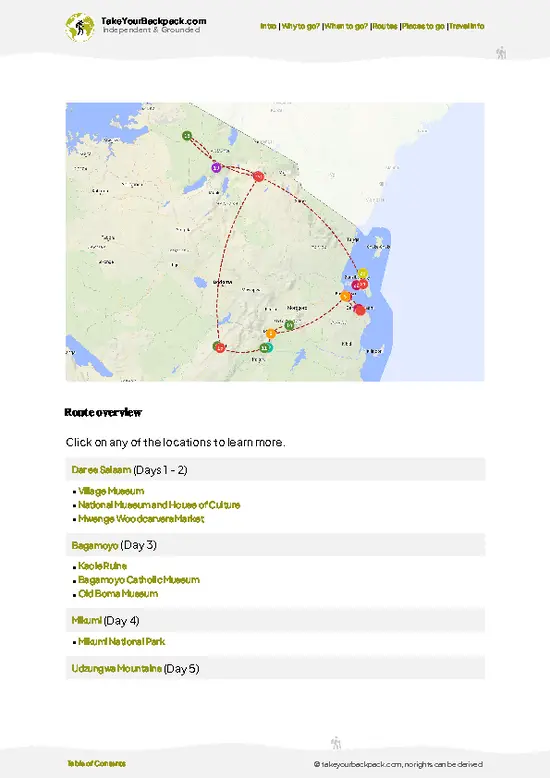
example page 0 from our offline Travel Guide for Tanzania
example page 1 from our offline Travel Guide for Tanzania
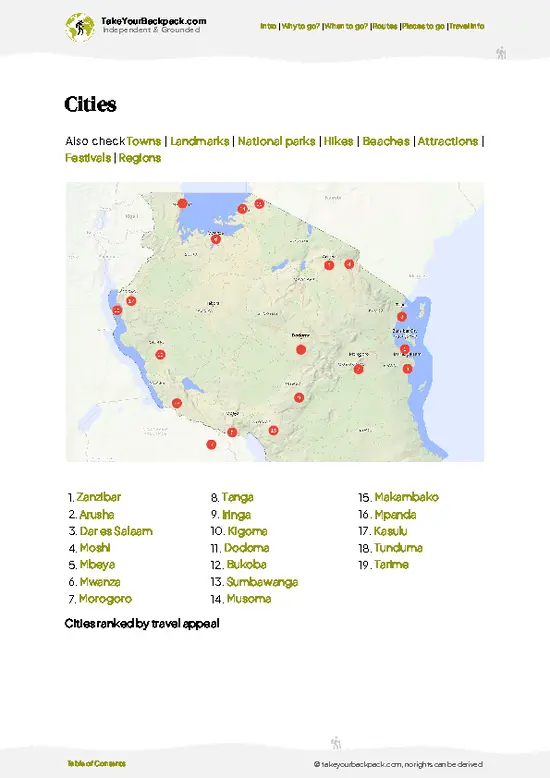
example page 2 from our offline Travel Guide for Tanzania
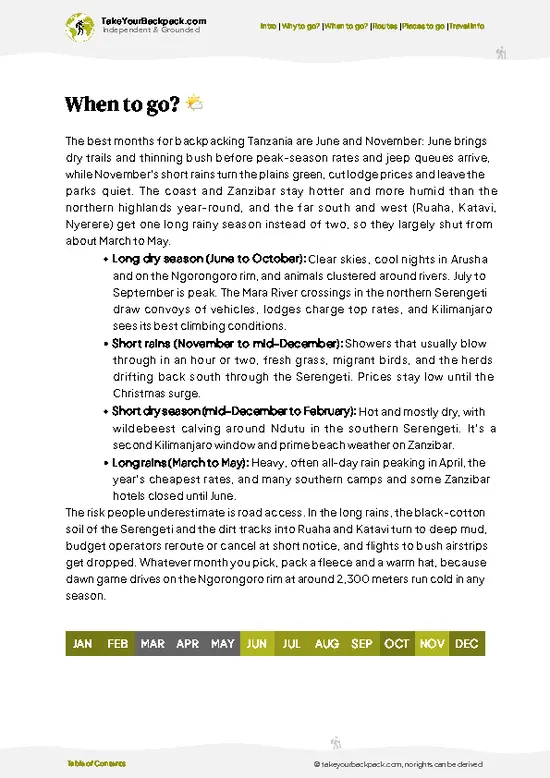
example page 3 from our offline Travel Guide for Tanzania
example page 4 from our offline Travel Guide for Tanzania
example page 5 from our offline Travel Guide for Tanzania
example page 6 from our offline Travel Guide for Tanzania
example page 7 from our offline Travel Guide for Tanzania
Loading the map 🌍
CLICK TO FILTER
cities
towns
landmarks
national parks
hikes
beaches
attractions
festivals
regions
SHOW COUNTRY’S BESTSHOW ALL

✨ Why go?
Ranked #15 city in Tanzania
The unique appeal for travelers

Musoma gives you a slice of Lake Victoria life that most Tanzania itineraries skip entirely. Backpackers come because the town works as a quiet gateway to the western Serengeti side of the region, with safari operators and drivers based here rather than in the crowded northern hubs. The center is small enough to cover on foot, and the lakefront with its fishing boats and rocky headlands keeps a slow rhythm that suits a rest day between long bus rides. Food is simple and lakeside, with grilled tilapia and dagaa the staples. It is a short stop or a useful pivot, not a place to spend a week.

💡 HighlightsTop highlights of Musoma

  1. Musoma lakefront and shoreline rocks: The town’s signature scene is the Lake Victoria shore, with wooden fishing boats, boulders and open water. Go late afternoon for soft light and a breeze. Free, 1 to 2 hours.
  2. Musoma fish market: Fishermen land dagaa (small sardine-like fish) and Nile perch, and women dry and sell them in a loud, smelly, photogenic scramble. Best early morning. Free to wander, about 1 hour.
  3. Butiama Road main market: Stalls of fabric, produce and secondhand clothes show how the town really trades. Mornings are liveliest. Free, 1 hour.
  4. Mwalimu Nyerere Peninsula viewpoints: The rocky peninsula edges around the bay give wide views across the water and are pleasant for a quiet walk. Late afternoon is best. Free, 1 hour.
  5. Lake Victoria boat trip: Local boatmen can take you out to see
… read more 👉
  1. Musoma lakefront and shoreline rocks: The town’s signature scene is the Lake Victoria shore, with wooden fishing boats, boulders and open water. Go late afternoon for soft light and a breeze. Free, 1 to 2 hours.
  2. Musoma fish market: Fishermen land dagaa (small sardine-like fish) and Nile perch, and women dry and sell them in a loud, smelly, photogenic scramble. Best early morning. Free to wander, about 1 hour.
  3. Butiama Road main market: Stalls of fabric, produce and secondhand clothes show how the town really trades. Mornings are liveliest. Free, 1 hour.
  4. Mwalimu Nyerere Peninsula viewpoints: The rocky peninsula edges around the bay give wide views across the water and are pleasant for a quiet walk. Late afternoon is best. Free, 1 hour.
  5. Lake Victoria boat trip: Local boatmen can take you out to see fishing activity and nearby rocky islets. Go in the morning when the water is calmer. Roughly US$15 to 40 per boat depending on the negotiation, 2 to 3 hours.
  6. Sunset at the shoreline bars: Simple lakeside spots serve cold drinks facing the water as the sky colors. Arrive an hour early to grab a seat. A beer costs about US$1 to 2.
Day trips from Musoma include Serengeti National Park’s western corridor, the Kenyan border region toward Tarime, and Butiama, the village where Julius Nyerere is buried and a small museum honors him.

For a first visit, the lakefront at late afternoon is the best choice, because it combines the boats, the water and the town’s relaxed pace in one walk.
Spotted a mistake or missing something? Contact us.

🏘️ NeighborhoodsNeighborhood guide to Musoma

Musoma sits on a peninsula-like stretch of Lake Victoria shore, and nearly everything worth your time lies within a few kilometers, so lace up and roam.
  • Lakefront and Kamunyonge: Start here. Walk the shoreline at the water’s edge, watch fishermen haul in dagaa (tiny silver lake sardines) and tilapia, and snag a plastic chair at a grilled-fish stand. Rocky outcrops and the Nyerere-era sites nearby make it the best free wander in town.
  • Central Market and Bus Area: Loud, dusty and entirely worth an hour. Push through stalls of fruit, fabric and dried fish, then grab chai and mandazi. Skip it after dark, when the streets thin out.
  • Mwisenge: The commercial heart, with banks, ATMs, shops and the busiest eateries. It is flat and walkable, though purely practical rather than pretty.
  • Bweri and Nyasho:
… read more 👉
Musoma sits on a peninsula-like stretch of Lake Victoria shore, and nearly everything worth your time lies within a few kilometers, so lace up and roam.
  • Lakefront and Kamunyonge: Start here. Walk the shoreline at the water’s edge, watch fishermen haul in dagaa (tiny silver lake sardines) and tilapia, and snag a plastic chair at a grilled-fish stand. Rocky outcrops and the Nyerere-era sites nearby make it the best free wander in town.
  • Central Market and Bus Area: Loud, dusty and entirely worth an hour. Push through stalls of fruit, fabric and dried fish, then grab chai and mandazi. Skip it after dark, when the streets thin out.
  • Mwisenge: The commercial heart, with banks, ATMs, shops and the busiest eateries. It is flat and walkable, though purely practical rather than pretty.
  • Bweri and Nyasho: Quieter residential suburbs with lake views. Bring a boda-boda; there is little to see, so go only for a sunset drink or a calm stroll.

⌛️ 1 dayHow to make the most of one day

7:00 AM: Fish market Start at the shoreline market, because the catch comes in early and the energy fades by mid-morning. Watch the dagaa laid out to dry, then walk five minutes along the water.

9:00 AM: Lakefront rocks Stroll the boulders and the fishing boats, and grab chai and mandazi from a roadside seller for breakfast. Then head inland on foot.

11:00 AM: Main market Browse stalls for fabric, fruit and daily goods. Bargain lightly and ask before photographing people.

1:00 PM: Lunch Find a simple local eatery for grilled tilapia with ugali. It is filling and the best value in town.

3:00 PM: Peninsula viewpoints Walk or take a short bajaji ride out to the rocky headlands, where the views open across the bay and few visitors go.

5:30 PM: Shoreline sunset Finish with a cold drink at … read more 👉
7:00 AM: Fish market Start at the shoreline market, because the catch comes in early and the energy fades by mid-morning. Watch the dagaa laid out to dry, then walk five minutes along the water.

9:00 AM: Lakefront rocks Stroll the boulders and the fishing boats, and grab chai and mandazi from a roadside seller for breakfast. Then head inland on foot.

11:00 AM: Main market Browse stalls for fabric, fruit and daily goods. Bargain lightly and ask before photographing people.

1:00 PM: Lunch Find a simple local eatery for grilled tilapia with ugali. It is filling and the best value in town.

3:00 PM: Peninsula viewpoints Walk or take a short bajaji ride out to the rocky headlands, where the views open across the bay and few visitors go.

5:30 PM: Shoreline sunset Finish with a cold drink at a lakeside bar and watch the fishing lamps flicker on as boats head out for the night.

🌤️ When to go?Seasonal considerations and timing

  • June to October: Dry and sunny, with days around 27 to 29°C (81 to 84°F) and cooler nights near 17°C (63°F). Serengeti-bound traffic peaks from July to September, so prices for transfers and rooms edge upward.
  • November to December: Short rains arrive in bursts, humidity climbs, and the lake turns hazy. Crowds are thin and prices soften.
  • January to February: Hot and drier, around 29 to 31°C (84 to 88°F), with good wildlife-crossing activity nearby.
  • March to May: Long rains turn dirt roads to mud and cut some transport. Expect the lowest prices of the year.
Daylight stays close to 12 hours all year, so plan around the rain, not the clock.

source: climatestotravel.comJANJanuary: fair for travelingFEBFebruary: fair for travelingMARMarch: fair for travelingAPRApril: fair for travelingMAYMay: fair for travelingJUNJune: highly recommended for travelingJULJuly: excellent for travelingAUGAugust: excellent for travelingSEPSeptember: excellent for travelingOCTOctober: highly recommended for travelingNOVNovember: fair for travelingDECDecember: fair for traveling
when-to-go

✈️ The backpacker research shortcutTanzania Travel Guide

An offline-friendly backpacking guide with optimized travel routes, ranked highlights, transport advice, and the best areas to stay.
example page 0 from our offline Travel Guide for Tanzania
example page 1 from our offline Travel Guide for Tanzania
example page 2 from our offline Travel Guide for Tanzania
example page 3 from our offline Travel Guide for Tanzania
example page 4 from our offline Travel Guide for Tanzania
example page 5 from our offline Travel Guide for Tanzania
example page 6 from our offline Travel Guide for Tanzania
example page 7 from our offline Travel Guide for Tanzania
The digital guide (396 pages) contains:
✅ 103 highlights, ranked by travel appeal
✅ Optimized 7, 14 & 21-day travel routes
✅ Cities, national parks, landmarks, beaches
✅ How to get around
✅ Offline-friendly for travel without Wi-Fi
👉 Click to see all 30+ guide features

📅 Plan smarter in minutes, not weeks
✅ Month by month travel advice
✅ Festivals & national holidays
✅ Budget expectations

🗺️ Go to the right places, skip the overrated ones
✅ Honest pros & cons of destinations
✅ Top hikes, parks & viewpoints
✅ Lesser-known places most travelers miss
✅ Clear “worth it vs skip it” guidance

🛏️ Travel smoothly without rookie mistakes
✅ Best areas to stay
✅ Transport systems explained simply
✅ Common scams & safety advice
✅ SIM cards, money & practical tips

🌍 Understand the country, not just visit it
✅ Culture & traditions
✅ 52 Essential phrases & customs
✅ Festivals worth planning around
✅ Traveler-friendly historical context
✅ Insights that make places more meaningful

📱 Built for real travel conditions
✅ Fully downloadable PDF
✅ Works completely offline
✅ Optimized for phone use
✅ Useful in remote areas & buses
✅ Everything in one place
Stop searching, start planning
Get instant access to your full guide. 30‑day money-back guarantee.
+ Add another guide for just

By proceeding you agree to our terms.
Sent to your inbox immediately after payment • 100% Secure Checkout
Best Backpacking Travel Advisor 2025 tourism awardBest Backpacking
Travel Advisor
2025
What others say about Take Your Backpack Guides:
⭐⭐⭐⭐⭐
Fantastic, amazing amount of information!
⭐⭐⭐⭐⭐
My goodness this is amazing, it's what I've been looking for hats off too you!
⭐⭐⭐⭐⭐
I think this is absolutely BRILLIANT
⭐⭐⭐⭐
Very complete and informative. It's still missing places, but I gotta to commend you
⭐⭐⭐⭐⭐
This is truly amazing, thank you, can't wait to explore it with my kids!
⭐⭐⭐⭐⭐
Awesome resource, thank you!
⭐⭐⭐⭐⭐
This is amazing! Can't wait to explore the ones I haven't seen
⭐⭐⭐⭐
I love this! Well done, great idea.
⭐⭐⭐⭐⭐
Thanks for taking the time to make this gem!
⭐⭐⭐⭐⭐
This might be the best website I've ever seen.
⭐⭐⭐⭐⭐
Congratulations, and thank you so much for your work; it's incredibly valuable.
⭐⭐⭐⭐
In all seriousness I think you did a great job pointing out the important spots
⭐⭐⭐⭐⭐
10/10 very good
⭐⭐⭐⭐⭐
As someone who's only just starting to visit regularly this is awesome, thank you.
⭐⭐⭐⭐
Thank you very much! I'm going to visit my dad, it's going to be very useful!
⭐⭐⭐⭐⭐
This is really cool! We'll be travelling for the first time and this definitely come in handy.
⭐⭐⭐⭐⭐
You are now our minister of culture, congratulations 👨‍💼
⭐⭐⭐⭐⭐
Just wanted to tell you that this is a pearl! Going to follow your recommendations.
⭐⭐⭐⭐⭐
This is so cool. I'll definitely be using the resource for my travels soon.
⭐⭐⭐⭐⭐
This is very impressive! Good work.
⭐⭐⭐⭐⭐
This is an amazing and informative site. Very well done!

🛏️ Where to stay?Where staying makes the most sense

Mwisenge and the area around the central market are the best bets for budget beds, with simple guesthouses clustered a short walk from buses, ATMs and food stalls. Expect basic private rooms for about US$10 to 20 rather than true dorms, since Musoma has very few hostels. Both areas are lively by day and fairly calm after 9 pm, though early bus departures and mosque calls to prayer mean light sleepers should bring earplugs. Staying here means you can walk to dinner and to the bus stand with a pack. Quieter lakeside suburbs such as Bweri offer better views and less noise, but you will depend on boda-bodas after dark and food options thin out.

🚌 Getting aroundHow to get from A to B

A boda-boda (motorbike taxi) ride across Musoma costs about US$0.40 to 1, paid in cash in shillings at the end of the trip, so agree the fare before you climb on. The town is compact and flat, traffic is light, and buses to other cities are frequent but leave early.
  • Walking: Do it. The lakefront, market and Mwisenge center sit within about 2 to 3 kilometers of each other, and walking is the best way to see daily life.
  • Boda-boda: The quickest and cheapest way to cover longer hops, at US$0.40 to 1.50. Helmets are rare, so ask for a slow ride.
  • Bajaji (three-wheeled tuk-tuks): Better in rain or with a backpack, around US$0.80 to 2 per ride. Bargain gently.
  • Dala-dala minibuses: Cheap local routes along the main roads, about US$0.20 to 0.50. They are cramped, and they only go when full.
  • Long-distance
… read more 👉
A boda-boda (motorbike taxi) ride across Musoma costs about US$0.40 to 1, paid in cash in shillings at the end of the trip, so agree the fare before you climb on. The town is compact and flat, traffic is light, and buses to other cities are frequent but leave early.
  • Walking: Do it. The lakefront, market and Mwisenge center sit within about 2 to 3 kilometers of each other, and walking is the best way to see daily life.
  • Boda-boda: The quickest and cheapest way to cover longer hops, at US$0.40 to 1.50. Helmets are rare, so ask for a slow ride.
  • Bajaji (three-wheeled tuk-tuks): Better in rain or with a backpack, around US$0.80 to 2 per ride. Bargain gently.
  • Dala-dala minibuses: Cheap local routes along the main roads, about US$0.20 to 0.50. They are cramped, and they only go when full.
  • Long-distance buses: Services to Mwanza (about 3 to 4 hours, US$6 to 9) and Arusha (a long day, roughly US$25 to 35) leave from the main stand, mostly from 5 to 7 in the morning. Buy your ticket the day before.

👛 Costs (as of 24 October 2026)Typical daily expenses

Musoma costs about US$20 to 38 a day for a budget backpacker, which is lower than the northern safari towns.
CategoryBudget RangeLocal Reality
Dorm accommodation (high season)US$10 to 15Few true dorms; a basic guesthouse room is the norm
Dorm accommodation (off-season)US$7 to 12Rooms are easy to bargain down in the rains
MealsUS$5 to 10Grilled fish, ugali and rice dishes at local spots
Local transportUS$1 to 3Boda-bodas, bajajis and dala-dalas
City transport passNot availablePay per ride in cash
Basic activities/entry feesUS$2 to 5Butiama museum, lakeshore walks are free
MiscellaneousUS$2 to 5Water, SIM data, a beer or two
Total Daily BudgetUS$20 to 38Stretches further if you eat at the stalls
Eat your biggest meal at lunch, when local plates are cheapest.
⚠️ Prices can change and everyone travels differently, so take this as a rough guide. Hope it helps you plan your adventure!

🚌 Day tripsWhere to go beyond the main area

Musoma works well as a base for short, cheap excursions, and you will be back by dinner for most of them.Serengeti National Park (Ikoma/Kleins Gate): Wildlife viewing on the park’s northern side is the big draw, especially during the river crossings from roughly July to October. It takes about 2 to 3 hours by road to the Ndabaka gate, and park fees alone run US$70 or more per day plus vehicle costs, so budget well over US$100 with a shared safari. First-timers forget to pre-arrange a vehicle.
👉 Explore Serengeti National ParkButiama: The birthplace and burial site of Julius Nyerere lies about 45 minutes by road. The museum is small but gives real context for modern Tanzania. A dala-dala or shared ride costs about US$1 to 3 each way, and entry is roughly US$2 to 5. Go in dry months, when the … read more 👉
Musoma works well as a base for short, cheap excursions, and you will be back by dinner for most of them.Serengeti National Park (Ikoma/Kleins Gate): Wildlife viewing on the park’s northern side is the big draw, especially during the river crossings from roughly July to October. It takes about 2 to 3 hours by road to the Ndabaka gate, and park fees alone run US$70 or more per day plus vehicle costs, so budget well over US$100 with a shared safari. First-timers forget to pre-arrange a vehicle.
👉 Explore Serengeti National ParkButiama: The birthplace and burial site of Julius Nyerere lies about 45 minutes by road. The museum is small but gives real context for modern Tanzania. A dala-dala or shared ride costs about US$1 to 3 each way, and entry is roughly US$2 to 5. Go in dry months, when the road is easiest.
Rubondo Island National Park: Reaching it needs a long drive south and a boat, so most travelers treat it as an early start. Chimpanzees and birds are the lure. Costs are higher, about US$80 to 150 with fees, and many first-timers underestimate the logistics.

🍲 FoodWhat to Eat & Drink

Lake Victoria shapes the plate here. Look for grilled tilapia and Nile perch, served whole with ugali or chips and a sharp kachumbari salad. Dagaa, small sun-dried sardines, show up fried or in stews and smell strongly of the lake. Fish is best at lakeside stands in the late afternoon, when the catch lands, and a meal costs about US$2 to 5.
The central market is the place for cheap breakfasts of chai, mandazi and chapati, plus mangoes, bananas and roasted maize. Small local restaurants around Mwisenge serve rice and beans or stews for about US$1.50 to 3. Evenings belong to cold Safari or Kilimanjaro lagers in simple open-air bars along the shore.

🛡️ SafetyScams, Hazards, and Annoyances

Musoma is calm and friendly, and most trouble comes from simple opportunism rather than danger. Keep your phone and cash out of sight near the market and bus stand, where pickpockets work crowds. After dark, take a boda-boda or bajaji rather than walking unlit streets, especially alone and on the lakefront. Women traveling solo typically report polite curiosity rather than harassment. Boda-boda drivers may quote inflated prices to foreigners, so settle the fare first. Do not swim in the lake near town, because of waterborne parasites and crocodiles in some shallows.

FAQFrequently asked questions about Musoma

Two days is enough for Musoma itself: one for the lakefront, market and fish stands, one for Butiama and Nyerere’s grave, about 45 minutes away. Add 2 to 4 days if you plan a Serengeti safari from the northern gates, roughly 2 to 3 hours by road.
Yes, Musoma is comfortable for solo backpackers, with calm streets and friendly locals. Take a boda-boda after dark rather than walking, keep your phone out of sight at the market, and agree fares up front (about US$0.40 to 1.50 per ride).
Musoma is known for its position on the eastern shore of Lake Victoria, its grilled tilapia and dagaa, and its closeness to Butiama, where Julius Nyerere was born and buried. It also serves as a quieter northern gateway toward the Serengeti, around 2 to 3 hours away.
⚠️ Things can change over time, so always validate details locally before you go.

Other Tanzanian cities near Musoma

Explore more nearby:

  • Tarime—Kurya homesteads, border-region hills, nyama choma, unpolished market| 65 km away
  • Mwanza—Bismarck Rock, Capri Point, Saa Nane Island, Nile perch| 149 km away
  • Bukoba—Robusta coffee, Haya heritage, lakeside port, banana hills| 223 km away

💡 Not sure where to go next?
Create a personalized itinerary for Tanzania including Musoma and the places that fit your trip.

Generate my itinerary

👉 Discover all cities

Or checkout all Tanzania has to offer (think cities, towns, villages, national parks, hikes, beaches, festivals)
Country photo of Tanzania

We 💚 feedbackParting advice and final tips

Musoma works best as two nights: one to wander the shore and markets, one as breathing room before the Serengeti side or the road to Kenya. I would skip rushing it, bring small bills for boats and snacks, and linger at the lake at dusk.

✍️ Help improve this page!
The information on this page is based on in-depth research, insights shared by experienced travelers, and feedback from the local travel community in Tanzania. While every effort is made to keep the information accurate and current, conditions can change — so if you spot anything incorrect or outdated, please get in touch.


🙋‍♂️ Give feedback

👋 Meet the founderWho’s Behind Take Your Backpack?

Johan, backpacker and founder of TakeYourBackpackHi, I’m Johan (Netherlands 🇳🇱), the creator of TakeYourBackpack. Over the past 3 decades, I’ve backpacked through 90+ countries across six continents, gaining extensive experience with independent travel, long-term trips, and overland routes.

This site is built on a combination of firsthand travel experience and carefully curated insights from other backpackers. Many guides are based on places I’ve personally visited, while others bring together tips, observations, and practical advice shared by trusted travelers I’ve met along the way.

The goal is to provide realistic, experience-driven guidance — not generic itineraries — so you can explore destinations with better context, clearer expectations, and more confidence.