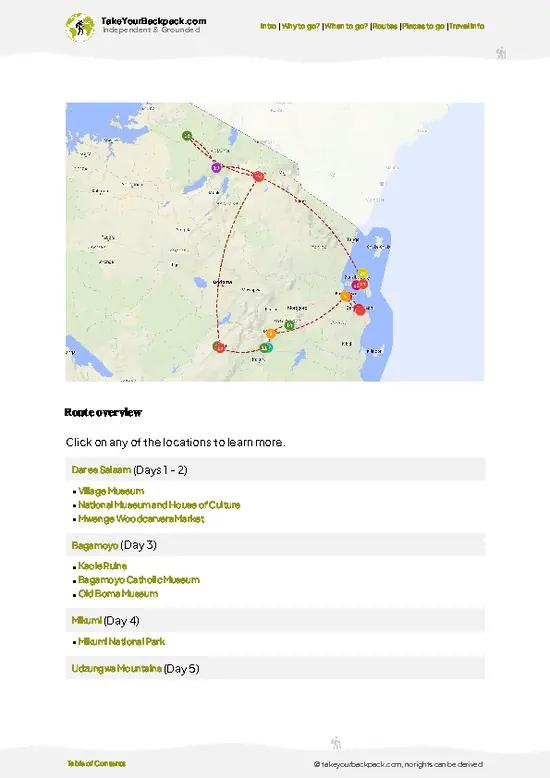
1. Live Studio Walkthroughs
Forget the sterile, velvet-rope museum vibe. At Nafasi, you walk straight into the creative chaos. Artists aren’t tucked away behind glass—they’re sweating over canvases, welding metal, or arguing about color theory right in front of you. You’re not just allowed to watch; you’re expected to ask questions, poke around, and get your hands dirty if you’re game. This is the opposite of passive viewing. It’s a living, breathing art factory, and the energy is contagious. If you’ve ever wanted to see how art actually gets made in East Africa, this is the real deal—no filters, no staged performances.
2. The Weekend Art Markets
Instagram will show you a few pretty paintings on a wall. What it won’t show you is the wild, open-air art market that erupts on weekends. It’s … read more 👉
Forget the sterile, velvet-rope museum vibe. At Nafasi, you walk straight into the creative chaos. Artists aren’t tucked away behind glass—they’re sweating over canvases, welding metal, or arguing about color theory right in front of you. You’re not just allowed to watch; you’re expected to ask questions, poke around, and get your hands dirty if you’re game. This is the opposite of passive viewing. It’s a living, breathing art factory, and the energy is contagious. If you’ve ever wanted to see how art actually gets made in East Africa, this is the real deal—no filters, no staged performances.
2. The Weekend Art Markets
Instagram will show you a few pretty paintings on a wall. What it won’t show you is the wild, open-air art market that erupts on weekends. It’s … read more 👉
1. Live Studio Walkthroughs
Forget the sterile, velvet-rope museum vibe. At Nafasi, you walk straight into the creative chaos. Artists aren’t tucked away behind glass—they’re sweating over canvases, welding metal, or arguing about color theory right in front of you. You’re not just allowed to watch; you’re expected to ask questions, poke around, and get your hands dirty if you’re game. This is the opposite of passive viewing. It’s a living, breathing art factory, and the energy is contagious. If you’ve ever wanted to see how art actually gets made in East Africa, this is the real deal—no filters, no staged performances.
2. The Weekend Art Markets
Instagram will show you a few pretty paintings on a wall. What it won’t show you is the wild, open-air art market that erupts on weekends. It’s a mash-up of local painters, sculptors, jewelry makers, and textile artists, all hustling their work with zero pretension. You’ll hear bargaining in Swahili, smell grilled corn from the food stalls, and maybe catch a kid breakdancing next to a pile of recycled metal sculptures. This is where you find pieces with a story, not mass-produced souvenirs. Prices are negotiable, but don’t expect rock-bottom deals—these artists know their worth, and you’re paying for originality.
3. Experimental Music Nights
Nafasi isn’t just about what you see—it’s about what you hear. The music nights here are unpredictable in the best way. One week it’s a jazz trio riffing with a local rapper, the next it’s a fusion of taarab and electronic beats. The crowd is a mix of expats, Tanzanian creatives, and the occasional lost tourist who wandered in for a beer and stayed for the vibe. No two nights are the same, and the sound system is good enough to do justice to the talent on stage. If you want to know what Dar es Salaam actually sounds like after dark, this is your ticket.
4. Street Art and Graffiti Walls
The Instagram version: a single mural, perfectly framed. The reality: Nafasi’s walls are a constantly evolving canvas. Graffiti artists from across Africa (and sometimes beyond) come here to leave their mark. Some pieces last a year, others get painted over in a week. The best part? You can watch the process unfold in real time, paint fumes and all. It’s raw, it’s political, and it’s a direct line into what young Tanzanians are thinking about right now. If you’re looking for sanitized, government-approved art, look elsewhere.
5. Artist-Led Workshops
This isn’t a “sip and paint” for tourists. These workshops are run by working artists who treat you like a peer, not a customer. Whether it’s printmaking, sculpture, or dance, you’ll be pushed out of your comfort zone. The crowd is a mix—local teens, visiting artists, and travelers who want more than a selfie. You leave with stained hands, a new skill, and maybe a few new friends. If you want to actually participate in Dar’s creative scene, this is your shot.
Forget the sterile, velvet-rope museum vibe. At Nafasi, you walk straight into the creative chaos. Artists aren’t tucked away behind glass—they’re sweating over canvases, welding metal, or arguing about color theory right in front of you. You’re not just allowed to watch; you’re expected to ask questions, poke around, and get your hands dirty if you’re game. This is the opposite of passive viewing. It’s a living, breathing art factory, and the energy is contagious. If you’ve ever wanted to see how art actually gets made in East Africa, this is the real deal—no filters, no staged performances.
2. The Weekend Art Markets
Instagram will show you a few pretty paintings on a wall. What it won’t show you is the wild, open-air art market that erupts on weekends. It’s a mash-up of local painters, sculptors, jewelry makers, and textile artists, all hustling their work with zero pretension. You’ll hear bargaining in Swahili, smell grilled corn from the food stalls, and maybe catch a kid breakdancing next to a pile of recycled metal sculptures. This is where you find pieces with a story, not mass-produced souvenirs. Prices are negotiable, but don’t expect rock-bottom deals—these artists know their worth, and you’re paying for originality.
3. Experimental Music Nights
Nafasi isn’t just about what you see—it’s about what you hear. The music nights here are unpredictable in the best way. One week it’s a jazz trio riffing with a local rapper, the next it’s a fusion of taarab and electronic beats. The crowd is a mix of expats, Tanzanian creatives, and the occasional lost tourist who wandered in for a beer and stayed for the vibe. No two nights are the same, and the sound system is good enough to do justice to the talent on stage. If you want to know what Dar es Salaam actually sounds like after dark, this is your ticket.
4. Street Art and Graffiti Walls
The Instagram version: a single mural, perfectly framed. The reality: Nafasi’s walls are a constantly evolving canvas. Graffiti artists from across Africa (and sometimes beyond) come here to leave their mark. Some pieces last a year, others get painted over in a week. The best part? You can watch the process unfold in real time, paint fumes and all. It’s raw, it’s political, and it’s a direct line into what young Tanzanians are thinking about right now. If you’re looking for sanitized, government-approved art, look elsewhere.
5. Artist-Led Workshops
This isn’t a “sip and paint” for tourists. These workshops are run by working artists who treat you like a peer, not a customer. Whether it’s printmaking, sculpture, or dance, you’ll be pushed out of your comfort zone. The crowd is a mix—local teens, visiting artists, and travelers who want more than a selfie. You leave with stained hands, a new skill, and maybe a few new friends. If you want to actually participate in Dar’s creative scene, this is your shot.
Spotted a mistake or missing something? Contact us.
v2.webp)


Best Backpacking
Hi, I’m Johan (Netherlands 🇳🇱), the creator of TakeYourBackpack. Over the past decade, I’ve backpacked through 80+ countries across six continents, gaining extensive experience with independent travel, long-term trips, and overland routes.