

Live Traditional Dance Performances
Forget the sanitized, tourist-friendly “cultural shows” you’ll find at hotels. At Nyerere Cultural Centre, the dance performances are raw, loud, and unapologetically Tanzanian. Drums thunder. Dancers stomp, leap, and whirl in a way that’s less about pleasing the audience and more about honoring ancestors and community. You’re not just watching a show—you’re witnessing a living tradition that’s survived colonialism, commercialization, and the Instagram filter. The energy is contagious, and if you’re lucky, you’ll get pulled into the circle. Don’t resist. You’ll remember the sweat and laughter long after you’ve forgotten the choreography.
Makonde Woodcarving Demonstrations
This isn’t a souvenir shop with mass-produced trinkets. The Makonde carvers here are … read more 👉
Forget the sanitized, tourist-friendly “cultural shows” you’ll find at hotels. At Nyerere Cultural Centre, the dance performances are raw, loud, and unapologetically Tanzanian. Drums thunder. Dancers stomp, leap, and whirl in a way that’s less about pleasing the audience and more about honoring ancestors and community. You’re not just watching a show—you’re witnessing a living tradition that’s survived colonialism, commercialization, and the Instagram filter. The energy is contagious, and if you’re lucky, you’ll get pulled into the circle. Don’t resist. You’ll remember the sweat and laughter long after you’ve forgotten the choreography.
Makonde Woodcarving Demonstrations
This isn’t a souvenir shop with mass-produced trinkets. The Makonde carvers here are … read more 👉
Live Traditional Dance Performances
Forget the sanitized, tourist-friendly “cultural shows” you’ll find at hotels. At Nyerere Cultural Centre, the dance performances are raw, loud, and unapologetically Tanzanian. Drums thunder. Dancers stomp, leap, and whirl in a way that’s less about pleasing the audience and more about honoring ancestors and community. You’re not just watching a show—you’re witnessing a living tradition that’s survived colonialism, commercialization, and the Instagram filter. The energy is contagious, and if you’re lucky, you’ll get pulled into the circle. Don’t resist. You’ll remember the sweat and laughter long after you’ve forgotten the choreography.
Makonde Woodcarving Demonstrations
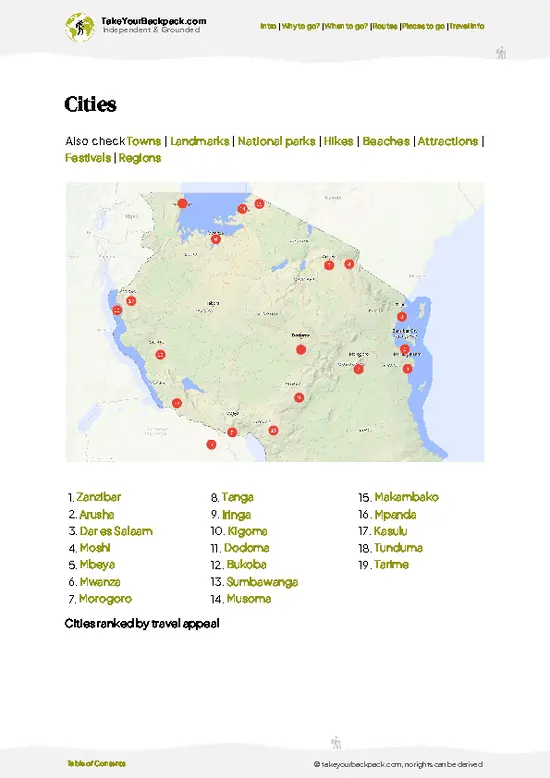
This isn’t a souvenir shop with mass-produced trinkets. The Makonde carvers here are the real deal—artists whose families have been shaping ebony and mahogany for generations. You’ll see them coaxing intricate figures and surreal “tree of life” sculptures from blocks of wood, using nothing but hand tools and muscle memory. The best part? You can actually talk to them. Ask about the symbolism, the stories, the scars on their hands. It’s a crash course in Tanzanian myth and resilience, not a sales pitch.
Swahili Cuisine Sampling
Skip the buffet line. The Centre’s food stalls serve up Swahili classics that taste like someone’s grandmother is in the back, not a chef with a culinary degree. Think pilau rice spiced with cardamom, coconut-laced fish curries, and chapati hot off the griddle. The flavors are bold, the portions generous, and the prices honest. This is where you taste the real Tanzania—no watered-down recipes, no “fusion” nonsense. If you’re not eating with your hands, you’re doing it wrong.
Interactive Drumming Workshops
Here’s where you drop the spectator act. The drumming workshops are loud, messy, and a little intimidating at first—especially if you have zero rhythm. But the instructors are patient, and the vibe is pure encouragement. You’ll learn basic beats, then lose yourself in the collective pulse. It’s not about perfection; it’s about participation. By the end, you’ll understand why drumming is the heartbeat of Tanzanian celebration and protest alike.
Storytelling Evenings
This is the Centre’s best-kept secret. On certain nights, local elders and performers gather to spin tales—sometimes in Swahili, sometimes in English, always with a sly wink and a punchline you won’t see coming. These aren’t sanitized folk tales; they’re stories of tricksters, heroes, and everyday survival. The audience is part of the act, and the line between myth and memory blurs. If you want to understand Tanzania beyond the guidebook, this is where you listen. And laugh. And maybe cry a little, too.
Forget the sanitized, tourist-friendly “cultural shows” you’ll find at hotels. At Nyerere Cultural Centre, the dance performances are raw, loud, and unapologetically Tanzanian. Drums thunder. Dancers stomp, leap, and whirl in a way that’s less about pleasing the audience and more about honoring ancestors and community. You’re not just watching a show—you’re witnessing a living tradition that’s survived colonialism, commercialization, and the Instagram filter. The energy is contagious, and if you’re lucky, you’ll get pulled into the circle. Don’t resist. You’ll remember the sweat and laughter long after you’ve forgotten the choreography.
Makonde Woodcarving Demonstrations
This isn’t a souvenir shop with mass-produced trinkets. The Makonde carvers here are the real deal—artists whose families have been shaping ebony and mahogany for generations. You’ll see them coaxing intricate figures and surreal “tree of life” sculptures from blocks of wood, using nothing but hand tools and muscle memory. The best part? You can actually talk to them. Ask about the symbolism, the stories, the scars on their hands. It’s a crash course in Tanzanian myth and resilience, not a sales pitch.
Swahili Cuisine Sampling
Skip the buffet line. The Centre’s food stalls serve up Swahili classics that taste like someone’s grandmother is in the back, not a chef with a culinary degree. Think pilau rice spiced with cardamom, coconut-laced fish curries, and chapati hot off the griddle. The flavors are bold, the portions generous, and the prices honest. This is where you taste the real Tanzania—no watered-down recipes, no “fusion” nonsense. If you’re not eating with your hands, you’re doing it wrong.
Interactive Drumming Workshops
Here’s where you drop the spectator act. The drumming workshops are loud, messy, and a little intimidating at first—especially if you have zero rhythm. But the instructors are patient, and the vibe is pure encouragement. You’ll learn basic beats, then lose yourself in the collective pulse. It’s not about perfection; it’s about participation. By the end, you’ll understand why drumming is the heartbeat of Tanzanian celebration and protest alike.
Storytelling Evenings
This is the Centre’s best-kept secret. On certain nights, local elders and performers gather to spin tales—sometimes in Swahili, sometimes in English, always with a sly wink and a punchline you won’t see coming. These aren’t sanitized folk tales; they’re stories of tricksters, heroes, and everyday survival. The audience is part of the act, and the line between myth and memory blurs. If you want to understand Tanzania beyond the guidebook, this is where you listen. And laugh. And maybe cry a little, too.
Spotted a mistake or missing something? Contact us.
v2.webp)

Best Backpacking
Hi, I’m Johan (Netherlands 🇳🇱), the creator of TakeYourBackpack. Over the past decade, I’ve backpacked through 80+ countries across six continents, gaining extensive experience with independent travel, long-term trips, and overland routes.