
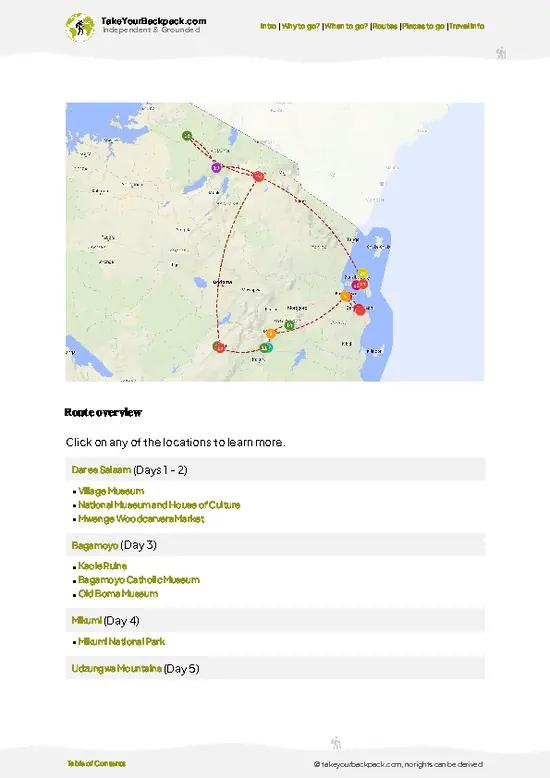
1. The Building Itself: Colonial Relic with Real Scars
Forget the Instagram filters—Old Boma isn’t a pristine palace. It’s a hulking, weathered German colonial fortress from 1895, built to intimidate, not to charm. The thick walls and iron-barred windows still carry the tension of its original purpose: a military outpost and administrative center. You can run your hand along the pockmarked stone and feel the weight of a century’s worth of power struggles, from German colonizers to British administrators to Tanzanian independence. This isn’t a backdrop for selfies; it’s a living artifact that forces you to confront the raw, complicated history of Dar es Salaam.
2. The Ethnographic Exhibits: Tanzania Without the Tourist Gloss
If you’re expecting polished, interactive displays, lower your expectations … read more 👉
Forget the Instagram filters—Old Boma isn’t a pristine palace. It’s a hulking, weathered German colonial fortress from 1895, built to intimidate, not to charm. The thick walls and iron-barred windows still carry the tension of its original purpose: a military outpost and administrative center. You can run your hand along the pockmarked stone and feel the weight of a century’s worth of power struggles, from German colonizers to British administrators to Tanzanian independence. This isn’t a backdrop for selfies; it’s a living artifact that forces you to confront the raw, complicated history of Dar es Salaam.
2. The Ethnographic Exhibits: Tanzania Without the Tourist Gloss
If you’re expecting polished, interactive displays, lower your expectations … read more 👉
1. The Building Itself: Colonial Relic with Real Scars
Forget the Instagram filters—Old Boma isn’t a pristine palace. It’s a hulking, weathered German colonial fortress from 1895, built to intimidate, not to charm. The thick walls and iron-barred windows still carry the tension of its original purpose: a military outpost and administrative center. You can run your hand along the pockmarked stone and feel the weight of a century’s worth of power struggles, from German colonizers to British administrators to Tanzanian independence. This isn’t a backdrop for selfies; it’s a living artifact that forces you to confront the raw, complicated history of Dar es Salaam.
2. The Ethnographic Exhibits: Tanzania Without the Tourist Gloss
If you’re expecting polished, interactive displays, lower your expectations and raise your curiosity. The Old Boma’s ethnographic rooms are old-school—glass cases, faded labels, and all. But that’s exactly why they work. You’ll see real, everyday objects from dozens of Tanzanian cultures: hand-carved tools, ceremonial masks, battered musical instruments, and textiles that haven’t been sanitized for Western tastes. It’s a crash course in the country’s diversity, minus the marketing spin. The best part? You’re not being shepherded through a curated narrative. You’re left to piece together the story yourself, which is far more rewarding than any audio guide.
3. The Urban History Gallery: Dar es Salaam’s True Origin Story
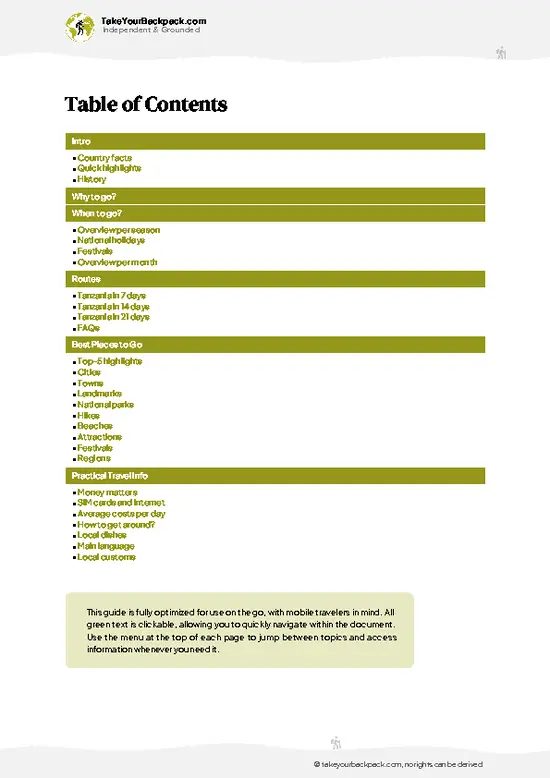
Most visitors blow through Dar es Salaam on their way to Zanzibar or the Serengeti, never realizing the city has a pulse of its own. The Old Boma’s urban history section is the antidote to that oversight. Here, you get the unvarnished story of how a sleepy Swahili fishing village became a colonial hub, then a chaotic, vibrant metropolis. The displays are blunt about the city’s growing pains—forced relocations, rapid urbanization, and the messy legacy of colonial planning. If you want to understand why Dar feels the way it does today, this is where you start.
4. The Rooftop View: The City in 360 Degrees
This is the one spot where you’ll want your camera, but not for the usual reasons. Climb up to the Old Boma’s rooftop and you get a panoramic view that’s pure, unfiltered Dar es Salaam: battered tin roofs, the sprawl of Kariakoo market, the Indian Ocean shimmering in the distance, and the relentless churn of traffic below. It’s not pretty in the conventional sense, but it’s honest. You see the city as it really is—alive, unpolished, and impossible to summarize in a single shot.
5. The Sense of Place: History You Can Touch
Here’s the real magic: Old Boma isn’t just a museum, it’s a time machine with the doors left open. You can wander through echoing halls, past crumbling staircases and sun-bleached courtyards, and feel the ghosts of everyone who’s passed through—colonial officers, local leaders, revolutionaries, and ordinary Tanzanians. There’s no velvet rope separating you from the past. It’s messy, imperfect, and absolutely worth your time if you want to feel the heartbeat of Dar es Salaam, not just tick off another attraction.
Forget the Instagram filters—Old Boma isn’t a pristine palace. It’s a hulking, weathered German colonial fortress from 1895, built to intimidate, not to charm. The thick walls and iron-barred windows still carry the tension of its original purpose: a military outpost and administrative center. You can run your hand along the pockmarked stone and feel the weight of a century’s worth of power struggles, from German colonizers to British administrators to Tanzanian independence. This isn’t a backdrop for selfies; it’s a living artifact that forces you to confront the raw, complicated history of Dar es Salaam.
2. The Ethnographic Exhibits: Tanzania Without the Tourist Gloss
If you’re expecting polished, interactive displays, lower your expectations and raise your curiosity. The Old Boma’s ethnographic rooms are old-school—glass cases, faded labels, and all. But that’s exactly why they work. You’ll see real, everyday objects from dozens of Tanzanian cultures: hand-carved tools, ceremonial masks, battered musical instruments, and textiles that haven’t been sanitized for Western tastes. It’s a crash course in the country’s diversity, minus the marketing spin. The best part? You’re not being shepherded through a curated narrative. You’re left to piece together the story yourself, which is far more rewarding than any audio guide.
3. The Urban History Gallery: Dar es Salaam’s True Origin Story
Most visitors blow through Dar es Salaam on their way to Zanzibar or the Serengeti, never realizing the city has a pulse of its own. The Old Boma’s urban history section is the antidote to that oversight. Here, you get the unvarnished story of how a sleepy Swahili fishing village became a colonial hub, then a chaotic, vibrant metropolis. The displays are blunt about the city’s growing pains—forced relocations, rapid urbanization, and the messy legacy of colonial planning. If you want to understand why Dar feels the way it does today, this is where you start.
4. The Rooftop View: The City in 360 Degrees
This is the one spot where you’ll want your camera, but not for the usual reasons. Climb up to the Old Boma’s rooftop and you get a panoramic view that’s pure, unfiltered Dar es Salaam: battered tin roofs, the sprawl of Kariakoo market, the Indian Ocean shimmering in the distance, and the relentless churn of traffic below. It’s not pretty in the conventional sense, but it’s honest. You see the city as it really is—alive, unpolished, and impossible to summarize in a single shot.
5. The Sense of Place: History You Can Touch
Here’s the real magic: Old Boma isn’t just a museum, it’s a time machine with the doors left open. You can wander through echoing halls, past crumbling staircases and sun-bleached courtyards, and feel the ghosts of everyone who’s passed through—colonial officers, local leaders, revolutionaries, and ordinary Tanzanians. There’s no velvet rope separating you from the past. It’s messy, imperfect, and absolutely worth your time if you want to feel the heartbeat of Dar es Salaam, not just tick off another attraction.
Spotted a mistake or missing something? Contact us.
v2.webp)


Best Backpacking
Hi, I’m Johan (Netherlands 🇳🇱), the creator of TakeYourBackpack. Over the past decade, I’ve backpacked through 80+ countries across six continents, gaining extensive experience with independent travel, long-term trips, and overland routes.