v2.webp)
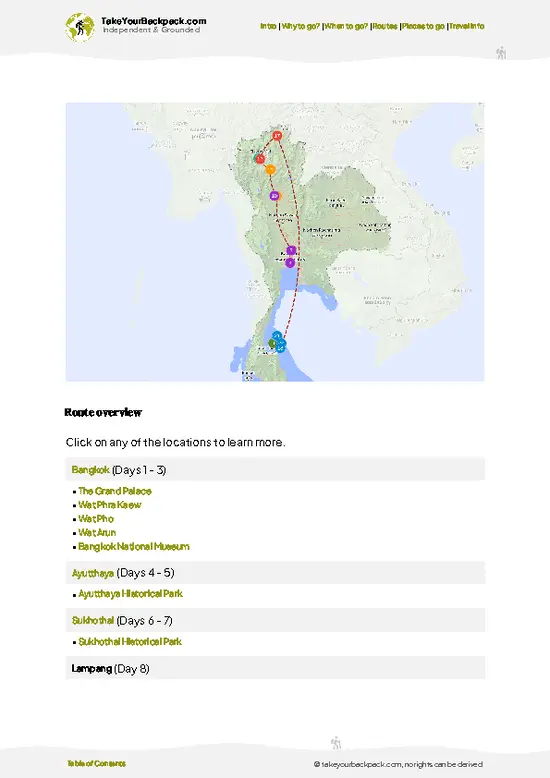
Wat Phra That Doi Kong Mu
Mae Hong Son’s hilltop temple is the city’s visual anchor and spiritual compass. Climb the steep staircase (or take a quick drive) for a panoramic sweep of misty mountains and the patchwork of rooftops below. The twin white chedis are Burmese-style, a nod to the city’s cross-border heritage. Arrive at sunrise for a near-mystical calm, or at sunset when the city glows gold and locals light incense. Entry is free. Allow 45-90 minutes, more if you linger with a coffee at the viewpoint café.
Morning Market (Talat Chao)
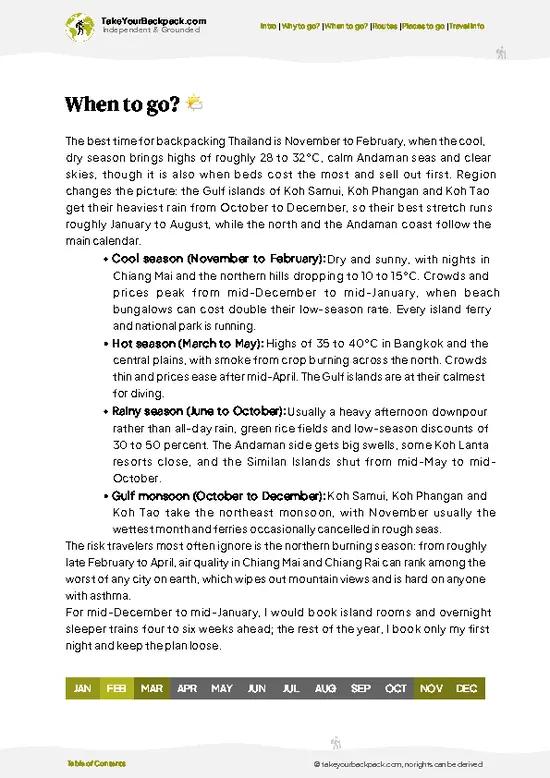
This is Mae Hong Son’s pulse before 8 a.m.—a compact, covered market where Shan grandmothers sell sticky rice, wild honey, and foraged mushrooms. You’ll see saffron-robed monks collecting alms and locals haggling over breakfast. Skip the tourist trinkets; … read more 👉
Mae Hong Son’s hilltop temple is the city’s visual anchor and spiritual compass. Climb the steep staircase (or take a quick drive) for a panoramic sweep of misty mountains and the patchwork of rooftops below. The twin white chedis are Burmese-style, a nod to the city’s cross-border heritage. Arrive at sunrise for a near-mystical calm, or at sunset when the city glows gold and locals light incense. Entry is free. Allow 45-90 minutes, more if you linger with a coffee at the viewpoint café.
Morning Market (Talat Chao)
This is Mae Hong Son’s pulse before 8 a.m.—a compact, covered market where Shan grandmothers sell sticky rice, wild honey, and foraged mushrooms. You’ll see saffron-robed monks collecting alms and locals haggling over breakfast. Skip the tourist trinkets; … read more 👉
Wat Phra That Doi Kong Mu
Mae Hong Son’s hilltop temple is the city’s visual anchor and spiritual compass. Climb the steep staircase (or take a quick drive) for a panoramic sweep of misty mountains and the patchwork of rooftops below. The twin white chedis are Burmese-style, a nod to the city’s cross-border heritage. Arrive at sunrise for a near-mystical calm, or at sunset when the city glows gold and locals light incense. Entry is free. Allow 45-90 minutes, more if you linger with a coffee at the viewpoint café.
Morning Market (Talat Chao)
This is Mae Hong Son’s pulse before 8 a.m.—a compact, covered market where Shan grandmothers sell sticky rice, wild honey, and foraged mushrooms. You’ll see saffron-robed monks collecting alms and locals haggling over breakfast. Skip the tourist trinkets; focus on the food stalls for a real taste of the region. Bring small bills. Free to wander, but expect to spend 30-60 baht for a hearty local breakfast. Plan for 30-45 minutes, more if you’re a food explorer.
Wat Chong Kham & Wat Chong Klang
These twin lakeside temples are Mae Hong Son’s social heart. Their mirrored reflections in the Nong Chong Kham lake are iconic, but the real draw is inside: Wat Chong Klang’s glass-fronted hall houses intricate Burmese wood carvings and rare glass paintings depicting Jataka tales. Visit at dusk when the temples light up and the night market buzzes to life. Entry is free. 30-60 minutes covers both, but the lakeside park is perfect for a slow stroll.
Mae Hong Son Living Museum
Skip the dusty dioramas. This small, community-run museum is a living archive of the city’s multi-ethnic roots—Shan, Karen, Lisu, and more. Exhibits are tactile: textiles you can touch, tools you can handle, and sometimes a local elder ready to explain the old ways. Open during the day, closed Mondays. Entry is around 50 baht. Budget 45-60 minutes.
Fish Cave (Tham Pla)
A short ride north of the city center but still within Mae Hong Son’s municipal boundary, this limestone cave is home to hundreds of sacred soro brook carp. Locals come to feed the fish and picnic in the shaded park. The cave itself is small, but the setting—cool, green, and oddly serene—makes it a worthy detour, especially if you need a break from temples. Entry is 100 baht for foreigners. 30-60 minutes is plenty.
If you’re ready to venture further, day trips from Mae Hong Son unlock the bamboo forests of Ban Rak Thai, the long-neck Karen villages, and the hot springs at Pha Bong—Ban Rak Thai’s misty lakeside tea houses are my personal favorite for a slow afternoon.
Mae Hong Son’s hilltop temple is the city’s visual anchor and spiritual compass. Climb the steep staircase (or take a quick drive) for a panoramic sweep of misty mountains and the patchwork of rooftops below. The twin white chedis are Burmese-style, a nod to the city’s cross-border heritage. Arrive at sunrise for a near-mystical calm, or at sunset when the city glows gold and locals light incense. Entry is free. Allow 45-90 minutes, more if you linger with a coffee at the viewpoint café.
Morning Market (Talat Chao)
This is Mae Hong Son’s pulse before 8 a.m.—a compact, covered market where Shan grandmothers sell sticky rice, wild honey, and foraged mushrooms. You’ll see saffron-robed monks collecting alms and locals haggling over breakfast. Skip the tourist trinkets; focus on the food stalls for a real taste of the region. Bring small bills. Free to wander, but expect to spend 30-60 baht for a hearty local breakfast. Plan for 30-45 minutes, more if you’re a food explorer.
Wat Chong Kham & Wat Chong Klang
These twin lakeside temples are Mae Hong Son’s social heart. Their mirrored reflections in the Nong Chong Kham lake are iconic, but the real draw is inside: Wat Chong Klang’s glass-fronted hall houses intricate Burmese wood carvings and rare glass paintings depicting Jataka tales. Visit at dusk when the temples light up and the night market buzzes to life. Entry is free. 30-60 minutes covers both, but the lakeside park is perfect for a slow stroll.
Mae Hong Son Living Museum
Skip the dusty dioramas. This small, community-run museum is a living archive of the city’s multi-ethnic roots—Shan, Karen, Lisu, and more. Exhibits are tactile: textiles you can touch, tools you can handle, and sometimes a local elder ready to explain the old ways. Open during the day, closed Mondays. Entry is around 50 baht. Budget 45-60 minutes.
Fish Cave (Tham Pla)
A short ride north of the city center but still within Mae Hong Son’s municipal boundary, this limestone cave is home to hundreds of sacred soro brook carp. Locals come to feed the fish and picnic in the shaded park. The cave itself is small, but the setting—cool, green, and oddly serene—makes it a worthy detour, especially if you need a break from temples. Entry is 100 baht for foreigners. 30-60 minutes is plenty.
If you’re ready to venture further, day trips from Mae Hong Son unlock the bamboo forests of Ban Rak Thai, the long-neck Karen villages, and the hot springs at Pha Bong—Ban Rak Thai’s misty lakeside tea houses are my personal favorite for a slow afternoon.
Spotted a mistake or missing something? Contact us.


 Best Backpacking
.jpg) Hi, I’m Johan (Netherlands 🇳🇱), the creator of TakeYourBackpack. Over the past 3 decades, I’ve backpacked through 90+ countries across six continents, gaining extensive experience with independent travel, long-term trips, and overland routes.
Hi, I’m Johan (Netherlands 🇳🇱), the creator of TakeYourBackpack. Over the past 3 decades, I’ve backpacked through 90+ countries across six continents, gaining extensive experience with independent travel, long-term trips, and overland routes.