v2.webp)
- Old iron smelting furnaces: The remains of traditional forges in the hills around town are the reason Bassar matters. A local guide shows you slag heaps and clay furnace shafts and explains how ore became tools. Go in the morning for cooler walking. Expect a guide fee of about €3 to 8 and 2 to 3 hours.
- Bassar market: Stalls overflow with yams, shea butter, spices, cloth and ironware. Arrive early, when the best produce is out and the heat is mild. Entry is free and an hour or two is plenty.
- Fête Nano: The festival celebrates Bassar identity with dances, drumming and processions. Check local dates, as it is held once a year. Attendance is usually free, and you can spend a half day or more.
- Blacksmith workshops: Small forges in town still hammer out hoes and knives, with sparks, bellows and the
- Old iron smelting furnaces: The remains of traditional forges in the hills around town are the reason Bassar matters. A local guide shows you slag heaps and clay furnace shafts and explains how ore became tools. Go in the morning for cooler walking. Expect a guide fee of about €3 to 8 and 2 to 3 hours.
- Bassar market: Stalls overflow with yams, shea butter, spices, cloth and ironware. Arrive early, when the best produce is out and the heat is mild. Entry is free and an hour or two is plenty.
- Fête Nano: The festival celebrates Bassar identity with dances, drumming and processions. Check local dates, as it is held once a year. Attendance is usually free, and you can spend a half day or more.
- Blacksmith workshops: Small forges in town still hammer out hoes and knives, with sparks, bellows and the ring of metal. Late morning is lively. Visits are free, though a small purchase or tip of about €1 to 3 is polite. Plan 30 to 60 minutes.
- Hill viewpoints around town: Short climbs over granite outcrops give wide views of savanna and red roofs. Late afternoon gives the softest light and cooler air. They are free, and a walk takes 1 to 2 hours.
Spotted a mistake or missing something? Contact us.

Guided tour of the city of Lomé

Day Trip to Agbodrafo Togoville and Aneho

Private full day to see the best of Lomé-TOGO

Kpalimé & Mont Agou: Adventure in the Heart of the Wonders of Togo

Lomé authentic tour

Historical Tour to Togoville

3-Day Tour in the Heart of Benin - Check-out Lomé or Cotonou

Private Maritimes Region Historical And Cultural Tour

Private transfer from Lomé Airport to Lomé


 Best Backpacking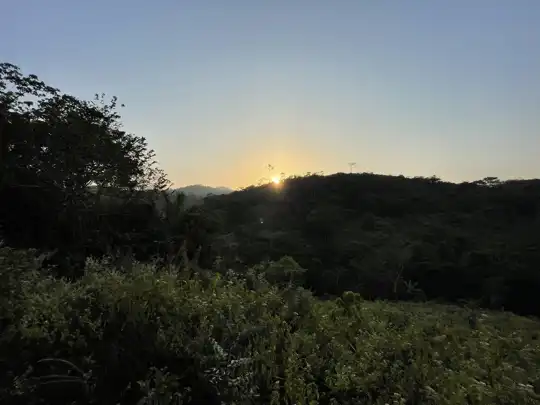
.jpg) Hi, I’m Johan (Netherlands 🇳🇱), the creator of TakeYourBackpack. Over the past 3 decades, I’ve backpacked through 90+ countries across six continents, gaining extensive experience with independent travel, long-term trips, and overland routes.
Hi, I’m Johan (Netherlands 🇳🇱), the creator of TakeYourBackpack. Over the past 3 decades, I’ve backpacked through 90+ countries across six continents, gaining extensive experience with independent travel, long-term trips, and overland routes.