




The Monument’s Brutalist Grandeur
Forget the Instagram filters—this is not a dainty Parisian obelisk. The Independence Monument in Lomé is a slab of mid-century ambition, all sharp lines and unapologetic concrete. It’s a relic of 1960s optimism, built when Togo shook off colonial rule and wanted the world to know it. The monument’s stark, almost severe silhouette is a statement: Togo is here, and it’s not asking for permission. If you’re expecting a delicate, photo-ready landmark, you’ll be surprised. The real magic is in its raw, unpolished presence—this is history you can feel under your boots.
People-Watching in the Heart of Lomé
Here’s the honest truth: you will not have the place to yourself. The monument sits smack in the middle of a busy roundabout, pulsing with the city’s daily life. … read more 👉
Forget the Instagram filters—this is not a dainty Parisian obelisk. The Independence Monument in Lomé is a slab of mid-century ambition, all sharp lines and unapologetic concrete. It’s a relic of 1960s optimism, built when Togo shook off colonial rule and wanted the world to know it. The monument’s stark, almost severe silhouette is a statement: Togo is here, and it’s not asking for permission. If you’re expecting a delicate, photo-ready landmark, you’ll be surprised. The real magic is in its raw, unpolished presence—this is history you can feel under your boots.
People-Watching in the Heart of Lomé
Here’s the honest truth: you will not have the place to yourself. The monument sits smack in the middle of a busy roundabout, pulsing with the city’s daily life. … read more 👉
The Monument’s Brutalist Grandeur
Forget the Instagram filters—this is not a dainty Parisian obelisk. The Independence Monument in Lomé is a slab of mid-century ambition, all sharp lines and unapologetic concrete. It’s a relic of 1960s optimism, built when Togo shook off colonial rule and wanted the world to know it. The monument’s stark, almost severe silhouette is a statement: Togo is here, and it’s not asking for permission. If you’re expecting a delicate, photo-ready landmark, you’ll be surprised. The real magic is in its raw, unpolished presence—this is history you can feel under your boots.
People-Watching in the Heart of Lomé
Here’s the honest truth: you will not have the place to yourself. The monument sits smack in the middle of a busy roundabout, pulsing with the city’s daily life. But that’s the point. This is where you see Lomé in motion—students in pressed uniforms, street vendors hawking everything from SIM cards to roasted peanuts, and the occasional wedding party posing for photos with the monument’s stern backdrop. Skip the staged selfies and just watch the choreography of real life swirl around you. It’s a front-row seat to the city’s rhythm.
The Eternal Flame and Its Symbolism
At the base of the monument, you’ll find the eternal flame—a literal fire that’s meant to burn as long as Togo stands free. It’s not flashy, but it’s loaded with meaning. Locals treat it with a kind of reverence you won’t find in the guidebooks. If you’re lucky enough to visit during a national holiday, you’ll see officials and schoolchildren laying wreaths and standing in silent respect. This is the emotional core of the site, and it’s worth pausing to take it in.
Unexpected Calm at Dawn
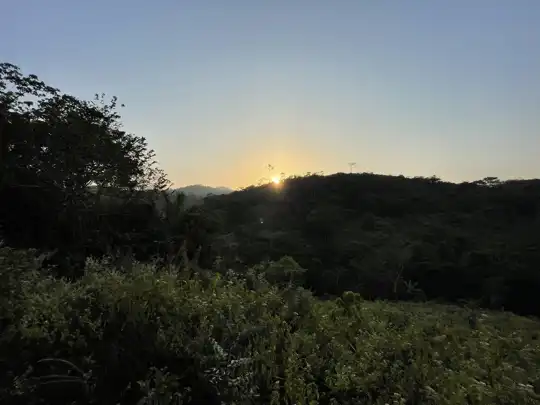
If you want a moment of peace, show up at sunrise. The city hasn’t fully woken up, and the monument stands alone in the pinkish light, almost regal. You’ll hear the distant call to prayer, the first taxis sputtering to life, and maybe a few joggers looping the roundabout. It’s the only time you’ll get the place (almost) to yourself, and it’s when the monument feels most powerful—less a tourist stop, more a silent witness to the city’s beginnings.
The Monument’s Role in Togolese Identity
This isn’t just a photo op—it’s a touchstone for national pride. The monument is where protests start, where celebrations end, and where families come to mark big moments. It’s woven into the country’s story in a way that’s hard to fake. If you want to understand Togo beyond the surface, stand here and watch how people interact with the space. You’ll see respect, defiance, hope, and sometimes grief—all in the shadow of that concrete spire.
Forget the Instagram filters—this is not a dainty Parisian obelisk. The Independence Monument in Lomé is a slab of mid-century ambition, all sharp lines and unapologetic concrete. It’s a relic of 1960s optimism, built when Togo shook off colonial rule and wanted the world to know it. The monument’s stark, almost severe silhouette is a statement: Togo is here, and it’s not asking for permission. If you’re expecting a delicate, photo-ready landmark, you’ll be surprised. The real magic is in its raw, unpolished presence—this is history you can feel under your boots.
People-Watching in the Heart of Lomé
Here’s the honest truth: you will not have the place to yourself. The monument sits smack in the middle of a busy roundabout, pulsing with the city’s daily life. But that’s the point. This is where you see Lomé in motion—students in pressed uniforms, street vendors hawking everything from SIM cards to roasted peanuts, and the occasional wedding party posing for photos with the monument’s stern backdrop. Skip the staged selfies and just watch the choreography of real life swirl around you. It’s a front-row seat to the city’s rhythm.
The Eternal Flame and Its Symbolism
At the base of the monument, you’ll find the eternal flame—a literal fire that’s meant to burn as long as Togo stands free. It’s not flashy, but it’s loaded with meaning. Locals treat it with a kind of reverence you won’t find in the guidebooks. If you’re lucky enough to visit during a national holiday, you’ll see officials and schoolchildren laying wreaths and standing in silent respect. This is the emotional core of the site, and it’s worth pausing to take it in.
Unexpected Calm at Dawn
If you want a moment of peace, show up at sunrise. The city hasn’t fully woken up, and the monument stands alone in the pinkish light, almost regal. You’ll hear the distant call to prayer, the first taxis sputtering to life, and maybe a few joggers looping the roundabout. It’s the only time you’ll get the place (almost) to yourself, and it’s when the monument feels most powerful—less a tourist stop, more a silent witness to the city’s beginnings.
The Monument’s Role in Togolese Identity
This isn’t just a photo op—it’s a touchstone for national pride. The monument is where protests start, where celebrations end, and where families come to mark big moments. It’s woven into the country’s story in a way that’s hard to fake. If you want to understand Togo beyond the surface, stand here and watch how people interact with the space. You’ll see respect, defiance, hope, and sometimes grief—all in the shadow of that concrete spire.
Spotted a mistake or missing something? Contact us.
v2.webp)


Best Backpacking
Hi, I’m Johan (Netherlands 🇳🇱), the creator of TakeYourBackpack. Over the past decade, I’ve backpacked through 80+ countries across six continents, gaining extensive experience with independent travel, long-term trips, and overland routes.