×

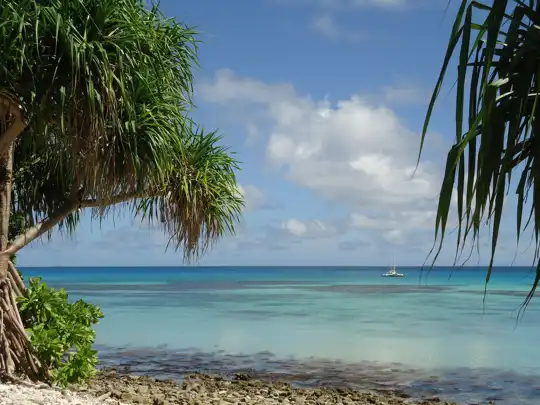
Tuvalu🇹🇻 | villagesSavavelagoon shoreline, village meeting house, local fishing boats | things to do and best time to go

Explore VaitupuExplore Funafuti Women’s Handicraft Centre

Backpacking in Savave
👀 For curious travelersvillage ranked #6
By Johan Kruseman 🇳🇱 | Updated July 27, 2026

Everyone talks about Savave for the postcard lagoon shots – the glassy water, the palm silhouettes, the “I’m-on-the-edge-of-the-world” vibe. That’s real, but what matters more for you as a traveler is how small, slow, and human it feels, because that rhythm will shape your whole Tuvalu route. Savave sits on Nukufetau atoll, a speck in the central part of Tuvalu, and it’s less a town than a tight-knit village stretched along sand and coral. For backpackers, it works best as a quiet base to taste outer-island life rather than a place packed with activities: simple walks under heavy, salty air, reef flats at low tide, church on Sunday, maybe a boat ride arranged through whoever’s hosting you. Getting here usually means a small boat or occasional inter-island transport from Funafuti, and once you arrive, you walk; there’s no real “getting around” system, just sandy paths and time. It’s cheaper than Funafuti but not “budget” in global terms, because everything is shipped in and options are limited. Nights are slow, lit by a few bulbs and the sound of waves, and you’re far more likely to share tea with a family than beers with a crowd of backpackers. Compared with Funafuti, Savave is more scenic and traditional, less practical, and much less social; it’s a place to lean into isolation, not chase a scene.

Discover everything you want to know in the 📖 Tuvalu Travel Guide.


Get your Tuvalu guide
21 ranked highlights, routes & tips, works offline (109 pages)
Loading the map 🌍
CLICK TO FILTER
towns
villages
landmarks
beaches
attractions
festivals
regions
SHOW COUNTRY’S BESTSHOW ALL

✨ Why go?
Ranked #6 village in Tuvalu
The unique appeal for travelers

Savave, the heart of Tuvalu, is a backpacker’s waypoint that offers a blend of convenience and charm. It’s not just a stopover; it’s a launchpad for nearby hikes and pristine beaches. The local guesthouses and small-scale hostels create a cozy atmosphere, perfect for solo travelers or small groups looking to connect. You’ll find yourself sharing stories over a plate of freshly caught fish at a local eatery, where the scent of coconut and grilled seafood fills the air.

The streets are walkable, inviting you to explore at your own pace. While some travelers might only linger for a night or two, those who stay longer often find themselves drawn into the friendly social scene. It’s a place where you can swap tips with fellow adventurers or simply enjoy the quiet rhythm of island life.

Savave … read more 👉
Savave, the heart of Tuvalu, is a backpacker’s waypoint that offers a blend of convenience and charm. It’s not just a stopover; it’s a launchpad for nearby hikes and pristine beaches. The local guesthouses and small-scale hostels create a cozy atmosphere, perfect for solo travelers or small groups looking to connect. You’ll find yourself sharing stories over a plate of freshly caught fish at a local eatery, where the scent of coconut and grilled seafood fills the air.

The streets are walkable, inviting you to explore at your own pace. While some travelers might only linger for a night or two, those who stay longer often find themselves drawn into the friendly social scene. It’s a place where you can swap tips with fellow adventurers or simply enjoy the quiet rhythm of island life.

Savave suits slow travelers who appreciate the balance of cultural immersion and natural beauty. If you’re seeking a vibrant nightlife, you might want to keep moving, but for those who relish the simple joys of beach walks and community, this town is a rewarding pause on your journey.
Want to include Savave in your Tuvalu route?
Create a personalized Tuvalu itinerary that includes Savave and the places that fit your trip — based on your travel style, budget, and available time. Get your route in seconds.

Generate my trip

💡 HighlightsPlaces and moments you shouldn't skip

  • Savave maneapa (village meeting hall) — The social heart of the village: weddings, council meetings, dance rehearsals and nights of singing happen here. Even if there’s no event, the carved posts and open plan tell you a lot about local life and customs.
  • Savave village church — Church services shape the weekly rhythm. Visiting on a Sunday gives you powerful communal singing, simple architecture, and a clear window into local beliefs and hospitality.
  • Shoreline and boat landing — Where fishermen haul nets, women sort shellfish and kids dive off the rocks. It’s low-key but very authentic: great for watching daily subsistence fishing and meeting people who’ll point out the best snorkeling spots nearby.
  • Traditional fale clusters — Roofed thatch houses and family compounds show how people live
read more 👉
  • Savave maneapa (village meeting hall) — The social heart of the village: weddings, council meetings, dance rehearsals and nights of singing happen here. Even if there’s no event, the carved posts and open plan tell you a lot about local life and customs.
  • Savave village church — Church services shape the weekly rhythm. Visiting on a Sunday gives you powerful communal singing, simple architecture, and a clear window into local beliefs and hospitality.
  • Shoreline and boat landing — Where fishermen haul nets, women sort shellfish and kids dive off the rocks. It’s low-key but very authentic: great for watching daily subsistence fishing and meeting people who’ll point out the best snorkeling spots nearby.
  • Traditional fale clusters — Roofed thatch houses and family compounds show how people live in tight-knit groups. Walking the lanes between them gives a sense of material culture, construction methods and everyday rhythms.
  • Savave community school — Small, lively, and full of murals and kids playing. Dropping by (ask first) is an easy way to see everyday village life and how education fits into the community.
  • Women’s weaving and craft spots — Informal workshops where pandanus mats, coiled baskets and shell jewelry are made. Buying a mat or watching a weaving demo supports local incomes and keeps traditions alive.
  • Village sports ground — Football matches and informal games bring almost everyone out. If there’s a weekend match you’ll get noise, cheers, and a genuine community atmosphere — great for casual conversation and photos.
  • Community garden and pulaka pits — Small plots and subterranean pulaka (swamp taro) pits are working examples of Tuvaluan food systems. A short guided walk explains the effort behind staples and the importance of coconut groves.
  • Boatbuilding and canoe sheds — Simple sheds where local fishermen maintain and sometimes build outrigger canoes (vaka). Seeing traditional repair techniques up close is satisfying and photogenic.
  • Village cemetery and family memorials — Family plots, carved crosses and memorial practices are visually quiet but full of stories. Respectful visits can reveal genealogy, WWII-era memories, and local ways of honouring ancestors.
A few nearby day-trip highlights: the Funafuti Conservation Area (marine reserve and small motu for excellent snorkeling), lagoon wreck/snorkel spots in Funafuti’s lagoon, and the nearby Vaiaku area (administrative centre, craft stalls and the post office) are all easy to reach from Savave.
Spotted a mistake or missing something? Contact us.

⌛️ 1 dayHow to make the most of one day

Savave, the capital of Tuvalu, is a small town that pulses with the rhythm of island life. Its charm lies in the simplicity of its surroundings—crystal-clear waters, swaying palms, and a community that welcomes you with open arms. The air is thick with the scent of salt and frangipani, creating an atmosphere that feels both tranquil and invigorating.

Start your day early at the local market, where the sun casts a warm glow over vibrant fruits and vegetables. The market is a sensory feast; the chatter of vendors, the colorful displays of taro and coconut, and the sweet aroma of fresh bread fill the air. Grab a few local snacks—perhaps some palusami, a delicious dish made from taro leaves and coconut cream. This is not just breakfast; it’s a taste of Tuvaluan culture.

After fueling up, take … read more 👉
Savave, the capital of Tuvalu, is a small town that pulses with the rhythm of island life. Its charm lies in the simplicity of its surroundings—crystal-clear waters, swaying palms, and a community that welcomes you with open arms. The air is thick with the scent of salt and frangipani, creating an atmosphere that feels both tranquil and invigorating.

Start your day early at the local market, where the sun casts a warm glow over vibrant fruits and vegetables. The market is a sensory feast; the chatter of vendors, the colorful displays of taro and coconut, and the sweet aroma of fresh bread fill the air. Grab a few local snacks—perhaps some palusami, a delicious dish made from taro leaves and coconut cream. This is not just breakfast; it’s a taste of Tuvaluan culture.

After fueling up, take a stroll along the coast to the nearby Funafuti Conservation Area. This spot is often overlooked by tourists, but it’s a paradise for those who seek a deeper connection with nature. The turquoise lagoon invites you to dip your toes in, while the coral reefs beckon for a snorkeling adventure. Keep an eye out for the vibrant marine life; it’s a reminder of the beauty that lies beneath the surface.

As the sun begins to dip, head back to Savave and make your way to the local beach. Here, you can unwind as the sky transforms into a canvas of oranges and purples. Join the locals for a game of volleyball or simply relax on the sand, soaking in the atmosphere.

For dinner, seek out a small family-run eatery where you can savor grilled fish, fresh from the ocean. The warmth of the community and the flavors of the meal will leave you feeling connected to this unique corner of the world. In Savave, every moment is a reminder that sometimes, the simplest experiences are the most profound.
Turn your Savave visit into an Tuvalu adventure
Build a complete Tuvalu route with Savave, hidden gems, must-see destinations, and realistic travel times included.

Generate my trip

🌤️ When to go?Seasonal considerations and timing


  • Topic: Weather — Savave’s tropical climate means it’s warm year-round, but the dry season from May to October offers clearer skies and less humidity. Expect highs around 28-31°C (82-88°F), making outdoor exploration more comfortable without the sticky sweat that clings during the wet season.

  • Topic: Temperature — Nighttime temps rarely dip below 24°C (75°F), so pack light layers for evenings. The consistent warmth means you won’t need heavy gear, but the occasional breeze during the dry months feels like a natural air conditioner.

  • Topic: Daylight Hours — Near the equator, daylight stays steady at about 12 hours year-round. This means you can plan hikes and beach time without worrying about early sunsets cutting your day short.

  • Topic: Crowds — Savave is off the beaten path, so crowds
read more 👉

  • Topic: Weather — Savave’s tropical climate means it’s warm year-round, but the dry season from May to October offers clearer skies and less humidity. Expect highs around 28-31°C (82-88°F), making outdoor exploration more comfortable without the sticky sweat that clings during the wet season.

  • Topic: Temperature — Nighttime temps rarely dip below 24°C (75°F), so pack light layers for evenings. The consistent warmth means you won’t need heavy gear, but the occasional breeze during the dry months feels like a natural air conditioner.

  • Topic: Daylight Hours — Near the equator, daylight stays steady at about 12 hours year-round. This means you can plan hikes and beach time without worrying about early sunsets cutting your day short.

  • Topic: Crowds — Savave is off the beaten path, so crowds are minimal anytime. However, local festivals in July and August bring a lively buzz, offering a chance to dive into Tuvaluan culture without the tourist crush.

  • Topic: Seasonal Activities — The dry season aligns with traditional fishing and community events, perfect for immersive experiences. Wet months can disrupt boat travel and outdoor plans, so timing your visit to May-October unlocks smoother logistics and richer encounters.

  • Topic: Price Fluctuations — Accommodation and transport costs tend to rise slightly during the dry season’s peak months (July-August) due to increased local activity, but the trade-off is fewer weather delays and better access to island life.


Pro-tip: Aim for early dry season (May-June) to catch pleasant weather, avoid peak local festival surges, and enjoy the freshest island vibes before prices tick up.


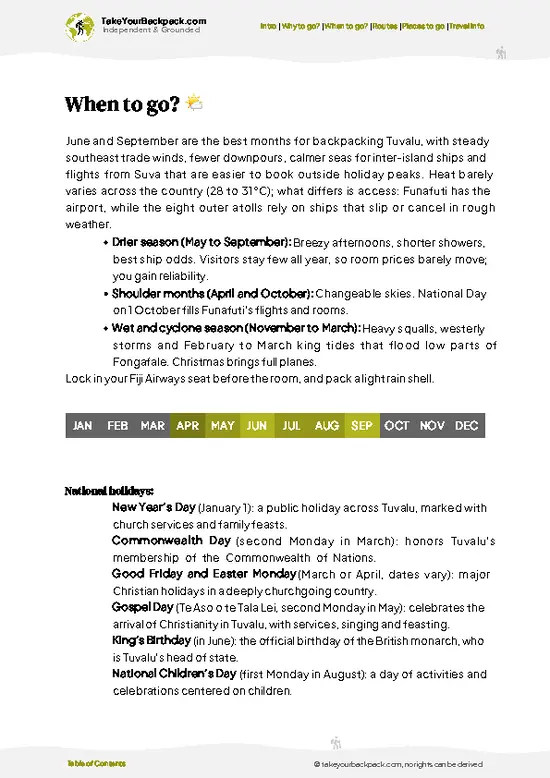
source: climatestotravel.comJANJanuary: fair for travelingFEBFebruary: fair for travelingMARMarch: fair for travelingAPRApril: good for travelingMAYMay: excellent for travelingJUNJune: excellent for travelingJULJuly: highly recommended for travelingAUGAugust: highly recommended for travelingSEPSeptember: excellent for travelingOCTOctober: excellent for travelingNOVNovember: good for travelingDECDecember: fair for traveling
when-to-go

✈️ The backpacker research shortcutTuvalu Travel Guide

An offline-friendly backpacking guide with optimized travel routes, ranked highlights, transport advice, and the best areas to stay.
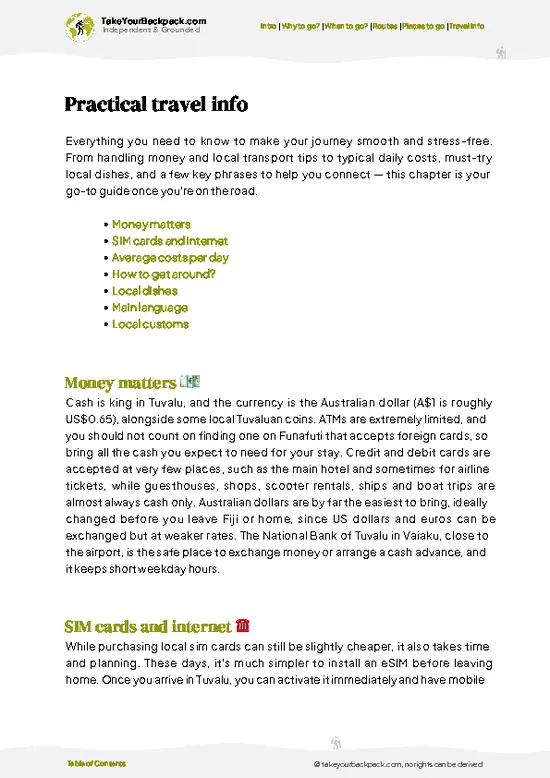
example page 0 from our offline Travel Guide for Tuvalu
example page 1 from our offline Travel Guide for Tuvalu
example page 2 from our offline Travel Guide for Tuvalu
example page 3 from our offline Travel Guide for Tuvalu
example page 4 from our offline Travel Guide for Tuvalu
example page 5 from our offline Travel Guide for Tuvalu
example page 6 from our offline Travel Guide for Tuvalu
example page 7 from our offline Travel Guide for Tuvalu
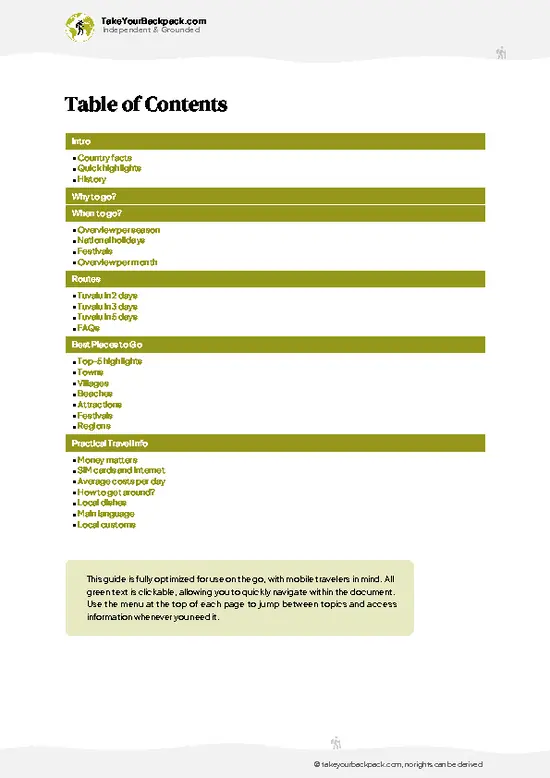
The digital guide (109 pages) contains:
21 highlights, ranked by travel appeal
Optimized 2, 3 & 5-day travel routes
Cities, national parks, landmarks, beaches
How to get around
Offline-friendly for travel without Wi-Fi
👉 Click to see all 30+ guide features

📅 Plan smarter in minutes, not weeks
Month by month travel advice
Festivals & national holidays
Budget expectations

🗺️ Go to the right places, skip the overrated ones
Honest pros & cons of destinations
Top hikes, parks & viewpoints
Lesser-known places most travelers miss
Clear “worth it vs skip it” guidance

🛏️ Travel smoothly without rookie mistakes
Best areas to stay
Transport systems explained simply
Common scams & safety advice
SIM cards, money & practical tips

🌍 Understand the country, not just visit it
Culture & traditions
52 Essential phrases & customs
Festivals worth planning around
Traveler-friendly historical context
Insights that make places more meaningful

📱 Built for real travel conditions
Fully downloadable PDF
Works completely offline
Optimized for phone use
Useful in remote areas & buses
Everything in one place
Save weeks of stressful planning
Get instant access to your full guide. 30‑day money-back guarantee.


By proceeding you agree to our terms.
Sent to your inbox immediately after payment • 100% Secure Checkout
Best Backpacking Travel Advisor 2025 tourism awardBest Backpacking
Travel Advisor
2025
What others say about Take Your Backpack Guides:
⭐⭐⭐⭐⭐
Fantastic, amazing amount of information!
⭐⭐⭐⭐⭐
My goodness this is amazing, it's what I've been looking for hats off too you!
⭐⭐⭐⭐⭐
I think this is absolutely BRILLIANT
⭐⭐⭐⭐
Very complete and informative. It's still missing places, but I gotta to commend you
⭐⭐⭐⭐⭐
This is truly amazing, thank you, can't wait to explore it with my kids!
⭐⭐⭐⭐⭐
Awesome resource, thank you!
⭐⭐⭐⭐⭐
This is amazing! Can't wait to explore the ones I haven't seen
⭐⭐⭐⭐
I love this! Well done, great idea.
⭐⭐⭐⭐⭐
Thanks for taking the time to make this gem!
⭐⭐⭐⭐⭐
This might be the best website I've ever seen.
⭐⭐⭐⭐⭐
Congratulations, and thank you so much for your work; it's incredibly valuable.
⭐⭐⭐⭐
In all seriousness I think you did a great job pointing out the important spots
⭐⭐⭐⭐⭐
10/10 very good
⭐⭐⭐⭐⭐
As someone who's only just starting to visit regularly this is awesome, thank you.
⭐⭐⭐⭐
Thank you very much! I'm going to visit my dad, it's going to be very useful!
⭐⭐⭐⭐⭐
This is really cool! We'll be travelling for the first time and this definitely come in handy.
⭐⭐⭐⭐⭐
You are now our minister of culture, congratulations 👨‍💼
⭐⭐⭐⭐⭐
Just wanted to tell you that this is a pearl! Going to follow your recommendations.
⭐⭐⭐⭐⭐
This is so cool. I'll definitely be using the resource for my travels soon.
⭐⭐⭐⭐⭐
This is very impressive! Good work.
⭐⭐⭐⭐⭐
This is an amazing and informative site. Very well done!

🛏️ Where to stay?How to pick the right area

Savave is small but layered, and where you drop your pack shapes your whole experience. The best spot for backpackers is the central village area along the main road hugging the lagoon. This is where the pulse of daily life beats strongest—local markets, small eateries, and the occasional roadside kava spot. The air here carries the scent of salt and fresh bread baking, a subtle invitation to slow down and soak in the rhythm. It’s safe, with a friendly vibe that makes solo travelers feel less like outsiders and more like temporary locals.

Compared to the quieter, more residential outskirts, this … read more 👉
Savave is small but layered, and where you drop your pack shapes your whole experience. The best spot for backpackers is the central village area along the main road hugging the lagoon. This is where the pulse of daily life beats strongest—local markets, small eateries, and the occasional roadside kava spot. The air here carries the scent of salt and fresh bread baking, a subtle invitation to slow down and soak in the rhythm. It’s safe, with a friendly vibe that makes solo travelers feel less like outsiders and more like temporary locals.

Compared to the quieter, more residential outskirts, this central stretch offers a social atmosphere that’s hard to beat. You’ll find informal gatherings and easy conversations with other travelers and islanders alike. Hostels here are modest but clean, often run by locals who double as guides, which means you get insider tips without the tourist gloss. The trade-off is simplicity—don’t expect luxury, but do expect authenticity and connection.

Staying here means you’re never far from the water’s edge or the village’s heartbeat, making it easier to slip into the island’s pace without the hassle of long commutes or feeling isolated. It’s the kind of place where the light shifts slowly over the lagoon, and you can watch the day unfold with a sense of belonging.

🚌 Getting aroundTransportation options and practical tips

Savave moves at its own rhythm—less a strict timetable and more a pulse you catch by tuning in. The streets hum with a mix of purposeful strides and spontaneous stops, where the scent of saltwater mingles with the earthy aroma of fresh taro from roadside stalls. The light here shifts quickly, casting long shadows in the late afternoon that invite you to slow down and soak in the moment. It’s not a place where you’ll find rigid schedules nailed to every corner; instead, you’ll learn to read the flow of locals and vehicles, catching rides or setting off on foot when the mood strikes. This is a town where intuition beats the clock, but knowing the main transit options will save you from wandering aimlessly and help you glide through the day like a local.


  • Walking: The heart of Savave is compact
read more 👉
Savave moves at its own rhythm—less a strict timetable and more a pulse you catch by tuning in. The streets hum with a mix of purposeful strides and spontaneous stops, where the scent of saltwater mingles with the earthy aroma of fresh taro from roadside stalls. The light here shifts quickly, casting long shadows in the late afternoon that invite you to slow down and soak in the moment. It’s not a place where you’ll find rigid schedules nailed to every corner; instead, you’ll learn to read the flow of locals and vehicles, catching rides or setting off on foot when the mood strikes. This is a town where intuition beats the clock, but knowing the main transit options will save you from wandering aimlessly and help you glide through the day like a local.


  • Walking: The heart of Savave is compact enough to explore on foot, with most key spots reachable within 20-30 minutes. Walking lets you absorb the salty breeze and catch the subtle shifts in light and sound that define the town’s character. It’s free, flexible, and the best way to stumble upon unexpected local scenes.


  • Local Minibuses (Fagogo): These shared vans run roughly from 6:00 AM to 7:00 PM, charging around $1-2 per ride. They don’t stick to strict schedules but leave when full, so timing is fluid. Minibuses are a budget-friendly way to cover longer distances, though expect a lively, sometimes cramped ride with locals chatting and vendors hopping on and off.


  • Motorbike Taxis: Available throughout the day until dusk, motorbike taxis offer quick, nimble rides through narrow streets and up hills. Prices vary but usually hover around $3-5 for short trips. They’re perfect when you’re pressed for time or want to avoid the heat, though hold on tight—the ride can be bumpy and fast.


  • Bicycle Rentals: For the adventurous, renting a bike costs about $5-7 per day. The terrain is mostly flat with occasional gentle climbs, making it a satisfying way to cover more ground while still feeling the sea breeze and hearing the town’s soundtrack. Bring a lock and be ready for some uneven pavement.


  • Inter-Island Ferries: If your budget stretches and your itinerary includes nearby islands, ferries depart from the main dock early morning and late afternoon, costing around $10-15. They’re slower but offer a scenic, salty-air journey that’s a refreshing break from land travel.

👛 Costs (as of 17 April 2026)Typical daily expenses

Backpacking in Savave, Tuvalu, means embracing a slow pace where costs reflect the island’s remoteness and limited infrastructure. Every dollar spent here goes toward sustaining a delicate balance of local life and basic tourism.
  • Dorm Accommodation: Options are scarce and simple, often in guesthouses or small inns rather than formal hostels. Expect to pay around $20 to $35 USD per night for a shared room. The rooms are basic—think fan-cooled, with mosquito nets and a view of the ocean or garden, but no frills.
  • Meals: Food is fresh but limited in variety. Local markets and small eateries serve up fish, taro, and coconut-based dishes. Budget about $10 to $15 USD daily if you stick to local fare. Imported goods and Western-style meals can push prices higher, so sticking to local food is both
read more 👉
Backpacking in Savave, Tuvalu, means embracing a slow pace where costs reflect the island’s remoteness and limited infrastructure. Every dollar spent here goes toward sustaining a delicate balance of local life and basic tourism.
  • Dorm Accommodation: Options are scarce and simple, often in guesthouses or small inns rather than formal hostels. Expect to pay around $20 to $35 USD per night for a shared room. The rooms are basic—think fan-cooled, with mosquito nets and a view of the ocean or garden, but no frills.
  • Meals: Food is fresh but limited in variety. Local markets and small eateries serve up fish, taro, and coconut-based dishes. Budget about $10 to $15 USD daily if you stick to local fare. Imported goods and Western-style meals can push prices higher, so sticking to local food is both authentic and economical.
  • Local Transport: Savave is small enough to explore mostly on foot or by bicycle, which is often free or costs a few dollars to rent. Occasional boat rides or shared taxis might run $2 to $5 USD per trip. Public transport is minimal, so plan for some walking or arranging rides with locals.
  • Basic Activities/Entry Fees: Most activities revolve around natural exploration—snorkeling, beachcombing, and village visits. Entry fees are rare, but if you join guided tours or cultural experiences, expect to pay $10 to $20 USD. The real cost is time and patience, as services are informal and schedules flexible.
  • Miscellaneous Expenses: This covers essentials like bottled water, occasional internet access, or small souvenirs. Budget $5 to $10 USD daily here. Keep in mind that power outages and limited connectivity can make some conveniences sporadic, so pack accordingly.

Overall, a realistic daily budget for backpacking in Savave hovers between $50 and $85 USD. This range reflects the island’s simplicity and the premium on imported goods, balanced by the low-cost, local lifestyle that defines the experience.
⚠️ Prices can change and everyone travels differently, so take this as a rough guide. Hope it helps you plan your adventure!

🚌 Day tripsExploring the surroundings

Savave, Tuvalu, is a backpacker’s dream base for day trips, offering a blend of culture, nature, and adventure. The laid-back atmosphere here sets the stage for exploring the surrounding beauty without the hassle of overnight gear.

Funafuti Conservation Area
Just a short boat ride from Savave, the Funafuti Conservation Area is a paradise for snorkelers and nature lovers. You’ll glide through crystal-clear waters, surrounded by vibrant coral reefs teeming with fish. The trip takes about 30 minutes, and you can expect to spend around $20 for the boat ride and gear rental. Best visited during the dry season from May to October, this area is a must-see. A common mistake is underestimating the sun; slather on that reef-safe sunscreen to avoid a painful burn.


Niulakita Island
This lesser-known … read more 👉
Savave, Tuvalu, is a backpacker’s dream base for day trips, offering a blend of culture, nature, and adventure. The laid-back atmosphere here sets the stage for exploring the surrounding beauty without the hassle of overnight gear.

Funafuti Conservation Area
Just a short boat ride from Savave, the Funafuti Conservation Area is a paradise for snorkelers and nature lovers. You’ll glide through crystal-clear waters, surrounded by vibrant coral reefs teeming with fish. The trip takes about 30 minutes, and you can expect to spend around $20 for the boat ride and gear rental. Best visited during the dry season from May to October, this area is a must-see. A common mistake is underestimating the sun; slather on that reef-safe sunscreen to avoid a painful burn.


Niulakita Island
This lesser-known island is a true escape. A 45-minute boat ride will take you to Niulakita, where you can hike through lush landscapes and enjoy secluded beaches. The round trip costs about $30, and the best time to go is during the dry months when the weather is perfect for exploration. Many first-timers miss the chance to pack a picnic; the island’s tranquility is best enjoyed with a meal in hand, listening to the gentle waves.


Funafuti Village Tour
Immerse yourself in local culture with a guided tour of Funafuti village. This experience typically lasts around 2-3 hours and costs about $10. You’ll wander through vibrant markets, sample local dishes, and meet friendly residents who share stories of their lives. The best time for this is early morning when the village is bustling with activity. A common oversight is skipping the chance to try the fresh seafood; it’s a highlight that shouldn’t be missed.


Te Afualiku Beach
A quick 20-minute bike ride from Savave leads you to Te Afualiku Beach, a stunning stretch of sand perfect for relaxation or a swim. The beach is free, and you can rent a bike for about $5. The ideal time to visit is late afternoon when the sun casts a golden hue over the water. Many backpackers forget to bring snacks; pack a few to enjoy while soaking in the view.
Want to know what more Tuvalu offers?
The Tuvalu Travel Guide describes 21 highlights, from cities to national parks, from beaches to hikes

Get the Travel Guide -

🛡️ SafetyScams, Hazards, and Annoyances

Savave, Tuvalu, is generally safe, but a few practical tips can enhance your experience. The town is small, and most locals are friendly, but keep your wits about you, especially in quieter areas after dark. Stick to well-lit paths and avoid wandering too far from the main roads.

Solo travelers should feel comfortable, but it’s wise to let someone know your plans if you’re heading out in the evening. The atmosphere is laid-back, but a little caution goes a long way.

While scams are rare, be mindful of overly eager vendors at markets. They might push for sales, but a polite “no, thank you” usually suffices. Everyday annoyances can include the occasional stray dog or a lack of public restrooms, so plan ahead. Carry a small pack of tissues and some water; it’s a simple way to sidestep discomfort. … read more 👉
Savave, Tuvalu, is generally safe, but a few practical tips can enhance your experience. The town is small, and most locals are friendly, but keep your wits about you, especially in quieter areas after dark. Stick to well-lit paths and avoid wandering too far from the main roads.

Solo travelers should feel comfortable, but it’s wise to let someone know your plans if you’re heading out in the evening. The atmosphere is laid-back, but a little caution goes a long way.

While scams are rare, be mindful of overly eager vendors at markets. They might push for sales, but a polite “no, thank you” usually suffices. Everyday annoyances can include the occasional stray dog or a lack of public restrooms, so plan ahead. Carry a small pack of tissues and some water; it’s a simple way to sidestep discomfort. Embrace the local pace, and you’ll find Savave’s charm unfolds beautifully.

Other Tuvaluan villages near Savave

Explore more nearby:

  • Vaitupu—largest landmass, secondary school, agricultural plots| 73 km away
  • Vaiaku Village—guesthouses, national bank, central post office| 112 km away
  • Nui—interconnected motu, coconut plantations, lagoon views| 156 km away

💡 Not sure where to go next?
Create a personalized itinerary for Tuvalu including Savave and the places that fit your trip.

Generate my itinerary

👉 Discover all villages

Or checkout all Tuvalu has to offer (think cities, towns, villages, national parks, hikes, beaches, festivals)
Country photo of Tuvalu

We 💚 feedbackSumming up the experience

Savave has a laid-back vibe that feels like a warm embrace. The best surprise? The local fish market at dawn, where the air is thick with the scent of the ocean and laughter fills the space as fishermen share stories. But a heads-up: the roads can be rough, so don’t rush. Embrace the slow pace; it’s part of the charm. Take your time, soak in the sunsets, and let the simplicity of island life wash over you. You’ll leave feeling refreshed and connected.

✍️ Help improve this page!
The information on this page is based on in-depth research, insights shared by experienced travelers, and feedback from the local travel community in Tuvalu. While every effort is made to keep the information accurate and current, conditions can change — so if you spot anything incorrect or outdated, please get in touch.


🙋‍♂️ Give feedback

👋 Meet the founderWho’s Behind Take Your Backpack?

Johan, backpacker and founder of TakeYourBackpackHi, I’m Johan (Netherlands 🇳🇱), the creator of TakeYourBackpack. Over the past decade, I’ve backpacked through 80+ countries across six continents, gaining extensive experience with independent travel, long-term trips, and overland routes.

This site is built on a combination of firsthand travel experience and carefully curated insights from other backpackers. Many guides are based on places I’ve personally visited, while others bring together tips, observations, and practical advice shared by trusted travelers I’ve met along the way.

The goal is to provide realistic, experience-driven guidance — not generic itineraries — so you can explore destinations with better context, clearer expectations, and more confidence.

Get full Tuvalu guide •
Instant download • 21 highlights • Full Offline guide