×

Uganda🇺🇬 | townsFort PortalRwenzori views, crater lakes, tea estates | things to do and best time to go

Explore TesoExplore Kabale

Backpacking in Fort Portal
🏆 Top picktown ranked #2
By Johan Kruseman 🇳🇱 | Updated June 8, 2026

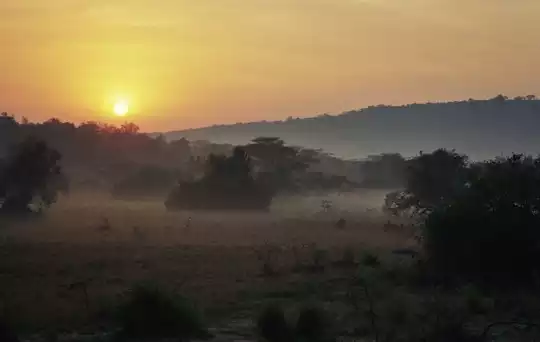
A decade ago, Fort Portal was the kind of place where the main street felt like a dusty afterthought—just a handful of shops, a few boda-bodas idling in the shade, and the Rwenzori peaks looming like a secret. Today, the town hums with a low-key confidence: more cafés, a handful of hostels, and a market that smells of jackfruit and woodsmoke. You’ll find Fort Portal in western Uganda, perched where the tea fields start to ripple toward crater lakes and cloud forests. For backpackers, it’s less about the town itself—though the old colonial-era post office and the morning bustle at the market have their charm—and more about its role as a launchpad. This is your gateway to Kibale’s chimpanzees, crater lake hikes, and the Rwenzoris’ moody drama. The center is walkable, but you’ll want a boda or matatu for anything beyond. It’s quieter than Kasese, friendlier than Mbarara, and far less hectic than Kampala. Costs are fair, safety is decent, and the evenings lean toward slow beers and shared stories rather than wild nights—ideal if you’re chasing connection over chaos.

Discover everything you want to know in the 📖 Uganda Travel Guide.
Safety warning

The current risk level for Uganda is high. Check the advice before going.


Get your Uganda guide
109 ranked highlights, routes & tips, works offline (422 pages)
Loading the map 🌍
CLICK TO FILTER
cities
towns
landmarks
national parks
hikes
beaches
attractions
festivals
regions
SHOW COUNTRY’S BESTSHOW ALL

✨ Why go?
Ranked #2 town in Uganda
What makes this town worth visiting

Fort Portal is a backpacker’s hub that serves as a gateway to Uganda’s stunning landscapes. Nestled between the Rwenzori Mountains and Queen Elizabeth National Park, it’s perfectly positioned for those eager to explore. The hikes nearby are not just trails; they’re immersive experiences where the air is thick with the scent of earth after rain, and the sounds of chirping birds fill the canopy above.

The town itself is a friendly place, with walkable streets that invite you to wander. You’ll find small-scale hostels and guesthouses that foster a sense of community, making it easy to meet fellow travelers. The local food scene is vibrant, with street vendors serving up samosas and matoke that burst with flavor, offering a taste of Ugandan culture.

Most backpackers tend to linger here for … read more 👉
Fort Portal is a backpacker’s hub that serves as a gateway to Uganda’s stunning landscapes. Nestled between the Rwenzori Mountains and Queen Elizabeth National Park, it’s perfectly positioned for those eager to explore. The hikes nearby are not just trails; they’re immersive experiences where the air is thick with the scent of earth after rain, and the sounds of chirping birds fill the canopy above.

The town itself is a friendly place, with walkable streets that invite you to wander. You’ll find small-scale hostels and guesthouses that foster a sense of community, making it easy to meet fellow travelers. The local food scene is vibrant, with street vendors serving up samosas and matoke that burst with flavor, offering a taste of Ugandan culture.

Most backpackers tend to linger here for a few days, soaking in the laid-back atmosphere. It’s ideal for slow travelers, hikers, and solo adventurers looking for a mix of social interaction and quiet reflection. While it’s not a nightlife hotspot, the warmth of the locals and the beauty of the surroundings make every moment feel earned. Fort Portal isn’t just a stop; it’s a place to breathe, connect, and recharge.
Want to include Fort Portal in your Uganda route?
Create a personalized Uganda itinerary that includes Fort Portal and the places that fit your trip — based on your travel style, budget, and available time. Get your route in seconds.

Generate my trip

💡 HighlightsMust-see experiences and standout moments

  1. Tooro Palace (Omukama’s Palace) — The living heart of the Tooro Kingdom: walk the grounds, see traditional regalia and royal architecture, and feel how the kingdom still shapes local identity and festivals.
  2. Amabere ga Nyinamwiru (The Caves and Waterfall) — A short, atmospheric walk to caves and a tiny waterfall steeped in Tooro legends; great for photos, a local guide’s stories, and seeing how myth and landscape meet in daily life.
  3. Fort Portal Crater Lakes Walk — A series of accessible crater lakes right around town. Easy half-day hikes, great birding, village stops and the intimate rural scenery that gives Fort Portal its “land of a thousand hills” feel.
  4. Fort Portal Central Market — Busy, colorful and very local: fresh produce, spices, fish, second-hand clothes and basketry. Perfect
read more 👉
  1. Tooro Palace (Omukama’s Palace) — The living heart of the Tooro Kingdom: walk the grounds, see traditional regalia and royal architecture, and feel how the kingdom still shapes local identity and festivals.
  2. Amabere ga Nyinamwiru (The Caves and Waterfall) — A short, atmospheric walk to caves and a tiny waterfall steeped in Tooro legends; great for photos, a local guide’s stories, and seeing how myth and landscape meet in daily life.
  3. Fort Portal Crater Lakes Walk — A series of accessible crater lakes right around town. Easy half-day hikes, great birding, village stops and the intimate rural scenery that gives Fort Portal its “land of a thousand hills” feel.
  4. Fort Portal Central Market — Busy, colorful and very local: fresh produce, spices, fish, second-hand clothes and basketry. Perfect for practicing bargaining, watching everyday life and picking up locally made baskets or fruit.
  5. Tooro Palace Gardens & Royal Burial Grounds — The palace gardens are quietly beautiful and lead to royal burial sites; the spot offers both history and a calm place to see traditional memorial practices up close.
  6. Nyakasura School — An old, characterful boarding school with distinctive colonial-era architecture and commanding views over town; you can stroll the grounds (ask politely) to soak up history and local school life.
  7. Fort Portal Town Walk (colonial buildings & viewpoints) — A self-guided stroll past wooden colonial houses, small churches, municipal buildings and lanes that open to Rwenzori views — easy to do and excellent for getting the town’s rhythm.
  8. Local Handicraft & Barkcloth Shops — Small shops and street vendors sell Tooro baskets, barkcloth and woven goods; buying directly supports artisans and gives real insight into regional craft traditions.
  9. Kabarole Museum / Local History Displays — A compact regional museum (and several small displays around town) with ethnography, historical photos and objects that explain Tooro kingdom history and colonial-era changes.
  10. Rwenzori / Town Viewpoints & Lakeside Promenades — Several short lookout spots and easy lakeside stretches inside town give great sunrise/sunset views of the Rwenzori foothills and the nearby lakes — low effort, high payoff for photos and peaceful moments.
A few excellent day trips just outside Fort Portal: Kibale Forest National Park for chimp tracking (my personal favorite), the Bigodi Wetland Sanctuary for birds and community walks, and the wider crater-lakes circuit and tea estates for easy drives and hikes.
Spotted a mistake or missing something? Contact us.

Things to do near Fort Portal

Ratings based on Tripadvisor reviews. When you book through this link, you support our work at no extra cost to you.

🏘️ NeighborhoodsWhere things are and how it's laid out

Fort Portal is a vibrant hub for backpackers, offering a mix of lush landscapes and local culture. Each neighborhood has its own flavor, making it easy to find the right fit for your adventure.

Central Fort Portal
This area is the heartbeat of the town. You’ll find bustling markets, local eateries, and a lively atmosphere. It’s walkable, with everything from shops to cafes within reach. Prices are reasonable, making it ideal for budget travelers. The nightlife here is low-key, perfect for unwinding after a day of exploring. Short stays work well, but longer visits can feel repetitive without venturing out.

Kabarole
Just a stone’s throw from the center, Kabarole offers a quieter vibe. It’s more residential, with a few hidden cafes and local hangouts. The cost of accommodation is slightly … read more 👉
Fort Portal is a vibrant hub for backpackers, offering a mix of lush landscapes and local culture. Each neighborhood has its own flavor, making it easy to find the right fit for your adventure.

Central Fort Portal
This area is the heartbeat of the town. You’ll find bustling markets, local eateries, and a lively atmosphere. It’s walkable, with everything from shops to cafes within reach. Prices are reasonable, making it ideal for budget travelers. The nightlife here is low-key, perfect for unwinding after a day of exploring. Short stays work well, but longer visits can feel repetitive without venturing out.

Kabarole
Just a stone’s throw from the center, Kabarole offers a quieter vibe. It’s more residential, with a few hidden cafes and local hangouts. The cost of accommodation is slightly lower, and you’ll get a more authentic feel of daily life. Walkability is decent, but you might want to grab a boda-boda for longer distances. This area suits those looking for a peaceful retreat, whether for a short getaway or a longer stay.

Nyabukara
This neighborhood is a bit off the beaten path, but it’s worth the trek. Known for its stunning views and lush greenery, it’s a great spot for nature lovers. Accommodations here can be pricier, but the tranquility is unmatched. It’s less walkable, so plan for transport. Ideal for longer stays, you can immerse yourself in the local scenery and culture.

Kibale Forest Area
If you’re into wildlife, this is your go-to. Close to the national park, it’s perfect for those planning to trek through the forest. Prices vary, but you’ll find options for every budget. The area is less developed, so expect a quieter atmosphere. Transport options are available, but you’ll need to plan ahead. This is best for those looking to dive deep into nature, ideally for a longer stay.

⌛️ 1 daySeeing the highlights in 24 hours

Fort Portal, Uganda, is a charming town that feels like a gateway to adventure. Nestled near the Rwenzori Mountains, it’s a hub for nature lovers and coffee enthusiasts alike. The air is rich with the scent of fresh coffee and the sounds of bustling markets. You’ll find a blend of vibrant local life and stunning landscapes, making it a perfect spot for a day of exploration.

Start your morning at the local market, where the colors of fresh produce pop against the backdrop of the town’s lively atmosphere. Grab a cup of locally brewed coffee from one of the small stalls. The aroma is intoxicating, and the taste is a delightful kick to your day. As you wander through the market, engage with the vendors; their stories add depth to your experience.

After soaking in the market’s energy, head to … read more 👉
Fort Portal, Uganda, is a charming town that feels like a gateway to adventure. Nestled near the Rwenzori Mountains, it’s a hub for nature lovers and coffee enthusiasts alike. The air is rich with the scent of fresh coffee and the sounds of bustling markets. You’ll find a blend of vibrant local life and stunning landscapes, making it a perfect spot for a day of exploration.

Start your morning at the local market, where the colors of fresh produce pop against the backdrop of the town’s lively atmosphere. Grab a cup of locally brewed coffee from one of the small stalls. The aroma is intoxicating, and the taste is a delightful kick to your day. As you wander through the market, engage with the vendors; their stories add depth to your experience.

After soaking in the market’s energy, head to the nearby Kibale National Park for a guided chimpanzee trek. This isn’t just a tourist trap; it’s a chance to witness these incredible creatures in their natural habitat. The trek can be challenging, with muddy paths and steep inclines, but the thrill of spotting a chimp swinging through the trees makes every step worthwhile.

In the afternoon, return to Fort Portal and explore the lesser-known neighborhood of Nyakiyumbu. Here, you’ll find the serene Amabere Caves, where you can marvel at the unique stalactites and hear the local legends surrounding them. The cool, damp air inside the caves contrasts beautifully with the warm sun outside, creating a refreshing pause in your adventure.

As evening approaches, make your way to the town center and enjoy dinner at a local eatery. Try the matoke, a staple dish made from steamed plantains, paired with a rich groundnut sauce. The flavors are comforting, and the ambiance is filled with laughter and chatter from fellow diners.

End your day with a stroll around the town, taking in the soft glow of streetlights and the distant sounds of music. Fort Portal may be small, but its heart beats strong, and every moment spent here feels like a step into a vibrant tapestry of life.
Turn your Fort Portal visit into an Uganda adventure
Build a complete Uganda route with Fort Portal, hidden gems, must-see destinations, and realistic travel times included.

Generate my trip

🌤️ When to go?Seasonal considerations and timing


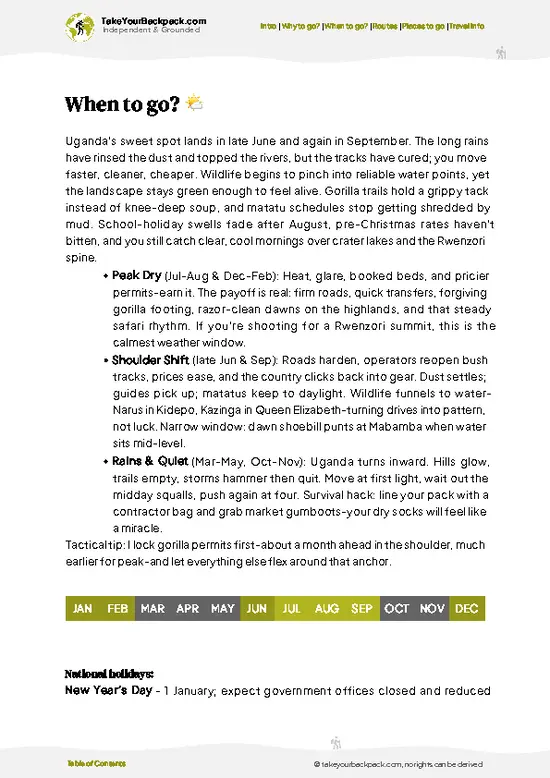
  • Topic: Weather – Fort Portal sits near the equator, so expect a steady tropical climate. The dry seasons, from June to August and December to February, offer clearer skies and less mud on trails. Rainfall can be heavy and persistent outside these months, turning paths slippery and limiting outdoor activities.

  • Topic: Temperature – Daytime highs hover around 24-27°C (75-81°F), with nights cooling to 15-18°C (59-64°F). The moderate temperatures make hiking comfortable year-round, but the dry season’s crisp mornings and evenings feel especially refreshing.

  • Topic: Daylight Hours – Near the equator, daylight stays consistent at about 12 hours daily. Sunrise is around 6:30 AM, sunset near 6:30 PM, giving you a reliable window for early starts and full days exploring without worrying about
read more 👉

  • Topic: Weather – Fort Portal sits near the equator, so expect a steady tropical climate. The dry seasons, from June to August and December to February, offer clearer skies and less mud on trails. Rainfall can be heavy and persistent outside these months, turning paths slippery and limiting outdoor activities.

  • Topic: Temperature – Daytime highs hover around 24-27°C (75-81°F), with nights cooling to 15-18°C (59-64°F). The moderate temperatures make hiking comfortable year-round, but the dry season’s crisp mornings and evenings feel especially refreshing.

  • Topic: Daylight Hours – Near the equator, daylight stays consistent at about 12 hours daily. Sunrise is around 6:30 AM, sunset near 6:30 PM, giving you a reliable window for early starts and full days exploring without worrying about shifting daylight.

  • Topic: Crowds – Tourist flow peaks during dry months, especially July and December holidays. Visiting just before or after these spikes means fewer people on trails and at lodges, letting you soak in the misty crater lakes and lush forests in relative solitude.

  • Topic: Seasonal Activities – Dry months are prime for trekking the Rwenzori Mountains and visiting crater lakes without the hassle of rain. Birdwatching thrives year-round, but the dry season’s clearer skies improve visibility and comfort.

  • Topic: Price Fluctuations – Accommodation and tour prices rise during peak dry seasons and holiday periods. Booking in shoulder months like May or September can score better rates without sacrificing much on weather or experience quality.


Pro-tip: Aim for late June or early September—drier trails, fewer crowds, and cooler mornings make Fort Portal’s wild beauty feel like your own secret discovery.


source: climatestotravel.comJANJanuary: excellent for travelingFEBFebruary: excellent for travelingMARMarch: fair for travelingAPRApril: fair for travelingMAYMay: highly recommended for travelingJUNJune: excellent for travelingJULJuly: highly recommended for travelingAUGAugust: highly recommended for travelingSEPSeptember: highly recommended for travelingOCTOctober: fair for travelingNOVNovember: fair for travelingDECDecember: excellent for traveling
when-to-go

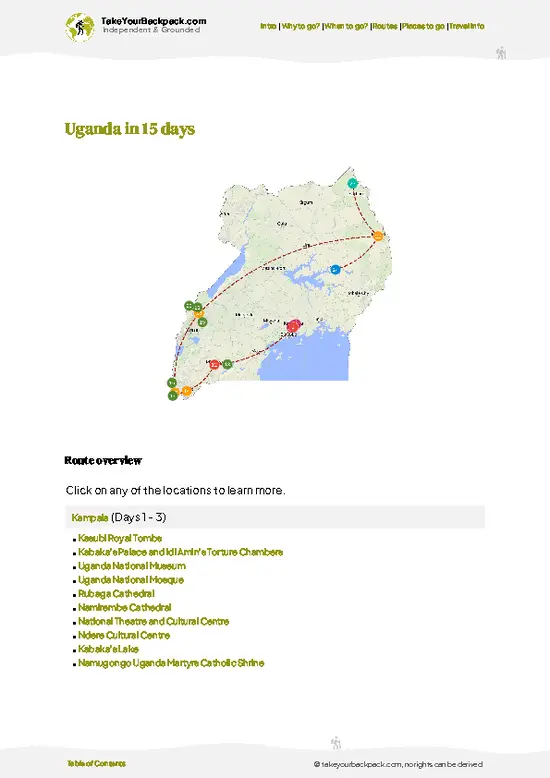
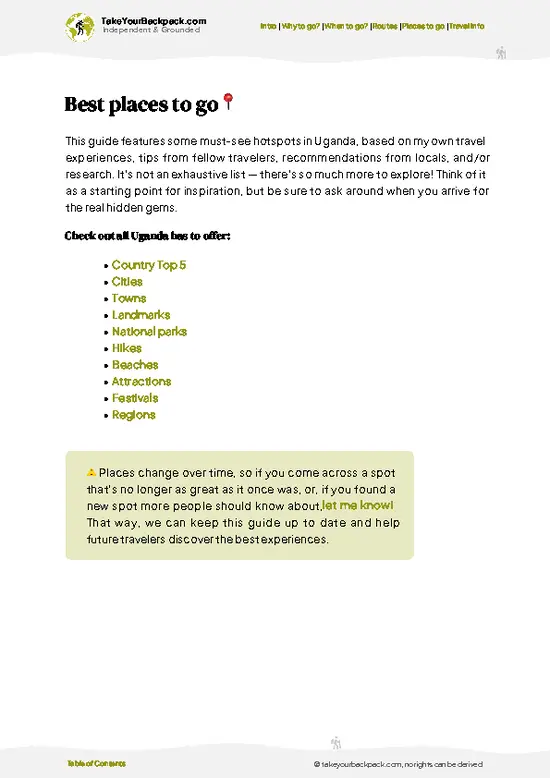
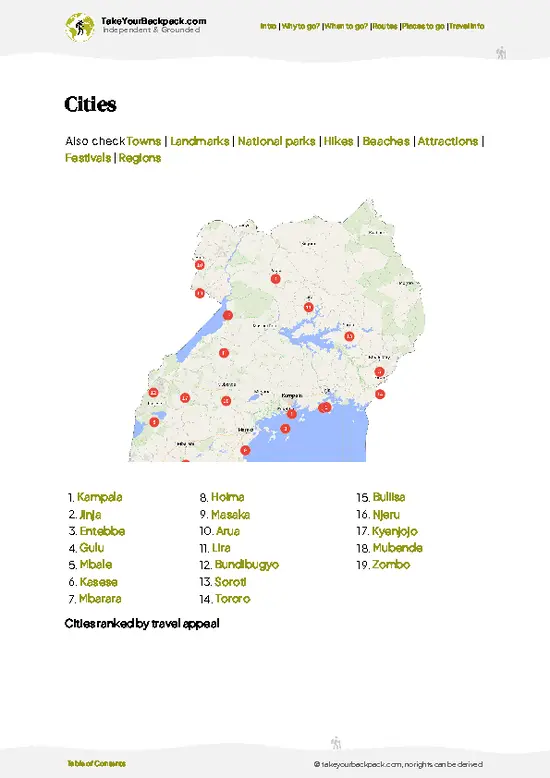
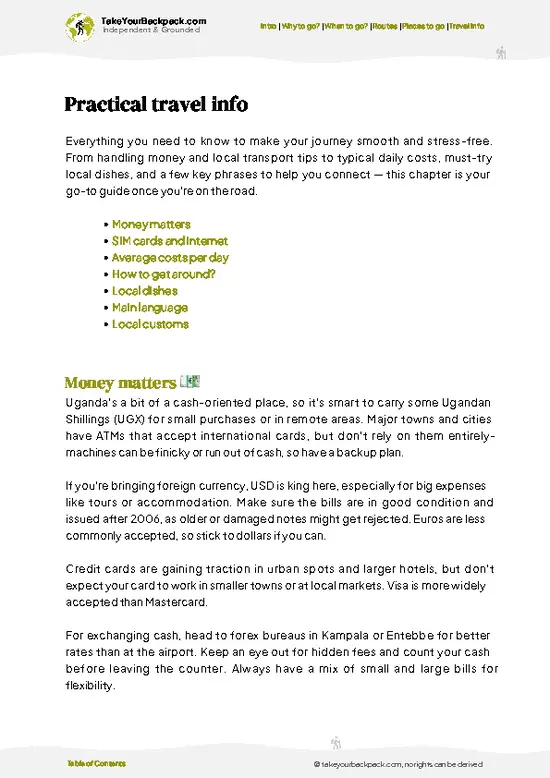
✈️ The backpacker research shortcutUganda Travel Guide

An offline-friendly backpacking guide with optimized travel routes, ranked highlights, transport advice, and the best areas to stay.
example page 0 from our offline Travel Guide for Uganda
example page 1 from our offline Travel Guide for Uganda
example page 2 from our offline Travel Guide for Uganda
example page 3 from our offline Travel Guide for Uganda
example page 4 from our offline Travel Guide for Uganda
example page 5 from our offline Travel Guide for Uganda
example page 6 from our offline Travel Guide for Uganda
example page 7 from our offline Travel Guide for Uganda
The digital guide (422 pages) contains:
109 highlights, ranked by travel appeal
Optimized 5, 10 & 15-day travel routes
Cities, national parks, landmarks, beaches
How to get around
Offline-friendly for travel without Wi-Fi
👉 Click to see all 30+ guide features

📅 Plan smarter in minutes, not weeks
Month by month travel advice
Festivals & national holidays
Budget expectations

🗺️ Go to the right places, skip the overrated ones
Honest pros & cons of destinations
Top hikes, parks & viewpoints
Lesser-known places most travelers miss
Clear “worth it vs skip it” guidance

🛏️ Travel smoothly without rookie mistakes
Best areas to stay
Transport systems explained simply
Common scams & safety advice
SIM cards, money & practical tips

🌍 Understand the country, not just visit it
Culture & traditions
52 Essential phrases & customs
Festivals worth planning around
Traveler-friendly historical context
Insights that make places more meaningful

📱 Built for real travel conditions
Fully downloadable PDF
Works completely offline
Optimized for phone use
Useful in remote areas & buses
Everything in one place
Save weeks of stressful planning
Get instant access to your full guide. 30‑day money-back guarantee.


By proceeding you agree to our terms.
Sent to your inbox immediately after payment • 100% Secure Checkout
Best Backpacking Travel Advisor 2025 tourism awardBest Backpacking
Travel Advisor
2025
What others say about Take Your Backpack Guides:
⭐⭐⭐⭐⭐
Fantastic, amazing amount of information!
⭐⭐⭐⭐⭐
My goodness this is amazing, it's what I've been looking for hats off too you!
⭐⭐⭐⭐⭐
I think this is absolutely BRILLIANT
⭐⭐⭐⭐
Very complete and informative. It's still missing places, but I gotta to commend you
⭐⭐⭐⭐⭐
This is truly amazing, thank you, can't wait to explore it with my kids!
⭐⭐⭐⭐⭐
Awesome resource, thank you!
⭐⭐⭐⭐⭐
This is amazing! Can't wait to explore the ones I haven't seen
⭐⭐⭐⭐
I love this! Well done, great idea.
⭐⭐⭐⭐⭐
Thanks for taking the time to make this gem!
⭐⭐⭐⭐⭐
This might be the best website I've ever seen.
⭐⭐⭐⭐⭐
Congratulations, and thank you so much for your work; it's incredibly valuable.
⭐⭐⭐⭐
In all seriousness I think you did a great job pointing out the important spots
⭐⭐⭐⭐⭐
10/10 very good
⭐⭐⭐⭐⭐
As someone who's only just starting to visit regularly this is awesome, thank you.
⭐⭐⭐⭐
Thank you very much! I'm going to visit my dad, it's going to be very useful!
⭐⭐⭐⭐⭐
This is really cool! We'll be travelling for the first time and this definitely come in handy.
⭐⭐⭐⭐⭐
You are now our minister of culture, congratulations 👨‍💼
⭐⭐⭐⭐⭐
Just wanted to tell you that this is a pearl! Going to follow your recommendations.
⭐⭐⭐⭐⭐
This is so cool. I'll definitely be using the resource for my travels soon.
⭐⭐⭐⭐⭐
This is very impressive! Good work.
⭐⭐⭐⭐⭐
This is an amazing and informative site. Very well done!

🛏️ Where to stay?How to pick the right area

Fort Portal’s backpacker sweet spot is the area around the town center, especially near the main market and the streets that fan out from it. This neighborhood hums with life from dawn till dusk—vendors shouting, the smell of fresh chapati and roasted maize in the air, and locals weaving through the stalls. It’s where you’ll find the best mix of budget guesthouses and hostels, offering simple dorms or private rooms that won’t drain your wallet. Staying here means you’re never far from the pulse of the town, making it easy to strike up conversations with fellow travelers or locals over a cold soda … read more 👉
Fort Portal’s backpacker sweet spot is the area around the town center, especially near the main market and the streets that fan out from it. This neighborhood hums with life from dawn till dusk—vendors shouting, the smell of fresh chapati and roasted maize in the air, and locals weaving through the stalls. It’s where you’ll find the best mix of budget guesthouses and hostels, offering simple dorms or private rooms that won’t drain your wallet. Staying here means you’re never far from the pulse of the town, making it easy to strike up conversations with fellow travelers or locals over a cold soda or a plate of matoke.

Compared to the quieter residential zones on the outskirts, the center’s energy is a magnet for solo backpackers craving connection without sacrificing safety. The streets are well-traveled, lit enough in the evenings, and the presence of other tourists creates a natural, low-key security. Plus, it’s the launchpad for day trips to the nearby crater lakes and the Rwenzori Mountains, so you can grab a guide or hop on a shared taxi without hassle.

If you wander too far into the more suburban or industrial parts of Fort Portal, you’ll lose that social vibe and easy access to amenities. The town center’s mix of noise, smells, and movement is the real deal—it’s where you feel the town’s heartbeat and plug into the backpacker rhythm.

🚌 Getting aroundHow to get from A to B

Fort Portal moves at its own rhythm—less a strict timetable and more a pulse you feel in the air. The town’s pace is shaped by the mist rolling off the Rwenzori foothills, the chatter of market vendors, and the occasional honk of a boda boda weaving through narrow streets. It’s not about catching a bus at the exact minute but about tuning into the flow of arrivals and departures, the ebb and surge of locals and travelers alike. The scent of fresh ground coffee mingles with earth and rain, grounding you in a place where time bends to the landscape and community rather than rigid schedules. Understanding this flow means you don’t just get from A to B—you move with the town’s heartbeat, making every transit moment part of the experience.


  • Walking: Fort Portal’s compact center is best explored
read more 👉
Fort Portal moves at its own rhythm—less a strict timetable and more a pulse you feel in the air. The town’s pace is shaped by the mist rolling off the Rwenzori foothills, the chatter of market vendors, and the occasional honk of a boda boda weaving through narrow streets. It’s not about catching a bus at the exact minute but about tuning into the flow of arrivals and departures, the ebb and surge of locals and travelers alike. The scent of fresh ground coffee mingles with earth and rain, grounding you in a place where time bends to the landscape and community rather than rigid schedules. Understanding this flow means you don’t just get from A to B—you move with the town’s heartbeat, making every transit moment part of the experience.


  • Walking: Fort Portal’s compact center is best explored on foot. The streets are a patchwork of uneven pavement and dirt, so sturdy shoes are a must. Walking lets you absorb the scent of wet earth after a rain and catch the spontaneous smiles of locals. Most guesthouses, markets, and cafes are within 15-20 minutes of each other, making walking the cheapest and most immersive option.


  • Boda Bodas (Motorcycle Taxis): These are the town’s lifeblood for quick hops and off-the-beaten paths. Expect to negotiate fares upfront—typically 1,000 to 3,000 UGX for short rides. They dart through traffic with a buzz, offering a front-row seat to the town’s kinetic energy. Use them for trips to the crater lakes or when time is tight, but always hold on tight and keep your wits about you.


  • Minibuses (Matatus): The main budget option for longer distances, like heading to Kibale Forest or the outskirts of town. They leave when full, so timing is flexible but unpredictable—arrive early to avoid waiting in the sun. Fares hover around 3,000 to 5,000 UGX. These rides are bumpy and crowded but offer a raw slice of local life, complete with lively chatter and the occasional music blaring from the speakers.


  • Shared Taxis: For a bit more comfort and speed, shared taxis run fixed routes and depart once full. They cost more than minibuses but are faster and less cramped. Ideal if you want to reach the main bus park or nearby towns without the chaos of matatus. Expect to pay around 5,000 to 8,000 UGX depending on distance.


  • Private Car Hire: Not budget-friendly but worth mentioning for those who want control and comfort. Hiring a driver for a day can cost upwards of 150,000 UGX but lets you explore crater lakes, tea plantations, and waterfalls at your own pace, with stops whenever the light hits just right for photos or a coffee break.

👛 Costs (as of 11 May 2026)What things cost and how to budget

Backpacking in Fort Portal, Uganda, offers a raw, earthy experience where the costs stay friendly to your wallet without skimping on local flavor or adventure. Here’s how the daily expenses typically stack up for an independent traveler.
  • Dorm Accommodation: Expect to pay around $5 to $10 per night for a bed in a basic dormitory. These spots are simple but clean, often with mosquito nets and shared bathrooms. The vibe is communal, perfect for swapping stories with fellow travelers.
  • Meals: Local eateries serve hearty meals for about $2 to $5 each. Think fresh matoke (plantains), beans, and chapati, often accompanied by a strong, sweet Ugandan tea. If you opt for a more tourist-oriented café, prices can edge up to $7 or $8, but street food is where you get the authentic taste and the best value.
read more 👉
Backpacking in Fort Portal, Uganda, offers a raw, earthy experience where the costs stay friendly to your wallet without skimping on local flavor or adventure. Here’s how the daily expenses typically stack up for an independent traveler.
  • Dorm Accommodation: Expect to pay around $5 to $10 per night for a bed in a basic dormitory. These spots are simple but clean, often with mosquito nets and shared bathrooms. The vibe is communal, perfect for swapping stories with fellow travelers.
  • Meals: Local eateries serve hearty meals for about $2 to $5 each. Think fresh matoke (plantains), beans, and chapati, often accompanied by a strong, sweet Ugandan tea. If you opt for a more tourist-oriented café, prices can edge up to $7 or $8, but street food is where you get the authentic taste and the best value.
  • Local Transport: Boda-bodas (motorcycle taxis) are the go-to for short hops around town, costing roughly $0.50 to $1. For longer rides or shared minibuses, budget around $1 to $3 depending on distance. Walking is also a solid option given Fort Portal’s compact layout, letting you soak in the scent of wet earth and coffee plantations.
  • Basic Activities/Entry Fees: Entrance to places like the crater lakes or the botanical gardens usually runs $2 to $5. Guided hikes or cultural tours might push that to $10 or $15, but you’re paying for local expertise and access to spots off the beaten path.
  • Miscellaneous Expenses: This covers essentials like bottled water ($0.50), a local SIM card with data ($5 to $10), or a cold soda ($1). Keep a small buffer here for unexpected treats or tips.

All told, you’re looking at roughly $12 to $30 per day to cover the basics in Fort Portal. This range lets you stretch your budget by sticking to local food and transport or splurge a bit on guided experiences and comfort. The town’s laid-back pace and earthy smells make every dollar feel like an investment in a genuine, grounded adventure.


source: ugandatourism.org
⚠️ Prices can change and everyone travels differently, so take this as a rough guide. Hope it helps you plan your adventure!

🚌 Day tripsWhere to go beyond the main area

Fort Portal, Uganda, is your launchpad for unforgettable day trips that blend adventure with cultural immersion. The town’s vibrant atmosphere and proximity to stunning landscapes make it a backpacker’s dream. Here are some must-do day trips that will elevate your experience.

Chimpanzee Tracking in Kibale National Park
This is a bucket-list experience for wildlife enthusiasts. Kibale is home to over 1,400 chimpanzees, and tracking them through the lush rainforest is exhilarating. The trek usually takes about 3-4 hours, and the entrance fee is around $150, which includes a guide. The best time to go is during the dry season from December to February or June to July when the trails are less muddy. A common mistake is underestimating the physical demand of the trek; wear sturdy shoes and be … read more 👉
Fort Portal, Uganda, is your launchpad for unforgettable day trips that blend adventure with cultural immersion. The town’s vibrant atmosphere and proximity to stunning landscapes make it a backpacker’s dream. Here are some must-do day trips that will elevate your experience.

Chimpanzee Tracking in Kibale National Park
This is a bucket-list experience for wildlife enthusiasts. Kibale is home to over 1,400 chimpanzees, and tracking them through the lush rainforest is exhilarating. The trek usually takes about 3-4 hours, and the entrance fee is around $150, which includes a guide. The best time to go is during the dry season from December to February or June to July when the trails are less muddy. A common mistake is underestimating the physical demand of the trek; wear sturdy shoes and be prepared for some steep climbs.


Lake Nkuruba Nature Reserve
Just a short drive from Fort Portal, Lake Nkuruba offers a serene escape. The area is perfect for birdwatching, with over 200 species fluttering about. You can also take a canoe out on the lake or hike the surrounding trails. The trip takes about 30 minutes by matatu (shared taxi), costing around $2. Bring a picnic to enjoy by the water. The best time to visit is early morning when the mist rises off the lake, creating a magical atmosphere. Many first-timers miss the chance to explore the local villages nearby, which offer a glimpse into everyday Ugandan life.


Amabere Caves and Waterfalls
These caves are steeped in local legend and are a fantastic spot for a half-day adventure. The hike to the waterfalls is about 30 minutes, and the entrance fee is around $5. The caves are fascinating, with stalactites that resemble breasts, tied to a local tale. Visit in the morning to avoid the crowds and enjoy the tranquility of the area. A common oversight is not bringing enough water; the hike can be more strenuous than it appears.


Rwenzori Mountains National Park
For those craving a taste of the Rwenzori range, a day hike into the foothills is a must. The park is about an hour from Fort Portal, with entry fees around $35. You can choose from various trails, but the hike to the first hut is a popular option, taking about 3 hours. The best time to go is during the dry months, when the views are clearer. Many backpackers underestimate the chill at higher altitudes; pack layers to stay warm.
👉 Explore Rwenzori Mountains National Park

Each of these trips offers a unique slice of Uganda’s beauty and culture, making Fort Portal an ideal base for your adventures.
Want to know what more Uganda offers?
The Uganda Travel Guide describes 109 highlights, from cities to national parks, from beaches to hikes

Get the Travel Guide -

🛡️ SafetyScams, Hazards, and Annoyances

Fort Portal is generally safe, but staying aware enhances your experience. The town buzzes with life, especially around the markets. Keep an eye on your belongings in crowded areas; pickpockets can be opportunistic.

If you’re solo, avoid wandering too far after dark. The streets can feel different at night, and while locals are friendly, it’s wise to stick to well-lit areas. Trust your instincts—if a situation feels off, it probably is.

Scams are rare, but be cautious with unofficial taxi drivers. Always negotiate fares beforehand or use a trusted app. You might encounter persistent vendors, especially near tourist spots. A polite “no, thank you” usually suffices, but a smile goes a long way in keeping things friendly.

Embrace the local vibe, engage with the community, and you’ll find … read more 👉
Fort Portal is generally safe, but staying aware enhances your experience. The town buzzes with life, especially around the markets. Keep an eye on your belongings in crowded areas; pickpockets can be opportunistic.

If you’re solo, avoid wandering too far after dark. The streets can feel different at night, and while locals are friendly, it’s wise to stick to well-lit areas. Trust your instincts—if a situation feels off, it probably is.

Scams are rare, but be cautious with unofficial taxi drivers. Always negotiate fares beforehand or use a trusted app. You might encounter persistent vendors, especially near tourist spots. A polite “no, thank you” usually suffices, but a smile goes a long way in keeping things friendly.

Embrace the local vibe, engage with the community, and you’ll find that the little annoyances are just part of the adventure. The warmth of Fort Portal makes it easy to navigate these minor bumps.

Other Ugandan towns near Fort Portal

Explore more nearby:

  • Kamwenge—crater lakes, tea estates, rural crossroads| 55 km away
  • Rukungiri—hilly terrain, market town, southwestern route| 166 km away
  • Kiboga—central grasslands, cattle trading, roadside town| 168 km away

💡 Not sure where to go next?
Create a personalized itinerary for Uganda including Fort Portal and the places that fit your trip.

Generate my itinerary

👉 Discover all towns

Or checkout all Uganda has to offer (think cities, towns, villages, national parks, hikes, beaches, festivals)
Country photo of Uganda

We 💚 feedbackSumming up the experience

Fort Portal is a gateway to some of Uganda’s most stunning landscapes and the Rwenzori Mountains. The air is crisp, filled with the scent of fresh coffee from nearby plantations. But be ready for the roads; they can be rough and bumpy, testing your patience. Embrace the journey, though. The payoff is worth it when you finally reach those breathtaking views. It’s all part of the adventure.

✈️ When did I visit Uganda?
In September 2019 I have done a backpacking trip through Uganda. Seeing gorilla’s in the wild from up close was a pure unexpected highlight!

✍️ Help improve this page!
The information on this page is based on my own backpacking experience in Uganda, supplemented with up-to-date research and feedback from other travelers. Travel details can change, so if you notice anything outdated or incomplete, feel free to let me know.


🙋‍♂️ Give feedback

👋 Meet the founderWho’s Behind Take Your Backpack?

Johan, backpacker and founder of TakeYourBackpackHi, I’m Johan (Netherlands 🇳🇱), the creator of TakeYourBackpack. Over the past decade, I’ve backpacked through 80+ countries across six continents, gaining extensive experience with independent travel, long-term trips, and overland routes.

This site is built on a combination of firsthand travel experience and carefully curated insights from other backpackers. Many guides are based on places I’ve personally visited, while others bring together tips, observations, and practical advice shared by trusted travelers I’ve met along the way.

The goal is to provide realistic, experience-driven guidance — not generic itineraries — so you can explore destinations with better context, clearer expectations, and more confidence.

Get full Uganda guide •
Instant download • 109 highlights • Full Offline guide