v2.webp)
Standing at the Actual Source of the Nile
Let’s get real: the “source” is not some mystical spring bubbling up in solitude. You’ll share the moment with a crowd of selfie-takers, souvenir hawkers, and the odd goat. But here’s the kicker—this is the spot where the world’s longest river officially bursts free from Lake Victoria. There’s a raw, kinetic energy to the water here. You’re not just ticking off a bucket-list photo; you’re standing at the crossroads of African exploration, colonial myth, and local legend. It’s a rare place where the hype is justified—if you tune out the noise and let the scale of history hit you.
Boat Ride to the Source
Forget the Instagram shots of empty boats gliding through mist. The reality? You’ll likely be in a brightly painted launch with a mix of tourists, … read more 👉
Let’s get real: the “source” is not some mystical spring bubbling up in solitude. You’ll share the moment with a crowd of selfie-takers, souvenir hawkers, and the odd goat. But here’s the kicker—this is the spot where the world’s longest river officially bursts free from Lake Victoria. There’s a raw, kinetic energy to the water here. You’re not just ticking off a bucket-list photo; you’re standing at the crossroads of African exploration, colonial myth, and local legend. It’s a rare place where the hype is justified—if you tune out the noise and let the scale of history hit you.
Boat Ride to the Source
Forget the Instagram shots of empty boats gliding through mist. The reality? You’ll likely be in a brightly painted launch with a mix of tourists, … read more 👉
Standing at the Actual Source of the Nile
Let’s get real: the “source” is not some mystical spring bubbling up in solitude. You’ll share the moment with a crowd of selfie-takers, souvenir hawkers, and the odd goat. But here’s the kicker—this is the spot where the world’s longest river officially bursts free from Lake Victoria. There’s a raw, kinetic energy to the water here. You’re not just ticking off a bucket-list photo; you’re standing at the crossroads of African exploration, colonial myth, and local legend. It’s a rare place where the hype is justified—if you tune out the noise and let the scale of history hit you.
Boat Ride to the Source
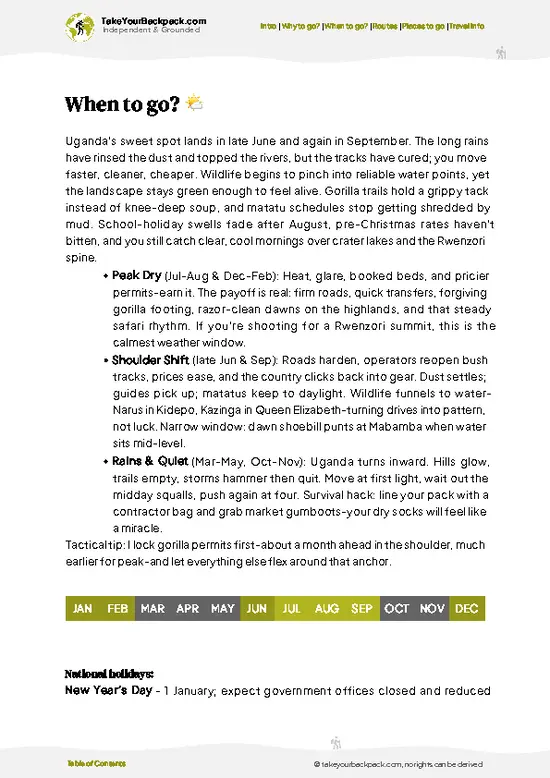
Forget the Instagram shots of empty boats gliding through mist. The reality? You’ll likely be in a brightly painted launch with a mix of tourists, local families, and a guide who’s seen it all. But the boat ride is where the Nile’s drama comes alive. You’ll skirt islands thick with birds, pass fishermen hauling in tilapia, and feel the river’s current shift beneath you. It’s not serene—it’s electric. The guides are storytellers, and if you get a good one, you’ll leave with tales of explorers, tribal kings, and the river’s spiritual pull. This is my personal favorite: nothing beats the feeling of the Nile’s spray on your face as you realize you’re floating at the start of a river that shaped continents.
Mahatma Gandhi Monument
Here’s a curveball: Gandhi’s ashes were scattered at the Source of the Nile, and there’s a monument to prove it. Most visitors walk right past, but pause here. The monument is simple, but the story is wild—Gandhi’s connection to Uganda, the Indian diaspora, and the river’s symbolism as a force for peace. It’s a reminder that the Nile isn’t just a geographical marvel; it’s a crossroads of global history.
Local Food Stalls and Riverside Markets
Skip the overpriced hotel buffet. The real flavor of Jinja is in the riverside stalls, where you can grab grilled tilapia straight from the lake, chapati rolled hot off the griddle, and fresh sugarcane juice. It’s chaotic, loud, and sometimes a little gritty, but this is where you’ll actually meet Ugandans—kids playing, elders debating politics, vendors hustling. The food is cheap, the banter is free, and the Nile is your backdrop.
Speke Monument
Named for John Hanning Speke, the British explorer who “discovered” the source (locals, of course, always knew), this monument is a relic of colonial bravado. It’s not much to look at, but it’s a conversation starter. Stand here and consider the absurdity of claiming to discover a river that millions depended on for centuries. The monument is a reminder to question the stories we’re told—and to look for the ones that don’t make it onto the plaques.
Birdwatching on the Riverbanks
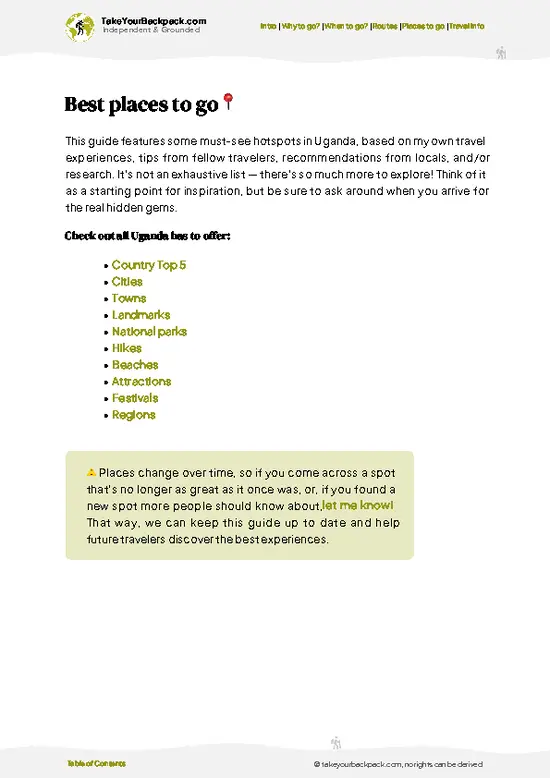
You don’t need binoculars or a guidebook to be floored by the birdlife here. Kingfishers, cormorants, and the occasional African fish eagle put on a show right at the water’s edge. Even if you’re not a birder, the sheer variety and color is impossible to ignore. It’s a living, squawking, flapping reminder that the Nile is more than a line on a map—it’s a thriving ecosystem.
Let’s get real: the “source” is not some mystical spring bubbling up in solitude. You’ll share the moment with a crowd of selfie-takers, souvenir hawkers, and the odd goat. But here’s the kicker—this is the spot where the world’s longest river officially bursts free from Lake Victoria. There’s a raw, kinetic energy to the water here. You’re not just ticking off a bucket-list photo; you’re standing at the crossroads of African exploration, colonial myth, and local legend. It’s a rare place where the hype is justified—if you tune out the noise and let the scale of history hit you.
Boat Ride to the Source
Forget the Instagram shots of empty boats gliding through mist. The reality? You’ll likely be in a brightly painted launch with a mix of tourists, local families, and a guide who’s seen it all. But the boat ride is where the Nile’s drama comes alive. You’ll skirt islands thick with birds, pass fishermen hauling in tilapia, and feel the river’s current shift beneath you. It’s not serene—it’s electric. The guides are storytellers, and if you get a good one, you’ll leave with tales of explorers, tribal kings, and the river’s spiritual pull. This is my personal favorite: nothing beats the feeling of the Nile’s spray on your face as you realize you’re floating at the start of a river that shaped continents.
Mahatma Gandhi Monument
Here’s a curveball: Gandhi’s ashes were scattered at the Source of the Nile, and there’s a monument to prove it. Most visitors walk right past, but pause here. The monument is simple, but the story is wild—Gandhi’s connection to Uganda, the Indian diaspora, and the river’s symbolism as a force for peace. It’s a reminder that the Nile isn’t just a geographical marvel; it’s a crossroads of global history.
Local Food Stalls and Riverside Markets
Skip the overpriced hotel buffet. The real flavor of Jinja is in the riverside stalls, where you can grab grilled tilapia straight from the lake, chapati rolled hot off the griddle, and fresh sugarcane juice. It’s chaotic, loud, and sometimes a little gritty, but this is where you’ll actually meet Ugandans—kids playing, elders debating politics, vendors hustling. The food is cheap, the banter is free, and the Nile is your backdrop.
Speke Monument
Named for John Hanning Speke, the British explorer who “discovered” the source (locals, of course, always knew), this monument is a relic of colonial bravado. It’s not much to look at, but it’s a conversation starter. Stand here and consider the absurdity of claiming to discover a river that millions depended on for centuries. The monument is a reminder to question the stories we’re told—and to look for the ones that don’t make it onto the plaques.
Birdwatching on the Riverbanks
You don’t need binoculars or a guidebook to be floored by the birdlife here. Kingfishers, cormorants, and the occasional African fish eagle put on a show right at the water’s edge. Even if you’re not a birder, the sheer variety and color is impossible to ignore. It’s a living, squawking, flapping reminder that the Nile is more than a line on a map—it’s a thriving ecosystem.
Spotted a mistake or missing something? Contact us.

Tubing the Nile

Private Whitewater Tubing in Bujagali Hydropower Plant

Family Float Trip

Jinja Village Bike Tour

Tubing River Activity in Nile

David's Shared Walking Tour in Jinja with a Local Cultural Meal

Jinja Cultural and Historical Walking Tour

Jinja City E-Bike Tour Sightseeing and History

Adventure Tour of Jinja City

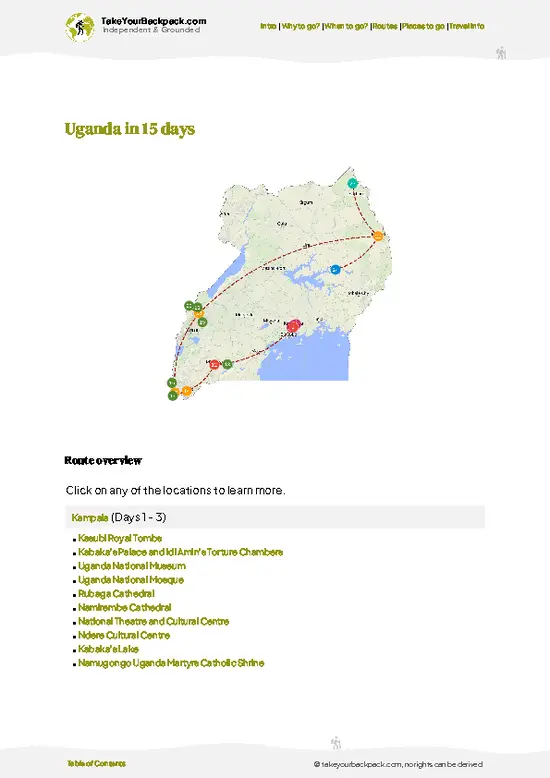
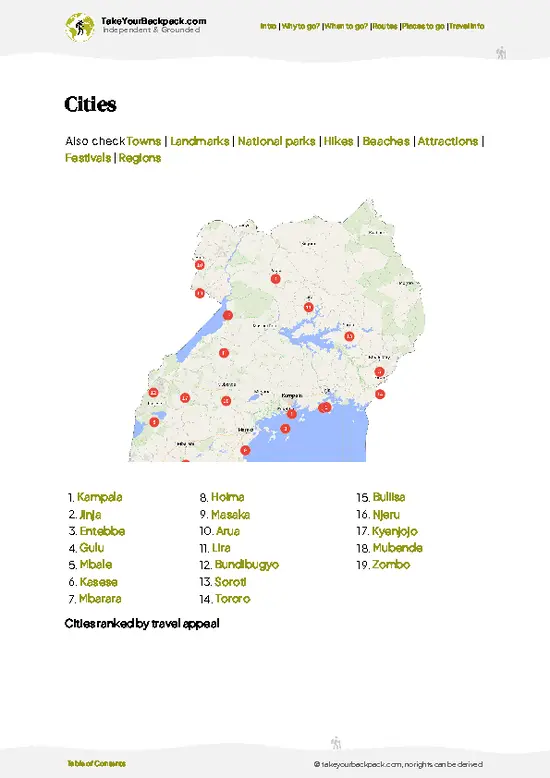

 Best Backpacking
.jpg) Hi, I’m Johan (Netherlands 🇳🇱), the creator of TakeYourBackpack. Over the past decade, I’ve backpacked through 80+ countries across six continents, gaining extensive experience with independent travel, long-term trips, and overland routes.
Hi, I’m Johan (Netherlands 🇳🇱), the creator of TakeYourBackpack. Over the past decade, I’ve backpacked through 80+ countries across six continents, gaining extensive experience with independent travel, long-term trips, and overland routes.