×

Uruguay🇺🇾 | best beachesThe 9 Top beaches in Uruguay

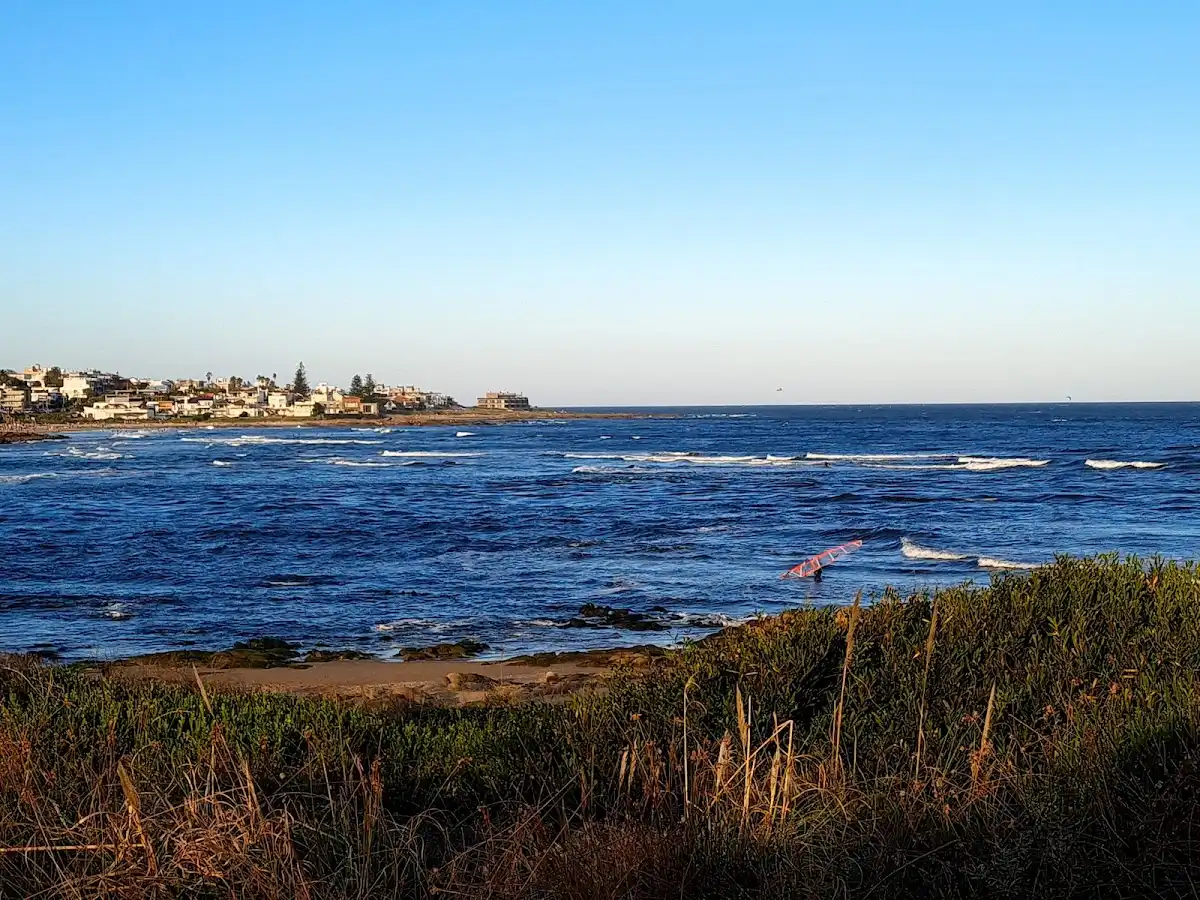
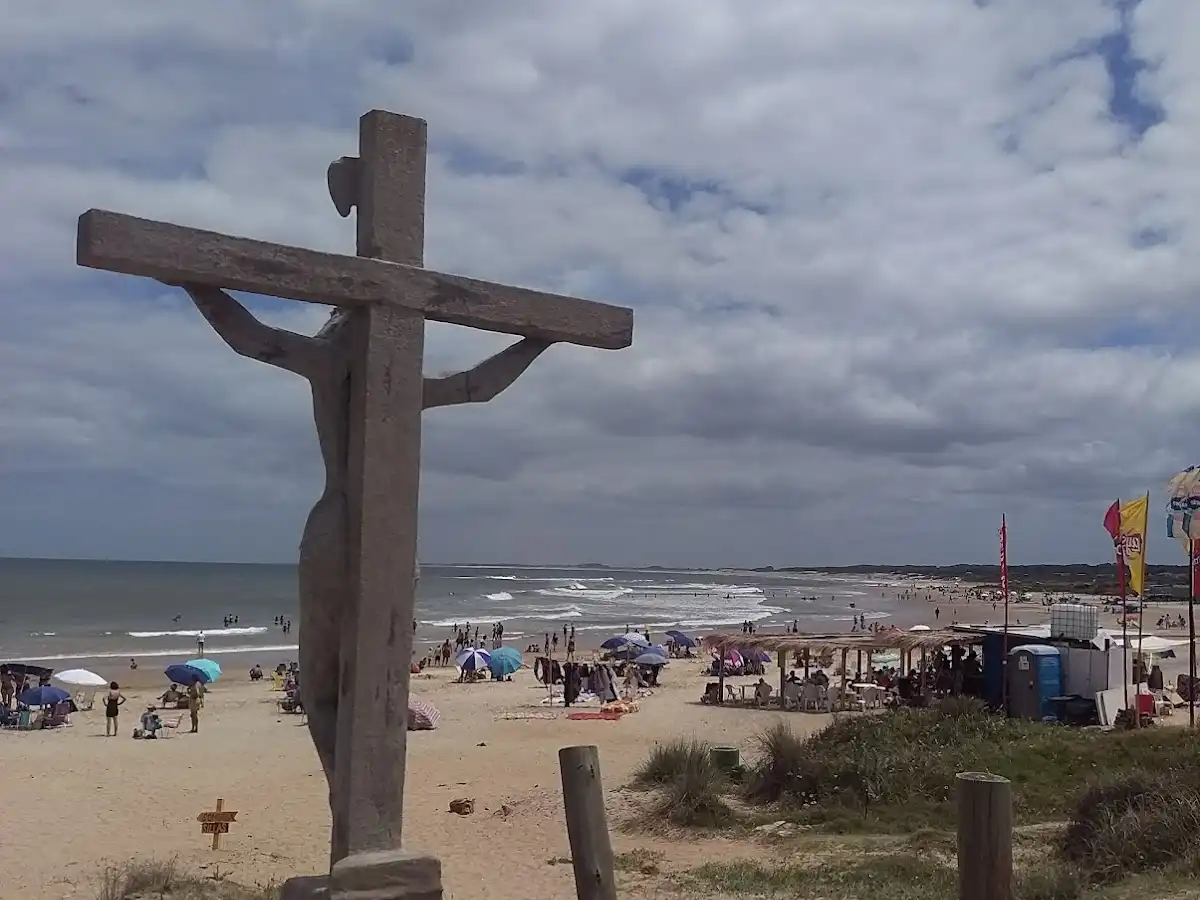
Uruguay’s beaches offer a diverse tapestry of experiences, shaped by regional characteristics and seasonal shifts. From the bustling shores of Punta del Este to the tranquil sands of Cabo Polonio, each beach caters to different travel styles and budgets. The Atlantic coast sees varying surf conditions, with some areas ideal for swimming and others better suited for surfing, impacting your choice based on skill level. Crowds swell in peak summer months, particularly in December and January, while off-peak seasons reveal quieter, more immersive environments. Understanding these nuances is crucial for backpackers seeking authentic cultural experiences and safe, accessible travel. Choosing the right beach can significantly enhance your journey through this coastal paradise.

By Johan Kruseman 🇳🇱 | Updated May 9, 2026
Explore the best attractions in Uruguay

Why go?Why These beach Stand Out

Uruguay’s beaches stand out due to their diverse coastal geography and accessible charm. Unlike many countries where beaches can be overcrowded and commercialized, Uruguay offers a blend of tranquil stretches and vibrant hotspots. This variety allows travelers to choose between lively atmospheres and serene retreats, catering to different preferences.

The seasonal conditions play a crucial role in the beach experience. Summer months, particularly December through February, attract larger crowds, which can dilute the experience. However, this peak season also brings the best weather, making it ideal for sunbathing and water activities. Off-peak months, while less crowded, may present cooler temperatures and unpredictable weather, requiring careful planning for those seeking a more immersive … read more 👉
Uruguay’s beaches stand out due to their diverse coastal geography and accessible charm. Unlike many countries where beaches can be overcrowded and commercialized, Uruguay offers a blend of tranquil stretches and vibrant hotspots. This variety allows travelers to choose between lively atmospheres and serene retreats, catering to different preferences.

The seasonal conditions play a crucial role in the beach experience. Summer months, particularly December through February, attract larger crowds, which can dilute the experience. However, this peak season also brings the best weather, making it ideal for sunbathing and water activities. Off-peak months, while less crowded, may present cooler temperatures and unpredictable weather, requiring careful planning for those seeking a more immersive experience.

Accessibility is another key factor. Many beaches are within a short drive from major urban centers, allowing for easy day trips. However, the trade-off is that popular spots can feel congested during peak times. For those willing to venture further, lesser-known beaches offer a more intimate experience but may require more travel time and planning.

Culturally, Uruguay’s beaches reflect a laid-back lifestyle, where the emphasis is on relaxation and connection with nature. This contrasts with more commercialized beach destinations, providing a unique atmosphere that encourages visitors to unwind. Understanding these dynamics is essential for making the most of a beach trip in Uruguay.
Our Approach to Ranking
The list of best beaches in Uruguay is created based on beauty, vibe, water quality, activities, and surrounding scenery. If you feel a beach is missing in this list, please let us know.

When to go?Timing Your Visit for the Best Experience

Seasonality significantly influences the beach experience in Uruguay. The summer months, typically from December to February, bring warm weather and vibrant beach life. This is the peak season, attracting both locals and tourists. Expect crowded beaches and higher prices for accommodations and services. The trade-off is a lively atmosphere and optimal swimming conditions, with warm water and minimal rain.

Shoulder seasons occur in spring and fall, around September to November and March to May. During these months, the weather remains pleasant, but crowds thin out. Prices for lodging and activities drop, making it a more budget-friendly option. However, water temperatures can be cooler, and conditions may vary. Surfing can be excellent during these times, with more consistent swells, but swimming … read more 👉
Seasonality significantly influences the beach experience in Uruguay. The summer months, typically from December to February, bring warm weather and vibrant beach life. This is the peak season, attracting both locals and tourists. Expect crowded beaches and higher prices for accommodations and services. The trade-off is a lively atmosphere and optimal swimming conditions, with warm water and minimal rain.

Shoulder seasons occur in spring and fall, around September to November and March to May. During these months, the weather remains pleasant, but crowds thin out. Prices for lodging and activities drop, making it a more budget-friendly option. However, water temperatures can be cooler, and conditions may vary. Surfing can be excellent during these times, with more consistent swells, but swimming may require a wetsuit.

Winter months, from June to August, present a different scenario. While temperatures drop and many beach facilities close, this season offers solitude and a chance to experience the coastline without the hustle. Surf conditions can be challenging, with rougher waters and colder temperatures.

Understanding these seasonal patterns allows for better planning. Choosing the right time can enhance the beach experience, balancing crowd levels, costs, and conditions effectively.

beach hoppingTips for Visiting Multiple Destinations

To combine the best beaches of Uruguay efficiently, start by clustering your stops based on geography. The coastline stretches from the Brazilian border down to Montevideo, with key areas like Punta del Este, José Ignacio, and La Paloma. Begin in the east and work your way south or west, depending on your entry point. This minimizes backtracking and maximizes beach time.

Consider the surf and swim conditions. For instance, the eastern beaches like Punta del Diablo are ideal for surfing, while the calmer waters of La Barra are better for swimming. Timing your visits around seasonal conditions is crucial; summer months (December to February) attract larger crowds, so plan early morning or late afternoon visits to avoid peak times.

Allocate at least half a day to each beach to soak in the atmosphere read more 👉
To combine the best beaches of Uruguay efficiently, start by clustering your stops based on geography. The coastline stretches from the Brazilian border down to Montevideo, with key areas like Punta del Este, José Ignacio, and La Paloma. Begin in the east and work your way south or west, depending on your entry point. This minimizes backtracking and maximizes beach time.

Consider the surf and swim conditions. For instance, the eastern beaches like Punta del Diablo are ideal for surfing, while the calmer waters of La Barra are better for swimming. Timing your visits around seasonal conditions is crucial; summer months (December to February) attract larger crowds, so plan early morning or late afternoon visits to avoid peak times.

Allocate at least half a day to each beach to soak in the atmosphere without feeling rushed. A common mistake is trying to squeeze too many stops into a short timeframe, leading to fatigue and missed experiences. Prioritize quality over quantity; a few well-chosen beaches will provide a richer experience than a rushed tour of many.

Be mindful of trade-offs. Speed may mean less comfort, while a leisurely pace can stretch your budget. Flexibility is key; weather can change plans, so have backup options. Strategic planning allows for spontaneous discoveries, making the journey as rewarding as the destinations themselves.

The ListMust-Visit beaches in Uruguay

1 Punta del Este

skyscraper skyline, marina, sculpture park

Navigate a bustling peninsula where urban energy, yacht culture, and public art define Uruguay’s most cosmopolitan beach destination.

2 José Ignacio

rocky point, upscale retreats, iconic lighthouse

Relax in a small settlement known for its understated luxury, dramatic sunsets, and the meeting of rural life with refined tastes.

uruguay-beach-jose-ignacio
© Google | Carlos

3 Playa Mansa

calm waters, family areas, sunset walks

Unwind on gentle sands ideal for swimming, with shallow bays and evening strolls popular among locals and visitors alike.

4 Cabo Polonio

dune crossings, lighthouse, sea lion colony

Reach an off-grid enclave surrounded by shifting sands, where wildlife and raw Atlantic views replace roads and city lights.

5 La Barra

art galleries, tidal bridge, nightlife spots

Discover a lively stretch where creative spaces, unique architecture, and evening energy draw a diverse crowd throughout the summer.

uruguay-beach-la-barra
© Google |

6 La Paloma

surf breaks, pine forests, harbor

Spend days between rolling waves and shaded campgrounds, with easy access to both open ocean and sheltered coves.

uruguay-beach-la-paloma
© Google |

7 La Pedrera

clifftop views, music festivals, rocky shore

Join travelers who gather for panoramic vistas, seasonal events, and a coastline shaped by wind and stone.

8 Piriápolis

seaside promenade, hilltop castle, vintage hotels

Stroll a historic resort town framed by forested hills, where early 20th-century architecture meets a relaxed beach atmosphere.

9 Aguas Dulces

wooden cabins, quiet shoreline, fishing boats

Experience a laid-back coastal village where sand streets lead to rustic homes and the sea draws both locals and travelers seeking solitude.

Loading the map 🌍

Expert viewPro Tips for Exploring the Best

Coastline Flow
Uruguay’s coastline stretches about 400 kilometers along the Atlantic, offering a variety of beach experiences. The eastern beaches, like Punta del Este and José Ignacio, attract a more upscale crowd, while the western beaches, such as Cabo Polonio and La Paloma, provide a more laid-back vibe. Understanding this flow is crucial for planning your beach-hopping adventure. If you’re after a lively atmosphere with nightlife, stick to the eastern beaches. For a quieter, more rustic experience, head west. The trade-off here is time; moving between these areas can take longer than expected due to limited road infrastructure. Prioritize your beach visits based on your desired vibe.

Seasonal Conditions
Uruguay’s summer season runs from December to March, when the beaches are at their … read more 👉
Coastline Flow
Uruguay’s coastline stretches about 400 kilometers along the Atlantic, offering a variety of beach experiences. The eastern beaches, like Punta del Este and José Ignacio, attract a more upscale crowd, while the western beaches, such as Cabo Polonio and La Paloma, provide a more laid-back vibe. Understanding this flow is crucial for planning your beach-hopping adventure. If you’re after a lively atmosphere with nightlife, stick to the eastern beaches. For a quieter, more rustic experience, head west. The trade-off here is time; moving between these areas can take longer than expected due to limited road infrastructure. Prioritize your beach visits based on your desired vibe.

Seasonal Conditions
Uruguay’s summer season runs from December to March, when the beaches are at their busiest. Expect high temperatures and crowded sands, especially in popular spots. If you prefer a more tranquil experience, consider visiting in the shoulder seasons of late spring or early autumn. The weather remains pleasant, but the crowds thin out significantly. However, be aware that some beachside amenities may close during the off-peak months. This means fewer dining options and less nightlife, which could impact your overall experience. Balancing your desire for relaxation with the vibrant summer scene is key to enjoying your trip.

Access Points
Getting to the beaches varies widely. Major towns have better access, but some of the more remote beaches require a bit of effort. For instance, Cabo Polonio is only reachable by a 4x4 vehicle over sand dunes, which adds to its charm but also requires planning. If you’re traveling without a car, public transport can be hit-or-miss, especially in less populated areas. Factor in travel time when planning your itinerary; you might find that a beach that seems close on a map takes longer to reach than expected. This can affect how many beaches you realistically visit in a single trip.

Crowd Density
Crowd density can make or break your beach experience. The eastern beaches are often packed, especially during peak season. If you’re looking for a more intimate setting, aim for lesser-known spots or visit during weekdays. Conversely, if you thrive on social energy, the bustling beaches will suit you perfectly. Just remember that with larger crowds come more noise and activity, which might detract from your relaxation goals. Balancing your beach choices based on crowd levels can enhance your overall enjoyment.

Relaxation vs. Travel Speed
Finding the right balance between relaxation and travel speed is essential. If you’re keen on visiting multiple beaches, be prepared for a more rushed experience. Spending a day or two at each beach allows you to soak in the local culture and unwind, but it limits how many you can see. Conversely, if you’re on a tight schedule, you might feel pressured to move quickly, sacrificing the chance to truly enjoy each location. The best approach is to select three to five beaches that resonate with you, allowing for a mix of exploration and downtime. This way, you can savor the unique character of each spot without feeling like you’re in a race.

Safety & Cultural Considerations
Uruguay is generally safe for travelers, but it’s wise to stay aware of your surroundings, especially in crowded areas. Respect local customs, particularly in quieter beach towns where a laid-back lifestyle prevails. Engaging with locals can enrich your experience, but be mindful of cultural differences. Some beaches may have specific rules, such as no loud music or restrictions on alcohol consumption. Understanding these nuances can help you blend in and enjoy a more authentic experience. Balancing your desire for fun with respect for local culture will enhance your trip significantly.

✈️ The backpacker research shortcutUruguay Travel Guide

An offline-friendly backpacking guide with optimized travel routes, ranked highlights, transport advice, and the best areas to stay.
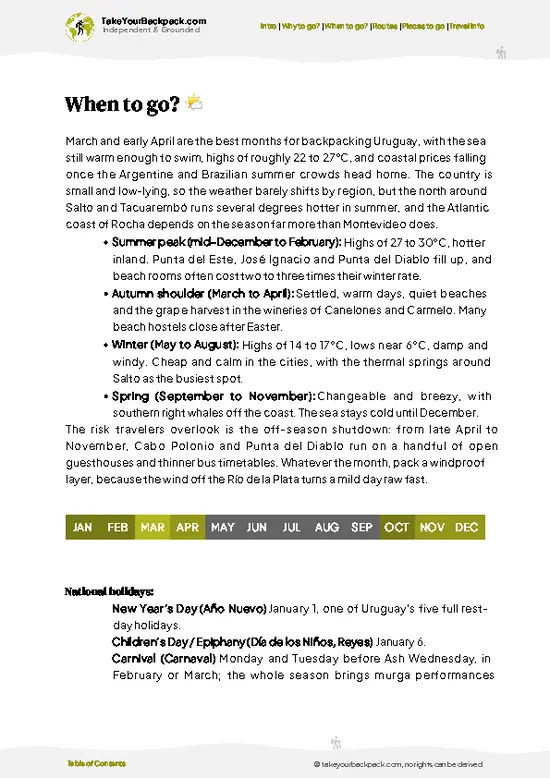
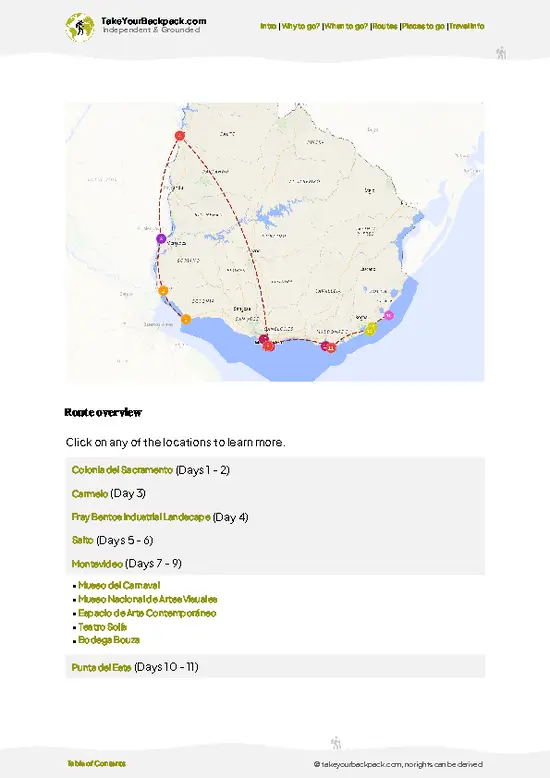
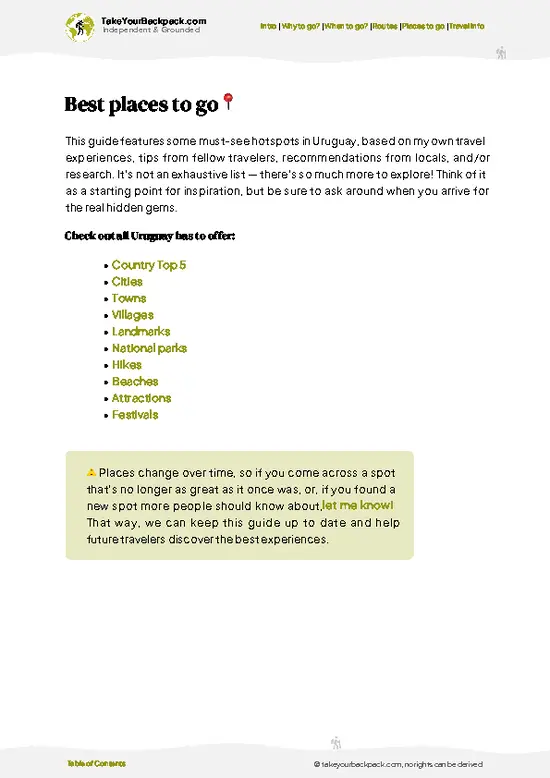
example page 0 from our offline Travel Guide for Uruguayexample page 1 from our offline Travel Guide for Uruguayexample page 2 from our offline Travel Guide for Uruguayexample page 3 from our offline Travel Guide for Uruguayexample page 4 from our offline Travel Guide for Uruguayexample page 5 from our offline Travel Guide for Uruguay
The digital guide (220 pages) contains:
64 highlights, ranked by travel appeal
Optimized 5, 10 & 15-day travel routes
Best neighborhoods to stay
How to get around
Offline-friendly for travel without Wi-Fi
👉 See all 30+ guide features

📅 Plan smarter in minutes, not weeks
Month by month travel advice
Festivals & national holidays
Budget expectations

🗺️ Go to the right places, skip the overrated ones
Honest pros & cons of destinations
Top hikes, parks & viewpoints
Lesser-known places most travelers miss
Clear “worth it vs skip it” guidance

🛏️ Travel smoothly without rookie mistakes
Best areas to stay
Transport systems explained simply
Common scams & safety advice
SIM cards, money & practical tips

🌍 Understand the country, not just visit it
Culture & traditions
52 Essential phrases & customs
Festivals worth planning around
Traveler-friendly historical context
Insights that make places more meaningful

📱 Built for real travel conditions
Fully downloadable PDF
Works completely offline
Optimized for phone use
Useful in remote areas & buses
Everything in one place
Save weeks of stressful planning
Get instant access to the full guide directly. 30-day money-back guarantee.


Sent to your inbox immediately after payment • 100% Secure Checkout
Best Backpacking Travel Advisor 2025 tourism awardBest Backpacking
Travel Advisor
2025
What others say about Take Your Backpack Guides:
⭐⭐⭐⭐⭐
Fantastic, amazing amount of information!
⭐⭐⭐⭐⭐
My goodness this is amazing, it's what I've been looking for hats off too you!
⭐⭐⭐⭐⭐
I think this is absolutely BRILLIANT
⭐⭐⭐⭐
Very complete and informative. It's still missing places, but I gotta to commend you
⭐⭐⭐⭐⭐
This is truly amazing, thank you, can't wait to explore it with my kids!
⭐⭐⭐⭐⭐
Awesome resource, thank you!
⭐⭐⭐⭐⭐
This is amazing! Can't wait to explore the ones I haven't seen
⭐⭐⭐⭐
I love this! Well done, great idea.
⭐⭐⭐⭐⭐
Thanks for taking the time to make this gem!
⭐⭐⭐⭐⭐
This might be the best website I've ever seen.
⭐⭐⭐⭐⭐
Congratulations, and thank you so much for your work; it's incredibly valuable.
⭐⭐⭐⭐
In all seriousness I think you did a great job pointing out the important spots
⭐⭐⭐⭐⭐
10/10 very good
⭐⭐⭐⭐⭐
As someone who's only just starting to visit regularly this is awesome, thank you.
⭐⭐⭐⭐
Thank you very much! I'm going to visit my dad, it's going to be very useful!
⭐⭐⭐⭐⭐
This is really cool! We'll be travelling for the first time and this definitely come in handy.
⭐⭐⭐⭐⭐
You are now our minister of culture, congratulations 👨‍💼
⭐⭐⭐⭐⭐
Just wanted to tell you that this is a pearl! Going to follow your recommendations.
⭐⭐⭐⭐⭐
This is so cool. I'll definitely be using the resource for my travels soon.
⭐⭐⭐⭐⭐
This is very impressive! Good work.
⭐⭐⭐⭐⭐
This is an amazing and informative site. Very well done!

🛏️ Where to stay?Where to Stay in Uruguay

Yes — hostels and budget accommodation are widely available across Uruguay, concentrated in Montevideo (Ciudad Vieja, Pocitos, Punta del Carretas), Colonia del Sacramento’s historic quarter, Punta del Este (Peninsula and La Barra) and the Rocha coast (Punta del Diablo, Cabo Polonio, La Paloma).
Montevideo neighborhoods offer the easiest transport links, museums and nightlife but vary from busy/noisy and more backpacker-focused (Ciudad Vieja, Centro) to safer/quieter stretches (Pocitos, Punta del Carretas); Colonia is compact and tranquil with fewer late-night options; Punta del Este has the most nightlife and seasonal price spikes.
Choose Montevideo or Punta del Este for transport and nightlife, … read more 👉
Yes — hostels and budget accommodation are widely available across Uruguay, concentrated in Montevideo (Ciudad Vieja, Pocitos, Punta del Carretas), Colonia del Sacramento’s historic quarter, Punta del Este (Peninsula and La Barra) and the Rocha coast (Punta del Diablo, Cabo Polonio, La Paloma).
Montevideo neighborhoods offer the easiest transport links, museums and nightlife but vary from busy/noisy and more backpacker-focused (Ciudad Vieja, Centro) to safer/quieter stretches (Pocitos, Punta del Carretas); Colonia is compact and tranquil with fewer late-night options; Punta del Este has the most nightlife and seasonal price spikes.
Choose Montevideo or Punta del Este for transport and nightlife, Colonia for historic calm, and Rocha towns for cheap rustic beach vibes while planning ahead for limited services, seasonal crowds and basic safety precautions in isolated areas.

If you enjoy meeting fellow travelers, consider choosing hostels with high ratings for atmosphere. On the other hand, if you prefer having your own space, a hotel might be a better option.

UruguayMore of Uruguay

👋 Meet the founderWho’s Behind Take Your Backpack?

Johan, backpacker and founder of TakeYourBackpackHi, I’m Johan (Netherlands 🇳🇱), the creator of TakeYourBackpack. Over the past decade, I’ve backpacked through 80+ countries across six continents, gaining extensive experience with independent travel, long-term trips, and overland routes.

This site is built on a combination of firsthand travel experience and carefully curated insights from other backpackers. Many guides are based on places I’ve personally visited, while others bring together tips, observations, and practical advice shared by trusted travelers I’ve met along the way.

The goal is to provide realistic, experience-driven guidance — not generic itineraries — so you can explore destinations with better context, clearer expectations, and more confidence.

Get Full Country Guide |
Instant download • 64 highlights • Full Offline guide