×

Uruguay🇺🇾 | best festivalsThe 11 Top festivals in Uruguay

Uruguay’s festivals are a vibrant reflection of its rich cultural tapestry, showcasing energy, traditions, and local nuances that vary by region and season. From the lively streets of Montevideo during Carnival to the intimate gatherings in rural towns, each festival offers a unique experience that shapes your journey as a backpacker. Timing is crucial; summer festivals draw larger crowds, enhancing the atmosphere but also increasing costs and logistical challenges. Choosing the right festival can significantly impact your vibe, budget, and cultural immersion. Understanding these dynamics allows for a more rewarding and authentic exploration of Uruguay, ensuring your independent travel experience is both enriching and seamless.

By Johan Kruseman 🇳🇱 | Updated May 27, 2026
Explore the best regions in Uruguay

Why go?Why These festival Stand Out

Festivals in Uruguay matter because they encapsulate the country’s rich cultural tapestry, blending African, European, and indigenous influences. This unique mix creates a vibrant atmosphere that stands apart from festivals in other countries. The carnival, for instance, is not just a celebration; it’s a living history lesson, showcasing the rhythms of candombe, a dance rooted in African heritage.

Timing is crucial. Most festivals occur during the summer months, when the weather is warm and conducive to outdoor celebrations. However, this peak season also attracts larger crowds, which can dilute the intimate experience many seek. Travelers must weigh the energy of bustling events against the desire for a more personal connection to the culture.

Uruguay’s compact size makes it relatively … read more 👉
Festivals in Uruguay matter because they encapsulate the country’s rich cultural tapestry, blending African, European, and indigenous influences. This unique mix creates a vibrant atmosphere that stands apart from festivals in other countries. The carnival, for instance, is not just a celebration; it’s a living history lesson, showcasing the rhythms of candombe, a dance rooted in African heritage.

Timing is crucial. Most festivals occur during the summer months, when the weather is warm and conducive to outdoor celebrations. However, this peak season also attracts larger crowds, which can dilute the intimate experience many seek. Travelers must weigh the energy of bustling events against the desire for a more personal connection to the culture.

Uruguay’s compact size makes it relatively easy to navigate between festivals, but this can also lead to logistical challenges. Limited public transport options may require planning ahead, especially for those wanting to explore multiple events. Additionally, while some festivals are free, others may involve costs that can add up, prompting travelers to consider their budget versus the depth of immersion they desire.

Understanding these dynamics allows for a more rewarding experience. Festivals in Uruguay are not merely events; they are gateways to understanding the nation’s identity, but they require thoughtful engagement to truly appreciate their significance.
Evaluating the Top Choices
The list of best festivals in Uruguay is created based on energy, traditions, crowd experience, activities, and overall excitement. If you feel a festival is missing in this list, please let us know.

When to go?Timing Your Visit for the Best Experience

Seasonality plays a crucial role in the festival landscape of Uruguay. The summer months, from December to February, are when the country comes alive with vibrant celebrations. This period offers warm weather, ideal for outdoor events. However, it also attracts large crowds and higher prices, especially during major festivals. Expect a lively atmosphere, but be prepared for the hustle and bustle.

Shoulder seasons, particularly spring (September to November) and autumn (March to May), present a different experience. These months often feature fewer festivals, but they provide a more intimate setting. Crowds are lighter, and costs can be lower, allowing for a more authentic connection with local culture. The weather remains pleasant, although spring can bring occasional rain.

Winter (June … read more 👉
Seasonality plays a crucial role in the festival landscape of Uruguay. The summer months, from December to February, are when the country comes alive with vibrant celebrations. This period offers warm weather, ideal for outdoor events. However, it also attracts large crowds and higher prices, especially during major festivals. Expect a lively atmosphere, but be prepared for the hustle and bustle.

Shoulder seasons, particularly spring (September to November) and autumn (March to May), present a different experience. These months often feature fewer festivals, but they provide a more intimate setting. Crowds are lighter, and costs can be lower, allowing for a more authentic connection with local culture. The weather remains pleasant, although spring can bring occasional rain.

Winter (June to August) is the quietest time for festivals. While some events occur, they are less frequent and may lack the energy of summer celebrations. However, this season offers a unique opportunity to engage with local traditions in a more subdued environment.

Travelers should weigh the trade-offs between peak energy and high crowds against quieter moments with reduced authenticity. Understanding these seasonal dynamics can lead to a more rewarding festival experience in Uruguay.

festival hoppingTips for Visiting Multiple Destinations

To efficiently combine multiple festivals across Uruguay, start by clustering events regionally. The country’s compact size allows for easy travel between major cities like Montevideo, Punta del Este, and Colonia del Sacramento. Prioritize festivals that occur in close proximity to minimize travel time. For example, attending Montevideo’s Carnival in February can be seamlessly followed by the Fiesta de la Patria Gaucha in Tacuarembó, which is a few hours north.

Consider the timing of each festival. Some events span several days, while others are one-off celebrations. Allocate at least two to three days for larger festivals to fully immerse in the experience without feeling rushed. This pacing helps avoid burnout, especially when transitioning from high-energy events to more laid-back gatherings.read more 👉
To efficiently combine multiple festivals across Uruguay, start by clustering events regionally. The country’s compact size allows for easy travel between major cities like Montevideo, Punta del Este, and Colonia del Sacramento. Prioritize festivals that occur in close proximity to minimize travel time. For example, attending Montevideo’s Carnival in February can be seamlessly followed by the Fiesta de la Patria Gaucha in Tacuarembó, which is a few hours north.

Consider the timing of each festival. Some events span several days, while others are one-off celebrations. Allocate at least two to three days for larger festivals to fully immerse in the experience without feeling rushed. This pacing helps avoid burnout, especially when transitioning from high-energy events to more laid-back gatherings.

A common mistake is over-scheduling. While it’s tempting to pack in as many festivals as possible, this often leads to fatigue and missed opportunities for deeper engagement. Balance the excitement of larger crowds with quieter, local events to maintain energy levels.

Trade-offs are inherent in festival planning. Speed may allow for more events, but it often sacrifices comfort and depth. Budget considerations can also impact choices; prioritize experiences that resonate most with personal interests. Flexibility is key—be prepared to adjust plans based on local conditions or personal energy levels to optimize the overall experience.

The ListMust-Visit festivals in Uruguay

1 Carnival

candombe drumming, colorful parades, street theater

Follow processions through city neighborhoods, watch elaborate costumes, and feel the rhythm of Afro-Uruguayan music that defines this extended celebration.

2 Semana Criolla

gaucho skills, rodeo events, traditional barbecue

Watch skilled riders compete, sample wood-fired meats, and experience rural traditions that reveal Uruguay’s agricultural roots in the heart of Montevideo.

3 Noche de la Nostalgia

retro music, themed parties, late-night dancing

Join locals reliving past decades as clubs and bars fill with classic hits, themed costumes, and a contagious sense of collective memory.

4 Fiesta de la Patria Gaucha

rural encampments, folk competitions, horse parades

Immerse yourself in gaucho heritage with reenactments, equestrian displays, and communal meals that highlight the customs of Uruguay’s interior.

5 Festival Internacional de Jazz de Punta del Este

seaside stages, renowned artists, summer nights

Listen to acclaimed jazz musicians perform by the ocean, with evening concerts that attract both aficionados and casual listeners to Uruguay’s resort coast.

6 Festival de Jazz de Montevideo

urban venues, international musicians, improvisation

Hear global jazz artists perform in intimate city spaces, where spontaneous collaborations and diverse sounds draw music lovers from across the region.

7 Montevideo International Film Festival

independent cinema, global premieres, director talks

Watch films from around the world, attend Q&A sessions, and engage with filmmakers in a festival that values creative storytelling and diverse perspectives.

8 Tango Festival

live orchestras, dance workshops, milonga nights

Learn tango steps, watch passionate performances, and join locals in late-night dance halls where Uruguay’s tango tradition comes alive.

9 Festival Internacional de Colonia

historic quarter, open-air performances, cultural fusion

Experience music, dance, and art in atmospheric colonial streets, where international acts blend with local traditions in a UNESCO-listed setting.

10 Festival de la Vendimia

wine harvest, vineyard tours, grape stomping

Celebrate the grape harvest with guided tastings, hands-on activities, and a close look at the winemaking process in Uruguay’s rural wine regions.

11 Festival de la Cerveza Artesanal

craft brews, tasting tents, local breweries

Sample small-batch beers from independent producers, meet brewers, and compare styles in a relaxed setting designed for discovery and conversation.

Loading the map 🌍

Expert viewPro Tips for Exploring the Best

Energy Festivals in Uruguay pulse with life, drawing locals and travelers alike into a vibrant tapestry of culture. The country hosts a variety of festivals throughout the year, with the most notable ones occurring during the summer months, particularly from January to March. This is when the weather is warm, and the atmosphere is electric. However, this peak season also means larger crowds and higher prices. If you’re looking for a more intimate experience, consider attending festivals in the shoulder seasons, like late spring or early autumn. You’ll find fewer tourists, but the energy remains palpable.

Seasonal Timing The timing of your visit is crucial. Major festivals like Carnaval and the Fiesta de la Patria Gaucha are not just events; they are cultural phenomena that showcase the heart … read more 👉
Energy Festivals in Uruguay pulse with life, drawing locals and travelers alike into a vibrant tapestry of culture. The country hosts a variety of festivals throughout the year, with the most notable ones occurring during the summer months, particularly from January to March. This is when the weather is warm, and the atmosphere is electric. However, this peak season also means larger crowds and higher prices. If you’re looking for a more intimate experience, consider attending festivals in the shoulder seasons, like late spring or early autumn. You’ll find fewer tourists, but the energy remains palpable.

Seasonal Timing The timing of your visit is crucial. Major festivals like Carnaval and the Fiesta de la Patria Gaucha are not just events; they are cultural phenomena that showcase the heart of Uruguayan identity. Carnaval, for instance, is a two-week celebration filled with parades, music, and dance. It’s a must-see, but be prepared for the chaos that comes with it. If you want to experience the festival without the overwhelming crowds, aim for the smaller parades or local celebrations that happen in the days leading up to the main events. This way, you can enjoy the festivities while avoiding the heaviest foot traffic.

Cultural Context Understanding the cultural significance of these festivals enhances your experience. For example, the Fiesta de la Patria Gaucha celebrates the gaucho culture, showcasing traditional music, dance, and food. Engaging with locals during these events can provide deeper insights into their customs and values. However, be respectful of local traditions. Dress appropriately and participate in the festivities with an open mind. This not only enriches your experience but also fosters goodwill among the community.

Crowd Management Managing crowds is essential for a smooth festival experience. Arrive early to secure a good spot, especially for parades or concerts. If you’re attending a festival in a larger city, consider staying a bit farther away from the main action. This often leads to lower accommodation costs and a more relaxed atmosphere. Just ensure you have reliable transportation options to get back and forth. Public transport can be crowded during peak times, so factor in extra travel time.

Budget and Comfort Budgeting for festivals can be tricky. While some events are free, others may charge for entry or have associated costs for food and drinks. Expect to spend more during peak festival times, especially in popular areas. However, you can often find local food stalls offering delicious, affordable options. Prioritize experiences that resonate with you. If a particular festival speaks to your interests—be it music, food, or culture—allocate more of your budget there.

Safety Considerations Safety is paramount. While Uruguay is generally safe, large crowds can lead to pickpocketing or other petty crimes. Keep your belongings secure and be aware of your surroundings. It’s also wise to familiarize yourself with local emergency numbers and procedures. If you’re attending a festival that involves alcohol, know your limits. The atmosphere can be festive, but maintaining your wits will ensure you enjoy the experience fully.

Planning and Prioritizing Aim to attend at least two to three festivals during your stay. This allows you to experience a range of cultural expressions without feeling rushed. Prioritize based on your interests—whether that’s music, food, or local traditions. Research the festivals ahead of time to understand their schedules and any special events. This preparation can make a significant difference in how you navigate the festival landscape.

Uruguay’s festivals are a celebration of life, culture, and community. By understanding the energy, timing, and cultural context, you can unlock a richer experience that goes beyond mere attendance. Embrace the chaos, engage with locals, and savor the unique flavors of each festival.

✈️ The backpacker research shortcutUruguay Travel Guide

An offline-friendly backpacking guide with optimized travel routes, ranked highlights, transport advice, and the best areas to stay.
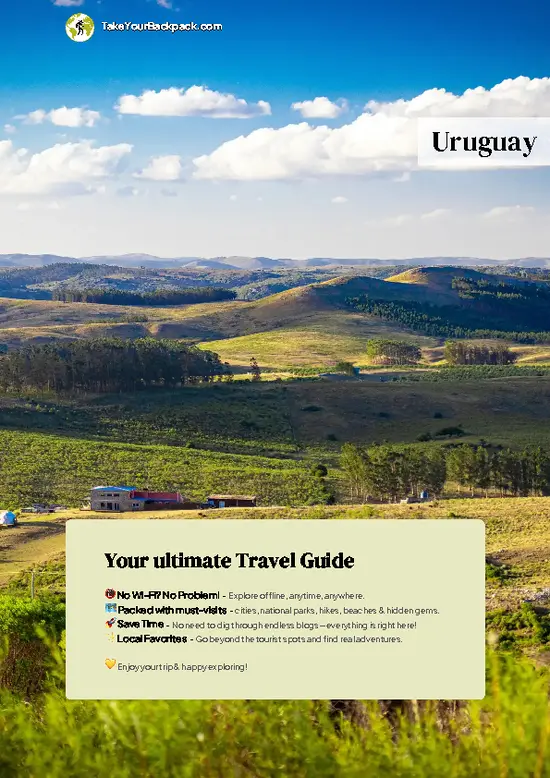
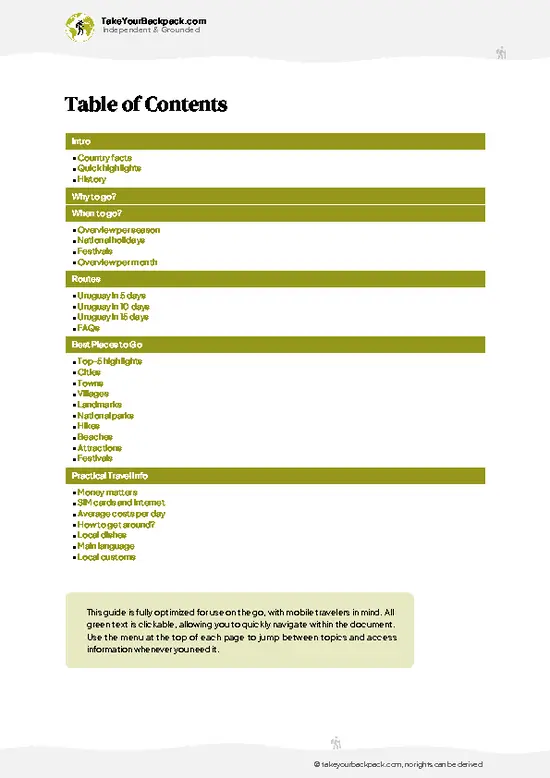
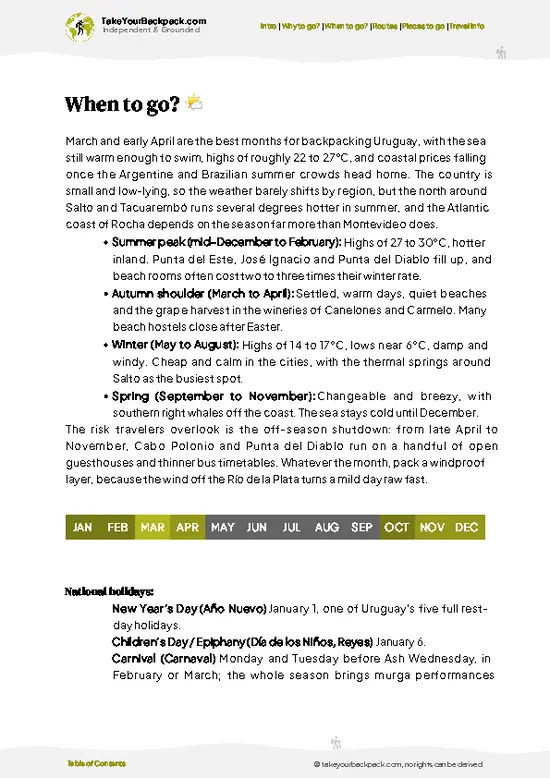
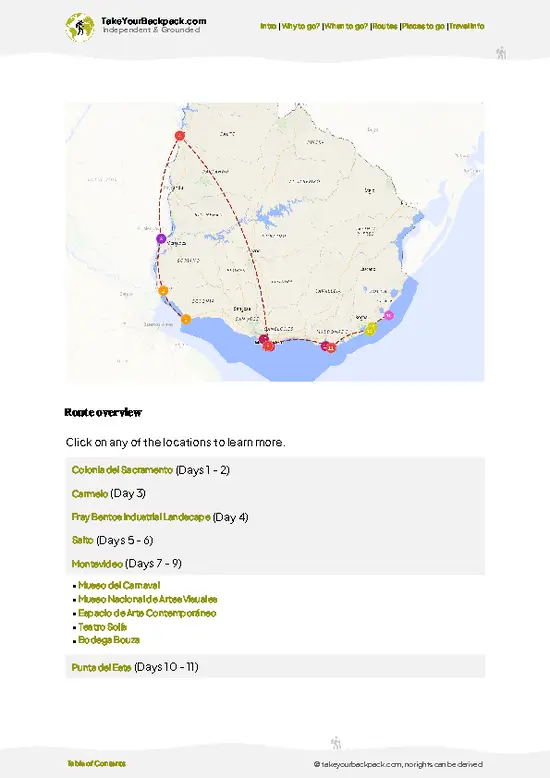
example page 0 from our offline Travel Guide for Uruguayexample page 1 from our offline Travel Guide for Uruguayexample page 2 from our offline Travel Guide for Uruguayexample page 3 from our offline Travel Guide for Uruguayexample page 4 from our offline Travel Guide for Uruguayexample page 5 from our offline Travel Guide for Uruguayexample page 6 from our offline Travel Guide for Uruguayexample page 7 from our offline Travel Guide for Uruguay
The digital guide (256 pages) contains:
64 highlights, ranked by travel appeal
Optimized 5, 10 & 15-day travel routes
Cities, national parks, beaches, historical sites, ...
How to get around
Offline-friendly for travel without Wi-Fi
👉 Click to see all 30+ guide features

📅 Plan smarter in minutes, not weeks
Month by month travel advice
Festivals & national holidays
Budget expectations

🗺️ Go to the right places, skip the overrated ones
Honest pros & cons of destinations
Top hikes, parks & viewpoints
Lesser-known places most travelers miss
Clear “worth it vs skip it” guidance

🛏️ Travel smoothly without rookie mistakes
Best areas to stay
Transport systems explained simply
Common scams & safety advice
SIM cards, money & practical tips

🌍 Understand the country, not just visit it
Culture & traditions
52 Essential phrases & customs
Festivals worth planning around
Traveler-friendly historical context
Insights that make places more meaningful

📱 Built for real travel conditions
Fully downloadable PDF
Works completely offline
Optimized for phone use
Useful in remote areas & buses
Everything in one place
Save weeks of stressful planning
Get instant access to the full guide directly. 30-day money-back guarantee.


Sent to your inbox immediately after payment • 100% Secure Checkout
Best Backpacking Travel Advisor 2025 tourism awardBest Backpacking
Travel Advisor
2025
What others say about Take Your Backpack Guides:
⭐⭐⭐⭐⭐
Fantastic, amazing amount of information!
⭐⭐⭐⭐⭐
My goodness this is amazing, it's what I've been looking for hats off too you!
⭐⭐⭐⭐⭐
I think this is absolutely BRILLIANT
⭐⭐⭐⭐
Very complete and informative. It's still missing places, but I gotta to commend you
⭐⭐⭐⭐⭐
This is truly amazing, thank you, can't wait to explore it with my kids!
⭐⭐⭐⭐⭐
Awesome resource, thank you!
⭐⭐⭐⭐⭐
This is amazing! Can't wait to explore the ones I haven't seen
⭐⭐⭐⭐
I love this! Well done, great idea.
⭐⭐⭐⭐⭐
Thanks for taking the time to make this gem!
⭐⭐⭐⭐⭐
This might be the best website I've ever seen.
⭐⭐⭐⭐⭐
Congratulations, and thank you so much for your work; it's incredibly valuable.
⭐⭐⭐⭐
In all seriousness I think you did a great job pointing out the important spots
⭐⭐⭐⭐⭐
10/10 very good
⭐⭐⭐⭐⭐
As someone who's only just starting to visit regularly this is awesome, thank you.
⭐⭐⭐⭐
Thank you very much! I'm going to visit my dad, it's going to be very useful!
⭐⭐⭐⭐⭐
This is really cool! We'll be travelling for the first time and this definitely come in handy.
⭐⭐⭐⭐⭐
You are now our minister of culture, congratulations 👨‍💼
⭐⭐⭐⭐⭐
Just wanted to tell you that this is a pearl! Going to follow your recommendations.
⭐⭐⭐⭐⭐
This is so cool. I'll definitely be using the resource for my travels soon.
⭐⭐⭐⭐⭐
This is very impressive! Good work.
⭐⭐⭐⭐⭐
This is an amazing and informative site. Very well done!

🛏️ Where to stay?Where to Stay: Uruguay Edition

Yes — hostels and budget accommodation are widely available across Uruguay, concentrated in Montevideo (Ciudad Vieja, Pocitos, Punta del Carretas), Colonia del Sacramento’s historic quarter, Punta del Este (Peninsula and La Barra) and the Rocha coast (Punta del Diablo, Cabo Polonio, La Paloma).
Montevideo neighborhoods offer the easiest transport links, museums and nightlife but vary from busy/noisy and more backpacker-focused (Ciudad Vieja, Centro) to safer/quieter stretches (Pocitos, Punta del Carretas); Colonia is compact and tranquil with fewer late-night options; Punta del Este has the most nightlife and seasonal price spikes.
Choose Montevideo or Punta del Este for transport and nightlife, … read more 👉
Yes — hostels and budget accommodation are widely available across Uruguay, concentrated in Montevideo (Ciudad Vieja, Pocitos, Punta del Carretas), Colonia del Sacramento’s historic quarter, Punta del Este (Peninsula and La Barra) and the Rocha coast (Punta del Diablo, Cabo Polonio, La Paloma).
Montevideo neighborhoods offer the easiest transport links, museums and nightlife but vary from busy/noisy and more backpacker-focused (Ciudad Vieja, Centro) to safer/quieter stretches (Pocitos, Punta del Carretas); Colonia is compact and tranquil with fewer late-night options; Punta del Este has the most nightlife and seasonal price spikes.
Choose Montevideo or Punta del Este for transport and nightlife, Colonia for historic calm, and Rocha towns for cheap rustic beach vibes while planning ahead for limited services, seasonal crowds and basic safety precautions in isolated areas.

If you enjoy meeting fellow travelers, consider choosing hostels with high ratings for atmosphere. On the other hand, if you prefer having your own space, a hotel might be a better option.

UruguayExplore Beyond This Category

👋 Meet the founderWho’s Behind Take Your Backpack?

Johan, backpacker and founder of TakeYourBackpackHi, I’m Johan (Netherlands 🇳🇱), the creator of TakeYourBackpack. Over the past decade, I’ve backpacked through 80+ countries across six continents, gaining extensive experience with independent travel, long-term trips, and overland routes.

This site is built on a combination of firsthand travel experience and carefully curated insights from other backpackers. Many guides are based on places I’ve personally visited, while others bring together tips, observations, and practical advice shared by trusted travelers I’ve met along the way.

The goal is to provide realistic, experience-driven guidance — not generic itineraries — so you can explore destinations with better context, clearer expectations, and more confidence.

Get full Uruguay guide •
Instant download • 64 highlights • Full Offline guide