v2.webp)
Portuguese Museum (Museo Portugués)
Forget the Instagrammed pastel facades for a second—this 18th-century house is the real deal. The Portuguese Museum is a crash course in colonial power games, packed into creaking floorboards and rooms that smell faintly of old wood and salt air. You’ll find antique maps, uniforms, and weaponry that tell you exactly how Portugal tried to stamp its mark on the Río de la Plata. The real magic is in the details: the original stonework, the heavy doors, and the sense that you’re standing in a place where borders were drawn and redrawn with ink and blood.
Municipal Museum (Museo Municipal)
This isn’t your average sleepy town museum. Housed in a former colonial mansion, the Municipal Museum is a time capsule with attitude. The exhibits jump from indigenous artifacts … read more 👉
Forget the Instagrammed pastel facades for a second—this 18th-century house is the real deal. The Portuguese Museum is a crash course in colonial power games, packed into creaking floorboards and rooms that smell faintly of old wood and salt air. You’ll find antique maps, uniforms, and weaponry that tell you exactly how Portugal tried to stamp its mark on the Río de la Plata. The real magic is in the details: the original stonework, the heavy doors, and the sense that you’re standing in a place where borders were drawn and redrawn with ink and blood.
Municipal Museum (Museo Municipal)
This isn’t your average sleepy town museum. Housed in a former colonial mansion, the Municipal Museum is a time capsule with attitude. The exhibits jump from indigenous artifacts … read more 👉
Portuguese Museum (Museo Portugués)
Forget the Instagrammed pastel facades for a second—this 18th-century house is the real deal. The Portuguese Museum is a crash course in colonial power games, packed into creaking floorboards and rooms that smell faintly of old wood and salt air. You’ll find antique maps, uniforms, and weaponry that tell you exactly how Portugal tried to stamp its mark on the Río de la Plata. The real magic is in the details: the original stonework, the heavy doors, and the sense that you’re standing in a place where borders were drawn and redrawn with ink and blood.
Municipal Museum (Museo Municipal)
This isn’t your average sleepy town museum. Housed in a former colonial mansion, the Municipal Museum is a time capsule with attitude. The exhibits jump from indigenous artifacts to Spanish colonial relics to 20th-century oddities, all crammed into rooms that feel more like a collector’s attic than a sterile gallery. The best part? The rooftop terrace. Climb up for a panoramic view that’s pure cinematic gold—red-tiled roofs, the river, and the kind of light that makes you want to write postcards home.
Spanish Museum (Museo Español)
If you want to see how the Spanish tried to outdo the Portuguese, this is your stop. The Spanish Museum is set in a house that oozes old-world swagger, with thick walls and a courtyard that’s seen centuries of intrigue. Inside, you’ll find everyday objects—furniture, ceramics, and clothing—that make the past feel personal. It’s not about grand battles; it’s about how people actually lived, argued, and survived in a town that changed hands more times than a poker chip.
Tile Museum (Museo del Azulejo)
Here’s where the Instagrammers get it wrong: the real beauty of Colonia isn’t just the cobblestones, it’s the tiles. The Tile Museum is tiny but mighty, with a collection of azulejos that span three centuries. These aren’t just pretty patterns—they’re a visual history of trade, taste, and cultural mashups. You’ll see Portuguese blues, Spanish florals, and even some local improvisation. It’s a crash course in how design travels, adapts, and survives.
Nacarello’s House (Casa Nacarello)
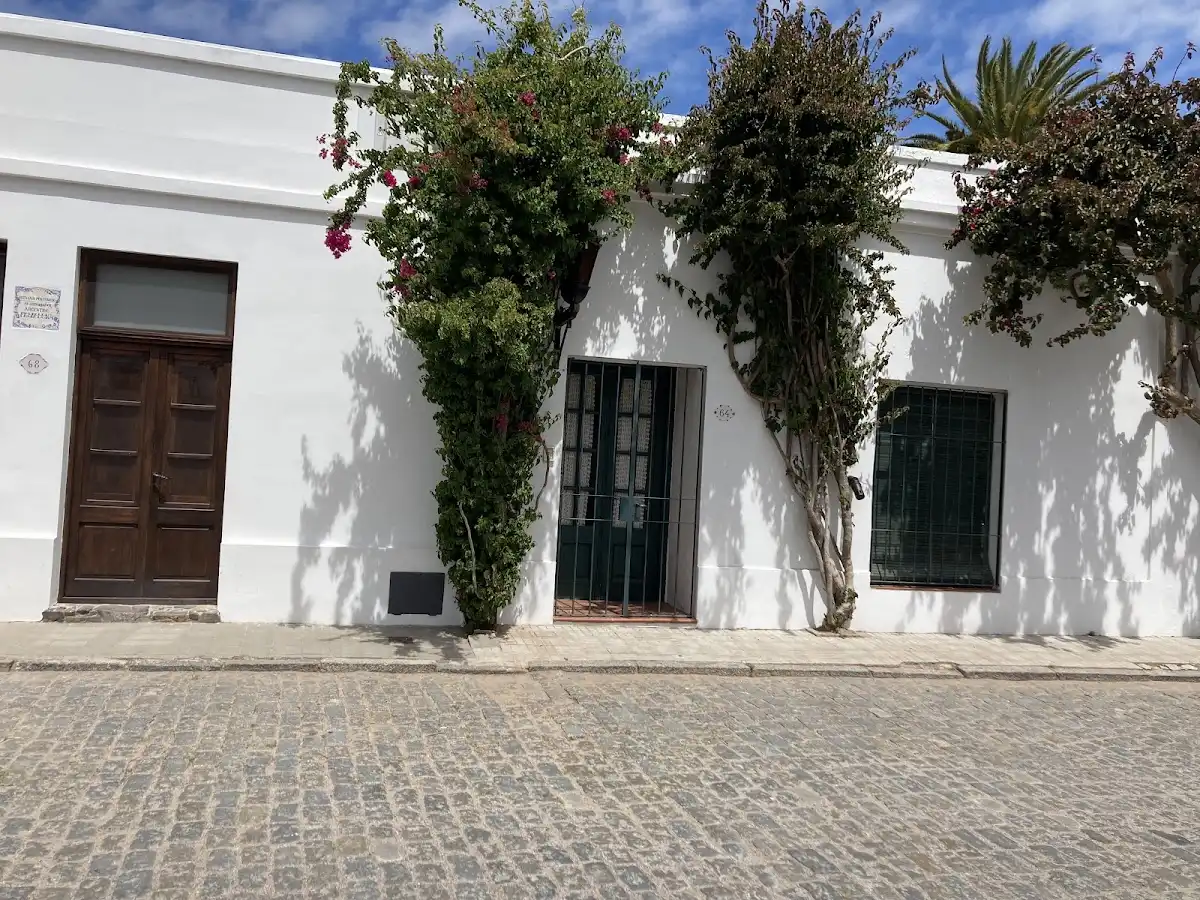
Step inside and you’re instantly transported to the 18th century—no velvet ropes, no glass cases, just raw, lived-in history. Casa Nacarello is one of the best-preserved colonial homes in Uruguay, and it’s refreshingly unpolished. The furniture is original, the walls are thick, and the vibe is pure time travel. It’s the kind of place that makes you whisper, even if you’re the only one there. If you want to feel the pulse of old Colonia, this is where it beats the loudest.
Forget the Instagrammed pastel facades for a second—this 18th-century house is the real deal. The Portuguese Museum is a crash course in colonial power games, packed into creaking floorboards and rooms that smell faintly of old wood and salt air. You’ll find antique maps, uniforms, and weaponry that tell you exactly how Portugal tried to stamp its mark on the Río de la Plata. The real magic is in the details: the original stonework, the heavy doors, and the sense that you’re standing in a place where borders were drawn and redrawn with ink and blood.
Municipal Museum (Museo Municipal)
This isn’t your average sleepy town museum. Housed in a former colonial mansion, the Municipal Museum is a time capsule with attitude. The exhibits jump from indigenous artifacts to Spanish colonial relics to 20th-century oddities, all crammed into rooms that feel more like a collector’s attic than a sterile gallery. The best part? The rooftop terrace. Climb up for a panoramic view that’s pure cinematic gold—red-tiled roofs, the river, and the kind of light that makes you want to write postcards home.
Spanish Museum (Museo Español)
If you want to see how the Spanish tried to outdo the Portuguese, this is your stop. The Spanish Museum is set in a house that oozes old-world swagger, with thick walls and a courtyard that’s seen centuries of intrigue. Inside, you’ll find everyday objects—furniture, ceramics, and clothing—that make the past feel personal. It’s not about grand battles; it’s about how people actually lived, argued, and survived in a town that changed hands more times than a poker chip.
Tile Museum (Museo del Azulejo)
Here’s where the Instagrammers get it wrong: the real beauty of Colonia isn’t just the cobblestones, it’s the tiles. The Tile Museum is tiny but mighty, with a collection of azulejos that span three centuries. These aren’t just pretty patterns—they’re a visual history of trade, taste, and cultural mashups. You’ll see Portuguese blues, Spanish florals, and even some local improvisation. It’s a crash course in how design travels, adapts, and survives.
Nacarello’s House (Casa Nacarello)
Step inside and you’re instantly transported to the 18th century—no velvet ropes, no glass cases, just raw, lived-in history. Casa Nacarello is one of the best-preserved colonial homes in Uruguay, and it’s refreshingly unpolished. The furniture is original, the walls are thick, and the vibe is pure time travel. It’s the kind of place that makes you whisper, even if you’re the only one there. If you want to feel the pulse of old Colonia, this is where it beats the loudest.
Spotted a mistake or missing something? Contact us.

Walking tour around Colonia del Sacramento Old Town
✓ Free cancellation

Walking tour Colonia del Sacramento. ENG, SPA, GER, BY
✓ Free cancellation

Discover why we Love the Colonia Wine Experience

Silex Tours : Wine, History and Culture in Colonia del Sacramento

Full Day Birdwatching and Nature Tour
✓ Free cancellation

Private Old City Birdwatching
✓ Free cancellation

Indulge in a Scenic Wine Tour from Colonia to Carmelo

Tour of myths and urban legends of colony of the sacrament.17.00

Colonia del Sacramento City Tour
✓ Free cancellation

Private Have It Your Way Tour in Colonia del Sacramento
✓ Free cancellation

 Best Backpacking
.jpg) Hi, I’m Johan (Netherlands 🇳🇱), the creator of TakeYourBackpack. Over the past decade, I’ve backpacked through 80+ countries across six continents, gaining extensive experience with independent travel, long-term trips, and overland routes.
Hi, I’m Johan (Netherlands 🇳🇱), the creator of TakeYourBackpack. Over the past decade, I’ve backpacked through 80+ countries across six continents, gaining extensive experience with independent travel, long-term trips, and overland routes.