v2.webp)
1. Parrilla Showdown: The Sizzle and the Smoke
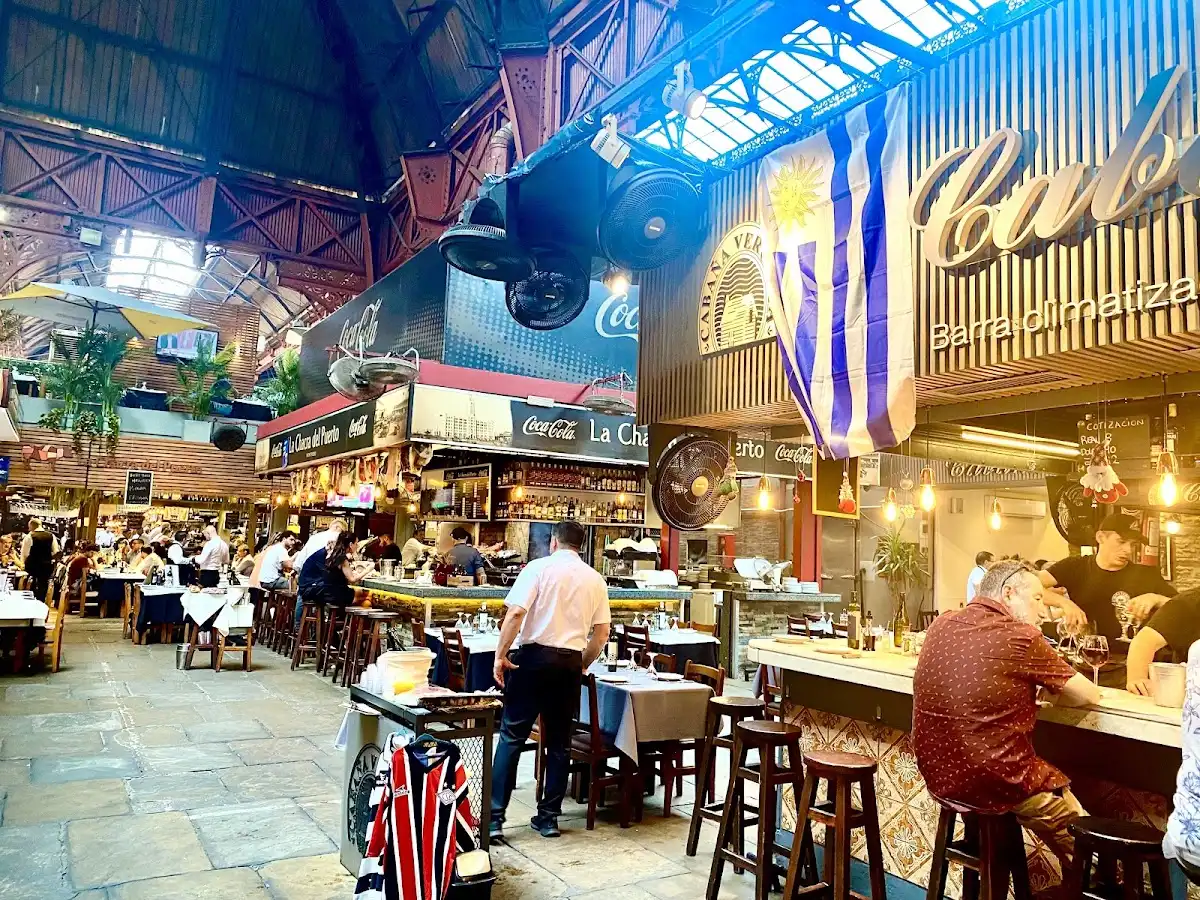
Forget the Instagram shots of a single steak on a plate. The real Mercado del Puerto is a gladiator arena of fire and meat. Parrillas—Uruguayan grill masters—work shoulder to shoulder, their faces slick with sweat, their hands moving with the confidence of surgeons. You’ll see slabs of beef, sausages, and sweetbreads laid out over glowing embers, the air thick with the primal scent of fat hitting flame. The show isn’t just on your plate; it’s in the choreography of the grill, the banter between cooks, and the way locals size up the meat before ordering. If you want to understand Uruguay, start here, elbow-to-elbow with people who treat lunch like a sacred ritual.
2. The Art of the Counter Meal
Skip the tourist tables. The real action is at the … read more 👉
Forget the Instagram shots of a single steak on a plate. The real Mercado del Puerto is a gladiator arena of fire and meat. Parrillas—Uruguayan grill masters—work shoulder to shoulder, their faces slick with sweat, their hands moving with the confidence of surgeons. You’ll see slabs of beef, sausages, and sweetbreads laid out over glowing embers, the air thick with the primal scent of fat hitting flame. The show isn’t just on your plate; it’s in the choreography of the grill, the banter between cooks, and the way locals size up the meat before ordering. If you want to understand Uruguay, start here, elbow-to-elbow with people who treat lunch like a sacred ritual.
2. The Art of the Counter Meal
Skip the tourist tables. The real action is at the … read more 👉
1. Parrilla Showdown: The Sizzle and the Smoke
Forget the Instagram shots of a single steak on a plate. The real Mercado del Puerto is a gladiator arena of fire and meat. Parrillas—Uruguayan grill masters—work shoulder to shoulder, their faces slick with sweat, their hands moving with the confidence of surgeons. You’ll see slabs of beef, sausages, and sweetbreads laid out over glowing embers, the air thick with the primal scent of fat hitting flame. The show isn’t just on your plate; it’s in the choreography of the grill, the banter between cooks, and the way locals size up the meat before ordering. If you want to understand Uruguay, start here, elbow-to-elbow with people who treat lunch like a sacred ritual.
2. The Art of the Counter Meal
Skip the tourist tables. The real action is at the counters—narrow, battered, and always packed. Here, you’re in the thick of it: businessmen in suits, dockworkers, and the odd backpacker all hunched over plates, swapping gossip and football scores. Order a medio y medio (half white wine, half sparkling) and let the bartender size you up. This is where you get the pulse of Montevideo—loud, unfiltered, and utterly democratic. The food tastes better when you’re part of the crowd.
3. The Soundtrack: Live Musicians and Street Performers
Mercado del Puerto isn’t a silent, sanitized food court. On weekends, the place comes alive with candombe drummers, tango guitarists, and street performers who treat the market as their stage. The music isn’t background noise—it’s the heartbeat of the place. You’ll find yourself tapping your foot, maybe even dancing with a stranger, as the rhythms bounce off the iron rafters. It’s chaotic, it’s loud, and it’s the opposite of curated. That’s the point.
4. The Craft Beer Revolution
Uruguay’s beer scene has exploded, and Mercado del Puerto is ground zero. Tucked between the parrillas, you’ll find craft beer bars pouring local brews that go way beyond the standard lagers. Think hoppy IPAs, malty reds, and experimental batches with yerba mate or honey. The bartenders know their stuff and are quick to offer a taste or a story. It’s a welcome break from the meat marathon and a chance to see Uruguay’s creative side in a glass.
5. The Architecture: Iron, Glass, and Grit
Don’t let the food distract you from the bones of the place. The market’s ironwork was allegedly designed in England and shipped over in the 19th century, and it shows—vaulted ceilings, intricate beams, and a sense of faded grandeur. But this isn’t a museum piece. The grit, the graffiti, and the patched-up stalls tell you this is a living, breathing market, not a sanitized tourist trap. Look up between bites; the building is as much a part of the experience as the food.
Forget the Instagram shots of a single steak on a plate. The real Mercado del Puerto is a gladiator arena of fire and meat. Parrillas—Uruguayan grill masters—work shoulder to shoulder, their faces slick with sweat, their hands moving with the confidence of surgeons. You’ll see slabs of beef, sausages, and sweetbreads laid out over glowing embers, the air thick with the primal scent of fat hitting flame. The show isn’t just on your plate; it’s in the choreography of the grill, the banter between cooks, and the way locals size up the meat before ordering. If you want to understand Uruguay, start here, elbow-to-elbow with people who treat lunch like a sacred ritual.
2. The Art of the Counter Meal
Skip the tourist tables. The real action is at the counters—narrow, battered, and always packed. Here, you’re in the thick of it: businessmen in suits, dockworkers, and the odd backpacker all hunched over plates, swapping gossip and football scores. Order a medio y medio (half white wine, half sparkling) and let the bartender size you up. This is where you get the pulse of Montevideo—loud, unfiltered, and utterly democratic. The food tastes better when you’re part of the crowd.
3. The Soundtrack: Live Musicians and Street Performers
Mercado del Puerto isn’t a silent, sanitized food court. On weekends, the place comes alive with candombe drummers, tango guitarists, and street performers who treat the market as their stage. The music isn’t background noise—it’s the heartbeat of the place. You’ll find yourself tapping your foot, maybe even dancing with a stranger, as the rhythms bounce off the iron rafters. It’s chaotic, it’s loud, and it’s the opposite of curated. That’s the point.
4. The Craft Beer Revolution
Uruguay’s beer scene has exploded, and Mercado del Puerto is ground zero. Tucked between the parrillas, you’ll find craft beer bars pouring local brews that go way beyond the standard lagers. Think hoppy IPAs, malty reds, and experimental batches with yerba mate or honey. The bartenders know their stuff and are quick to offer a taste or a story. It’s a welcome break from the meat marathon and a chance to see Uruguay’s creative side in a glass.
5. The Architecture: Iron, Glass, and Grit
Don’t let the food distract you from the bones of the place. The market’s ironwork was allegedly designed in England and shipped over in the 19th century, and it shows—vaulted ceilings, intricate beams, and a sense of faded grandeur. But this isn’t a museum piece. The grit, the graffiti, and the patched-up stalls tell you this is a living, breathing market, not a sanitized tourist trap. Look up between bites; the building is as much a part of the experience as the food.
Spotted a mistake or missing something? Contact us.

Half-day Regular City Tour at Montevideo
✓ Free cancellation

Tailor-made Montevideo: Private City Tour with a Local
✓ Free cancellation

Discover Montevideo at your leisure with an expert local guide
✓ Free cancellation

Private Have It Your Way Tour in Montevideo
✓ Free cancellation

Private Walking Tour in Montevideo
✓ Free cancellation

Discover Montevideo: Top-Rated Shared Tour for Cruise Passengers
✓ Free cancellation

Montevideo Private Your Way - Perfect for Cruise Passengers.
✓ Free cancellation

Wine Lovers - Revel in a Countryside Lunch with tasty wines!

Shared Montevideo Tour for Cruisers
✓ Free cancellation

Montevideo Small Group Bike Tour or E-bike tour with picnic
✓ Free cancellation
 Best Backpacking
.jpg) Hi, I’m Johan (Netherlands 🇳🇱), the creator of TakeYourBackpack. Over the past decade, I’ve backpacked through 80+ countries across six continents, gaining extensive experience with independent travel, long-term trips, and overland routes.
Hi, I’m Johan (Netherlands 🇳🇱), the creator of TakeYourBackpack. Over the past decade, I’ve backpacked through 80+ countries across six continents, gaining extensive experience with independent travel, long-term trips, and overland routes.