×

Uruguay🇺🇾 | festivalsFestival Cinematográfico Internacional del UruguayCinemateca screenings, Latin American premieres, restored prints, director Q&As | things to do and best time to go

Explore Fiesta de la Patria GauchaExplore Tango Festival

Backpacking in Cinematográfico Internacional del Uruguay
👍 Recommendedfestival ranked #6
By Johan Kruseman 🇳🇱 | Updated October 19, 2026

Tickets for Festival Cinematográfico Internacional del Uruguay are priced for locals, so a full day of screenings costs far less than a night out at a European festival, and many films play to half-empty rooms you can walk into. The festival takes place in Montevideo, Uruguay’s capital, and is run by the Cinemateca Uruguaya, the film archive that has organized it since the early 1980s. It is a cinephile event, not a spectacle: world cinema, Latin American features, documentaries, retrospectives and shorts, with directors often present for talks. Audiences are mostly Uruguayan students, critics, and older regulars who queue early and discuss films afterward over coffee. It usually runs for about a week and a half in the Southern Hemisphere autumn. Screenings cluster around the Cinemateca complex on Bartolomé Mitre in Ciudad Vieja, where the lobby smells of coffee and old posters line the walls.

Discover everything you want to know in the 📖 Uruguay Travel Guide.


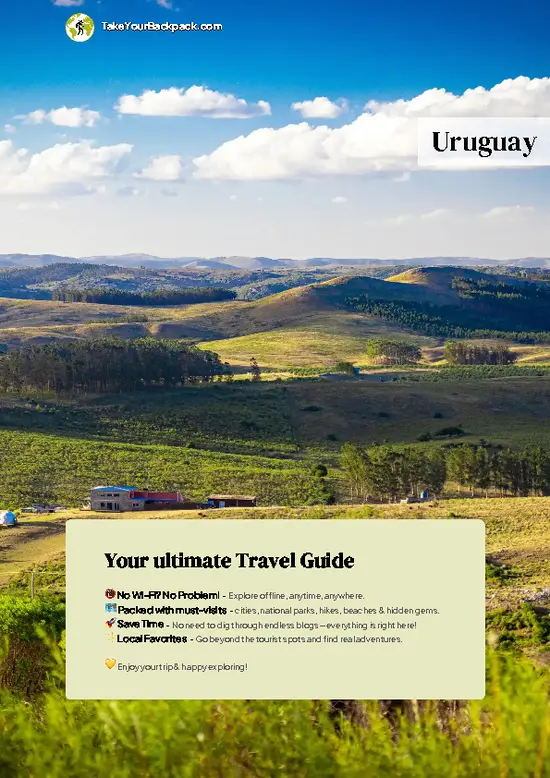
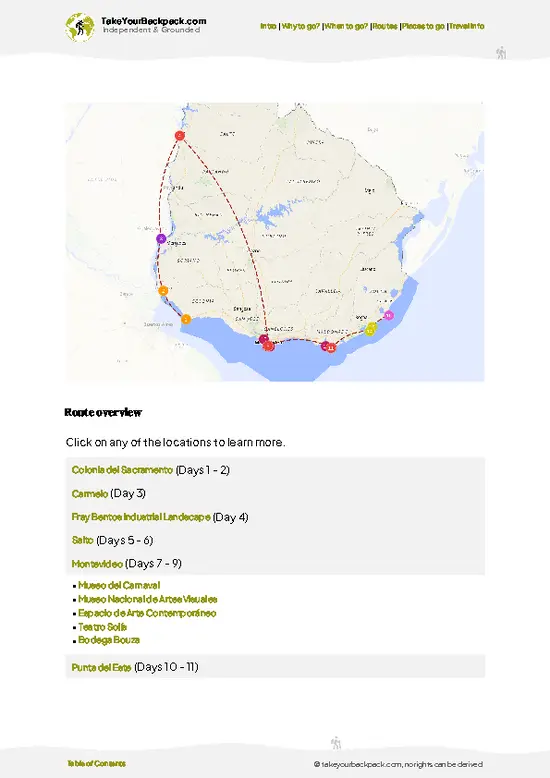
example page 0 from our offline Travel Guide for Uruguay
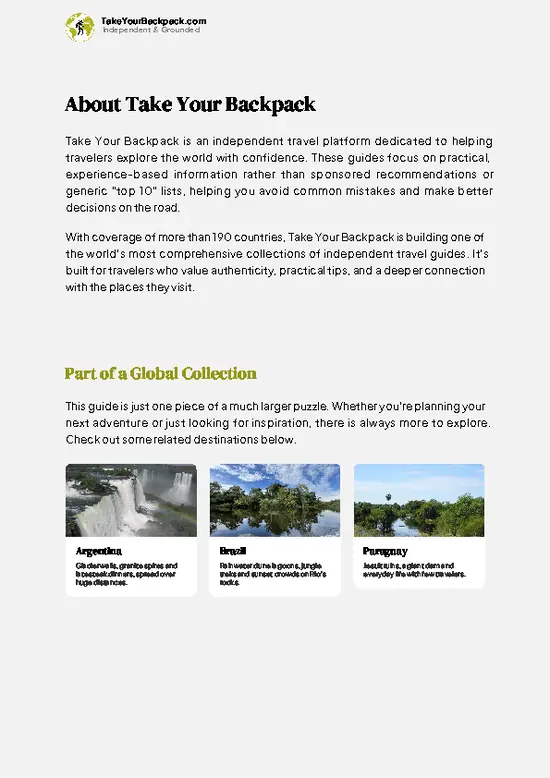
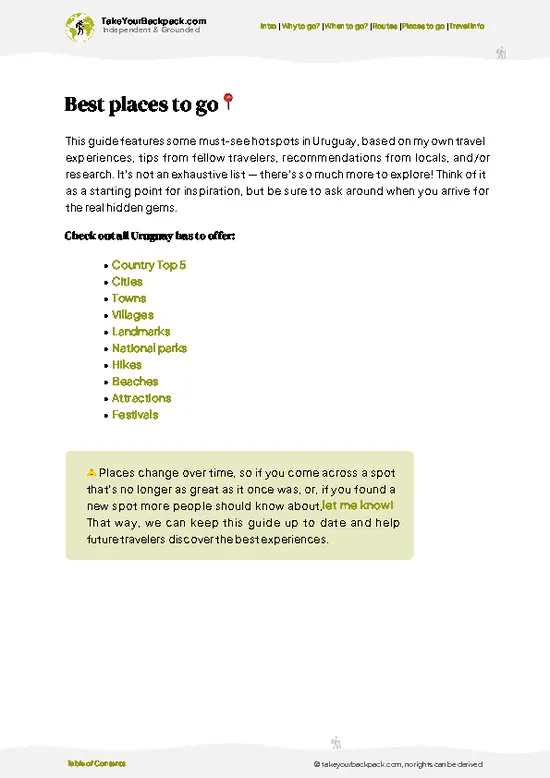
example page 1 from our offline Travel Guide for Uruguay
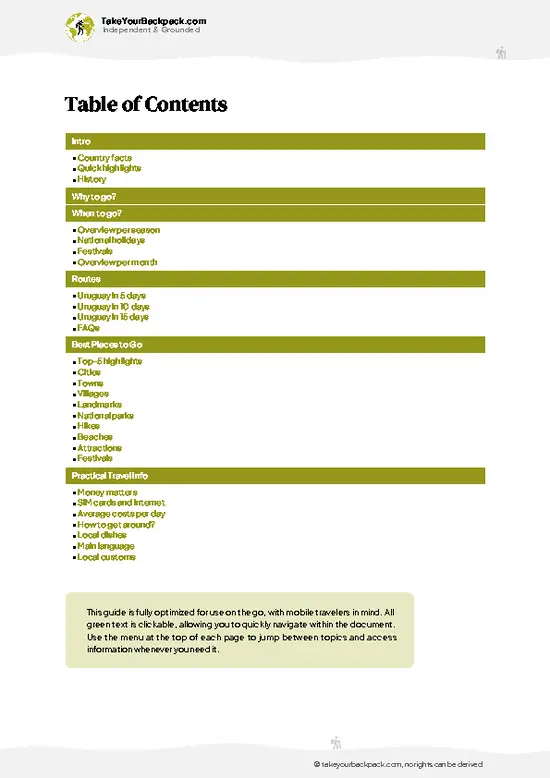
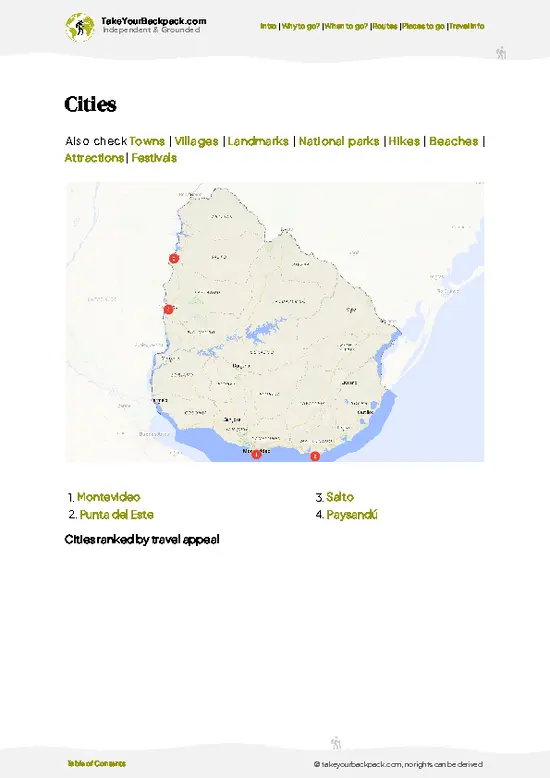
example page 2 from our offline Travel Guide for Uruguay
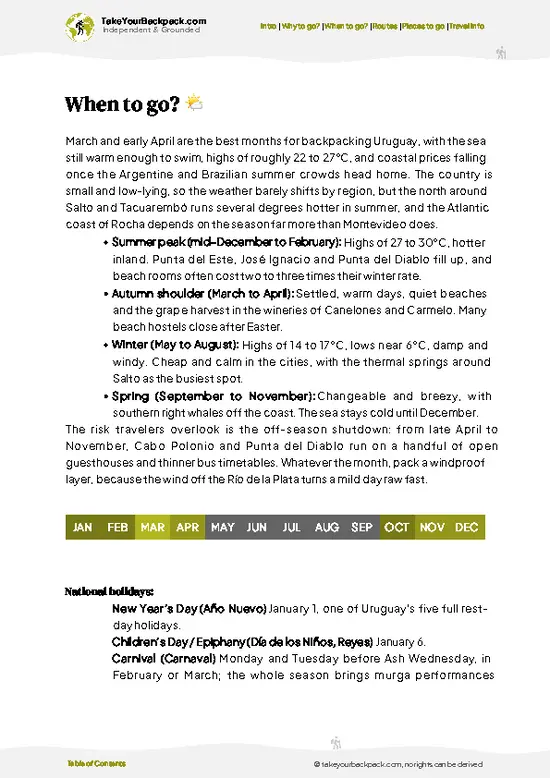
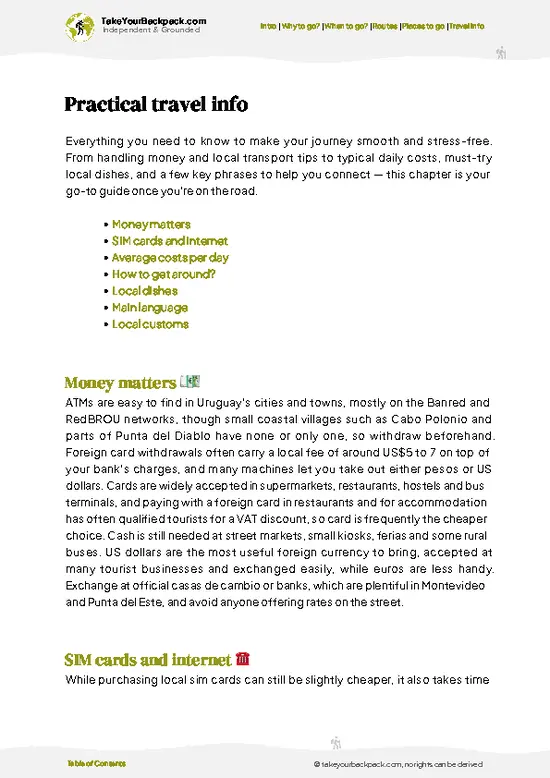
example page 3 from our offline Travel Guide for Uruguay
example page 4 from our offline Travel Guide for Uruguay
example page 5 from our offline Travel Guide for Uruguay
example page 6 from our offline Travel Guide for Uruguay
example page 7 from our offline Travel Guide for Uruguay
Loading the map 🌍
CLICK TO FILTER
cities
towns
villages
landmarks
national parks
hikes
beaches
attractions
festivals
SHOW COUNTRY’S BESTSHOW ALL

✨ Why go?
Ranked #6 festival in Uruguay
What makes this festival worth celebrating

Festival Cinematográfico Internacional del Uruguay gives you a reason to stay put in Montevideo for a week and live like a resident. Screenings are spread across a handful of rooms in the center and Ciudad Vieja, so your days settle into a rhythm: a morning film, a long lunch of chivito or a bowl of lentil stew, a walk along the Rambla, an evening premiere. That routine is the point.

The crowd is the second draw. Seats are shared with Cinemateca Uruguaya members who have followed the programming for decades, and a conversation about a Chilean documentary starts easily when the lobby is that small. Many directors from Argentina, Brazil and Chile attend, so Q&As feel close and unrehearsed.

It also slots into a Río de la Plata route: ferry in from Buenos Aires, watch films by day, then … read more 👉
Festival Cinematográfico Internacional del Uruguay gives you a reason to stay put in Montevideo for a week and live like a resident. Screenings are spread across a handful of rooms in the center and Ciudad Vieja, so your days settle into a rhythm: a morning film, a long lunch of chivito or a bowl of lentil stew, a walk along the Rambla, an evening premiere. That routine is the point.

The crowd is the second draw. Seats are shared with Cinemateca Uruguaya members who have followed the programming for decades, and a conversation about a Chilean documentary starts easily when the lobby is that small. Many directors from Argentina, Brazil and Chile attend, so Q&As feel close and unrehearsed.

It also slots into a Río de la Plata route: ferry in from Buenos Aires, watch films by day, then continue east along the coast. Without crowds or festival pricing, the Sala Cinemateca programme is simply easy to join.

💡 HighlightsPlaces and moments you shouldn't skip

  1. Screenings at the Cinemateca Uruguaya: The festival is organized by the Cinemateca Uruguaya, a film archive and club in Montevideo with a loyal local membership. Its three-screen complex on Bartolomé Mitre in Ciudad Vieja is where the programming feels most at home, with an audience that watches closely and talks afterward.
  2. Teatro Solís, Sala Zitarrosa and the downtown halls: Screenings are spread over several rooms in the center, so a day can be a walk between films along Avenida 18 de Julio. Subtitled international titles sit beside Uruguayan and Latin American work that rarely gets a release elsewhere.
  3. Latin American competition titles: Regional cinema is the festival’s backbone, with new films from Argentina, Brazil, Chile and beyond, often shown with the director present. For a backpacker,
… read more 👉
  1. Screenings at the Cinemateca Uruguaya: The festival is organized by the Cinemateca Uruguaya, a film archive and club in Montevideo with a loyal local membership. Its three-screen complex on Bartolomé Mitre in Ciudad Vieja is where the programming feels most at home, with an audience that watches closely and talks afterward.
  2. Teatro Solís, Sala Zitarrosa and the downtown halls: Screenings are spread over several rooms in the center, so a day can be a walk between films along Avenida 18 de Julio. Subtitled international titles sit beside Uruguayan and Latin American work that rarely gets a release elsewhere.
  3. Latin American competition titles: Regional cinema is the festival’s backbone, with new films from Argentina, Brazil, Chile and beyond, often shown with the director present. For a backpacker, it is a quick education in the continent you are crossing.
  4. Retrospectives and restored classics: Because the host is an archive, restored prints and tributes to a single director or national cinema are a regular feature. These are the screenings film buffs plan around, and tickets are usually cheap.
  5. Q&A sessions and the festival crowd: Filmmakers, critics and students fill the lobbies between shows, and conversation spills into nearby cafés. Your Spanish does not need to be perfect to join in, and people are happy to recommend what to see next.
The retrospective strand is usually quiet, so you often get the best seat and the most attentive room.
Spotted a mistake or missing something? Contact us.

Things to do around Festival Cinematográfico Internacional del Uruguay

Ratings based on Tripadvisor reviews. When you book through this link, you support our work at no extra cost to you.

🌤️ When to go?When is the celebration of Festival Cinematográfico Internacional del Uruguay?

Festival Cinematográfico Internacional del Uruguay is held in Montevideo, usually from late March into early April, runs about ten days, and screens mostly at the Cinemateca Uruguaya on Bartolomé Mitre, with extra venues around the center.
  • Best days: Opening weekend has the premieres and guests. Weekday afternoons are calmest, and the closing weekend brings repeat screenings of award favorites.
  • Weather: Early autumn brings roughly 14 to 24°C (57 to 75°F), with occasional heavy showers and days getting shorter. Pack a light rain jacket and a layer for chilly cinema halls.
  • Booking: Reserve a bed three to four weeks ahead. Prices rise modestly, around 10 to 20 percent, since the festival is small. Buy tickets as the program is released.
  • Arrival and departure: Avoid weekday rush hours, roughly 7:30
… read more 👉
Festival Cinematográfico Internacional del Uruguay is held in Montevideo, usually from late March into early April, runs about ten days, and screens mostly at the Cinemateca Uruguaya on Bartolomé Mitre, with extra venues around the center.
  • Best days: Opening weekend has the premieres and guests. Weekday afternoons are calmest, and the closing weekend brings repeat screenings of award favorites.
  • Weather: Early autumn brings roughly 14 to 24°C (57 to 75°F), with occasional heavy showers and days getting shorter. Pack a light rain jacket and a layer for chilly cinema halls.
  • Booking: Reserve a bed three to four weeks ahead. Prices rise modestly, around 10 to 20 percent, since the festival is small. Buy tickets as the program is released.
  • Arrival and departure: Avoid weekday rush hours, roughly 7:30 to 9:30 am and 5 to 7 pm, on buses into Ciudad Vieja and Centro.
Check the printed program on day one and plan two or three screenings per day around the walk between venues.


source: climatestotravel.comJANJanuary: not recommended for travelingFEBFebruary: not recommended for travelingMARMarch: not recommended for travelingAPRApril: excellent for travelingMAYMay: not recommended for travelingJUNJune: not recommended for travelingJULJuly: not recommended for travelingAUGAugust: not recommended for travelingSEPSeptember: not recommended for travelingOCTOctober: not recommended for travelingNOVNovember: not recommended for travelingDECDecember: not recommended for traveling

✈️ The backpacker research shortcutUruguay Travel Guide

An offline-friendly backpacking guide with optimized travel routes, ranked highlights, transport advice, and the best areas to stay.
example page 0 from our offline Travel Guide for Uruguay
example page 1 from our offline Travel Guide for Uruguay
example page 2 from our offline Travel Guide for Uruguay
example page 3 from our offline Travel Guide for Uruguay
example page 4 from our offline Travel Guide for Uruguay
example page 5 from our offline Travel Guide for Uruguay
example page 6 from our offline Travel Guide for Uruguay
example page 7 from our offline Travel Guide for Uruguay
The digital guide (198 pages) contains:
✅ 56 highlights, ranked by travel appeal
✅ Optimized 5, 10 & 15-day travel routes
✅ Cities, national parks, landmarks, beaches
✅ How to get around
✅ Offline-friendly for travel without Wi-Fi
👉 Click to see all 30+ guide features

📅 Plan smarter in minutes, not weeks
✅ Month by month travel advice
✅ Festivals & national holidays
✅ Budget expectations

🗺️ Go to the right places, skip the overrated ones
✅ Honest pros & cons of destinations
✅ Top hikes, parks & viewpoints
✅ Lesser-known places most travelers miss
✅ Clear “worth it vs skip it” guidance

🛏️ Travel smoothly without rookie mistakes
✅ Best areas to stay
✅ Transport systems explained simply
✅ Common scams & safety advice
✅ SIM cards, money & practical tips

🌍 Understand the country, not just visit it
✅ Culture & traditions
✅ 52 Essential phrases & customs
✅ Festivals worth planning around
✅ Traveler-friendly historical context
✅ Insights that make places more meaningful

📱 Built for real travel conditions
✅ Fully downloadable PDF
✅ Works completely offline
✅ Optimized for phone use
✅ Useful in remote areas & buses
✅ Everything in one place
Stop searching, start planning
Get instant access to your full guide. 30‑day money-back guarantee.
+ Add another guide for just

By proceeding you agree to our terms.
Sent to your inbox immediately after payment • 100% Secure Checkout
Best Backpacking Travel Advisor 2025 tourism awardBest Backpacking
Travel Advisor
2025
What others say about Take Your Backpack Guides:
⭐⭐⭐⭐⭐
Fantastic, amazing amount of information!
⭐⭐⭐⭐⭐
My goodness this is amazing, it's what I've been looking for hats off too you!
⭐⭐⭐⭐⭐
I think this is absolutely BRILLIANT
⭐⭐⭐⭐
Very complete and informative. It's still missing places, but I gotta to commend you
⭐⭐⭐⭐⭐
This is truly amazing, thank you, can't wait to explore it with my kids!
⭐⭐⭐⭐⭐
Awesome resource, thank you!
⭐⭐⭐⭐⭐
This is amazing! Can't wait to explore the ones I haven't seen
⭐⭐⭐⭐
I love this! Well done, great idea.
⭐⭐⭐⭐⭐
Thanks for taking the time to make this gem!
⭐⭐⭐⭐⭐
This might be the best website I've ever seen.
⭐⭐⭐⭐⭐
Congratulations, and thank you so much for your work; it's incredibly valuable.
⭐⭐⭐⭐
In all seriousness I think you did a great job pointing out the important spots
⭐⭐⭐⭐⭐
10/10 very good
⭐⭐⭐⭐⭐
As someone who's only just starting to visit regularly this is awesome, thank you.
⭐⭐⭐⭐
Thank you very much! I'm going to visit my dad, it's going to be very useful!
⭐⭐⭐⭐⭐
This is really cool! We'll be travelling for the first time and this definitely come in handy.
⭐⭐⭐⭐⭐
You are now our minister of culture, congratulations 👨‍💼
⭐⭐⭐⭐⭐
Just wanted to tell you that this is a pearl! Going to follow your recommendations.
⭐⭐⭐⭐⭐
This is so cool. I'll definitely be using the resource for my travels soon.
⭐⭐⭐⭐⭐
This is very impressive! Good work.
⭐⭐⭐⭐⭐
This is an amazing and informative site. Very well done!

🛏️ Where to stay?Best areas and accommodation options

Centro and Ciudad Vieja are the best bases, since most screenings sit within a 10 to 25 minute walk of both.
Ciudad Vieja, the old walled quarter, has the densest cluster of hostels and cheap guesthouses, plus bars along Calle Sarandí and around Plaza Matriz where solo travelers fall into conversation easily. Its streets are busy by day, though quiet and thin after dark on side streets, so take a taxi or walk the main avenues late at night.
Centro, around Avenida 18 de Julio and Plaza Independencia, is the practical pick for film-goers. Buses run constantly, cafés stay open late, and you can walk … read more 👉
Centro and Ciudad Vieja are the best bases, since most screenings sit within a 10 to 25 minute walk of both.
Ciudad Vieja, the old walled quarter, has the densest cluster of hostels and cheap guesthouses, plus bars along Calle Sarandí and around Plaza Matriz where solo travelers fall into conversation easily. Its streets are busy by day, though quiet and thin after dark on side streets, so take a taxi or walk the main avenues late at night.
Centro, around Avenida 18 de Julio and Plaza Independencia, is the practical pick for film-goers. Buses run constantly, cafés stay open late, and you can walk to the Cinemateca between screenings. Rooms here suit anyone wanting a private room at modest prices, and the area feels safer in the evenings than the old town because of its steady foot traffic.
Cordón, just east of Centro, is the local student neighborhood. It has cheaper rooms, bookshops, bakeries, and a relaxed crowd of cinephiles and university students, and it works well for stays of a week or more.
Pocitos, on the coast, is pleasant and secure but pricier and about 20 to 30 minutes by bus from the main venues, so skip it unless you want beach time.

👛 Costs (as of 19 October 2026)Money, prices, and spending tips

Expect to spend about US$75 to 100 a day at Festival Cinematográfico Internacional del Uruguay, with a total of roughly US$88 in high season.
CategoryBudget RangeLocal Reality
Festival ticketsUS$3 to 8 per screeningIndividual screenings are cheap, and passes or multi-ticket packs lower the price per film. Plan on about US$12 a day for two or three films.
AccommodationUS$18 to 45Dorm beds cost about US$18 to 25, private rooms US$40 to 65. High season budget used here: US$25.
Local transportUS$2 to 6City buses cost around US$1 per ride, and most venues are walkable from Centro. Budget US$3.
Food & drinksUS$20 to 40Uruguay is pricey for South America. A chivito costs US$8 to 12, a coffee US$2 to 3, and a parrilla dinner US$15 to 25. Budget US$30.
MiscellaneousUS$5 to 20Beer, snacks, a bookshop stop,
… read more 👉
Expect to spend about US$75 to 100 a day at Festival Cinematográfico Internacional del Uruguay, with a total of roughly US$88 in high season.
CategoryBudget RangeLocal Reality
Festival ticketsUS$3 to 8 per screeningIndividual screenings are cheap, and passes or multi-ticket packs lower the price per film. Plan on about US$12 a day for two or three films.
AccommodationUS$18 to 45Dorm beds cost about US$18 to 25, private rooms US$40 to 65. High season budget used here: US$25.
Local transportUS$2 to 6City buses cost around US$1 per ride, and most venues are walkable from Centro. Budget US$3.
Food & drinksUS$20 to 40Uruguay is pricey for South America. A chivito costs US$8 to 12, a coffee US$2 to 3, and a parrilla dinner US$15 to 25. Budget US$30.
MiscellaneousUS$5 to 20Beer, snacks, a bookshop stop, or SIM data. Budget US$18.
Total Daily BudgetUS$88Per person, per day, in high season.
⚠️ Prices can change and everyone travels differently, so take this as a rough guide. Hope it helps you plan your adventure!

🍲 FoodLocal Flavors for Backpackers

Screening days here run on coffee and pastries, since the festival has no big food stalls, and the real eating happens in the cafés and bars around the venues in Centro.
Start with medialunas, the small sweet croissants, with a cortado or a café con leche at a corner café. Between films, a chivito is the national sandwich: thin steak, ham, mozzarella, egg, tomato and olives, often served with fries and big enough to share. Olímpicos (triple-decker club sandwiches) are lighter and cheaper. For a quick, filling bite, grab empanadas or a slice of fainá with pizza, a Montevideo habit.
Evenings suit parrilla, grilled beef and sausage like chorizo and morcilla, and the Mercado del Puerto in Ciudad Vieja is the classic place for it. Drink local Tannat wine, a Pilsen or Patricia beer, or medio y medio, … read more 👉
Screening days here run on coffee and pastries, since the festival has no big food stalls, and the real eating happens in the cafés and bars around the venues in Centro.
Start with medialunas, the small sweet croissants, with a cortado or a café con leche at a corner café. Between films, a chivito is the national sandwich: thin steak, ham, mozzarella, egg, tomato and olives, often served with fries and big enough to share. Olímpicos (triple-decker club sandwiches) are lighter and cheaper. For a quick, filling bite, grab empanadas or a slice of fainá with pizza, a Montevideo habit.
Evenings suit parrilla, grilled beef and sausage like chorizo and morcilla, and the Mercado del Puerto in Ciudad Vieja is the classic place for it. Drink local Tannat wine, a Pilsen or Patricia beer, or medio y medio, a sparkling and white wine mix. Many Uruguayans carry a thermos and sip mate in the lobby queues.
Cash in pesos is handy for small cafés, though most restaurants take cards. Lines at Cinemateca cafés are short, and portions are generous, so sharing is normal.

FAQCommon questions from travelers

Festival Cinematográfico Internacional del Uruguay is held in Montevideo, usually from late March into early April, and lasts about ten days. The main venue is the Cinemateca Uruguaya on Bartolomé Mitre in Ciudad Vieja, with extra screenings in other rooms around Centro. Exact dates shift each year, so check the official program a month ahead.
Attending Festival Cinematográfico Internacional del Uruguay costs about US$3 to 8 per screening, with cheaper multi-ticket packs or passes for heavy viewers. Two or three films a day adds up to roughly US$12. Add US$18 to 25 for a dorm bed and US$20 to 40 for food if you travel on a budget.
Festival Cinematográfico Internacional del Uruguay does not require tickets far in advance for most screenings, though premieres and guest sessions at the Cinemateca can sell out. Buy tickets online or at the box office a few days before, or on the day for weekday afternoon shows. Arrive 20 to 30 minutes early for popular titles on opening and closing weekends.
⚠️ Things can change over time, so always validate details locally before you go.

Other Uruguayan festivals near Cinematográfico Internacional del Uruguay

Explore more nearby:


💡 Not sure where to go next?
Create a personalized itinerary for Uruguay including Cinematográfico Internacional del Uruguay and the places that fit your trip.

Generate my itinerary

👉 Discover all festivals

Or checkout all Uruguay has to offer (think cities, towns, villages, national parks, hikes, beaches, festivals)
Country photo of Uruguay

We 💚 feedbackFinal thoughts on celebrating the Cinematográfico Internacional del Uruguay

Travelers often arrive without checking the schedule, then discover the best screenings sold out or overlapping. Pick up the printed program at Sala Cinemateca on day one, mark your must-sees, and buy those tickets early. I would also leave gaps for spontaneous Q&As, which tend to be the best part.

✍️ Help improve this page!
The information on this page is based on in-depth research, insights shared by experienced travelers, and feedback from the local travel community in Uruguay. While every effort is made to keep the information accurate and current, conditions can change — so if you spot anything incorrect or outdated, please get in touch.


🙋‍♂️ Give feedback

👋 Meet the founderWho’s Behind Take Your Backpack?

Johan, backpacker and founder of TakeYourBackpackHi, I’m Johan (Netherlands 🇳🇱), the creator of TakeYourBackpack. Over the past 3 decades, I’ve backpacked through 90+ countries across six continents, gaining extensive experience with independent travel, long-term trips, and overland routes.

This site is built on a combination of firsthand travel experience and carefully curated insights from other backpackers. Many guides are based on places I’ve personally visited, while others bring together tips, observations, and practical advice shared by trusted travelers I’ve met along the way.

The goal is to provide realistic, experience-driven guidance — not generic itineraries — so you can explore destinations with better context, clearer expectations, and more confidence.