
×

Uruguay🇺🇾 | festivalsTango Festivallive orchestras, dance workshops, milonga nights | things to do and best time to go

Explore Montevideo International Film FestivalExplore Noche de la Nostalgia

Backpacking in Tango
👀 For curious travelersfestival ranked #11
By Johan Kruseman 🇳🇱 | Updated September 4, 2026

Ten years ago, Tango Festival in Uruguay felt scrappy and local: plastic chairs, cheap wine, live bands blasting until sunrise, and dancers who’d teach you a basic ocho on the sidewalk just because you were standing there. Today it’s bigger, slicker, and more international, centered in Montevideo with events spilling through theaters, cultural centers, and late-night milongas. You get classic tango orchestras, neo-tango DJs, workshops, and performances that pull in serious dancers, curious travelers, and older locals who’ve been dancing longer than you’ve been alive. The vibe swings between sweaty, intimate dance floors and polished stage shows over several days, usually a long weekend or more. It’s worth it if you love music, movement, and people-watching; less so if you hate crowds, late nights, or structured events.

Discover everything you want to know in the 📖 Uruguay Travel Guide.


Get your Uruguay guide
62 ranked highlights, routes & tips, works offline (246 pages)
Loading the map 🌍
CLICK TO FILTER
cities
towns
villages
landmarks
national parks
hikes
beaches
attractions
festivals
regions
SHOW COUNTRY’S BESTSHOW ALL

✨ Why go?
Ranked #11 festival in Uruguay
What sets this place apart

Backpackers flock to the Tango Festival in Uruguay for a reason: it’s a social energy powerhouse. Imagine stepping into a world where strangers become friends over shared rhythms and passionate dance. This festival isn’t just about tango; it’s about creating a temporary community that pulses with life.

The cultural immersion is unparalleled. You’re not just a spectator; you’re part of the experience. Workshops, street performances, and late-night milongas invite you to dive deep into the heart of tango. Plus, the affordability compared to similar events in Europe or North America makes it a budget-friendly choice. You can enjoy world-class performances without breaking the bank.

Integrating the festival into your longer travel plans is a no-brainer. It serves as a vibrant waypoint, connecting … read more 👉
Backpackers flock to the Tango Festival in Uruguay for a reason: it’s a social energy powerhouse. Imagine stepping into a world where strangers become friends over shared rhythms and passionate dance. This festival isn’t just about tango; it’s about creating a temporary community that pulses with life.

The cultural immersion is unparalleled. You’re not just a spectator; you’re part of the experience. Workshops, street performances, and late-night milongas invite you to dive deep into the heart of tango. Plus, the affordability compared to similar events in Europe or North America makes it a budget-friendly choice. You can enjoy world-class performances without breaking the bank.

Integrating the festival into your longer travel plans is a no-brainer. It serves as a vibrant waypoint, connecting you to other destinations in South America. Whether you’re heading to the beaches of Brazil or the mountains of Chile, the festival adds a unique flavor to your journey.

Planning your route around this event not only preserves your energy but also enriches your travel story. Don’t miss out on this chance to dance, connect, and immerse yourself in something truly special.
Want to include Tango Festival in your Uruguay route?
Create a personalized Uruguay itinerary that includes Tango Festival and the places that fit your trip — based on your travel style, budget, and available time. Get your route in seconds.

Generate my trip

💡 HighlightsEssential experiences to have while celebrating the Tango

  • Milongas — the social dance nights: Nothing beats slipping into a neighbourhood milonga where locals and visitors share the floor. Expect a range from intimate, dimly lit salons to lively community halls — the real festival magic is the social improvisation, the rules of the dance, and the groove of dancers who’ve been doing this for decades.
  • Live orchestras and stage shows: Big-band tango orchestras, singers and choreographed stage pieces give you the music’s full emotional sweep. What makes it special here is the blend of classic and contemporary arrangements — you’ll hear vintage tangos alongside modern reinterpretations that still feel raw and local.
  • Workshops and practical classes: From beginner steps and partner connection to musicality and the “cabeceo” (the nod-invite), the workshops
read more 👉
  • Milongas — the social dance nights: Nothing beats slipping into a neighbourhood milonga where locals and visitors share the floor. Expect a range from intimate, dimly lit salons to lively community halls — the real festival magic is the social improvisation, the rules of the dance, and the groove of dancers who’ve been doing this for decades.
  • Live orchestras and stage shows: Big-band tango orchestras, singers and choreographed stage pieces give you the music’s full emotional sweep. What makes it special here is the blend of classic and contemporary arrangements — you’ll hear vintage tangos alongside modern reinterpretations that still feel raw and local.
  • Workshops and practical classes: From beginner steps and partner connection to musicality and the “cabeceo” (the nod-invite), the workshops are hands-on and useful. Teachers tend to be friendly and down-to-earth — you’ll actually practice dancing with strangers and leave with tools you can use that same night.
  • Street performances and plazas: Tango spills out of theatres into plazas, promenades and cafés, so you can catch spontaneous duets or small bands for free. That open-air vibe — watching dancers on cobblestones with people passing by — gives the festival a communal, lively feel you won’t get in a closed auditorium.
  • Local cultural crossover and heritage venues: The festival highlights Uruguay’s own tango personality — collaborations with local rhythms, exhibitions, film screenings and shows staged in historic theatres and old cafés. It’s a chance to see tango rooted in place: preserved traditions, small-scale creativity, and the occasional nod to candombe or murga aesthetics that make Uruguay’s scene distinct.
Spotted a mistake or missing something? Contact us.

Things to do near Tango Festival

Ratings based on Tripadvisor reviews. When you book through this link, you support our work at no extra cost to you.

🌤️ When to go?When is the celebration of Tango Festival?


  • Topic: Weather – The festival thrives in Uruguay’s spring (September to November) when temperatures hover between 15-22°C (59-72°F). It’s cool enough to dance without overheating but warm enough to enjoy outdoor milongas without bundling up.

  • Topic: Temperature – Avoid the summer scorch (December to February) where highs can spike to 30°C (86°F) or more, turning tango steps into sweat marathons. Spring offers a sweet spot for stamina and style.

  • Topic: Daylight Hours – Spring days stretch longer, giving you more daylight to explore Montevideo’s streets before the night’s tango sessions kick off. Expect around 11-13 hours of light, perfect for balancing sightseeing and dancing.

  • Topic: Crowds – Peak festival buzz swells in late October and early November. Arrive early in the season to
read more 👉

  • Topic: Weather – The festival thrives in Uruguay’s spring (September to November) when temperatures hover between 15-22°C (59-72°F). It’s cool enough to dance without overheating but warm enough to enjoy outdoor milongas without bundling up.

  • Topic: Temperature – Avoid the summer scorch (December to February) where highs can spike to 30°C (86°F) or more, turning tango steps into sweat marathons. Spring offers a sweet spot for stamina and style.

  • Topic: Daylight Hours – Spring days stretch longer, giving you more daylight to explore Montevideo’s streets before the night’s tango sessions kick off. Expect around 11-13 hours of light, perfect for balancing sightseeing and dancing.

  • Topic: Crowds – Peak festival buzz swells in late October and early November. Arrive early in the season to dodge the thickest crowds and snag better accommodation deals.

  • Topic: Seasonal Activities – Spring also unlocks local markets and open-air concerts, enriching your cultural dive beyond the dance floor. Winter’s chill limits these extras, so timing matters.

  • Topic: Price Fluctuations – Prices climb with demand; booking in shoulder months (September or early October) saves cash and stress. Waiting until peak festival weeks means paying a premium for lodging and flights.


Pro-tip: Lock in your trip for early spring—your wallet stays happy, your feet stay fresh, and you get the best of the festival’s pulse without the crush.


source: climatestotravel.comJANJanuary: not recommended for travelingFEBFebruary: not recommended for travelingMARMarch: not recommended for travelingAPRApril: not recommended for travelingMAYMay: not recommended for travelingJUNJune: not recommended for travelingJULJuly: not recommended for travelingAUGAugust: not recommended for travelingSEPSeptember: excellent for travelingOCTOctober: excellent for travelingNOVNovember: excellent for travelingDECDecember: not recommended for traveling

✈️ The backpacker research shortcutUruguay Travel Guide

An offline-friendly backpacking guide with optimized travel routes, ranked highlights, transport advice, and the best areas to stay.
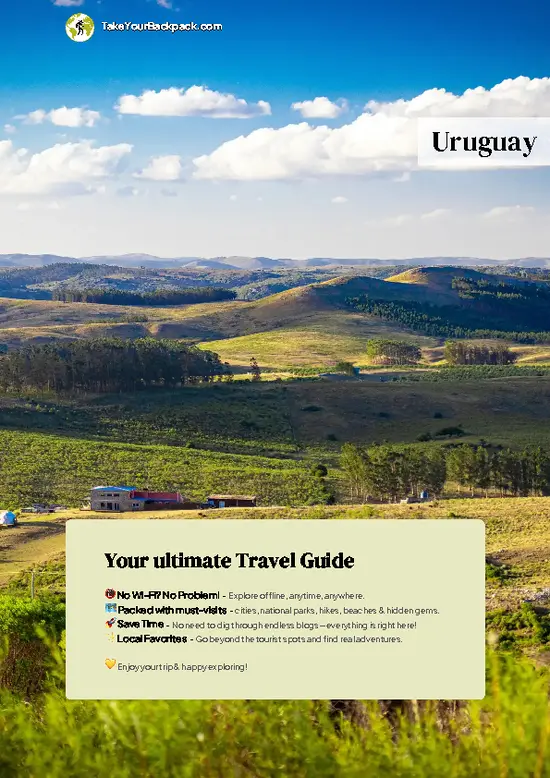
example page 0 from our offline Travel Guide for Uruguay
example page 1 from our offline Travel Guide for Uruguay
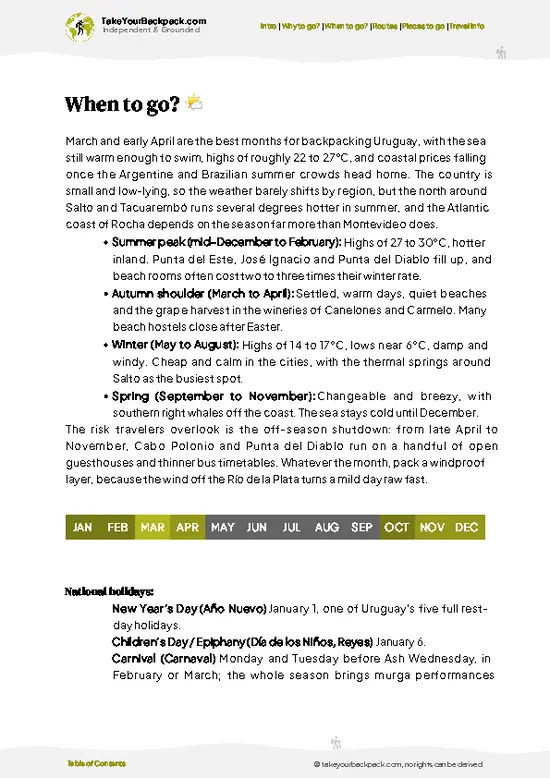
example page 2 from our offline Travel Guide for Uruguay
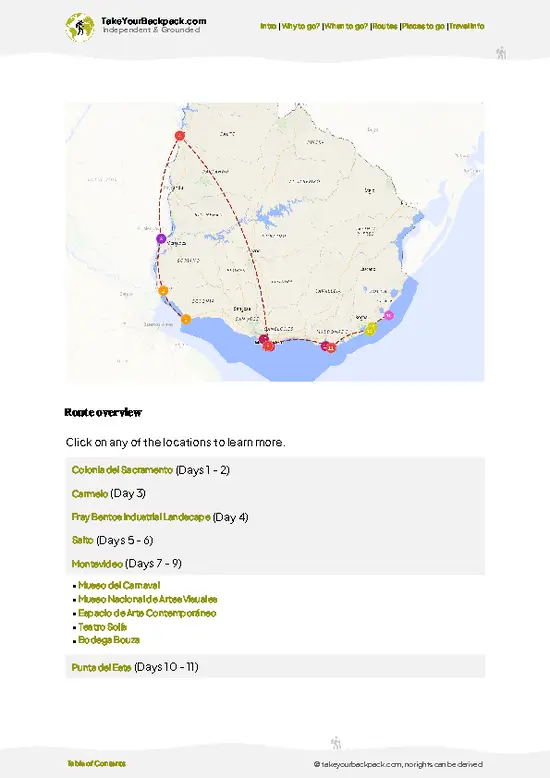
example page 3 from our offline Travel Guide for Uruguay
example page 4 from our offline Travel Guide for Uruguay
example page 5 from our offline Travel Guide for Uruguay
example page 6 from our offline Travel Guide for Uruguay
example page 7 from our offline Travel Guide for Uruguay
The digital guide (246 pages) contains:
62 highlights, ranked by travel appeal
Optimized 5, 10 & 15-day travel routes
Cities, national parks, landmarks, beaches
How to get around
Offline-friendly for travel without Wi-Fi
👉 Click to see all 30+ guide features

📅 Plan smarter in minutes, not weeks
Month by month travel advice
Festivals & national holidays
Budget expectations

🗺️ Go to the right places, skip the overrated ones
Honest pros & cons of destinations
Top hikes, parks & viewpoints
Lesser-known places most travelers miss
Clear “worth it vs skip it” guidance

🛏️ Travel smoothly without rookie mistakes
Best areas to stay
Transport systems explained simply
Common scams & safety advice
SIM cards, money & practical tips

🌍 Understand the country, not just visit it
Culture & traditions
52 Essential phrases & customs
Festivals worth planning around
Traveler-friendly historical context
Insights that make places more meaningful

📱 Built for real travel conditions
Fully downloadable PDF
Works completely offline
Optimized for phone use
Useful in remote areas & buses
Everything in one place
Save weeks of stressful planning
Get instant access to your full guide. 30‑day money-back guarantee.
+ Add another guide for just US$7.80

By proceeding you agree to our terms.
Sent to your inbox immediately after payment • 100% Secure Checkout
Best Backpacking Travel Advisor 2025 tourism awardBest Backpacking
Travel Advisor
2025
What others say about Take Your Backpack Guides:
⭐⭐⭐⭐⭐
Fantastic, amazing amount of information!
⭐⭐⭐⭐⭐
My goodness this is amazing, it's what I've been looking for hats off too you!
⭐⭐⭐⭐⭐
I think this is absolutely BRILLIANT
⭐⭐⭐⭐
Very complete and informative. It's still missing places, but I gotta to commend you
⭐⭐⭐⭐⭐
This is truly amazing, thank you, can't wait to explore it with my kids!
⭐⭐⭐⭐⭐
Awesome resource, thank you!
⭐⭐⭐⭐⭐
This is amazing! Can't wait to explore the ones I haven't seen
⭐⭐⭐⭐
I love this! Well done, great idea.
⭐⭐⭐⭐⭐
Thanks for taking the time to make this gem!
⭐⭐⭐⭐⭐
This might be the best website I've ever seen.
⭐⭐⭐⭐⭐
Congratulations, and thank you so much for your work; it's incredibly valuable.
⭐⭐⭐⭐
In all seriousness I think you did a great job pointing out the important spots
⭐⭐⭐⭐⭐
10/10 very good
⭐⭐⭐⭐⭐
As someone who's only just starting to visit regularly this is awesome, thank you.
⭐⭐⭐⭐
Thank you very much! I'm going to visit my dad, it's going to be very useful!
⭐⭐⭐⭐⭐
This is really cool! We'll be travelling for the first time and this definitely come in handy.
⭐⭐⭐⭐⭐
You are now our minister of culture, congratulations 👨‍💼
⭐⭐⭐⭐⭐
Just wanted to tell you that this is a pearl! Going to follow your recommendations.
⭐⭐⭐⭐⭐
This is so cool. I'll definitely be using the resource for my travels soon.
⭐⭐⭐⭐⭐
This is very impressive! Good work.
⭐⭐⭐⭐⭐
This is an amazing and informative site. Very well done!

🛏️ Where to stay?Where staying makes the most sense

When you’re gearing up for the Tango Festival in Uruguay, your base matters. You want to be close to the action, but also in a spot that feels safe and vibrant.

Start in Montevideo’s Ciudad Vieja. This historic district pulses with energy. You’ll find a mix of street art, local eateries, and plenty of fellow travelers. The vibe is social, making it easy to connect with others who share your passion for dance and culture. Plus, you can stroll to festival venues without breaking a sweat.

Next, consider Pocitos. This beachy neighborhood offers a laid-back atmosphere with cafes and parks. It’s … read more 👉
When you’re gearing up for the Tango Festival in Uruguay, your base matters. You want to be close to the action, but also in a spot that feels safe and vibrant.

Start in Montevideo’s Ciudad Vieja. This historic district pulses with energy. You’ll find a mix of street art, local eateries, and plenty of fellow travelers. The vibe is social, making it easy to connect with others who share your passion for dance and culture. Plus, you can stroll to festival venues without breaking a sweat.

Next, consider Pocitos. This beachy neighborhood offers a laid-back atmosphere with cafes and parks. It’s a bit quieter, perfect for recharging after a day of tango. The beach is just a hop away, so you can unwind with a sunset view before diving back into the festival frenzy.

Don’t overlook Colonia del Sacramento if you’re up for a short trip. This charming town is a UNESCO World Heritage site, and while it’s a bit farther from the festival, it’s worth it for the picturesque streets and relaxed vibe. You’ll find budget-friendly hostels that foster a sense of community, making it easy to share stories and tips with fellow backpackers.

Stay smart, stay social, and let the rhythm of tango guide your adventure!

👛 Costs (as of 4 September 2026)Typical daily expenses

The Tango Festival in Uruguay is a vibrant celebration that can also stretch your budget if you’re not careful. Here’s how to navigate the costs like a pro.
  • Festival Tickets: Expect to pay between €30 to €100 for entry, depending on the events you choose. Some workshops and performances might have additional fees. Grab your tickets early to avoid last-minute price hikes.
  • Accommodation: Prices vary widely. Budget hostels start around €15 per night, while mid-range hotels can range from €50 to €100. If you want a more local experience, consider renting an apartment, which can run from €40 to €80 per night. Book ahead to secure the best deals.
  • Local Transport: Public transport is your friend. A bus ticket costs about €1, while taxis can add up quickly. Budget around €5 to €15 per day for getting
read more 👉
The Tango Festival in Uruguay is a vibrant celebration that can also stretch your budget if you’re not careful. Here’s how to navigate the costs like a pro.
  • Festival Tickets: Expect to pay between €30 to €100 for entry, depending on the events you choose. Some workshops and performances might have additional fees. Grab your tickets early to avoid last-minute price hikes.
  • Accommodation: Prices vary widely. Budget hostels start around €15 per night, while mid-range hotels can range from €50 to €100. If you want a more local experience, consider renting an apartment, which can run from €40 to €80 per night. Book ahead to secure the best deals.
  • Local Transport: Public transport is your friend. A bus ticket costs about €1, while taxis can add up quickly. Budget around €5 to €15 per day for getting around. Walking is also a great way to soak in the atmosphere, so lace up those shoes!
  • Food & Drinks: Street food is a steal at around €5 to €10 per meal. Restaurants vary, with casual dining costing about €15 to €30. Don’t forget to try the local wines and mate; they’re part of the experience. Budget around €25 to €50 per day for food and drinks.
  • Miscellaneous Expenses: This includes souvenirs, extra activities, or unexpected costs. Set aside about €20 to €50 for these extras. It’s always smart to have a little cushion for spontaneous tango lessons or late-night milongas.

Keep these figures in mind to preserve your energy and budget for the moments that truly matter. Enjoy the rhythm of the festival without the financial hangover!
⚠️ Prices can change and everyone travels differently, so take this as a rough guide. Hope it helps you plan your adventure!

🍲 FoodEating & Drinking in Tango

At the Tango Festival in Uruguay, food and drinks are as vibrant as the dance itself. You’ll find empanadas sizzling at stalls, their flaky crusts filled with savory meats or cheese. Don’t miss the chance to grab a choripán, a grilled chorizo sandwich that’s a festival staple. It’s messy, it’s delicious, and it’s best enjoyed while swaying to the rhythm of the tango.

For drinks, mate is a must-try. This traditional herbal tea is often shared among friends, so don’t be shy about joining in. Just remember, it’s polite to pass the gourd back to the person who served you. If you’re in the mood for something stronger, look for local wines—Uruguay is known for its Tannat.

Lines can get long, especially for the most popular stalls, so plan ahead. Bring cash; some vendors might not accept cards, … read more 👉
At the Tango Festival in Uruguay, food and drinks are as vibrant as the dance itself. You’ll find empanadas sizzling at stalls, their flaky crusts filled with savory meats or cheese. Don’t miss the chance to grab a choripán, a grilled chorizo sandwich that’s a festival staple. It’s messy, it’s delicious, and it’s best enjoyed while swaying to the rhythm of the tango.

For drinks, mate is a must-try. This traditional herbal tea is often shared among friends, so don’t be shy about joining in. Just remember, it’s polite to pass the gourd back to the person who served you. If you’re in the mood for something stronger, look for local wines—Uruguay is known for its Tannat.

Lines can get long, especially for the most popular stalls, so plan ahead. Bring cash; some vendors might not accept cards, and you don’t want to miss out on that perfect bite. Serving sizes can vary, so don’t hesitate to sample a few dishes. The festival is all about sharing and experiencing the culture, so dive in and enjoy the culinary dance as much as the tango itself!

FAQCommon questions from travelers

Tango Festival in Uruguay typically takes place in August, lasting about 5 days. The exact dates can vary slightly each year, so check the schedule ahead of your trip.
The cost to attend Tango Festival varies depending on the events you choose, but general admission can range from free street performances to around 20-50 USD for shows and milongas. Workshops and special events may cost more, up to 100 USD or more.
Yes, it is recommended to buy tickets in advance for popular shows and workshops during the Tango Festival. Some free events do not require tickets, but securing your spot early avoids disappointment, especially for evening performances.
⚠️ Things can change over time, so always validate details locally before you go.

Other Uruguayan festivals near Tango

Explore more nearby:


💡 Not sure where to go next?
Create a personalized itinerary for Uruguay including Tango and the places that fit your trip.

Generate my itinerary

👉 Discover all festivals

Or checkout all Uruguay has to offer (think cities, towns, villages, national parks, hikes, beaches, festivals)
Country photo of Uruguay

We 💚 feedbackKey takeaways before you go

The Tango Festival in Uruguay is electric. You’ll feel the pulse of the city in every step. The best surprise? The impromptu street performances that pop up when you least expect them—pure magic. But here’s the kicker: don’t underestimate the late-night milongas. They can stretch into the early hours, so pace yourself. You want to savor every moment, not crash before the best dances. Embrace the chaos; it’s all part of the experience.

✍️ Help improve this page!
The information on this page is based on in-depth research, insights shared by experienced travelers, and feedback from the local travel community in Uruguay. While every effort is made to keep the information accurate and current, conditions can change — so if you spot anything incorrect or outdated, please get in touch.


🙋‍♂️ Give feedback

👋 Meet the founderWho’s Behind Take Your Backpack?

Johan, backpacker and founder of TakeYourBackpackHi, I’m Johan (Netherlands 🇳🇱), the creator of TakeYourBackpack. Over the past decade, I’ve backpacked through 80+ countries across six continents, gaining extensive experience with independent travel, long-term trips, and overland routes.

This site is built on a combination of firsthand travel experience and carefully curated insights from other backpackers. Many guides are based on places I’ve personally visited, while others bring together tips, observations, and practical advice shared by trusted travelers I’ve met along the way.

The goal is to provide realistic, experience-driven guidance — not generic itineraries — so you can explore destinations with better context, clearer expectations, and more confidence.

Get full Uruguay guide •
Instant download • 62 highlights • Full Offline guide