How many hikes to plan: Plan
three to five hikes on a Vietnam trip of two to three weeks. That number lets you cover at least two regions, keep a rest day between hard efforts, and leave room for weather delays. More than that and you spend your trip on buses, not trails. A single multi-day trek can count for two.
Choosing your kind of hike: If you love
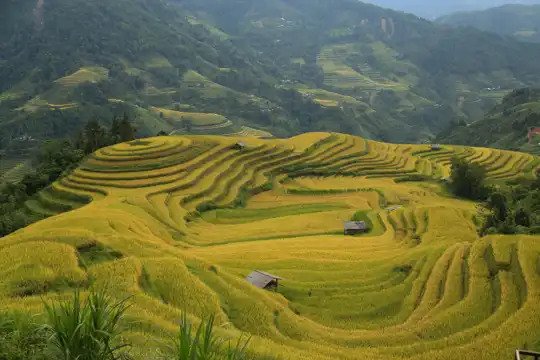
culture and landscape, prioritize village-to-village walks in the northern highlands, where trails cross terraces and end at a homestay with a fire-cooked dinner and rice wine. If you want
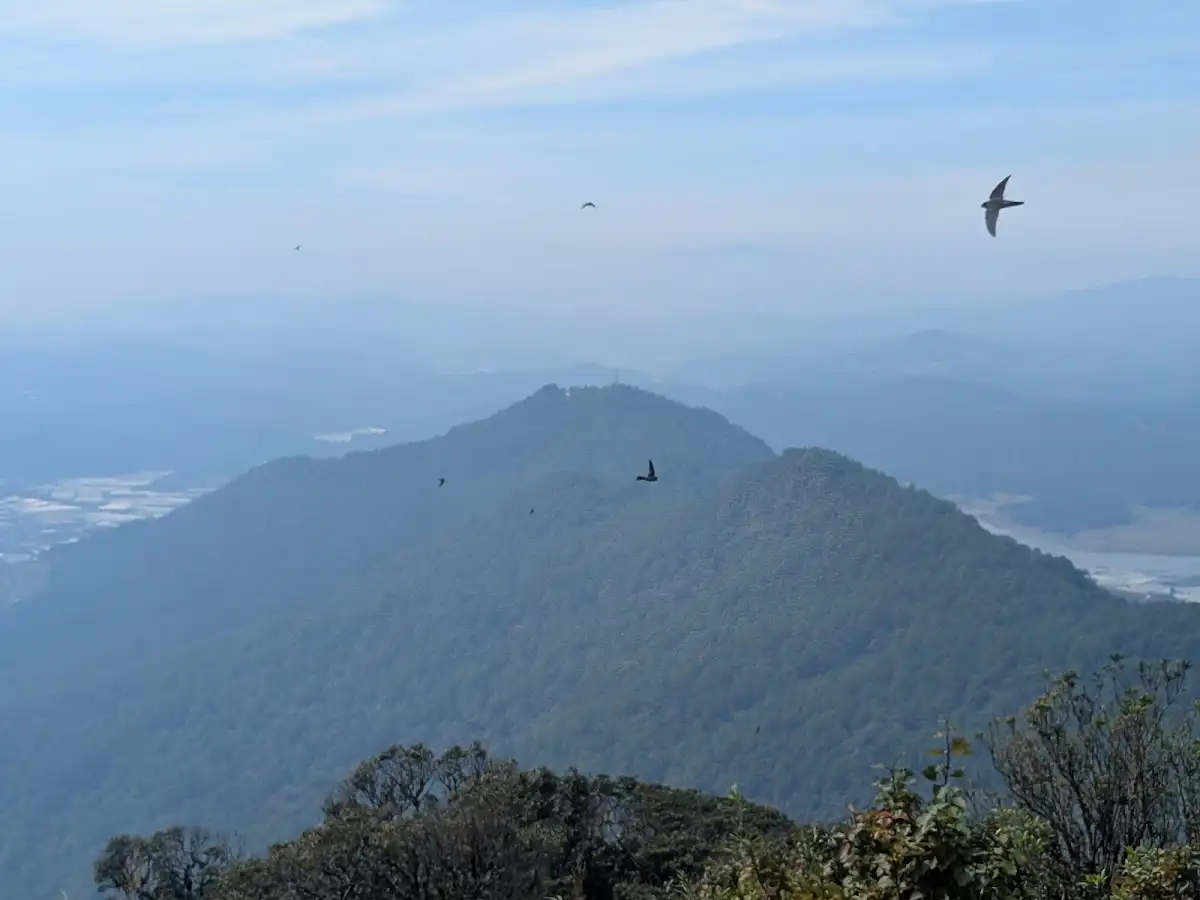
wilderness and effort, choose national park treks in the center and north, where jungle, caves, and summit camps give you real remoteness. If you have limited time or fitness, pick
short day walks near Da Lat, Da Nang, or Ninh Binh, which you can finish …
read more 👉 How many hikes to plan: Plan three to five hikes on a Vietnam trip of two to three weeks. That number lets you cover at least two regions, keep a rest day between hard efforts, and leave room for weather delays. More than that and you spend your trip on buses, not trails. A single multi-day trek can count for two.
Choosing your kind of hike: If you love culture and landscape, prioritize village-to-village walks in the northern highlands, where trails cross terraces and end at a homestay with a fire-cooked dinner and rice wine. If you want wilderness and effort, choose national park treks in the center and north, where jungle, caves, and summit camps give you real remoteness. If you have limited time or fitness, pick short day walks near Da Lat, Da Nang, or Ninh Binh, which you can finish by lunch and follow with cheap noodles and coffee. Peak-bagging suits those who want a headline summit, and cable cars on some mountains make that easier, so decide whether you want the climb or just the view.
What it costs: Budget US$25 to 45 a day on trail days, covering a homestay bed (US$8 to 15), meals (US$5 to 12), and local transport. Guides cost roughly US$25 to 50 a day for day hikes and more for multi-day treks, and many parks require one. Entry fees run about US$2 to 10 at most parks. Expect to pay US$60 to 150 for a guided summit with porter and camping. Prices rise around Tet and in peak autumn.
Safety on the ground: Trails are often steep, muddy, and thinly marked, so carry a downloaded offline map and hire a guide for anything remote. Afternoon mist can swallow a ridge in minutes, which means starting at dawn and finishing before the weather turns. In wet months, leeches are common, so wear long socks and carry salt or repellent. Landslides can close mountain roads after heavy rain, so check conditions with your homestay. A rain shell, headlamp, and 2 to 3 liters of water belong in every pack. Border areas may need permits, and a few forests require registration.
Culture and etiquette: Many trails pass through working villages of the Hmong, Dao, Tay, and other communities. Ask before photographing people, especially children, and stay on paths so you do not trample crops. Dress modestly in villages, with covered shoulders and knees. Buying a meal or a handmade item directly from a family gives your money to people who live there. Remove shoes when entering homes, and accept the offered tea. Carry out your rubbish, because collection is thin in remote areas. Do that, and you earn warm welcomes and the best views on the trail.
v2.webp)





 Best Backpacking
.jpg) Hi, I’m Johan (Netherlands 🇳🇱), the creator of TakeYourBackpack. Over the past 3 decades, I’ve backpacked through 90+ countries across six continents, gaining extensive experience with independent travel, long-term trips, and overland routes.
Hi, I’m Johan (Netherlands 🇳🇱), the creator of TakeYourBackpack. Over the past 3 decades, I’ve backpacked through 90+ countries across six continents, gaining extensive experience with independent travel, long-term trips, and overland routes.