How many parks to visit: I advise
three to four parks on a typical trip of two to three weeks. That number lets you cover one park per major region, with a spare for a standout, without turning every day into a bus ride. Fewer, longer visits mean you actually reach the quiet trail, the dawn bird chorus or the village homestay dinner instead of ticking off entrances.
Choosing the right kind for your style: Highland parks suit
trekkers. Expect steep, muddy climbs through cloud forest and nights in stilt-house homestays, where you eat fresh rice, grilled pork and fiery dipping sauces by a smoky fire. Cave and karst parks suit
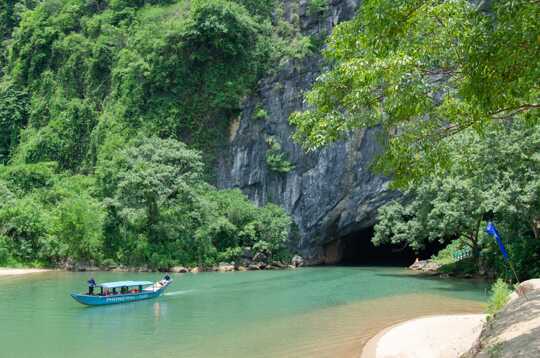
adventure seekers who like headlamps, river swims and rope sections. Lowland forest and wetland parks suit
wildlife and birdwatching fans and anyone who prefers easy flat …
read more 👉 How many parks to visit: I advise three to four parks on a typical trip of two to three weeks. That number lets you cover one park per major region, with a spare for a standout, without turning every day into a bus ride. Fewer, longer visits mean you actually reach the quiet trail, the dawn bird chorus or the village homestay dinner instead of ticking off entrances.
Choosing the right kind for your style: Highland parks suit trekkers. Expect steep, muddy climbs through cloud forest and nights in stilt-house homestays, where you eat fresh rice, grilled pork and fiery dipping sauces by a smoky fire. Cave and karst parks suit adventure seekers who like headlamps, river swims and rope sections. Lowland forest and wetland parks suit wildlife and birdwatching fans and anyone who prefers easy flat walking and cycling, with the payoff of gibbon calls at sunrise. If your time is short and your legs are tired, choose the flat lowland option. If you crave views, choose altitude.
What it costs: A realistic backpacker budget is US$25 to 45 a day (roughly 650,000 to 1,150,000 VND) including food, a dorm or homestay bed and local transport. Entry fees run 40,000 to 200,000 VND (US$1.50 to 8), with cave tickets, boat rides and cable cars costing extra. Guides are often required for treks and cost 500,000 to 1,500,000 VND (US$20 to 60) a day, split among a group. Homestays run 150,000 to 400,000 VND (US$6 to 16) per night, usually with dinner for another 100,000 to 200,000 VND. Motorbike rental costs 150,000 to 250,000 VND a day. Per visit, plan US$40 to 120 including a guide, entry and a night in the park area. Pay for a guide where the trail is unmarked. You get the birdsong identified, the right turn at the fork and the story behind the village you pass.
Safety on the trail: Leeches are common from May to October, so wear leech socks and tuck in your trousers. Snakes live in lowland forests, so stay on marked paths and watch your step at dusk. In central Vietnam, unexploded ordnance from the war can remain off trail, so never leave a marked path or touch metal objects. Mountain weather turns fast, and trails can become slick within an hour. Carry at least 2 liters of water, a rain jacket, a headlamp and a basic first-aid kit, because rescue can be hours away. Mobile signal is patchy, so tell your lodge your plan before you set out. Typhoon warnings should be taken seriously. If guides cancel a trip, accept it and spend the day over coffee instead.
Culture and conduct: Many park edges are home to ethnic minority communities. Ask before photographing people or their homes, and dress modestly in villages, with covered shoulders and knees. Accept tea and rice wine politely, even if you only sip. Skip handing out sweets or cash to children, and buy handicrafts or meals directly from families instead, which keeps money in the village. Never buy wildlife products, whether in restaurants or roadside stalls, because demand fuels poaching in the very forests you came to see. Keep voices low in forest and cave areas, and carry out all trash. Follow these habits and you earn warmer welcomes, better tips from guides and the quiet moments that make trips like this worthwhile.
v2.webp)



 Best Backpacking
.jpg) Hi, I’m Johan (Netherlands 🇳🇱), the creator of TakeYourBackpack. Over the past 3 decades, I’ve backpacked through 90+ countries across six continents, gaining extensive experience with independent travel, long-term trips, and overland routes.
Hi, I’m Johan (Netherlands 🇳🇱), the creator of TakeYourBackpack. Over the past 3 decades, I’ve backpacked through 90+ countries across six continents, gaining extensive experience with independent travel, long-term trips, and overland routes.