×

Zambia🇿🇲 | attractionsLivingstone MuseumLivingstone letters, ethnography, archaeology, old taxidermy | things to do and best time to go

Explore Victoria Falls BridgeExplore Livingstone Railway Museum

Backpacking in Livingstone Museum
🏆 Top pickattraction ranked #2
By Johan Kruseman 🇳🇱 | Updated October 22, 2026

Livingstone Museum gives you the best price-to-knowledge ratio in town: a few hours indoors, out of the midday glare, with more Zambian history than any falls tour will hand you. It sits on Mosi-oa-Tunya Road in the town of Livingstone, in southern Zambia, a short ride north of Victoria Falls. It is the country’s oldest and largest museum, and it feels like one, with creaking old-school displays rather than slick touchscreens. Funding is thin, so some labels are dated and some cases look tired. Treat the text as a starting point and chat with the attendants, who often know far more than the signs. Crowds are rare, which means you wander at your own pace. Time it for the heat of the day, when the open-air sights are miserable anyway. Save your best attention for the David Livingstone room, where handwritten letters sit under glass.

Discover everything you want to know in the 📖 Zambia Travel Guide.


example page 0 from our offline Travel Guide for Zambia
example page 1 from our offline Travel Guide for Zambia
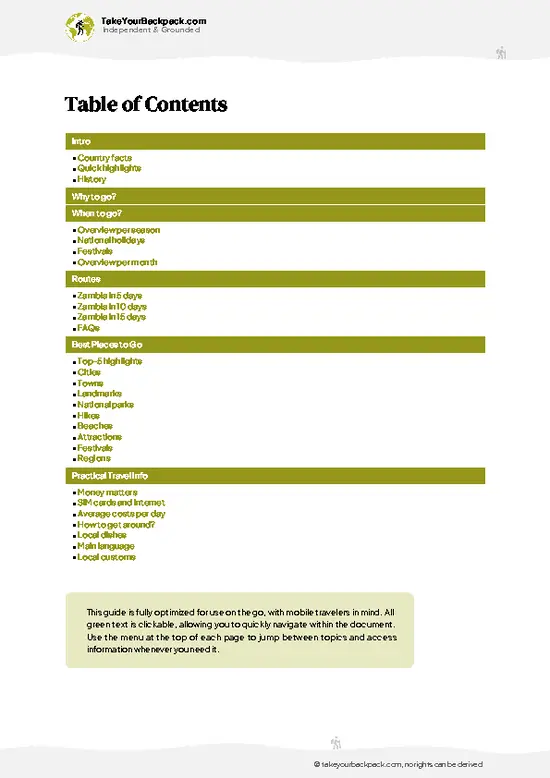
example page 2 from our offline Travel Guide for Zambia
example page 3 from our offline Travel Guide for Zambia
example page 4 from our offline Travel Guide for Zambia
example page 5 from our offline Travel Guide for Zambia
example page 6 from our offline Travel Guide for Zambia
example page 7 from our offline Travel Guide for Zambia
Loading the map 🌍
CLICK TO FILTER
cities
towns
landmarks
national parks
hikes
beaches
attractions
festivals
regions
SHOW COUNTRY’S BESTSHOW ALL

✨ Why go?
Ranked #2 attraction in Zambia
The unique appeal for travelers

Livingstone Museum is where the story of Zambia gets told in one building, and that is rare on a route dominated by waterfalls and safaris. Most travelers arrive in Livingstone for the spray and the bungee, then leave knowing nothing about the people who lived along the Zambezi long before anyone drew a border.
The David Livingstone collection is the obvious draw, and it gives context to the town’s name and to the falls’ English name. Seeing his own correspondence makes the explorer feel like a worried, stubborn human rather than a statue.
The second reason is the ethnography galleries, which lay out how Zambia’s many ethnic groups cook, farm, dance and make music. If you are heading north to Lusaka, the Copperbelt or Lake Tanganyika, an hour here makes every later village and market make more … read more 👉
Livingstone Museum is where the story of Zambia gets told in one building, and that is rare on a route dominated by waterfalls and safaris. Most travelers arrive in Livingstone for the spray and the bungee, then leave knowing nothing about the people who lived along the Zambezi long before anyone drew a border.
The David Livingstone collection is the obvious draw, and it gives context to the town’s name and to the falls’ English name. Seeing his own correspondence makes the explorer feel like a worried, stubborn human rather than a statue.
The second reason is the ethnography galleries, which lay out how Zambia’s many ethnic groups cook, farm, dance and make music. If you are heading north to Lusaka, the Copperbelt or Lake Tanganyika, an hour here makes every later village and market make more sense.
It also fills a rainy or scorching afternoon cheaply, with no queue and no tour group stampede.

💡 HighlightsTop highlights of Livingstone Museum

  1. David Livingstone Gallery: the museum’s best-known room, holding letters, journals pages and personal items of the Scottish missionary-explorer who named Victoria Falls. It is the one place in town where the man behind the name is shown with his doubts and sicknesses.
  2. Ethnography Gallery: displays of masks, drums, thumb pianos, baskets and household tools from Zambia’s many peoples, including the Lozi, Tonga and Bemba. The musical instruments are the most fun to study closely.
  3. Archaeology Gallery: Stone Age tools and finds from sites across Zambia show how long people have lived in this part of the Zambezi basin. It is quiet, a little dusty, and satisfying if you like seeing raw evidence.
  4. History Gallery: covers the colonial period under the British and the road to independence in 1964. Photos
… read more 👉
  1. David Livingstone Gallery: the museum’s best-known room, holding letters, journals pages and personal items of the Scottish missionary-explorer who named Victoria Falls. It is the one place in town where the man behind the name is shown with his doubts and sicknesses.
  2. Ethnography Gallery: displays of masks, drums, thumb pianos, baskets and household tools from Zambia’s many peoples, including the Lozi, Tonga and Bemba. The musical instruments are the most fun to study closely.
  3. Archaeology Gallery: Stone Age tools and finds from sites across Zambia show how long people have lived in this part of the Zambezi basin. It is quiet, a little dusty, and satisfying if you like seeing raw evidence.
  4. History Gallery: covers the colonial period under the British and the road to independence in 1964. Photos and documents give you the political backdrop to modern Zambia.
  5. Natural History Section: mounted animals, birds and insects. It is old-fashioned taxidermy, but it is a useful ID chart if you plan to visit Mosi-oa-Tunya National Park afterward.
  6. Art Gallery: paintings and sculptures by Zambian artists, usually the quietest corner of the building and a nice way to see contemporary work after the older exhibits.
Livingstone Museum rewards a first visit best through the David Livingstone Gallery, since it ties the town, the falls and the museum’s own name together in a single room.
Spotted a mistake or missing something? Contact us.

Things to do around Livingstone Museum

Ratings based on Tripadvisor reviews. When you book through this link, you support our work at no extra cost to you.

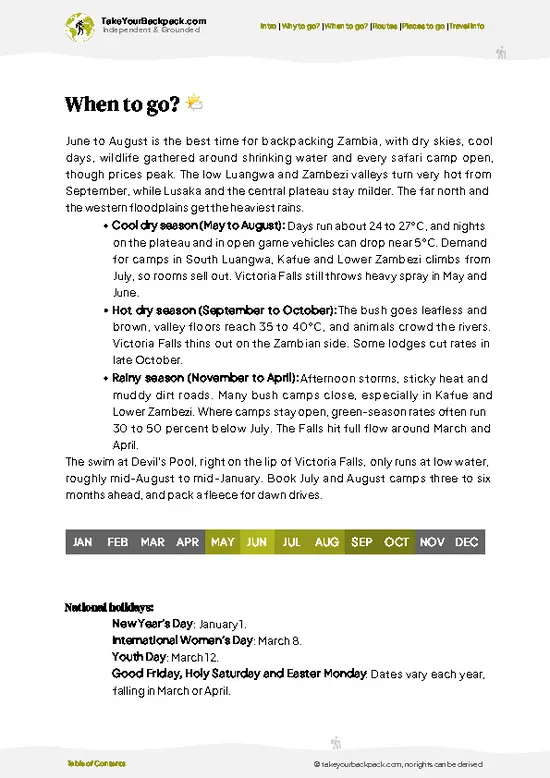
🌤️ When to go?When to go for the best experience

  • Cool Dry Season (May to August): Museum galleries stay comfortable, with days of 25 to 28°C (77 to 82°F) and mornings as low as 6 to 10°C (43 to 50°F). Walking from town is pleasant, and this is peak season for Victoria Falls visitors, so beds and tours cost more.
  • Hot Dry Season (September to November): Afternoons climb to 32 to 38°C (90 to 100°F). Visit right at opening, then retreat to shade. Crowds thin slightly and prices ease from the July peak.
  • Rainy Season (December to March): Expect 28 to 31°C (82 to 88°F), humid air and afternoon downpours that last an hour or two. The museum is quiet, rooms are cheapest, and the Falls are at their thunderous best, though the walk to the museum can get soaked.
  • Daylight: Days run about 11 hours in June and 13 hours in December, so a museum visit fits
… read more 👉
  • Cool Dry Season (May to August): Museum galleries stay comfortable, with days of 25 to 28°C (77 to 82°F) and mornings as low as 6 to 10°C (43 to 50°F). Walking from town is pleasant, and this is peak season for Victoria Falls visitors, so beds and tours cost more.
  • Hot Dry Season (September to November): Afternoons climb to 32 to 38°C (90 to 100°F). Visit right at opening, then retreat to shade. Crowds thin slightly and prices ease from the July peak.
  • Rainy Season (December to March): Expect 28 to 31°C (82 to 88°F), humid air and afternoon downpours that last an hour or two. The museum is quiet, rooms are cheapest, and the Falls are at their thunderous best, though the walk to the museum can get soaked.
  • Daylight: Days run about 11 hours in June and 13 hours in December, so a museum visit fits easily around Falls activities.
Go on a weekday morning in any season and you will often have the galleries nearly to yourself.


source: climatestotravel.comJANJanuary: fair for travelingFEBFebruary: fair for travelingMARMarch: fair for travelingAPRApril: fair for travelingMAYMay: excellent for travelingJUNJune: excellent for travelingJULJuly: highly recommended for travelingAUGAugust: highly recommended for travelingSEPSeptember: excellent for travelingOCTOctober: highly recommended for travelingNOVNovember: fair for travelingDECDecember: fair for traveling
when-to-go

✈️ The backpacker research shortcutZambia Travel Guide

An offline-friendly backpacking guide with optimized travel routes, ranked highlights, transport advice, and the best areas to stay.
example page 0 from our offline Travel Guide for Zambia
example page 1 from our offline Travel Guide for Zambia
example page 2 from our offline Travel Guide for Zambia
example page 3 from our offline Travel Guide for Zambia
example page 4 from our offline Travel Guide for Zambia
example page 5 from our offline Travel Guide for Zambia
example page 6 from our offline Travel Guide for Zambia
example page 7 from our offline Travel Guide for Zambia
The digital guide (351 pages) contains:
✅ 89 highlights, ranked by travel appeal
✅ Optimized 5, 10 & 15-day travel routes
✅ Cities, national parks, landmarks, beaches
✅ How to get around
✅ Offline-friendly for travel without Wi-Fi
👉 Click to see all 30+ guide features

📅 Plan smarter in minutes, not weeks
✅ Month by month travel advice
✅ Festivals & national holidays
✅ Budget expectations

🗺️ Go to the right places, skip the overrated ones
✅ Honest pros & cons of destinations
✅ Top hikes, parks & viewpoints
✅ Lesser-known places most travelers miss
✅ Clear “worth it vs skip it” guidance

🛏️ Travel smoothly without rookie mistakes
✅ Best areas to stay
✅ Transport systems explained simply
✅ Common scams & safety advice
✅ SIM cards, money & practical tips

🌍 Understand the country, not just visit it
✅ Culture & traditions
✅ 52 Essential phrases & customs
✅ Festivals worth planning around
✅ Traveler-friendly historical context
✅ Insights that make places more meaningful

📱 Built for real travel conditions
✅ Fully downloadable PDF
✅ Works completely offline
✅ Optimized for phone use
✅ Useful in remote areas & buses
✅ Everything in one place
Stop searching, start planning
Get instant access to your full guide. 30‑day money-back guarantee.
+ Add another guide for just

By proceeding you agree to our terms.
Sent to your inbox immediately after payment • 100% Secure Checkout
Best Backpacking Travel Advisor 2025 tourism awardBest Backpacking
Travel Advisor
2025
What others say about Take Your Backpack Guides:
⭐⭐⭐⭐⭐
Fantastic, amazing amount of information!
⭐⭐⭐⭐⭐
My goodness this is amazing, it's what I've been looking for hats off too you!
⭐⭐⭐⭐⭐
I think this is absolutely BRILLIANT
⭐⭐⭐⭐
Very complete and informative. It's still missing places, but I gotta to commend you
⭐⭐⭐⭐⭐
This is truly amazing, thank you, can't wait to explore it with my kids!
⭐⭐⭐⭐⭐
Awesome resource, thank you!
⭐⭐⭐⭐⭐
This is amazing! Can't wait to explore the ones I haven't seen
⭐⭐⭐⭐
I love this! Well done, great idea.
⭐⭐⭐⭐⭐
Thanks for taking the time to make this gem!
⭐⭐⭐⭐⭐
This might be the best website I've ever seen.
⭐⭐⭐⭐⭐
Congratulations, and thank you so much for your work; it's incredibly valuable.
⭐⭐⭐⭐
In all seriousness I think you did a great job pointing out the important spots
⭐⭐⭐⭐⭐
10/10 very good
⭐⭐⭐⭐⭐
As someone who's only just starting to visit regularly this is awesome, thank you.
⭐⭐⭐⭐
Thank you very much! I'm going to visit my dad, it's going to be very useful!
⭐⭐⭐⭐⭐
This is really cool! We'll be travelling for the first time and this definitely come in handy.
⭐⭐⭐⭐⭐
You are now our minister of culture, congratulations 👨‍💼
⭐⭐⭐⭐⭐
Just wanted to tell you that this is a pearl! Going to follow your recommendations.
⭐⭐⭐⭐⭐
This is so cool. I'll definitely be using the resource for my travels soon.
⭐⭐⭐⭐⭐
This is very impressive! Good work.
⭐⭐⭐⭐⭐
This is an amazing and informative site. Very well done!

🛏️ Where to stay?Best areas and accommodation options

The most practical area is central Livingstone, around Mosi-oa-Tunya Road and the streets near the museum, where you can walk to the museum, the markets, supermarkets, ATMs and the bus stops. Most of the town’s dorm-style budget lodgings, backpacker bars and travel desks cluster here, so you will meet other solo travelers easily and can book Falls activities, bungee, rafting and Chobe day trips without paying for transfers. Streets are busy and fairly safe in daylight. After dark, take a taxi even for short hops, as unlit stretches and opportunistic theft are the main risks.
The quieter option … read more 👉
The most practical area is central Livingstone, around Mosi-oa-Tunya Road and the streets near the museum, where you can walk to the museum, the markets, supermarkets, ATMs and the bus stops. Most of the town’s dorm-style budget lodgings, backpacker bars and travel desks cluster here, so you will meet other solo travelers easily and can book Falls activities, bungee, rafting and Chobe day trips without paying for transfers. Streets are busy and fairly safe in daylight. After dark, take a taxi even for short hops, as unlit stretches and opportunistic theft are the main risks.
The quieter option is the leafy residential streets on the Falls side of town, a short taxi or minibus ride from the museum. Here you get gardens, pools and a calmer night’s sleep, and many places run free or cheap shuttles to the Falls entrance.
A third choice is the stretch toward the Zambezi, a few kilometers out, which suits travelers who want river views, campsites and overlanders’ company. You will rely on taxis there, so it works best if you plan to spend most days on the water and visit the museum as a single outing.

👛 Costs (as of 22 October 2026)What things cost and how to budget

A visit to Livingstone Museum costs about US$34 to 61 per day for a backpacker in high season once you add a bed, meals and local transport.
CategoryBudget RangeLocal Reality
Museum entry (foreign adult)US$10 to 12Charged at the ticket desk, paid in kwacha or sometimes cards. Camera permits may cost extra.
Dorm bed (high season)US$12 to 20Rises sharply in July and August. Rainy season dorms can drop to US$8 to 12.
MealsUS$8 to 15Local nshima plates cost a few dollars. Cafés and restaurants in the center charge more.
Local transportUS$2 to 5Shared minibuses are cheapest. A short taxi in town runs US$3 to 5.
Guide or extra exhibitsUS$0 to 5Informal guides may offer explanations for a tip. Not required.
Snacks and waterUS$2 to 4Supermarkets near the museum are cheaper than tourist cafés.
Total Daily
… read more 👉
A visit to Livingstone Museum costs about US$34 to 61 per day for a backpacker in high season once you add a bed, meals and local transport.
CategoryBudget RangeLocal Reality
Museum entry (foreign adult)US$10 to 12Charged at the ticket desk, paid in kwacha or sometimes cards. Camera permits may cost extra.
Dorm bed (high season)US$12 to 20Rises sharply in July and August. Rainy season dorms can drop to US$8 to 12.
MealsUS$8 to 15Local nshima plates cost a few dollars. Cafés and restaurants in the center charge more.
Local transportUS$2 to 5Shared minibuses are cheapest. A short taxi in town runs US$3 to 5.
Guide or extra exhibitsUS$0 to 5Informal guides may offer explanations for a tip. Not required.
Snacks and waterUS$2 to 4Supermarkets near the museum are cheaper than tourist cafés.
Total Daily BudgetUS$34 to 61Tight for a day built around the museum, comfortable if you cook or eat locally.


source: livingstonemuseum.org
⚠️ Prices can change and everyone travels differently, so take this as a rough guide. Hope it helps you plan your adventure!

FAQCommon questions from travelers

Livingstone Museum takes about 1.5 to 2 hours to see properly. The galleries cover archaeology, ethnography, local history and the David Livingstone collection, and reading the displays at a steady pace fills most of a morning. Pair it with a walk through central Livingstone and you have a half day, leaving the afternoon free for Victoria Falls.
Livingstone Museum is worth the roughly US$10 to 12 entry for anyone interested in Zambian history, as it holds the country’s largest collection of Livingstone’s letters and belongings plus good ethnographic displays. It is not a major attraction compared with Victoria Falls, so budget travelers on a tight schedule can skip it. If you have a spare morning, especially in the rainy season, the price is fair.
Livingstone Museum sits on Mosi-oa-Tunya Road in central Livingstone, about 10 km from Victoria Falls and walkable from most town lodgings. A taxi from the Falls takes around 15 minutes and costs US$8 to 12, while shared minibuses along the main road are cheaper at about US$1 to 2. From Lusaka, buses take roughly 6 to 8 hours, and Livingstone Airport lies about 5 km from the center.
⚠️ Things can change over time, so always validate details locally before you go.

Other Zambian attractions near Livingstone Museum

Explore more nearby:


💡 Not sure where to go next?
Create a personalized itinerary for Zambia including Livingstone Museum and the places that fit your trip.

Generate my itinerary

👉 Discover all attractions

Or checkout all Zambia has to offer (think cities, towns, villages, national parks, hikes, beaches, festivals)
Country photo of Zambia

We 💚 feedbackKey takeaways before you go

Livingstone Museum suits curious travelers, history fans and anyone who wants Zambia explained before heading north. Thrill-seekers may find it slow, but it is a fine break between adrenaline days. I would go in the hottest hours, skip rushing, and bring small cash and a notebook for the David Livingstone room.

✍️ Help improve this page!
The information on this page is based on in-depth research, insights shared by experienced travelers, and feedback from the local travel community in Zambia. While every effort is made to keep the information accurate and current, conditions can change — so if you spot anything incorrect or outdated, please get in touch.


🙋‍♂️ Give feedback

👋 Meet the founderWho’s Behind Take Your Backpack?

Johan, backpacker and founder of TakeYourBackpackHi, I’m Johan (Netherlands 🇳🇱), the creator of TakeYourBackpack. Over the past 3 decades, I’ve backpacked through 90+ countries across six continents, gaining extensive experience with independent travel, long-term trips, and overland routes.

This site is built on a combination of firsthand travel experience and carefully curated insights from other backpackers. Many guides are based on places I’ve personally visited, while others bring together tips, observations, and practical advice shared by trusted travelers I’ve met along the way.

The goal is to provide realistic, experience-driven guidance — not generic itineraries — so you can explore destinations with better context, clearer expectations, and more confidence.