×

Zambia🇿🇲 | attractionsLivingstone Railway MuseumSteam engines, climbable cabs, signal gear, colonial coaches | things to do and best time to go

Explore Livingstone MuseumExplore Mosi-oa-Tunya Cultural Village

Backpacking in Livingstone Railway Museum
👌 Worth visitingattraction ranked #11
By Johan Kruseman 🇳🇱 | Updated October 22, 2026

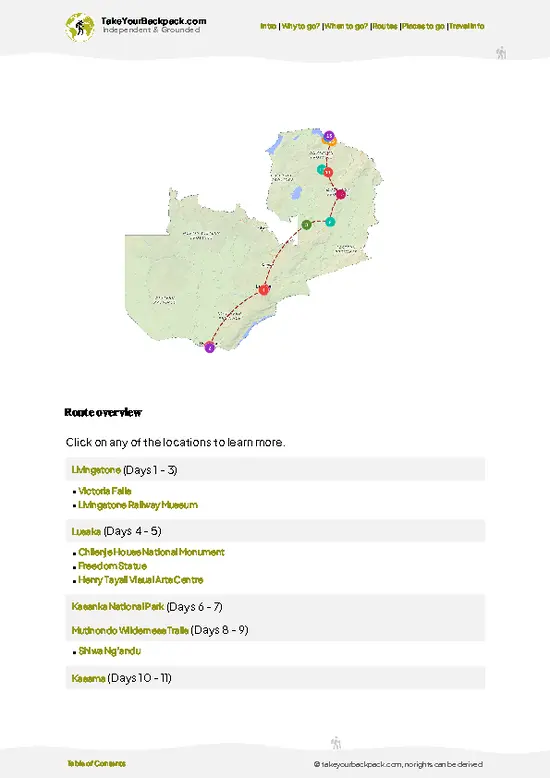
Several locomotives here still sit on the original rails, and you can climb into cabs that most museums fence off. Livingstone Railway Museum stands in the south of Zambia, in Livingstone town, a short ride from the Victoria Falls approach road. Entry is cheap, crowds are thin, and you can wander with a guide at your own pace. The catch is modest facilities and some rust-flaked, sun-baked exhibits, so it suits curious travelers more than casual sightseers. Pull open heavy doors, read the old signal gear, and trace the line that once fed the copper economy. Unlike the Zambezi-side Falls Bridge, which is about a view, this museum lets you touch the machinery.

Discover everything you want to know in the 📖 Zambia Travel Guide.


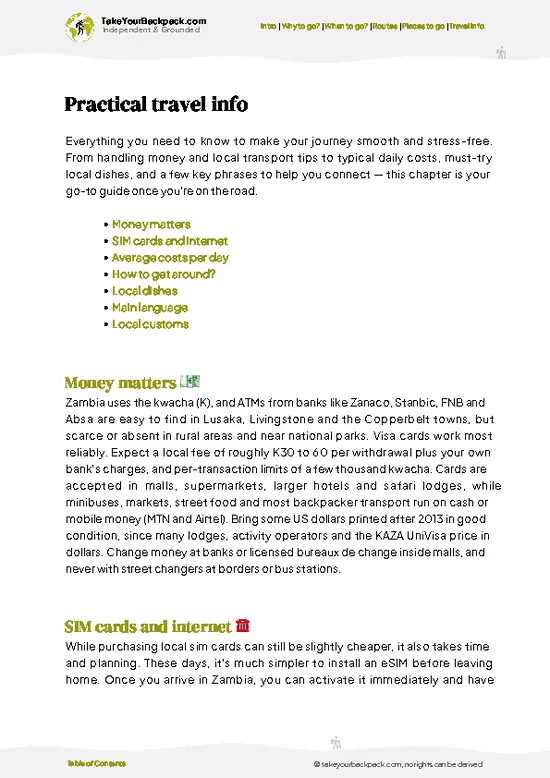
example page 0 from our offline Travel Guide for Zambia
example page 1 from our offline Travel Guide for Zambia
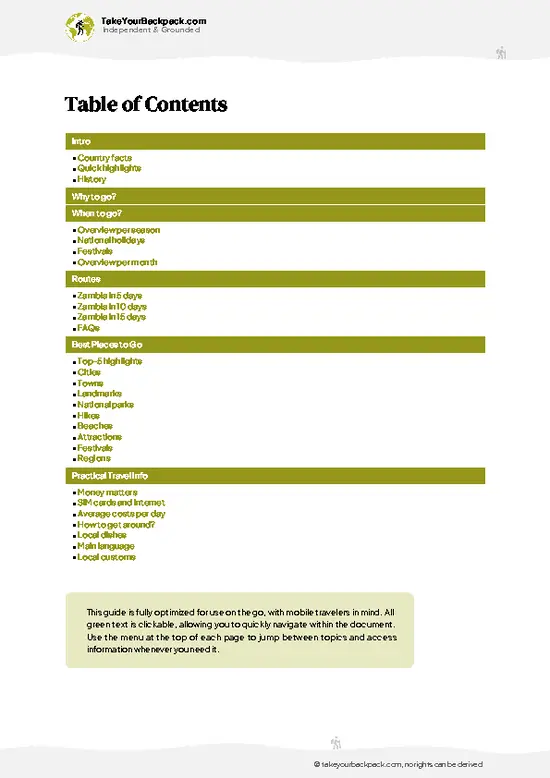
example page 2 from our offline Travel Guide for Zambia
example page 3 from our offline Travel Guide for Zambia
example page 4 from our offline Travel Guide for Zambia
example page 5 from our offline Travel Guide for Zambia
example page 6 from our offline Travel Guide for Zambia
example page 7 from our offline Travel Guide for Zambia
Loading the map 🌍
CLICK TO FILTER
cities
towns
landmarks
national parks
hikes
beaches
attractions
festivals
regions
SHOW COUNTRY’S BESTSHOW ALL

✨ Why go?
Ranked #11 attraction in Zambia
Why visitors keep coming back

Livingstone Railway Museum gives you the story of how Cecil Rhodes’s Cape-to-Cairo railway dream reached the Zambezi, told through the machines that actually ran it. Southern Africa’s colonial history is usually explained through monuments and plaques. Here you stand beside steam locomotives, climb into the footplate, and see how heavy, hot and loud the work was. That tactile detail sticks far longer than a signboard.
The second reason is value. Falls-area activities can drain a budget quickly, while this museum is cheap, uncrowded and easy to fit into a gap between a rafting trip and a sunset cruise. It also sits close to the town center, so you can walk or take a short taxi ride. For anyone who loves trains, engineering or the story behind a border town, it is a quiet highlight, with a guide … read more 👉
Livingstone Railway Museum gives you the story of how Cecil Rhodes’s Cape-to-Cairo railway dream reached the Zambezi, told through the machines that actually ran it. Southern Africa’s colonial history is usually explained through monuments and plaques. Here you stand beside steam locomotives, climb into the footplate, and see how heavy, hot and loud the work was. That tactile detail sticks far longer than a signboard.
The second reason is value. Falls-area activities can drain a budget quickly, while this museum is cheap, uncrowded and easy to fit into a gap between a rafting trip and a sunset cruise. It also sits close to the town center, so you can walk or take a short taxi ride. For anyone who loves trains, engineering or the story behind a border town, it is a quiet highlight, with a guide who knows the collection and happily answers questions.

💡 HighlightsDon't-miss highlights and experiences

  1. Steam locomotives: The headline attraction. Big, soot-darkened engines stand on outdoor track, and you can often step up to the cab to see the gauges, valves and firebox door.
  2. Historic carriages: Old passenger coaches show how colonial-era travelers sat, slept and dined while crossing the region by rail.
  3. Diesel and electric engines: Later locomotives reveal how the railway modernized and why steam faded from the line.
  4. Cecil Rhodes’s saloon coach displays: Exhibits tied to the Cape-to-Cairo vision explain why the line pushed north to the Zambezi.
  5. Signal and telegraph equipment: Levers, lamps and instruments from stations along the line make the safety system tangible.
  6. Indoor memorabilia hall: Tickets, uniforms, photographs and tools fill the building, giving faces and names to the people who ran
… read more 👉
  1. Steam locomotives: The headline attraction. Big, soot-darkened engines stand on outdoor track, and you can often step up to the cab to see the gauges, valves and firebox door.
  2. Historic carriages: Old passenger coaches show how colonial-era travelers sat, slept and dined while crossing the region by rail.
  3. Diesel and electric engines: Later locomotives reveal how the railway modernized and why steam faded from the line.
  4. Cecil Rhodes’s saloon coach displays: Exhibits tied to the Cape-to-Cairo vision explain why the line pushed north to the Zambezi.
  5. Signal and telegraph equipment: Levers, lamps and instruments from stations along the line make the safety system tangible.
  6. Indoor memorabilia hall: Tickets, uniforms, photographs and tools fill the building, giving faces and names to the people who ran the railway.
  7. Wagons and workshop relics: Freight wagons and maintenance equipment show the hauling side of the story that moved copper and goods.
Start with the steam locomotives, because the light is kinder outdoors early and the cabs are easier to enjoy before the heat builds, leaving the shaded indoor displays for later.
Spotted a mistake or missing something? Contact us.

Things to do around Livingstone Railway Museum

Ratings based on Tripadvisor reviews. When you book through this link, you support our work at no extra cost to you.

🌤️ When to go?When to go for the best experience

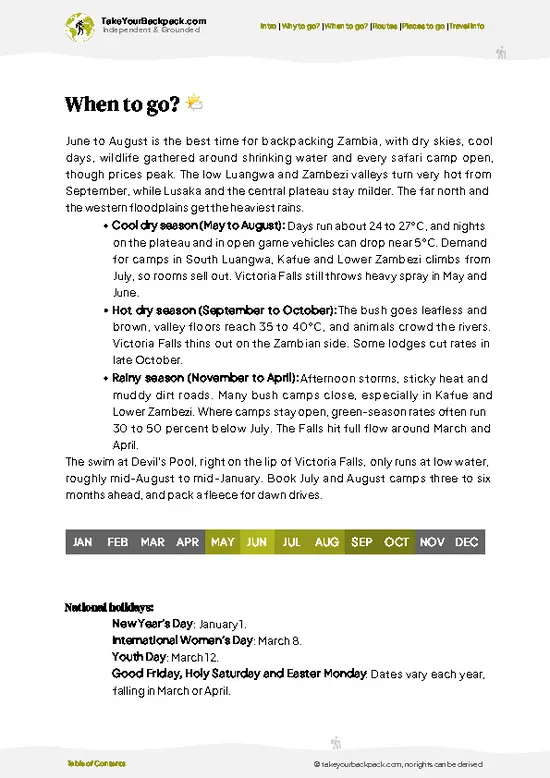
  • Cool Dry Season (May to August): Mornings sit around 8 to 12°C (46 to 54°F) and afternoons reach 25 to 28°C (77 to 82°F), ideal for wandering the open-air locomotive yard. Crowds are moderate, though Victoria Falls traffic lifts prices in town.
  • Hot Dry Season (September to November): Afternoons climb to 33 to 38°C (91 to 100°F) over unshaded steel and gravel, so go early. Sun is strong and tour numbers ease slightly.
  • Rainy Season (December to March): Expect 28 to 32°C (82 to 90°F), humid air and afternoon downpours that turn paths muddy. Rooms are cheapest and you often have the yard to yourself.
Visit right when the doors open, before the heat and the tour buses arrive.

source: climatestotravel.comJANJanuary: fair for travelingFEBFebruary: fair for travelingMARMarch: fair for travelingAPRApril: fair for travelingMAYMay: excellent for travelingJUNJune: excellent for travelingJULJuly: highly recommended for travelingAUGAugust: highly recommended for travelingSEPSeptember: excellent for travelingOCTOctober: highly recommended for travelingNOVNovember: fair for travelingDECDecember: fair for traveling
when-to-go

✈️ The backpacker research shortcutZambia Travel Guide

An offline-friendly backpacking guide with optimized travel routes, ranked highlights, transport advice, and the best areas to stay.
example page 0 from our offline Travel Guide for Zambia
example page 1 from our offline Travel Guide for Zambia
example page 2 from our offline Travel Guide for Zambia
example page 3 from our offline Travel Guide for Zambia
example page 4 from our offline Travel Guide for Zambia
example page 5 from our offline Travel Guide for Zambia
example page 6 from our offline Travel Guide for Zambia
example page 7 from our offline Travel Guide for Zambia
The digital guide (351 pages) contains:
✅ 89 highlights, ranked by travel appeal
✅ Optimized 5, 10 & 15-day travel routes
✅ Cities, national parks, landmarks, beaches
✅ How to get around
✅ Offline-friendly for travel without Wi-Fi
👉 Click to see all 30+ guide features

📅 Plan smarter in minutes, not weeks
✅ Month by month travel advice
✅ Festivals & national holidays
✅ Budget expectations

🗺️ Go to the right places, skip the overrated ones
✅ Honest pros & cons of destinations
✅ Top hikes, parks & viewpoints
✅ Lesser-known places most travelers miss
✅ Clear “worth it vs skip it” guidance

🛏️ Travel smoothly without rookie mistakes
✅ Best areas to stay
✅ Transport systems explained simply
✅ Common scams & safety advice
✅ SIM cards, money & practical tips

🌍 Understand the country, not just visit it
✅ Culture & traditions
✅ 52 Essential phrases & customs
✅ Festivals worth planning around
✅ Traveler-friendly historical context
✅ Insights that make places more meaningful

📱 Built for real travel conditions
✅ Fully downloadable PDF
✅ Works completely offline
✅ Optimized for phone use
✅ Useful in remote areas & buses
✅ Everything in one place
Stop searching, start planning
Get instant access to your full guide. 30‑day money-back guarantee.
+ Add another guide for just

By proceeding you agree to our terms.
Sent to your inbox immediately after payment • 100% Secure Checkout
Best Backpacking Travel Advisor 2025 tourism awardBest Backpacking
Travel Advisor
2025
What others say about Take Your Backpack Guides:
⭐⭐⭐⭐⭐
Fantastic, amazing amount of information!
⭐⭐⭐⭐⭐
My goodness this is amazing, it's what I've been looking for hats off too you!
⭐⭐⭐⭐⭐
I think this is absolutely BRILLIANT
⭐⭐⭐⭐
Very complete and informative. It's still missing places, but I gotta to commend you
⭐⭐⭐⭐⭐
This is truly amazing, thank you, can't wait to explore it with my kids!
⭐⭐⭐⭐⭐
Awesome resource, thank you!
⭐⭐⭐⭐⭐
This is amazing! Can't wait to explore the ones I haven't seen
⭐⭐⭐⭐
I love this! Well done, great idea.
⭐⭐⭐⭐⭐
Thanks for taking the time to make this gem!
⭐⭐⭐⭐⭐
This might be the best website I've ever seen.
⭐⭐⭐⭐⭐
Congratulations, and thank you so much for your work; it's incredibly valuable.
⭐⭐⭐⭐
In all seriousness I think you did a great job pointing out the important spots
⭐⭐⭐⭐⭐
10/10 very good
⭐⭐⭐⭐⭐
As someone who's only just starting to visit regularly this is awesome, thank you.
⭐⭐⭐⭐
Thank you very much! I'm going to visit my dad, it's going to be very useful!
⭐⭐⭐⭐⭐
This is really cool! We'll be travelling for the first time and this definitely come in handy.
⭐⭐⭐⭐⭐
You are now our minister of culture, congratulations 👨‍💼
⭐⭐⭐⭐⭐
Just wanted to tell you that this is a pearl! Going to follow your recommendations.
⭐⭐⭐⭐⭐
This is so cool. I'll definitely be using the resource for my travels soon.
⭐⭐⭐⭐⭐
This is very impressive! Good work.
⭐⭐⭐⭐⭐
This is an amazing and informative site. Very well done!

🛏️ Where to stay?Where staying makes the most sense

Stay in central Livingstone, around Mosi-oa-Tunya Road and the streets near the market, because the museum sits close to the railway line on the edge of this core. Dorm beds here run roughly US$10 to 18, and you can reach the museum on foot or with a short taxi ride of about US$2 to 4. This area has the highest concentration of backpacker hostels, plenty of cheap restaurants, supermarkets and ATMs, and it is easy to meet other travelers at shared tables and rooftop bars. Streets are busy by day and reasonably safe, but take a taxi after dark rather than walking. A second option is the quieter … read more 👉
Stay in central Livingstone, around Mosi-oa-Tunya Road and the streets near the market, because the museum sits close to the railway line on the edge of this core. Dorm beds here run roughly US$10 to 18, and you can reach the museum on foot or with a short taxi ride of about US$2 to 4. This area has the highest concentration of backpacker hostels, plenty of cheap restaurants, supermarkets and ATMs, and it is easy to meet other travelers at shared tables and rooftop bars. Streets are busy by day and reasonably safe, but take a taxi after dark rather than walking. A second option is the quieter road toward the Victoria Falls entrance, where campsites and guesthouses suit people with tents or overland trucks. It is greener and calmer, though you rely on taxis for everything, including the museum.

👛 Costs (as of 22 October 2026)Money, prices, and spending tips

A day at Livingstone Railway Museum costs roughly US$38 to 62 for a backpacker, with the entry fee a small slice of that.
CategoryBudget RangeLocal Reality
Entrance FeeUS$5 to 10Charged to non-resident visitors and paid in kwacha or by card at the gate; rates for Zambians are lower.
Guide or Photo PermitUS$0 to 5A staff guide is usually available, and a tip is appreciated.
Local TransportUS$2 to 6Short taxi ride from the town center, or walk if you are staying nearby.
Food and DrinkUS$4 to 10Cheap local meals in town, pricier cafes near the tourist strip.
Accommodation (High Season)US$10 to 18Hostel dorm beds; rates drop in the rainy season.
Total Daily BudgetUS$38 to 62Covers entry, a guide tip, taxis, food and a dorm bed.
⚠️ Prices can change and everyone travels differently, so take this as a rough guide. Hope it helps you plan your adventure!

FAQCommon questions from travelers

Livingstone Railway Museum needs about 1.5 to 2 hours to cover the locomotives, carriages and indoor displays at an easy pace. Railway enthusiasts and photographers can stretch that to 3 hours. Pair it with a half day around Victoria Falls, roughly 10 km (6 miles) away, to fill a full day.
Livingstone Railway Museum is worth the fee of roughly US$5 to 10 if you like old steam engines, colonial-era rolling stock and Cecil Rhodes-era railway history. The collection is mostly outdoors, so it suits photography and slow wandering more than quick sightseeing. If trains do not interest you, spend that money on a Victoria Falls entry instead.
Livingstone Railway Museum lies on the edge of central Livingstone, a 5 to 10 minute taxi ride (about US$2 to 4) from most hostels. You can also walk from the town center in 20 to 30 minutes in the cool morning hours. Livingstone Airport is about 15 minutes away by taxi, and long-distance buses from Lusaka take roughly 7 to 8 hours.
⚠️ Things can change over time, so always validate details locally before you go.

Other Zambian attractions near Livingstone Railway Museum

Explore more nearby:


💡 Not sure where to go next?
Create a personalized itinerary for Zambia including Livingstone Railway Museum and the places that fit your trip.

Generate my itinerary

👉 Discover all attractions

Or checkout all Zambia has to offer (think cities, towns, villages, national parks, hikes, beaches, festivals)
Country photo of Zambia

We 💚 feedbackIs it worth it?

Livingstone Railway Museum is best in the cool morning, when the steel hasn’t baked and the soft light picks out rivets and soot. Go in the dry months, bring a hat and small change for a tip to your guide, and give yourself an hour and a half.

✍️ Help improve this page!
The information on this page is based on in-depth research, insights shared by experienced travelers, and feedback from the local travel community in Zambia. While every effort is made to keep the information accurate and current, conditions can change — so if you spot anything incorrect or outdated, please get in touch.


🙋‍♂️ Give feedback

👋 Meet the founderWho’s Behind Take Your Backpack?

Johan, backpacker and founder of TakeYourBackpackHi, I’m Johan (Netherlands 🇳🇱), the creator of TakeYourBackpack. Over the past 3 decades, I’ve backpacked through 90+ countries across six continents, gaining extensive experience with independent travel, long-term trips, and overland routes.

This site is built on a combination of firsthand travel experience and carefully curated insights from other backpackers. Many guides are based on places I’ve personally visited, while others bring together tips, observations, and practical advice shared by trusted travelers I’ve met along the way.

The goal is to provide realistic, experience-driven guidance — not generic itineraries — so you can explore destinations with better context, clearer expectations, and more confidence.