×

Zambia🇿🇲 | townsMbalaMoto Moto Museum, Lake Chila, Abercorn surrender, Tanganyika gateway | things to do and best time to go

Explore SiavongaExplore Mpulungu

Backpacking in Mbala
🏆 Top picktown ranked #3
By Johan Kruseman 🇳🇱 | Updated October 22, 2026

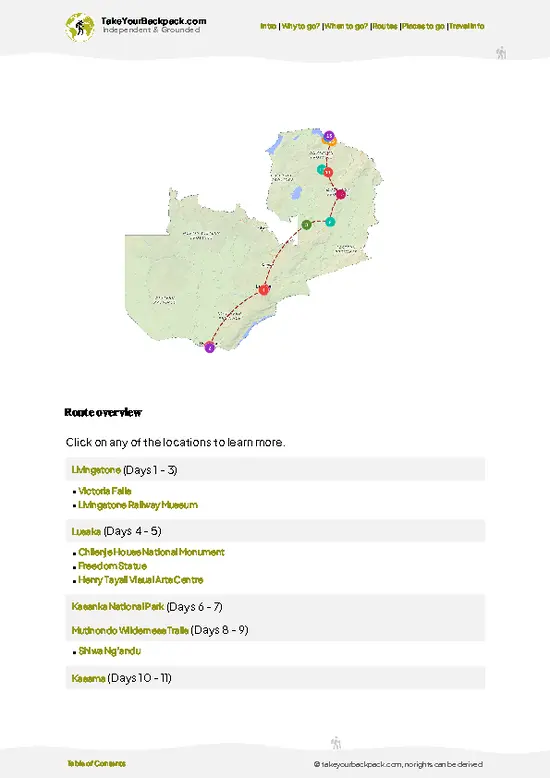
Mbala is where the First World War ended in Africa: the German commander Paul von Lettow-Vorbeck surrendered here in 1918, when the town still carried the colonial name Abercorn. You’ll find it high on the plateau in the far north of Zambia, cool, green and quiet. Public transport here is minibuses and buses that leave when full, so arrive in the morning and plan for waiting. Evenings are slow because few travelers stop, which means guesthouses are small and you meet people at the market rather than the bar. Bring cash, since ATMs are thin and cards rarely work. Mbala is a gateway rather than a destination: it feeds you toward Kalambo Falls and the Lake Tanganyika shore, and it pays back a half day with a first-rate museum and a lake. Start with the museum, wander the market for lunch, then chase the late light at Lake Chila.

Discover everything you want to know in the 📖 Zambia Travel Guide.


example page 0 from our offline Travel Guide for Zambia
example page 1 from our offline Travel Guide for Zambia
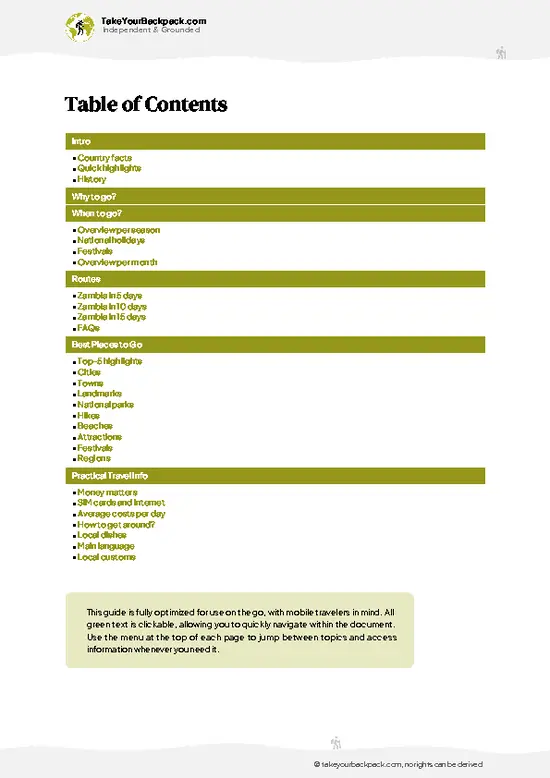
example page 2 from our offline Travel Guide for Zambia
example page 3 from our offline Travel Guide for Zambia
example page 4 from our offline Travel Guide for Zambia
example page 5 from our offline Travel Guide for Zambia
example page 6 from our offline Travel Guide for Zambia
example page 7 from our offline Travel Guide for Zambia
Loading the map 🌍
CLICK TO FILTER
cities
towns
landmarks
national parks
hikes
beaches
attractions
festivals
regions
SHOW COUNTRY’S BESTSHOW ALL

✨ Why go?
Ranked #3 town in Zambia
What makes it a must-see town

Mbala earns its place on a northern Zambia loop because it is the last proper town before the Tanzanian border country and the Lake Tanganyika escarpment. Most travelers stay one or two nights, and that is the right dose. You come to sleep in a cool highland climate, stock up on supplies, and set out for Kalambo Falls, one of the tallest single-drop waterfalls in Africa, plus the lakeshore beyond. In town itself, Moto Moto Museum is the real anchor. It gives you the context for the Bemba, Mambwe and Lungu peoples before you meet them on the road. Hikers and overlanders who like self-sufficiency do best here. Solo travelers will find it friendly, though the social scene is the market, a roadside braai or a chat with the guesthouse owner rather than a hostel common room. If you need nightlife, … read more 👉
Mbala earns its place on a northern Zambia loop because it is the last proper town before the Tanzanian border country and the Lake Tanganyika escarpment. Most travelers stay one or two nights, and that is the right dose. You come to sleep in a cool highland climate, stock up on supplies, and set out for Kalambo Falls, one of the tallest single-drop waterfalls in Africa, plus the lakeshore beyond. In town itself, Moto Moto Museum is the real anchor. It gives you the context for the Bemba, Mambwe and Lungu peoples before you meet them on the road. Hikers and overlanders who like self-sufficiency do best here. Solo travelers will find it friendly, though the social scene is the market, a roadside braai or a chat with the guesthouse owner rather than a hostel common room. If you need nightlife, an espresso machine and a tour desk, push on. If you like small towns where being a visitor still sparks curiosity, give Mbala a slow afternoon.

💡 HighlightsThe experiences that define the visit

  1. Moto Moto Museum: Run by the White Fathers’ mission legacy and widely regarded as one of Zambia’s best ethnographic museums, it holds Bemba royal regalia, musical instruments, iron-working tools, and displays on rock art, initiation rites and colonial-era history. Give it 1.5 to 2 hours. Entry costs roughly US$3 to 6. Go in the morning when the light is good and the halls are quiet.
  2. Lake Chila: A small, calm lake on the edge of town, ringed with reeds, birds and fishing canoes. It suits a gentle walk or a sit with a book, and the water changes color through the afternoon. Count on 1 to 2 hours. Visiting is generally free or a small token fee of under US$2. Late afternoon is best, when locals fish and the air cools.
  3. Mbala Main Market: The place to see what the highlands grow: cassava, beans,
… read more 👉
  1. Moto Moto Museum: Run by the White Fathers’ mission legacy and widely regarded as one of Zambia’s best ethnographic museums, it holds Bemba royal regalia, musical instruments, iron-working tools, and displays on rock art, initiation rites and colonial-era history. Give it 1.5 to 2 hours. Entry costs roughly US$3 to 6. Go in the morning when the light is good and the halls are quiet.
  2. Lake Chila: A small, calm lake on the edge of town, ringed with reeds, birds and fishing canoes. It suits a gentle walk or a sit with a book, and the water changes color through the afternoon. Count on 1 to 2 hours. Visiting is generally free or a small token fee of under US$2. Late afternoon is best, when locals fish and the air cools.
  3. Mbala Main Market: The place to see what the highlands grow: cassava, beans, groundnuts, tomatoes, dried fish from Lake Tanganyika, chitenge cloth and secondhand clothing piled high. Eat a plate of nshima with relish at a small stall for around US$1 to 3. Go in the morning, when produce is fresh and traders are in a talking mood. Plan about an hour. Ask before photographing stallholders.
  4. Colonial Abercorn center and the surrender story: Stroll the older core of town, where red-roofed administrative buildings and old mission-era structures recall its days as Abercorn, the place where Lettow-Vorbeck’s forces laid down arms in November 1918. It is free, takes about an hour, and works best in the cooler morning or late afternoon. Bring a guesthouse owner or museum staff member’s directions rather than hunting alone, as signage is sparse.
From Mbala you can reach Kalambo Falls on the Tanzanian border, the lakeside port of Mpulungu on Lake Tanganyika, and the prehistoric archaeological site at the falls as easy day trips. Only the Moto Moto Museum charges an entry fee at the door, and there is nothing to book ahead.
Spotted a mistake or missing something? Contact us.
🏘️ NeighborhoodsKey areas and districts to know

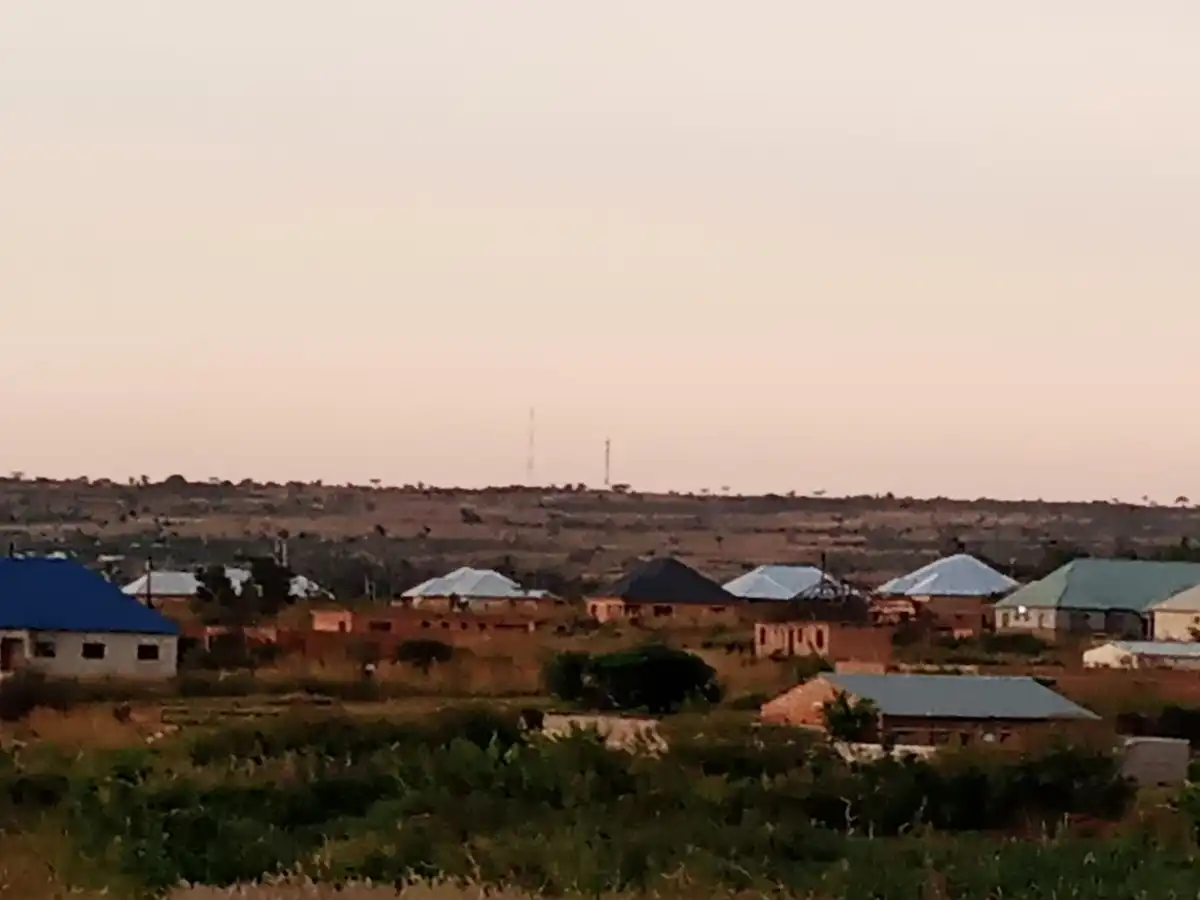
Mbala is compact, so you can cover every area below on foot or with a short ride, and each one works differently. Here is how to handle them.
  • Town Center and Market Area: The main street and the central market are where trade happens because farmers from the surrounding Mambwe highlands bring produce here. Go early, before the midday lull, and buy tomatoes, groundnuts, dried fish and fried dough snacks from the stalls. Everything is within a 10 to 15 minute walk, and shops close early on Sundays, so stock up on Saturday.
  • Mbala Museum (Moto Moto): This old colonial-era district sits on the edge of town, and the Moto Moto Museum there holds one of the best collections of Bemba and Mambwe culture in Zambia. Walk or hop on a short taxi ride, then give it a solid hour. Bring small bills for the entry
… read more 👉
Mbala is compact, so you can cover every area below on foot or with a short ride, and each one works differently. Here is how to handle them.
  • Town Center and Market Area: The main street and the central market are where trade happens because farmers from the surrounding Mambwe highlands bring produce here. Go early, before the midday lull, and buy tomatoes, groundnuts, dried fish and fried dough snacks from the stalls. Everything is within a 10 to 15 minute walk, and shops close early on Sundays, so stock up on Saturday.
  • Mbala Museum (Moto Moto): This old colonial-era district sits on the edge of town, and the Moto Moto Museum there holds one of the best collections of Bemba and Mambwe culture in Zambia. Walk or hop on a short taxi ride, then give it a solid hour. Bring small bills for the entry fee.
  • Bus Station Zone: Noisy and chaotic because every minibus and long-distance coach leaves from one spot. Arrive early, ask the touts nothing, and just look for the vehicle with your destination painted on the windshield. Food stalls here sell grilled chicken and nshima cheaply.
  • Lake Chila and the Outskirts: The small lake lies a short walk or ride from the center, and the surrounding hills pull you out for easy loops past farms and eucalyptus groves. Nightlife in Mbala is limited to a few local bars near the center, so most evenings end quietly. Take a torch, because street lighting fades fast beyond the main road.

⌛️ 1 dayHow to make the most of one day

8:00 AM, Mbala Main Market: Start with a breakfast of fried dough and sweet tea from a stall, then walk the aisles of dried fish, tomatoes and chitenge cloth. It is the fastest way to learn what the highlands eat and to chat with traders. Buy fruit for later, then walk to the museum.
10:00 AM, Moto Moto Museum: Spend nearly two hours with the Bemba regalia, musical instruments and the old photographs. The displays on initiation rites and ironwork make sense of what you will see in nearby villages. Take your time, since the rooms are small and detailed.
12:30 PM, Lunch in town: Pick a simple local restaurant for nshima with chicken or fish and a plate of greens. Expect a modest bill and a leisurely pace. Use the pause to rest in the shade before the afternoon walk.
2:00 PM, Old Abercorn center: … read more 👉
8:00 AM, Mbala Main Market: Start with a breakfast of fried dough and sweet tea from a stall, then walk the aisles of dried fish, tomatoes and chitenge cloth. It is the fastest way to learn what the highlands eat and to chat with traders. Buy fruit for later, then walk to the museum.
10:00 AM, Moto Moto Museum: Spend nearly two hours with the Bemba regalia, musical instruments and the old photographs. The displays on initiation rites and ironwork make sense of what you will see in nearby villages. Take your time, since the rooms are small and detailed.
12:30 PM, Lunch in town: Pick a simple local restaurant for nshima with chicken or fish and a plate of greens. Expect a modest bill and a leisurely pace. Use the pause to rest in the shade before the afternoon walk.
2:00 PM, Old Abercorn center: Wander the older streets where colonial offices, mission buildings and big shade trees mark the era when this was Abercorn and the German surrender was signed. Few visitors do this, and it costs nothing. Look for the tin-roofed verandas and ask a local to point out the historic spots.
4:00 PM, Lake Chila: Walk or take a short ride to the lake as the afternoon cools. Follow the shoreline path, watch fishermen paddle in and listen for birds in the reeds. It is quiet enough to read or write postcards.
6:00 PM, Sundowner and supper: Return to town for a cold drink at a local bar or guesthouse terrace, then a simple supper. Turn in early, since onward minibuses leave at dawn.

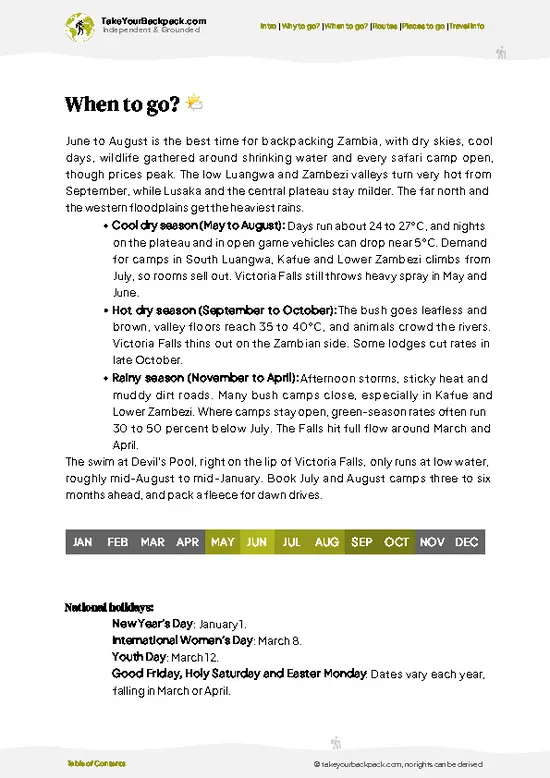
🌤️ When to go?Best time to visit Mbala

  • Cool Dry Season (May to August): Mbala sits at about 1,700 meters, so days run 20 to 25°C (68 to 77°F) and nights drop to 8 to 12°C (46 to 54°F), occasionally colder. Skies are dry, hiking is comfortable, and daylight lasts about 11 hours.
  • Hot Dry Season (September to October): Temperatures climb to 27 to 32°C (81 to 90°F) with dusty air and bush fires on the hills. Crowds stay thin.
  • Rainy Season (November to April): Afternoon downpours are heavy, with highs of 22 to 27°C (72 to 81°F). Dirt roads to Lake Tanganyika and Kalambo Falls turn slick, but the falls flow at full strength and the countryside turns green. Daylight stretches to about 12.5 hours.
  • Prices and Crowds: Mbala sees few tourists in any month, so prices barely shift. Local transport costs can rise slightly during the rainy season
… read more 👉
  • Cool Dry Season (May to August): Mbala sits at about 1,700 meters, so days run 20 to 25°C (68 to 77°F) and nights drop to 8 to 12°C (46 to 54°F), occasionally colder. Skies are dry, hiking is comfortable, and daylight lasts about 11 hours.
  • Hot Dry Season (September to October): Temperatures climb to 27 to 32°C (81 to 90°F) with dusty air and bush fires on the hills. Crowds stay thin.
  • Rainy Season (November to April): Afternoon downpours are heavy, with highs of 22 to 27°C (72 to 81°F). Dirt roads to Lake Tanganyika and Kalambo Falls turn slick, but the falls flow at full strength and the countryside turns green. Daylight stretches to about 12.5 hours.
  • Prices and Crowds: Mbala sees few tourists in any month, so prices barely shift. Local transport costs can rise slightly during the rainy season on poor roads.
Time your visit for May or June, when the falls still run strong and the roads have dried.


source: climatestotravel.comJANJanuary: fair for travelingFEBFebruary: fair for travelingMARMarch: fair for travelingAPRApril: fair for travelingMAYMay: highly recommended for travelingJUNJune: excellent for travelingJULJuly: excellent for travelingAUGAugust: excellent for travelingSEPSeptember: highly recommended for travelingOCTOctober: highly recommended for travelingNOVNovember: fair for travelingDECDecember: fair for traveling
zambia-city-mbala
© Google |

✈️ The backpacker research shortcutZambia Travel Guide

An offline-friendly backpacking guide with optimized travel routes, ranked highlights, transport advice, and the best areas to stay.
example page 0 from our offline Travel Guide for Zambia
example page 1 from our offline Travel Guide for Zambia
example page 2 from our offline Travel Guide for Zambia
example page 3 from our offline Travel Guide for Zambia
example page 4 from our offline Travel Guide for Zambia
example page 5 from our offline Travel Guide for Zambia
example page 6 from our offline Travel Guide for Zambia
example page 7 from our offline Travel Guide for Zambia
The digital guide (351 pages) contains:
✅ 89 highlights, ranked by travel appeal
✅ Optimized 5, 10 & 15-day travel routes
✅ Cities, national parks, landmarks, beaches
✅ How to get around
✅ Offline-friendly for travel without Wi-Fi
👉 Click to see all 30+ guide features

📅 Plan smarter in minutes, not weeks
✅ Month by month travel advice
✅ Festivals & national holidays
✅ Budget expectations

🗺️ Go to the right places, skip the overrated ones
✅ Honest pros & cons of destinations
✅ Top hikes, parks & viewpoints
✅ Lesser-known places most travelers miss
✅ Clear “worth it vs skip it” guidance

🛏️ Travel smoothly without rookie mistakes
✅ Best areas to stay
✅ Transport systems explained simply
✅ Common scams & safety advice
✅ SIM cards, money & practical tips

🌍 Understand the country, not just visit it
✅ Culture & traditions
✅ 52 Essential phrases & customs
✅ Festivals worth planning around
✅ Traveler-friendly historical context
✅ Insights that make places more meaningful

📱 Built for real travel conditions
✅ Fully downloadable PDF
✅ Works completely offline
✅ Optimized for phone use
✅ Useful in remote areas & buses
✅ Everything in one place
Stop searching, start planning
Get instant access to your full guide. 30‑day money-back guarantee.
+ Add another guide for just

By proceeding you agree to our terms.
Sent to your inbox immediately after payment • 100% Secure Checkout
Best Backpacking Travel Advisor 2025 tourism awardBest Backpacking
Travel Advisor
2025
What others say about Take Your Backpack Guides:
⭐⭐⭐⭐⭐
Fantastic, amazing amount of information!
⭐⭐⭐⭐⭐
My goodness this is amazing, it's what I've been looking for hats off too you!
⭐⭐⭐⭐⭐
I think this is absolutely BRILLIANT
⭐⭐⭐⭐
Very complete and informative. It's still missing places, but I gotta to commend you
⭐⭐⭐⭐⭐
This is truly amazing, thank you, can't wait to explore it with my kids!
⭐⭐⭐⭐⭐
Awesome resource, thank you!
⭐⭐⭐⭐⭐
This is amazing! Can't wait to explore the ones I haven't seen
⭐⭐⭐⭐
I love this! Well done, great idea.
⭐⭐⭐⭐⭐
Thanks for taking the time to make this gem!
⭐⭐⭐⭐⭐
This might be the best website I've ever seen.
⭐⭐⭐⭐⭐
Congratulations, and thank you so much for your work; it's incredibly valuable.
⭐⭐⭐⭐
In all seriousness I think you did a great job pointing out the important spots
⭐⭐⭐⭐⭐
10/10 very good
⭐⭐⭐⭐⭐
As someone who's only just starting to visit regularly this is awesome, thank you.
⭐⭐⭐⭐
Thank you very much! I'm going to visit my dad, it's going to be very useful!
⭐⭐⭐⭐⭐
This is really cool! We'll be travelling for the first time and this definitely come in handy.
⭐⭐⭐⭐⭐
You are now our minister of culture, congratulations 👨‍💼
⭐⭐⭐⭐⭐
Just wanted to tell you that this is a pearl! Going to follow your recommendations.
⭐⭐⭐⭐⭐
This is so cool. I'll definitely be using the resource for my travels soon.
⭐⭐⭐⭐⭐
This is very impressive! Good work.
⭐⭐⭐⭐⭐
This is an amazing and informative site. Very well done!

🛏️ Where to stay?Where staying makes the most sense

The center of Mbala is the best area for a budget bed, because guesthouses and basic lodges cluster within walking distance of the market, shops and bus station. Dorm-style hostels are rare in town, so expect cheap private rooms with shared or simple en suite bathrooms instead, usually at US$10 to 25 a night. Staying here means you can walk to food stalls and morning buses without arranging a ride.
The center is also practical at night. Main streets have a bit of activity until early evening, and you won’t need transport to get back to your room. Noise can be a factor close to the bus station, … read more 👉
The center of Mbala is the best area for a budget bed, because guesthouses and basic lodges cluster within walking distance of the market, shops and bus station. Dorm-style hostels are rare in town, so expect cheap private rooms with shared or simple en suite bathrooms instead, usually at US$10 to 25 a night. Staying here means you can walk to food stalls and morning buses without arranging a ride.
The center is also practical at night. Main streets have a bit of activity until early evening, and you won’t need transport to get back to your room. Noise can be a factor close to the bus station, where engines start before dawn, so ask for a room at the back if you want to sleep in.
A second option is the quieter side of town toward the museum and Lake Chila. Rooms here are fewer, but the setting is calmer, with birdsong and little traffic. The downside is distance, since you will need a motorbike taxi or a 20 to 30 minute walk to reach the market and buses. Streets are unlit, so this suits you best if you travel with a torch and prefer peace to convenience.
Book ahead in the peak hiking months of June to August, as few places exist and rooms are limited.

🚌 Getting aroundHow to get around Mbala

Mbala’s center is small enough that you can walk end to end in about 15 minutes, and walking stops making sense once you head for the museum, Lake Chila or the Kasama road, which are better covered by a short ride. Traffic is light and public transport is informal, so expect to wait until vehicles fill before they leave. Long-distance buses run mostly in the morning, so plan to move early.
  • Walking: Free and the fastest way to cover the market, shops and bus station. Pavements are patchy and unlit after dark, so carry a headlamp for evening strolls.
  • Shared Taxis: Small cars run set routes around town for US$0.40 to 1. They leave when full, so a quiet afternoon means a longer wait. Agree the fare before you get in.
  • Motorbike Taxis: Fast and cheap at US$1 to 2 for most trips, and useful for reaching
… read more 👉
Mbala’s center is small enough that you can walk end to end in about 15 minutes, and walking stops making sense once you head for the museum, Lake Chila or the Kasama road, which are better covered by a short ride. Traffic is light and public transport is informal, so expect to wait until vehicles fill before they leave. Long-distance buses run mostly in the morning, so plan to move early.
  • Walking: Free and the fastest way to cover the market, shops and bus station. Pavements are patchy and unlit after dark, so carry a headlamp for evening strolls.
  • Shared Taxis: Small cars run set routes around town for US$0.40 to 1. They leave when full, so a quiet afternoon means a longer wait. Agree the fare before you get in.
  • Motorbike Taxis: Fast and cheap at US$1 to 2 for most trips, and useful for reaching the museum or lake. Settle the price first, and ask the rider to slow down on rough roads.
  • Minibuses and Buses: These connect Mbala with Mpulungu (about 40 minutes to 1 hour, US$2 to 4), Kasama (about 3 to 4 hours, US$8 to 12) and Lusaka by long-distance coach (around 16 to 18 hours, US$30 to 40). Vehicles depart between early morning and early afternoon, and the last ones leave by about 3 pm, because drivers avoid night roads. Buy tickets at the station and keep your bag near you.
  • Private Taxi Hire: A driver for a day trip to Kalambo Falls runs about US$40 to 70 depending on road conditions. Split it with other travelers, because the track to the falls is rough and shared minibuses rarely go all the way.

👛 Costs (as of 22 October 2026)Typical daily expenses

Mbala costs roughly US$10 to 25 a day for a backpacker, with a total daily budget of US$62 at the high end. The table below breaks down what you will actually pay, in US dollars.
CategoryBudget RangeLocal Reality
Dorm accommodationUS$10 to 25 (high season)Dorms are rare, so you pay for a basic private room in a guesthouse. Low season can drop to US$8 to 15.
MealsUS$8 to 15Nshima with relish or grilled chicken at local eateries costs US$2 to 4, and fish is a bit more.
Local transportUS$3 to 8Shared taxis and motorbikes cost US$0.40 to 2 a ride. Minibuses to Mpulungu run US$2 to 4.
Basic activities/entry feesUS$5 to 10The museum and Kalambo Falls charge small fees, and the falls trip needs a vehicle on top.
Miscellaneous expensesUS$5 to 10Data, water, snacks and the occasional beer at around US$1.
… read more 👉
Mbala costs roughly US$10 to 25 a day for a backpacker, with a total daily budget of US$62 at the high end. The table below breaks down what you will actually pay, in US dollars.
CategoryBudget RangeLocal Reality
Dorm accommodationUS$10 to 25 (high season)Dorms are rare, so you pay for a basic private room in a guesthouse. Low season can drop to US$8 to 15.
MealsUS$8 to 15Nshima with relish or grilled chicken at local eateries costs US$2 to 4, and fish is a bit more.
Local transportUS$3 to 8Shared taxis and motorbikes cost US$0.40 to 2 a ride. Minibuses to Mpulungu run US$2 to 4.
Basic activities/entry feesUS$5 to 10The museum and Kalambo Falls charge small fees, and the falls trip needs a vehicle on top.
Miscellaneous expensesUS$5 to 10Data, water, snacks and the occasional beer at around US$1.50 to 2.50.
Total Daily BudgetUS$62Lower if you cook or skip paid activities.
To save money, buy produce at the central market and share a hired vehicle to Kalambo Falls with other travelers, which cuts the biggest single cost by half or more.


source: zambiatourism.com
⚠️ Prices can change and everyone travels differently, so take this as a rough guide. Hope it helps you plan your adventure!

🚌 Day tripsWhere to go beyond the main area

Mbala works well as a base for day trips because roads fan out toward Lake Tanganyika and the Kalambo Falls, though public transport is thin, so plan early starts.
Kalambo Falls:
This is the star trip, a 221-meter waterfall on the Tanzania border, one of Africa’s tallest single-drop falls. Allow about 1.5 to 2 hours each way along a rough dirt road, plus a short walk to the viewpoint. Costs add up to about US$40 to 70 per vehicle for hire, plus a small entry fee of a few dollars. Go from May to July when the road is drier and water still flows strongly. First-timers often leave late and run out of daylight, so set off by 7 am.
👉 Explore Kalambo Falls
Mpulungu and Lake Tanganyika:
The port town on Africa’s deepest lake is about 40 minutes to 1 hour away by minibus for US$2 to 4. You can swim, … read more 👉
Mbala works well as a base for day trips because roads fan out toward Lake Tanganyika and the Kalambo Falls, though public transport is thin, so plan early starts.
Kalambo Falls:
This is the star trip, a 221-meter waterfall on the Tanzania border, one of Africa’s tallest single-drop falls. Allow about 1.5 to 2 hours each way along a rough dirt road, plus a short walk to the viewpoint. Costs add up to about US$40 to 70 per vehicle for hire, plus a small entry fee of a few dollars. Go from May to July when the road is drier and water still flows strongly. First-timers often leave late and run out of daylight, so set off by 7 am.
👉 Explore Kalambo Falls
Mpulungu and Lake Tanganyika:
The port town on Africa’s deepest lake is about 40 minutes to 1 hour away by minibus for US$2 to 4. You can swim, eat grilled fish from the lakeshore and watch fishing boats come in. Budget US$10 to 20 for the day including lunch. Aim for the dry season, and catch a return minibus before mid-afternoon since vehicles thin out later.
👉 Explore Mpulungu
Lake Chila and Surrounding Hills:
This is an easy half-day outing, close enough to walk or take a motorbike taxi for US$1 to 2. The lake sits among farmland and hills, and the walking is gentle with plenty of birdlife. Costs are negligible aside from snacks. Visit in the cool morning, and don’t assume good paths after rain, since tracks get muddy.

🛡️ SafetySafety Tips and Common Scams in Mbala

Mbala is a quiet, small town where the main risks are petty ones, such as opportunistic theft at the bus station and market. Keep your phone and wallet in front pockets, and watch your bag while buying tickets or loading luggage. Touts at the station can be pushy, but a polite no and walking straight to the vehicle you want ends most of it. Solo travelers, including women, generally find locals friendly and curious, though you should still avoid walking unlit streets after dark, since potholes and uneven pavement are a bigger danger than crime. Take a motorbike taxi or shared cab for late-evening trips, and agree the fare first. Wear a helmet if one is offered. Scams are uncommon, though prices can rise for visitors at the market, so ask what others pay and carry small bills. Malaria is present, … read more 👉
Mbala is a quiet, small town where the main risks are petty ones, such as opportunistic theft at the bus station and market. Keep your phone and wallet in front pockets, and watch your bag while buying tickets or loading luggage. Touts at the station can be pushy, but a polite no and walking straight to the vehicle you want ends most of it. Solo travelers, including women, generally find locals friendly and curious, though you should still avoid walking unlit streets after dark, since potholes and uneven pavement are a bigger danger than crime. Take a motorbike taxi or shared cab for late-evening trips, and agree the fare first. Wear a helmet if one is offered. Scams are uncommon, though prices can rise for visitors at the market, so ask what others pay and carry small bills. Malaria is present, so use repellent at dusk. On rural roads toward the falls, avoid travel after dark.

FAQFrequently asked questions about Mbala

Mbala is worth visiting if you want a quiet northern Zambia stop rather than a hurried stopover. Kalambo Falls, a 221-meter drop on the Tanzania border, sits about 1.5 to 2 hours away by rough road, and Lake Tanganyika at Mpulungu is under an hour by minibus. The Moto Moto Museum adds a solid cultural stop in town.
Mbala suits two to three days. One day covers the museum, market and Lake Chila, and another covers Kalambo Falls with an early start and a hired vehicle at around US$40 to 70. A third day adds Mpulungu and a swim in Lake Tanganyika, with minibuses costing US$2 to 4.
Mbala is not practical as a day trip from a major city, since Kasama is about 3 to 4 hours away by bus and Lusaka is around 16 to 18 hours. A day trip from Kasama would leave almost no time in town. Better to stay one or two nights, or visit as a day trip from Mpulungu, which is 40 minutes to 1 hour by minibus.
⚠️ Things can change over time, so always validate details locally before you go.

Other Zambian towns near Mbala

Explore more nearby:

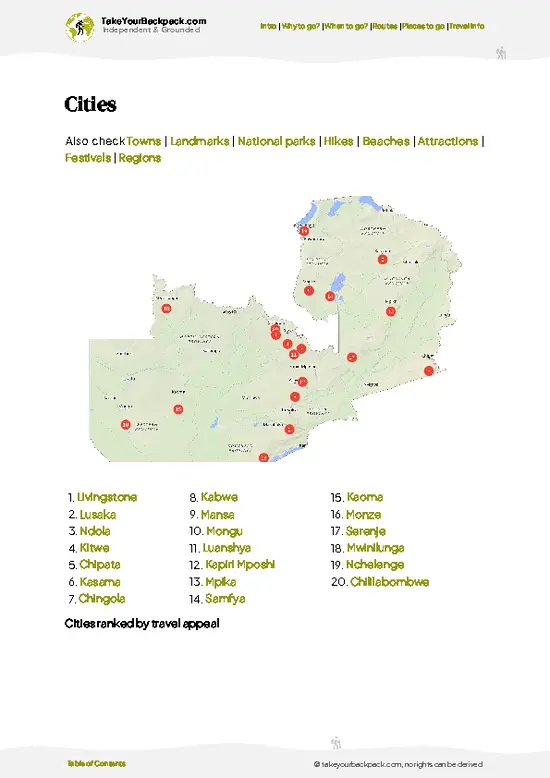
  • Mpulungu—Lake port, cichlid snorkeling, kapenta racks, Tanganyika sunsets| 29 km away
  • Isoka—Namwanga museum, Mafinga viewpoints, border-road market, Sunday choirs| 201 km away
  • Chinsali—Kaunda roots, Lubwa Mission, Great North Road, Kasomo Hill| 203 km away

💡 Not sure where to go next?
Create a personalized itinerary for Zambia including Mbala and the places that fit your trip.

Generate my itinerary

👉 Discover all towns

Or checkout all Zambia has to offer (think cities, towns, villages, national parks, hikes, beaches, festivals)
Country photo of Zambia

We 💚 feedbackFinal thoughts on visiting Mbala

The classic mistake in Mbala is rolling in at midday expecting a connection to Kalambo Falls or the lakeshore, then finding the last vehicles gone. Get here in the morning, sleep one night, and set off early the next day. I would also carry plenty of small bills, because change is scarce, and keep an afternoon free for the museum.

✍️ Help improve this page!
The information on this page is based on in-depth research, insights shared by experienced travelers, and feedback from the local travel community in Zambia. While every effort is made to keep the information accurate and current, conditions can change — so if you spot anything incorrect or outdated, please get in touch.


🙋‍♂️ Give feedback

👋 Meet the founderWho’s Behind Take Your Backpack?

Johan, backpacker and founder of TakeYourBackpackHi, I’m Johan (Netherlands 🇳🇱), the creator of TakeYourBackpack. Over the past 3 decades, I’ve backpacked through 90+ countries across six continents, gaining extensive experience with independent travel, long-term trips, and overland routes.

This site is built on a combination of firsthand travel experience and carefully curated insights from other backpackers. Many guides are based on places I’ve personally visited, while others bring together tips, observations, and practical advice shared by trusted travelers I’ve met along the way.

The goal is to provide realistic, experience-driven guidance — not generic itineraries — so you can explore destinations with better context, clearer expectations, and more confidence.