×

Zambia🇿🇲 | townsIsokaNamwanga museum, Mafinga viewpoints, border-road market, Sunday choirs | things to do and best time to go

Explore KalaboExplore Choma

Backpacking in Isoka
👀 For curious travelerstown ranked #17
By Johan Kruseman 🇳🇱 | Updated October 22, 2026

Isoka puts you on the Great North Road with a Malawi border crossing close by and the Nyika Plateau in easy reach. It sits in the north of Zambia, in Muchinga Province, a small district town with one main street, a busy produce market and dusty minibus stands. It is quiet, with few hostels and almost no backpacker scene, so you meet locals rather than travelers. Use it as a stopover, not a destination. Spend a first day wandering the market for fresh tomatoes and roasted groundnuts, then walking out to Isoka District Museum.

Discover everything you want to know in the 📖 Zambia Travel Guide.


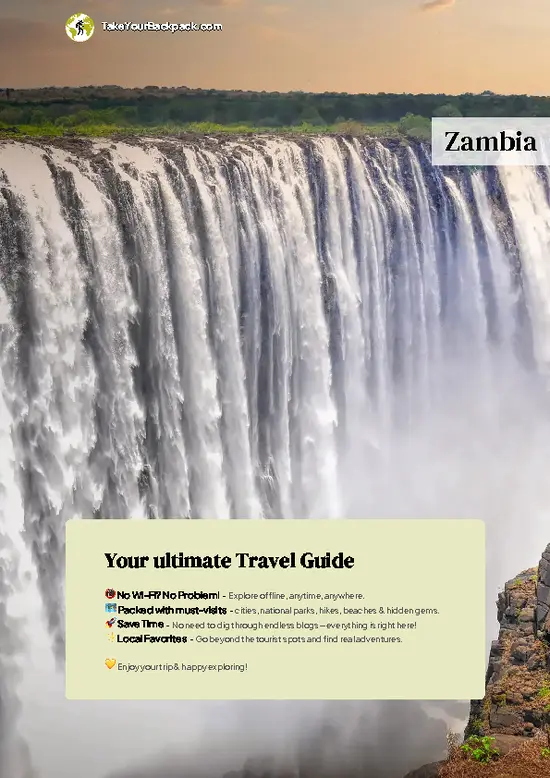
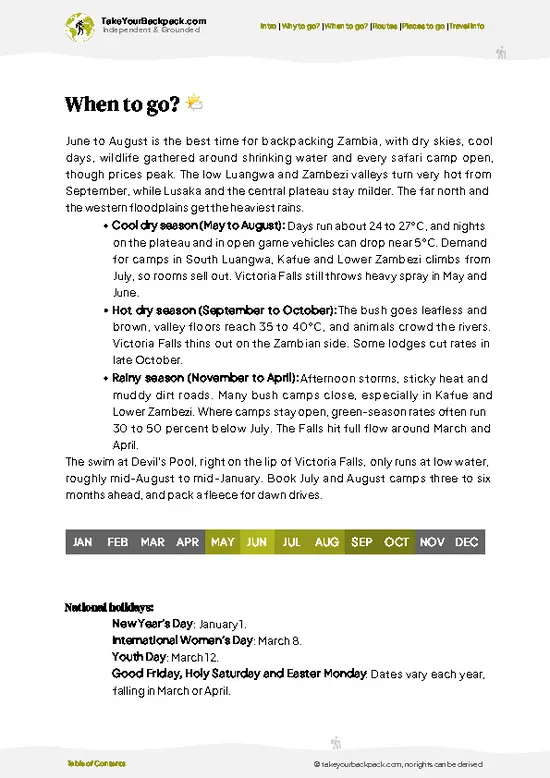
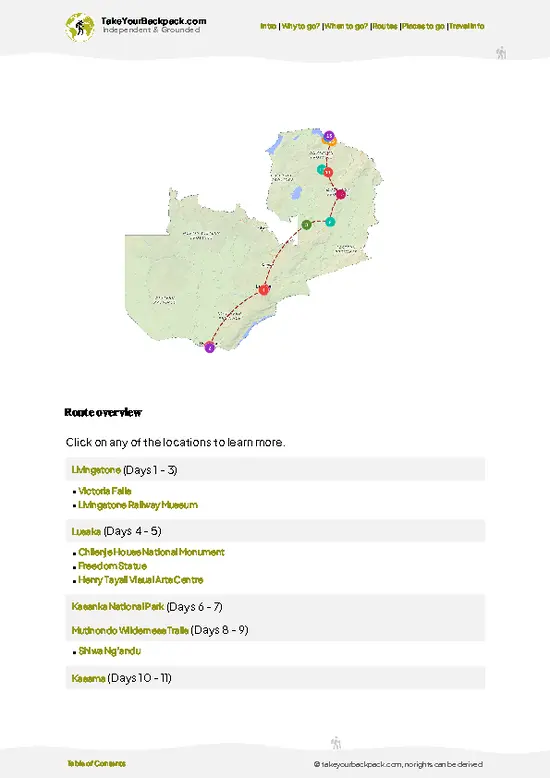
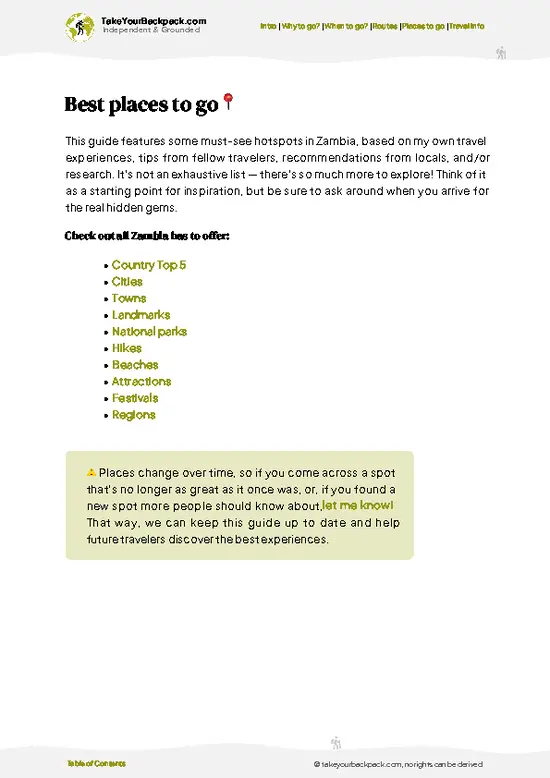
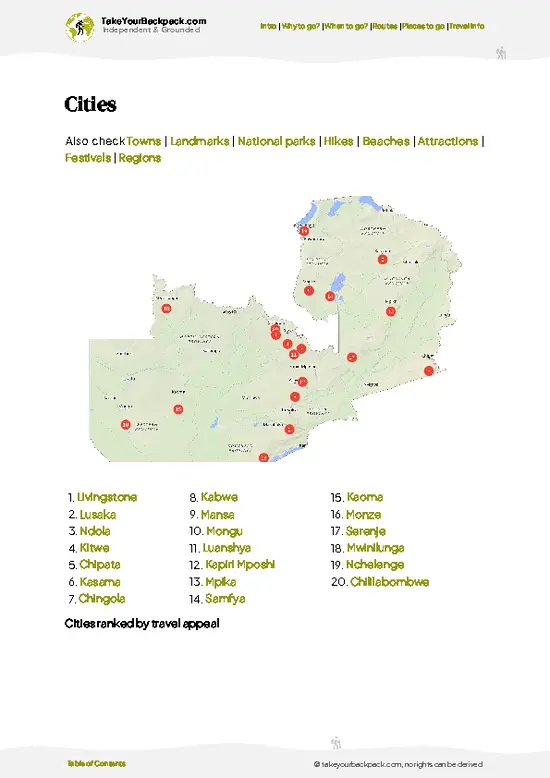
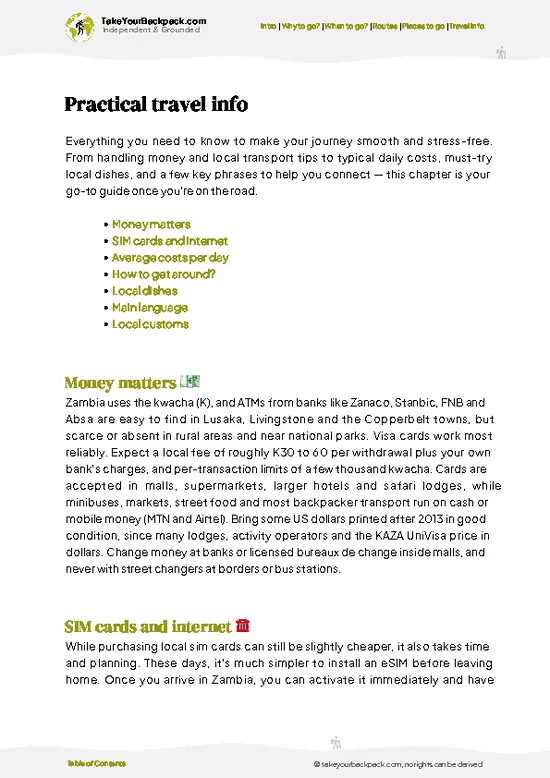
example page 0 from our offline Travel Guide for Zambia
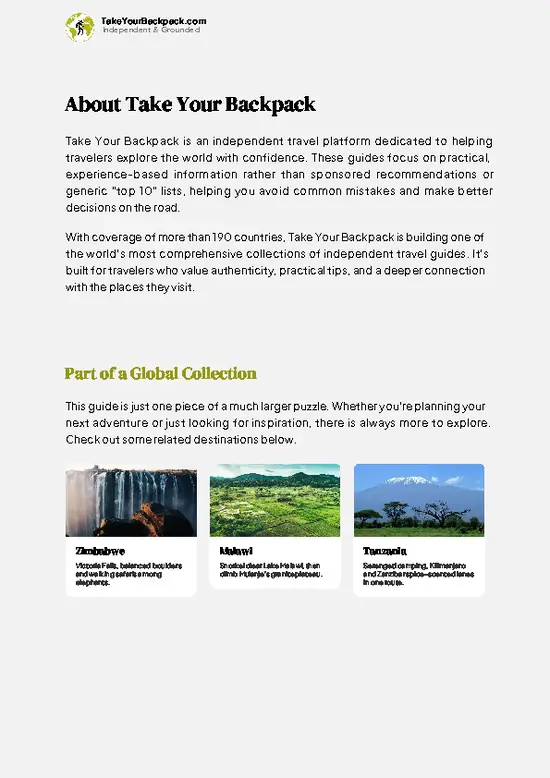
example page 1 from our offline Travel Guide for Zambia
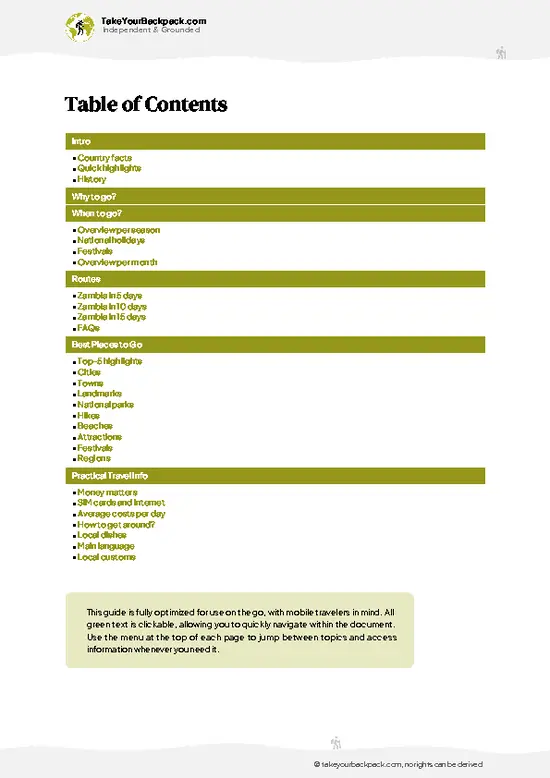
example page 2 from our offline Travel Guide for Zambia
example page 3 from our offline Travel Guide for Zambia
example page 4 from our offline Travel Guide for Zambia
example page 5 from our offline Travel Guide for Zambia
example page 6 from our offline Travel Guide for Zambia
example page 7 from our offline Travel Guide for Zambia
Loading the map 🌍
CLICK TO FILTER
cities
towns
landmarks
national parks
hikes
beaches
attractions
festivals
regions
SHOW COUNTRY’S BESTSHOW ALL

✨ Why go?
Ranked #17 town in Zambia
What makes this town worth visiting

Isoka works for slow travelers heading between Zambia and Malawi who want a night among people who rarely see tourists. The town sits in the Mafinga foothills, so you can arrange a drive toward the edge of the Nyika Plateau, where grassland, roan antelope and cool air feel far from the lowland heat. Choose the Isoka District Museum for local Namwanga history and the central market for cheap nshima and relish. Guesthouses are basic and small. Independent, self-sufficient travelers will enjoy it. Anyone wanting nightlife or tours should skip it.

💡 HighlightsEssential experiences to have while visiting Isoka

  1. Isoka District Museum: Exhibits on Namwanga history, chiefs and colonial-era life, and the best place to understand the district. Go in the morning when it is quietest. Entry is about US$2 to 4 and a visit takes 45 minutes to an hour.
  2. Isoka Central Market: The town’s daily trading hub, loud with bargaining over dried fish, cassava, beans and secondhand clothes. Arrive before 10 am for the freshest produce. Browsing is free and 1 hour is plenty.
  3. Great North Road Strip: A walk along the main road shows the roadside barbers, mobile phone stalls and grilled maize sellers that make up local life. Late afternoon is cooler and busier. It costs nothing and takes 30 to 60 minutes.
  4. Mafinga Hills viewpoints: The ranges on the horizon give good views from the high ground close to town, best in clear morning
… read more 👉
  1. Isoka District Museum: Exhibits on Namwanga history, chiefs and colonial-era life, and the best place to understand the district. Go in the morning when it is quietest. Entry is about US$2 to 4 and a visit takes 45 minutes to an hour.
  2. Isoka Central Market: The town’s daily trading hub, loud with bargaining over dried fish, cassava, beans and secondhand clothes. Arrive before 10 am for the freshest produce. Browsing is free and 1 hour is plenty.
  3. Great North Road Strip: A walk along the main road shows the roadside barbers, mobile phone stalls and grilled maize sellers that make up local life. Late afternoon is cooler and busier. It costs nothing and takes 30 to 60 minutes.
  4. Mafinga Hills viewpoints: The ranges on the horizon give good views from the high ground close to town, best in clear morning light. You need a local guide or your own transport. Allow 2 to 3 hours, with costs mostly for a driver.
  5. Local church services: Sunday services draw whole neighborhoods, with choirs singing in Bemba and Namwanga. Visitors are welcomed politely if dressed modestly. Mornings suit best, and a service runs 2 to 3 hours with no fee, though a small offering is customary.
For Isoka, the Great North Road stroll and the market cost nothing. Day trips go to Nyika National Park on the Malawi side, Mafinga Hills and the Kapatu area waterfalls.
Spotted a mistake or missing something? Contact us.

🏘️ NeighborhoodsNeighborhood guide to Isoka

Isoka is a small Northern Province district town, so you cover the whole place on foot in an afternoon. Pick your zones and go.
  • Main Street and Market Area: Dusty, busy and loud with minibus horns. Stalls sell tomatoes, dried kapenta, fried dough and phone credit, and you can fill a plate of nshima with beans or chicken for a few dollars. You leave fed, stocked and oriented.
  • Government and Boma Area: Wide, quiet roads with offices, the post office and banks with ATMs. Walk it early, when the air is cool and the town hums awake. You come away with cash and a clear sense of the town’s layout.
  • Compounds and Outskirts: Footpaths wind between brick houses, maize plots and mango trees. Kids shout greetings and you answer. You get a real look at everyday Isoka life, and the hills of the Muchinga escarpment fill the horizon.

⌛️ 1 daySeeing the highlights in 24 hours

8:00 AM, Isoka Central Market: Start with a breakfast of fried dough and tea from a stall, then wander the aisles of cassava, beans and dried fish. Locals chat easily, and you leave with fruit for the day.
10:00 AM, Isoka District Museum: Walk ten minutes to the museum for Namwanga history, tools and chiefly regalia. It explains why this town matters to the north.
12:30 PM, Great North Road lunch: Pick a roadside restaurant for nshima with chicken or beans. Prices are low and portions big.
2:30 PM, Local village lanes: Away from the main street, take a short walk through the back neighborhoods, where brick houses, maize plots and children’s games show everyday life most visitors never see. Greet people and ask before taking photos.
4:30 PM, Mafinga foothill viewpoint: Hire a driver or motorbike … read more 👉
8:00 AM, Isoka Central Market: Start with a breakfast of fried dough and tea from a stall, then wander the aisles of cassava, beans and dried fish. Locals chat easily, and you leave with fruit for the day.
10:00 AM, Isoka District Museum: Walk ten minutes to the museum for Namwanga history, tools and chiefly regalia. It explains why this town matters to the north.
12:30 PM, Great North Road lunch: Pick a roadside restaurant for nshima with chicken or beans. Prices are low and portions big.
2:30 PM, Local village lanes: Away from the main street, take a short walk through the back neighborhoods, where brick houses, maize plots and children’s games show everyday life most visitors never see. Greet people and ask before taking photos.
4:30 PM, Mafinga foothill viewpoint: Hire a driver or motorbike taxi for a drive to higher ground and watch the light settle over the hills before heading back for the evening.

🌤️ When to go?Best time to visit Isoka

May to August is the sweet spot for Isoka, with dry days around 22 to 26°C (72 to 79°F) and cool nights that can fall to 8 to 12°C (46 to 54°F).
  • Cool Dry Season (May to August): Roads are firm, hiking is comfortable and prices stay steady.
  • Hot Dry Season (September to November): Highs reach 30 to 33°C (86 to 91°F), with dusty haze and the shortest water supplies.
  • Rains (December to April): Heavy downpours turn dirt roads to mud, though the hills turn green and fares can rise when roads are hard to pass.
Daylight stays close to 11 to 13 hours all year, so plan travel to finish by mid-afternoon.

source: climatestotravel.comJANJanuary: fair for travelingFEBFebruary: fair for travelingMARMarch: fair for travelingAPRApril: good for travelingMAYMay: excellent for travelingJUNJune: excellent for travelingJULJuly: highly recommended for travelingAUGAugust: highly recommended for travelingSEPSeptember: highly recommended for travelingOCTOctober: good for travelingNOVNovember: fair for travelingDECDecember: fair for traveling
when-to-go

✈️ The backpacker research shortcutZambia Travel Guide

An offline-friendly backpacking guide with optimized travel routes, ranked highlights, transport advice, and the best areas to stay.
example page 0 from our offline Travel Guide for Zambia
example page 1 from our offline Travel Guide for Zambia
example page 2 from our offline Travel Guide for Zambia
example page 3 from our offline Travel Guide for Zambia
example page 4 from our offline Travel Guide for Zambia
example page 5 from our offline Travel Guide for Zambia
example page 6 from our offline Travel Guide for Zambia
example page 7 from our offline Travel Guide for Zambia
The digital guide (351 pages) contains:
✅ 89 highlights, ranked by travel appeal
✅ Optimized 5, 10 & 15-day travel routes
✅ Cities, national parks, landmarks, beaches
✅ How to get around
✅ Offline-friendly for travel without Wi-Fi
👉 Click to see all 30+ guide features

📅 Plan smarter in minutes, not weeks
✅ Month by month travel advice
✅ Festivals & national holidays
✅ Budget expectations

🗺️ Go to the right places, skip the overrated ones
✅ Honest pros & cons of destinations
✅ Top hikes, parks & viewpoints
✅ Lesser-known places most travelers miss
✅ Clear “worth it vs skip it” guidance

🛏️ Travel smoothly without rookie mistakes
✅ Best areas to stay
✅ Transport systems explained simply
✅ Common scams & safety advice
✅ SIM cards, money & practical tips

🌍 Understand the country, not just visit it
✅ Culture & traditions
✅ 52 Essential phrases & customs
✅ Festivals worth planning around
✅ Traveler-friendly historical context
✅ Insights that make places more meaningful

📱 Built for real travel conditions
✅ Fully downloadable PDF
✅ Works completely offline
✅ Optimized for phone use
✅ Useful in remote areas & buses
✅ Everything in one place
Stop searching, start planning
Get instant access to your full guide. 30‑day money-back guarantee.
+ Add another guide for just

By proceeding you agree to our terms.
Sent to your inbox immediately after payment • 100% Secure Checkout
Best Backpacking Travel Advisor 2025 tourism awardBest Backpacking
Travel Advisor
2025
What others say about Take Your Backpack Guides:
⭐⭐⭐⭐⭐
Fantastic, amazing amount of information!
⭐⭐⭐⭐⭐
My goodness this is amazing, it's what I've been looking for hats off too you!
⭐⭐⭐⭐⭐
I think this is absolutely BRILLIANT
⭐⭐⭐⭐
Very complete and informative. It's still missing places, but I gotta to commend you
⭐⭐⭐⭐⭐
This is truly amazing, thank you, can't wait to explore it with my kids!
⭐⭐⭐⭐⭐
Awesome resource, thank you!
⭐⭐⭐⭐⭐
This is amazing! Can't wait to explore the ones I haven't seen
⭐⭐⭐⭐
I love this! Well done, great idea.
⭐⭐⭐⭐⭐
Thanks for taking the time to make this gem!
⭐⭐⭐⭐⭐
This might be the best website I've ever seen.
⭐⭐⭐⭐⭐
Congratulations, and thank you so much for your work; it's incredibly valuable.
⭐⭐⭐⭐
In all seriousness I think you did a great job pointing out the important spots
⭐⭐⭐⭐⭐
10/10 very good
⭐⭐⭐⭐⭐
As someone who's only just starting to visit regularly this is awesome, thank you.
⭐⭐⭐⭐
Thank you very much! I'm going to visit my dad, it's going to be very useful!
⭐⭐⭐⭐⭐
This is really cool! We'll be travelling for the first time and this definitely come in handy.
⭐⭐⭐⭐⭐
You are now our minister of culture, congratulations 👨‍💼
⭐⭐⭐⭐⭐
Just wanted to tell you that this is a pearl! Going to follow your recommendations.
⭐⭐⭐⭐⭐
This is so cool. I'll definitely be using the resource for my travels soon.
⭐⭐⭐⭐⭐
This is very impressive! Good work.
⭐⭐⭐⭐⭐
This is an amazing and informative site. Very well done!

🛏️ Where to stay?Choosing the right base

Stay near the main street and market in Isoka, where the few budget guesthouses and basic lodges cluster. Dorm-style hostels do not exist here, so expect cheap private rooms, often US$10 to 25 a night, with shared or simple en-suite bathrooms. Book ahead if you arrive late or during a work conference, since beds are limited. This area has the best bus and minibus access, so you can leave early without a long walk. Evenings can get noisy near bars and trucks, so ask for a room at the back. The quieter government area on the edge of center is a calmer second choice, though food options thin out after dark.

🚌 Getting aroundHow to get from A to B

Your own feet are the easiest way to move around Isoka, because the center sits within a 20 minute stroll end to end. Traffic is light, the pace is slow, and the minibuses and trucks on the Great North Road are the only real rush. Public transport is informal, so expect to wait until vehicles fill.
  • Walking: Free and quick. You pass market stalls, church choirs on Sundays and fields at the edge of town, and you stop whenever something smells good.
  • Motorbike taxis and local taxis: Short hops cost about US$0.50 to 2. You bounce along dirt side streets and reach outlying villages quickly, but agree the price first.
  • Minibuses and shared taxis: Fares to nearby towns run US$2 to 8 depending on distance. They leave when full, usually between early morning and mid-afternoon, and you squeeze in beside
… read more 👉
Your own feet are the easiest way to move around Isoka, because the center sits within a 20 minute stroll end to end. Traffic is light, the pace is slow, and the minibuses and trucks on the Great North Road are the only real rush. Public transport is informal, so expect to wait until vehicles fill.
  • Walking: Free and quick. You pass market stalls, church choirs on Sundays and fields at the edge of town, and you stop whenever something smells good.
  • Motorbike taxis and local taxis: Short hops cost about US$0.50 to 2. You bounce along dirt side streets and reach outlying villages quickly, but agree the price first.
  • Minibuses and shared taxis: Fares to nearby towns run US$2 to 8 depending on distance. They leave when full, usually between early morning and mid-afternoon, and you squeeze in beside sacks of maize and good conversation.
  • Long-distance buses: Coaches along the Great North Road link Isoka with Mpika, Kasama and Lusaka, with fares about US$10 to 40. Services depart mostly in the morning, and the window seat gives you miles of escarpment and farmland.

👛 Costs (as of 22 October 2026)Money, prices, and spending tips

Isoka costs roughly US$10 to 20 per day for a backpacker, with a total daily budget near US$38 in high season. Prices are low, but you will pay in cash and ATMs can be unreliable, so withdraw ahead.
CategoryBudget RangeLocal Reality
Dorm accommodationUS$10 to 20No true dorms. A basic private guesthouse room is the norm.
MealsUS$8 to 14Nshima with relish at local eateries, plus market snacks.
Local transportUS$2 to 5Walking, plus occasional motorbike taxi rides.
Basic activities/entry feesUS$0 to 5Mostly free walks and village visits.
Miscellaneous expensesUS$2 to 4Water, phone data and toiletries.
Total Daily BudgetUS$38Based on a high season stay.
Buy fruit and vegetables at the market and cook or eat from stalls to keep food costs low.

source: zambiatourism.com
⚠️ Prices can change and everyone travels differently, so take this as a rough guide. Hope it helps you plan your adventure!

🚌 Day tripsBest day trips from Isoka

Isoka works well as a base for rural day trips, though public transport is thin, so plan on a full day and an early start.
Nyika Plateau Foothills:
The highland edge east of Isoka offers cool air, rolling grassland and big views over the Malawi border region. Count on 2 to 4 hours each way by shared transport or hired vehicle, and budget US$20 to 60 including the hire. Go May to October, when tracks are dry. First-timers often leave too late and get stranded.

Mpika:
This market town down the Great North Road is a straightforward bus run of about 2 to 3 hours each way, with fares around US$8 to 15. Come for a larger market, better supplies and a taste of the road south. Check the last return bus before you settle in for lunch.
👉 Explore Mpika
Nakonde:
The Tanzania border town lies north along … read more 👉
Isoka works well as a base for rural day trips, though public transport is thin, so plan on a full day and an early start.
Nyika Plateau Foothills:
The highland edge east of Isoka offers cool air, rolling grassland and big views over the Malawi border region. Count on 2 to 4 hours each way by shared transport or hired vehicle, and budget US$20 to 60 including the hire. Go May to October, when tracks are dry. First-timers often leave too late and get stranded.

Mpika:
This market town down the Great North Road is a straightforward bus run of about 2 to 3 hours each way, with fares around US$8 to 15. Come for a larger market, better supplies and a taste of the road south. Check the last return bus before you settle in for lunch.
👉 Explore Mpika
Nakonde:
The Tanzania border town lies north along the highway, roughly 1 to 2 hours away for US$4 to 10 round trip. Trucks queue for miles and the market is loud with traders and currency changers. Carry your passport and avoid changing money with strangers.

🛡️ SafetyTraveler Safety Guide

Isoka is calm and low-key, and most problems are small ones. Petty theft is rare but possible around the market, so keep your phone in a front pocket and carry only the cash you need for the day. Walking at night is usually fine on the main street, though lighting is poor away from it, so carry a headlamp and avoid unlit paths alone. Solo travelers meet mostly curiosity and friendliness. Motorbike taxis rarely come with helmets, so ask for a slower ride. Agree prices before any ride or errand, and be wary of strangers offering to change money at the border.

FAQTraveler FAQ

Isoka is worth a short stop if you like quiet Northern Province towns and rural life, though it is not a headline destination. You get a lively local market, easy walks and a base for the Nyika foothills, and the Great North Road makes it a natural break between Mpika and the Tanzania border at Nakonde. Most travelers use it for a night or two.
One to two days covers Isoka itself, with a market morning and an afternoon walk around the outskirts. Add a third day if you want a day trip toward the Nyika foothills or Nakonde, which take 1 to 4 hours each way. Plan around the cool dry months from May to August for the easiest travel.
Isoka can be done as a long day trip from Mpika, about 2 to 3 hours away by bus, but the return timetable is tight and buses run mainly in the morning. It makes more sense to sleep in Isoka, where basic rooms cost around US$10 to 25. From Kasama it is a longer ride, so a night stay is better.
⚠️ Things can change over time, so always validate details locally before you go.

Other Zambian towns near Isoka

Explore more nearby:

  • Chinsali—Kaunda roots, Lubwa Mission, Great North Road, Kasomo Hill| 75 km away
  • Mbala—Moto Moto Museum, Lake Chila, Abercorn surrender, Tanganyika gateway| 201 km away
  • Mpulungu—Lake port, cichlid snorkeling, kapenta racks, Tanganyika sunsets| 227 km away

💡 Not sure where to go next?
Create a personalized itinerary for Zambia including Isoka and the places that fit your trip.

Generate my itinerary

👉 Discover all towns

Or checkout all Zambia has to offer (think cities, towns, villages, national parks, hikes, beaches, festivals)
Country photo of Zambia

We 💚 feedbackFinal thoughts on visiting Isoka

Come in the cool, dry months, and plan to be at the market by early morning, when the stalls are full and the air is crisp. Isoka suits a one-night stop, so carry cash and snacks, because evenings are very quiet.

✍️ Help improve this page!
The information on this page is based on in-depth research, insights shared by experienced travelers, and feedback from the local travel community in Zambia. While every effort is made to keep the information accurate and current, conditions can change — so if you spot anything incorrect or outdated, please get in touch.


🙋‍♂️ Give feedback

👋 Meet the founderWho’s Behind Take Your Backpack?

Johan, backpacker and founder of TakeYourBackpackHi, I’m Johan (Netherlands 🇳🇱), the creator of TakeYourBackpack. Over the past 3 decades, I’ve backpacked through 90+ countries across six continents, gaining extensive experience with independent travel, long-term trips, and overland routes.

This site is built on a combination of firsthand travel experience and carefully curated insights from other backpackers. Many guides are based on places I’ve personally visited, while others bring together tips, observations, and practical advice shared by trusted travelers I’ve met along the way.

The goal is to provide realistic, experience-driven guidance — not generic itineraries — so you can explore destinations with better context, clearer expectations, and more confidence.