×

Zambia🇿🇲 | townsShangomboremote border, sandy tracks, floodplain edge | things to do and best time to go

Explore SenangaExplore Itezhi-Tezhi

Backpacking in Shangombo
👀 For curious travelerstown ranked #19
By Johan Kruseman 🇳🇱 | Updated July 24, 2026

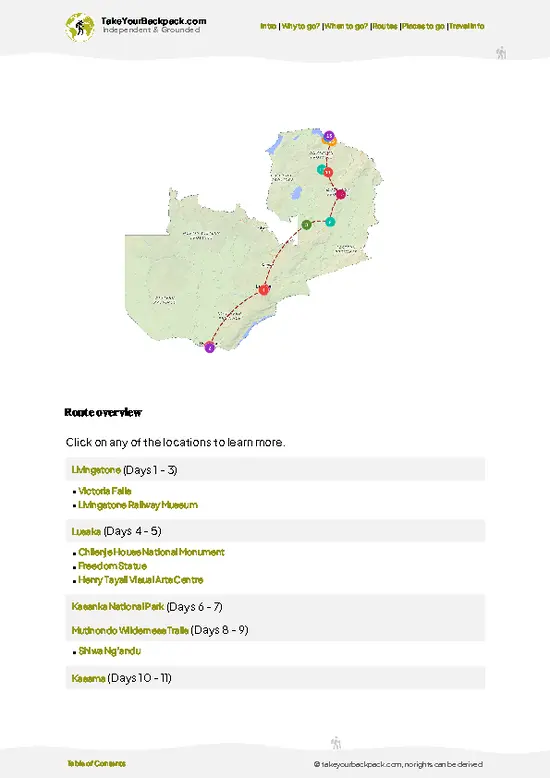
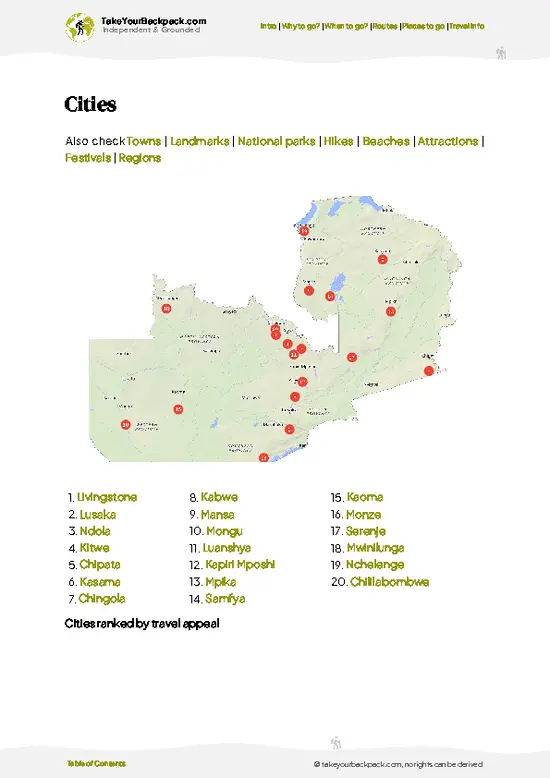
Everyone talks about Shangombo as the gateway to Sioma Ngwezi National Park, but the real test—and reward—of coming here is the journey itself: hours of dust, the scent of woodsmoke, and the slow realization that you’re far from Zambia’s tourist conveyor belt. Tucked in the far west, near the Angolan border, Shangombo is a town where time drifts and the river sets the pace. It’s not a destination for urban thrills or backpacker buzz—think more corrugated roofs, a handful of shops, and evenings that end early. You come here to launch into the wild, not to linger in town. Transport is slow, buses infrequent, and you’ll need patience (and likely a 4x4) to push deeper into the bush. Compared to the busier hubs like Mongu or Livingstone, Shangombo feels stripped-down and solitary—less practical, more raw, and all the more rewarding if you want to earn your wilderness.

Discover everything you want to know in the 📖 Zambia Travel Guide.


Get your Zambia guide
91 ranked highlights, routes & tips, works offline (357 pages)
Loading the map 🌍
CLICK TO FILTER
cities
towns
landmarks
national parks
hikes
beaches
attractions
festivals
SHOW COUNTRY’S BESTSHOW ALL

✨ Why go?
Ranked #19 town in Zambia
Why Shangombo should be on your travel list

Shangombo serves as a gateway for backpackers seeking authentic experiences in Zambia. Its walkable streets make it easy to explore local markets and savor traditional dishes at small eateries. The town is a launchpad for nearby hikes and cultural sites, drawing in slow travelers and solo adventurers who appreciate a friendly atmosphere. While some pass through quickly, many linger for a few days, soaking in the laid-back vibe and connecting with fellow travelers. The small-scale hostels and guesthouses foster a sense of community, making it an ideal stop for those looking to recharge before heading deeper into the wild.
Want to include Shangombo in your Zambia route?
Create a personalized Zambia itinerary that includes Shangombo and the places that fit your trip — based on your travel style, budget, and available time. Get your route in seconds.

Generate my trip

💡 HighlightsThe experiences that define the visit

  • Shangombo Market — The real heartbeat of town: a compact, chaotic cluster of stalls where fisherfolk sell fresh tilapia, women hawk vegetables and smoked fish, and you can buy basics and handmade baskets while eavesdropping on local gossip. Best visited in the morning when everything’s lively.
  • Zambezi riverbank & boat landing — A low, reed-lined waterfront where small wooden boats land; great for late-afternoon light, watching fishermen bring in their catch, and arranging short river rides into the nearby floodplain with a local skipper.
  • Shangombo Border Post area — More than passport control: the border trading strip (when open) is full of traders, cross-border vehicles, and a raw, practical atmosphere that shows how the town links to Angola. It’s an authentic place to see daily commerce
read more 👉
  • Shangombo Market — The real heartbeat of town: a compact, chaotic cluster of stalls where fisherfolk sell fresh tilapia, women hawk vegetables and smoked fish, and you can buy basics and handmade baskets while eavesdropping on local gossip. Best visited in the morning when everything’s lively.
  • Zambezi riverbank & boat landing — A low, reed-lined waterfront where small wooden boats land; great for late-afternoon light, watching fishermen bring in their catch, and arranging short river rides into the nearby floodplain with a local skipper.
  • Shangombo Border Post area — More than passport control: the border trading strip (when open) is full of traders, cross-border vehicles, and a raw, practical atmosphere that shows how the town links to Angola. It’s an authentic place to see daily commerce and ask about local routes.
  • Local mission church compound — The mission (Christian church, clinic and often a small school) is a social hub in town: peaceful grounds, local architecture, and the chance to meet aid workers, teachers, and long-term residents who keep the place running.
  • Traditional chief’s compound (visit with permission) — Shangombo’s traditional authority compound is where local customs are still practised; a respectful visit (ask locally first) can reveal Lozi/Kuomboka-era customs, chiefly ceremonies and oral histories not found in guidebooks.
  • Community carpentry and craft sheds — Small workshops tucked between houses where carpenters, basket-makers and metalworkers turn local materials into useful goods — a short walk-through here gives you hands-on insight into everyday craft and handy souvenirs.
  • Shangombo District Council offices and courthouse area — The administrative cluster where district business happens; watching a market-day run or a public meeting gives a clear view of local governance and development issues on the ground.
  • Local primary school and sports field — If schools are open and you get permission, catching a football match or school assembly is one of the warmest ways to meet people and see community life—kids are curious, friendly, and proud to show their school.
  • Smoked-fish yards and riverside smokehouses — Not glamorous, but culturally rich: watch the traditional smoke-curing process, sample intensely smoked fish, and learn why this method feeds the town and the river communities for months.
  • Monday/Market-day livestock trading area — When it’s on, cattle and goats are driven in, prices are shouted, and local deal-making becomes a theatrical, practical sport — a raw snapshot of rural economy that’s both noisy and fascinating.
A few easy day trips from Shangombo are the wider Zambezi floodplain and fishing camps along the river, nearby Angolan border villages (check permits and seasonal access), and short boat excursions into the surrounding wetlands to see birdlife and traditional fishing communities.
Spotted a mistake or missing something? Contact us.

🏘️ NeighborhoodsUnderstanding the local layout

Shangombo is a vibrant hub for backpackers, offering a blend of local culture and natural beauty.

Town Center: This is the heartbeat of Shangombo. It’s bustling with local markets and street vendors. You’ll find affordable accommodations here, making it ideal for budget travelers. The walkability is excellent, with everything within reach. Nightlife is low-key, perfect for winding down after a day of exploration.

Riverfront: For those seeking tranquility, the Riverfront area is a gem. The views of the Zambezi are stunning, and the atmosphere is serene. Accommodations are slightly pricier but worth it for the scenery. It’s less walkable, so consider renting a bike. This area suits longer stays, allowing you to soak in the peaceful vibe.

Cultural Quarter: This area is rich in local art and … read more 👉
Shangombo is a vibrant hub for backpackers, offering a blend of local culture and natural beauty.

Town Center: This is the heartbeat of Shangombo. It’s bustling with local markets and street vendors. You’ll find affordable accommodations here, making it ideal for budget travelers. The walkability is excellent, with everything within reach. Nightlife is low-key, perfect for winding down after a day of exploration.

Riverfront: For those seeking tranquility, the Riverfront area is a gem. The views of the Zambezi are stunning, and the atmosphere is serene. Accommodations are slightly pricier but worth it for the scenery. It’s less walkable, so consider renting a bike. This area suits longer stays, allowing you to soak in the peaceful vibe.

Cultural Quarter: This area is rich in local art and traditions. It’s a bit quieter, making it great for immersing yourself in the local culture. Costs are moderate, and you can easily walk to nearby attractions. Perfect for short stays, you’ll leave with a deeper understanding of Shangombo’s spirit.

⌛️ 1 dayA smart one-day plan

Shangombo, Zambia, is a hidden slice of life where the Zambezi River flows gently, and the air is thick with the scent of earth and wild grasses. Start your day early at the local market, where the vibrant chatter of vendors fills the air. Grab a warm, flaky chapati and a cup of strong, sweet tea. The market isn’t just about food; it’s a living tapestry of culture, where you can see artisans crafting traditional baskets.

In the afternoon, head to the nearby Liuwa Plain National Park. While it’s not the most common stop, the vastness of the plains and the chance to spot wildlife—like the rare blue wildebeest—make it worthwhile. The golden light filtering through the acacia trees creates a magical atmosphere.

As evening approaches, return to Shangombo and find a spot by the river. The sunset … read more 👉
Shangombo, Zambia, is a hidden slice of life where the Zambezi River flows gently, and the air is thick with the scent of earth and wild grasses. Start your day early at the local market, where the vibrant chatter of vendors fills the air. Grab a warm, flaky chapati and a cup of strong, sweet tea. The market isn’t just about food; it’s a living tapestry of culture, where you can see artisans crafting traditional baskets.

In the afternoon, head to the nearby Liuwa Plain National Park. While it’s not the most common stop, the vastness of the plains and the chance to spot wildlife—like the rare blue wildebeest—make it worthwhile. The golden light filtering through the acacia trees creates a magical atmosphere.

As evening approaches, return to Shangombo and find a spot by the river. The sunset paints the sky in hues of orange and pink, and you can reflect on the day while listening to the distant calls of hippos. This isn’t just a day; it’s a connection to the heart of Zambia.
Turn your Shangombo visit into an Zambia adventure
Build a complete Zambia route with Shangombo, hidden gems, must-see destinations, and realistic travel times included.

Generate my trip

🌤️ When to go?Choosing the right time of year


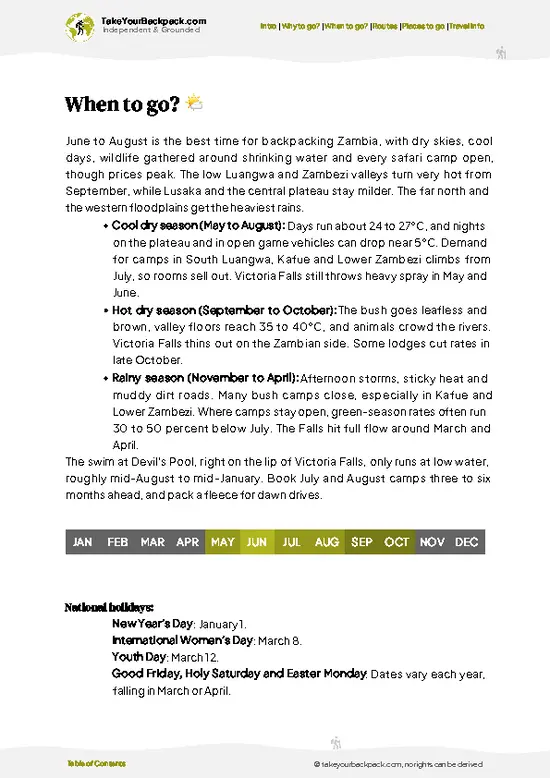
  • Weather: The dry season from May to October is your best bet. Expect clear skies and minimal rain, making trails and river crossings manageable without the mud and mosquitoes that come with the wet season.

  • Temperature: Daytime highs hover around 25-30°C (77-86°F), perfect for trekking without overheating. Nights can dip to 10-15°C (50-59°F), so pack layers for crisp evenings.

  • Daylight Hours: Longer days between June and August give you up to 12 hours of light, ideal for maximizing exploration without rushing.

  • Crowds: Shangombo is off the beaten path, so crowds are minimal year-round. Still, the dry season draws a few more travelers, adding a bit of social buzz without overwhelming solitude.

  • Seasonal Activities: Wildlife viewing peaks during the dry months as animals gather around
read more 👉

  • Weather: The dry season from May to October is your best bet. Expect clear skies and minimal rain, making trails and river crossings manageable without the mud and mosquitoes that come with the wet season.

  • Temperature: Daytime highs hover around 25-30°C (77-86°F), perfect for trekking without overheating. Nights can dip to 10-15°C (50-59°F), so pack layers for crisp evenings.

  • Daylight Hours: Longer days between June and August give you up to 12 hours of light, ideal for maximizing exploration without rushing.

  • Crowds: Shangombo is off the beaten path, so crowds are minimal year-round. Still, the dry season draws a few more travelers, adding a bit of social buzz without overwhelming solitude.

  • Seasonal Activities: Wildlife viewing peaks during the dry months as animals gather around shrinking water sources. Fishing and village visits are more accessible without rain disruptions.

  • Price Fluctuations: Accommodation and local transport costs rise slightly in the dry season due to demand but remain reasonable compared to more touristy Zambian spots.


Pro-tip: Aim for early dry season (May-June) to catch pleasant weather, fewer bugs, and the quiet build-up before the small influx of travelers arrives.


source: climatestotravel.comJANJanuary: fair for travelingFEBFebruary: fair for travelingMARMarch: fair for travelingAPRApril: good for travelingMAYMay: excellent for travelingJUNJune: excellent for travelingJULJuly: highly recommended for travelingAUGAugust: highly recommended for travelingSEPSeptember: highly recommended for travelingOCTOctober: highly recommended for travelingNOVNovember: fair for travelingDECDecember: fair for traveling
when-to-go

✈️ The backpacker research shortcutZambia Travel Guide

An offline-friendly backpacking guide with optimized travel routes, ranked highlights, transport advice, and the best areas to stay.
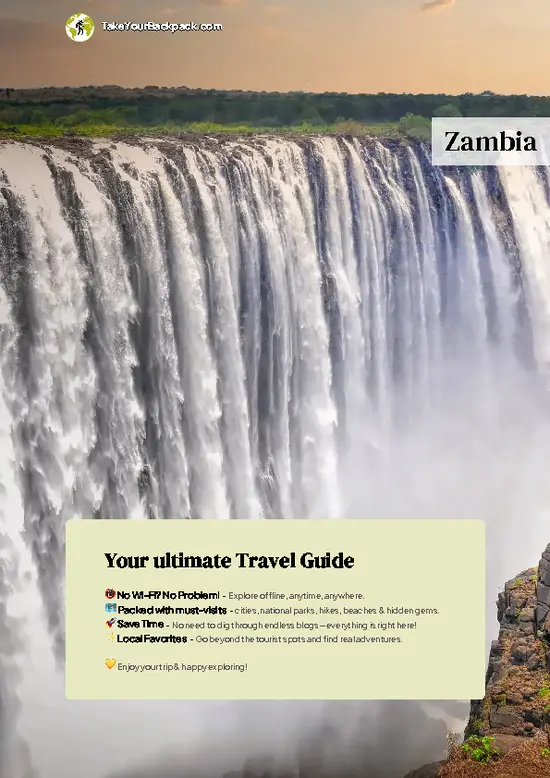
example page 0 from our offline Travel Guide for Zambia
example page 1 from our offline Travel Guide for Zambia
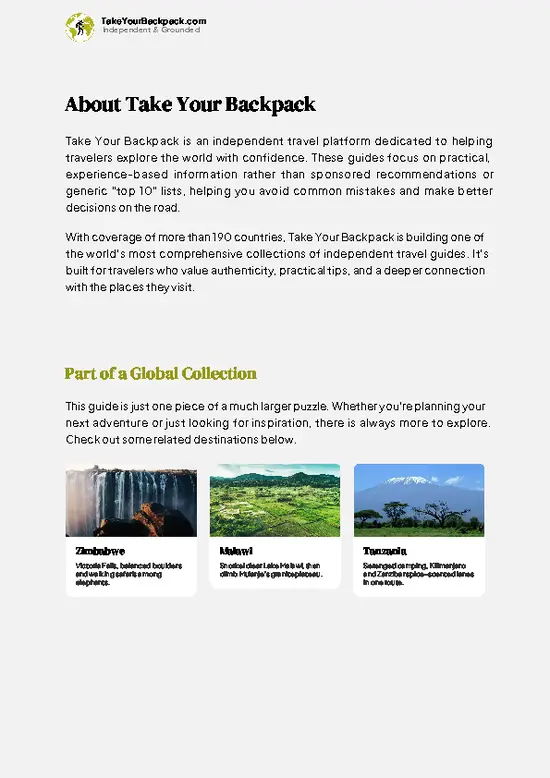
example page 2 from our offline Travel Guide for Zambia
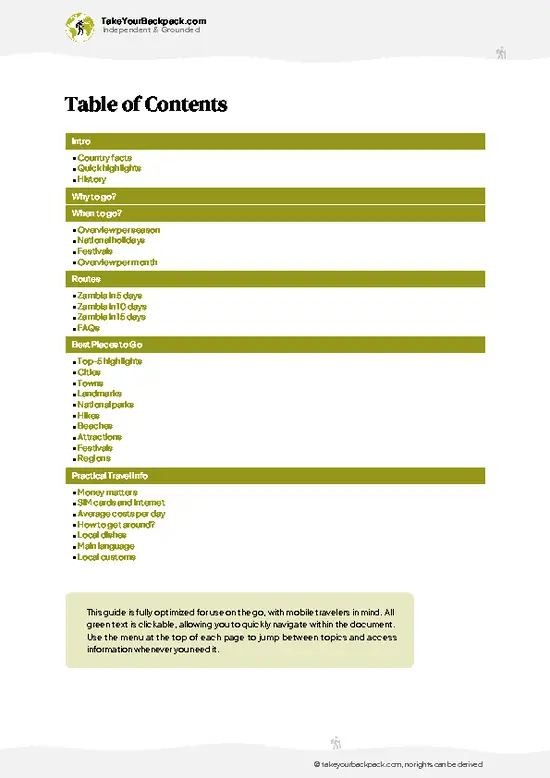
example page 3 from our offline Travel Guide for Zambia
example page 4 from our offline Travel Guide for Zambia
example page 5 from our offline Travel Guide for Zambia
example page 6 from our offline Travel Guide for Zambia
example page 7 from our offline Travel Guide for Zambia
The digital guide (357 pages) contains:
91 highlights, ranked by travel appeal
Optimized 5, 10 & 15-day travel routes
Cities, national parks, landmarks, beaches
How to get around
Offline-friendly for travel without Wi-Fi
👉 Click to see all 30+ guide features

📅 Plan smarter in minutes, not weeks
Month by month travel advice
Festivals & national holidays
Budget expectations

🗺️ Go to the right places, skip the overrated ones
Honest pros & cons of destinations
Top hikes, parks & viewpoints
Lesser-known places most travelers miss
Clear “worth it vs skip it” guidance

🛏️ Travel smoothly without rookie mistakes
Best areas to stay
Transport systems explained simply
Common scams & safety advice
SIM cards, money & practical tips

🌍 Understand the country, not just visit it
Culture & traditions
52 Essential phrases & customs
Festivals worth planning around
Traveler-friendly historical context
Insights that make places more meaningful

📱 Built for real travel conditions
Fully downloadable PDF
Works completely offline
Optimized for phone use
Useful in remote areas & buses
Everything in one place
Save weeks of stressful planning
Get instant access to your full guide. 30‑day money-back guarantee.


By proceeding you agree to our terms.
Sent to your inbox immediately after payment • 100% Secure Checkout
Best Backpacking Travel Advisor 2025 tourism awardBest Backpacking
Travel Advisor
2025
What others say about Take Your Backpack Guides:
⭐⭐⭐⭐⭐
Fantastic, amazing amount of information!
⭐⭐⭐⭐⭐
My goodness this is amazing, it's what I've been looking for hats off too you!
⭐⭐⭐⭐⭐
I think this is absolutely BRILLIANT
⭐⭐⭐⭐
Very complete and informative. It's still missing places, but I gotta to commend you
⭐⭐⭐⭐⭐
This is truly amazing, thank you, can't wait to explore it with my kids!
⭐⭐⭐⭐⭐
Awesome resource, thank you!
⭐⭐⭐⭐⭐
This is amazing! Can't wait to explore the ones I haven't seen
⭐⭐⭐⭐
I love this! Well done, great idea.
⭐⭐⭐⭐⭐
Thanks for taking the time to make this gem!
⭐⭐⭐⭐⭐
This might be the best website I've ever seen.
⭐⭐⭐⭐⭐
Congratulations, and thank you so much for your work; it's incredibly valuable.
⭐⭐⭐⭐
In all seriousness I think you did a great job pointing out the important spots
⭐⭐⭐⭐⭐
10/10 very good
⭐⭐⭐⭐⭐
As someone who's only just starting to visit regularly this is awesome, thank you.
⭐⭐⭐⭐
Thank you very much! I'm going to visit my dad, it's going to be very useful!
⭐⭐⭐⭐⭐
This is really cool! We'll be travelling for the first time and this definitely come in handy.
⭐⭐⭐⭐⭐
You are now our minister of culture, congratulations 👨‍💼
⭐⭐⭐⭐⭐
Just wanted to tell you that this is a pearl! Going to follow your recommendations.
⭐⭐⭐⭐⭐
This is so cool. I'll definitely be using the resource for my travels soon.
⭐⭐⭐⭐⭐
This is very impressive! Good work.
⭐⭐⭐⭐⭐
This is an amazing and informative site. Very well done!

🛏️ Where to stay?Best areas and accommodation options

In Shangombo, the best spot for backpackers is the town center near the main market and riverfront. This area hums with local life—the scent of fresh fish grilling mingles with the earthy smell of the river mud after rain. It’s where you’ll find other budget travelers and solo adventurers swapping stories over cold drinks. Safety here feels tangible; the community’s eyes are on the street, and the vibe is relaxed but alert. Hostels and guesthouses cluster around this hub, offering simple, affordable digs that make it easy to connect without the isolation of outlying neighborhoods. Staying here … read more 👉
In Shangombo, the best spot for backpackers is the town center near the main market and riverfront. This area hums with local life—the scent of fresh fish grilling mingles with the earthy smell of the river mud after rain. It’s where you’ll find other budget travelers and solo adventurers swapping stories over cold drinks. Safety here feels tangible; the community’s eyes are on the street, and the vibe is relaxed but alert. Hostels and guesthouses cluster around this hub, offering simple, affordable digs that make it easy to connect without the isolation of outlying neighborhoods. Staying here means you’re plugged into the pulse of Shangombo, not just passing through.

🚌 Getting aroundGetting around like a local

Shangombo moves at its own rhythm—less a clock-driven town and more a place where the sun and the river set the pace. The air carries the earthy scent of wet soil and wood smoke, and the streets hum with a mix of purposeful steps and spontaneous chatter. You won’t find strict timetables here; instead, travel flows with a mix of local intuition and the occasional burst of energy when a vehicle or boat is ready to roll. This is a place where patience isn’t just a virtue—it’s your best travel tool. Embrace the pauses, and you’ll find the journey itself becomes part of the story.


  • Walking: The most reliable way to get around, especially within the compact town center. Expect dusty paths and uneven ground, but walking lets you soak in the local sights and sounds at your own pace, free and flexible.
read more 👉
Shangombo moves at its own rhythm—less a clock-driven town and more a place where the sun and the river set the pace. The air carries the earthy scent of wet soil and wood smoke, and the streets hum with a mix of purposeful steps and spontaneous chatter. You won’t find strict timetables here; instead, travel flows with a mix of local intuition and the occasional burst of energy when a vehicle or boat is ready to roll. This is a place where patience isn’t just a virtue—it’s your best travel tool. Embrace the pauses, and you’ll find the journey itself becomes part of the story.


  • Walking: The most reliable way to get around, especially within the compact town center. Expect dusty paths and uneven ground, but walking lets you soak in the local sights and sounds at your own pace, free and flexible.

  • Shared Minibus Taxis: These operate on a loose schedule, usually starting around 7 AM and running until late afternoon. They’re affordable (a few kwacha per ride) but can be cramped and slow, stopping frequently to pick up passengers.

  • Motorbike Taxis (Boda Bodas): Quick and nimble, perfect for short hops or reaching outskirts. Prices vary but are generally low; negotiate before you ride. Helmets aren’t always standard, so hold on tight.

  • Boat Transport on the Zambezi: Seasonal and weather-dependent, boats connect Shangombo to riverside villages. They leave when full rather than on a fixed schedule, so timing is flexible but unpredictable. The ride offers cool breezes and a chance to see the river’s wildlife up close.

👛 Costs (as of 30 June 2026)Money, prices, and spending tips

Backpacking in Shangombo, Zambia, means embracing a raw, off-the-beaten-path vibe where costs stay modest but the experience feels rich and real.
  • Dorm Accommodation: Options are sparse and basic here. Expect to pay around $5 to $10 per night for a dorm bed or a simple guesthouse room. Facilities might be minimal—think mosquito nets, shared bathrooms, and the occasional power outage, but that’s part of the charm.
  • Meals: Local eateries serve up hearty, straightforward meals. A plate of nshima (a staple maize dish) with vegetables or fish will run you about $2 to $4. If you’re grabbing snacks or street food, budget around $1 to $2. Western-style meals or imported goods will push the price higher, so stick local for the best value.
  • Local Transport: Transport options are limited and mostly informal.
read more 👉
Backpacking in Shangombo, Zambia, means embracing a raw, off-the-beaten-path vibe where costs stay modest but the experience feels rich and real.
  • Dorm Accommodation: Options are sparse and basic here. Expect to pay around $5 to $10 per night for a dorm bed or a simple guesthouse room. Facilities might be minimal—think mosquito nets, shared bathrooms, and the occasional power outage, but that’s part of the charm.
  • Meals: Local eateries serve up hearty, straightforward meals. A plate of nshima (a staple maize dish) with vegetables or fish will run you about $2 to $4. If you’re grabbing snacks or street food, budget around $1 to $2. Western-style meals or imported goods will push the price higher, so stick local for the best value.
  • Local Transport: Transport options are limited and mostly informal. Shared minibuses or local taxis cost roughly $1 to $3 for short trips within or near town. Walking is often the best way to soak in the atmosphere and save money, but if you’re heading out to more remote spots, factor in slightly higher transport costs.
  • Basic Activities/Entry Fees: Shangombo is more about the natural surroundings than paid attractions. Entry fees to local parks or community projects, if available, usually range from $2 to $5. Guided walks or fishing trips might cost a bit more, around $10 to $15, but these are rare and should be arranged locally.
  • Miscellaneous Expenses: Think essentials like bottled water, small souvenirs, or phone credit. These typically add up to $1 to $3 daily. Keep cash handy as card payments are rare, and prices can vary slightly depending on availability.

All told, you’re looking at roughly $10 to $25 per day to cover the basics in Shangombo. It’s a place where simplicity rules, and every dollar stretches further if you lean into the local rhythm and keep expectations grounded.


source: zambiatourism.com
⚠️ Prices can change and everyone travels differently, so take this as a rough guide. Hope it helps you plan your adventure!

🚌 Day tripsShort trips worth adding

Shangombo, Zambia, is a backpacker’s dream base for exploring the wild beauty of the Zambezi region. With its laid-back vibe and access to stunning landscapes, you can easily embark on memorable day trips.

1. Liuwa Plain National Park
This remote park is a paradise for wildlife lovers. The drive takes about two hours, and the entrance fee is around $20. You’ll witness the annual wildebeest migration if you time it right, usually between November and December. The air is thick with the scent of grass and earth, and the sound of distant animal calls fills the atmosphere. A common mistake is underestimating the park’s remoteness; bring enough water and snacks for the day.


2. Zambezi River Canoeing
Paddle through the serene waters of the Zambezi, just a short 30-minute drive from Shangombo. … read more 👉
Shangombo, Zambia, is a backpacker’s dream base for exploring the wild beauty of the Zambezi region. With its laid-back vibe and access to stunning landscapes, you can easily embark on memorable day trips.

1. Liuwa Plain National Park
This remote park is a paradise for wildlife lovers. The drive takes about two hours, and the entrance fee is around $20. You’ll witness the annual wildebeest migration if you time it right, usually between November and December. The air is thick with the scent of grass and earth, and the sound of distant animal calls fills the atmosphere. A common mistake is underestimating the park’s remoteness; bring enough water and snacks for the day.


2. Zambezi River Canoeing
Paddle through the serene waters of the Zambezi, just a short 30-minute drive from Shangombo. Canoeing costs about $15 for a half-day rental. The early morning light glimmers on the water, and you might spot hippos or elephants along the banks. Many first-timers forget to wear sunblock; the African sun can be relentless.


3. Local Village Experience
Immerse yourself in the culture by visiting a nearby village, only a 20-minute walk away. This experience is free, but consider bringing small gifts or food for the locals. The vibrant colors of traditional clothing and the aroma of cooking fires create an inviting atmosphere. Many backpackers miss this opportunity, thinking they need to stick to tourist spots.
Want to know what more Zambia offers?
The Zambia Travel Guide describes 91 highlights, from cities to national parks, from beaches to hikes

Get the Travel Guide -

🛡️ SafetyTraveler Safety Guide

Shangombo is generally safe, but a little awareness goes a long way. Stick to well-lit areas at night; the soft glow of lanterns can guide you, but avoid dimly lit paths. Solo travelers should blend in—dress modestly and engage with locals to build rapport.

Watch for common scams, like overly friendly strangers offering unsolicited help; a polite but firm “no, thank you” works wonders. Everyday annoyances might include occasional power outages, so keep a flashlight handy. Embrace the rhythm of the town, and you’ll find your footing.

Other Zambian towns near Shangombo

Explore more nearby:

  • Senanga—Zambezi rapids, fishing camps, floodplain views| 129 km away
  • Kalabo—Liuwa Plain entry, ferry crossing, remote outpost| 160 km away
  • Lukulu—Zambezi crossing, remote market, river ferries| 246 km away

💡 Not sure where to go next?
Create a personalized itinerary for Zambia including Shangombo and the places that fit your trip.

Generate my itinerary

👉 Discover all towns

Or checkout all Zambia has to offer (think cities, towns, villages, national parks, hikes, beaches, festivals)
Country photo of Zambia

We 💚 feedbackIs it worth it?

Shangombo’s vibe is raw and real. The sunsets? They’ll steal your breath. Don’t miss the local markets; the spices and laughter blend into a sensory feast. Just be ready for the heat—it’s relentless but part of the charm. Embrace it.

✍️ Help improve this page!
The information on this page is based on in-depth research, insights shared by experienced travelers, and feedback from the local travel community in Zambia. While every effort is made to keep the information accurate and current, conditions can change — so if you spot anything incorrect or outdated, please get in touch.


🙋‍♂️ Give feedback

👋 Meet the founderWho’s Behind Take Your Backpack?

Johan, backpacker and founder of TakeYourBackpackHi, I’m Johan (Netherlands 🇳🇱), the creator of TakeYourBackpack. Over the past decade, I’ve backpacked through 80+ countries across six continents, gaining extensive experience with independent travel, long-term trips, and overland routes.

This site is built on a combination of firsthand travel experience and carefully curated insights from other backpackers. Many guides are based on places I’ve personally visited, while others bring together tips, observations, and practical advice shared by trusted travelers I’ve met along the way.

The goal is to provide realistic, experience-driven guidance — not generic itineraries — so you can explore destinations with better context, clearer expectations, and more confidence.

Get full Zambia guide •
Instant download • 91 highlights • Full Offline guide