×

Australia Itinerary Planner

Tell us how many days you have, what you like, and how fast you like to move, and your route appears with your fingerprints all over it. Want Bondi Beach at a slow shuffle, or a fistful of national parks at full sprint? Done. Add a start, an end, or a stop you refuse to skip, and the plan bends around you, which is more than your last group chat ever managed.

Plan
your Trip


We build
your Route


Get your
Travel Plan

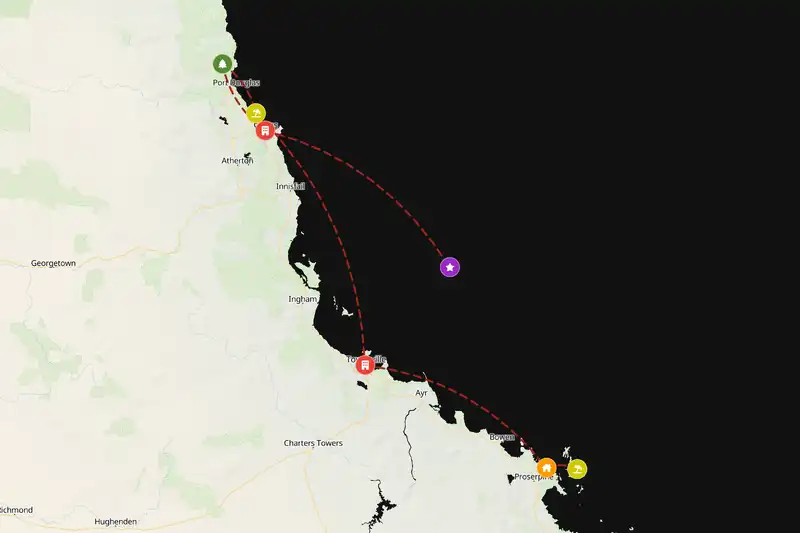
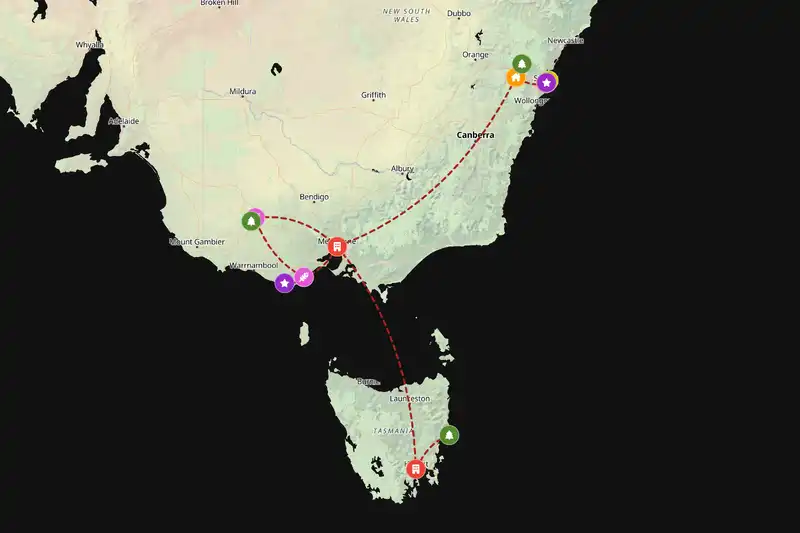
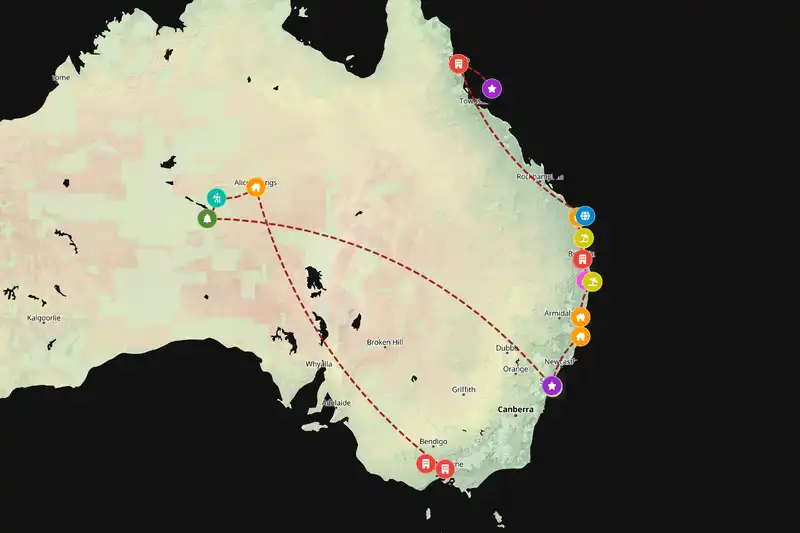
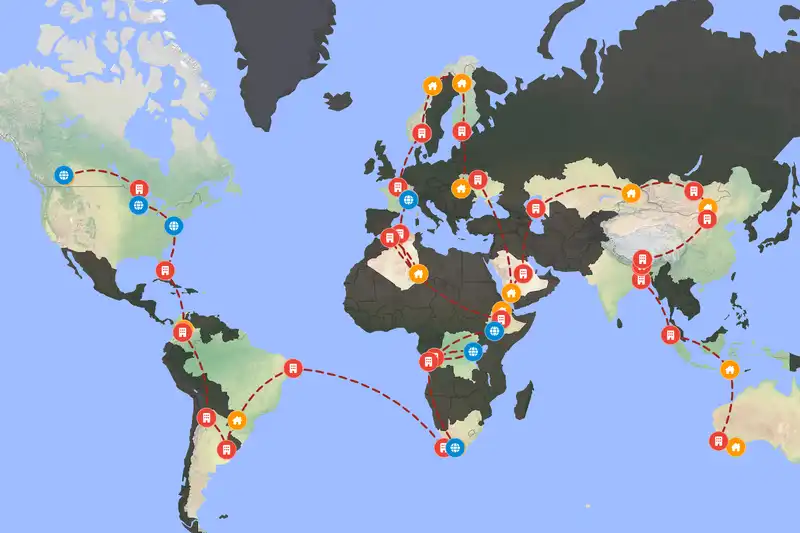
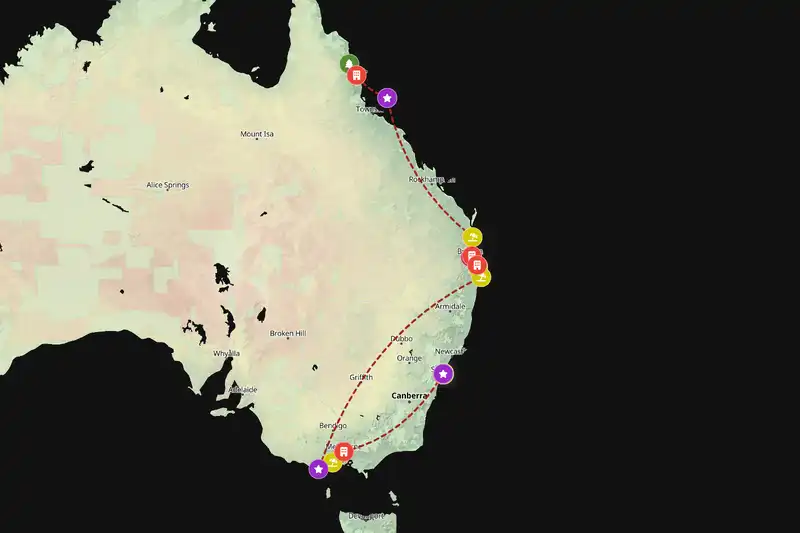
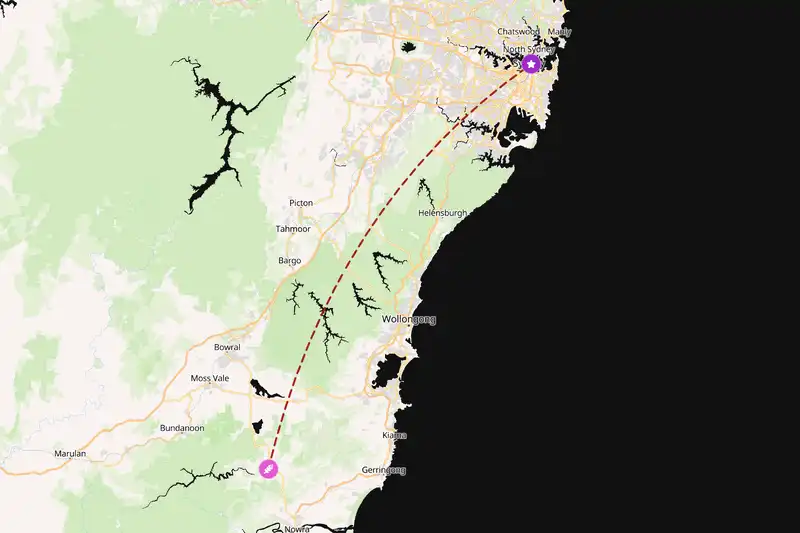
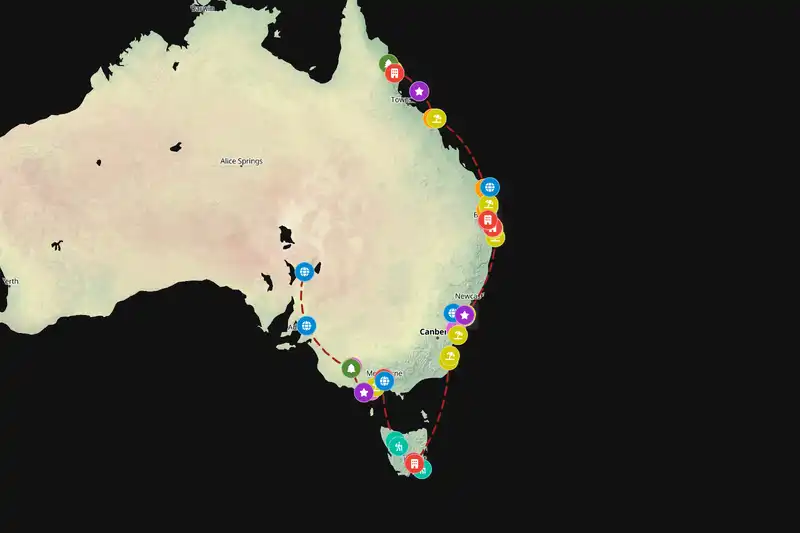
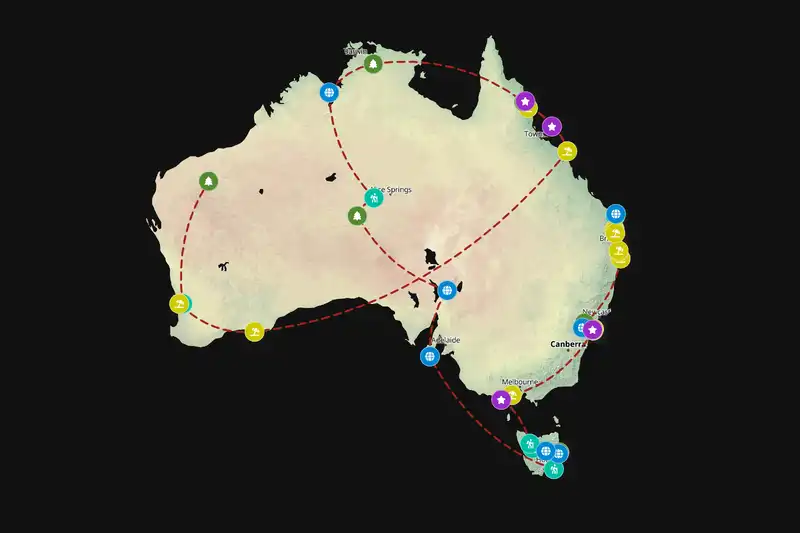
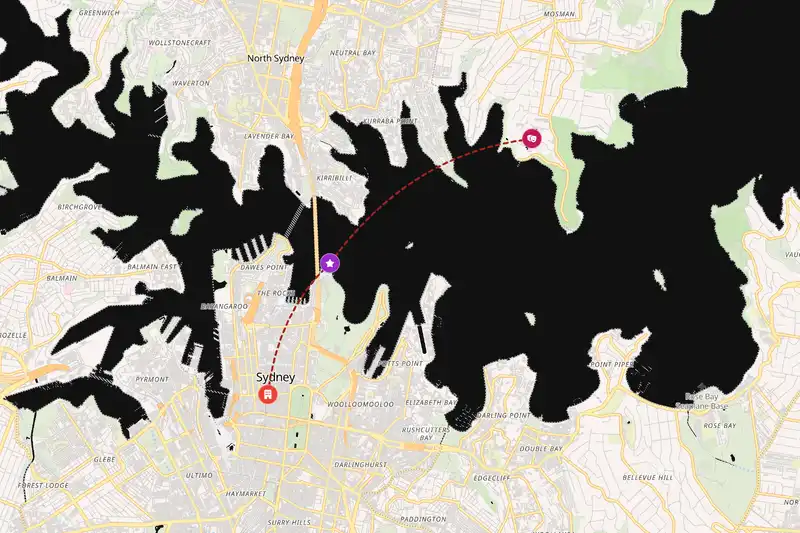
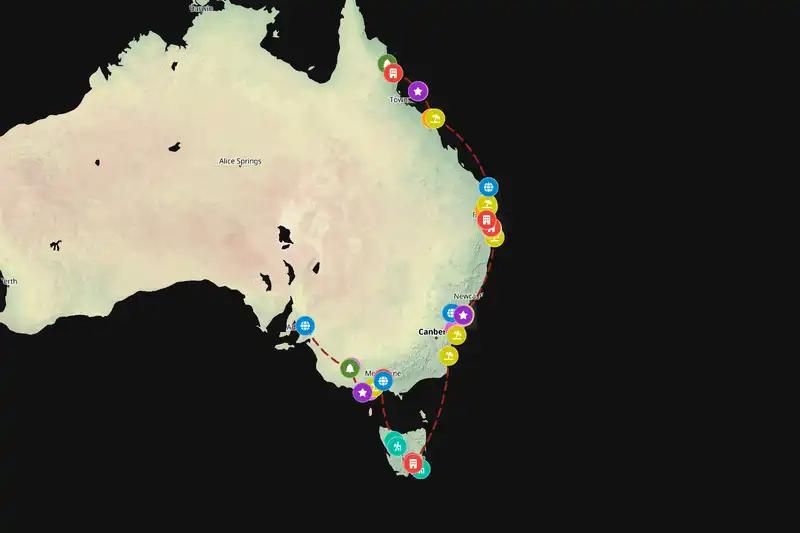
Example Australia itinerary planner route
Build your own Australia route
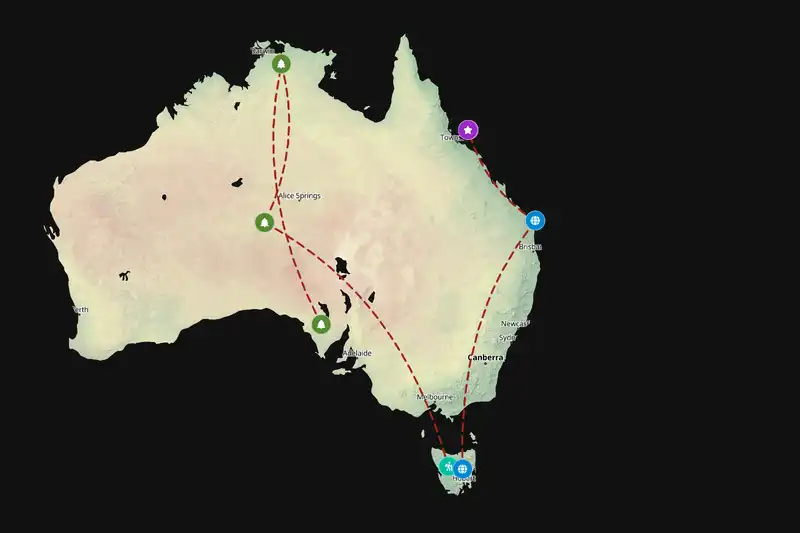
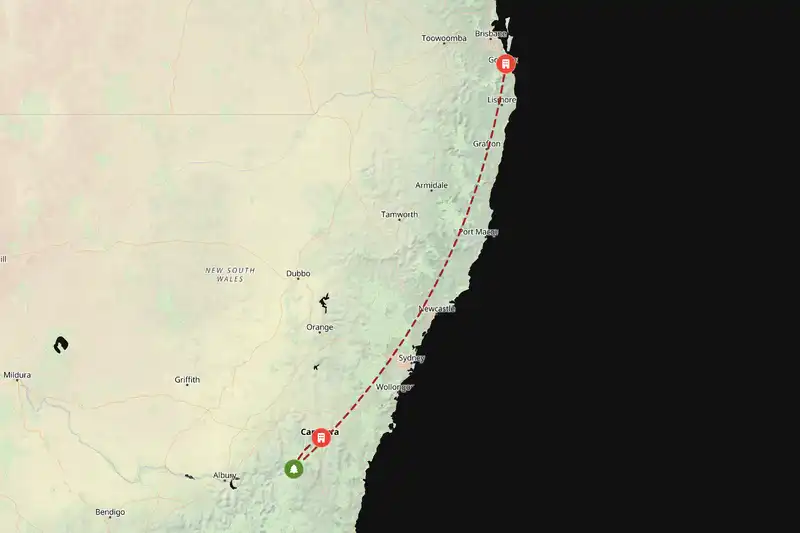
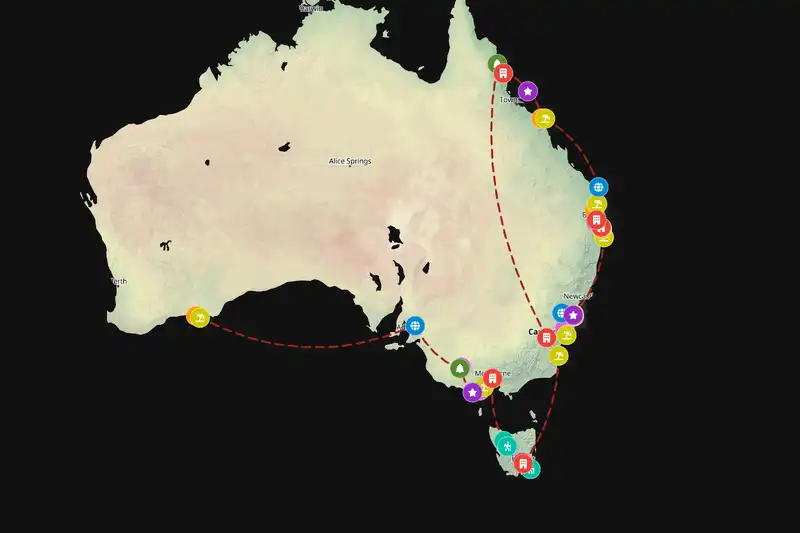
Example Australia itinerary planner route
Build your own Australia route
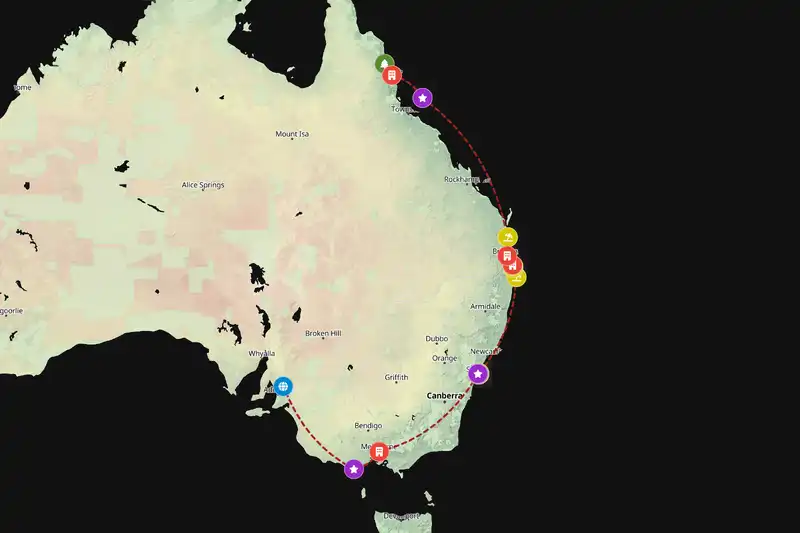
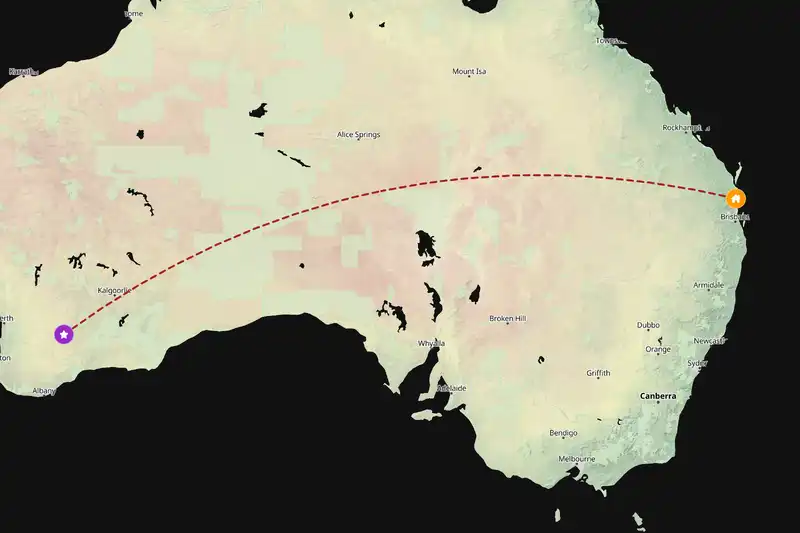
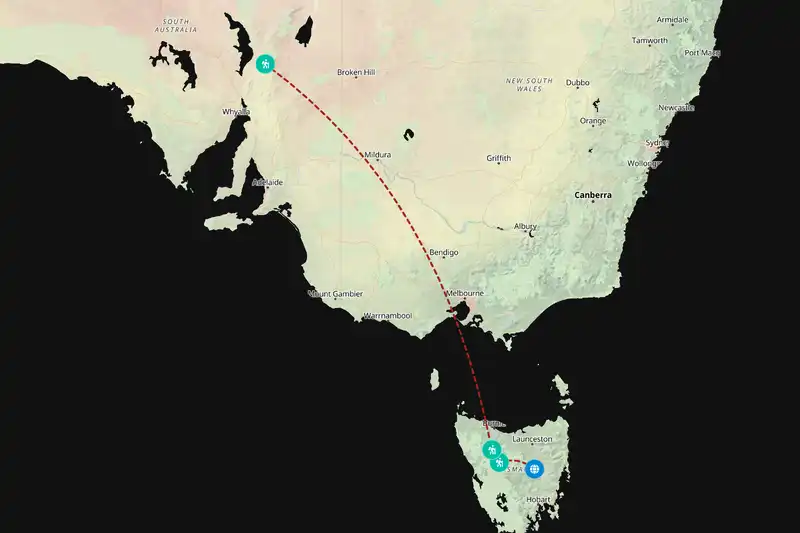
Example Australia itinerary planner route
Build your own Australia route
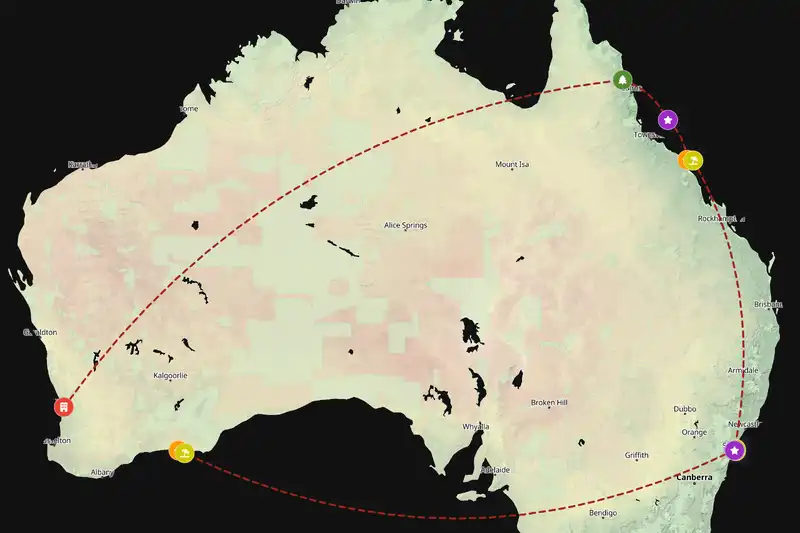
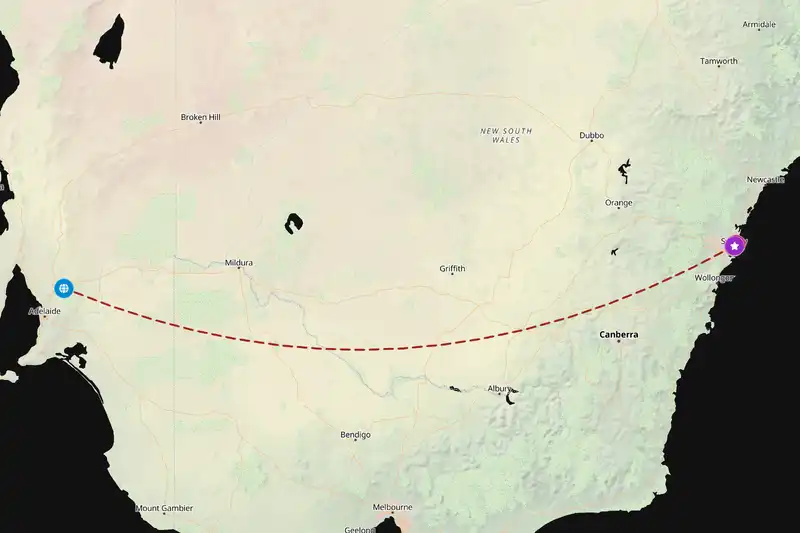
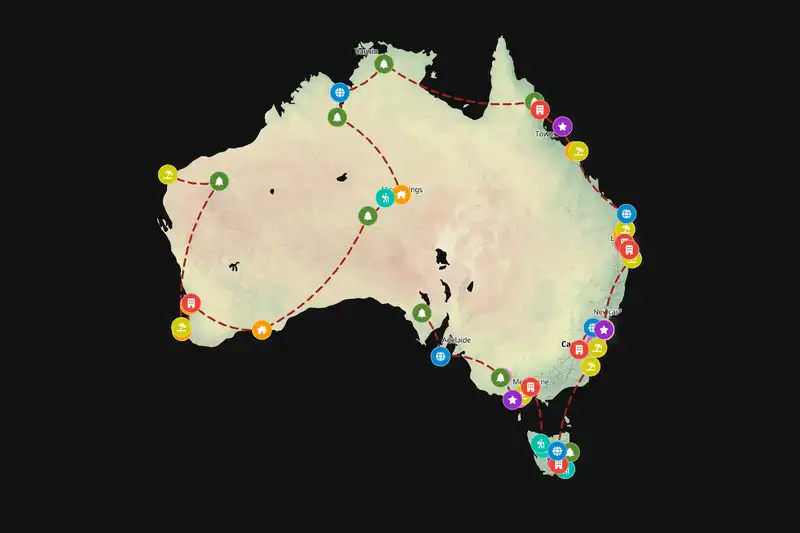
Example Australia itinerary planner route
Build your own Australia route
Example Australia itinerary planner route
Build your own Australia route
Example Australia itinerary planner route
Build your own Australia route
Example Australia itinerary planner route
Build your own Australia route
Example Australia itinerary planner route
Build your own Australia route
Example Australia itinerary planner route
Build your own Australia route
Example Australia itinerary planner route
Build your own Australia route
Example Australia itinerary planner route
Build your own Australia route
Example Australia itinerary planner route
Build your own Australia route
Example Australia itinerary planner route
Build your own Australia route
Example Australia itinerary planner route
Build your own Australia route
Example Australia itinerary planner route
Build your own Australia route
Example Australia itinerary planner route
Build your own Australia route

🇦🇺 AustraliaCreate Your Itinerary

1 How many days will you travel?
2 What are your interests?
3 Travel speed
⚙️ Advanced options

🙋 FAQItinerary planner questions about Australia

Around 14 days covers a short Australia trip, 21 days gives you room for a few distinct areas, and 30 days lets you slow down and see several far-apart places without rushing. Distances are big, so fewer stops over more days usually feels better.
Australia is an island continent with no land borders, so there is no overland link to another country. New Zealand, Indonesia (especially Bali) and Papua New Guinea are the nearest neighbors that travelers pair with it, mostly because they share the same corner of the world and flights between them are relatively short.

Build a multi-country route
Yes. Stops are sequenced to minimize backtracking and grouped by how close they are to each other, and your chosen travel pace (fast, normal, or slow) adjusts how much ground each day covers.
Absolutely. Adjust your trip length, interests, starting point, or travel style and generate a new route in seconds.
Yes, generating and viewing your route is completely free. An offline-friendly PDF version is available as an optional purchase which gives more detailed information for each location on your route.

🗺️ RegionsWhere things are located

Australia is large in a way maps politely understate, and the gap between Uluru-Kata Tjuta and the Great Barrier Reef is a hefty one even by local standards. Some places sit a short hop apart, while others are separated by days of empty horizon. The planner groups nearby spots together so your time goes to seeing things instead of admiring the distance between them. For a backpacker, fewer long jumps and more lingering is the best use of both your days and your budget.

📈 StatisticsPlanner insights

Our set of curated travel destinations for Australia

Cities & Towns: 39      Villages: 6      Landmarks: 9      National Parks: 24      Hikes: 12      Beaches: 29      Attractions: 16     

Routes created by others

24

Routes created

26

Average trip length (days)

23

Average destinations

Most popular interests

  • 🏞️ National Parks (88%)
  • 🚶‍♀️ Hikes (83%)
  • ⭐️ Landmarks (79%)
  • 🌆 Cities & Towns (75%)
  • 🎡 Attractions (67%)

Most included destinations

⚙️ How it worksHow the Australia itinerary planner works

Pick your days, your interests and your pace, and the planner sorts real Australian places into neighborhoods of nearby stops, so you aren’t zigzagging across a continent the size of the lower 48 states for one beach. Then it picks one sensible direction through those clusters, so you move steadily onward instead of doubling back to retrieve a forgotten sunhat. Each stop gets time based on what it is and how much sits around it. Sydney is a good example: with several attractions and beaches close by, it becomes a base where you unpack once and stay longer, while the smaller spots nearby turn into day trips instead of separate moves. For a backpacker that is the best deal going, because fewer packing sessions and fewer long hauls leave more of your days and dollars for actually doing things, and your back stays in better shape.