v2.webp)
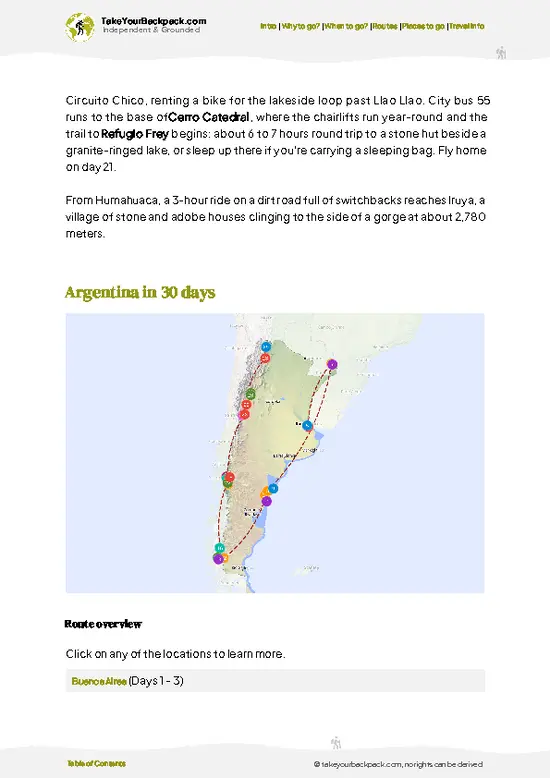
- Bodega Catena Zapata: A pyramid-shaped winery modeled on Mayan temples, with genuinely excellent Malbec and a small museum on the history of Argentine winemaking.
- Maipu by Bike: Renting a bike and pedaling between small family-run bodegas in Maipu is the classic budget backpacker move, dusty roads and all.
- Uco Valley Wineries: Higher altitude (vineyards from about 900 to 1,700m), architecturally striking wineries like Salentein and Bodega O.Fournier, with sweeping Andes views most Maipu spots lack.
- Cerro de la Gloria: A hilltop monument and park inside Parque General San Martin in Mendoza city, free to visit, with solid sunset views over the city and mountains.
- Mercado Central (Mendoza city): A locals' market where you can grab empanadas and regional cheese for a fraction of restaurant prices,
- Bodega Catena Zapata: A pyramid-shaped winery modeled on Mayan temples, with genuinely excellent Malbec and a small museum on the history of Argentine winemaking.
- Maipu by Bike: Renting a bike and pedaling between small family-run bodegas in Maipu is the classic budget backpacker move, dusty roads and all.
- Uco Valley Wineries: Higher altitude (vineyards from about 900 to 1,700m), architecturally striking wineries like Salentein and Bodega O.Fournier, with sweeping Andes views most Maipu spots lack.
- Cerro de la Gloria: A hilltop monument and park inside Parque General San Martin in Mendoza city, free to visit, with solid sunset views over the city and mountains.
- Mercado Central (Mendoza city): A locals' market where you can grab empanadas and regional cheese for a fraction of restaurant prices, good for people-watching too.
- Potrerillos Reservoir: A turquoise reservoir about an hour from Mendoza city, less visited than the wineries but great for a quiet afternoon or kayaking.
- Cacheuta Hot Springs: Natural thermal pools in the mountains, popular with Argentine families more than foreign tourists, a solid way to recover after a day of tastings.
- Aconcagua Provincial Park: Even without summiting the mountain (the highest in the Americas at 6,961m), the base trek to Confluencia offers close-up Andes scenery for a day hike.
- Villavicencio Natural Reserve: A winding mountain road through a nature reserve with a historic hotel and guanaco sightings, mostly used by locals driving up from Mendoza city.
- Bodega Familia Zuccardi: Beyond the tastings, they run a hands-on cooking experience using a clay oven fired by grapevine cuttings.
Spotted a mistake or missing something? Contact us.

High Mountain, Aconcagua and Inca Bridge

Malbec Experience in Bodega Tierras Altas

Renacer Winery Experience

Uco Valley Day Wine Tour with Private Driver

Malbec & Mountain Uco Valley Private Wine Tour with Gourmet Lunch

Sunset Horseback Riding

Horseback ride through vineyards followed by gourmet lunch

Roast and Empanadas Class with Wine |Mendoza|Braseando Experience

Private Mendoza WineTour: 3 Premium Wineries Michelin-Guide Lunch


 Best Backpacking
.jpg) Hi, I’m Johan (Netherlands 🇳🇱), the creator of TakeYourBackpack. Over the past 3 decades, I’ve backpacked through 90+ countries across six continents, gaining extensive experience with independent travel, long-term trips, and overland routes.
Hi, I’m Johan (Netherlands 🇳🇱), the creator of TakeYourBackpack. Over the past 3 decades, I’ve backpacked through 90+ countries across six continents, gaining extensive experience with independent travel, long-term trips, and overland routes.