×

Argentina🇦🇷 | best regionsEssential 10 regions to Explore in Argentina

Argentina is a land of contrasts, where each region offers a unique flavor that shapes your backpacking experience. From the bustling streets of Buenos Aires to the windswept plains of Patagonia, the choices you make here define not just your itinerary but the very essence of your journey.

The country is divided into distinct regions, each with its own climate, landscapes, and cultural character. For instance, the Northwest boasts arid mountains and indigenous heritage, while the Northeast is lush and teeming with wildlife. The Central Pampas is the heart of agriculture, and the South is a playground for adventurers seeking glaciers and rugged terrain.

Seasonal nuances play a critical role in your travels. Summer in the north can be sweltering, while winter in the south brings snow-capped peaks. Choosing the right region impacts your vibe, budget, and safety. Some areas are more tourist-friendly, while others require a bit more savvy to navigate.

Understanding these dynamics allows you to immerse yourself in local culture, maximizing the richness of your experience. Whether you’re after vibrant city life or serene natural beauty, Argentina’s regions offer a spectrum of choices that cater to every backpacker’s desire.

By Johan Kruseman 🇳🇱 | Updated September 5, 2026
Explore the best cities in Argentina

Why go?Why These region Stand Out

Argentina is a land of striking contrasts, where climatic diversity shapes not just the landscape but the very culture of its people. From the Andes to the Patagonian steppe, each region offers a unique experience that’s hard to find elsewhere. This vast country stretches over 3,600 kilometers from north to south, creating a tapestry of environments that range from tropical in the north to frigid in the south. This geographical expanse means that travelers face a significant trade-off: the more ground you cover, the less time you have to immerse yourself in each area’s distinct character.

The cultural character of Argentina is equally diverse. Influences from Indigenous peoples, Spanish colonization, and waves of European immigration have created a rich cultural mosaic. Each region boasts … read more 👉
Argentina is a land of striking contrasts, where climatic diversity shapes not just the landscape but the very culture of its people. From the Andes to the Patagonian steppe, each region offers a unique experience that’s hard to find elsewhere. This vast country stretches over 3,600 kilometers from north to south, creating a tapestry of environments that range from tropical in the north to frigid in the south. This geographical expanse means that travelers face a significant trade-off: the more ground you cover, the less time you have to immerse yourself in each area’s distinct character.

The cultural character of Argentina is equally diverse. Influences from Indigenous peoples, Spanish colonization, and waves of European immigration have created a rich cultural mosaic. Each region boasts its own traditions, dialects, and culinary specialties. However, this diversity comes with a cost. To truly appreciate the depth of Argentine culture, one must often sacrifice time. Rushing through regions means missing out on local festivals, traditional music, and the chance to connect with the people who call these places home.

Landscapes in Argentina are nothing short of breathtaking. From the Iguazú Falls in the north to the glaciers of El Calafate in the south, the country is a visual feast. Yet, accessing these natural wonders often requires significant travel time. The infrastructure is generally good, but distances can be deceptive. A long bus ride or flight may be necessary to reach remote areas, which can lead to fatigue and a sense of being rushed. This is a crucial consideration for travelers who want to balance exploration with relaxation.

Infrastructure plays a pivotal role in shaping the travel experience. While major cities like Buenos Aires are well-connected and offer modern amenities, rural areas can be less accessible. This disparity means that travelers must weigh the convenience of urban comforts against the allure of off-the-beaten-path adventures. The trade-off here is clear: opting for comfort may limit exposure to the authentic, rugged beauty that defines much of Argentina.

In summary, Argentina’s regions matter because they encapsulate a world of experiences shaped by climate, culture, and landscape. Understanding the trade-offs between time, money, and comfort is essential for making informed choices. Whether you prioritize breadth of experience or depth of exploration, Argentina offers a compelling journey that rewards those willing to navigate its complexities.
Why These Made the Cut
The list of best regions in Argentina is created based on landscapes, local culture, attractions, vibes, and overall appeal. If you feel a region is missing in this list, please let us know.

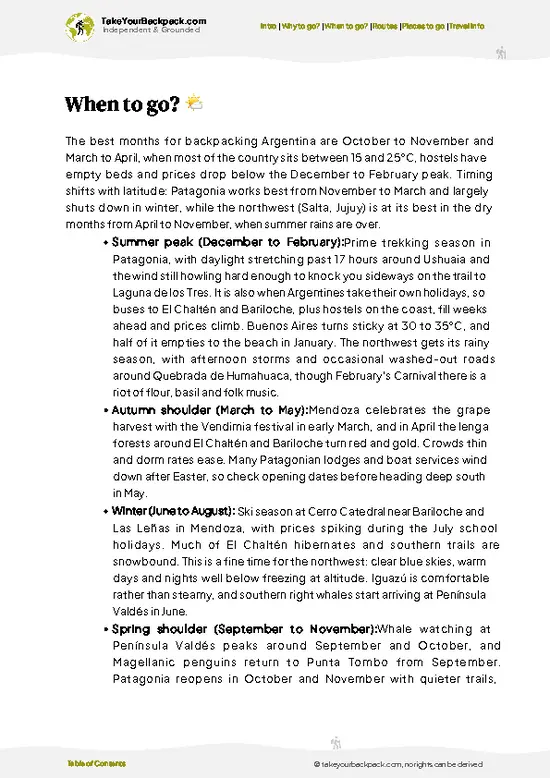
When to go?Timing Your Visit for the Best Experience

Climate Variation

Argentina’s climate is as diverse as its landscapes. The country stretches from the subtropical north to the polar south, creating distinct weather patterns. In the north, expect hot summers and mild winters, while the south experiences cold temperatures year-round. This variation significantly impacts when to visit.

Optimal Months

The best time to explore Argentina generally falls between late spring and early autumn. This period, roughly from October to April, offers pleasant weather across most regions. Temperatures are moderate, making outdoor activities enjoyable. However, the peak summer months can bring crowds and higher prices, especially in popular areas.

Shoulder Seasons

Travelers looking for a balance between comfort and cost should consider the shoulder … read more 👉

Climate Variation

Argentina’s climate is as diverse as its landscapes. The country stretches from the subtropical north to the polar south, creating distinct weather patterns. In the north, expect hot summers and mild winters, while the south experiences cold temperatures year-round. This variation significantly impacts when to visit.

Optimal Months

The best time to explore Argentina generally falls between late spring and early autumn. This period, roughly from October to April, offers pleasant weather across most regions. Temperatures are moderate, making outdoor activities enjoyable. However, the peak summer months can bring crowds and higher prices, especially in popular areas.

Shoulder Seasons

Travelers looking for a balance between comfort and cost should consider the shoulder seasons. Late spring (September to November) and early autumn (March to May) provide milder weather and fewer tourists. This means lower accommodation prices and a more authentic experience. However, be prepared for unpredictable weather; conditions can shift quickly, impacting outdoor plans.

Peak Periods

Certain festivals and events can draw large crowds, influencing travel decisions. Major holidays and local celebrations often coincide with peak tourist seasons. While these events can enrich the experience, they also come with trade-offs. Expect higher prices and limited availability for accommodations. If the goal is to immerse in local culture, timing a visit during these events can be rewarding, but it requires careful planning.

Seasonal Constraints

Winter, particularly in the southern regions, can limit accessibility. Snow and cold temperatures may hinder travel plans, especially for outdoor activities. Conversely, the northern regions can be oppressively hot in summer, making exploration uncomfortable. Understanding these seasonal constraints is crucial for effective trip planning.

Trade-Offs

Travelers must weigh comfort against experience. Visiting during peak seasons guarantees vibrant atmospheres but sacrifices tranquility and affordability. Opting for shoulder seasons may enhance comfort and reduce costs, but it could also mean less predictable weather. Ultimately, the choice hinges on personal priorities: whether to embrace the hustle and bustle of peak travel or seek a more serene, budget-friendly adventure.

region hoppingSuggested Travel Strategies

Argentina’s vastness demands a smart approach to travel. Start by clustering regions based on proximity and thematic experiences. For instance, consider grouping Patagonia with the Lake District, then moving north to Mendoza and the cultural heart of Buenos Aires. This not only saves time but also allows for a deeper dive into each area’s unique offerings.

Travel infrastructure is generally solid, with major cities well-connected by domestic flights and buses. However, be mindful of the distances. A flight from Buenos Aires to Bariloche takes about two hours, while a bus ride can stretch to 24 hours. Factor in travel time when planning your itinerary. Aim for a mix of short and long stays; two to three days in cities like Buenos Aires or Mendoza allows for exploration without feeling rushed,read more 👉
Argentina’s vastness demands a smart approach to travel. Start by clustering regions based on proximity and thematic experiences. For instance, consider grouping Patagonia with the Lake District, then moving north to Mendoza and the cultural heart of Buenos Aires. This not only saves time but also allows for a deeper dive into each area’s unique offerings.

Travel infrastructure is generally solid, with major cities well-connected by domestic flights and buses. However, be mindful of the distances. A flight from Buenos Aires to Bariloche takes about two hours, while a bus ride can stretch to 24 hours. Factor in travel time when planning your itinerary. Aim for a mix of short and long stays; two to three days in cities like Buenos Aires or Mendoza allows for exploration without feeling rushed, while a week in Patagonia lets you soak in the landscapes.

Common mistakes include trying to see too much too quickly. It’s tempting to tick off every major destination, but this often leads to burnout. Instead, prioritize experiences that resonate. For example, if wine tasting in Mendoza excites you, dedicate time to savoring local vineyards rather than cramming in a quick visit to the Andes. This depth over breadth approach enhances the overall experience.

Trade-offs are inevitable. Speed often sacrifices comfort; a long bus ride may save money but can drain energy. Conversely, flying is quicker but can strain budgets. Choose wisely based on your priorities. If comfort is key, consider splurging on flights between major hubs. If budget is a concern, embrace the bus system, but be prepared for longer travel days.

Flexibility is crucial. Weather can be unpredictable, especially in Patagonia. Have a backup plan for outdoor activities, and be ready to adjust your schedule. This adaptability allows for spontaneous adventures, whether it’s a last-minute hike or an unexpected local festival.

Strategic planning is your best ally. Research regional climates to avoid the rainy season in certain areas, and align your travel with local events for a richer experience. By understanding the rhythms of Argentina, you can create a journey that balances exploration with relaxation, ensuring that each stop adds value to your adventure.

The ListTop regions of Argentina

1 Patagonia

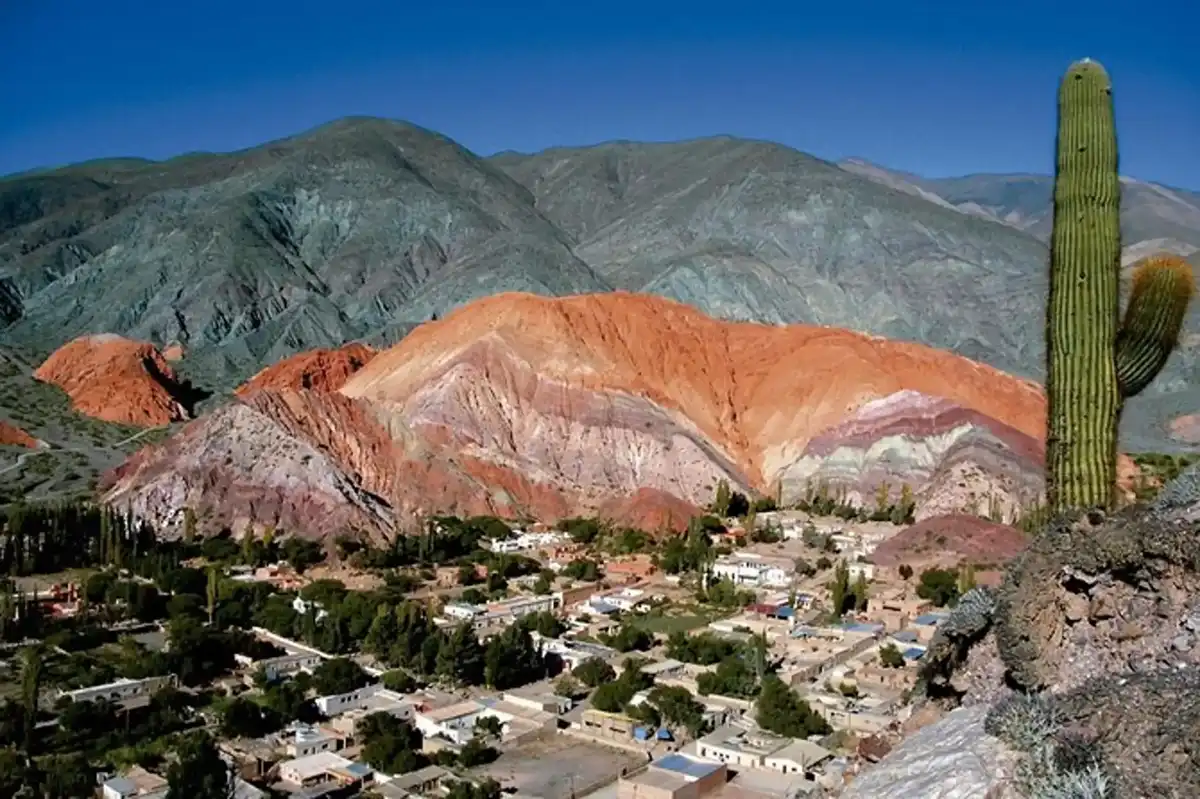
wind-swept steppe, glaciers, remote trekking

Venture into vast wilderness where dramatic weather, rugged terrain, and long distances challenge and reward those seeking solitude.

argentina-region-patagonia
© Google |

2 Tierra del Fuego

subantarctic forests, windswept channels, end-of-the-road towns

Reach the continent’s southern tip, where unpredictable weather, remote settlements, and wild coastlines define the journey’s end.

3 Lake District

glacial lakes, Andean forests, alpine villages

Hike through lush forests, paddle across blue lakes, and experience a landscape shaped by volcanic peaks and Central European influences.

4 Península Valdés

marine wildlife, coastal cliffs, salt flats

Observe whales, penguins, and sea lions from shorelines shaped by tides, with stark landscapes that attract wildlife year-round.

5 Mendoza wine region

vineyards, Andean foothills, Malbec tastings

Sample local varietals at family-run wineries, cycle between vineyards, and enjoy mountain views that frame every glass and meal.

argentina-region-mendoza-wine-region
© Google | Mendoza Wine Camp

6 Valle de Uco

high-altitude vineyards, snow-capped Andes, boutique lodges

Taste wines grown at altitude, stay in small lodges, and wake to mountain views that define this quiet corner of Mendoza province.

7 Tigre Delta

waterways, stilt houses, weekend retreats

Navigate labyrinthine channels by boat, pass riverside homes on stilts, and experience a slower pace just outside Buenos Aires.

8 Sierras Chicas

rolling hills, colonial villages, artisan markets

Wander quiet valleys dotted with small towns, explore local crafts, and find hiking trails that reveal a gentler side of central Argentina.

argentina-region-sierras-chicas
© Google | Anni

9 La Pampa

endless plains, gaucho traditions, rural estancias

Travel across open grasslands where cattle ranches set the rhythm, and rural life offers insight into Argentina’s agricultural backbone.

10 Tucumán

subtropical forests, pre-Columbian ruins, sugar plantations

Discover a region where dense greenery meets archaeological sites, and agricultural history shapes daily life and local cuisine.

argentina-region-tucuman
© Google | Julian Domergue
Loading the map 🌍

Expert viewTips and Advice from Travelers

Geographic Diversity
Argentina is a land of extremes, stretching from the icy landscapes of Patagonia to the sun-soaked plains of the Pampas. This geographic diversity means that each region offers a unique flavor, culture, and experience. You can’t just hop from one place to another without considering what you’ll miss. If you’re keen on the Andes, you’ll want to prioritize the northwest. If the wine country is calling, Mendoza is your go-to. Each area has its own rhythm, and understanding this is crucial for planning.

Transport Between Regions
Getting around Argentina isn’t as straightforward as you might think. Domestic flights can save you time, but they can also eat into your budget. Buses are a popular choice, offering a more scenic and economical option, but they require patience … read more 👉
Geographic Diversity
Argentina is a land of extremes, stretching from the icy landscapes of Patagonia to the sun-soaked plains of the Pampas. This geographic diversity means that each region offers a unique flavor, culture, and experience. You can’t just hop from one place to another without considering what you’ll miss. If you’re keen on the Andes, you’ll want to prioritize the northwest. If the wine country is calling, Mendoza is your go-to. Each area has its own rhythm, and understanding this is crucial for planning.

Transport Between Regions
Getting around Argentina isn’t as straightforward as you might think. Domestic flights can save you time, but they can also eat into your budget. Buses are a popular choice, offering a more scenic and economical option, but they require patience and time. Expect long hours on the road, especially if you’re crossing from one end of the country to the other. If you’re short on time, prioritize flights. If you’re on a budget, embrace the bus rides. Just remember, each choice comes with its own set of sacrifices.

Cultural Variation
Argentina is a cultural mosaic. The gaucho culture in the Pampas contrasts sharply with the indigenous influences in the northwest. The tango of Buenos Aires feels worlds apart from the folk music of the north. Each region has its own customs, cuisine, and way of life. If you’re looking for authentic experiences, spend time in local communities. This often means sacrificing the comforts of tourist hotspots for a more genuine connection. The payoff? A deeper understanding of what makes Argentina tick.

Pacing Trade-Offs
How many regions should you visit? Ideally, aim for three to four. This allows you to soak in the local vibe without feeling rushed. If you try to cram in too much, you’ll end up with a whirlwind tour that barely scratches the surface. Take your time in each region. Spend a few days in the wine country, then head to the mountains. This pacing gives you the chance to engage with locals, savor the food, and truly appreciate the landscapes.

Safety & Cultural Considerations
Safety varies by region. Urban areas like Buenos Aires have their challenges, while rural areas may feel more secure. Always stay aware of your surroundings, especially in crowded places. Cultural sensitivity is key. Argentinians are warm and welcoming, but they appreciate respect for their customs. Learning a few phrases in Spanish can go a long way. It’s not just about being polite; it’s about building trust and rapport.

Budgeting for Experiences
When it comes to budget, think about what experiences are worth the splurge. Dining at a local parrilla is a must, but you don’t need to break the bank on every meal. Street food can be just as rewarding. Consider investing in guided tours for unique experiences, like wine tastings or cultural workshops. These often provide insights you won’t get on your own. The trade-off here is between convenience and authenticity.

Planning and Prioritizing Regions
Start with your interests. Are you drawn to nature, culture, or food? This will guide your regional choices. If you love hiking, Patagonia should be high on your list. If you’re a foodie, Mendoza and Buenos Aires are essential. Once you’ve narrowed it down, consider the logistics. How will you get from one region to another? What’s the best time of year to visit? Each region has its peak seasons, and understanding these can help you avoid crowds and high prices.

Effort vs. Reward
Traveling in Argentina requires effort. Whether it’s navigating public transport or hiking in remote areas, be prepared for challenges. But the rewards are immense. The landscapes are breathtaking, the people are engaging, and the food is a celebration of culture. Each region offers a different slice of life, and the effort you put in will pay off in experiences that linger long after you’ve left.

Final Thoughts
Argentina is a country that demands your attention. It’s not just a place to visit; it’s a journey through diverse landscapes and cultures. By understanding the trade-offs between time, money, and comfort, you can craft an experience that resonates deeply. Prioritize what matters most to you, and don’t shy away from the effort. The real Argentina is waiting for you, and it’s worth every ounce of energy you invest.

✈️ The backpacker research shortcutArgentina Travel Guide

An offline-friendly backpacking guide with optimized travel routes, ranked highlights, transport advice, and the best areas to stay.
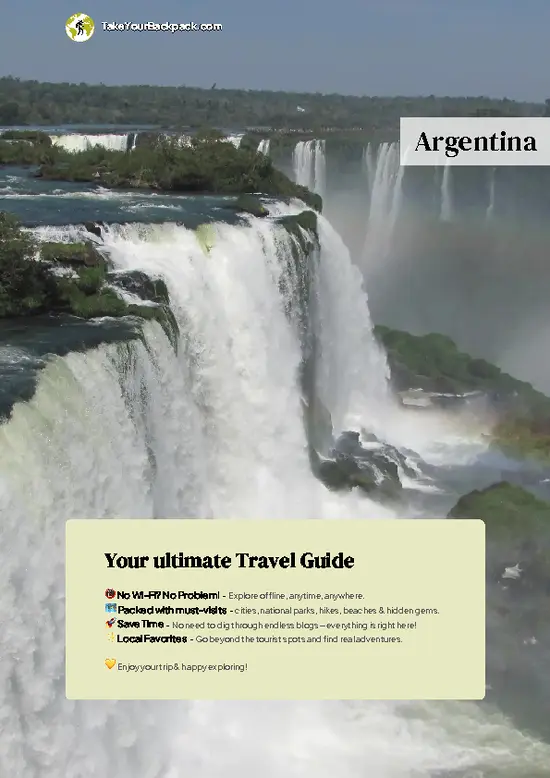
example page 0 from our offline Travel Guide for Argentina
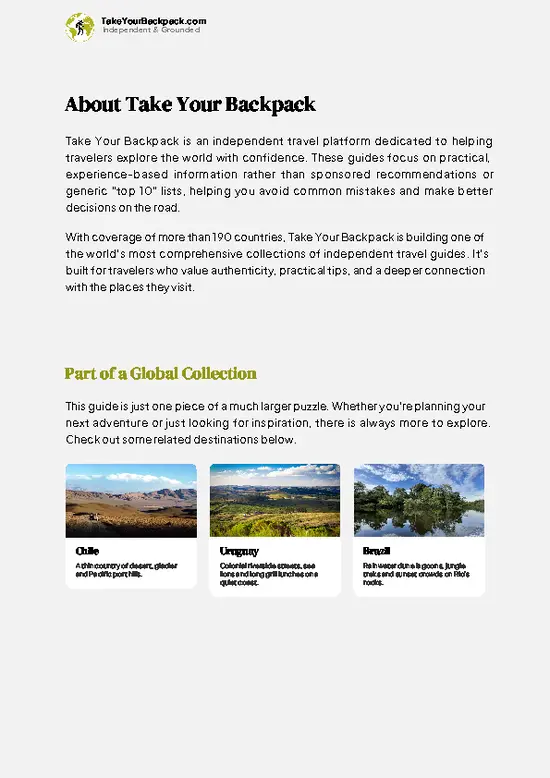
example page 1 from our offline Travel Guide for Argentina
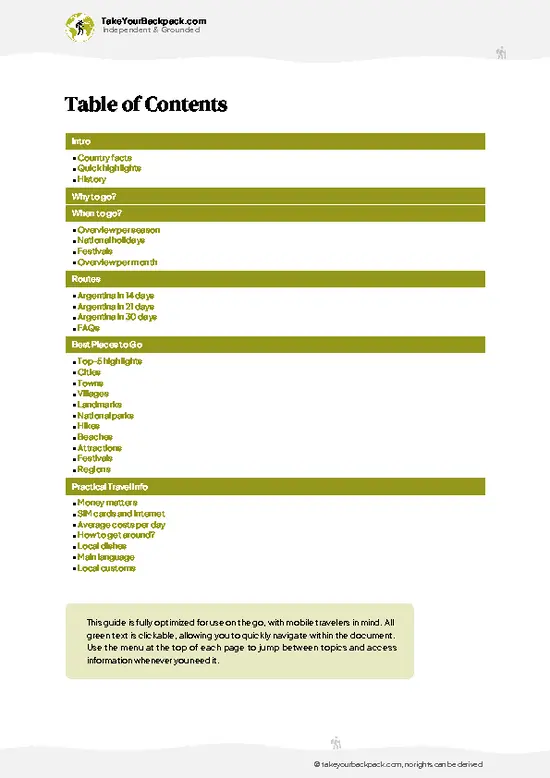
example page 2 from our offline Travel Guide for Argentina
example page 3 from our offline Travel Guide for Argentina
example page 4 from our offline Travel Guide for Argentina
example page 5 from our offline Travel Guide for Argentina
example page 6 from our offline Travel Guide for Argentina
example page 7 from our offline Travel Guide for Argentina
The digital guide (505 pages) contains:
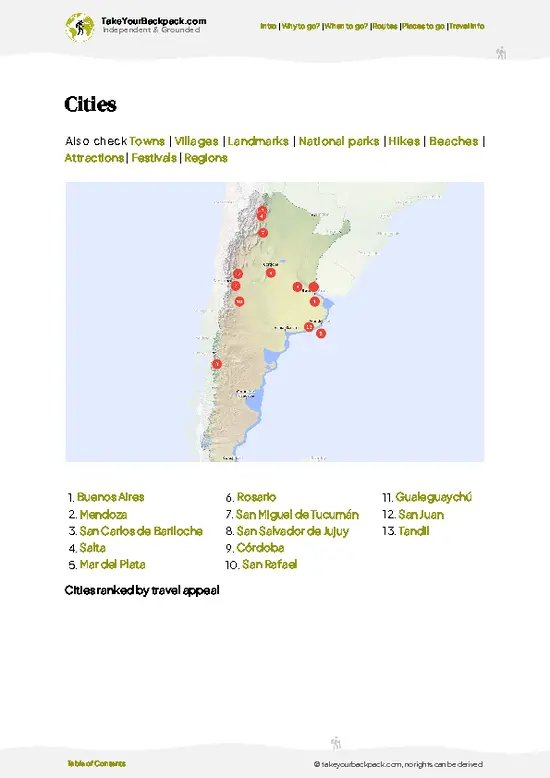
135 highlights, ranked by travel appeal
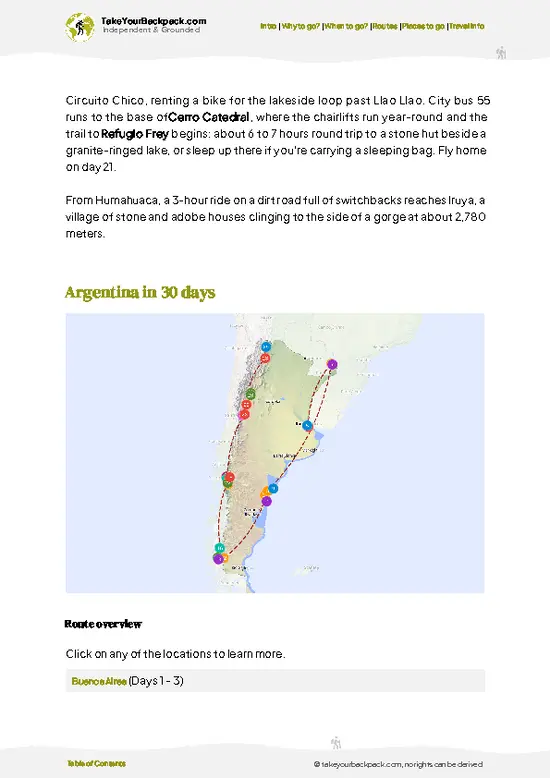
Optimized 14, 21 & 30-day travel routes
Cities, national parks, landmarks, beaches
How to get around
Offline-friendly for travel without Wi-Fi
👉 Click to see all 30+ guide features

📅 Plan smarter in minutes, not weeks
Month by month travel advice
Festivals & national holidays
Budget expectations

🗺️ Go to the right places, skip the overrated ones
Honest pros & cons of destinations
Top hikes, parks & viewpoints
Lesser-known places most travelers miss
Clear “worth it vs skip it” guidance

🛏️ Travel smoothly without rookie mistakes
Best areas to stay
Transport systems explained simply
Common scams & safety advice
SIM cards, money & practical tips

🌍 Understand the country, not just visit it
Culture & traditions
52 Essential phrases & customs
Festivals worth planning around
Traveler-friendly historical context
Insights that make places more meaningful

📱 Built for real travel conditions
Fully downloadable PDF
Works completely offline
Optimized for phone use
Useful in remote areas & buses
Everything in one place
Save weeks of stressful planning
Get instant access to your full guide. 30‑day money-back guarantee.
+ Add another guide for just ₹667.00

By proceeding you agree to our terms.
Sent to your inbox immediately after payment • 100% Secure Checkout
Best Backpacking Travel Advisor 2025 tourism awardBest Backpacking
Travel Advisor
2025
What others say about Take Your Backpack Guides:
⭐⭐⭐⭐⭐
Fantastic, amazing amount of information!
⭐⭐⭐⭐⭐
My goodness this is amazing, it's what I've been looking for hats off too you!
⭐⭐⭐⭐⭐
I think this is absolutely BRILLIANT
⭐⭐⭐⭐
Very complete and informative. It's still missing places, but I gotta to commend you
⭐⭐⭐⭐⭐
This is truly amazing, thank you, can't wait to explore it with my kids!
⭐⭐⭐⭐⭐
Awesome resource, thank you!
⭐⭐⭐⭐⭐
This is amazing! Can't wait to explore the ones I haven't seen
⭐⭐⭐⭐
I love this! Well done, great idea.
⭐⭐⭐⭐⭐
Thanks for taking the time to make this gem!
⭐⭐⭐⭐⭐
This might be the best website I've ever seen.
⭐⭐⭐⭐⭐
Congratulations, and thank you so much for your work; it's incredibly valuable.
⭐⭐⭐⭐
In all seriousness I think you did a great job pointing out the important spots
⭐⭐⭐⭐⭐
10/10 very good
⭐⭐⭐⭐⭐
As someone who's only just starting to visit regularly this is awesome, thank you.
⭐⭐⭐⭐
Thank you very much! I'm going to visit my dad, it's going to be very useful!
⭐⭐⭐⭐⭐
This is really cool! We'll be travelling for the first time and this definitely come in handy.
⭐⭐⭐⭐⭐
You are now our minister of culture, congratulations 👨‍💼
⭐⭐⭐⭐⭐
Just wanted to tell you that this is a pearl! Going to follow your recommendations.
⭐⭐⭐⭐⭐
This is so cool. I'll definitely be using the resource for my travels soon.
⭐⭐⭐⭐⭐
This is very impressive! Good work.
⭐⭐⭐⭐⭐
This is an amazing and informative site. Very well done!

🛏️ Where to stay?Top Areas to Stay

hostels and budget accommodation are widespread across Argentina, with the most options in Buenos Aires (Palermo, San Telmo, Microcentro, Recoleta), Mendoza (city centre and Chacras de Coria), Bariloche (centro), El Calafate (centro) and Puerto Iguazú (town centre).

Palermo has nightlife, cafés and many hostel choices but is noisier and often pricier; San Telmo offers historic charm and markets with a strong backpacker vibe but can feel less safe late at night; Microcentro and Recoleta give the best transit links and museums yet are quieter after dark and more touristy; Mendoza centre and Chacras are walkable to vineyards and plazas but farther from mountain trails; Bariloche centro is convenient … read more 👉
hostels and budget accommodation are widespread across Argentina, with the most options in Buenos Aires (Palermo, San Telmo, Microcentro, Recoleta), Mendoza (city centre and Chacras de Coria), Bariloche (centro), El Calafate (centro) and Puerto Iguazú (town centre).

Palermo has nightlife, cafés and many hostel choices but is noisier and often pricier; San Telmo offers historic charm and markets with a strong backpacker vibe but can feel less safe late at night; Microcentro and Recoleta give the best transit links and museums yet are quieter after dark and more touristy; Mendoza centre and Chacras are walkable to vineyards and plazas but farther from mountain trails; Bariloche centro is convenient for buses, shops and lake access but fills up in high season; El Calafate centro is the practical base for glacier tours though touristy and cold; Puerto Iguazú town is the cheapest base for the falls with basic services but less nightlife and higher humidity.

If you enjoy meeting fellow travelers, consider choosing hostels with high ratings for atmosphere. On the other hand, if you prefer having your own space, a hotel might be a better option.

ArgentinaDiscover the Country

👋 Meet the founderWho’s Behind Take Your Backpack?

Johan, backpacker and founder of TakeYourBackpackHi, I’m Johan (Netherlands 🇳🇱), the creator of TakeYourBackpack. Over the past decade, I’ve backpacked through 80+ countries across six continents, gaining extensive experience with independent travel, long-term trips, and overland routes.

This site is built on a combination of firsthand travel experience and carefully curated insights from other backpackers. Many guides are based on places I’ve personally visited, while others bring together tips, observations, and practical advice shared by trusted travelers I’ve met along the way.

The goal is to provide realistic, experience-driven guidance — not generic itineraries — so you can explore destinations with better context, clearer expectations, and more confidence.

Get full Argentina guide •
Instant download • 135 highlights • Full Offline guide