×

Argentina🇦🇷 | citiesSaltaInca mummies, folklore peñas, terracotta church, cable car hill | things to do and best time to go

Explore MendozaExplore Tandil

Backpacking in Salta
🌟 Highlightcity ranked #4
By Johan Kruseman 🇳🇱 | Updated October 19, 2026

Here's the trade you're making the moment you land: Salta trades the frantic pace of Buenos Aires for a slower, cheaper rhythm, and most backpackers don't clock that until day three when they realize their wallet is still fat. Tucked into Argentina's northwest, near the Bolivian and Chilean borders, this colonial city runs on a different clock entirely. You get the trade-off: less cosmopolitan buzz, more genuine street life around Plaza 9 de Julio, the cathedral, and MAAM (the high-altitude archaeology museum). Nights get loud on Balcarce street without costing much. It's safer than most Argentine cities, easy to navigate on foot, and hostels here are social hubs, not just beds. I remember sitting on a rooftop terrace at dusk, empanada grease on my fingers, watching the surrounding hills go pink, and thinking: this is the reward for skipping the capital's chaos.

Discover everything you want to know in the 📖 Argentina Travel Guide.


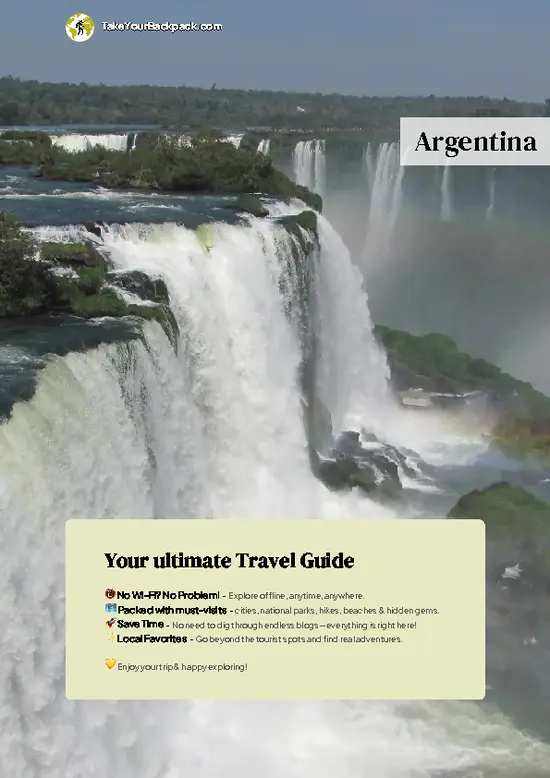
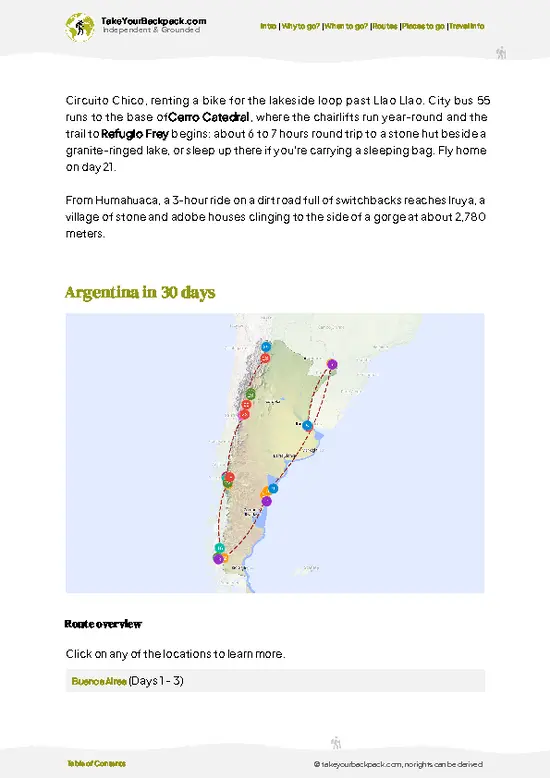
example page 0 from our offline Travel Guide for Argentina
example page 1 from our offline Travel Guide for Argentina
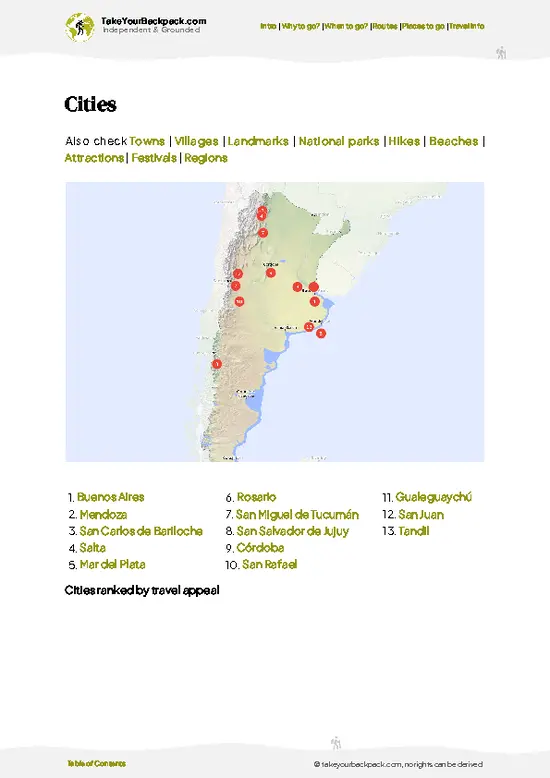
example page 2 from our offline Travel Guide for Argentina
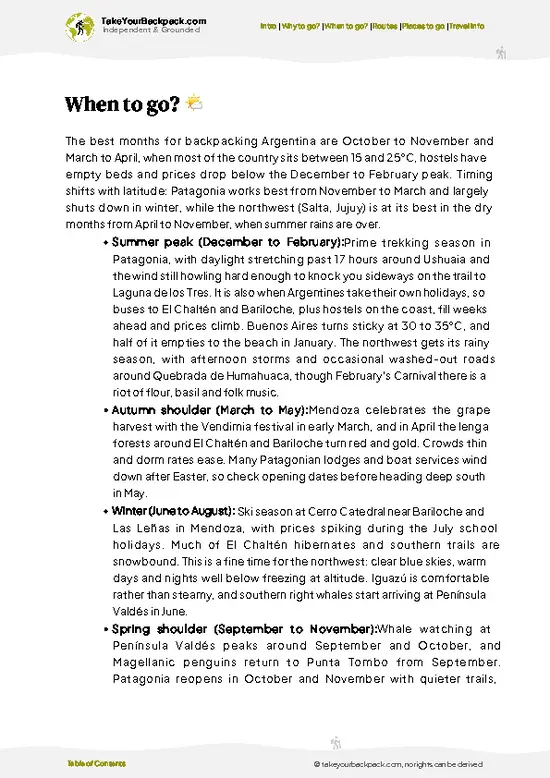
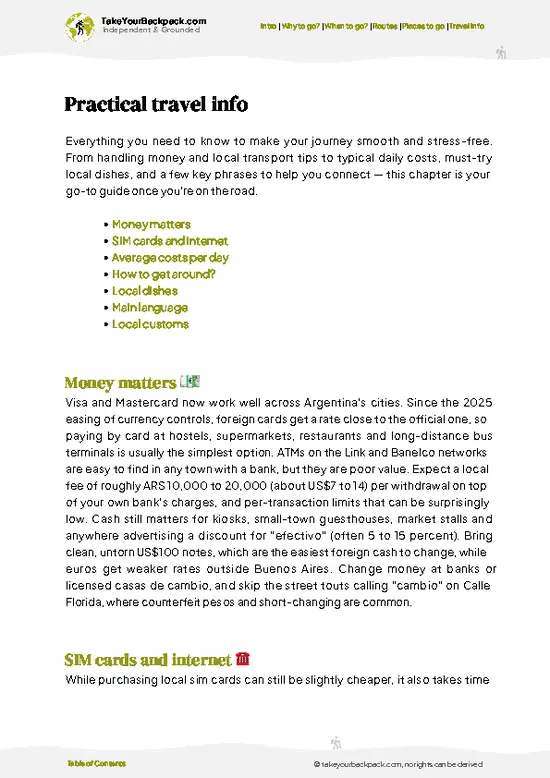
example page 3 from our offline Travel Guide for Argentina
example page 4 from our offline Travel Guide for Argentina
example page 5 from our offline Travel Guide for Argentina
example page 6 from our offline Travel Guide for Argentina
example page 7 from our offline Travel Guide for Argentina
Loading the map 🌍
CLICK TO FILTER
cities
towns
villages
landmarks
national parks
hikes
beaches
attractions
festivals
regions
SHOW COUNTRY’S BESTSHOW ALL

✨ Why go?
Ranked #4 city in Argentina
What makes this city worth visiting

Backpackers land in Salta because it works as a system, not just a stop. It's a genuine basecamp, feeding into the wine country and dramatic highland routes people rave about for weeks afterward. The hostel scene here is dense and social, cheap dorms with kitchens and rooftop bars where you'll meet the same faces three cities later. Walkability is a real asset: the historic center is compact, so you're not burning travel days just getting around. Food is regional and cheap, empanadas salteñas and locro that actually taste different from Buenos Aires versions. Nightlife on Balcarce street runs late without draining your budget. And when you're ready to move on, onward travel is straightforward, buses connect north to Bolivia, west to Chile via spectacular routes, or south back into the wine … read more 👉
Backpackers land in Salta because it works as a system, not just a stop. It's a genuine basecamp, feeding into the wine country and dramatic highland routes people rave about for weeks afterward. The hostel scene here is dense and social, cheap dorms with kitchens and rooftop bars where you'll meet the same faces three cities later. Walkability is a real asset: the historic center is compact, so you're not burning travel days just getting around. Food is regional and cheap, empanadas salteñas and locro that actually taste different from Buenos Aires versions. Nightlife on Balcarce street runs late without draining your budget. And when you're ready to move on, onward travel is straightforward, buses connect north to Bolivia, west to Chile via spectacular routes, or south back into the wine regions. It suits travelers who want a few relaxed days mixed with day-trip adventure, less so those chasing constant big-city energy.

💡 HighlightsKey sights and experiences for travelers

  1. Plaza 9 de Julio: The city's social heart, ringed by colonial arcades, the cathedral, and cafés. Free to visit, best at golden hour, 30-45 minutes to soak in.
  2. MAAM (Museo de Arqueología de Alta Montaña): Houses the preserved Inca child mummies found on Llullaillaco volcano. Genuinely moving and educational. Entry around 200 ARS equivalent (check current rate), allow an hour, best visited on a weekday morning when it's quiet.
  3. Cerro San Bernardo: A hill overlooking the city, reachable by cable car or a steep hour-long hike. Cable car costs a modest fee round trip; go late afternoon for sunset views over the valley.
  4. Iglesia San Francisco: A striking terracotta-and-gold facade church, one of the most photographed buildings in the country. Free to enter, 15-20 minutes, best in morning light.
  5. Mercado
… read more 👉
  1. Plaza 9 de Julio: The city's social heart, ringed by colonial arcades, the cathedral, and cafés. Free to visit, best at golden hour, 30-45 minutes to soak in.
  2. MAAM (Museo de Arqueología de Alta Montaña): Houses the preserved Inca child mummies found on Llullaillaco volcano. Genuinely moving and educational. Entry around 200 ARS equivalent (check current rate), allow an hour, best visited on a weekday morning when it's quiet.
  3. Cerro San Bernardo: A hill overlooking the city, reachable by cable car or a steep hour-long hike. Cable car costs a modest fee round trip; go late afternoon for sunset views over the valley.
  4. Iglesia San Francisco: A striking terracotta-and-gold facade church, one of the most photographed buildings in the country. Free to enter, 15-20 minutes, best in morning light.
  5. Mercado San Miguel: A covered market for cheap empanadas, tamales, and fresh juice. Budget a few dollars for a full meal, go around lunchtime when stalls are freshest.
  6. Balcarce Street: The nightlife strip with live folklore music venues and bars. Free to walk, drinks are cheap by regional standards, best after 10 PM when peñas get going.
  7. Museo de la Ciudad Casa de Hernández: A restored colonial house showing period furnishings and city history. Small entry fee, 30 minutes, good rainy-day option.
  8. Salta railway station: The check-in point for the Tren a las Nubes excursion, whose buses leave from Plazoleta Antofagasta in front of the station for San Antonio de los Cobres, where the train itself starts.
Just outside the city, Quebrada de Cafayate, Salinas Grandes salt flats, and the Calchaquí Valley wine region make excellent day trips. My personal favorite is Cafayate's canyon road, the rock formations along Route 68 turn a two-hour drive into its own attraction.
Spotted a mistake or missing something? Contact us.

Things to do in Salta

Ratings based on Tripadvisor reviews. When you book through this link, you support our work at no extra cost to you.

🏘️ NeighborhoodsWhere things are and how it's laid out

Where you sleep in Salta directly trades off against your time and wallet. Here's how the areas stack up:
  • Centro (around Plaza 9 de Julio): Maximum walkability, you're steps from the cathedral, museums, and restaurants. Costs run slightly higher, but you save time and transport money, a smart trade for short stays of 1-3 nights.
  • Balcarce Street area: This is the nightlife engine of the city. Hostels cluster here, prices stay budget-friendly, and you sacrifice quiet for social energy. Good for solo travelers wanting to meet people fast, less ideal if you need sleep before an early bus.
  • San Bernardo hill fringe: Quieter, a bit removed, rewards you with views and calm at the cost of a longer walk into the center. Worth it if you're staying over a week and want a break from hostel noise.
  • Villa Mitre
… read more 👉
Where you sleep in Salta directly trades off against your time and wallet. Here's how the areas stack up:
  • Centro (around Plaza 9 de Julio): Maximum walkability, you're steps from the cathedral, museums, and restaurants. Costs run slightly higher, but you save time and transport money, a smart trade for short stays of 1-3 nights.
  • Balcarce Street area: This is the nightlife engine of the city. Hostels cluster here, prices stay budget-friendly, and you sacrifice quiet for social energy. Good for solo travelers wanting to meet people fast, less ideal if you need sleep before an early bus.
  • San Bernardo hill fringe: Quieter, a bit removed, rewards you with views and calm at the cost of a longer walk into the center. Worth it if you're staying over a week and want a break from hostel noise.
  • Villa Mitre / outer residential pockets: Cheaper rent-equivalent lodging, minimal tourist infrastructure. You save money but sacrifice convenience and nightlife access, only makes sense on a tight budget with a rental car or bike.
The pattern is simple: proximity to the plaza costs more but buys back time and safety in numbers at night. Push further out and you gain quiet and savings, but pay for it in walking minutes and taxi fares after dark.

⌛️ 1 dayHow to make the most of one day

8:00 AM, Mercado San Miguel
Start where locals buy breakfast. Order an empanada salteña, baked in a clay oven with a juicy beef filling and a bit of egg, and a coffee. It is a few blocks from the main square, so walk over when you finish.

9:30 AM, Plaza 9 de Julio
Circle the arcaded square under the palms and step into the pink-and-yellow Cathedral to see its ornate interior. The Museo de Arqueología de Alta Montaña (MAAM) faces the plaza, and you should go in. Its Llullaillaco child mummies, preserved on a volcano summit by Inca ritual, take about 1.5 hours and cost roughly US$8 to 10 for foreigners.

12:00 PM, Iglesia San Francisco
Walk five minutes to this red, cream and gold church with its tall campanile. Pause on the sidewalk outside, since it makes a good photo, then continue to Calle … read more 👉
8:00 AM, Mercado San Miguel
Start where locals buy breakfast. Order an empanada salteña, baked in a clay oven with a juicy beef filling and a bit of egg, and a coffee. It is a few blocks from the main square, so walk over when you finish.

9:30 AM, Plaza 9 de Julio
Circle the arcaded square under the palms and step into the pink-and-yellow Cathedral to see its ornate interior. The Museo de Arqueología de Alta Montaña (MAAM) faces the plaza, and you should go in. Its Llullaillaco child mummies, preserved on a volcano summit by Inca ritual, take about 1.5 hours and cost roughly US$8 to 10 for foreigners.

12:00 PM, Iglesia San Francisco
Walk five minutes to this red, cream and gold church with its tall campanile. Pause on the sidewalk outside, since it makes a good photo, then continue to Calle Balcarce for lunch.

1:00 PM, Calle Balcarce
Peñas here serve humitas, locro and tamales, and the street is quieter at midday. Expect a main dish for about US$7 to 12. Take your time over a glass of Torrontés.

3:00 PM, Cerro San Bernardo
Take the Teleférico San Bernardo from Parque San Martín, about a 15-minute walk from the center. The cable car costs roughly US$6 to 8 return. At the top you get a view over the whole valley, with a waterfall and gardens to wander. Allow 1.5 hours.

5:30 PM, Barrio Tres Cerritos
This is the stop most backpackers skip. Walk or take a short taxi to this residential neighborhood on the east side, where locals stroll tree-lined streets and cafés fill with mate drinkers. It is a calm counterpoint to the busy plaza and a good way to feel everyday Salta.

8:00 PM, Peña folklórica
Return toward Balcarce for dinner and live folk music. Guitars, bombos and dancing usually start late, so settle in with a plate of grilled meat and stay as long as your energy allows. The walk back to most hostels is short.

🌤️ When to go?Seasonal considerations and timing

  • Dry Winter (May to September): Days sit around 20-23°C (68-73°F) with cold nights near 2-5°C (36-41°F), clear skies dominate, ideal for the surrounding highland day trips.
  • Shoulder Season (April, October): Mild temperatures around 18-22°C (64-72°F), fewer crowds, and stable weather before or after peak tourist months.
  • Summer Rains (November to March): Hot days near 28-30°C (82-86°F), afternoon thunderstorms are common and can disrupt travel to nearby valleys.
  • Daylight: Roughly 10 hours in June, stretching to 14 in December.
  • Crowds and Prices: July (Argentine winter school holidays) sees a spike in domestic tourists and higher hostel rates; low season (February-March) offers cheaper beds but wetter roads.
Aim for late April or September, you get the clear dry-season skies without the July crowd surge or price bump.

source: climatestotravel.comJANJanuary: good for travelingFEBFebruary: good for travelingMARMarch: highly recommended for travelingAPRApril: highly recommended for travelingMAYMay: excellent for travelingJUNJune: excellent for travelingJULJuly: excellent for travelingAUGAugust: excellent for travelingSEPSeptember: excellent for travelingOCTOctober: highly recommended for travelingNOVNovember: highly recommended for travelingDECDecember: good for traveling
argentina-city-salta
© Google |

✈️ The backpacker research shortcutArgentina Travel Guide

An offline-friendly backpacking guide with optimized travel routes, ranked highlights, transport advice, and the best areas to stay.
example page 0 from our offline Travel Guide for Argentina
example page 1 from our offline Travel Guide for Argentina
example page 2 from our offline Travel Guide for Argentina
example page 3 from our offline Travel Guide for Argentina
example page 4 from our offline Travel Guide for Argentina
example page 5 from our offline Travel Guide for Argentina
example page 6 from our offline Travel Guide for Argentina
example page 7 from our offline Travel Guide for Argentina
The digital guide (393 pages) contains:
✅ 131 highlights, ranked by travel appeal
✅ Optimized 14, 21 & 30-day travel routes
✅ Cities, national parks, landmarks, beaches
✅ How to get around
✅ Offline-friendly for travel without Wi-Fi
👉 Click to see all 30+ guide features

📅 Plan smarter in minutes, not weeks
✅ Month by month travel advice
✅ Festivals & national holidays
✅ Budget expectations

🗺️ Go to the right places, skip the overrated ones
✅ Honest pros & cons of destinations
✅ Top hikes, parks & viewpoints
✅ Lesser-known places most travelers miss
✅ Clear “worth it vs skip it” guidance

🛏️ Travel smoothly without rookie mistakes
✅ Best areas to stay
✅ Transport systems explained simply
✅ Common scams & safety advice
✅ SIM cards, money & practical tips

🌍 Understand the country, not just visit it
✅ Culture & traditions
✅ 52 Essential phrases & customs
✅ Festivals worth planning around
✅ Traveler-friendly historical context
✅ Insights that make places more meaningful

📱 Built for real travel conditions
✅ Fully downloadable PDF
✅ Works completely offline
✅ Optimized for phone use
✅ Useful in remote areas & buses
✅ Everything in one place
Stop searching, start planning
Get instant access to your full guide. 30‑day money-back guarantee.
+ Add another guide for just

By proceeding you agree to our terms.
Sent to your inbox immediately after payment • 100% Secure Checkout
Best Backpacking Travel Advisor 2025 tourism awardBest Backpacking
Travel Advisor
2025
What others say about Take Your Backpack Guides:
⭐⭐⭐⭐⭐
Fantastic, amazing amount of information!
⭐⭐⭐⭐⭐
My goodness this is amazing, it's what I've been looking for hats off too you!
⭐⭐⭐⭐⭐
I think this is absolutely BRILLIANT
⭐⭐⭐⭐
Very complete and informative. It's still missing places, but I gotta to commend you
⭐⭐⭐⭐⭐
This is truly amazing, thank you, can't wait to explore it with my kids!
⭐⭐⭐⭐⭐
Awesome resource, thank you!
⭐⭐⭐⭐⭐
This is amazing! Can't wait to explore the ones I haven't seen
⭐⭐⭐⭐
I love this! Well done, great idea.
⭐⭐⭐⭐⭐
Thanks for taking the time to make this gem!
⭐⭐⭐⭐⭐
This might be the best website I've ever seen.
⭐⭐⭐⭐⭐
Congratulations, and thank you so much for your work; it's incredibly valuable.
⭐⭐⭐⭐
In all seriousness I think you did a great job pointing out the important spots
⭐⭐⭐⭐⭐
10/10 very good
⭐⭐⭐⭐⭐
As someone who's only just starting to visit regularly this is awesome, thank you.
⭐⭐⭐⭐
Thank you very much! I'm going to visit my dad, it's going to be very useful!
⭐⭐⭐⭐⭐
This is really cool! We'll be travelling for the first time and this definitely come in handy.
⭐⭐⭐⭐⭐
You are now our minister of culture, congratulations 👨‍💼
⭐⭐⭐⭐⭐
Just wanted to tell you that this is a pearl! Going to follow your recommendations.
⭐⭐⭐⭐⭐
This is so cool. I'll definitely be using the resource for my travels soon.
⭐⭐⭐⭐⭐
This is very impressive! Good work.
⭐⭐⭐⭐⭐
This is an amazing and informative site. Very well done!

🛏️ Where to stay?Best areas to stay in Argentina

The area around Plaza 9 de Julio and extending toward Balcarce street is where most backpackers base themselves, and for good reason. It's walkable to nearly everything, museums, the cathedral, markets, and bars, so you're not burning time or money on transport. Hostel density here is high, with easy access to social common areas, rooftop terraces, and organized day-trip bookings.

Balcarce street itself leans louder and more nightlife-focused, ideal if you're solo and want to meet people fast, though light sleepers might prefer a block or two away for quieter nights while still being close enough … read more 👉
The area around Plaza 9 de Julio and extending toward Balcarce street is where most backpackers base themselves, and for good reason. It's walkable to nearly everything, museums, the cathedral, markets, and bars, so you're not burning time or money on transport. Hostel density here is high, with easy access to social common areas, rooftop terraces, and organized day-trip bookings.

Balcarce street itself leans louder and more nightlife-focused, ideal if you're solo and want to meet people fast, though light sleepers might prefer a block or two away for quieter nights while still being close enough to walk home safely.

Compared to outer residential neighborhoods, staying central costs slightly more but pays off in convenience and safety, especially at night when you want a short walk back rather than a taxi. For longer stays or a calmer pace, areas near San Bernardo hill offer a quieter alternative without sacrificing too much proximity, a solid middle ground between social buzz and rest.

🚌 Getting aroundGetting around like a local

Salta doesn't run on rigid timetables, it runs on intuition and proximity. The center is compact enough that the whole system rewards travelers who think in walking radius rather than route numbers, and once you crack that pattern, you'll move faster than anyone fumbling with bus apps.

  • Walking: Free, and honestly your best option within the historic center, most major sights sit within a 20-minute walk of Plaza 9 de Julio, sacrificing nothing but shoe leather.
  • City buses (SAETA system): Cheap, typically under a dollar per ride using a rechargeable card (SAETA card, purchasable at kiosks), but routes can be confusing for newcomers and schedules loosen on weekends, trading a bit of comfort and predictability for real savings.
  • Taxis and remises: Fast and comfortable, useful at night or for reaching
… read more 👉
Salta doesn't run on rigid timetables, it runs on intuition and proximity. The center is compact enough that the whole system rewards travelers who think in walking radius rather than route numbers, and once you crack that pattern, you'll move faster than anyone fumbling with bus apps.

  • Walking: Free, and honestly your best option within the historic center, most major sights sit within a 20-minute walk of Plaza 9 de Julio, sacrificing nothing but shoe leather.
  • City buses (SAETA system): Cheap, typically under a dollar per ride using a rechargeable card (SAETA card, purchasable at kiosks), but routes can be confusing for newcomers and schedules loosen on weekends, trading a bit of comfort and predictability for real savings.
  • Taxis and remises: Fast and comfortable, useful at night or for reaching the cable car station, cost more than buses but remain inexpensive by international standards, a smart trade when personal safety or time matters more than pinching pesos.
  • Cable car (Teleférico) to Cerro San Bernardo: Not transit in the traditional sense, but functions as one, moderate cost buys you a scenic shortcut up the hill versus an hour-long hike, pure comfort-for-money trade.
  • Long-distance buses from Terminal de Ómnibus: Essential for day trips and onward travel, buses to Cafayate, Jujuy, or across the border run frequently and cheaply, though the terminal itself sits a 15-20 minute walk or short taxi from the center, so factor that into planning.

The smart move: walk by day within the center, taxi at night or when hauling luggage, and use the bus system only once you've got a day or two to learn its quirks. That's the winning formula.

👛 Costs (as of 19 October 2026)What things cost and how to budget

As of recent estimates, budget travelers in Salta can expect moderate costs compared to Buenos Aires, with regional specialties keeping food expenses particularly low.
CategoryBudget RangeLocal Reality
Dorm bed (high season)USD 10-15Peaks around July during Argentine winter holidays
Dorm bed (off-season)USD 7-11February-March sees the lowest rates
Meals (per day)USD 8-15Market stalls and empanadas keep costs down versus sit-down restaurants
Local transportUSD 1-3City buses cost under USD 1 per ride with a rechargeable card
City transport passUSD 5-8Rechargeable SAETA card, refillable as needed
Activities/entry feesUSD 3-10Museum entries are cheap, cable car and tours cost more
MiscellaneousUSD 5-10Covers snacks, SIM card top-ups, small souvenirs
Total Daily BudgetUSD 30-50Comfortable budget travel without cutting corners
⚠️ Prices can change and everyone travels differently, so take this as a rough guide. Hope it helps you plan your adventure!

🚌 Day tripsWhere to go beyond the main area

Salta's location makes it one of the easiest cities in Argentina to use as a day-trip base, with dramatic landscapes reachable without an overnight stay.

Quebrada de Cafayate
This canyon road along Route 68 delivers red rock formations, eroded shapes with names like El Sapo and Garganta del Diablo, visible right from bus windows. With stops, the drive runs about 4-5 hours each way, though most backpackers join a full-day tour costing roughly USD 30-40 including lunch. Dry season (May-September) offers the clearest light for photos. First-timers often underestimate the distance and rush the wine-tasting stop in Cafayate town itself, worth lingering over instead.


Salinas Grandes Salt Flats
A striking white expanse at high altitude, shared with Jujuy province. The drive takes about 3 hours each … read more 👉
Salta's location makes it one of the easiest cities in Argentina to use as a day-trip base, with dramatic landscapes reachable without an overnight stay.

Quebrada de Cafayate
This canyon road along Route 68 delivers red rock formations, eroded shapes with names like El Sapo and Garganta del Diablo, visible right from bus windows. With stops, the drive runs about 4-5 hours each way, though most backpackers join a full-day tour costing roughly USD 30-40 including lunch. Dry season (May-September) offers the clearest light for photos. First-timers often underestimate the distance and rush the wine-tasting stop in Cafayate town itself, worth lingering over instead.


Salinas Grandes Salt Flats
A striking white expanse at high altitude, shared with Jujuy province. The drive takes about 3 hours each way through the Andes, so tours typically run a full 10-12 hour day, costing around USD 35-50. Go early morning for the flattest light and fewer crowds. Altitude sickness catches some travelers off guard, hydrate well beforehand.
👉 Explore Salinas Grandes

Quebrada de Humahuaca
A UNESCO-listed valley further north with colorful hillsides and indigenous market towns like Purmamarca. It's a longer day, roughly 3-4 hours each way, so many combine it with Salinas Grandes into one tour costing USD 40-60. Best visited outside the summer rains for clear valley views.
👉 Explore Quebrada de Humahuaca

San Antonio de los Cobres and the Train Route
Follows part of the famous Train to the Clouds route by road, reaching over 3,700 meters altitude. A full day trip costs around USD 40-50 by shared tour, best attempted only if you're already acclimatized, since altitude effects can be significant.

🍲 FoodLocal Cuisine & Drinks

Salta's food scene leans regional and hearty, shaped by Andean influence rather than the beef-and-wine reputation of Buenos Aires. The signature dish is the empanada salteña, juicier and spicier than versions elsewhere in Argentina, usually baked rather than fried. Locro, a thick corn and meat stew, shows up heavily during colder months and festival days. Tamales and humita (corn wrapped in husks) are market staples worth grabbing for a couple dollars.

Most backpackers eat well at Mercado San Miguel, where stalls serve fast, cheap, and authentic plates alongside locals doing their daily shopping. For evenings, peñas along Balcarce street combine live folklore music with regional dishes and pitchers of vino patero, a rustic homemade-style wine tradition tied to the region's vineyard culture. … read more 👉
Salta's food scene leans regional and hearty, shaped by Andean influence rather than the beef-and-wine reputation of Buenos Aires. The signature dish is the empanada salteña, juicier and spicier than versions elsewhere in Argentina, usually baked rather than fried. Locro, a thick corn and meat stew, shows up heavily during colder months and festival days. Tamales and humita (corn wrapped in husks) are market staples worth grabbing for a couple dollars.

Most backpackers eat well at Mercado San Miguel, where stalls serve fast, cheap, and authentic plates alongside locals doing their daily shopping. For evenings, peñas along Balcarce street combine live folklore music with regional dishes and pitchers of vino patero, a rustic homemade-style wine tradition tied to the region's vineyard culture.

Coffee culture centers on the plaza's arcade cafés, good for slow mornings watching the square wake up. Etiquette-wise, meals run later than you might expect, dinner rarely starts before 9 PM, and lingering over a shared bottle of Malbec or Torrontés (the local white varietal) is completely normal and encouraged.

🛡️ SafetyStaying Safe: What Travelers Should Know

Salta is broadly safe by Argentine standards, and most travelers pass through without incident. The main annoyance is petty theft, distraction scams and bag-snatching around crowded bus terminals and markets, so keep valuables zipped and close rather than dangling in an open backpack pocket. Solo travelers, including women, generally report feeling comfortable walking the central plaza area after dark, though the usual rules apply: stick to lit streets, avoid quiet residential edges late at night, and take a taxi rather than walk back from Balcarce street after a few drinks. Counterfeit bills occasionally circulate, so check change from taxis or informal vendors. Overall, common sense and normal city awareness cover you well here, no need for extra caution beyond what you'd apply in any mid-sized city.

FAQTraveler FAQ

Most backpackers spend 3 to 4 days in Salta itself, enough time to cover the historic center, MAAM, and Cerro San Bernardo, plus one or two day trips to Cafayate or Salinas Grandes. If you want to fit in multiple day trips without rushing, budget closer to 5 or 6 days.
Salta is one of the safer cities in Argentina for solo backpackers, with low rates of violent crime and a walkable central area. The main risks are petty theft and distraction scams in crowded markets or bus terminals, easily avoided with normal precautions like keeping bags zipped and avoiding poorly lit streets late at night.
Salta is known for its well-preserved colonial architecture, particularly the terracotta facade of Iglesia San Francisco, and for the high-altitude Inca mummies displayed at MAAM. It also serves as the gateway to dramatic Andean landscapes including the Cafayate wine valley and Salinas Grandes salt flats, and it's a center for Argentine folklore music and gaucho culture.
⚠️ Things can change over time, so always validate details locally before you go.

Other Argentine cities near Salta

Explore more nearby:

  • San Salvador de Jujuy—Gilded pulpit, archaeology museum, Andean market, Quebrada day trips| 67 km away
  • San Miguel de Tucumán—1816 independence house, northern market, subtropical heat, Northwest gateway| 229 km away
  • Córdoba—Jesuit block, student energy, evening plazas, weekend craft fair| 748 km away

💡 Not sure where to go next?
Create a personalized itinerary for Argentina including Salta and the places that fit your trip.

Generate my itinerary

👉 Discover all cities

Or checkout all Argentina has to offer (think cities, towns, villages, national parks, hikes, beaches, festivals)
Country photo of Argentina

We 💚 feedbackFinal thoughts on visiting Salta

Salta earns its spot on a backpacking route through sheer value: cheap dorms, genuine regional food, and easy access to dramatic Andean landscapes you won't find near Buenos Aires. The drawback? It's a slower city, if you're chasing nonstop urban energy, three days here might feel like enough. Plan accordingly.

✈️ When did I visit Argentina?
I have visited Argentina, together with Chile, in September 2012.

✍️ Help improve this page!
The information on this page is based on my own backpacking experience in Argentina, supplemented with up-to-date research and feedback from other travelers. Travel details can change, so if you notice anything outdated or incomplete, feel free to let me know.


🙋‍♂️ Give feedback

👋 Meet the founderWho’s Behind Take Your Backpack?

Johan, backpacker and founder of TakeYourBackpackHi, I’m Johan (Netherlands 🇳🇱), the creator of TakeYourBackpack. Over the past 3 decades, I’ve backpacked through 90+ countries across six continents, gaining extensive experience with independent travel, long-term trips, and overland routes.

This site is built on a combination of firsthand travel experience and carefully curated insights from other backpackers. Many guides are based on places I’ve personally visited, while others bring together tips, observations, and practical advice shared by trusted travelers I’ve met along the way.

The goal is to provide realistic, experience-driven guidance — not generic itineraries — so you can explore destinations with better context, clearer expectations, and more confidence.