×

Argentina🇦🇷 | regionsTucumánsubtropical forests, pre-Columbian ruins, sugar plantations | things to do and best time to go

Explore Tigre DeltaExplore Valle de Uco

Backpacking in Tucumán
👀 For curious travelersregion ranked #10
By Johan Kruseman 🇳🇱 | Updated September 4, 2026

You land in San Miguel de Tucumán and the first real decision hits: do you blow half your budget on quick taxis and comfy tourist buses, or crawl across the province on slow, dirt-cheap colectivos that eat your daylight but plug you straight into local life. That trade-off matters here more than in Buenos Aires, because Tucumán is compact but layered. It sits in northwest Argentina, between the high, dry drama of Salta/Jujuy and the greener, wine-soaked valleys of Catamarca and La Rioja. For backpackers, it’s a sweet-spot: cheap empanadas, short hops between towns, real Andean culture, and barely any package-tour gloss. The downside: buses can be late, some towns feel sleepy, and if you want big-mountain scenery, nearby Salta usually wins.

Discover everything you want to know in the 📖 Argentina Travel Guide.
Loading the map 🌍
CLICK TO FILTER
cities
towns
villages
landmarks
national parks
hikes
beaches
attractions
festivals
regions
SHOW COUNTRY’S BESTSHOW ALL

✨ Why go?
Ranked #10 region in Argentina
What makes this region worth visiting

Tucumán is a backpacker’s playground in Argentina, offering a variety of landscapes that keep your adventure fresh without the hassle of constant relocation. You can hike the Andes, explore lush valleys, or chill in charming colonial towns all in one trip.

Transport here is surprisingly flexible; buses run frequently, making it easy to hop between experiences. You can dive into local culture at vibrant markets one day and trek through national parks the next.

This region is perfect for slow travel—you’ll savor the rich history and diverse ecosystems without feeling rushed. Spend a few days in San Miguel de Tucumán to soak in the local vibe, then venture out to the Quebrada de Humahuaca for breathtaking views. Each choice you make here is a chance to blend nature and culture, creating a trip that feels both authentic and rewarding.
Want to include Tucumán in your Argentina route?
Create a personalized Argentina itinerary that includes Tucumán and the places that fit your trip — based on your travel style, budget, and available time. Get your route in seconds.

Generate my trip

💡 HighlightsThe experiences that define the visit

  1. Tafí del Valle — High mountain valley with a proper alpine feel: wide green pastures, little wooden cottages, artisan markets and fresh cheese. Great for easy hikes, horseback rides and wandering quiet dirt roads; the scenery and micro-climate are unmistakably Tucumán (and it’s one of the few places in the province that really feels like a mountain village rather than a city outcrop).
  2. Parque Nacional Aconquija — Cloud-forest slopes dropping into riparian canyons, rare orchids and brilliant birdlife. The park’s steep trails and viewpoints give you a real Andean feel without leaving Tucumán; excellent for multi-day trekking if you want solitude and dramatic landscapes.
  3. El Mollar and the Menhires — A small mountain village surrounded by pre-Columbian stone monoliths (menhires) scattered across
read more 👉
  1. Tafí del Valle — High mountain valley with a proper alpine feel: wide green pastures, little wooden cottages, artisan markets and fresh cheese. Great for easy hikes, horseback rides and wandering quiet dirt roads; the scenery and micro-climate are unmistakably Tucumán (and it’s one of the few places in the province that really feels like a mountain village rather than a city outcrop).
  2. Parque Nacional Aconquija — Cloud-forest slopes dropping into riparian canyons, rare orchids and brilliant birdlife. The park’s steep trails and viewpoints give you a real Andean feel without leaving Tucumán; excellent for multi-day trekking if you want solitude and dramatic landscapes.
  3. El Mollar and the Menhires — A small mountain village surrounded by pre-Columbian stone monoliths (menhires) scattered across the landscape. It’s an oddly powerful, local archaeological landscape you can walk through — plus the town’s weekend craft stalls and local trout eateries are very low-key. (Hidden gem.)
  4. Dique El Cadillal — A reservoir with cliffs, little beaches, and a long lakeside promenade; you can kayak, sail, swim or rent a pedal boat. Close to San Miguel de Tucumán, it’s the easiest day-trip when you want sun and water without hours of driving.
  5. Parque Provincial Campo de los Alisos — High-altitude woodlands (queñoas/Polylepis), cool mountain air and a few lovely waterfalls such as the Cascada de los Alisos. Trails are quieter than the big national parks and the landscape — twisted, ancient trees clinging to steep slopes — is special. Personal favorite for solitude and weird, beautiful forests. (Hidden gem.)
  6. Colalao del Valle & the Ruta del Adobe — A string of small adobe towns and scenic switchbacks that show off traditional Tucumán architecture and rural life. Slow down here: the local bakeries, roadside empanadas and little vineyards/orchards make this stretch feel genuinely local — great for cycling or a relaxed scenic drive.
  7. Mercado del Norte (San Miguel de Tucumán) — A bustling indoor market where locals shop: fresh ingredients, empanadas, cheeses, spicy condiments and street-food stalls. It’s noisy, cheap and true — the best place to taste everyday Tucumán flavors and watch how locals eat and haggle. (Hidden gem for foodies who skip the tourist restaurants.)
  8. Famaillá — Fiesta/route of the Empanada — Famaillá is famous in the province for empanadas and hosts strong local celebrations dedicated to them; even outside festival dates you’ll find family bakeries and empanadas made the Tucumán way. If you want a cultural, edible deep-dive, time your visit for the local food fairs or just follow locals to the best horno de barro.
  9. Trancas — A small colonial town with a photogenic main square, old adobe houses and a dramatic mountain backdrop; it’s a slice of rural, historical Tucumán life that most visitors bypass. Walk the quiet streets, check out local carpenter shops and sit at a café to watch campesino life roll by. (Hidden gem.)
  10. Raco and Cerro San Javier viewpoints — The rural approach to the Aconquija foothills: old estancias, narrow switchback roads and multiple miradores above the valley. Cerro San Javier has short hikes and great sunset viewpoints (some locals also paraglide from here); it’s a good mix of easy adventure and sweeping views without needing specialized gear.
Spotted a mistake or missing something? Contact us.

Things to do around Tucumán

Ratings based on Tripadvisor reviews. When you book through this link, you support our work at no extra cost to you.

⌛️ 5 daysA smart one-week plan

Day 1: San Miguel de Tucumán
The heart of Tucumán is your launchpad. Arrive here and soak in the vibrant street life. The bus system is your best friend; it’s cheap and connects you to the region’s highlights. Spend the day exploring the Plaza Independencia and the Casa Histórica. This sets the tone for your trip, giving you a taste of local culture and history.

Day 2: Tafí del Valle
Hop on a bus early to Tafí del Valle. The ride is about two hours, winding through stunning landscapes. This is where the mountains start to embrace you. Spend the day hiking the trails around the valley. The fresh air and breathtaking views are a reward for your effort. Plus, the local cuisine is a must-try—don’t skip the empanadas.

Day 3: Quilmes Ruins
Take a bus to the Quilmes Ruins, about an hour from … read more 👉
Day 1: San Miguel de Tucumán
The heart of Tucumán is your launchpad. Arrive here and soak in the vibrant street life. The bus system is your best friend; it’s cheap and connects you to the region’s highlights. Spend the day exploring the Plaza Independencia and the Casa Histórica. This sets the tone for your trip, giving you a taste of local culture and history.

Day 2: Tafí del Valle
Hop on a bus early to Tafí del Valle. The ride is about two hours, winding through stunning landscapes. This is where the mountains start to embrace you. Spend the day hiking the trails around the valley. The fresh air and breathtaking views are a reward for your effort. Plus, the local cuisine is a must-try—don’t skip the empanadas.

Day 3: Quilmes Ruins
Take a bus to the Quilmes Ruins, about an hour from Tafí. These ancient ruins are a fascinating glimpse into pre-Columbian life. The site is expansive, so take your time wandering. The history here is palpable, and it’s far less crowded than other tourist spots.

Day 4: Cafayate
Travel to Cafayate, famous for its wine. This journey takes about three hours, but the scenery is worth every minute. Spend the afternoon at a vineyard, tasting local wines. The laid-back vibe here is a perfect contrast to the previous days.

Day 5: Off-Path Reward: Cumbres Calchaquíes
On your way back to San Miguel, take a detour through the Cumbres Calchaquíes. The views are jaw-dropping, and you’ll find fewer tourists. It’s a chance to connect with the wild beauty of the region.

The must-do day? Day 2 in Tafí del Valle. The combination of nature, culture, and food makes it the highlight of your trip. You’ll leave feeling like you’ve truly experienced the soul of Tucumán.
Turn your Tucumán visit into an Argentina adventure
Build a complete Argentina route with Tucumán, hidden gems, must-see destinations, and realistic travel times included.

Generate my trip

🌤️ When to go?When to go for the best experience


  • Weather: Tucumán’s subtropical climate means hot, humid summers (30-35°C/86-95°F) with frequent afternoon storms. Winters are mild and dry, hovering around 10-20°C (50-68°F), perfect for hiking without melting into a puddle.

  • Temperature: Spring (September-November) offers a sweet spot—warm but not oppressive, averaging 18-25°C (64-77°F). Fall (March-May) mirrors this, with cooler nights that make camping cozy.

  • Daylight Hours: Longer days from October to March give you more daylight for trekking and exploring, but beware the summer heat during peak sun hours.

  • Crowds: Peak tourist season hits December to February, especially around Carnaval. If you want fewer people and better deals, aim for shoulder seasons—spring and fall.

  • Seasonal Activities: Spring brings wildflowers and bird
read more 👉

  • Weather: Tucumán’s subtropical climate means hot, humid summers (30-35°C/86-95°F) with frequent afternoon storms. Winters are mild and dry, hovering around 10-20°C (50-68°F), perfect for hiking without melting into a puddle.

  • Temperature: Spring (September-November) offers a sweet spot—warm but not oppressive, averaging 18-25°C (64-77°F). Fall (March-May) mirrors this, with cooler nights that make camping cozy.

  • Daylight Hours: Longer days from October to March give you more daylight for trekking and exploring, but beware the summer heat during peak sun hours.

  • Crowds: Peak tourist season hits December to February, especially around Carnaval. If you want fewer people and better deals, aim for shoulder seasons—spring and fall.

  • Seasonal Activities: Spring brings wildflowers and bird migrations, while fall is grape harvest time in nearby vineyards—both add local flavor beyond the trails.

  • Price Fluctuations: Expect accommodation and tour prices to spike in summer and Carnaval. Booking in shoulder seasons means better rates and more negotiating power.


Pro-tip: Hit Tucumán in late September or early October—before the crowds and heat kick in, but when the landscape is waking up. You’ll feel like you’ve got the place to yourself.


source: climatestotravel.comJANJanuary: fair for travelingFEBFebruary: fair for travelingMARMarch: highly recommended for travelingAPRApril: highly recommended for travelingMAYMay: highly recommended for travelingJUNJune: good for travelingJULJuly: good for travelingAUGAugust: good for travelingSEPSeptember: excellent for travelingOCTOctober: excellent for travelingNOVNovember: highly recommended for travelingDECDecember: fair for traveling
argentina-region-tucuman
© Google | Julian Domergue

✈️ The backpacker research shortcutArgentina Travel Guide

An offline-friendly backpacking guide with optimized travel routes, ranked highlights, transport advice, and the best areas to stay.
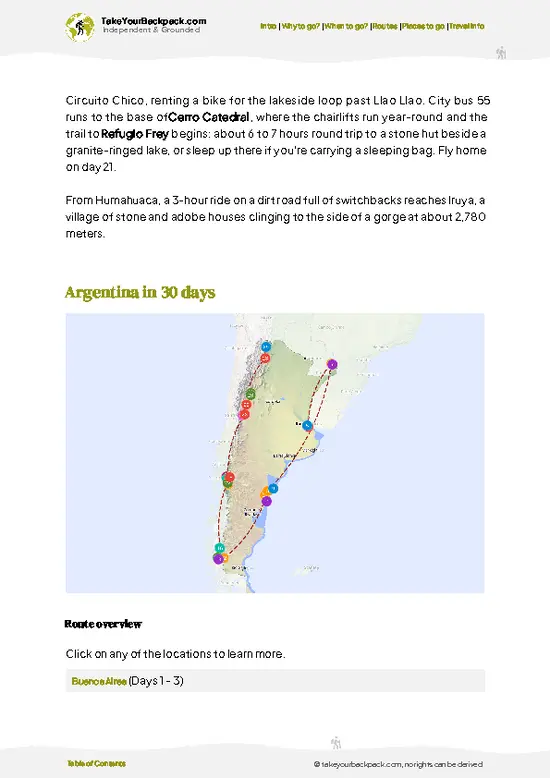
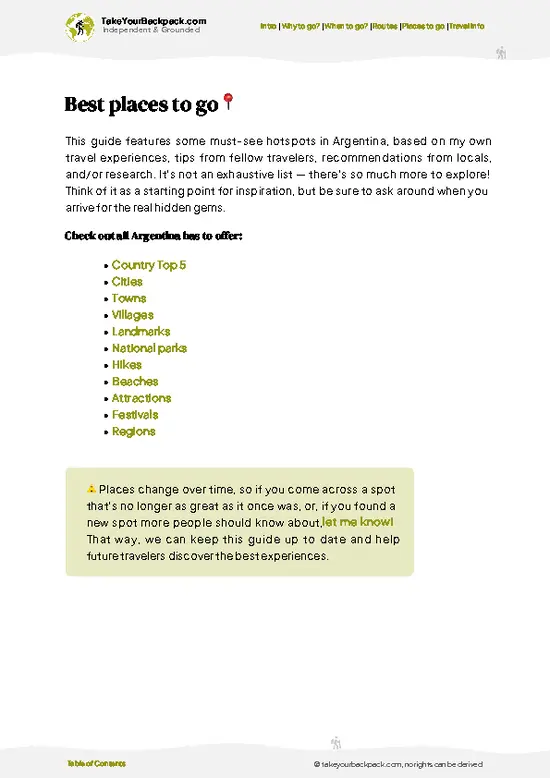
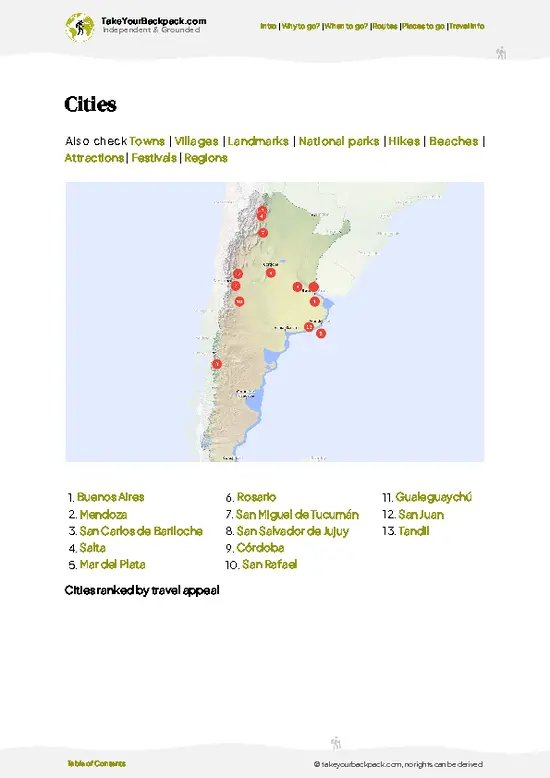
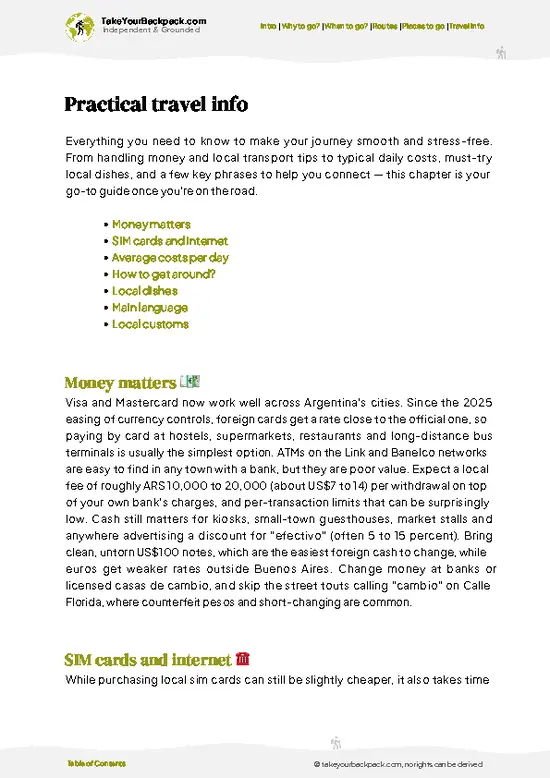
example page 0 from our offline Travel Guide for Argentina
example page 1 from our offline Travel Guide for Argentina
example page 2 from our offline Travel Guide for Argentina
example page 3 from our offline Travel Guide for Argentina
example page 4 from our offline Travel Guide for Argentina
example page 5 from our offline Travel Guide for Argentina
example page 6 from our offline Travel Guide for Argentina
example page 7 from our offline Travel Guide for Argentina
The digital guide (505 pages) contains:
135 highlights, ranked by travel appeal
Optimized 14, 21 & 30-day travel routes
Cities, national parks, landmarks, beaches
How to get around
Offline-friendly for travel without Wi-Fi
👉 Click to see all 30+ guide features

📅 Plan smarter in minutes, not weeks
Month by month travel advice
Festivals & national holidays
Budget expectations

🗺️ Go to the right places, skip the overrated ones
Honest pros & cons of destinations
Top hikes, parks & viewpoints
Lesser-known places most travelers miss
Clear “worth it vs skip it” guidance

🛏️ Travel smoothly without rookie mistakes
Best areas to stay
Transport systems explained simply
Common scams & safety advice
SIM cards, money & practical tips

🌍 Understand the country, not just visit it
Culture & traditions
52 Essential phrases & customs
Festivals worth planning around
Traveler-friendly historical context
Insights that make places more meaningful

📱 Built for real travel conditions
Fully downloadable PDF
Works completely offline
Optimized for phone use
Useful in remote areas & buses
Everything in one place
Save weeks of stressful planning
Get instant access to your full guide. 30‑day money-back guarantee.
+ Add another guide for just US$7.80

By proceeding you agree to our terms.
Sent to your inbox immediately after payment • 100% Secure Checkout
Best Backpacking Travel Advisor 2025 tourism awardBest Backpacking
Travel Advisor
2025
What others say about Take Your Backpack Guides:
⭐⭐⭐⭐⭐
Fantastic, amazing amount of information!
⭐⭐⭐⭐⭐
My goodness this is amazing, it's what I've been looking for hats off too you!
⭐⭐⭐⭐⭐
I think this is absolutely BRILLIANT
⭐⭐⭐⭐
Very complete and informative. It's still missing places, but I gotta to commend you
⭐⭐⭐⭐⭐
This is truly amazing, thank you, can't wait to explore it with my kids!
⭐⭐⭐⭐⭐
Awesome resource, thank you!
⭐⭐⭐⭐⭐
This is amazing! Can't wait to explore the ones I haven't seen
⭐⭐⭐⭐
I love this! Well done, great idea.
⭐⭐⭐⭐⭐
Thanks for taking the time to make this gem!
⭐⭐⭐⭐⭐
This might be the best website I've ever seen.
⭐⭐⭐⭐⭐
Congratulations, and thank you so much for your work; it's incredibly valuable.
⭐⭐⭐⭐
In all seriousness I think you did a great job pointing out the important spots
⭐⭐⭐⭐⭐
10/10 very good
⭐⭐⭐⭐⭐
As someone who's only just starting to visit regularly this is awesome, thank you.
⭐⭐⭐⭐
Thank you very much! I'm going to visit my dad, it's going to be very useful!
⭐⭐⭐⭐⭐
This is really cool! We'll be travelling for the first time and this definitely come in handy.
⭐⭐⭐⭐⭐
You are now our minister of culture, congratulations 👨‍💼
⭐⭐⭐⭐⭐
Just wanted to tell you that this is a pearl! Going to follow your recommendations.
⭐⭐⭐⭐⭐
This is so cool. I'll definitely be using the resource for my travels soon.
⭐⭐⭐⭐⭐
This is very impressive! Good work.
⭐⭐⭐⭐⭐
This is an amazing and informative site. Very well done!

🛏️ Where to stay?Where staying makes the most sense

In Tucumán, the heart of Argentina’s northwest, you’ve got a few standout spots that scream “backpacker-friendly.”

Start with San Miguel de Tucumán, the capital. It’s buzzing with energy. You’ll find a mix of locals and travelers in the plazas, especially around the historic Casa de Tucumán. Grab a coffee at a local café and soak in the vibrant street life. It’s safe, social, and a great base for day trips.

Next up, Tafí del Valle. This mountain town is a breath of fresh air. It’s perfect for hiking and offers stunning views. The vibe is laid-back, and you’ll meet fellow adventurers in the … read more 👉
In Tucumán, the heart of Argentina’s northwest, you’ve got a few standout spots that scream “backpacker-friendly.”

Start with San Miguel de Tucumán, the capital. It’s buzzing with energy. You’ll find a mix of locals and travelers in the plazas, especially around the historic Casa de Tucumán. Grab a coffee at a local café and soak in the vibrant street life. It’s safe, social, and a great base for day trips.

Next up, Tafí del Valle. This mountain town is a breath of fresh air. It’s perfect for hiking and offers stunning views. The vibe is laid-back, and you’ll meet fellow adventurers in the cozy eateries.

Don’t overlook Colalao del Río de las Conchas. It’s a bit off the beaten path but offers a unique glimpse into rural life. The locals are welcoming, and you can explore beautiful landscapes without the crowds.

Each of these spots offers a different flavor of Tucumán, ensuring you’ll leave with stories worth sharing.

🚌 Getting aroundHow to get from A to B

Tucumán is a delightful whirlwind of energy, where schedules are more like suggestions than rules. You’ll find yourself swept up in the rhythm of the region, where buses roll in and out with a casualness that feels almost rebellious. Locals navigate the streets with a blend of intuition and familiarity, making it easy to feel like you’re part of the flow rather than just a visitor. The transport options here are essential for budget travelers, and knowing the ins and outs can elevate your experience from ordinary to extraordinary.


  • Local Buses: These are the lifeblood of Tucumán. They run from early morning until around 10 PM, with fares typically around ARS 50. Expect a mix of comfort levels, but they’re reliable for getting you to key spots like San Miguel de Tucumán and surrounding towns.
read more 👉
Tucumán is a delightful whirlwind of energy, where schedules are more like suggestions than rules. You’ll find yourself swept up in the rhythm of the region, where buses roll in and out with a casualness that feels almost rebellious. Locals navigate the streets with a blend of intuition and familiarity, making it easy to feel like you’re part of the flow rather than just a visitor. The transport options here are essential for budget travelers, and knowing the ins and outs can elevate your experience from ordinary to extraordinary.


  • Local Buses: These are the lifeblood of Tucumán. They run from early morning until around 10 PM, with fares typically around ARS 50. Expect a mix of comfort levels, but they’re reliable for getting you to key spots like San Miguel de Tucumán and surrounding towns.


  • Long-Distance Buses: For trips to places like Cafayate or Salta, these buses are your best bet. They usually leave throughout the day, with prices ranging from ARS 800 to ARS 1,500 depending on the distance and class. Opt for the overnight services for a cozy ride and save on accommodation.


  • Taxis and Remises: While pricier, these are great for late-night returns or when you’re in a hurry. A taxi ride within the city can cost around ARS 300, and remises (private cars) can be booked for a fixed rate, offering a bit more comfort and reliability.


  • Bicycle Rentals: If you’re feeling adventurous, rent a bike for about ARS 200 a day. It’s a fun way to explore the city at your own pace, especially in the parks and along the river.


For a tactical tip: download a local transport app like “Moovit” to navigate bus routes and schedules effortlessly. It’ll save you time and keep you in the loop with real-time updates, making you feel like a local in no time.

🍲 FoodWhat to Eat & Drink

In Tucumán, the culinary scene is a vibrant tapestry of flavors that tells the story of the region. Start with the empanadas, a local specialty that’s a must-try. These golden pockets of dough are stuffed with spiced meat or cheese, and you’ll find them sizzling at street stalls. Pair them with a glass of Torrontés, a fragrant white wine that dances on your palate.

For a true local experience, hit the Mercado del Norte. The air is thick with the aroma of fresh produce and sizzling meats. Grab a plate of asado, where cuts of beef are grilled to perfection, and don’t skip the locro, a hearty stew that warms the soul.

Dining here is casual and communal. Expect to share tables and stories with locals. When it comes to etiquette, don’t rush your meal; savor each bite and enjoy the company. Embrace … read more 👉
In Tucumán, the culinary scene is a vibrant tapestry of flavors that tells the story of the region. Start with the empanadas, a local specialty that’s a must-try. These golden pockets of dough are stuffed with spiced meat or cheese, and you’ll find them sizzling at street stalls. Pair them with a glass of Torrontés, a fragrant white wine that dances on your palate.

For a true local experience, hit the Mercado del Norte. The air is thick with the aroma of fresh produce and sizzling meats. Grab a plate of asado, where cuts of beef are grilled to perfection, and don’t skip the locro, a hearty stew that warms the soul.

Dining here is casual and communal. Expect to share tables and stories with locals. When it comes to etiquette, don’t rush your meal; savor each bite and enjoy the company. Embrace the slow pace, and you’ll find that the real flavor of Tucumán lies in its people and their traditions.

FAQTraveler FAQ

3 to 4 days are sufficient to explore the main attractions of Tucumán, including San Miguel de Tucumán, Tafí del Valle, and the Quilmes Ruins. This allows time for hiking, cultural visits, and sampling local cuisine. Longer stays are recommended if you want to explore more remote areas or take part in festivals.
You can get around Tucumán without a car using local buses and colectivos, which connect major towns and tourist sites. Taxis and remises are also available in cities like San Miguel de Tucumán, with typical fares starting around 100 ARS for short trips. For more flexibility, some travelers use organized tours or rent bicycles in smaller towns.
Tucumán is known for its historical significance as the site where Argentina declared independence in 1816. It is also famous for its scenic valleys like Tafí del Valle, rich indigenous heritage, and sugarcane plantations. The region is a gateway to the Calchaquíes Valleys and offers diverse outdoor activities such as hiking and birdwatching.
⚠️ Things can change over time, so always validate details locally before you go.

Other Argentinian regions near Tucumán

Explore more nearby:

  • Sierras Chicas—rolling hills, colonial villages, artisan markets| 491 km away
  • Valle de Uco—high-altitude vineyards, snow-capped Andes, boutique lodges| 801 km away
  • Mendoza wine region—vineyards, Andean foothills, Malbec tastings| 839 km away

💡 Not sure where to go next?
Create a personalized itinerary for Argentina including Tucumán and the places that fit your trip.

Generate my itinerary

👉 Discover all regions

Or checkout all Argentina has to offer (think cities, towns, villages, national parks, hikes, beaches, festivals)
Country photo of Argentina

We 💚 feedbackParting advice and final tips

Tucumán’s got this raw, unfiltered vibe that’s hard to find elsewhere in Argentina. The lush valleys and vibrant local culture? Totally worth the trek. But here’s the kicker: public transport can be a bit of a puzzle. Buses don’t always run on time, so plan ahead. Embrace the chaos; it’s part of the adventure. Just don’t expect everything to run like clockwork.

✈️ When did I visit Argentina?
I have visited Argentina, together with Chile, in September 2012.

✍️ Help improve this page!
The information on this page is based on my own backpacking experience in Argentina, supplemented with up-to-date research and feedback from other travelers. Travel details can change, so if you notice anything outdated or incomplete, feel free to let me know.


🙋‍♂️ Give feedback

👋 Meet the founderWho’s Behind Take Your Backpack?

Johan, backpacker and founder of TakeYourBackpackHi, I’m Johan (Netherlands 🇳🇱), the creator of TakeYourBackpack. Over the past decade, I’ve backpacked through 80+ countries across six continents, gaining extensive experience with independent travel, long-term trips, and overland routes.

This site is built on a combination of firsthand travel experience and carefully curated insights from other backpackers. Many guides are based on places I’ve personally visited, while others bring together tips, observations, and practical advice shared by trusted travelers I’ve met along the way.

The goal is to provide realistic, experience-driven guidance — not generic itineraries — so you can explore destinations with better context, clearer expectations, and more confidence.

Get full Argentina guide •
Instant download • 135 highlights • Full Offline guide