×
Three Capes Track

Australia🇦🇺 | hikesThree Capes Tracksea cliffs, Tasman Peninsula, wind-sculpted heath, panoramic lookouts | things to do and best time to go

Explore O’Shannassy Aqueduct TrailExplore Bibbulmun Track

Backpacking in Three Capes Track
🏆 Top pickhike ranked #3
By Johan Kruseman 🇳🇱 | Updated September 4, 2026

Most people online call the Three Capes Track a “remote wilderness epic,” but the surprise is this: it’s one of the most curated, almost luxurious multi-day hikes you can do with a backpack, with boardwalks, sculpted steps, and huts that feel closer to eco-lodges than shelters. The track runs along the Tasman Peninsula in southeast Tasmania, a few hours from Hobart. You still earn it: four days, about 48 km, constant undulation, and coastal wind that can slap the energy out of you on the exposed headlands. In return you get raw sea cliffs, swirling ocean below Cape Pillar, and wallaby traffic jams near camp. It’s easy to reach by shuttle from Hobart, far simpler than many Australian trails, and much less brutal than the Western Arthurs or Federation Peak missions, but also more controlled and less wild than a true off-track Tasmanian slog. You trade chaos for comfort—and views that still feel wild.

Discover everything you want to know in the 📖 Australia Travel Guide.
Best time to go: October - April
Duration: 4 days
Distance: 48 kilometers
Total ascent: 1,000 meters
Loading the map 🌍
CLICK TO FILTER
cities
towns
villages
landmarks
national parks
hikes
beaches
attractions
festivals
regions
SHOW COUNTRY’S BESTSHOW ALL

✨ Why go?
Ranked #3 hike in Australia
What makes this hike worth hiking

The Three Capes Track in Australia is a magnet for backpackers craving a mix of stunning views and manageable effort. You’ll trek along rugged cliffs, where the ocean crashes below, and the air is thick with salt. The scenery-to-effort ratio is off the charts; you’ll earn those breathtaking panoramas without needing to be a seasoned mountaineer.

Getting there is a breeze, thanks to public transport access from Hobart. You can hop on a bus, and before you know it, you’re standing at the trailhead, ready to dive into the wild. The low cost of the hike—especially considering the experience—makes it a no-brainer for budget-conscious adventurers.

With flexible distances, you can tailor your journey to fit your pace, whether you want a leisurely stroll or a more intense challenge. Plus, it seamlessly … read more 👉
The Three Capes Track in Australia is a magnet for backpackers craving a mix of stunning views and manageable effort. You’ll trek along rugged cliffs, where the ocean crashes below, and the air is thick with salt. The scenery-to-effort ratio is off the charts; you’ll earn those breathtaking panoramas without needing to be a seasoned mountaineer.

Getting there is a breeze, thanks to public transport access from Hobart. You can hop on a bus, and before you know it, you’re standing at the trailhead, ready to dive into the wild. The low cost of the hike—especially considering the experience—makes it a no-brainer for budget-conscious adventurers.

With flexible distances, you can tailor your journey to fit your pace, whether you want a leisurely stroll or a more intense challenge. Plus, it seamlessly fits into a longer backpacking route, making it a perfect pit stop on your Australian adventure. Each step brings you closer to that first cold beer at the end, and trust me, it’s worth every drop of sweat.
Want to include Three Capes Track in your Australia route?
Create a personalized Australia itinerary that includes Three Capes Track and the places that fit your trip — based on your travel style, budget, and available time. Get your route in seconds.

Generate my trip

💡 HighlightsDon't-miss highlights and experiences

  1. Cape Pillar’s sheer sea cliffs — Giant dolerite walls plunging straight into the Southern Ocean. The drop-offs and sweeping views to Tasman Island feel properly cinematic; standing on those headlands gives you the “edge of the earth” vibe that separates this track from most forest walks.
  2. Cape Hauy and the Totem Pole sea stack — A classic photo: the needle-thin Totem Pole rising offshore and the broad headland viewpoints you walk along. The dramatic sea stacks and exposed headland make for some of the most jaw-dropping coastal scenery in Tasmania — and climbers’ legends to boot.
  3. Cape Raoul’s columned headland — Long finger-like cape, towering cliffs and striking columnar rock formations carved by the sea. The scale and sculpted geology here are different from the average coastal lookout;
read more 👉
  1. Cape Pillar’s sheer sea cliffs — Giant dolerite walls plunging straight into the Southern Ocean. The drop-offs and sweeping views to Tasman Island feel properly cinematic; standing on those headlands gives you the “edge of the earth” vibe that separates this track from most forest walks.
  2. Cape Hauy and the Totem Pole sea stack — A classic photo: the needle-thin Totem Pole rising offshore and the broad headland viewpoints you walk along. The dramatic sea stacks and exposed headland make for some of the most jaw-dropping coastal scenery in Tasmania — and climbers’ legends to boot.
  3. Cape Raoul’s columned headland — Long finger-like cape, towering cliffs and striking columnar rock formations carved by the sea. The scale and sculpted geology here are different from the average coastal lookout; it’s a great place to feel how raw the coastline can be.
  4. Elevated boardwalks, coastal heath and wildflowers — The track uses raised boardwalks to thread across fragile cushion plants and heath, so you get uninterrupted panoramas while stepping through strange, windswept vegetation. In spring the colour and scent of the coastal heath make the views even better — and the boardwalks keep the experience low-impact.
  5. Wildlife and sea-watching — whales, seals and dusk critters — From the cliffs you can spot seals, seabirds and (in season) migrating whales breaching offshore. Near dusk you’ll often see wallabies and wombats near the camps. The combo of big ocean life and approachable land mammals is a nice contrast to many inland treks.
Spotted a mistake or missing something? Contact us.

Things to do near Three Capes Track

Ratings based on Tripadvisor reviews. When you book through this link, you support our work at no extra cost to you.

🌤️ When to go?Seasonal considerations and timing


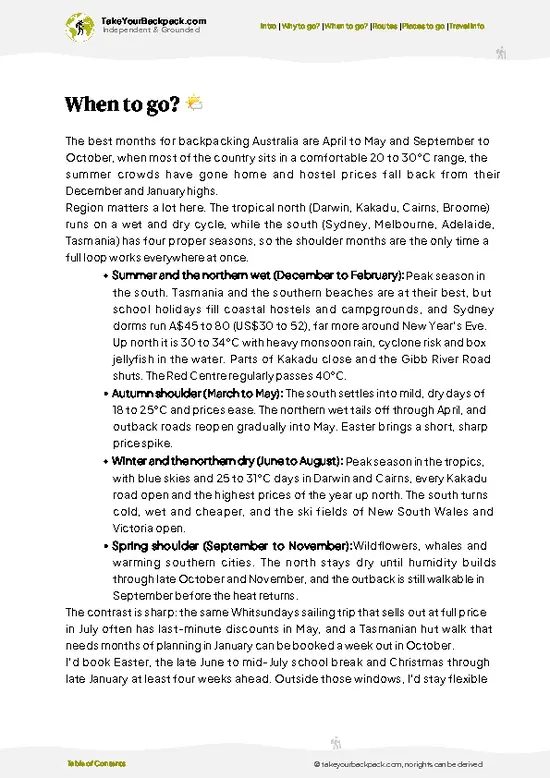
  • Weather: The Three Capes Track thrives in Tasmania’s mild months. Late spring through early autumn (November to April) offers stable weather, avoiding the harsh cold and wet of winter. Expect crisp mornings and occasional coastal winds that sharpen your senses.

  • Temperature: Daytime highs hover between 15-22°C (59-72°F), perfect for pushing your legs without overheating. Nights dip to 7-12°C (45-54°F), so pack layers to stay cozy after the sun dips.

  • Daylight Hours: Longer days from November to February stretch your hiking window, letting you savor the trail’s rugged cliffs and sweeping ocean views without rushing. Shorter days in winter mean tighter schedules and early camp setups.

  • Crowds: Peak season (December to February) draws more hikers, especially weekends. If you crave solitude,
read more 👉

  • Weather: The Three Capes Track thrives in Tasmania’s mild months. Late spring through early autumn (November to April) offers stable weather, avoiding the harsh cold and wet of winter. Expect crisp mornings and occasional coastal winds that sharpen your senses.

  • Temperature: Daytime highs hover between 15-22°C (59-72°F), perfect for pushing your legs without overheating. Nights dip to 7-12°C (45-54°F), so pack layers to stay cozy after the sun dips.

  • Daylight Hours: Longer days from November to February stretch your hiking window, letting you savor the trail’s rugged cliffs and sweeping ocean views without rushing. Shorter days in winter mean tighter schedules and early camp setups.

  • Crowds: Peak season (December to February) draws more hikers, especially weekends. If you crave solitude, aim for shoulder months like November or March when the trail feels more personal and wild.

  • Seasonal Activities: Summer months bring vibrant birdlife and blooming wildflowers, adding bursts of color to the coastal scrub. Winter’s rawness strips the landscape to its bones, rewarding those who brave the chill with stark, powerful vistas.

  • Price Fluctuations: Accommodation and ferry prices spike in peak summer. Booking early is essential. Shoulder seasons offer better deals and more flexible availability, letting you stretch your budget without sacrificing experience.


Pro-tip: Start your hike early in the shoulder season to catch the sunrise over the capes—nothing beats the quiet thrill of the first light hitting those jagged cliffs.


source: climatestotravel.comJANJanuary: highly recommended for travelingFEBFebruary: highly recommended for travelingMARMarch: excellent for travelingAPRApril: excellent for travelingMAYMay: fair for travelingJUNJune: below average for travelingJULJuly: below average for travelingAUGAugust: below average for travelingSEPSeptember: fair for travelingOCTOctober: good for travelingNOVNovember: excellent for travelingDECDecember: highly recommended for traveling
Australia - the Three Capes Track

✈️ The backpacker research shortcutAustralia Travel Guide

An offline-friendly backpacking guide with optimized travel routes, ranked highlights, transport advice, and the best areas to stay.
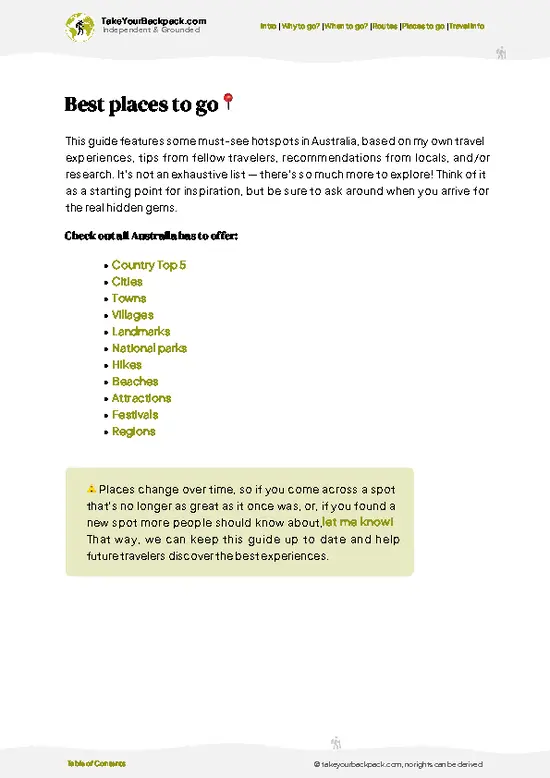
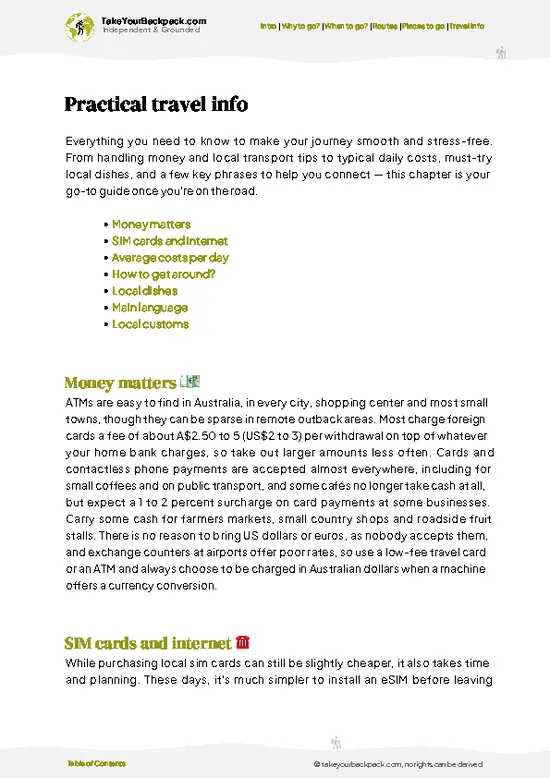
example page 0 from our offline Travel Guide for Australia
example page 1 from our offline Travel Guide for Australia
example page 2 from our offline Travel Guide for Australia
example page 3 from our offline Travel Guide for Australia
example page 4 from our offline Travel Guide for Australia
example page 5 from our offline Travel Guide for Australia
example page 6 from our offline Travel Guide for Australia
example page 7 from our offline Travel Guide for Australia
The digital guide (544 pages) contains:
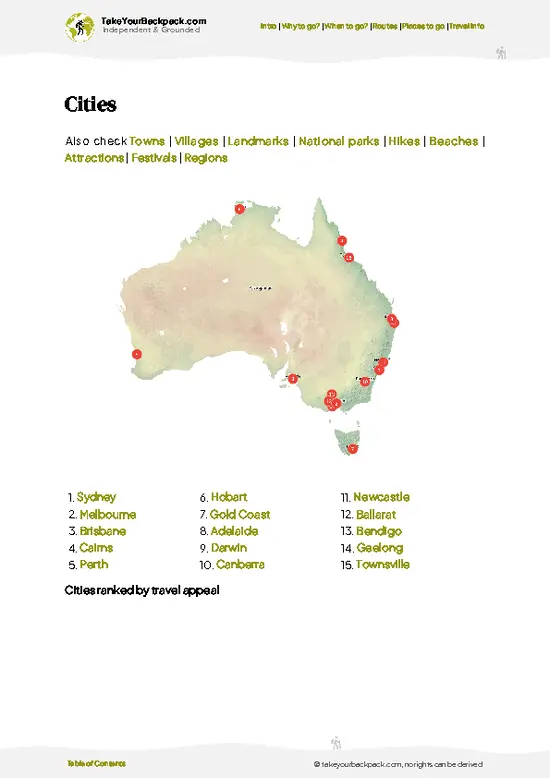
149 highlights, ranked by travel appeal
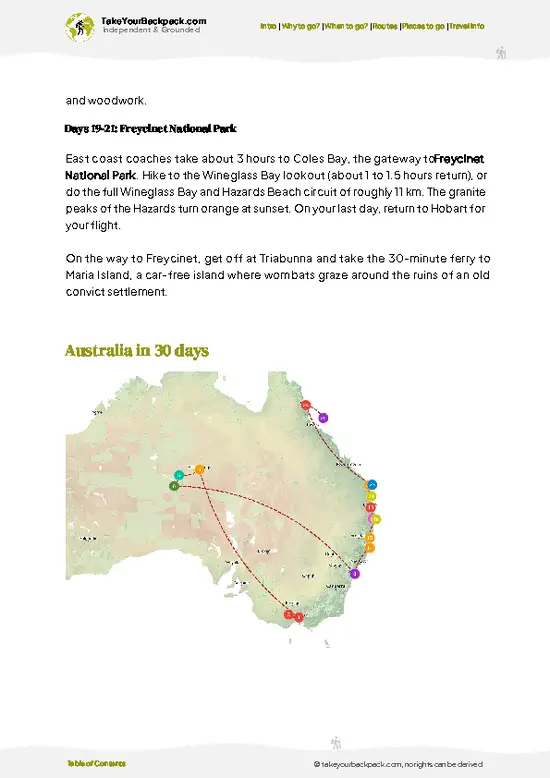
Optimized 14, 21 & 30-day travel routes
Cities, national parks, landmarks, beaches
How to get around
Offline-friendly for travel without Wi-Fi
👉 Click to see all 30+ guide features

📅 Plan smarter in minutes, not weeks
Month by month travel advice
Festivals & national holidays
Budget expectations

🗺️ Go to the right places, skip the overrated ones
Honest pros & cons of destinations
Top hikes, parks & viewpoints
Lesser-known places most travelers miss
Clear “worth it vs skip it” guidance

🛏️ Travel smoothly without rookie mistakes
Best areas to stay
Transport systems explained simply
Common scams & safety advice
SIM cards, money & practical tips

🌍 Understand the country, not just visit it
Culture & traditions
Local customs
Festivals worth planning around
Traveler-friendly historical context
Insights that make places more meaningful

📱 Built for real travel conditions
Fully downloadable PDF
Works completely offline
Optimized for phone use
Useful in remote areas & buses
Everything in one place
Save weeks of stressful planning
Get instant access to your full guide. 30‑day money-back guarantee.
+ Add another guide for just €6.50

By proceeding you agree to our terms.
Sent to your inbox immediately after payment • 100% Secure Checkout
Best Backpacking Travel Advisor 2025 tourism awardBest Backpacking
Travel Advisor
2025
What others say about Take Your Backpack Guides:
⭐⭐⭐⭐⭐
Fantastic, amazing amount of information!
⭐⭐⭐⭐⭐
My goodness this is amazing, it's what I've been looking for hats off too you!
⭐⭐⭐⭐⭐
I think this is absolutely BRILLIANT
⭐⭐⭐⭐
Very complete and informative. It's still missing places, but I gotta to commend you
⭐⭐⭐⭐⭐
This is truly amazing, thank you, can't wait to explore it with my kids!
⭐⭐⭐⭐⭐
Awesome resource, thank you!
⭐⭐⭐⭐⭐
This is amazing! Can't wait to explore the ones I haven't seen
⭐⭐⭐⭐
I love this! Well done, great idea.
⭐⭐⭐⭐⭐
Thanks for taking the time to make this gem!
⭐⭐⭐⭐⭐
This might be the best website I've ever seen.
⭐⭐⭐⭐⭐
Congratulations, and thank you so much for your work; it's incredibly valuable.
⭐⭐⭐⭐
In all seriousness I think you did a great job pointing out the important spots
⭐⭐⭐⭐⭐
10/10 very good
⭐⭐⭐⭐⭐
As someone who's only just starting to visit regularly this is awesome, thank you.
⭐⭐⭐⭐
Thank you very much! I'm going to visit my dad, it's going to be very useful!
⭐⭐⭐⭐⭐
This is really cool! We'll be travelling for the first time and this definitely come in handy.
⭐⭐⭐⭐⭐
You are now our minister of culture, congratulations 👨‍💼
⭐⭐⭐⭐⭐
Just wanted to tell you that this is a pearl! Going to follow your recommendations.
⭐⭐⭐⭐⭐
This is so cool. I'll definitely be using the resource for my travels soon.
⭐⭐⭐⭐⭐
This is very impressive! Good work.
⭐⭐⭐⭐⭐
This is an amazing and informative site. Very well done!

🛏️ Where to stay?Best areas to stay in Australia

If you enjoy meeting fellow travelers, consider choosing hostels with high ratings for atmosphere. On the other hand, if you prefer having your own space, a hotel might be a better option.

🥾 Hike detailsEverything you need to know before hiking Three Capes Track

Total Distance: The Three Capes Track stretches about 48 kilometers (30 miles) over its entire route, which is typically divided into four days of hiking.

Estimated Duration: Most hikers take around 4 days to complete the trail, with each day averaging about 10-12 kilometers (6-7.5 miles). It’s a good idea to pace yourself and soak in the views!

Difficulty Level: This trail is generally rated as moderate. While there are some steep sections, most of the path is well-maintained and suitable for those with a reasonable fitness level.

Starting Point: The trailhead is located at Port Arthur, Tasmania. … read more 👉
Total Distance: The Three Capes Track stretches about 48 kilometers (30 miles) over its entire route, which is typically divided into four days of hiking.

Estimated Duration: Most hikers take around 4 days to complete the trail, with each day averaging about 10-12 kilometers (6-7.5 miles). It’s a good idea to pace yourself and soak in the views!

Difficulty Level: This trail is generally rated as moderate. While there are some steep sections, most of the path is well-maintained and suitable for those with a reasonable fitness level.

Starting Point: The trailhead is located at Port Arthur, Tasmania. To get there by public transport, you can catch a bus from Hobart to Port Arthur, which takes about 1.5 hours. Check out local bus schedules for the latest info.

Major Landmarks Along the Route:
  • Cape Hauy: Famous for its stunning cliffs and the iconic Candlestick rock formation.
  • Cape Pillar: Offers breathtaking views of the Tasman Sea and the surrounding coastline.
  • Fortescue Bay: A beautiful beach area where many hikers start their journey.

Type of Terrain and Scenery: Expect a mix of well-formed tracks, boardwalks, and some rocky sections. The scenery is jaw-dropping, featuring dramatic cliffs, lush forests, and sweeping ocean views that will have you stopping for photos every few minutes.

Typical Vegetation and Wildlife: The trail is surrounded by a variety of vegetation, including eucalyptus forests and coastal heath. Keep your eyes peeled for wildlife like wallabies, echidnas, and a range of bird species. You might even spot a Tasmanian devil if you’re lucky!

This trail is a real gem for independent hikers. Just remember to pack enough water and snacks, and enjoy the journey!
⚠️ Hiking info can sometimes be outdated or inaccurate. Before you hit the trail, check the latest conditions with locals. If you do spot anything that's off, I'd love to hear from you, so I can update it for fellow travelers.

🛡️ SafetySafety Tips and Common Scams in Three Capes Track

The Three Capes Track is a well-maintained trail, but don’t let that lull you into complacency. Weather can shift quickly; pack layers to adapt to sudden chills or bursts of sun. The terrain is mostly forgiving, with well-marked paths, but watch your footing on the occasional rocky sections and steep descents.

Keep an eye out for wildlife—kangaroos and wallabies are common, but give them space. They’re not looking for a selfie.

Timing is key; start early to avoid the midday heat and ensure you have ample daylight. Hydration is crucial, especially on warmer days. A solid pair of hiking boots will serve you well, and trekking poles can help on the steeper bits. Embrace the challenge; the views at Cape Pillar and the thrill of the journey make every step worthwhile.

FAQCommon questions from travelers

The Three Capes Track hike typically takes 4 days to complete, covering around 46 kilometers. Most hikers allocate this time to fully experience the trail and its scenic views.
The difficulty of the Three Capes Track is moderate. It involves walking on well-maintained paths with some steep sections, suitable for hikers with a reasonable level of fitness.
Yes, a permit is required to hike the Three Capes Track, and it is recommended to book in advance through the official Parks Tasmania website. Guides are optional but not mandatory, as the trail is well-marked.
⚠️ Things can change over time, so always validate details locally before you go.

Other Australian hikes near Three Capes Track

Explore more nearby:

  • Overland Track—rainforest gullies, alpine moors, glacial valleys, endemic wildlife| 209 km away
  • Cradle Mountain—alpine plateau, glacial lakes, button grass moorland, rugged peaks| 246 km away
  • Great Ocean Walk—sea stacks, coastal heath, shipwreck history, Southern Ocean| 606 km away

💡 Not sure where to go next?
Create a personalized itinerary for Australia including Three Capes Track and the places that fit your trip.

Generate my itinerary

👉 Discover all hikes

Or checkout all Australia has to offer (think cities, towns, villages, national parks, hikes, beaches, festivals)
Country photo of Australia

We 💚 feedbackParting advice and final tips

The Three Capes Track is a jaw-dropper. Standing on those cliffs, with the ocean crashing below and the horizon stretching endlessly, you feel like you’re on the edge of the world. But here’s the kicker: it’s not a walk in the park. The weather can turn on a dime, and those steep sections will get your heart racing. Embrace the challenge; the views are worth every step.

✈️ When did I visit Australia?
On my trip to New Zealand in 1993, I had a short stop in Australia as well.

✍️ Help improve this page!
The information on this page is based on my own backpacking experience in Australia, supplemented with up-to-date research and feedback from other travelers. Travel details can change, so if you notice anything outdated or incomplete, feel free to let me know.


🙋‍♂️ Give feedback

👋 Meet the founderWho’s Behind Take Your Backpack?

Johan, backpacker and founder of TakeYourBackpackHi, I’m Johan (Netherlands 🇳🇱), the creator of TakeYourBackpack. Over the past decade, I’ve backpacked through 80+ countries across six continents, gaining extensive experience with independent travel, long-term trips, and overland routes.

This site is built on a combination of firsthand travel experience and carefully curated insights from other backpackers. Many guides are based on places I’ve personally visited, while others bring together tips, observations, and practical advice shared by trusted travelers I’ve met along the way.

The goal is to provide realistic, experience-driven guidance — not generic itineraries — so you can explore destinations with better context, clearer expectations, and more confidence.

Get full Australia guide •
Instant download • 149 highlights • Full Offline guide