How Many Hikes to Do: Aim for four to six hikes in total. That is enough to cover the hills, the tea country and one mangrove or delta walk, while leaving room for the delays that Bangladesh produces without warning. Each walk is short by international standards, yet the heat, mud and long transfers make a day feel twice as long. Pack in more than six and you spend your trip on buses, staring at the back of someone’s head and a wall of horns. Fewer than four, and you miss how different the regions feel from each other.
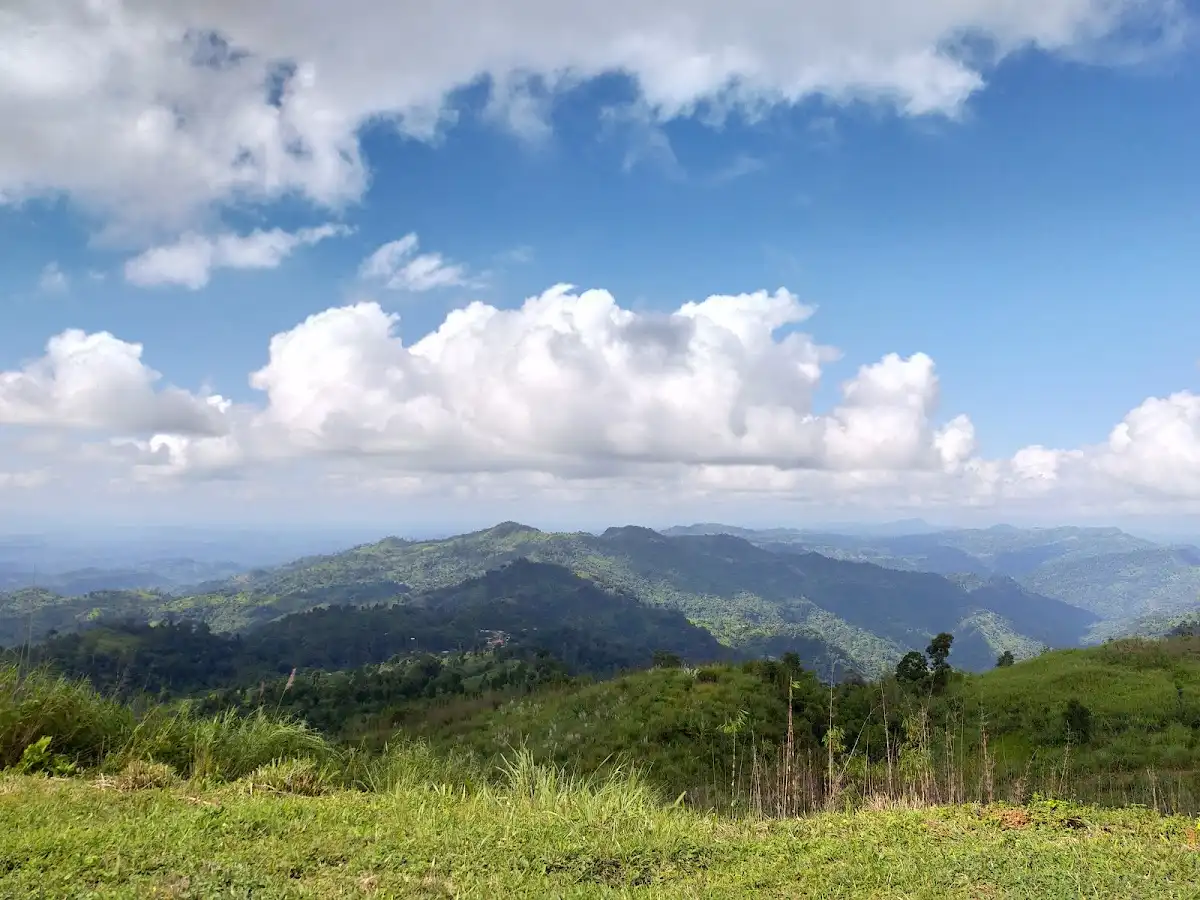
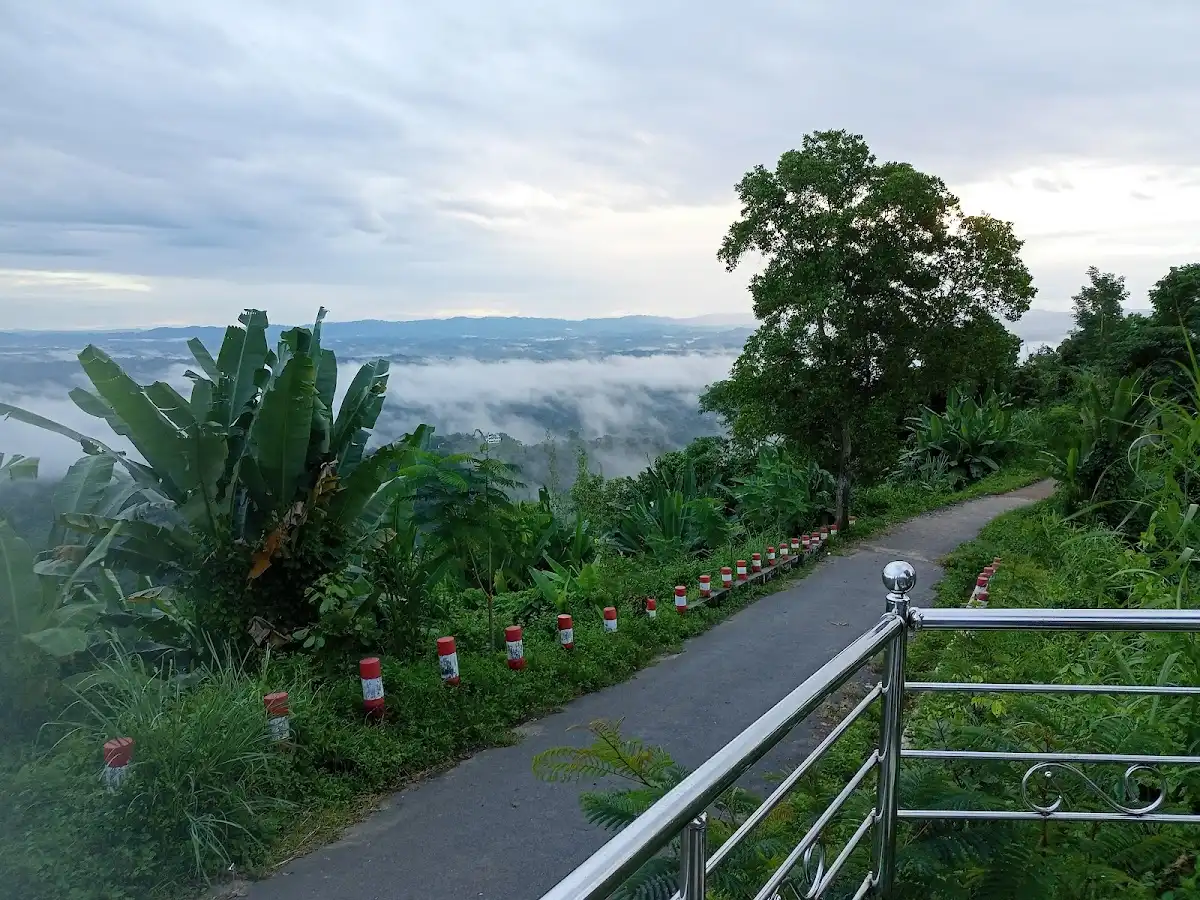
Which Kind to Prioritize: If you want adventure and a sense of remoteness, put the Hill Tracts first. Steep red trails, bamboo groves and stilt villages give you the closest thing to true trekking in the country, and the reward is a ridge at dawn with mist filling the valleys …
read more 👉 How Many Hikes to Do: Aim for four to six hikes in total. That is enough to cover the hills, the tea country and one mangrove or delta walk, while leaving room for the delays that Bangladesh produces without warning. Each walk is short by international standards, yet the heat, mud and long transfers make a day feel twice as long. Pack in more than six and you spend your trip on buses, staring at the back of someone’s head and a wall of horns. Fewer than four, and you miss how different the regions feel from each other.
Which Kind to Prioritize: If you want adventure and a sense of remoteness, put the Hill Tracts first. Steep red trails, bamboo groves and stilt villages give you the closest thing to true trekking in the country, and the reward is a ridge at dawn with mist filling the valleys below. If you are on a tight budget or traveling alone and want easy logistics, choose the northeast. Tea garden paths and forest walks need little planning, and you end the day with a hot cup of seven-layer tea in a roadside stall. If wildlife is your main draw, a mangrove trip is worth the splurge, though it relies on boats and is more about quiet watching than exertion. Couples and groups often do best mixing one hill trek with two easy walks.
What It Costs: Budget US$25 to 45 a day for a typical hiking trip, roughly 3,000 to 5,500 taka. Simple guesthouses run US$8 to 20 a night, meals at local restaurants cost US$2 to 5, and intercity buses cost US$3 to 10 depending on distance. Local guides in the hill areas usually charge US$15 to 30 a day, and are often compulsory. Entry fees for forest areas and parks are low for foreigners, typically a few hundred taka, though some charge more. A multi-day hill trek with guide, permit help, homestays and meals typically comes to US$60 to 120 per person. Mangrove trips by boat are costlier, often US$100 to 250 per person for a few days when shared. You get a lot for the money, including bowls of rice and dal eaten on a bamboo floor above the valley.
Safety Considerations: Hill access is the biggest issue. Security conditions in parts of Bandarban, Rangamati and Khagrachhari change, and restrictions or checkpoints can appear with little notice. Check current advice and go with a registered local operator or guide. Carry your passport and photocopies, since you may be asked to show them several times. Health matters too. Drink only bottled or purified water, use strong insect repellent, and wear closed shoes and long socks against leeches and thorny undergrowth. Heat exhaustion is a real risk, so start at first light and carry at least 2 to 3 liters of water. Flash floods and landslides follow heavy rain, so skip trails after a downpour.
Cultural Etiquette: Bangladesh is a Muslim-majority country, and hill communities are largely Buddhist, Christian or animist, each with its own customs. Dress modestly: loose, long trousers and sleeved shirts for everyone, and covered shoulders and knees for women. Ask before photographing people, especially women, and never enter a home or temple without an invitation. Accept the tea you are offered if you can, since declining can feel curt, and you often get a lovely conversation in return. Carry small bills, because change is scarce in villages. A short phrase of Bangla, even just a salaam and a thank you, opens doors faster than any gear.
v2.webp)


 Best Backpacking
.jpg) Hi, I’m Johan (Netherlands 🇳🇱), the creator of TakeYourBackpack. Over the past 3 decades, I’ve backpacked through 90+ countries across six continents, gaining extensive experience with independent travel, long-term trips, and overland routes.
Hi, I’m Johan (Netherlands 🇳🇱), the creator of TakeYourBackpack. Over the past 3 decades, I’ve backpacked through 90+ countries across six continents, gaining extensive experience with independent travel, long-term trips, and overland routes.