v2.webp)
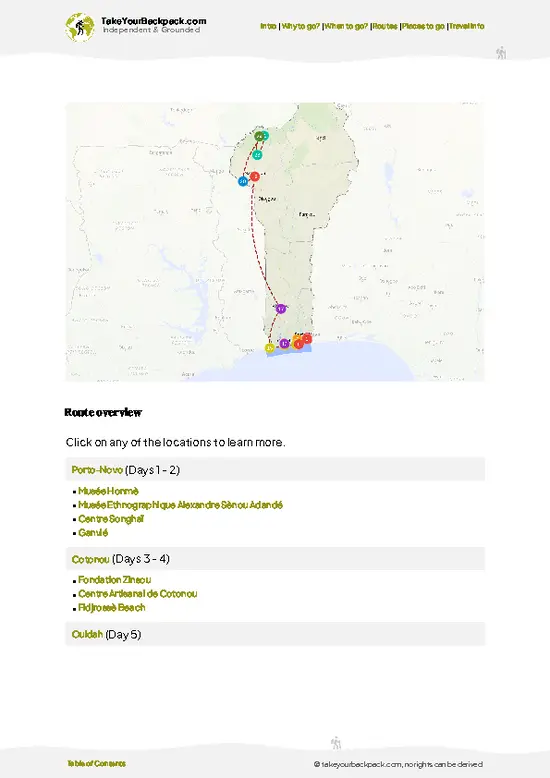
The Royal Palaces’ Throne Rooms
Forget the Instagram shots of faded walls—these are the real deal: the actual throne rooms where Dahomey kings ruled, plotted, and sometimes terrified their subjects. The energy in these spaces is thick. You’re standing where human history took a sharp, unapologetic turn. The thrones themselves are not just seats—they’re power objects, often mounted on skulls or surrounded by symbols of conquest. It’s not sanitized, and that’s the point. You feel the weight of authority, the drama of ceremony, and the raw, unvarnished history that no filter can soften.
The Bas-Reliefs: Storytelling in Clay
The palace walls are covered in bas-reliefs—think of them as the world’s most hardcore comic strips. These aren’t just decorative; they’re a living record of Dahomey’s victories, … read more 👉
Forget the Instagram shots of faded walls—these are the real deal: the actual throne rooms where Dahomey kings ruled, plotted, and sometimes terrified their subjects. The energy in these spaces is thick. You’re standing where human history took a sharp, unapologetic turn. The thrones themselves are not just seats—they’re power objects, often mounted on skulls or surrounded by symbols of conquest. It’s not sanitized, and that’s the point. You feel the weight of authority, the drama of ceremony, and the raw, unvarnished history that no filter can soften.
The Bas-Reliefs: Storytelling in Clay
The palace walls are covered in bas-reliefs—think of them as the world’s most hardcore comic strips. These aren’t just decorative; they’re a living record of Dahomey’s victories, … read more 👉
The Royal Palaces’ Throne Rooms
Forget the Instagram shots of faded walls—these are the real deal: the actual throne rooms where Dahomey kings ruled, plotted, and sometimes terrified their subjects. The energy in these spaces is thick. You’re standing where human history took a sharp, unapologetic turn. The thrones themselves are not just seats—they’re power objects, often mounted on skulls or surrounded by symbols of conquest. It’s not sanitized, and that’s the point. You feel the weight of authority, the drama of ceremony, and the raw, unvarnished history that no filter can soften.
The Bas-Reliefs: Storytelling in Clay
The palace walls are covered in bas-reliefs—think of them as the world’s most hardcore comic strips. These aren’t just decorative; they’re a living record of Dahomey’s victories, beliefs, and warnings to enemies. Each panel is a punchy, sometimes brutal, snapshot: decapitated foes, mythic beasts, royal symbols. You don’t need a guidebook to feel the narrative power. The artistry is bold, sometimes almost confrontational, and it’s all original—no tourist-friendly replicas here.
The Amazons’ Legacy
The so-called “Amazons” of Dahomey weren’t myth—they were a real, all-female military regiment, and their story is told through weapons, uniforms, and oral histories inside the museum. This isn’t a Marvel movie; it’s the gritty, complicated reality of women who trained for war and often outperformed their male counterparts. The displays are sparse but potent. You’ll leave with a new definition of “badass.”
Royal Tombs: The Line Between Reverence and Reality
The tombs of King Ghézo and King Glèlè are not hidden away—they’re right in the heart of the complex. These aren’t just burial sites; they’re active spiritual centers. Locals still come to pay respects, and you’ll likely see offerings. The vibe is intense: a mix of reverence, fear, and pride. It’s a rare chance to witness how the past is still alive, not just preserved under glass.
Vodun Artifacts: The Spiritual Engine
Dahomey’s kings didn’t rule alone—they leaned hard on Vodun (Voodoo) priests and rituals. The museum’s Vodun artifacts are not tourist trinkets. Fetishes, ceremonial objects, and ritual drums are displayed with minimal explanation, which somehow makes them more powerful. You’re not just learning about a religion; you’re feeling its pulse in the air. This is the spiritual backbone of the kingdom, and it’s impossible to ignore.
The Battle Scars: Bullet Holes and Burn Marks
This isn’t a pristine, over-restored monument. The palaces wear their wounds openly. You’ll see bullet holes from the French invasion, scorch marks from colonial destruction, and patched-up walls that tell their own story of survival. It’s a museum that refuses to let you forget the violence that shaped it. If you want polished, go elsewhere. If you want real, this is it.
Forget the Instagram shots of faded walls—these are the real deal: the actual throne rooms where Dahomey kings ruled, plotted, and sometimes terrified their subjects. The energy in these spaces is thick. You’re standing where human history took a sharp, unapologetic turn. The thrones themselves are not just seats—they’re power objects, often mounted on skulls or surrounded by symbols of conquest. It’s not sanitized, and that’s the point. You feel the weight of authority, the drama of ceremony, and the raw, unvarnished history that no filter can soften.
The Bas-Reliefs: Storytelling in Clay
The palace walls are covered in bas-reliefs—think of them as the world’s most hardcore comic strips. These aren’t just decorative; they’re a living record of Dahomey’s victories, beliefs, and warnings to enemies. Each panel is a punchy, sometimes brutal, snapshot: decapitated foes, mythic beasts, royal symbols. You don’t need a guidebook to feel the narrative power. The artistry is bold, sometimes almost confrontational, and it’s all original—no tourist-friendly replicas here.
The Amazons’ Legacy
The so-called “Amazons” of Dahomey weren’t myth—they were a real, all-female military regiment, and their story is told through weapons, uniforms, and oral histories inside the museum. This isn’t a Marvel movie; it’s the gritty, complicated reality of women who trained for war and often outperformed their male counterparts. The displays are sparse but potent. You’ll leave with a new definition of “badass.”
Royal Tombs: The Line Between Reverence and Reality
The tombs of King Ghézo and King Glèlè are not hidden away—they’re right in the heart of the complex. These aren’t just burial sites; they’re active spiritual centers. Locals still come to pay respects, and you’ll likely see offerings. The vibe is intense: a mix of reverence, fear, and pride. It’s a rare chance to witness how the past is still alive, not just preserved under glass.
Vodun Artifacts: The Spiritual Engine
Dahomey’s kings didn’t rule alone—they leaned hard on Vodun (Voodoo) priests and rituals. The museum’s Vodun artifacts are not tourist trinkets. Fetishes, ceremonial objects, and ritual drums are displayed with minimal explanation, which somehow makes them more powerful. You’re not just learning about a religion; you’re feeling its pulse in the air. This is the spiritual backbone of the kingdom, and it’s impossible to ignore.
The Battle Scars: Bullet Holes and Burn Marks
This isn’t a pristine, over-restored monument. The palaces wear their wounds openly. You’ll see bullet holes from the French invasion, scorch marks from colonial destruction, and patched-up walls that tell their own story of survival. It’s a museum that refuses to let you forget the violence that shaped it. If you want polished, go elsewhere. If you want real, this is it.
Spotted a mistake or missing something? Contact us.

Private Full-Day Cultural Tour in Cotonou Ganvie and Ouidah

Electric Bike Tour EN Cotonou

Zangbeto Dance and Cultural Tour in Ouidah

Private tour of Benin 3 days (Cotonou, Lake Ganvie, Ouidah)

Cotonou Private Tour

Half Day Cultural Tour of Ganvié The Venice of Africa

Painting Experience in Cotonou

Benin, Togo and Ghana Private 14 Day Tour

10-Day Tour: At the Heart of the Vodou Festival in Benin & Togo


 Best Backpacking
.jpg) Hi, I’m Johan (Netherlands 🇳🇱), the creator of TakeYourBackpack. Over the past 3 decades, I’ve backpacked through 90+ countries across six continents, gaining extensive experience with independent travel, long-term trips, and overland routes.
Hi, I’m Johan (Netherlands 🇳🇱), the creator of TakeYourBackpack. Over the past 3 decades, I’ve backpacked through 90+ countries across six continents, gaining extensive experience with independent travel, long-term trips, and overland routes.