
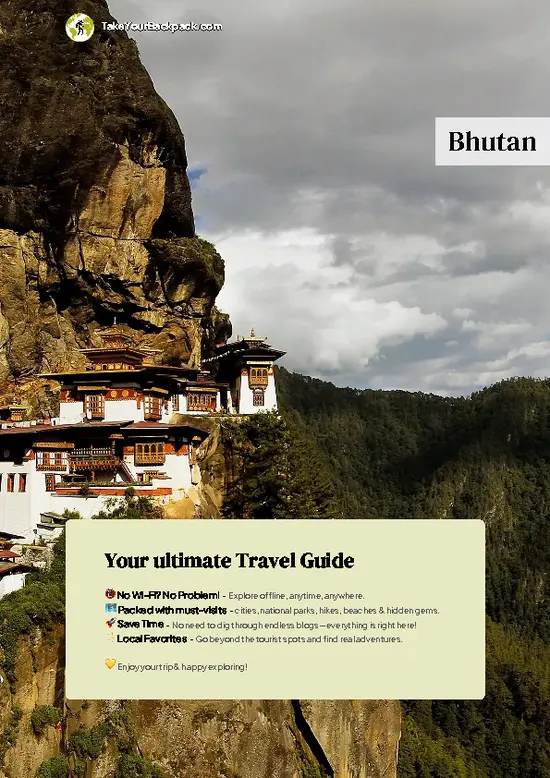
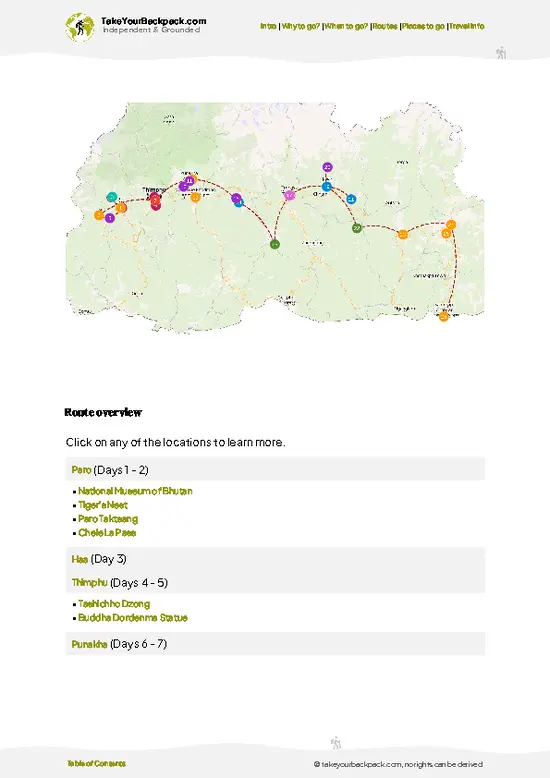
- Gangtey Monastery (Gangtey Goenpa) — The valley’s spiritual heart: a 17th-century Nyingma monastery perched above the meadow with ornate paintings, daily monk life you can quietly observe, and commanding views of the wetland where cranes feed. It’s the cultural anchor of Phobjikha.
- Phobjikha Valley Wetlands (crane feeding marshes) — Wide, peat-rich wetlands on the valley floor that become a magnet for black-necked cranes in winter. Walk the boardwalks or stand quietly at the marsh edge at dawn; the light and crane activity feel utterly specific to this place.
- Gangtey Nature Trail (the valley walk) — A gentle 3-5 hour loop through pine forest, farmland, wooden bridges and marsh edge that gives you rhythm of local life: yak herds, farmers’ huts, stupa-lined tracks and uninterrupted valley
- Gangtey Monastery (Gangtey Goenpa) — The valley’s spiritual heart: a 17th-century Nyingma monastery perched above the meadow with ornate paintings, daily monk life you can quietly observe, and commanding views of the wetland where cranes feed. It’s the cultural anchor of Phobjikha.
- Phobjikha Valley Wetlands (crane feeding marshes) — Wide, peat-rich wetlands on the valley floor that become a magnet for black-necked cranes in winter. Walk the boardwalks or stand quietly at the marsh edge at dawn; the light and crane activity feel utterly specific to this place.
- Gangtey Nature Trail (the valley walk) — A gentle 3-5 hour loop through pine forest, farmland, wooden bridges and marsh edge that gives you rhythm of local life: yak herds, farmers’ huts, stupa-lined tracks and uninterrupted valley vistas. Best done slowly with stops for tea with villagers.
- Black-necked Crane Festival (winter village celebration) — A small, local festival full of traditional songs, dances and blessing rituals focused on the cranes’ arrival. It’s not a theme-park event; it’s the valley celebrating the birds that define its winter months.
- Gangtey Village and Homestays (farm-life experience) — Staying with a local family gets you invited into kitchens, shown how buckwheat pancakes and yak cheese are made, and offers genuine night conversations by the stove. It’s where culture happens offstage, not in a museum.
- Ridgetop Sunrise/Sunset Vantages — Short climbs from the valley rim put you above the fog with sweeping views of the wetlands turning gold. Locals know a few quiet ledges that make the cranes and the valley look like a painting at first light.
- Yak Pastures and Transhumance Trails — Seasonal grazing routes and summer yak camps on the valley slopes; visiting during the move (or just watching herders at work) shows a living pastoral system few other places combine with such dramatic wetlands.
- Small Lhakhangs and Chortens Dotting the Valley (hidden gem) — Scattered, little-visited shrines and whitewashed chortens tucked into hamlets and terraced fields. They’re simple, beautiful, and you’ll often be the only visitor — great spots for quiet reflection and candid local interaction.
- Family Cheese-making Visits (hidden gem) — A handful of households still make yak or cow cheese the old way; dropping in to see the process, taste fresh samples and learn how dairy fits into the valley economy is intimate and authentic — and most tourists never think to ask.
- Off-trail Hamlet Walks to Secluded Crane Watch Points (hidden gem) — Take a short, locally guided detour from the main trail to tiny paths used by villagers for crane counting and offering rites. These silent, little-used spots deliver the best, closest crane encounters without the crowds.
Spotted a mistake or missing something? Contact us.

Trip to Bhutan

5 Day Glimpse of Bhutan Thimphu Punakha and Paro

Bhutan Vacation (5 Nights-6 Days)

Marvels of Bhutan-A Bespoke Travel Experience

6 Days Best of Bhutan | Thimphu, Punakha & Paro

Explore Bhutan with Local Guide

10 Days Essence of BHUTAN

10 Days - Bhutan Mountain Biking tour

7 Days In The Magical Kingdom of Bhutan


 Best Backpacking
 Hi, I’m Johan (Netherlands 🇳🇱), the creator of TakeYourBackpack. Over the past 3 decades, I’ve backpacked through 90+ countries across six continents, gaining extensive experience with independent travel, long-term trips, and overland routes.