×

Bhutan🇧🇹 | best regionsThe Must-See 3 regions in Bhutan

In Bhutan, the choice of region profoundly shapes your backpacking experience. Each area offers distinct climate, landscapes, and cultural character that cater to different travel styles and budgets. The western regions, like Paro and Thimphu, are bustling with modern amenities and rich history, while the east, such as Trashigang, provides a more remote, authentic feel. Seasonal variations also play a crucial role; spring and autumn are ideal for trekking, while winter can limit access. Understanding these regional nuances not only enhances your cultural immersion but also influences your safety, ease of travel, and overall vibe. Choosing wisely can unlock a more rewarding journey through this unique kingdom.

By Johan Kruseman 🇳🇱 | Updated September 4, 2026
Explore the best cities in Bhutan

Why go?What Makes Them Special

In Bhutan, the climatic diversity across its regions creates distinct travel experiences. The country ranges from subtropical plains to alpine heights, allowing for varied ecosystems and activities. This diversity means that travelers can experience everything from lush valleys to rugged mountains, but it also requires careful planning. The trade-off here is between travel distance and the breadth of experiences. Longer journeys can yield richer cultural interactions, but they may also lead to fatigue and logistical challenges.

Culturally, Bhutan is steeped in historical significance and unique traditions. The influence of Buddhism permeates daily life, shaping festivals, architecture, and social norms. This cultural richness is best appreciated in regions where immersion is possible, yet … read more 👉
In Bhutan, the climatic diversity across its regions creates distinct travel experiences. The country ranges from subtropical plains to alpine heights, allowing for varied ecosystems and activities. This diversity means that travelers can experience everything from lush valleys to rugged mountains, but it also requires careful planning. The trade-off here is between travel distance and the breadth of experiences. Longer journeys can yield richer cultural interactions, but they may also lead to fatigue and logistical challenges.

Culturally, Bhutan is steeped in historical significance and unique traditions. The influence of Buddhism permeates daily life, shaping festivals, architecture, and social norms. This cultural richness is best appreciated in regions where immersion is possible, yet accessibility can be limited. Some areas may require longer treks or less developed infrastructure, which can deter travelers seeking convenience.

The geographic layout of Bhutan, with its mountainous terrain, means that infrastructure varies significantly. While major highways connect key regions, many areas remain remote, making travel times unpredictable. This can enhance the sense of adventure but may also restrict access to certain experiences. Understanding these constraints is crucial for making informed decisions about where to go and how to allocate time effectively. Balancing accessibility with the desire for deeper exploration is essential for a fulfilling journey in this remarkable country.
Evaluating the Top Choices
The list of best regions in Bhutan is created based on landscapes, local culture, attractions, vibes, and overall appeal. If you feel a region is missing in this list, please let us know.

When to go?When to Plan Your Trip

Climate Variation

Bhutan’s climate varies significantly by region and season. The country experiences a range of weather patterns influenced by its elevation and geography. In general, spring and autumn are the most favorable times to visit, offering mild temperatures and clear skies.

Optimal Months

March to May and September to November are ideal for exploring the country. During these months, the weather is pleasant, making outdoor activities enjoyable. Spring brings blooming rhododendrons, while autumn showcases vibrant foliage.

Shoulder Seasons

Visiting during the shoulder seasons—late winter and early summer—can provide a different experience. These months may see fewer tourists, resulting in lower costs and a more intimate atmosphere. However, travelers should be prepared for … read more 👉

Climate Variation

Bhutan’s climate varies significantly by region and season. The country experiences a range of weather patterns influenced by its elevation and geography. In general, spring and autumn are the most favorable times to visit, offering mild temperatures and clear skies.

Optimal Months

March to May and September to November are ideal for exploring the country. During these months, the weather is pleasant, making outdoor activities enjoyable. Spring brings blooming rhododendrons, while autumn showcases vibrant foliage.

Shoulder Seasons

Visiting during the shoulder seasons—late winter and early summer—can provide a different experience. These months may see fewer tourists, resulting in lower costs and a more intimate atmosphere. However, travelers should be prepared for unpredictable weather, including occasional rain or lingering cold.

Peak Periods

Peak travel times coincide with major festivals, which can significantly influence crowd levels and accommodation availability. While these events offer unique cultural insights, they can also lead to higher prices and limited access to certain areas.

Seasonal Constraints

Winter can be harsh, particularly in higher elevations, limiting access to some regions. Monsoon season, typically from June to August, brings heavy rainfall, which can disrupt travel plans. Understanding these seasonal dynamics is crucial for effective trip planning.

region hoppingSuggested Travel Strategies

General Routing Logic

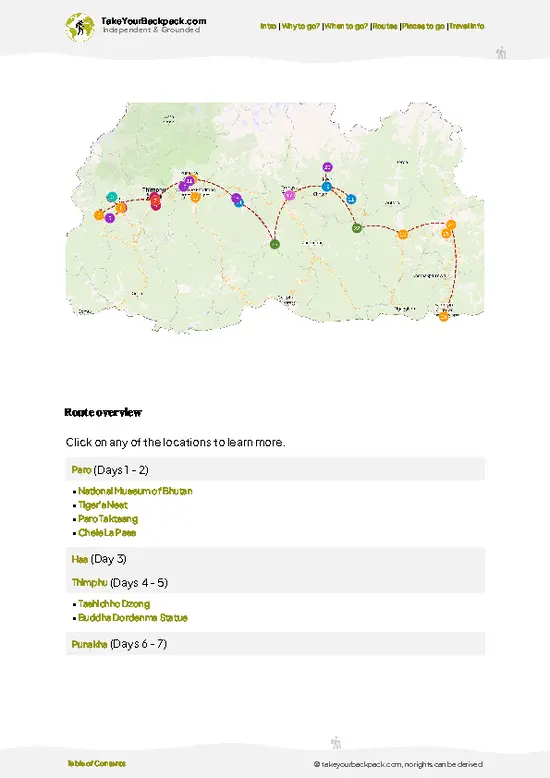
Travelers should cluster regions based on proximity and thematic experiences. Start in the west with Paro and Thimphu, then move eastward to Punakha and Bumthang. This route allows for a natural progression through Bhutan’s cultural and natural highlights.

Typical Time Needed

Allocate at least two days for each major stop. This pacing allows for exploration without feeling rushed. For instance, Paro’s iconic Tiger’s Nest requires time for the hike and reflection. In Thimphu, a day can cover key sites like the Buddha Dordenma and the National Memorial Chorten.

Common Planning Mistakes

One frequent error is underestimating travel times. Bhutan’s roads can be winding and slow, so factor in extra time for transfers. Avoid cramming too many stops into a short period; … read more 👉

General Routing Logic

Travelers should cluster regions based on proximity and thematic experiences. Start in the west with Paro and Thimphu, then move eastward to Punakha and Bumthang. This route allows for a natural progression through Bhutan’s cultural and natural highlights.

Typical Time Needed

Allocate at least two days for each major stop. This pacing allows for exploration without feeling rushed. For instance, Paro’s iconic Tiger’s Nest requires time for the hike and reflection. In Thimphu, a day can cover key sites like the Buddha Dordenma and the National Memorial Chorten.

Common Planning Mistakes

One frequent error is underestimating travel times. Bhutan’s roads can be winding and slow, so factor in extra time for transfers. Avoid cramming too many stops into a short period; this leads to fatigue and missed experiences.

Trade-offs and Constraints

Balancing speed with depth is crucial. A quick visit may save time but often sacrifices the immersive experience Bhutan offers. Budget considerations also play a role; higher comfort levels can enhance the journey but may increase costs. Flexibility is key; allow for spontaneous detours or extended stays based on local recommendations. This approach enriches the overall experience while ensuring a smoother journey through Bhutan’s diverse landscapes.

The ListThe Best regions of Bhutan

1 Bumthang Valley

ancient temples, apple orchards, sacred pilgrimage sites

Trace Bhutan’s spiritual roots among centuries-old monasteries, taste local cheeses and honey, and follow gentle rivers through patchwork farmland.

2 Phobjikha Valley

glacial basin, black-necked cranes, dwarf bamboo meadows

Watch migratory cranes glide over open wetlands, walk quiet trails through misty grasslands, and experience rural life shaped by conservation.

3 Haa Valley

alpine forests, border villages, yak pastures

Cross high passes into a secluded valley where pine woods, traditional farmhouses, and grazing yaks define the landscape and daily rhythm.

Loading the map 🌍

Expert viewPro Tips for Exploring the Best

Geographic Diversity

Bhutan’s geography is a patchwork of valleys, mountains, and plateaus, each offering distinct experiences. The western regions are more developed, with better infrastructure and access to cultural sites. In contrast, the eastern regions are remote, showcasing untouched landscapes and traditional lifestyles. If you want to experience Bhutan’s rich tapestry, aim to visit at least three regions. This allows you to appreciate the contrasts in culture, climate, and scenery. However, be prepared for longer travel times between regions, especially in the east, where roads can be winding and slow.

Transport Between Regions

Getting around Bhutan is an adventure in itself. The road network is improving, but it’s still limited in some areas. Expect travel times to vary significantly; … read more 👉

Geographic Diversity

Bhutan’s geography is a patchwork of valleys, mountains, and plateaus, each offering distinct experiences. The western regions are more developed, with better infrastructure and access to cultural sites. In contrast, the eastern regions are remote, showcasing untouched landscapes and traditional lifestyles. If you want to experience Bhutan’s rich tapestry, aim to visit at least three regions. This allows you to appreciate the contrasts in culture, climate, and scenery. However, be prepared for longer travel times between regions, especially in the east, where roads can be winding and slow.

Transport Between Regions

Getting around Bhutan is an adventure in itself. The road network is improving, but it’s still limited in some areas. Expect travel times to vary significantly; a few hours in the west can stretch into a full day in the east. Domestic flights can save time but are often weather-dependent. If you’re on a tight schedule, consider flying between key regions. However, this comes at a higher cost and may limit your interaction with locals along the way. For a more immersive experience, opt for road travel, but factor in the slower pace.

Cultural Variation

Cultural practices shift dramatically from one region to another. The west is known for its vibrant festivals and bustling markets, while the east retains a more traditional, slower pace of life. If you’re keen on cultural immersion, prioritize regions with festivals or local events. However, this often means planning your trip around specific dates, which can limit flexibility. Embrace the local customs, but be mindful of cultural sensitivities, especially in rural areas where traditions are deeply rooted.

Pacing Trade-Offs

Pacing your trip is crucial. While it’s tempting to cover as much ground as possible, rushing through regions can lead to missed experiences. A well-paced itinerary allows for spontaneous interactions with locals and deeper engagement with the culture. If you’re short on time, focus on fewer regions but spend more time in each. This approach not only enriches your experience but also reduces travel fatigue. Remember, Bhutan is about the journey as much as the destination, so allow yourself to soak in the surroundings.

Safety & Cultural Considerations

Safety is generally not a major concern in Bhutan, but it’s wise to be aware of local customs and etiquette. Dress modestly, especially in rural areas, and always ask before taking photos of people or sacred sites. Respect for the environment is also paramount; Bhutan places a strong emphasis on sustainability. When trekking or exploring, stick to marked paths and avoid littering. This respect for nature and culture will enhance your experience and foster goodwill with locals.

Planning & Prioritizing Regions

When planning your trip, consider your interests and the experiences you value most. If you’re drawn to nature, prioritize regions known for trekking and outdoor activities. For cultural enthusiasts, focus on areas with rich historical significance. Budget is another factor; some regions may require more investment in terms of transport and accommodation. Be realistic about your physical limits and travel preferences. The goal is to create a balanced itinerary that allows you to enjoy Bhutan’s diverse offerings without feeling rushed or overwhelmed.

✈️ The backpacker research shortcutBhutan Travel Guide

An offline-friendly backpacking guide with optimized travel routes, ranked highlights, transport advice, and the best areas to stay.
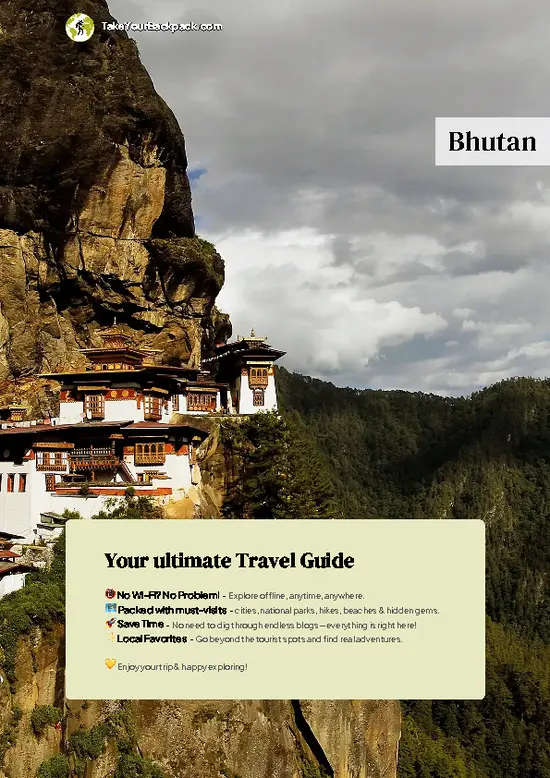
example page 0 from our offline Travel Guide for Bhutan
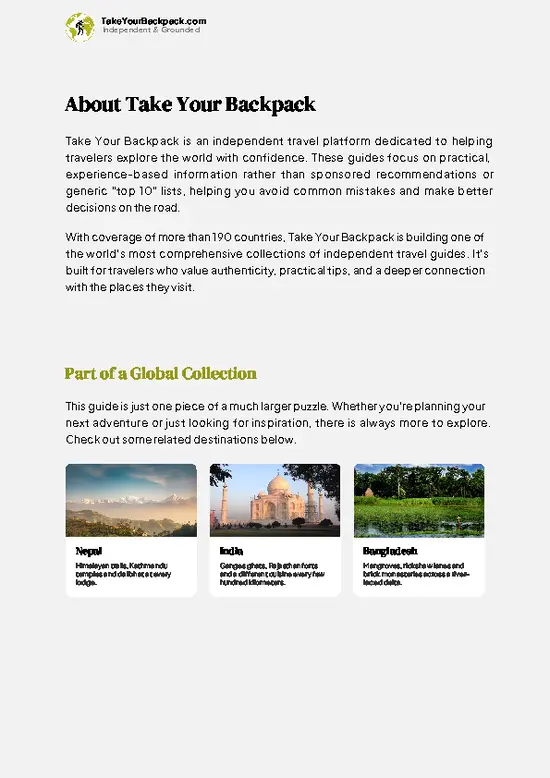
example page 1 from our offline Travel Guide for Bhutan
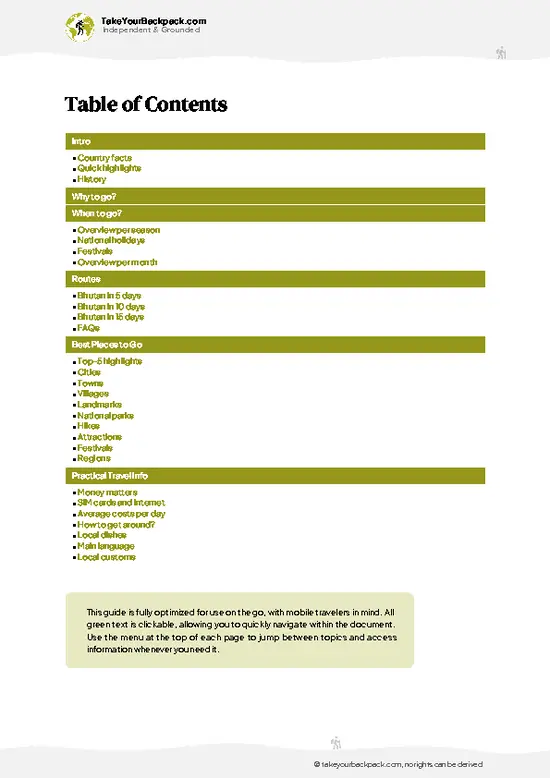
example page 2 from our offline Travel Guide for Bhutan
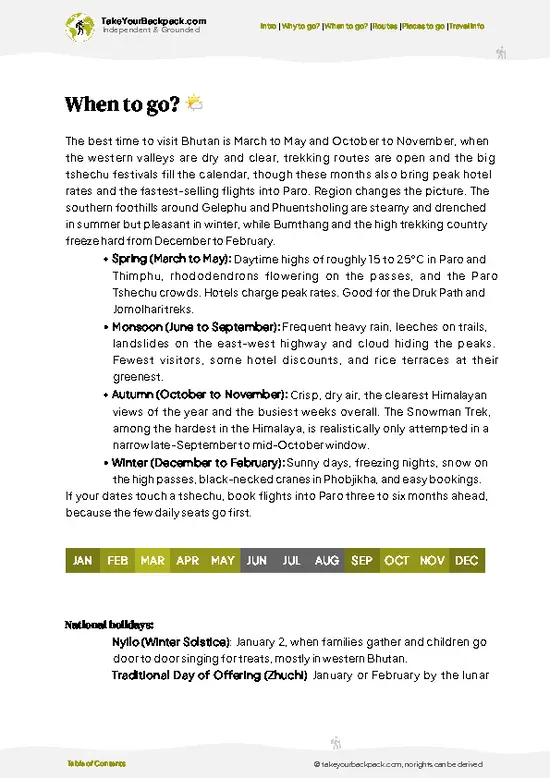
example page 3 from our offline Travel Guide for Bhutan
example page 4 from our offline Travel Guide for Bhutan
example page 5 from our offline Travel Guide for Bhutan
example page 6 from our offline Travel Guide for Bhutan
example page 7 from our offline Travel Guide for Bhutan
The digital guide (222 pages) contains:
54 highlights, ranked by travel appeal
Optimized 5, 10 & 15-day travel routes
Cities, national parks, landmarks, beaches
How to get around
Offline-friendly for travel without Wi-Fi
👉 Click to see all 30+ guide features

📅 Plan smarter in minutes, not weeks
Month by month travel advice
Festivals & national holidays
Budget expectations

🗺️ Go to the right places, skip the overrated ones
Honest pros & cons of destinations
Top hikes, parks & viewpoints
Lesser-known places most travelers miss
Clear “worth it vs skip it” guidance

🛏️ Travel smoothly without rookie mistakes
Best areas to stay
Transport systems explained simply
Common scams & safety advice
SIM cards, money & practical tips

🌍 Understand the country, not just visit it
Culture & traditions
52 Essential phrases & customs
Festivals worth planning around
Traveler-friendly historical context
Insights that make places more meaningful

📱 Built for real travel conditions
Fully downloadable PDF
Works completely offline
Optimized for phone use
Useful in remote areas & buses
Everything in one place
Save weeks of stressful planning
Get instant access to your full guide. 30‑day money-back guarantee.
+ Add another guide for just US$7.80

By proceeding you agree to our terms.
Sent to your inbox immediately after payment • 100% Secure Checkout
Best Backpacking Travel Advisor 2025 tourism awardBest Backpacking
Travel Advisor
2025
What others say about Take Your Backpack Guides:
⭐⭐⭐⭐⭐
Fantastic, amazing amount of information!
⭐⭐⭐⭐⭐
My goodness this is amazing, it's what I've been looking for hats off too you!
⭐⭐⭐⭐⭐
I think this is absolutely BRILLIANT
⭐⭐⭐⭐
Very complete and informative. It's still missing places, but I gotta to commend you
⭐⭐⭐⭐⭐
This is truly amazing, thank you, can't wait to explore it with my kids!
⭐⭐⭐⭐⭐
Awesome resource, thank you!
⭐⭐⭐⭐⭐
This is amazing! Can't wait to explore the ones I haven't seen
⭐⭐⭐⭐
I love this! Well done, great idea.
⭐⭐⭐⭐⭐
Thanks for taking the time to make this gem!
⭐⭐⭐⭐⭐
This might be the best website I've ever seen.
⭐⭐⭐⭐⭐
Congratulations, and thank you so much for your work; it's incredibly valuable.
⭐⭐⭐⭐
In all seriousness I think you did a great job pointing out the important spots
⭐⭐⭐⭐⭐
10/10 very good
⭐⭐⭐⭐⭐
As someone who's only just starting to visit regularly this is awesome, thank you.
⭐⭐⭐⭐
Thank you very much! I'm going to visit my dad, it's going to be very useful!
⭐⭐⭐⭐⭐
This is really cool! We'll be travelling for the first time and this definitely come in handy.
⭐⭐⭐⭐⭐
You are now our minister of culture, congratulations 👨‍💼
⭐⭐⭐⭐⭐
Just wanted to tell you that this is a pearl! Going to follow your recommendations.
⭐⭐⭐⭐⭐
This is so cool. I'll definitely be using the resource for my travels soon.
⭐⭐⭐⭐⭐
This is very impressive! Good work.
⭐⭐⭐⭐⭐
This is an amazing and informative site. Very well done!

🛏️ Where to stay?Best Places to Stay in Bhutan

Yes — Bhutan has a limited number of hostels and more budget guesthouses, but true dorm-style hostels are rare and options concentrate in main towns; national tourism rules and small supply make independent low-cost travel more constrained than in neighboring countries.
Most budget stays cluster in Thimphu (most choices, services and some nightlife, very safe), Paro (closest to the airport and day hikes, quieter), Phuentsholing (border entry point, cheapest/most basic, busy), Punakha (scenic valley, fewer places, very quiet) and Bumthang (remote cultural hub, limited guesthouses); expect trade-offs between proximity to highlights and level of comfort.
Book ahead in high season, carry cash … read more 👉
Yes — Bhutan has a limited number of hostels and more budget guesthouses, but true dorm-style hostels are rare and options concentrate in main towns; national tourism rules and small supply make independent low-cost travel more constrained than in neighboring countries.
Most budget stays cluster in Thimphu (most choices, services and some nightlife, very safe), Paro (closest to the airport and day hikes, quieter), Phuentsholing (border entry point, cheapest/most basic, busy), Punakha (scenic valley, fewer places, very quiet) and Bumthang (remote cultural hub, limited guesthouses); expect trade-offs between proximity to highlights and level of comfort.
Book ahead in high season, carry cash and basic supplies, and favor town guesthouses when avoiding expensive guided-package detours.

If you enjoy meeting fellow travelers, consider choosing hostels with high ratings for atmosphere. On the other hand, if you prefer having your own space, a hotel might be a better option.

BhutanExplore Bhutan

👋 Meet the founderWho’s Behind Take Your Backpack?

Johan, backpacker and founder of TakeYourBackpackHi, I’m Johan (Netherlands 🇳🇱), the creator of TakeYourBackpack. Over the past decade, I’ve backpacked through 80+ countries across six continents, gaining extensive experience with independent travel, long-term trips, and overland routes.

This site is built on a combination of firsthand travel experience and carefully curated insights from other backpackers. Many guides are based on places I’ve personally visited, while others bring together tips, observations, and practical advice shared by trusted travelers I’ve met along the way.

The goal is to provide realistic, experience-driven guidance — not generic itineraries — so you can explore destinations with better context, clearer expectations, and more confidence.

Get full Bhutan guide •
Instant download • 54 highlights • Full Offline guide