×

Bolivia🇧🇴 | citiesPotosisilver mines, colonial facades, thin air | things to do and best time to go

Explore OruroExplore Santa Cruz

Backpacking in Potosi
UNESCO World Heritage site
👍 Recommendedcity ranked #5
By Johan Kruseman 🇳🇱 | Updated May 23, 2026

Everyone talks about Potosí for the mine tours, as if crawling through dusty tunnels is the whole point. It isn’t. What matters more is understanding how this city powered empires, and how that history still shapes daily life on its steep streets. Potosí sits high in southern Bolivia, between Sucre and Uyuni, and you feel every meter of altitude. For backpackers, it’s intense but rewarding: gorgeous colonial facades, heavy churches, a solid Casa de la Moneda museum, and a main square that feels more local than curated. It’s cheaper and rougher than Sucre, less social than La Paz, and the nightlife is limited to a few bars where miners and travelers sometimes share beers. Travel logistics are simple, but the thin air and occasional sketchy-feeling streets at night demand awareness. The vibe: raw, historical, slightly haunted, and very real.

Discover everything you want to know in the 📖 Bolivia Travel Guide.
Loading the map 🌍
CLICK TO FILTER
city
town
unique site
national park
hike
beach
attraction
festival
region
SHOW COUNTRY’S BESTSHOW ALL

✨ Why go?
Ranked #5 city in Bolivia
Why visitors keep coming back

Potosí is a strategic stop for backpackers weaving through Bolivia. It’s not just about the highlights; it’s the basecamp value that makes it shine. From here, you can easily launch into day trips that explore the surrounding landscapes and cultural sites. The hostels are budget-friendly and often buzzing with fellow travelers, creating a community vibe that’s hard to beat.

The food scene is a delightful mix of local flavors and international options, perfect for refueling after a day of exploration. Plus, the city is incredibly walkable, allowing you to soak in the colonial architecture and vibrant street life without the hassle of transport.

When the sun sets, the nightlife offers a relaxed atmosphere, with cozy bars and live music that invite you to unwind. Finally, Potosí serves as … read more 👉
Potosí is a strategic stop for backpackers weaving through Bolivia. It’s not just about the highlights; it’s the basecamp value that makes it shine. From here, you can easily launch into day trips that explore the surrounding landscapes and cultural sites. The hostels are budget-friendly and often buzzing with fellow travelers, creating a community vibe that’s hard to beat.

The food scene is a delightful mix of local flavors and international options, perfect for refueling after a day of exploration. Plus, the city is incredibly walkable, allowing you to soak in the colonial architecture and vibrant street life without the hassle of transport.

When the sun sets, the nightlife offers a relaxed atmosphere, with cozy bars and live music that invite you to unwind. Finally, Potosí serves as a convenient hub for onward travel, making it easy to continue your journey through Bolivia or beyond. If you’re looking for a place that balances comfort and adventure, Potosí is worth more than just a quick stop.
Get the complete Travel Guide for Bolivia
Everything organized for offline planning — routes, highlights, costs & tips

See what’s inside 👉

Get the Travel Guide -

💡 HighlightsTop highlights of Potosi

  1. Casa Nacional de la Moneda — The city’s crown jewel: a massive colonial mint-turned-museum with real coin-making halls, silverwork, and rooms that tell how Potosí’s silver shaped the Spanish empire. It’s also one of the best places to see colonial architecture and guided exhibits without leaving the center.
  2. Cerro Rico (mine tours) — The hulking mountain you see from everywhere. You can take respectful, guided visits into working mines to meet miners, see the harsh conditions firsthand, and get a visceral sense of why Potosí’s history is so tied to silver and sacrifice. Not a theme-park experience — be prepared and pick a reputable guide.
  3. Plaza 10 de Noviembre — The city’s main square is the social and historical heart: colonial facades, street life, horse-drawn carriages, and the best
read more 👉
  1. Casa Nacional de la Moneda — The city’s crown jewel: a massive colonial mint-turned-museum with real coin-making halls, silverwork, and rooms that tell how Potosí’s silver shaped the Spanish empire. It’s also one of the best places to see colonial architecture and guided exhibits without leaving the center.
  2. Cerro Rico (mine tours) — The hulking mountain you see from everywhere. You can take respectful, guided visits into working mines to meet miners, see the harsh conditions firsthand, and get a visceral sense of why Potosí’s history is so tied to silver and sacrifice. Not a theme-park experience — be prepared and pick a reputable guide.
  3. Plaza 10 de Noviembre — The city’s main square is the social and historical heart: colonial facades, street life, horse-drawn carriages, and the best starting point for walking the center. Great for people-watching and orienting yourself to Potosí’s layout and scale.
  4. Catedral Metropolitana (Cathedral of Potosí) — Overlooking the plaza, the cathedral houses ornate altarpieces, religious art and offers a quiet way to read local history through sacred objects. If you’re interested in colonial baroque and local devotional culture, it’s worth a slow look inside.
  5. Iglesia y Convento de San Francisco — A substantial colonial church and convent complex with interesting cloisters and artwork; less crowded than the cathedral and a good place to catch local liturgical traditions and quieter architecture away from the main square.
  6. Mirador de la Cruz (the city viewpoint) — Short hike or quick taxi up to this lookout gives one of the best panoramic views of Potosí and Cerro Rico, especially at sunset. It’s essential for photos and for getting a sense of how the city nestles into the high plateau.
  7. Mercado Central — Real life in action: noisy, colorful stalls packed with local produce, spices, herbal medicines, and typical Andean foods. Great for cheap eats, people-watching, and seeing daily Bolivian commerce that tourists often miss.
  8. Cementerio General (Potosí Cemetery) — A revealing place for anyone interested in local culture and memory: the burial art, grave decorations, and the way families tend plots tell modern stories about identity, poverty, and ritual that connect to the city’s past.
  9. Colonial mansions and narrow streets of the historic center — Don’t miss wandering off the plaza: dozens of courtyards, carved doorways and small colonial mansions (many now houses or municipal buildings) give a real feel for Potosí’s wealth during the silver boom. Slow walking here rewards you with hidden details.
  10. Small museums and cultural centers (local arts and mining exhibits) — Scattered through the center are modest but meaningful spots — small mining or ethnographic exhibits, municipal galleries, and sometimes temporary shows about Potosí’s people. They’re low-cost, often staffed by locals with strong stories, and worth popping into between major sights.
A few really good day trips just outside Potosí: the Tarapaya hot springs (termales) for a soak and short hike, the highland salt flats and desert scenes toward Uyuni if you’ve got more time, and small nearby mining villages that show life beyond the tourist shafts; my personal favorite for a quick day trip is the Tarapaya hot springs — easy to get to and surprisingly refreshing at altitude.
Spotted a mistake or missing something? Contact us.

Things to do in Potosi

Ratings based on Tripadvisor reviews. When you book through this link, you support our work at no extra cost to you.

🏘️ NeighborhoodsNeighborhood guide to Potosi

Potosí is a city steeped in history and high-altitude charm, offering backpackers a unique blend of culture and adventure. Here’s how the neighborhoods stack up:

Centro Histórico: This is the heart of Potosí, where colonial architecture meets vibrant street life. It’s walkable, with most attractions within a few blocks. Costs are moderate, with plenty of budget hostels and local eateries. Nightlife is low-key, perfect for those who want to unwind after a day of exploring. Ideal for short stays.

San Clemente: A bit quieter, this neighborhood offers a more local vibe. It’s slightly farther from the main attractions but still accessible by foot or a short taxi ride. Prices are lower here, making it a great choice for longer stays. The atmosphere is relaxed, with fewer tourists, allowing for … read more 👉
Potosí is a city steeped in history and high-altitude charm, offering backpackers a unique blend of culture and adventure. Here’s how the neighborhoods stack up:

Centro Histórico: This is the heart of Potosí, where colonial architecture meets vibrant street life. It’s walkable, with most attractions within a few blocks. Costs are moderate, with plenty of budget hostels and local eateries. Nightlife is low-key, perfect for those who want to unwind after a day of exploring. Ideal for short stays.

San Clemente: A bit quieter, this neighborhood offers a more local vibe. It’s slightly farther from the main attractions but still accessible by foot or a short taxi ride. Prices are lower here, making it a great choice for longer stays. The atmosphere is relaxed, with fewer tourists, allowing for genuine interactions with locals.

Villa Imperial: This area is a mix of residential and commercial spaces. It’s less touristy, which means you can find some hidden culinary treasures. Costs are generally lower, but the walkability can be hit or miss. It’s best suited for those looking to immerse themselves in daily life, making it a solid choice for extended visits.

El Minero: Known for its mining history, this neighborhood has a rugged charm. It’s a bit farther from the center, so transport is necessary. Prices are reasonable, and it’s quieter, making it suitable for those who prefer solitude over nightlife. Perfect for longer stays focused on exploration.

⌛️ 1 dayHow to make the most of one day

Potosí, Bolivia, is a city steeped in history, once one of the richest in the world due to its silver mines. Today, it’s a vibrant tapestry of colonial architecture and indigenous culture, where every corner tells a story. Spending a day here is like flipping through a well-worn book, each page revealing something new.

Start your morning in the historic center, where the Plaza 10 de Noviembre buzzes with life. Grab a hearty breakfast at a local café—try the salteñas, a savory pastry that’s a Bolivian staple. After fueling up, head to the Cerro Rico, the mountain that looms over the city. While many tourists opt for guided tours of the mines, consider a visit to the nearby Casa Nacional de Moneda. This former mint offers a fascinating glimpse into Potosí’s silver rush history without the crowds. … read more 👉
Potosí, Bolivia, is a city steeped in history, once one of the richest in the world due to its silver mines. Today, it’s a vibrant tapestry of colonial architecture and indigenous culture, where every corner tells a story. Spending a day here is like flipping through a well-worn book, each page revealing something new.

Start your morning in the historic center, where the Plaza 10 de Noviembre buzzes with life. Grab a hearty breakfast at a local café—try the salteñas, a savory pastry that’s a Bolivian staple. After fueling up, head to the Cerro Rico, the mountain that looms over the city. While many tourists opt for guided tours of the mines, consider a visit to the nearby Casa Nacional de Moneda. This former mint offers a fascinating glimpse into Potosí’s silver rush history without the crowds.

In the afternoon, wander through the charming streets of the San Lorenzo neighborhood. The colorful murals and local artisan shops provide a refreshing contrast to the more tourist-heavy areas. Stop by the Mercado Central for a taste of local life—sample fresh fruit juices and snacks while soaking in the vibrant atmosphere. If you’re feeling adventurous, hike up to the viewpoint at La Cima for panoramic views of the city and surrounding mountains.

As evening falls, make your way to the Plaza, where locals gather to socialize. Enjoy dinner at a family-run restaurant, savoring traditional dishes like llama steak or quinoa soup. The warmth of the people here is palpable, and you might find yourself sharing stories with fellow travelers or locals.

Potosí is a city that rewards those who take the time to explore its layers. Each moment spent here is a chance to connect with its rich past and vibrant present.
Build the Right Itinerary
Use the Bolivia Travel Guide’s 7, 14 & 21-day routes as a starting point to plan a trip that actually works on the ground.

Get the Travel Guide -

🌤️ When to go?When to go for the best experience


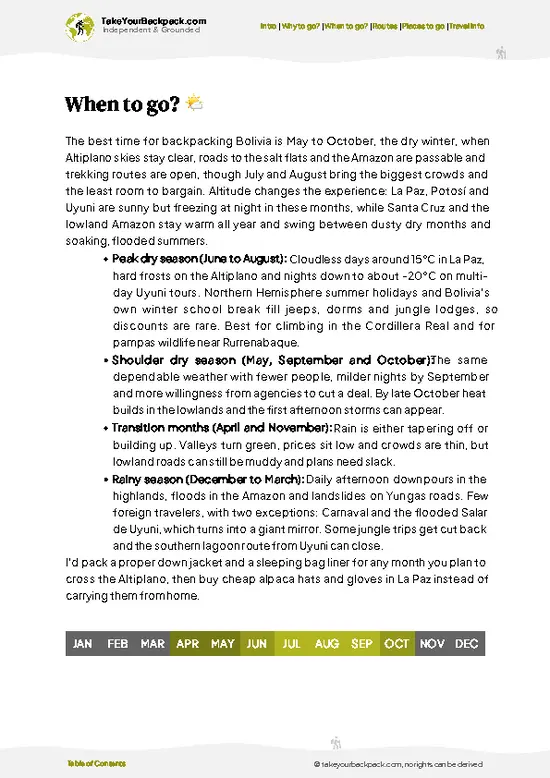
  • Weather: Potosi sits high at 4,090 meters (13,420 feet), so expect a cold climate year-round. The dry season from May to October offers crisp, clear skies and minimal rain, making it the most reliable for trekking and exploring.

  • Temperature: Daytime highs hover around 15°C (59°F) in the dry season, dropping sharply at night to near freezing or below. The wet season (November to March) is slightly warmer but soggier, with daytime temps around 18°C (64°F) and frequent afternoon showers.

  • Daylight Hours: Near the equator, daylight stays fairly consistent year-round, roughly 11 to 12 hours daily. This steadiness means you can plan hikes and tours without worrying about drastically shifting sunset times.

  • Crowds: The dry season draws more tourists, especially June to August, coinciding with South
read more 👉

  • Weather: Potosi sits high at 4,090 meters (13,420 feet), so expect a cold climate year-round. The dry season from May to October offers crisp, clear skies and minimal rain, making it the most reliable for trekking and exploring.

  • Temperature: Daytime highs hover around 15°C (59°F) in the dry season, dropping sharply at night to near freezing or below. The wet season (November to March) is slightly warmer but soggier, with daytime temps around 18°C (64°F) and frequent afternoon showers.

  • Daylight Hours: Near the equator, daylight stays fairly consistent year-round, roughly 11 to 12 hours daily. This steadiness means you can plan hikes and tours without worrying about drastically shifting sunset times.

  • Crowds: The dry season draws more tourists, especially June to August, coinciding with South American winter holidays. Expect more guided tours and busier hostels then. The wet season sees fewer visitors, offering solitude but with the risk of muddy trails.

  • Seasonal Activities: Mining tours run year-round but are more accessible and safer in the dry months. Local festivals, like the Carnaval de Potosi in February, bring vibrant culture but also crowds and higher prices.

  • Price Fluctuations: Accommodation and tour prices spike during the dry season and festival times. The wet season offers better deals but at the cost of less predictable weather and trail conditions.


Pro-tip: Aim for late April or early May—just before the dry season peaks. You’ll dodge the crowds, catch stable weather, and snag better prices, turning timing into your secret weapon for a smooth, immersive Potosi experience.


source: climatestotravel.comJANJanuary: fair for travelingFEBFebruary: good for travelingMARMarch: fair for travelingAPRApril: highly recommended for travelingMAYMay: excellent for travelingJUNJune: excellent for travelingJULJuly: excellent for travelingAUGAugust: excellent for travelingSEPSeptember: highly recommended for travelingOCTOctober: highly recommended for travelingNOVNovember: fair for travelingDECDecember: fair for traveling

✈️ The backpacker research shortcutBolivia Travel Guide

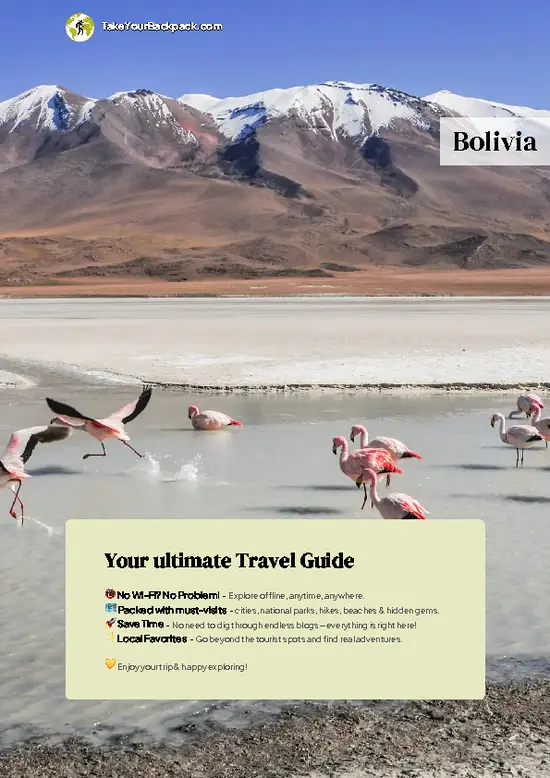
An offline-friendly backpacking guide with optimized travel routes, ranked highlights, transport advice, and the best areas to stay.
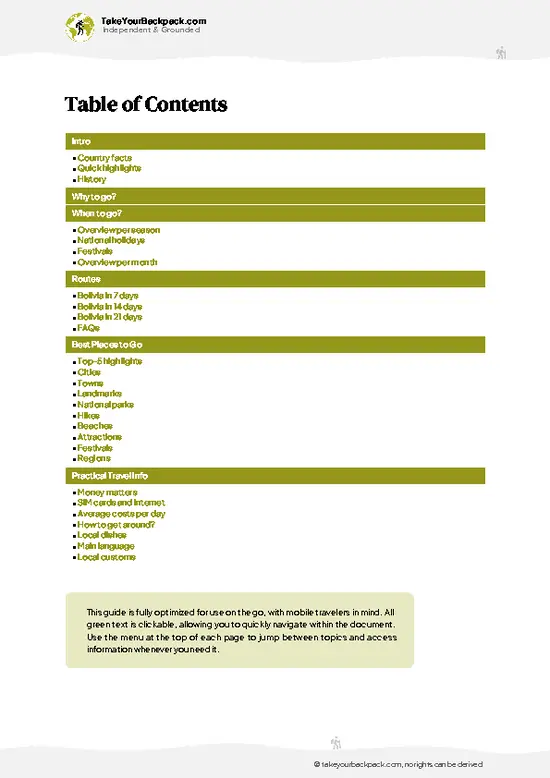
example page 0 from our offline Travel Guide for Boliviaexample page 1 from our offline Travel Guide for Boliviaexample page 2 from our offline Travel Guide for Boliviaexample page 3 from our offline Travel Guide for Boliviaexample page 4 from our offline Travel Guide for Boliviaexample page 5 from our offline Travel Guide for Boliviaexample page 6 from our offline Travel Guide for Boliviaexample page 7 from our offline Travel Guide for Bolivia
The digital guide (350 pages) contains:
82 highlights, ranked by travel appeal
Optimized 7, 14 & 21-day travel routes
Cities, national parks, beaches, historical sites, ...
How to get around
Offline-friendly for travel without Wi-Fi
👉 Click to see all 30+ guide features

📅 Plan smarter in minutes, not weeks
Month by month travel advice
Festivals & national holidays
Budget expectations

🗺️ Go to the right places, skip the overrated ones
Honest pros & cons of destinations
Top hikes, parks & viewpoints
Lesser-known places most travelers miss
Clear “worth it vs skip it” guidance

🛏️ Travel smoothly without rookie mistakes
Best areas to stay
Transport systems explained simply
Common scams & safety advice
SIM cards, money & practical tips

🌍 Understand the country, not just visit it
Culture & traditions
52 Essential phrases & customs
Festivals worth planning around
Traveler-friendly historical context
Insights that make places more meaningful

📱 Built for real travel conditions
Fully downloadable PDF
Works completely offline
Optimized for phone use
Useful in remote areas & buses
Everything in one place
Save weeks of stressful planning
Get instant access to the full guide directly. 30-day money-back guarantee.


Sent to your inbox immediately after payment • 100% Secure Checkout
Best Backpacking Travel Advisor 2025 tourism awardBest Backpacking
Travel Advisor
2025
What others say about Take Your Backpack Guides:
⭐⭐⭐⭐⭐
Fantastic, amazing amount of information!
⭐⭐⭐⭐⭐
My goodness this is amazing, it's what I've been looking for hats off too you!
⭐⭐⭐⭐⭐
I think this is absolutely BRILLIANT
⭐⭐⭐⭐
Very complete and informative. It's still missing places, but I gotta to commend you
⭐⭐⭐⭐⭐
This is truly amazing, thank you, can't wait to explore it with my kids!
⭐⭐⭐⭐⭐
Awesome resource, thank you!
⭐⭐⭐⭐⭐
This is amazing! Can't wait to explore the ones I haven't seen
⭐⭐⭐⭐
I love this! Well done, great idea.
⭐⭐⭐⭐⭐
Thanks for taking the time to make this gem!
⭐⭐⭐⭐⭐
This might be the best website I've ever seen.
⭐⭐⭐⭐⭐
Congratulations, and thank you so much for your work; it's incredibly valuable.
⭐⭐⭐⭐
In all seriousness I think you did a great job pointing out the important spots
⭐⭐⭐⭐⭐
10/10 very good
⭐⭐⭐⭐⭐
As someone who's only just starting to visit regularly this is awesome, thank you.
⭐⭐⭐⭐
Thank you very much! I'm going to visit my dad, it's going to be very useful!
⭐⭐⭐⭐⭐
This is really cool! We'll be travelling for the first time and this definitely come in handy.
⭐⭐⭐⭐⭐
You are now our minister of culture, congratulations 👨‍💼
⭐⭐⭐⭐⭐
Just wanted to tell you that this is a pearl! Going to follow your recommendations.
⭐⭐⭐⭐⭐
This is so cool. I'll definitely be using the resource for my travels soon.
⭐⭐⭐⭐⭐
This is very impressive! Good work.
⭐⭐⭐⭐⭐
This is an amazing and informative site. Very well done!

🛏️ Where to stay?Where staying makes the most sense

In Potosi, the best spot for backpackers is the historic center, especially around the Plaza 10 de Noviembre. This area nails the balance between safety and social buzz. It’s where budget travelers naturally gravitate because it’s compact, walkable, and packed with hostels that cater to solo adventurers and groups alike. You’ll find a mix of lively communal spaces and quiet corners, perfect for recharging after a day of exploring.

Compared to the outskirts or newer neighborhoods, the historic center offers a vibe steeped in colonial charm and local life, which is a big part of Potosi’s draw. … read more 👉
In Potosi, the best spot for backpackers is the historic center, especially around the Plaza 10 de Noviembre. This area nails the balance between safety and social buzz. It’s where budget travelers naturally gravitate because it’s compact, walkable, and packed with hostels that cater to solo adventurers and groups alike. You’ll find a mix of lively communal spaces and quiet corners, perfect for recharging after a day of exploring.

Compared to the outskirts or newer neighborhoods, the historic center offers a vibe steeped in colonial charm and local life, which is a big part of Potosi’s draw. It’s not just about convenience; it’s about immersion. You’re steps away from markets, cafes, and the main plaza where locals and travelers mingle. The trade-off here is clear: you sacrifice some modern amenities for authenticity and connection, but that’s the currency of value in Potosi.

Other areas might offer more comfort or quieter nights, but they lack the pulse that makes backpacking here rewarding. Staying central means you’re plugged into the city’s rhythm without needing taxis or long walks, saving time and money while maximizing your experience.

🚌 Getting aroundTransportation options and practical tips

Potosí moves at its own rhythm—a stubborn pulse carved out by centuries of silver mining and high-altitude survival. It’s not a city that bends easily to strict timetables or polished efficiency. Instead, it thrives on a blend of routine and improvisation, where the clock matters but so does the human element: a nod, a shout, a shared wait. If you want to master Potosí’s flow, you need to read between the lines of schedules and street noise. Time, money, and comfort don’t just trade off here—they negotiate, sometimes loudly, sometimes in whispers. Your job is to spot the sweet spots where you get the most out of each.


  • Walking: The ultimate budget option and the best way to soak in Potosí’s steep, narrow streets. No cost, zero emissions, and total control over your pace. But be ready for
read more 👉
Potosí moves at its own rhythm—a stubborn pulse carved out by centuries of silver mining and high-altitude survival. It’s not a city that bends easily to strict timetables or polished efficiency. Instead, it thrives on a blend of routine and improvisation, where the clock matters but so does the human element: a nod, a shout, a shared wait. If you want to master Potosí’s flow, you need to read between the lines of schedules and street noise. Time, money, and comfort don’t just trade off here—they negotiate, sometimes loudly, sometimes in whispers. Your job is to spot the sweet spots where you get the most out of each.


  • Walking: The ultimate budget option and the best way to soak in Potosí’s steep, narrow streets. No cost, zero emissions, and total control over your pace. But be ready for altitude and uneven cobblestones—comfort dips if you’re not prepared. Walking lets you skip transit waits entirely, but it’s slower and physically demanding.


  • Minibuses (Colectivos): These are the city’s informal workhorses, darting through narrow lanes and connecting neighborhoods. Fares hover around 1-2 BOB (Bolivianos), making them cheap and frequent. They run roughly from 6 a.m. to 9 p.m., but don’t expect a strict schedule—departure times depend on when the bus fills up. Speed varies with traffic and driver mood; comfort is basic, often crowded and bumpy, but you’ll get a real local vibe.


  • Taxi: More expensive, usually 15-30 BOB per ride within the city, but a solid choice when time is tight or you’re hauling gear. Taxis run 24/7, so they’re your fallback for late nights or early mornings. Comfort is decent, but negotiate the fare upfront—meters are rare. They’re faster than minibuses but can get stuck in the same traffic jams.


  • Motorcycle Taxis: A wild card for the brave, these zip through traffic and narrow alleys at lightning speed. Fares are about 5-10 BOB for short hops. They’re uncomfortable and risky but unbeatable for saving time in a pinch. Not recommended if you’re carrying heavy bags or prone to motion sickness.


  • Intercity Buses: If your budget allows a day trip or onward travel, buses to nearby towns like Sucre or Uyuni start early (around 5 a.m.) and run until late afternoon. Prices vary from 30 to 70 BOB depending on comfort level. These are slower but more comfortable than minibuses, with scheduled departures and reserved seats on better services.


Understanding these options means you’re not just moving through Potosí—you’re playing its game. You decide when to save time, when to save money, and when to accept a bit of discomfort for a richer experience. The city’s pulse is yours to sync with.

👛 Costs (as of 1 March 2026)Money, prices, and spending tips

Backpacking in Potosi, Bolivia, is a study in balancing your budget against the city’s unique offerings and logistical quirks. Here’s how your daily costs typically break down:
  • Dorm Accommodation (High Season): Expect to pay around $8 to $12 per night. High season, usually May to October, pushes prices up due to increased tourist flow, especially around mining tours.
  • Dorm Accommodation (Off-Season): Prices drop to about $5 to $8 per night. Fewer travelers mean better deals, but some hostels may close or reduce services.
  • Meals: Street food and local markets offer hearty meals for $2 to $4. If you opt for a sit-down restaurant, budget $5 to $8 for a full meal. Potosi’s altitude means you’ll want to eat well to keep energy up.
  • Local Transport: Short rides on minibuses or shared taxis cost
read more 👉
Backpacking in Potosi, Bolivia, is a study in balancing your budget against the city’s unique offerings and logistical quirks. Here’s how your daily costs typically break down:
  • Dorm Accommodation (High Season): Expect to pay around $8 to $12 per night. High season, usually May to October, pushes prices up due to increased tourist flow, especially around mining tours.
  • Dorm Accommodation (Off-Season): Prices drop to about $5 to $8 per night. Fewer travelers mean better deals, but some hostels may close or reduce services.
  • Meals: Street food and local markets offer hearty meals for $2 to $4. If you opt for a sit-down restaurant, budget $5 to $8 for a full meal. Potosi’s altitude means you’ll want to eat well to keep energy up.
  • Local Transport: Short rides on minibuses or shared taxis cost around $0.30 to $0.50. These are the lifeblood of getting around town but can be crowded and irregular.
  • City Transport Pass: There isn’t a formal city transport pass system in Potosi. Instead, pay per ride, which keeps costs low but requires some planning if you’re hopping around frequently.
  • Basic Activities/Entry Fees: Visiting the famous Cerro Rico mines or museums typically costs between $5 and $10. Guided tours add value but expect to pay on the higher end of that range.
  • Miscellaneous Expenses: Water, snacks, occasional tips, and small purchases usually add up to $1 to $3 daily. Bottled water is a must due to altitude and hydration needs.

In total, you’re looking at roughly $15 to $30 per day, depending on your choices and season. Potosi rewards those who plan smartly: a bit of extra cash for a guided mine tour or a comfortable dorm can turn a basic trip into a memorable one.
⚠️ Prices can change and everyone travels differently, so take this as a rough guide. Hope it helps you plan your adventure!

🚌 Day tripsEasy escapes and nearby places

Potosí, Bolivia, is a backpacker’s dream base for day trips, offering a rich tapestry of culture, history, and stunning landscapes. Here are some top picks that pack a punch without draining your wallet.

Cerro Rico
Hiking Cerro Rico is like stepping into a living history book. This mountain, once the world’s richest silver mine, offers a challenging trek with breathtaking views of Potosí. Expect to spend about 4-5 hours round trip. The cost? Just a few bolivianos for transport and maybe a snack. The best time to go is during the dry season, from May to October. A common mistake? Underestimating the altitude; take it slow and hydrate.
👉 Explore Cerro Rico

Uyuni Salt Flats
While it’s a bit of a stretch at around 6 hours each way, visiting the Uyuni Salt Flats is worth every minute. The … read more 👉
Potosí, Bolivia, is a backpacker’s dream base for day trips, offering a rich tapestry of culture, history, and stunning landscapes. Here are some top picks that pack a punch without draining your wallet.

Cerro Rico
Hiking Cerro Rico is like stepping into a living history book. This mountain, once the world’s richest silver mine, offers a challenging trek with breathtaking views of Potosí. Expect to spend about 4-5 hours round trip. The cost? Just a few bolivianos for transport and maybe a snack. The best time to go is during the dry season, from May to October. A common mistake? Underestimating the altitude; take it slow and hydrate.
👉 Explore Cerro Rico

Uyuni Salt Flats
While it’s a bit of a stretch at around 6 hours each way, visiting the Uyuni Salt Flats is worth every minute. The surreal landscape is like nothing else on Earth, especially during the rainy season when it turns into a giant mirror. A day trip can cost around $30, including transport and lunch. Aim for the wet season (December to March) for the best reflections. Just remember, it’s a long day, so pack snacks and be ready for an early start.


Tuni Condoriri
For those craving a bit of adventure, Tuni Condoriri is a hidden treasure. This trek takes you through stunning valleys and past glacial lakes, all within a 3-hour drive from Potosí. The round trip can be done in about 6 hours, and costs around $15 for transport. The best time to visit is during the dry season, when trails are clear. First-timers often overlook the need for proper footwear; don’t skimp on those hiking boots!


Laguna Verde
Just a short drive from Potosí, Laguna Verde is a serene escape. The vibrant green waters are framed by the Andes, making it a perfect spot for a picnic. Plan for a 2-hour drive and a leisurely day exploring the area. Costs hover around $20 for transport. The best months are May to September for clear skies. A common pitfall? Forgetting to bring enough water; it’s remote, so stock up before you go.


Chacaltaya
Chacaltaya, once home to the world’s highest ski resort, offers a unique day trip. The drive takes about 2 hours, and the hike to the summit is short but steep. Expect to pay around $15 for transport. The views from the top are jaw-dropping, especially at sunrise. The best time to visit is during the dry season. Many first-timers rush the ascent; take your time to acclimatize and enjoy the scenery.
Want to know what more Bolivia offers?
The Bolivia Travel Guide describes 82 highlights, from cities to national parks, from beaches to hikes

Get the Travel Guide -

🍲 FoodLocal Cuisine & Drinks

In Potosí, food and drinks are a vibrant tapestry of flavors and traditions. Start with the salteña, a savory pastry filled with meat, potatoes, and spices. It’s a breakfast staple, best enjoyed fresh from a street vendor, where the flaky crust crumbles just right. Pair it with a chicha, a fermented corn drink that’s both refreshing and a bit tangy, often served in communal settings.

The markets are the heart of Potosí’s culinary scene. Stroll through the bustling stalls of Mercado Central, where the air is thick with the aroma of grilled meats and spices. Try the anticuchos, skewers of marinated beef heart, grilled to perfection and served with a side of spicy sauce.

Dining here is a communal affair. Expect to share tables and engage in lively conversation. It’s customary to greet your … read more 👉
In Potosí, food and drinks are a vibrant tapestry of flavors and traditions. Start with the salteña, a savory pastry filled with meat, potatoes, and spices. It’s a breakfast staple, best enjoyed fresh from a street vendor, where the flaky crust crumbles just right. Pair it with a chicha, a fermented corn drink that’s both refreshing and a bit tangy, often served in communal settings.

The markets are the heart of Potosí’s culinary scene. Stroll through the bustling stalls of Mercado Central, where the air is thick with the aroma of grilled meats and spices. Try the anticuchos, skewers of marinated beef heart, grilled to perfection and served with a side of spicy sauce.

Dining here is a communal affair. Expect to share tables and engage in lively conversation. It’s customary to greet your fellow diners, and don’t be surprised if someone offers you a taste of their dish. This sense of community enhances every bite, making meals feel like a celebration.

Embrace the local customs, savor the flavors, and let the spirit of Potosí’s food culture enrich your journey.

🛡️ SafetyScams, Hazards, and Annoyances

Potosí is generally safe, but like any city, it has its quirks. Stay alert in crowded markets, especially around Plaza 10 de Noviembre. Pickpockets can be crafty, so keep your valuables close.

If you’re solo, avoid wandering too far after dark. The streets can feel deserted, and it’s best to stick to well-lit areas.

Common scams include overly friendly locals offering unsolicited help. They might expect a tip, so be polite but firm if you’re not interested.

Annoyances like persistent street vendors can test your patience. A simple “no, gracias” usually suffices.

Carry yourself confidently. A relaxed demeanor can deter unwanted attention. Trust your instincts; if something feels off, it probably is. Enjoy the rich history and vibrant culture, but stay aware, and you’ll navigate Potosí like a pro.

Other Bolivian cities near Potosi

Explore more nearby:

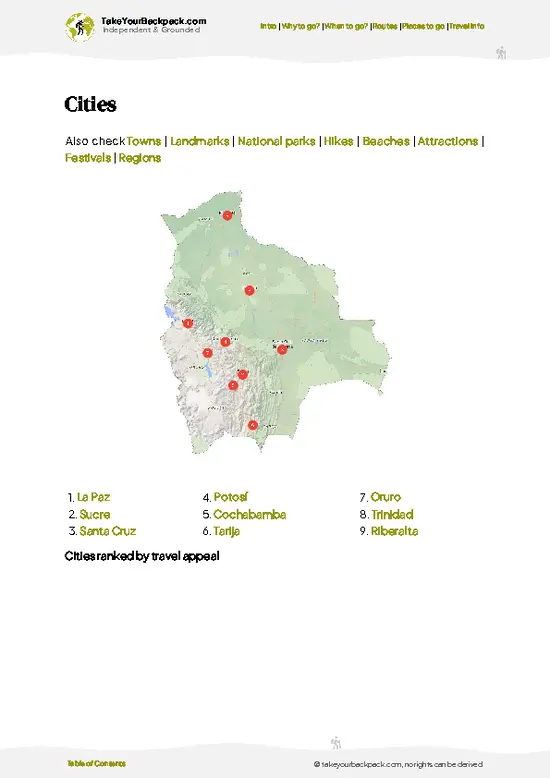
  • Sucre—whitewashed buildings, university town, gentle hills| 79 km away
  • Oruro—mining heritage, windswept plateau, festival city| 227 km away
  • Tarija—vineyards, mellow plazas, southern hills| 241 km away

👉 Discover all cities

Or checkout all Bolivia has to offer (think cities, towns, villages, national parks, hikes, beaches, festivals)
Country photo of Bolivia

We 💚 feedbackSumming up the experience

Potosí is a living history lesson, where the echoes of silver mines still resonate in the streets. Walking through its colonial architecture feels like stepping back in time. But be ready for altitude sickness; at over 13,000 feet, it can hit hard. The trade-off? You gain a rich cultural experience, but your body might need a day to adjust. Embrace the challenge; it’s all part of the adventure.

✈️ When did I visit Bolivia?
Bolivia I visited during my half year trip through South and Central America back in 2003

✍️ Help improve this page!
The information on this page is based on my own backpacking experience in Bolivia, supplemented with up-to-date research and feedback from other travelers. Travel details can change, so if you notice anything outdated or incomplete, feel free to let me know.


🙋‍♂️ Give feedback

👋 Meet the founderWho’s Behind Take Your Backpack?

Johan, backpacker and founder of TakeYourBackpackHi, I’m Johan (Netherlands 🇳🇱), the creator of TakeYourBackpack. Over the past decade, I’ve backpacked through 80+ countries across six continents, gaining extensive experience with independent travel, long-term trips, and overland routes.

This site is built on a combination of firsthand travel experience and carefully curated insights from other backpackers. Many guides are based on places I’ve personally visited, while others bring together tips, observations, and practical advice shared by trusted travelers I’ve met along the way.

The goal is to provide realistic, experience-driven guidance — not generic itineraries — so you can explore destinations with better context, clearer expectations, and more confidence.

Get full Bolivia guide •
Instant download • 82 highlights • Full Offline guide