How many cities to visit in Bolivia: I advise
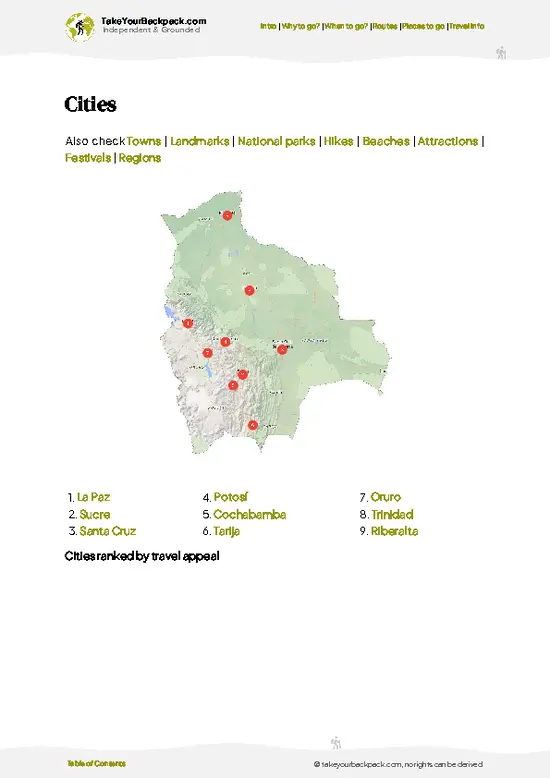
four to five cities for a typical backpacking trip. Bolivia’s distances are long, its mountain roads are slow, and altitude eats energy in ways flat-country travelers underestimate. Add more stops and you spend your trip inside buses instead of inside the places. Four or five lets each city sink in: a couple of days to wander markets, climb a hill for the view, and eat a long lunch without checking a timetable. Go below three and you miss the contrasts that make this country so interesting.
Which kind of city suits you: Bolivia’s cities fall into three camps, and your travel style decides how much of each you want. The
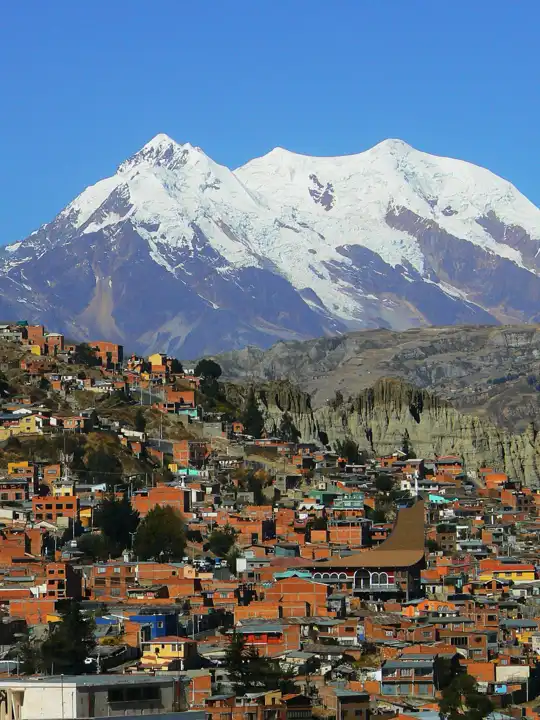
high Andean cities, at roughly 3,500 to 4,000 meters, give you cold, thin air, steep cobbled streets, witches’ markets, and cholitas …
read more 👉 How many cities to visit in Bolivia: I advise four to five cities for a typical backpacking trip. Bolivia’s distances are long, its mountain roads are slow, and altitude eats energy in ways flat-country travelers underestimate. Add more stops and you spend your trip inside buses instead of inside the places. Four or five lets each city sink in: a couple of days to wander markets, climb a hill for the view, and eat a long lunch without checking a timetable. Go below three and you miss the contrasts that make this country so interesting.
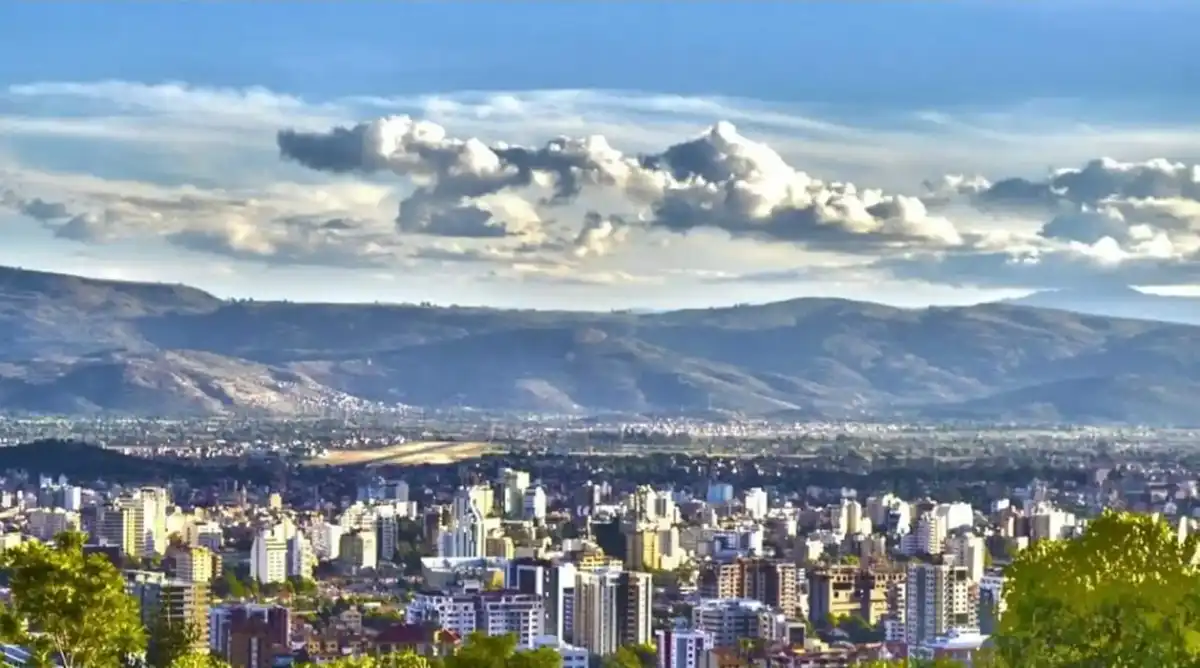
Which kind of city suits you: Bolivia’s cities fall into three camps, and your travel style decides how much of each you want. The high Andean cities, at roughly 3,500 to 4,000 meters, give you cold, thin air, steep cobbled streets, witches’ markets, and cholitas in bowler hats selling salteñas at ten in the morning. Pick these if you want the most unfiltered, culturally dense Bolivia. The valley cities, at around 2,500 to 2,800 meters, are milder and easier on the lungs, with a serious food culture and a relaxed pace. They suit first-timers, slow travelers and anyone who wants to acclimatize before heading higher. The lowland cities are hot, humid and loud with motorbikes, and they serve as gateways to jungle and wetlands rather than as sightseeing stops in themselves. Skip the lowlands if you only have a short trip, and add them if wildlife is the point. Adventure seekers should weight the highland cities, since tour operators there arrange treks, mine visits and mountain-biking days. Food-focused travelers should lean toward the valleys.
What it costs: Bolivia is one of South America’s cheapest countries. Plan on US$25 to 45 a day (about Bs 175 to 315) for dorm beds, local food and public transport. Dorm beds run Bs 50 to 100 (US$7 to 14), and private rooms with a bathroom Bs 150 to 300 (US$22 to 43). The set lunch, the almuerzo, is the best deal in the country: soup, a main with rice or potatoes, and a drink for Bs 20 to 35 (US$3 to 5). Street snacks such as salteñas cost Bs 5 to 10. Shared minibuses and trufis within a city cost Bs 1.5 to 3, and taxis Bs 10 to 25 for most urban rides, so settle the fare before you climb in.
Per-visit extras add up modestly. Museums and churches charge Bs 10 to 60 (US$1.50 to 9), and some cities sell multi-site tickets that save money if you plan to see several. Walking tours are often tip-based, and a good guide for a half day of markets and viewpoints runs Bs 100 to 250 (US$14 to 36). Intercity buses range from Bs 40 to 200 (US$6 to 29) depending on distance and seat type, and the pricier overnight cama seats that recline flat are worth the extra for a decent night’s sleep. Carry plenty of small bills and coins. ATMs cap withdrawals and sometimes run dry, and market vendors rarely have change for a Bs 200 note.
Altitude and health: Altitude is the biggest practical hazard. Soroche, or altitude sickness, hits with headaches, nausea and a pounding pulse after a fast climb from lowland air. Spend your first day doing little, drink water constantly, sip coca tea (served free in most hostels), and eat light meals. Stairs in hillside neighborhoods will leave you gasping, and that is normal. Sleeping lower when you can makes every day easier. Sun at this height burns skin in minutes, so pack sunscreen and a hat. Nights drop near freezing even when afternoons feel warm, so bring layers.
Safety on the ground: Bolivia’s cities are manageable if you use common sense. Petty theft, bag slashing and phone grabs cluster around bus terminals, crowded markets and festivals. Keep valuables in an inside pocket and out of the open. Use radio taxis or hostel-called cars after dark rather than hailing cars off the street, since express kidnappings have occurred in a few cities. Fake police officers asking to inspect your wallet are a known scam. Real officers rarely demand that, so insist on going to a station or calling your embassy. Avoid walking alone late at night, especially in quieter districts.
Road blockades, called bloqueos, are the other wildcard. Strikes and protests can shut highways for days with little warning, so build a spare day into any onward bus plan and check local news or ask your hostel.
Cultural manners: Ask before photographing people, especially market women and cholitas, as many decline or expect a small payment. Do not photograph rituals, and treat Pachamama offerings with respect. Greet shopkeepers before asking for anything, since a quick “buenos días” opens doors. At Carnival, expect water balloons and foam from strangers, so keep your phone sealed in a bag and enjoy the chaos.
v2.webp)




 Best Backpacking
.jpg) Hi, I’m Johan (Netherlands 🇳🇱), the creator of TakeYourBackpack. Over the past 3 decades, I’ve backpacked through 90+ countries across six continents, gaining extensive experience with independent travel, long-term trips, and overland routes.
Hi, I’m Johan (Netherlands 🇳🇱), the creator of TakeYourBackpack. Over the past 3 decades, I’ve backpacked through 90+ countries across six continents, gaining extensive experience with independent travel, long-term trips, and overland routes.