×
Salar de Uyuni

Bolivia🇧🇴 | landmarksSalar de Uyuniendless salt, hexagonal patterns, mirror effect | things to do and best time to go

Explore Salar de ChiquinquiráExplore Tiwanaku

Backpacking in Salar de Uyuni
🏆 Top pickunique site ranked #1
By Johan Kruseman 🇳🇱 | Updated May 29, 2026

Most people think Salar de Uyuni is just a giant mirror for Instagram poses. That mirror effect only happens in the rainy season, and even then you might get clouds, wind, or just… a big white lake that doesn’t care about your feed. Salar de Uyuni sits in southwest Bolivia, in the high-altitude desert of the Potosí department, way out near the Chilean border.

As a backpacker destination, it’s both overhyped and absolutely worth it. The wow-factor is real: endless salt, blinding light, volcano silhouettes, and that eerie silence that makes you feel like you’ve left Earth. Tours aren’t dirt-cheap anymore, and you’ll share the classic spots with convoys of 4x4s, but it’s still good value for what you get. Access is straightforward from Uyuni town, less so from La Paz or Sucre. The vibe swings from goofy perspective-photo chaos to quiet, almost spiritual emptiness; I remember more from the cold sunrise over the flats than from any mirror shot.

Discover everything you want to know in the 📖 Bolivia Travel Guide.


Get your Bolivia guide
82 ranked highlights, routes & tips, works offline (350 pages)
Loading the map 🌍
CLICK TO FILTER
cities
towns
landmarks
national parks
hikes
beaches
attractions
festivals
regions
SHOW COUNTRY’S BESTSHOW ALL

✨ Why go?
Ranked #1 unique site in Bolivia
The unique appeal for travelers

Salar de Uyuni is not just another stop; it’s a mind-bending experience that flips the script on what you think a landscape can be. Sure, it’s crowded, especially during peak season, but that’s because it’s a once-in-a-lifetime sight. The vast, reflective salt flats stretch endlessly, creating a surreal mirror effect that makes you feel like you’re walking on clouds.

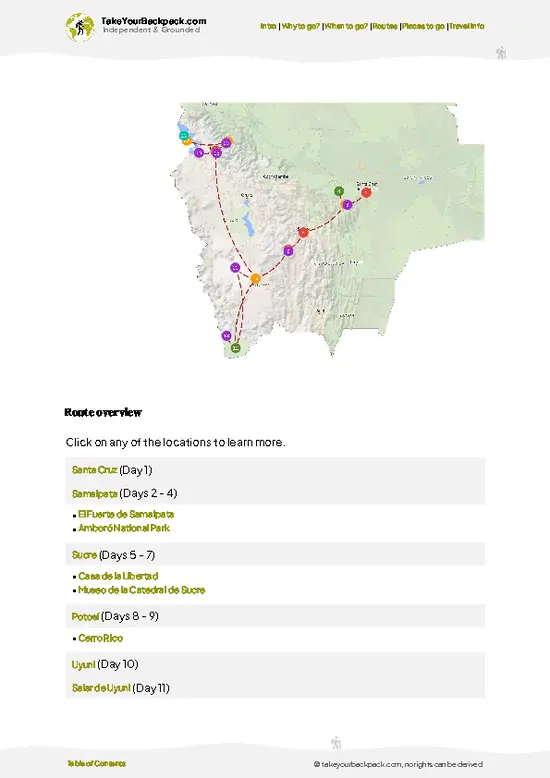
The cost? Surprisingly low. You can find budget tours that won’t break the bank, and the accessibility is decent, with buses from major cities like La Paz or Potosí. But here’s the kicker: it fits perfectly into a broader route through Bolivia. You can easily combine it with stops in Potosí or Sucre, making your journey feel cohesive rather than disjointed.

What makes Uyuni truly special is the unique ecosystem around it. From … read more 👉
Salar de Uyuni is not just another stop; it’s a mind-bending experience that flips the script on what you think a landscape can be. Sure, it’s crowded, especially during peak season, but that’s because it’s a once-in-a-lifetime sight. The vast, reflective salt flats stretch endlessly, creating a surreal mirror effect that makes you feel like you’re walking on clouds.

The cost? Surprisingly low. You can find budget tours that won’t break the bank, and the accessibility is decent, with buses from major cities like La Paz or Potosí. But here’s the kicker: it fits perfectly into a broader route through Bolivia. You can easily combine it with stops in Potosí or Sucre, making your journey feel cohesive rather than disjointed.

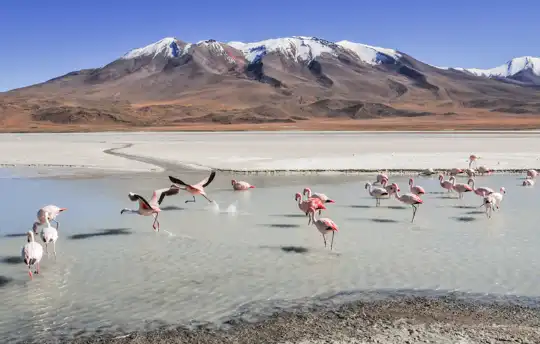
What makes Uyuni truly special is the unique ecosystem around it. From flamingos to ancient cacti, the area is alive with unexpected wonders. Plus, the sunsets? They’ll leave you speechless. So yes, it’s a bit of a trek, but the effort-to-reward ratio is off the charts. You’ll leave with stories that Instagram can’t capture.
Want to include Salar de Uyuni in your Bolivia route?
Create a personalized Bolivia itinerary that includes Salar de Uyuni and the places that fit your trip — based on your travel style, budget, and available time. Get your route in seconds.

Generate my trip

💡 HighlightsTop highlights of Salar de Uyuni

  • Mirror effect (wet-season reflections) — When a thin layer of water sits on the salt, the flats become a perfect mirror and you get those surreal, infinite-sky photos. Best between January and April after rains; bring waterproof shoes and patience for the best light. Personal favorite — nothing else in the world shoots perspective photos like this place.
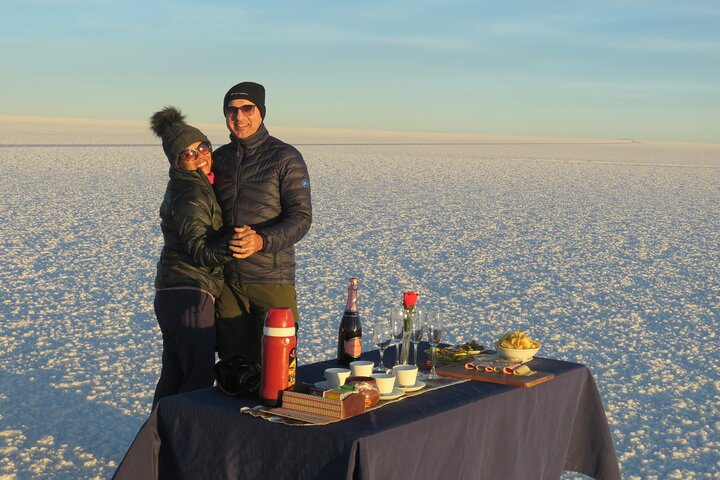
  • Hexagonal salt crust and the endless white plain — In the dry season the surface cracks into neat polygonal tiles that stretch to the horizon. It’s a texture nerd’s dream and the reason perspective tricks work so well here. Dry months (May-October) give the most pronounced patterns.
  • Isla Incahuasi (Fish Island) — A rocky outcrop covered in giant cacti right in the middle of the salt. Short climbs lead to panoramic views and a surprising
read more 👉
  • Mirror effect (wet-season reflections) — When a thin layer of water sits on the salt, the flats become a perfect mirror and you get those surreal, infinite-sky photos. Best between January and April after rains; bring waterproof shoes and patience for the best light. Personal favorite — nothing else in the world shoots perspective photos like this place.
  • Hexagonal salt crust and the endless white plain — In the dry season the surface cracks into neat polygonal tiles that stretch to the horizon. It’s a texture nerd’s dream and the reason perspective tricks work so well here. Dry months (May-October) give the most pronounced patterns.
  • Isla Incahuasi (Fish Island) — A rocky outcrop covered in giant cacti right in the middle of the salt. Short climbs lead to panoramic views and a surprising amount of biodiversity. There’s usually a small entrance fee and the cacti are pointy, so watch your packs.
  • Tunupa Volcano & Coquesa mummies — The volcanic rim that frames the salar hosts short hikes, ancient burial caves and the Coquesa mummies and petroglyphs. It’s where geology, history and local Aymara legends meet — good for a half-day detour and great sunrise light.
  • Colchani village and traditional salt harvesting — Tiny village on the salar’s edge where families harvest salt and sell crafts made from salt and local alpaca wool. It’s the most down-to-earth place to learn how locals use the flats and pick up inexpensive, authentic souvenirs.
  • Train Cemetery (Cementerio de Trenes) — Rusting locomotives and carriages on the edge of Uyuni town, relics of the 19th-20th century mining boom. Moody for photos and gives context to the region’s industrial past.
  • Stargazing and absolute silence — Massive, high-altitude dark skies make the salar one of the best places in South America to watch the Milky Way. Nights are brutally cold but the silence and clear stars are unforgettable — bring a warm sleeping layer and a thermos.
Spotted a mistake or missing something? Contact us.

Things to do near Salar de Uyuni

Ratings based on Tripadvisor reviews. When you book through this link, you support our work at no extra cost to you.

🌤️ When to go?Choosing the right time of year


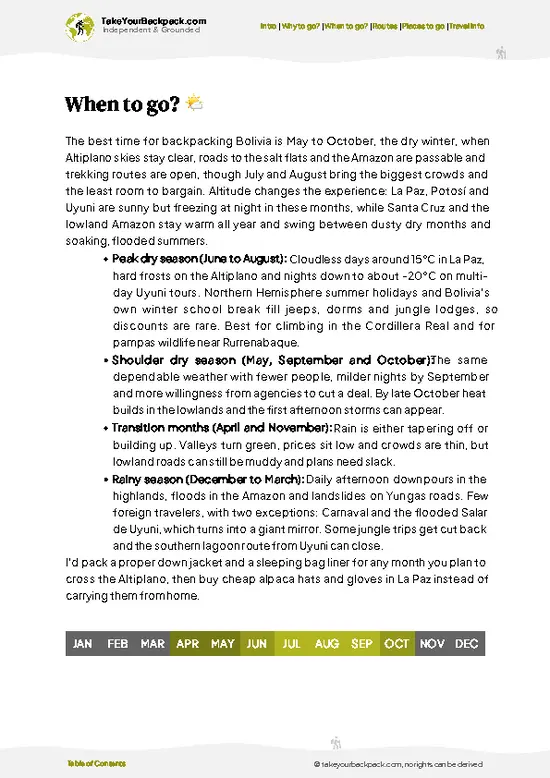
  • Weather: The dry season (May to October) offers the classic salt flat experience—endless white salt crust under a deep blue sky. The wet season (December to April) floods the flats, creating a mirror effect that’s jaw-dropping but can limit where you can drive.

  • Temperature: Nights are brutally cold year-round, often dropping below -10°C (14°F) in the dry season. Days warm up to a comfortable 15-20°C (59-68°F). Wet season nights are milder but expect chilly mornings and evenings.

  • Daylight Hours: Around 11 to 13 hours of daylight year-round, with slightly longer days in the southern hemisphere summer (December to February). Plan your tours to maximize daylight for photography and exploration.

  • Crowds: Peak season is June to August when tourists flood in for the dry season’s clear skies.
read more 👉

  • Weather: The dry season (May to October) offers the classic salt flat experience—endless white salt crust under a deep blue sky. The wet season (December to April) floods the flats, creating a mirror effect that’s jaw-dropping but can limit where you can drive.

  • Temperature: Nights are brutally cold year-round, often dropping below -10°C (14°F) in the dry season. Days warm up to a comfortable 15-20°C (59-68°F). Wet season nights are milder but expect chilly mornings and evenings.

  • Daylight Hours: Around 11 to 13 hours of daylight year-round, with slightly longer days in the southern hemisphere summer (December to February). Plan your tours to maximize daylight for photography and exploration.

  • Crowds: Peak season is June to August when tourists flood in for the dry season’s clear skies. Expect packed tours and higher prices. The wet season sees fewer visitors, offering a more intimate experience but with some logistical challenges.

  • Seasonal Activities: Dry season is perfect for trekking, 4x4 tours, and stargazing. Wet season is prime for mirror photography and birdwatching, especially flamingos, but some routes may be inaccessible.

  • Price Fluctuations: Prices spike in peak dry months due to demand. Wet season offers better deals on tours and accommodations but comes with trade-offs in accessibility and weather unpredictability.


Pro-tip: If you want the iconic mirror effect without the crowds, aim for the shoulder months of November or April—wet enough for reflections, but fewer tourists and better prices.


source: climatestotravel.comJANJanuary: good for travelingFEBFebruary: good for travelingMARMarch: good for travelingAPRApril: highly recommended for travelingMAYMay: excellent for travelingJUNJune: excellent for travelingJULJuly: excellent for travelingAUGAugust: excellent for travelingSEPSeptember: excellent for travelingOCTOctober: excellent for travelingNOVNovember: highly recommended for travelingDECDecember: good for traveling
Bolivia - |Bolivia|pixabay Salar de Uyuni

✈️ The backpacker research shortcutBolivia Travel Guide

An offline-friendly backpacking guide with optimized travel routes, ranked highlights, transport advice, and the best areas to stay.
example page 0 from our offline Travel Guide for Boliviaexample page 1 from our offline Travel Guide for Boliviaexample page 2 from our offline Travel Guide for Boliviaexample page 3 from our offline Travel Guide for Boliviaexample page 4 from our offline Travel Guide for Boliviaexample page 5 from our offline Travel Guide for Boliviaexample page 6 from our offline Travel Guide for Boliviaexample page 7 from our offline Travel Guide for Bolivia
The digital guide (350 pages) contains:
82 highlights, ranked by travel appeal
Optimized 7, 14 & 21-day travel routes
Cities, national parks, landmarks, beaches
How to get around
Offline-friendly for travel without Wi-Fi
👉 Click to see all 30+ guide features

📅 Plan smarter in minutes, not weeks
Month by month travel advice
Festivals & national holidays
Budget expectations

🗺️ Go to the right places, skip the overrated ones
Honest pros & cons of destinations
Top hikes, parks & viewpoints
Lesser-known places most travelers miss
Clear “worth it vs skip it” guidance

🛏️ Travel smoothly without rookie mistakes
Best areas to stay
Transport systems explained simply
Common scams & safety advice
SIM cards, money & practical tips

🌍 Understand the country, not just visit it
Culture & traditions
52 Essential phrases & customs
Festivals worth planning around
Traveler-friendly historical context
Insights that make places more meaningful

📱 Built for real travel conditions
Fully downloadable PDF
Works completely offline
Optimized for phone use
Useful in remote areas & buses
Everything in one place
Save weeks of stressful planning
Get instant access to your full guide. 30‑day money-back guarantee.


By proceeding you agree to our terms.
Sent to your inbox immediately after payment • 100% Secure Checkout
Best Backpacking Travel Advisor 2025 tourism awardBest Backpacking
Travel Advisor
2025
What others say about Take Your Backpack Guides:
⭐⭐⭐⭐⭐
Fantastic, amazing amount of information!
⭐⭐⭐⭐⭐
My goodness this is amazing, it's what I've been looking for hats off too you!
⭐⭐⭐⭐⭐
I think this is absolutely BRILLIANT
⭐⭐⭐⭐
Very complete and informative. It's still missing places, but I gotta to commend you
⭐⭐⭐⭐⭐
This is truly amazing, thank you, can't wait to explore it with my kids!
⭐⭐⭐⭐⭐
Awesome resource, thank you!
⭐⭐⭐⭐⭐
This is amazing! Can't wait to explore the ones I haven't seen
⭐⭐⭐⭐
I love this! Well done, great idea.
⭐⭐⭐⭐⭐
Thanks for taking the time to make this gem!
⭐⭐⭐⭐⭐
This might be the best website I've ever seen.
⭐⭐⭐⭐⭐
Congratulations, and thank you so much for your work; it's incredibly valuable.
⭐⭐⭐⭐
In all seriousness I think you did a great job pointing out the important spots
⭐⭐⭐⭐⭐
10/10 very good
⭐⭐⭐⭐⭐
As someone who's only just starting to visit regularly this is awesome, thank you.
⭐⭐⭐⭐
Thank you very much! I'm going to visit my dad, it's going to be very useful!
⭐⭐⭐⭐⭐
This is really cool! We'll be travelling for the first time and this definitely come in handy.
⭐⭐⭐⭐⭐
You are now our minister of culture, congratulations 👨‍💼
⭐⭐⭐⭐⭐
Just wanted to tell you that this is a pearl! Going to follow your recommendations.
⭐⭐⭐⭐⭐
This is so cool. I'll definitely be using the resource for my travels soon.
⭐⭐⭐⭐⭐
This is very impressive! Good work.
⭐⭐⭐⭐⭐
This is an amazing and informative site. Very well done!

🛏️ Where to stay?Best areas to stay in Bolivia

When it comes to staying near Salar de Uyuni, you’ve got options that balance safety, social vibes, and budget-friendliness. First up, the town of Uyuni itself is your best bet. It’s the main hub for travelers heading to the salt flats. Expect a mix of backpackers and locals, which means you can swap stories over a cheap meal or a beer. The streets are bustling, and you’ll find plenty of shops to stock up on snacks for your adventure.

Another area worth considering is Colchani, just a short drive from Uyuni. This small village is quieter and offers a more authentic Bolivian experience. You’ll … read more 👉
When it comes to staying near Salar de Uyuni, you’ve got options that balance safety, social vibes, and budget-friendliness. First up, the town of Uyuni itself is your best bet. It’s the main hub for travelers heading to the salt flats. Expect a mix of backpackers and locals, which means you can swap stories over a cheap meal or a beer. The streets are bustling, and you’ll find plenty of shops to stock up on snacks for your adventure.

Another area worth considering is Colchani, just a short drive from Uyuni. This small village is quieter and offers a more authentic Bolivian experience. You’ll find cozy guesthouses where the owners are often eager to share local insights. Plus, being close to the salt flats means you can catch the sunrise without the hassle of a long commute.

If you’re feeling adventurous, look into staying at a salt hotel. These unique accommodations are built from salt blocks and provide a one-of-a-kind experience. They’re often a bit pricier, but the novelty can be worth it.

In all these spots, safety is generally good, but keep your wits about you, especially at night. Embrace the camaraderie of fellow travelers, and you’ll find that the real magic of Salar de Uyuni isn’t just the landscape; it’s the connections you make along the way.

👛 Costs (as of 21 February 2026)Money, prices, and spending tips

Visiting Salar de Uyuni isn’t just about the breathtaking salt flats; it’s also about navigating the costs that come with it. Here’s a breakdown of what you can expect:
  • Transportation: Getting to Uyuni can set you back anywhere from €10 to €50 (or $11 to $55) for a bus ride from La Paz. Flights can be pricier, ranging from €100 to €200 ($110 to $220), depending on the season and how early you book. Once in Uyuni, local taxis or shared rides to the salt flats usually cost around €5 to €15 ($6 to $16).
  • Accommodation: Options vary widely. Dormitory beds in hostels start at about €8 to €15 ($9 to $16). Private rooms can range from €20 to €50 ($22 to $55), depending on the amenities. For a more upscale experience, boutique hotels can run €70 to €150 ($77 to $165) per night.
  • Food: Eating out in Uyuni
read more 👉
Visiting Salar de Uyuni isn’t just about the breathtaking salt flats; it’s also about navigating the costs that come with it. Here’s a breakdown of what you can expect:
  • Transportation: Getting to Uyuni can set you back anywhere from €10 to €50 (or $11 to $55) for a bus ride from La Paz. Flights can be pricier, ranging from €100 to €200 ($110 to $220), depending on the season and how early you book. Once in Uyuni, local taxis or shared rides to the salt flats usually cost around €5 to €15 ($6 to $16).
  • Accommodation: Options vary widely. Dormitory beds in hostels start at about €8 to €15 ($9 to $16). Private rooms can range from €20 to €50 ($22 to $55), depending on the amenities. For a more upscale experience, boutique hotels can run €70 to €150 ($77 to $165) per night.
  • Food: Eating out in Uyuni is affordable. Street food can cost as little as €2 to €5 ($2 to $6). Sit-down meals at local restaurants typically range from €5 to €15 ($6 to $16). If you’re craving something more international, expect to pay around €15 to €30 ($16 to $33).
  • Tour Costs: A day tour of Salar de Uyuni generally costs between €70 and €150 ($77 to $165), depending on the inclusions like meals and transportation. Multi-day tours can be more economical per day, averaging €100 to €250 ($110 to $275) for a two- to three-day experience.
  • Extras: Don’t forget about additional costs like entrance fees for certain areas, which can be around €5 to €10 ($6 to $11). If you want to rent gear for photography or other activities, budget an extra €10 to €30 ($11 to $33).

Understanding these costs helps you plan better. Salar de Uyuni is worth every penny, but knowing what to expect can make your journey smoother.
⚠️ Prices can change and everyone travels differently, so take this as a rough guide. Hope it helps you plan your adventure!

Other Bolivian landmarks near Salar de Uyuni

Explore more nearby:

  • Salar de Chiquinquirá—salt crust, isolated expanse, high plateau| 111 km away
  • Lago Poopó—shallow lake, migratory birds, salt flats| 156 km away
  • Cerro Rico—silver mines, colonial tunnels, mining history| 191 km away

💡 Not sure where to go next?
Create a personalized itinerary for Bolivia including Salar de Uyuni and the places that fit your trip.

Generate my itinerary

👉 Discover all landmarks

Or checkout all Bolivia has to offer (think cities, towns, villages, national parks, hikes, beaches, festivals)
Country photo of Bolivia

We 💚 feedbackKey takeaways before you go

Salar de Uyuni is a surreal experience that flips your perspective. Standing on that endless salt flat, you feel like you’re on another planet—it’s a mind-bending sight. But let’s be real: the crowds can be overwhelming, especially during peak season. You’ll share that magic with a lot of other travelers. Still, if you can embrace the chaos, the beauty is worth every moment. Just be ready for the hustle.

✈️ When did I visit Bolivia?
Bolivia I visited during my half year trip through South and Central America back in 2003

✍️ Help improve this page!
The information on this page is based on my own backpacking experience in Bolivia, supplemented with up-to-date research and feedback from other travelers. Travel details can change, so if you notice anything outdated or incomplete, feel free to let me know.


🙋‍♂️ Give feedback

👋 Meet the founderWho’s Behind Take Your Backpack?

Johan, backpacker and founder of TakeYourBackpackHi, I’m Johan (Netherlands 🇳🇱), the creator of TakeYourBackpack. Over the past decade, I’ve backpacked through 80+ countries across six continents, gaining extensive experience with independent travel, long-term trips, and overland routes.

This site is built on a combination of firsthand travel experience and carefully curated insights from other backpackers. Many guides are based on places I’ve personally visited, while others bring together tips, observations, and practical advice shared by trusted travelers I’ve met along the way.

The goal is to provide realistic, experience-driven guidance — not generic itineraries — so you can explore destinations with better context, clearer expectations, and more confidence.

Get full Bolivia guide •
Instant download • 82 highlights • Full Offline guide