×

Botswana🇧🇼 | townsJwanengopen-pit diamond mine, company town, fenced perimeter | things to do and best time to go

Explore MahalapyeExplore Savuti Channel

Backpacking in Jwaneng
👍 Recommendedtown ranked #10
By Johan Kruseman 🇳🇱 | Updated June 13, 2026

Most travelers only realize after arriving: Jwaneng’s biggest gift is its predictability. In a country where bus schedules are more of a suggestion than a promise, Jwaneng’s mining-town efficiency means you actually catch that morning combi, and you’ll find a working ATM when you need it. Set in southern Botswana, about two hours’ drive from Gaborone, Jwaneng is not a classic backpacker haunt—there’s no old town to wander, no bustling market to lose yourself in. But that’s the point. It’s a practical, low-key stopover, especially if you’re threading your way between the Kalahari and the capital. The town’s grid is easy to navigate on foot, but you’ll need a taxi for anything beyond the basics. Evenings are quiet, hostels are rare, and you’ll likely be the only foreigner in the café. Costs are moderate, safety is solid, and compared to dusty Kanye or the busier sprawl of Gaborone, Jwaneng feels like a pause button—unremarkable, but refreshingly straightforward.

Discover everything you want to know in the 📖 Botswana Travel Guide.


Get your Botswana guide
58 ranked highlights, routes & tips, works offline (257 pages)
Loading the map 🌍
CLICK TO FILTER
cities
towns
villages
landmarks
national parks
hikes
attractions
festivals
regions
SHOW COUNTRY’S BESTSHOW ALL

✨ Why go?
Ranked #10 town in Botswana
What makes it a must-see town

Backpackers flock to Jwaneng for its convenience as a gateway to nearby hikes and cultural sites. The town’s walkable streets make it easy to explore local markets and sample traditional cuisine at small eateries. You’ll find a handful of guesthouses and hostels that offer a cozy, communal vibe, perfect for solo travelers or those in small groups. Most visitors stay a couple of days, soaking in the friendly atmosphere and connecting with fellow adventurers. While it’s not a nightlife hub, the laid-back charm invites you to linger over a meal or share stories under the stars. If you’re a slow traveler looking for a base to recharge before heading to the Kalahari or Okavango, Jwaneng is a solid choice.
Want to include Jwaneng in your Botswana route?
Create a personalized Botswana itinerary that includes Jwaneng and the places that fit your trip — based on your travel style, budget, and available time. Get your route in seconds.

Generate my trip

💡 HighlightsPlaces and moments you shouldn't skip

  1. Jwaneng Mine (public viewing points) — The reason the town exists: huge open-pit and dump terraces that you can admire from safe public vantage points outside the fenced areas. Seeing the scale and learning a bit about Debswana’s role gives real context to the town’s history and economy. Respect all signs and don’t try to go past fences.
  2. Jwaneng Golf Club — A surprisingly lush green ribbon in the Kalahari: the course and club are social hubs where you can play a round, have a cooling drink, and watch local life. It’s a neat contrast to the red sand outside town.
  3. Jwaneng Stadium (match day) — Grab tickets to a local football game (look for Jwaneng Galaxy fixtures) and you’ll get loud, friendly crowds, local food stalls and a real slice of Botswana sporting culture — way more atmosphere
read more 👉
  1. Jwaneng Mine (public viewing points) — The reason the town exists: huge open-pit and dump terraces that you can admire from safe public vantage points outside the fenced areas. Seeing the scale and learning a bit about Debswana’s role gives real context to the town’s history and economy. Respect all signs and don’t try to go past fences.
  2. Jwaneng Golf Club — A surprisingly lush green ribbon in the Kalahari: the course and club are social hubs where you can play a round, have a cooling drink, and watch local life. It’s a neat contrast to the red sand outside town.
  3. Jwaneng Stadium (match day) — Grab tickets to a local football game (look for Jwaneng Galaxy fixtures) and you’ll get loud, friendly crowds, local food stalls and a real slice of Botswana sporting culture — way more atmosphere than a neutral museum visit.
  4. Main Street market & local eateries — The town’s food stalls and small markets are where you taste real, everyday Jwaneng: fresh produce, fried snacks, and honest conversations with vendors. Great for people-watching and cheap, filling meals.
  5. Jwaneng airstrip / airport area — Small, functional and photogenic in a Kalahari sort of way. Arrivals/departures give a quick window into regional travel and the open landscape around town; pilots and staff are usually friendly if you’re curious about local logistics.
  6. The community recreation club / social halls — The local “club” and community halls host concerts, dances, quizzes and holiday events. If there’s something on during your visit, it’s the best place to mingle with locals and see everyday culture up close.
  7. Township walks (respectful, guided or self-guided) — Walking residential streets (with permission where needed) reveals murals, small stalls, school activity and the rhythms of daily life — far more revealing than official tourist sites. Always ask before photographing people.
  8. Kalahari edge & dune outlooks within town limits — A short drive from the center takes you to low dunes and red sand right on the town’s edge. Sunsets and early-morning light are beautiful and easy to access for short walks and photos.
  9. Local churches and Sunday services — Visiting a service (many are open to guests) gives you choir-led worship, hospitality and a vivid cultural snapshot — wear respectful clothes and follow local customs when attending.
  10. Mine-history information spots & municipal displays — Small displays, plaques or info panels in municipal buildings or near civic spaces outline the town’s founding and mining heritage; they’re compact but essential for understanding why Jwaneng looks and functions the way it does.
A few good day-trip options outside town include the diamond towns of Orapa and Letlhakane (mine visitor info and local contrasts), the wildlife around Khutse Game Reserve for short drives and game viewing, and Gaborone if you want museums, markets and bigger-city services.
Spotted a mistake or missing something? Contact us.
🏘️ NeighborhoodsWhere things are and how it's laid out

Jwaneng, a small town in Botswana, offers a unique blend of local culture and practical amenities for backpackers. Here’s how to navigate its neighborhoods for the best experience.

Central Jwaneng: This is the heart of the town, buzzing with local markets and shops. The vibe is lively, especially during the day. It’s walkable, making it easy to explore on foot. Costs here are reasonable, with budget-friendly eateries and accommodations. Perfect for short stays, you can soak in the local atmosphere without feeling rushed.

Jwaneng West: A quieter area, ideal for those seeking a more laid-back experience. The streets are lined with trees, and you can enjoy peaceful walks. While nightlife is minimal, it’s great for longer stays if you want to recharge. Transport options are decent, but you might … read more 👉
Jwaneng, a small town in Botswana, offers a unique blend of local culture and practical amenities for backpackers. Here’s how to navigate its neighborhoods for the best experience.

Central Jwaneng: This is the heart of the town, buzzing with local markets and shops. The vibe is lively, especially during the day. It’s walkable, making it easy to explore on foot. Costs here are reasonable, with budget-friendly eateries and accommodations. Perfect for short stays, you can soak in the local atmosphere without feeling rushed.

Jwaneng West: A quieter area, ideal for those seeking a more laid-back experience. The streets are lined with trees, and you can enjoy peaceful walks. While nightlife is minimal, it’s great for longer stays if you want to recharge. Transport options are decent, but you might need to rely on taxis for longer distances.

Jwaneng East: This neighborhood is a bit more upscale, with a mix of local and international dining options. It’s less walkable, so plan for transport. The nightlife is more vibrant here, making it suitable for those looking to socialize. This area is better for short visits, especially if you want a taste of the local nightlife scene.

⌛️ 1 dayHow to make the most of one day

Jwaneng, Botswana, isn’t just a stopover; it’s a slice of local life where diamond mining meets vibrant community spirit. The town hums with energy, and its streets are lined with colorful markets and friendly faces.

Start your morning at the Jwaneng Mall, where the aroma of freshly baked bread wafts through the air. Grab a traditional breakfast of pap and boerewors from a local eatery. The bustling atmosphere here is a perfect introduction to the day. After fueling up, take a stroll through the nearby residential neighborhoods. The simple homes and gardens tell stories of daily life, and you might catch a glimpse of children playing or neighbors chatting over fences.

In the afternoon, head to the Jwaneng Diamond Mine. While it’s not always on the tourist radar, this site offers guided … read more 👉
Jwaneng, Botswana, isn’t just a stopover; it’s a slice of local life where diamond mining meets vibrant community spirit. The town hums with energy, and its streets are lined with colorful markets and friendly faces.

Start your morning at the Jwaneng Mall, where the aroma of freshly baked bread wafts through the air. Grab a traditional breakfast of pap and boerewors from a local eatery. The bustling atmosphere here is a perfect introduction to the day. After fueling up, take a stroll through the nearby residential neighborhoods. The simple homes and gardens tell stories of daily life, and you might catch a glimpse of children playing or neighbors chatting over fences.

In the afternoon, head to the Jwaneng Diamond Mine. While it’s not always on the tourist radar, this site offers guided tours that dive into the mining process and its impact on the community. The sheer scale of the operation is awe-inspiring, and the guides share fascinating insights that make the experience worthwhile.

As the sun begins to set, make your way to the local craft market. The vibrant colors of handmade goods pop against the dusky sky. Engage with artisans and pick up a unique souvenir. For dinner, find a local restaurant serving traditional Botswana dishes. The warmth of the food mirrors the hospitality of the people, wrapping up your day in Jwaneng with a sense of connection and discovery.
Turn your Jwaneng visit into an Botswana adventure
Build a complete Botswana route with Jwaneng, hidden gems, must-see destinations, and realistic travel times included.

Generate my trip

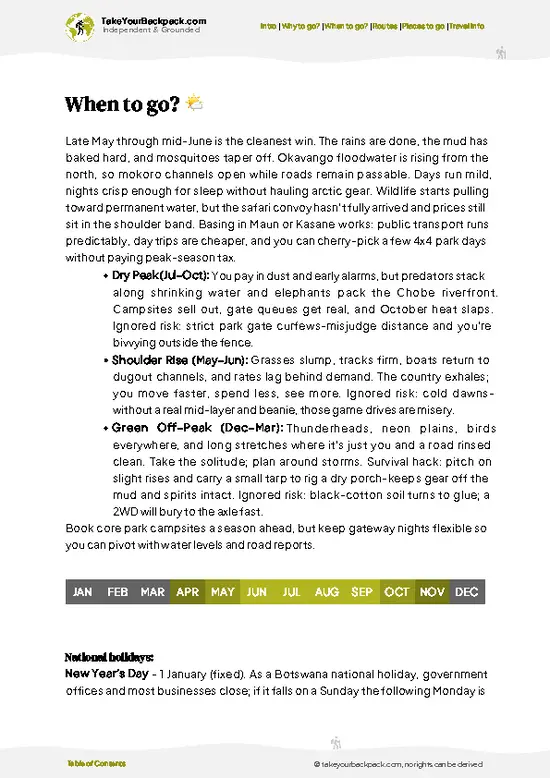
🌤️ When to go?Weather, crowds, and seasonal trade-offs


  • Weather: Jwaneng’s dry season from May to September offers clear skies and minimal rain, making trails less slippery and the air crisp. The wet season (November to March) brings sudden downpours and muddy paths, which can slow you down and soak your gear.

  • Temperature: Daytime highs in the dry season hover around 22-28°C (72-82°F), perfect for hiking without overheating. Nights can dip to 5-10°C (41-50°F), so pack layers. Wet season days climb to 30-35°C (86-95°F), demanding early starts to avoid the heat.

  • Daylight Hours: Around 11 to 12 hours year-round, but the dry season’s clearer skies mean you’ll get more usable daylight for trekking and exploring without the threat of afternoon storms.

  • Crowds: Jwaneng isn’t a tourist hotspot, but the dry season attracts more local visitors and
read more 👉

  • Weather: Jwaneng’s dry season from May to September offers clear skies and minimal rain, making trails less slippery and the air crisp. The wet season (November to March) brings sudden downpours and muddy paths, which can slow you down and soak your gear.

  • Temperature: Daytime highs in the dry season hover around 22-28°C (72-82°F), perfect for hiking without overheating. Nights can dip to 5-10°C (41-50°F), so pack layers. Wet season days climb to 30-35°C (86-95°F), demanding early starts to avoid the heat.

  • Daylight Hours: Around 11 to 12 hours year-round, but the dry season’s clearer skies mean you’ll get more usable daylight for trekking and exploring without the threat of afternoon storms.

  • Crowds: Jwaneng isn’t a tourist hotspot, but the dry season attracts more local visitors and workers from the diamond mine, so expect a livelier atmosphere and better access to services.

  • Seasonal Activities: Dry months are ideal for wildlife spotting as animals gather near waterholes. The wet season bursts with greenery and birdlife but can limit road access and outdoor plans.

  • Price Fluctuations: Accommodation and transport costs peak slightly during the dry season due to demand but remain reasonable compared to major tourist hubs. The wet season offers lower prices but fewer options.


Pro-tip: Aim for late August to early September—cool mornings, long dry days, and fewer crowds combine for a backpacking experience that feels both adventurous and manageable.


source: climatestotravel.comJANJanuary: fair for travelingFEBFebruary: fair for travelingMARMarch: fair for travelingAPRApril: good for travelingMAYMay: highly recommended for travelingJUNJune: excellent for travelingJULJuly: excellent for travelingAUGAugust: excellent for travelingSEPSeptember: excellent for travelingOCTOctober: good for travelingNOVNovember: fair for travelingDECDecember: fair for traveling
when-to-go

✈️ The backpacker research shortcutBotswana Travel Guide

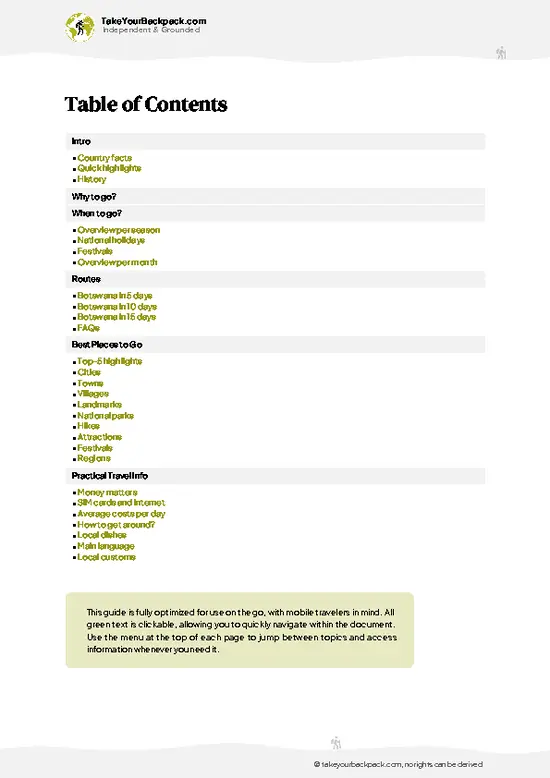
An offline-friendly backpacking guide with optimized travel routes, ranked highlights, transport advice, and the best areas to stay.
example page 0 from our offline Travel Guide for Botswana
example page 1 from our offline Travel Guide for Botswana
example page 2 from our offline Travel Guide for Botswana
example page 3 from our offline Travel Guide for Botswana
example page 4 from our offline Travel Guide for Botswana
example page 5 from our offline Travel Guide for Botswana
example page 6 from our offline Travel Guide for Botswana
example page 7 from our offline Travel Guide for Botswana
The digital guide (257 pages) contains:
58 highlights, ranked by travel appeal
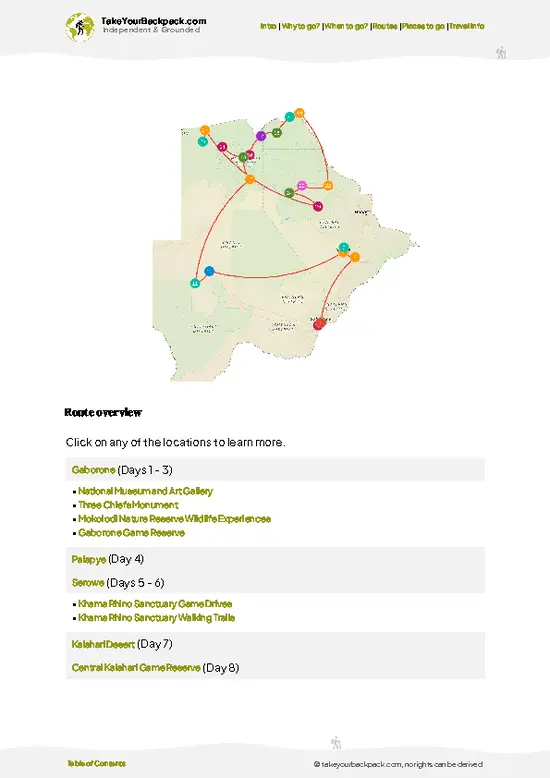
Optimized 5, 10 & 15-day travel routes
Cities, national parks, landmarks, beaches
How to get around
Offline-friendly for travel without Wi-Fi
👉 Click to see all 30+ guide features

📅 Plan smarter in minutes, not weeks
Month by month travel advice
Festivals & national holidays
Budget expectations

🗺️ Go to the right places, skip the overrated ones
Honest pros & cons of destinations
Top hikes, parks & viewpoints
Lesser-known places most travelers miss
Clear “worth it vs skip it” guidance

🛏️ Travel smoothly without rookie mistakes
Best areas to stay
Transport systems explained simply
Common scams & safety advice
SIM cards, money & practical tips

🌍 Understand the country, not just visit it
Culture & traditions
52 Essential phrases & customs
Festivals worth planning around
Traveler-friendly historical context
Insights that make places more meaningful

📱 Built for real travel conditions
Fully downloadable PDF
Works completely offline
Optimized for phone use
Useful in remote areas & buses
Everything in one place
Save weeks of stressful planning
Get instant access to your full guide. 30‑day money-back guarantee.


By proceeding you agree to our terms.
Sent to your inbox immediately after payment • 100% Secure Checkout
Best Backpacking Travel Advisor 2025 tourism awardBest Backpacking
Travel Advisor
2025
What others say about Take Your Backpack Guides:
⭐⭐⭐⭐⭐
Fantastic, amazing amount of information!
⭐⭐⭐⭐⭐
My goodness this is amazing, it's what I've been looking for hats off too you!
⭐⭐⭐⭐⭐
I think this is absolutely BRILLIANT
⭐⭐⭐⭐
Very complete and informative. It's still missing places, but I gotta to commend you
⭐⭐⭐⭐⭐
This is truly amazing, thank you, can't wait to explore it with my kids!
⭐⭐⭐⭐⭐
Awesome resource, thank you!
⭐⭐⭐⭐⭐
This is amazing! Can't wait to explore the ones I haven't seen
⭐⭐⭐⭐
I love this! Well done, great idea.
⭐⭐⭐⭐⭐
Thanks for taking the time to make this gem!
⭐⭐⭐⭐⭐
This might be the best website I've ever seen.
⭐⭐⭐⭐⭐
Congratulations, and thank you so much for your work; it's incredibly valuable.
⭐⭐⭐⭐
In all seriousness I think you did a great job pointing out the important spots
⭐⭐⭐⭐⭐
10/10 very good
⭐⭐⭐⭐⭐
As someone who's only just starting to visit regularly this is awesome, thank you.
⭐⭐⭐⭐
Thank you very much! I'm going to visit my dad, it's going to be very useful!
⭐⭐⭐⭐⭐
This is really cool! We'll be travelling for the first time and this definitely come in handy.
⭐⭐⭐⭐⭐
You are now our minister of culture, congratulations 👨‍💼
⭐⭐⭐⭐⭐
Just wanted to tell you that this is a pearl! Going to follow your recommendations.
⭐⭐⭐⭐⭐
This is so cool. I'll definitely be using the resource for my travels soon.
⭐⭐⭐⭐⭐
This is very impressive! Good work.
⭐⭐⭐⭐⭐
This is an amazing and informative site. Very well done!

🛏️ Where to stay?Where staying makes the most sense

In Jwaneng, the best spot for backpackers is the town center area around the main shopping district. This neighborhood hums with local life—vendors calling out, the scent of fresh bread from corner bakeries, and the steady pulse of minibuses weaving through. It’s safe, well-lit after dark, and where you’ll find the few hostels that cater to budget travelers and solo adventurers. Staying here means you’re never far from essentials—shops, eateries, and informal social hubs where locals and travelers mix.

Compared to the quieter residential zones on the outskirts, the town center offers a more … read more 👉
In Jwaneng, the best spot for backpackers is the town center area around the main shopping district. This neighborhood hums with local life—vendors calling out, the scent of fresh bread from corner bakeries, and the steady pulse of minibuses weaving through. It’s safe, well-lit after dark, and where you’ll find the few hostels that cater to budget travelers and solo adventurers. Staying here means you’re never far from essentials—shops, eateries, and informal social hubs where locals and travelers mix.

Compared to the quieter residential zones on the outskirts, the town center offers a more dynamic vibe. It’s where you can catch impromptu conversations over a cold drink or join a local game of soccer in the dusty fields nearby. The hostel scene here isn’t sprawling but enough to meet fellow backpackers without the isolation you’d risk elsewhere. This area’s compactness means you can walk everywhere, soaking in the dry, sun-warmed air and the steady rhythm of daily life that makes Jwaneng feel lived-in, not staged.

🚌 Getting aroundMoving around without the hassle

Jwaneng moves at a pace that’s neither frantic nor lazy—it’s a town shaped by the steady rhythm of mining life, where the sun casts a sharp, dry light over wide streets and the scent of dust mingles with diesel and fresh paint. You won’t find a clock dictating every move here, but there’s a quiet order beneath the surface chaos. People know where they need to be, even if the buses don’t always run on the dot. The flow is about reading the cues—the hum of engines, the shuffle of feet, the occasional shout from a driver signaling a last call. This isn’t a place for rigid timetables; it’s a place where intuition and local knowledge unlock the best routes and the smoothest rides.


  • Walking: The heart of Jwaneng is compact enough to explore on foot, especially around the central business district
read more 👉
Jwaneng moves at a pace that’s neither frantic nor lazy—it’s a town shaped by the steady rhythm of mining life, where the sun casts a sharp, dry light over wide streets and the scent of dust mingles with diesel and fresh paint. You won’t find a clock dictating every move here, but there’s a quiet order beneath the surface chaos. People know where they need to be, even if the buses don’t always run on the dot. The flow is about reading the cues—the hum of engines, the shuffle of feet, the occasional shout from a driver signaling a last call. This isn’t a place for rigid timetables; it’s a place where intuition and local knowledge unlock the best routes and the smoothest rides.


  • Walking: The heart of Jwaneng is compact enough to explore on foot, especially around the central business district and residential areas. Walking lets you soak in the dry heat, the chatter of vendors, and the unexpected bursts of greenery in small parks. It’s free, flexible, and the best way to catch the town’s subtle rhythms.


  • Shared Minibus Taxis: These are the lifeblood of local transit, running from early morning until dusk. Expect to pay a few pula per ride. They don’t follow strict schedules but cruise main routes, picking up and dropping off passengers on the fly. It’s a bit of a dance—flag one down, hop in, and be ready to squeeze in with locals. Fast and cheap, but not for those who need guaranteed seats or air conditioning.


  • Private Taxis: More comfortable and quicker than minibuses, private taxis offer door-to-door service. They’re pricier but still affordable if you split the fare. Best for early mornings or late nights when minibuses have stopped running. Negotiate the fare upfront to avoid surprises.


  • Bicycle Rentals: A hidden gem for budget travelers who want to cover more ground without losing the intimacy of the town’s pace. Bikes let you breeze past traffic and explore beyond the center. Rentals are inexpensive, and the dry air makes for a brisk, invigorating ride—just watch for loose gravel on the outskirts.

👛 Costs (as of 11 April 2026)What things cost and how to budget

Backpacking in Jwaneng, Botswana, comes with a straightforward cost profile, reflecting its small-town vibe and the country’s overall mid-range price level for travelers.
  • Dorm Accommodation: Options are limited since Jwaneng is a mining town rather than a tourist hotspot. Expect to pay around $15 to $25 per night for a basic dorm bed in guesthouses or budget lodges. These places are simple but clean, often with shared bathrooms and a quiet, no-frills atmosphere.
  • Meals: Eating out leans toward local eateries and small cafes. A typical meal costs between $5 and $10. You’ll find hearty portions of staple foods like pap (maize porridge), meat stews, and fresh vegetables. Street food is scarce, so plan for sit-down meals or self-catering if your accommodation allows.
  • Local Transport: Public
read more 👉
Backpacking in Jwaneng, Botswana, comes with a straightforward cost profile, reflecting its small-town vibe and the country’s overall mid-range price level for travelers.
  • Dorm Accommodation: Options are limited since Jwaneng is a mining town rather than a tourist hotspot. Expect to pay around $15 to $25 per night for a basic dorm bed in guesthouses or budget lodges. These places are simple but clean, often with shared bathrooms and a quiet, no-frills atmosphere.
  • Meals: Eating out leans toward local eateries and small cafes. A typical meal costs between $5 and $10. You’ll find hearty portions of staple foods like pap (maize porridge), meat stews, and fresh vegetables. Street food is scarce, so plan for sit-down meals or self-catering if your accommodation allows.
  • Local Transport: Public transport is minimal. Most travelers rely on shared taxis or minibuses, which cost about $1 to $3 per short trip within town. For longer distances or more flexibility, hiring a private taxi can run $10 to $20, but it’s best to negotiate upfront. Walking is often the easiest way to get around the compact town center.
  • Basic Activities/Entry Fees: Jwaneng itself doesn’t have many tourist attractions with entry fees. Visiting local markets or community events is usually free or costs a nominal fee under $2. If you plan excursions outside town, such as to nearby nature reserves, expect fees around $10 to $20.
  • Miscellaneous Expenses: This includes bottled water, snacks, phone credit, and occasional small purchases. Budget about $3 to $7 daily. Water quality varies, so bottled water is a must, especially in the dry season when dust hangs in the air.

All told, a realistic daily budget for backpacking in Jwaneng falls between $30 and $60. This range covers the essentials without luxury, letting you experience the town’s quiet rhythms and local flavors without scrambling for every pula.


source: botswanatourism.co.bw
⚠️ Prices can change and everyone travels differently, so take this as a rough guide. Hope it helps you plan your adventure!

🚌 Day tripsEasy escapes and nearby places

Jwaneng, Botswana, is a fantastic launchpad for day trips that blend adventure with cultural immersion. The town’s laid-back vibe and accessibility make it easy to explore the surrounding wonders.

1. Tsodilo Hills
A UNESCO World Heritage site, Tsodilo Hills is a treasure trove of ancient rock art. The drive takes about two hours, winding through the Kalahari landscape, where the air is thick with the scent of acacia trees. Entry is around $5, and a local guide will enrich your experience for an additional $10. The best time to visit is during the cooler months from May to September. First-timers often underestimate the hike; wear sturdy shoes and bring plenty of water. The payoff? Standing before art that’s thousands of years old, feeling the weight of history.
👉 Explore Tsodilo Hills
read more 👉
Jwaneng, Botswana, is a fantastic launchpad for day trips that blend adventure with cultural immersion. The town’s laid-back vibe and accessibility make it easy to explore the surrounding wonders.

1. Tsodilo Hills
A UNESCO World Heritage site, Tsodilo Hills is a treasure trove of ancient rock art. The drive takes about two hours, winding through the Kalahari landscape, where the air is thick with the scent of acacia trees. Entry is around $5, and a local guide will enrich your experience for an additional $10. The best time to visit is during the cooler months from May to September. First-timers often underestimate the hike; wear sturdy shoes and bring plenty of water. The payoff? Standing before art that’s thousands of years old, feeling the weight of history.
👉 Explore Tsodilo Hills

2. Gaborone
Just an hour away, Gaborone offers a vibrant urban experience. Explore the lively markets, where the aroma of grilled meats fills the air, and the colors of local crafts pop against the dusty streets. A budget of around $20 should cover transport and a meal. Weekdays are best to avoid crowds, and don’t miss the National Museum for a taste of Botswana’s culture. A common mistake? Skipping the local eateries; they serve the best traditional dishes.
👉 Explore Gaborone

3. Mokolodi Nature Reserve
Only 30 minutes from Jwaneng, Mokolodi is a haven for wildlife enthusiasts. The reserve is home to rhinos, zebras, and various bird species. Entrance fees are about $10, and guided tours can be arranged for around $15. The early morning is ideal for spotting animals, as they’re most active then. Many travelers overlook the importance of a guide; they’ll help you spot wildlife and share fascinating stories.


4. Kgalagadi Transfrontier Park
A bit further afield, about three hours away, Kgalagadi offers stunning red dunes and a chance to see big cats in their natural habitat. The park entrance is around $15, and you’ll want to budget for fuel and snacks. Late afternoon is the best time for wildlife viewing. First-timers often underestimate the park’s vastness; plan your route carefully to maximize your experience. The thrill of spotting a lion against the sunset is worth every mile.
👉 Explore Kgalagadi Transfrontier Park
Want to know what more Botswana offers?
The Botswana Travel Guide describes 58 highlights, from cities to national parks, from beaches to hikes

Get the Travel Guide -

🛡️ SafetySafety Tips and Common Scams in Jwaneng

Jwaneng is generally safe, but staying aware enhances your experience. Stick to well-lit areas at night, especially if you’re solo. The local vibe is friendly, but keep your belongings close in crowded spots like markets.

Watch for the occasional “too friendly” local eager to help with directions—this can lead to unexpected fees. If someone offers you a ride, trust your instincts; it’s better to walk or use a reputable taxi service.

Embrace the local culture, but maintain a confident posture. A smile goes a long way, but don’t let your guard down completely. Enjoy the warmth of Jwaneng while keeping your wits about you.

Other Botswanan towns near Jwaneng

Explore more nearby:

  • Kanye—Ngwaketse seat, rocky hills, traditional homesteads| 76 km away
  • Lobatse—court buildings, meat industry, border proximity| 118 km away
  • Ramotswa—border town, commuter routes, local markets| 119 km away

💡 Not sure where to go next?
Create a personalized itinerary for Botswana including Jwaneng and the places that fit your trip.

Generate my itinerary

👉 Discover all towns

Or checkout all Botswana has to offer (think cities, towns, villages, national parks, hikes, beaches, festivals)
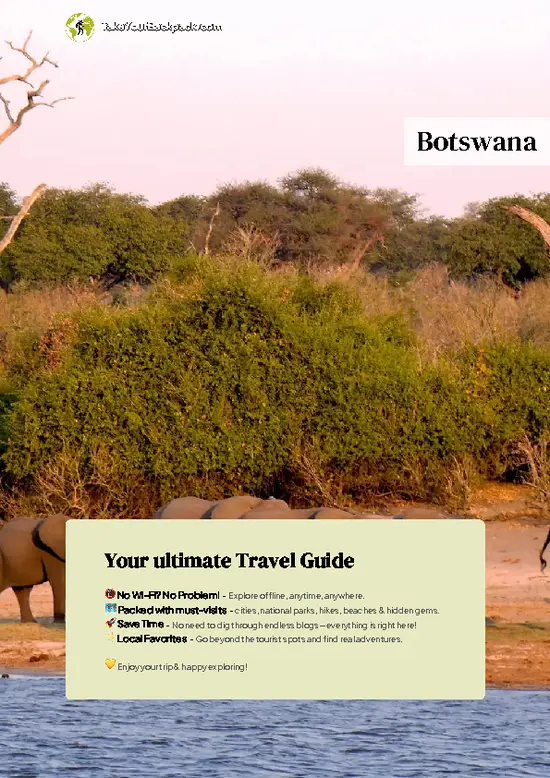
Country photo of Botswana

We 💚 feedbackKey takeaways before you go

Jwaneng has a raw, unfiltered vibe that’s hard to find elsewhere. The best surprise? The local markets bursting with life and flavor—don’t skip the biltong! Just a heads-up: the heat can be relentless, so plan your outdoor adventures for early morning or late afternoon. Embrace the rhythm of the town; it’s a beautiful dance of simplicity and authenticity.

✍️ Help improve this page!
The information on this page is based on in-depth research, insights shared by experienced travelers, and feedback from the local travel community in Botswana. While every effort is made to keep the information accurate and current, conditions can change — so if you spot anything incorrect or outdated, please get in touch.


🙋‍♂️ Give feedback

👋 Meet the founderWho’s Behind Take Your Backpack?

Johan, backpacker and founder of TakeYourBackpackHi, I’m Johan (Netherlands 🇳🇱), the creator of TakeYourBackpack. Over the past decade, I’ve backpacked through 80+ countries across six continents, gaining extensive experience with independent travel, long-term trips, and overland routes.

This site is built on a combination of firsthand travel experience and carefully curated insights from other backpackers. Many guides are based on places I’ve personally visited, while others bring together tips, observations, and practical advice shared by trusted travelers I’ve met along the way.

The goal is to provide realistic, experience-driven guidance — not generic itineraries — so you can explore destinations with better context, clearer expectations, and more confidence.

Get full Botswana guide •
Instant download • 58 highlights • Full Offline guide