×

Canada🇨🇦 | best landmarksEssential 3 landmarks to Explore in Canada

In Canada, the best unique sites offer a tapestry of experiences that reflect the country’s rich cultural, historical, and natural significance. From the rugged coastlines of British Columbia to the historic streets of Quebec City, each region presents its own flavor of uniqueness. These sites vary not just in scale but also in the vibe they exude, influenced by local customs, seasonal changes, and accessibility.

For backpackers and independent travelers, understanding these nuances is crucial. A visit to the Cabot Trail in Nova Scotia during autumn reveals breathtaking foliage and fewer crowds, while summer brings a bustling atmosphere filled with local festivals. Conversely, the Northern Lights in Yukon are best experienced in winter, where the cold adds a layer of adventure to the awe-inspiring spectacle.

Choosing the right unique site impacts your budget, safety, and cultural immersion. Some sites, like the Gros Morne National Park, require careful planning for access and accommodation, while others, like the Royal Ontario Museum, are easily navigable and rich in history. By aligning your travel style with these unique offerings, you can ensure that each experience is not just memorable but also deeply rewarding.

By Johan Kruseman 🇳🇱 | Updated June 17, 2026
Explore the best national parks in Canada

Why go?Why Travelers Love These Spots

Unique sites in Canada stand out not just for their beauty, but for their cultural, historical, and natural significance. The vastness of the country, stretching from the Atlantic to the Pacific, offers a rich tapestry of experiences that reflect the diverse narratives of its Indigenous peoples, colonial history, and the natural world. Unlike many countries, Canada’s unique sites often embody a blend of these elements, creating a deeper connection to the land and its stories.

The geographic diversity of Canada plays a crucial role in shaping its unique sites. From the rugged coastlines of the Maritimes to the towering peaks of the Rockies, each region offers distinct ecosystems and cultural expressions. This diversity invites travelers to engage with the land in various ways, whether through … read more 👉
Unique sites in Canada stand out not just for their beauty, but for their cultural, historical, and natural significance. The vastness of the country, stretching from the Atlantic to the Pacific, offers a rich tapestry of experiences that reflect the diverse narratives of its Indigenous peoples, colonial history, and the natural world. Unlike many countries, Canada’s unique sites often embody a blend of these elements, creating a deeper connection to the land and its stories.

The geographic diversity of Canada plays a crucial role in shaping its unique sites. From the rugged coastlines of the Maritimes to the towering peaks of the Rockies, each region offers distinct ecosystems and cultural expressions. This diversity invites travelers to engage with the land in various ways, whether through hiking, canoeing, or simply absorbing the atmosphere. However, this vastness also presents a trade-off: the time spent traveling between sites can detract from the depth of exploration. Visitors may find themselves torn between the desire to see multiple locations and the need to fully immerse themselves in each experience.

Climatic factors further influence accessibility and timing. Canada’s seasons can be extreme, with harsh winters limiting access to certain sites and peak summer months drawing crowds. This creates a dilemma for travelers: visit during the quieter shoulder seasons for a more intimate experience, or brave the crowds for the sake of milder weather. Each choice carries its own sacrifices, whether it’s the comfort of fewer people or the convenience of warmer temperatures.

Moreover, the cultural significance of many sites often hinges on their preservation. Canada has made strides in protecting its heritage, but this comes with constraints. Some sites may require permits or have limited access to ensure their sustainability. This means that travelers must plan ahead, weighing the effort of securing access against the potential rewards of experiencing a site that embodies the spirit of a nation.

In essence, Canada’s unique sites are not merely destinations; they are reflections of a complex interplay of history, culture, and nature. The choices travelers make—between time, money, and comfort—will shape their experiences. Understanding these trade-offs allows for a more meaningful journey, where the sacrifices made lead to a richer appreciation of what makes Canada truly unique.
Why These Made the Cut
The list of best unique sites in Canada is created based on history or culture, wow factor, atmosphere, quirks, and memorability. If you feel a unique site is missing in this list, please let us know.

When to go?Best Time to Visit Canada for landmarks

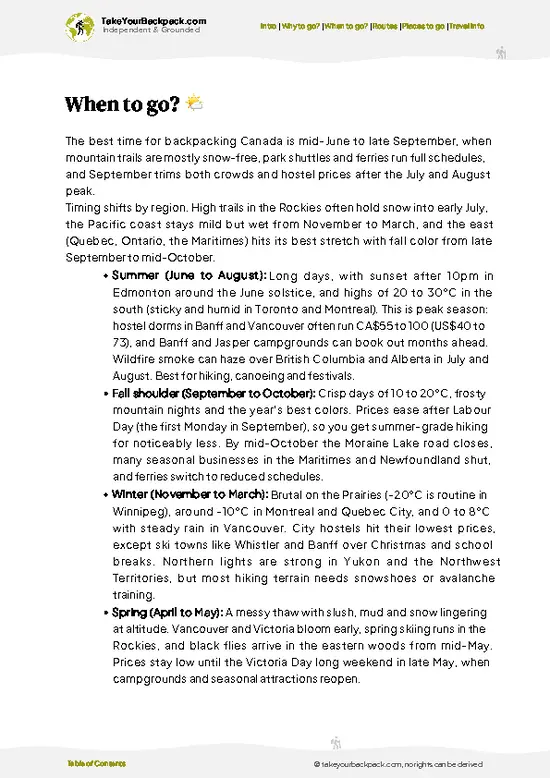
Seasonality plays a crucial role in experiencing Canada’s unique sites. The vastness of the country means that weather conditions can vary dramatically from coast to coast. In general, summer offers the warmest temperatures, often accompanied by vibrant flora and bustling wildlife. However, this is also peak tourist season, leading to crowded sites and higher prices.

Optimal months for visiting typically fall between late spring and early fall. This window allows travelers to enjoy the lush landscapes and extended daylight hours. The air is filled with the scent of blooming wildflowers, and the sounds of nature are amplified. However, the trade-off is that popular sites may feel overrun, diminishing the sense of solitude that many seek.

Shoulder seasons—spring and fall—offer a different … read more 👉
Seasonality plays a crucial role in experiencing Canada’s unique sites. The vastness of the country means that weather conditions can vary dramatically from coast to coast. In general, summer offers the warmest temperatures, often accompanied by vibrant flora and bustling wildlife. However, this is also peak tourist season, leading to crowded sites and higher prices.

Optimal months for visiting typically fall between late spring and early fall. This window allows travelers to enjoy the lush landscapes and extended daylight hours. The air is filled with the scent of blooming wildflowers, and the sounds of nature are amplified. However, the trade-off is that popular sites may feel overrun, diminishing the sense of solitude that many seek.

Shoulder seasons—spring and fall—offer a different experience. In spring, melting snow reveals hidden trails and the awakening of nature, but unpredictable weather can lead to muddy conditions. Fall, on the other hand, showcases a stunning palette of colors as leaves change, creating a picturesque backdrop. These seasons often see fewer crowds, allowing for a more intimate experience with the landscape. However, travelers should be prepared for fluctuating temperatures and the possibility of rain.

Winter presents its own unique charm. While many sites may be less accessible due to snow and ice, winter sports enthusiasts will find a playground in the mountains. The crisp air and quiet surroundings can be invigorating, but travelers must be equipped for cold conditions. Limited daylight hours can also restrict exploration time, making planning essential.

Peak periods can significantly influence travel decisions. Major holidays and school breaks often lead to increased visitor numbers, particularly in popular areas. This can result in longer wait times and higher accommodation costs. Conversely, visiting during off-peak times can yield lower prices and a more relaxed atmosphere, but some attractions may have reduced hours or limited access.

Seasonal constraints should be carefully considered when planning a trip. Weather can affect not only comfort but also safety. Certain sites may be closed or require special permits during specific times of the year. Understanding these dynamics allows travelers to make informed choices, ensuring that the experiences they seek align with the conditions they encounter.

unique site hoppingHow to Combine landmarks Into One Trip

Regional Clustering
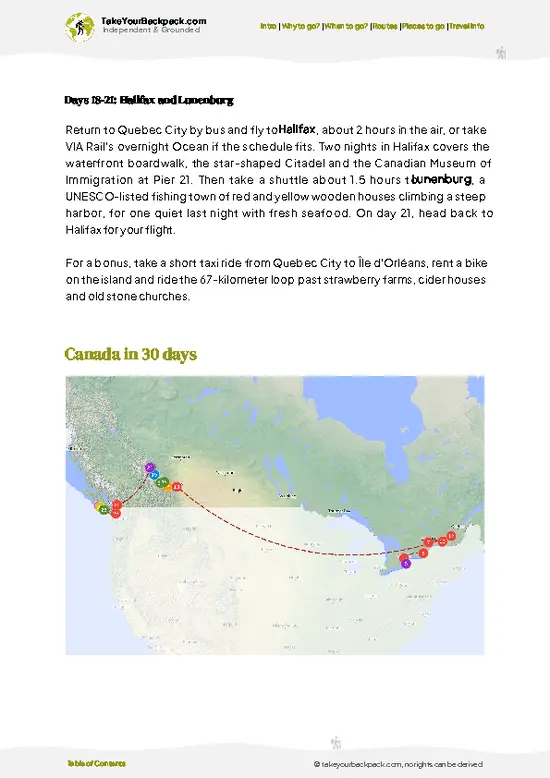
Canada’s vastness can be daunting. To make the most of your trip, cluster sites by region. Start in the West with the rugged beauty of the Rockies, then move eastward through the prairies, and finally explore the cultural richness of Ontario and Quebec. This directional flow not only saves time but also allows for a gradual immersion into the diverse landscapes and cultures.

Optimal Sequencing
When planning, consider the natural progression of travel. Begin with iconic sites like Banff and Jasper, where the mountains dominate the skyline and the air is crisp with pine. Spend a couple of days here to soak in the scenery and engage in activities like hiking or canoeing. Then, transition to the rolling hills of the prairies, where the golden fields stretch endlessly. Allocate … read more 👉
Regional Clustering
Canada’s vastness can be daunting. To make the most of your trip, cluster sites by region. Start in the West with the rugged beauty of the Rockies, then move eastward through the prairies, and finally explore the cultural richness of Ontario and Quebec. This directional flow not only saves time but also allows for a gradual immersion into the diverse landscapes and cultures.

Optimal Sequencing
When planning, consider the natural progression of travel. Begin with iconic sites like Banff and Jasper, where the mountains dominate the skyline and the air is crisp with pine. Spend a couple of days here to soak in the scenery and engage in activities like hiking or canoeing. Then, transition to the rolling hills of the prairies, where the golden fields stretch endlessly. Allocate a day or two to appreciate the local history and Indigenous culture, perhaps visiting a museum or a cultural center.

Time Management
Each unique site deserves attention. Plan for at least half a day at major attractions, but be flexible. Some places, like the stunning Bay of Fundy, might require more time to fully appreciate the tides and the surrounding nature. Conversely, smaller sites may only need a quick visit. Aiming for a mix of half-day and full-day stops keeps the pace realistic, allowing for spontaneous detours without feeling rushed.

Common Planning Mistakes
Travelers often underestimate the distances between sites. Canada is larger than many realize, and driving times can be deceptive. Avoid cramming too many stops into a single day; this leads to fatigue and missed experiences. Instead, prioritize quality over quantity.

Trade-Offs and Constraints
Every choice comes with trade-offs. Opting for speed might mean skipping a local festival or a scenic route. Budget constraints can limit accommodation options, impacting comfort. Weigh these factors carefully. Sometimes, spending a bit more on a cozy lodge can enhance the experience, allowing for a restful night before another day of exploration.

Flexibility and Strategic Planning
Embrace the unexpected. Weather can change plans, and local events might draw you in. Build in buffer days to adjust your itinerary as needed. This flexibility allows for deeper connections with the places you visit, transforming a simple trip into a rich tapestry of experiences.

The ListHighly Recommended landmarks of Canada

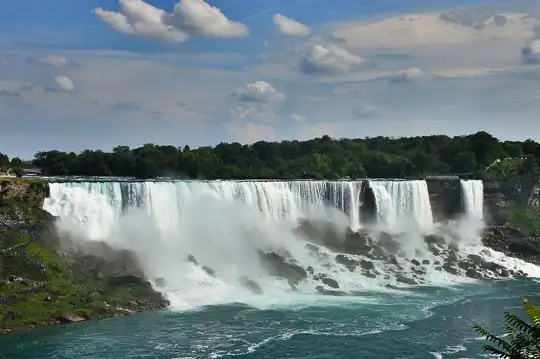
1 Niagara Falls

thundering cascades, misty viewpoints, border landmark

Stand at the edge of immense water flow, feeling the ground tremble and spray drift as you take in the international boundary below.

Canada&United States - the Niagara Falls

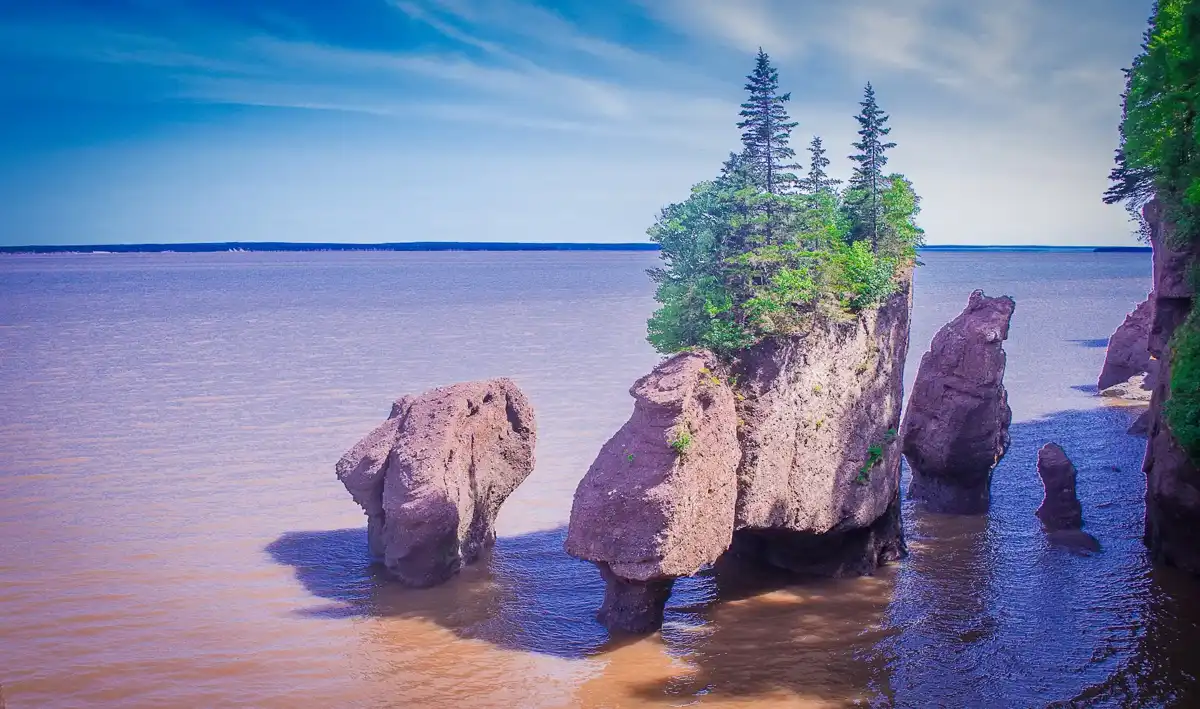
2 Bay of Fundy

towering tides, fossil cliffs, sculpted sea caves

Watch the ocean reshape the coastline twice daily, revealing ancient seabeds and dramatic rock formations along a constantly changing shore.

canada-unique-site-bay-of-fundy
© Google | Abhishek Kumar

3 Jasper SkyTram

alpine ascent, panoramic Rockies, high-altitude boardwalk

Ride above dense forests to a windswept summit, where thin air and wide views put the vastness of the mountains into perspective.

canada-unique-site-jasper-skytram
© Google | James Gunn
Loading the map 🌍

Expert viewInsights from Locals and Experts

Trade-Off Map


Canada is a vast landscape of unique sites, each with its own character and charm. When planning your journey, you’ll need to balance time, money, and comfort. This isn’t just about ticking boxes; it’s about immersing yourself in the essence of what makes Canada special.

Time


The sheer size of Canada means that travel time can eat into your exploration. If you’re aiming to visit a handful of unique sites, expect to spend at least a week on the road. This allows you to appreciate the nuances of each location without feeling rushed. However, if you’re short on time, consider focusing on two or three sites that are relatively close together. This way, you can dive deeper into the local culture and environment, rather than skimming the surface of many.

The trade-off here is … read more 👉

Trade-Off Map


Canada is a vast landscape of unique sites, each with its own character and charm. When planning your journey, you’ll need to balance time, money, and comfort. This isn’t just about ticking boxes; it’s about immersing yourself in the essence of what makes Canada special.

Time


The sheer size of Canada means that travel time can eat into your exploration. If you’re aiming to visit a handful of unique sites, expect to spend at least a week on the road. This allows you to appreciate the nuances of each location without feeling rushed. However, if you’re short on time, consider focusing on two or three sites that are relatively close together. This way, you can dive deeper into the local culture and environment, rather than skimming the surface of many.

The trade-off here is clear: more time spent traveling means less time spent experiencing. If you choose to rush through, you might miss the subtle beauty of a sunrise over a lake or the scent of pine in the air as you hike. Prioritize what resonates with you. If you’re drawn to the rugged wilderness, allocate more time to those sites, even if it means skipping others.

Money


Budgeting for unique sites in Canada can vary widely. Some locations are free or have minimal entrance fees, while others, particularly those with guided tours or special access, can be pricey. If you’re looking to stretch your budget, consider visiting sites during the shoulder seasons. Not only will you save money, but you’ll also avoid the crowds that flock during peak tourist times.

However, be mindful of the hidden costs. Gas, food, and accommodation can add up quickly, especially in remote areas where options are limited. If you splurge on a guided experience, like a wildlife tour or a cultural workshop, you might sacrifice the flexibility of exploring at your own pace. Weigh the value of these experiences against the cost. Sometimes, a well-spent dollar can lead to a richer understanding of the local culture.

Comfort


Comfort levels can vary dramatically depending on where you choose to explore. Some unique sites are easily accessible, with well-maintained paths and facilities, while others require a bit of grit and determination. If you’re not comfortable with rugged terrain or unpredictable weather, it’s wise to choose sites that offer a more relaxed experience.

However, stepping out of your comfort zone can lead to profound rewards. The effort it takes to reach a remote waterfall or a secluded viewpoint often pays off in breathtaking views and a sense of accomplishment. Just be sure to assess your physical limits and prepare accordingly. Bring the right gear, and don’t underestimate the importance of safety. Always check local conditions and be aware of wildlife in the area.

Combining Unique Sites


When planning your itinerary, consider how many unique sites you can realistically combine. Depending on the region, you might be able to visit two to four sites in a week, especially if they’re within a few hours of each other. However, if you’re traversing larger distances, such as from coast to coast, you’ll need to be more selective.

Think about the experiences you want to prioritize. If you’re keen on natural wonders, focus on national parks or geological formations. If cultural experiences are your goal, seek out indigenous heritage sites or local festivals. Each choice will shape your journey, so choose wisely.

Regional Variations


Canada’s diverse geography means that unique sites can vary significantly from one region to another. The East Coast offers a rich maritime culture, while the Rockies boast stunning mountain vistas. The prairies present a different kind of beauty, with wide-open spaces and a slower pace of life.

Understanding these regional differences can help you make informed decisions. For instance, if you’re drawn to the ocean, you might prioritize sites in Atlantic Canada, where the salty air and fresh seafood create a distinct atmosphere. Conversely, if you’re more inclined toward the mountains, the Rockies will offer a completely different experience, with opportunities for hiking, skiing, and breathtaking views.

Cultural Considerations


Canada is a mosaic of cultures, and each unique site often reflects the local heritage. Engaging with local communities can enhance your experience, but it’s essential to approach these interactions with respect and openness. Be mindful of cultural sensitivities, especially in indigenous territories.

Participating in local customs or traditions can deepen your understanding of the area. However, be aware that some experiences may require advance planning or permissions. It’s always best to do your homework and approach these opportunities with humility.

Safety First


Safety should always be a priority when exploring unique sites. Canada’s wilderness can be unpredictable, and it’s crucial to be prepared. Familiarize yourself with local wildlife, weather conditions, and any potential hazards.

If you’re venturing into remote areas, let someone know your plans and expected return time. Carry a map, a first-aid kit, and enough supplies to last longer than you anticipate. The beauty of Canada’s unique sites is worth the effort, but it’s essential to respect the land and its challenges.

In the end, the choices you make about time, money, and comfort will shape your Canadian adventure. Embrace the trade-offs, and let them guide you toward experiences that resonate deeply. Each unique site has a story to tell, and it’s up to you to uncover it.

✈️ The backpacker research shortcutCanada Travel Guide

An offline-friendly backpacking guide with optimized travel routes, ranked highlights, transport advice, and the best areas to stay.
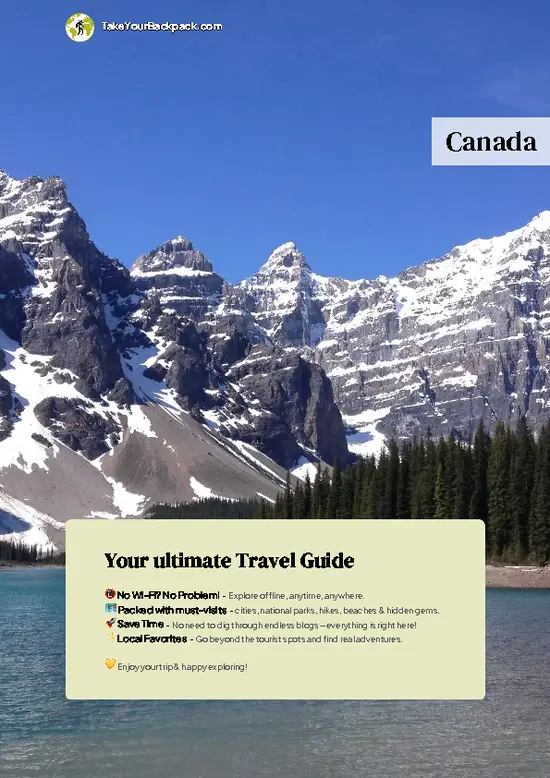
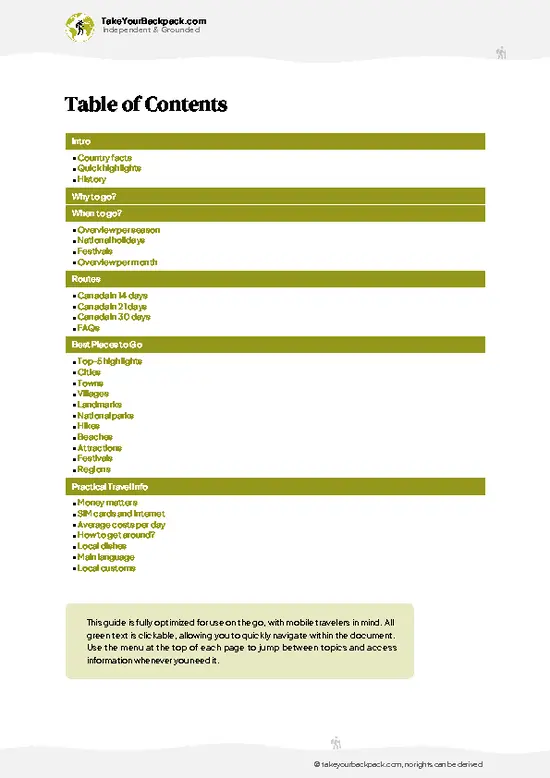
example page 0 from our offline Travel Guide for Canada
example page 1 from our offline Travel Guide for Canada
example page 2 from our offline Travel Guide for Canada
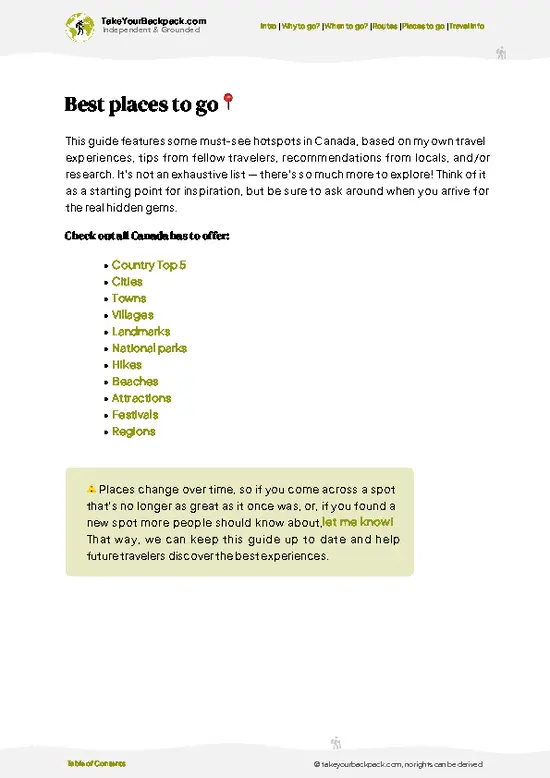
example page 3 from our offline Travel Guide for Canada
example page 4 from our offline Travel Guide for Canada
example page 5 from our offline Travel Guide for Canada
example page 6 from our offline Travel Guide for Canada
example page 7 from our offline Travel Guide for Canada
The digital guide (518 pages) contains:
133 highlights, ranked by travel appeal
Optimized 14, 21 & 30-day travel routes
Cities, national parks, landmarks, beaches
How to get around
Offline-friendly for travel without Wi-Fi
👉 Click to see all 30+ guide features

📅 Plan smarter in minutes, not weeks
Month by month travel advice
Festivals & national holidays
Budget expectations

🗺️ Go to the right places, skip the overrated ones
Honest pros & cons of destinations
Top hikes, parks & viewpoints
Lesser-known places most travelers miss
Clear “worth it vs skip it” guidance

🛏️ Travel smoothly without rookie mistakes
Best areas to stay
Transport systems explained simply
Common scams & safety advice
SIM cards, money & practical tips

🌍 Understand the country, not just visit it
Culture & traditions
Local customs
Festivals worth planning around
Traveler-friendly historical context
Insights that make places more meaningful

📱 Built for real travel conditions
Fully downloadable PDF
Works completely offline
Optimized for phone use
Useful in remote areas & buses
Everything in one place
Save weeks of stressful planning
Get instant access to your full guide. 30‑day money-back guarantee.


By proceeding you agree to our terms.
Sent to your inbox immediately after payment • 100% Secure Checkout
Best Backpacking Travel Advisor 2025 tourism awardBest Backpacking
Travel Advisor
2025
What others say about Take Your Backpack Guides:
⭐⭐⭐⭐⭐
Fantastic, amazing amount of information!
⭐⭐⭐⭐⭐
My goodness this is amazing, it's what I've been looking for hats off too you!
⭐⭐⭐⭐⭐
I think this is absolutely BRILLIANT
⭐⭐⭐⭐
Very complete and informative. It's still missing places, but I gotta to commend you
⭐⭐⭐⭐⭐
This is truly amazing, thank you, can't wait to explore it with my kids!
⭐⭐⭐⭐⭐
Awesome resource, thank you!
⭐⭐⭐⭐⭐
This is amazing! Can't wait to explore the ones I haven't seen
⭐⭐⭐⭐
I love this! Well done, great idea.
⭐⭐⭐⭐⭐
Thanks for taking the time to make this gem!
⭐⭐⭐⭐⭐
This might be the best website I've ever seen.
⭐⭐⭐⭐⭐
Congratulations, and thank you so much for your work; it's incredibly valuable.
⭐⭐⭐⭐
In all seriousness I think you did a great job pointing out the important spots
⭐⭐⭐⭐⭐
10/10 very good
⭐⭐⭐⭐⭐
As someone who's only just starting to visit regularly this is awesome, thank you.
⭐⭐⭐⭐
Thank you very much! I'm going to visit my dad, it's going to be very useful!
⭐⭐⭐⭐⭐
This is really cool! We'll be travelling for the first time and this definitely come in handy.
⭐⭐⭐⭐⭐
You are now our minister of culture, congratulations 👨‍💼
⭐⭐⭐⭐⭐
Just wanted to tell you that this is a pearl! Going to follow your recommendations.
⭐⭐⭐⭐⭐
This is so cool. I'll definitely be using the resource for my travels soon.
⭐⭐⭐⭐⭐
This is very impressive! Good work.
⭐⭐⭐⭐⭐
This is an amazing and informative site. Very well done!

🛏️ Where to stay?Where to Stay: Canada Edition

Yes — hostels and budget accommodation are common across Canada, with the biggest selections in Toronto (Downtown, Entertainment District, Queen West, Harbourfront), Vancouver (Downtown, Gastown, Yaletown), Montreal (Old Montreal, Plateau, Mile End, Quartier des Spectacles), Quebec City (Old Quebec, Saint‑Roch), Victoria (Downtown/Inner Harbour) and mountain towns like Banff/Canmore.
Downtown and harbourfront neighbourhoods give best transit access and nightlife but are noisier and pricier; artsy areas like Queen West, Plateau or Mile End offer cheaper beds and lively nights but can be busy and less polished; Gastown/Yaletown feel safer and more walkable yet cost more.
Mountain towns put … read more 👉
Yes — hostels and budget accommodation are common across Canada, with the biggest selections in Toronto (Downtown, Entertainment District, Queen West, Harbourfront), Vancouver (Downtown, Gastown, Yaletown), Montreal (Old Montreal, Plateau, Mile End, Quartier des Spectacles), Quebec City (Old Quebec, Saint‑Roch), Victoria (Downtown/Inner Harbour) and mountain towns like Banff/Canmore.
Downtown and harbourfront neighbourhoods give best transit access and nightlife but are noisier and pricier; artsy areas like Queen West, Plateau or Mile End offer cheaper beds and lively nights but can be busy and less polished; Gastown/Yaletown feel safer and more walkable yet cost more.
Mountain towns put you next to trails and parks but have fewer beds and much higher peak-season prices so book early; residential outskirts are quieter and cheaper but add transit time and limit late-night options.

If you enjoy meeting fellow travelers, consider choosing hostels with high ratings for atmosphere. On the other hand, if you prefer having your own space, a hotel might be a better option.

CanadaExplore Beyond This Category

👋 Meet the founderWho’s Behind Take Your Backpack?

Johan, backpacker and founder of TakeYourBackpackHi, I’m Johan (Netherlands 🇳🇱), the creator of TakeYourBackpack. Over the past decade, I’ve backpacked through 80+ countries across six continents, gaining extensive experience with independent travel, long-term trips, and overland routes.

This site is built on a combination of firsthand travel experience and carefully curated insights from other backpackers. Many guides are based on places I’ve personally visited, while others bring together tips, observations, and practical advice shared by trusted travelers I’ve met along the way.

The goal is to provide realistic, experience-driven guidance — not generic itineraries — so you can explore destinations with better context, clearer expectations, and more confidence.

Get full Canada guide •
Instant download • 133 highlights • Full Offline guide