How many attractions to take on: Plan on six to eight major attractions for a three-week trip, and three or four for ten days. That number allows one big stop every two to three days, with the rest used for travel, laundry, weather delays and the unplanned afternoon. Canada’s distances punish overloading: a day lost to a 600 km drive or an airport transfer costs you far more than a dropped museum. Trying to see twelve stops usually means seeing the highway.
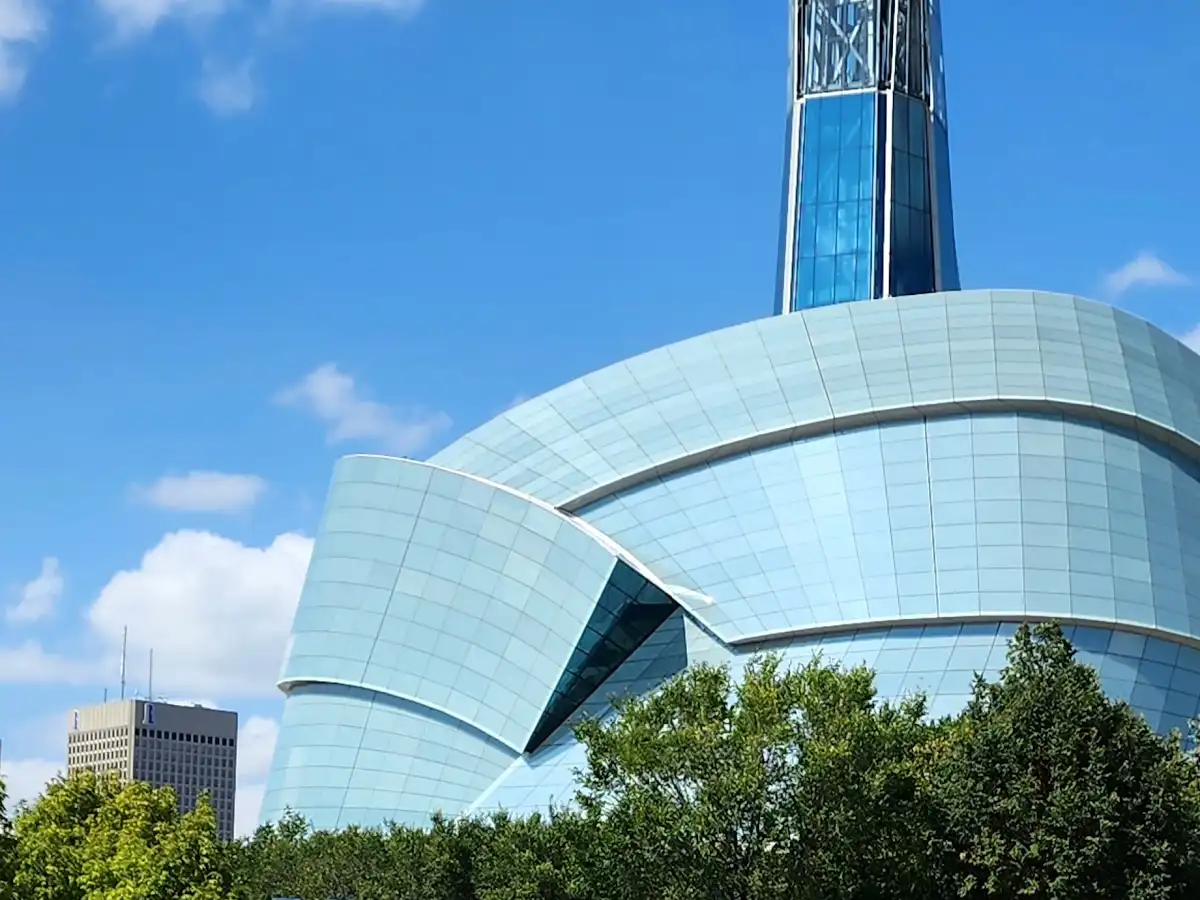
Choosing between kinds of attractions: Canada’s headline attractions fall into wild landscapes, historic cities, cultural sites and wildlife experiences, and each costs differently. National parks and mountain scenery give the most for the least money: a Parks Canada day pass runs about C$10 to 12 (US$7 to 9) per adult, or an annual Discovery …
read more 👉 How many attractions to take on: Plan on six to eight major attractions for a three-week trip, and three or four for ten days. That number allows one big stop every two to three days, with the rest used for travel, laundry, weather delays and the unplanned afternoon. Canada’s distances punish overloading: a day lost to a 600 km drive or an airport transfer costs you far more than a dropped museum. Trying to see twelve stops usually means seeing the highway.
Choosing between kinds of attractions: Canada’s headline attractions fall into wild landscapes, historic cities, cultural sites and wildlife experiences, and each costs differently. National parks and mountain scenery give the most for the least money: a Parks Canada day pass runs about C$10 to 12 (US$7 to 9) per adult, or an annual Discovery Pass about C$75 (US$54), which pays off after about seven park days and also covers many national historic sites. Hiking is free beyond that, but you pay in effort and in logistics, because trailheads can be far from towns and shuttles or parking reservations are increasingly required. For a backpacker on a tight budget, landscapes are the best return on money and comfort, especially if you carry your own food.
City attractions such as museums, towers and heritage districts cost more per hour. Expect C$20 to 40 (US$14 to 29) for a major museum or lookout, and a lot of walking on pavements that are slick with snow or wet leaves in shoulder seasons. Choose one or two with a clear reason, and lean on free walking neighborhoods, markets and waterfront paths for the rest. Many museums offer free or discounted evenings, and student and youth cards cut prices by 10 to 30 percent.
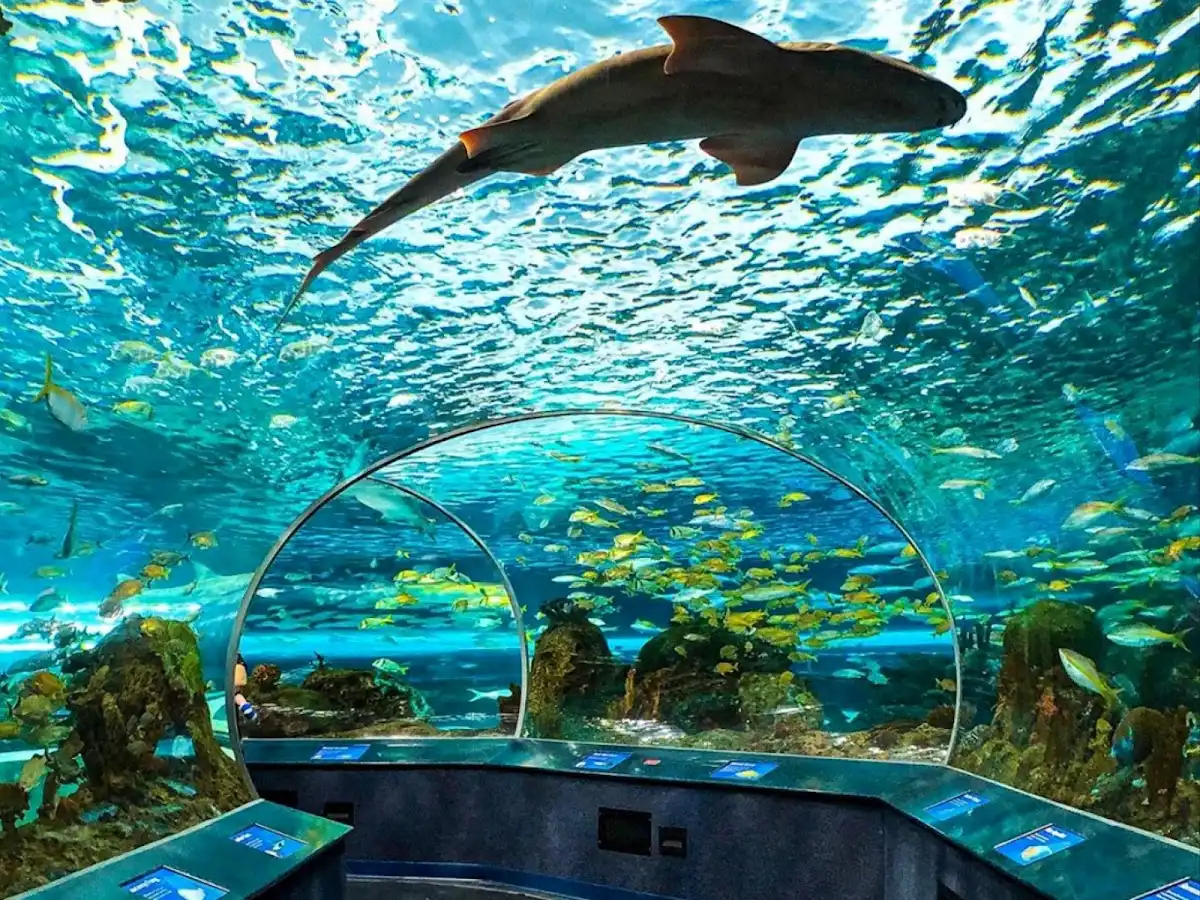
Wildlife and guided experiences are the most expensive. Whale watching, glacier walks, bear viewing and sled-dog outings range from C$90 to 250 (US$65 to 180) per person, with boat trips in cold wind and spray and long early mornings. They suit those who care most about animals or ice, and one is usually enough for a budget trip. Dropping a guide in favor of a self-guided walk saves money but trades away safety knowledge on glaciers and in bear country, so use guides only where terrain is risky.
Indigenous-led tours and cultural centers cost C$30 to 150 (US$22 to 108) and give context that no signpost does. For a first visit, one such experience is worth more than a second museum.
Daily budget and per-visit costs: A budget backpacker can manage on C$110 to 180 a day (US$80 to 130) outside peak summer in major cities, and C$150 to 220 (US$108 to 160) in July and August in the Rockies or Vancouver. That covers a hostel dorm bed at C$40 to 90 (US$29 to 65), groceries and a few cheap meals at C$30 to 50 (US$22 to 36), local transit at C$3 to 4 a ride, and one paid attraction. Camping is cheaper at C$12 to 40 (US$9 to 29) a night, but you need gear and early reservations. Add C$40 to 55 (US$29 to 40) for bear spray if you hike in the west, since flying with it is not allowed and you buy it locally. Intercity buses and Via Rail run roughly C$40 to 150 (US$29 to 108) per leg depending on distance and how early you book. Gas for a rental car adds up quickly: figure C$150 to 250 (US$108 to 180) for a 1,000 km stretch.
The best saving is timing. A September weekday in a national park costs a third less in lodging than a July weekend, and the trail is quieter, with the smell of cold spruce instead of sunscreen.
Safety on the ground: Wildlife is the main hazard people underestimate. Keep at least 100 m from bears and wolves and 30 m from elk, moose and bison, and never feed or crowd animals for photos. Carry bear spray where it is recommended, keep it in reach rather than inside your pack, and make noise on blind corners. Store food in lockers or hang it as campsite rules require.
Cold water, weather and altitude cause more rescues than animals. Mountain weather can swing from 20°C sunshine to sleet within an hour, so pack a warm layer and a rain shell even in August. Glacial lakes stay below 10°C and can cause cold shock within minutes. Cell coverage disappears in most parks, so download maps, tell someone your route, and check Parks Canada trail reports and closures before you leave. Avalanche terrain in winter calls for training, gear and a guide.
In cities, petty theft from cars is the typical crime. Do not leave bags visible in rental cars at trailheads, where break-ins are common.
Cultural considerations: Many attractions sit on Indigenous lands, and some sites are sacred or active community spaces. Ask before photographing people, ceremonies or regalia, and follow posted rules at cultural sites. Tipping is expected: 15 to 20 percent in restaurants and for guides and drivers. In Quebec, a few words of French at the start of a conversation are noticed and appreciated, even if the rest of it moves to English. Pack out all trash, stay on marked trails to protect fragile alpine ground, and respect fire bans, which are strictly enforced in dry summers and carry fines of hundreds of dollars.




 Best Backpacking
 Hi, I’m Johan (Netherlands 🇳🇱), the creator of TakeYourBackpack. Over the past 3 decades, I’ve backpacked through 90+ countries across six continents, gaining extensive experience with independent travel, long-term trips, and overland routes.