×

Chile🇨🇱 | citiesAntofagastamineral exports, rocky shoreline, industrial port | things to do and best time to go

Explore IquiqueExplore Punta Arenas

Backpacking in Antofagasta
👌 Worth visitingcity ranked #14
By Johan Kruseman 🇳🇱 | Updated June 7, 2026

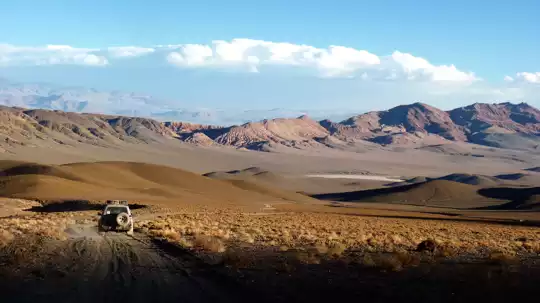
Most people treat Antofagasta as a mining layover you just endure between San Pedro and Santiago; that’s lazy thinking. This long, sea-hugging city in northern Chile, on the Pacific edge of the Atacama Desert, is more interesting if you treat it as a case study in contrasts. You get a handsome old quarter around Plaza Colón, a surprisingly good regional museum, coastal walks to La Portada, and cheap, filling seafood; you also get dust, sprawl, and a nightlife scene that’s more miners than backpackers. It’s safer and more functional than fun, cheaper than Santiago, less charming than Iquique, and great for resetting logistics, doing errands, and watching real Chilean desert life rather than curated desert magic.

Discover everything you want to know in the 📖 Chile Travel Guide.


Get your Chile guide
119 ranked highlights, routes & tips, works offline (471 pages)
Loading the map 🌍
CLICK TO FILTER
cities
towns
villages
landmarks
national parks
hikes
beaches
attractions
festivals
regions
SHOW COUNTRY’S BESTSHOW ALL

✨ Why go?
Ranked #14 city in Chile
What makes it a must-see city

Antofagasta is a strategic stop for backpackers weaving through Chile. It’s not just a pit stop; it’s a basecamp for day trips to stunning landscapes. The city itself offers a mix of affordable hostels and local eateries, making it easy to stretch your budget while enjoying authentic flavors.

You’ll find the walkability here refreshing, with vibrant streets that invite exploration. The nightlife has a laid-back vibe, perfect for unwinding after a day of adventure. Plus, the easy onward travel options mean you can seamlessly continue your journey, whether heading north to the Atacama Desert or south to other coastal towns.

While Antofagasta may not have the same allure as other destinations, its high-value experiences lie in its role as a practical hub. If you’re looking for a place that … read more 👉
Antofagasta is a strategic stop for backpackers weaving through Chile. It’s not just a pit stop; it’s a basecamp for day trips to stunning landscapes. The city itself offers a mix of affordable hostels and local eateries, making it easy to stretch your budget while enjoying authentic flavors.

You’ll find the walkability here refreshing, with vibrant streets that invite exploration. The nightlife has a laid-back vibe, perfect for unwinding after a day of adventure. Plus, the easy onward travel options mean you can seamlessly continue your journey, whether heading north to the Atacama Desert or south to other coastal towns.

While Antofagasta may not have the same allure as other destinations, its high-value experiences lie in its role as a practical hub. If you’re looking for a place that balances comfort and convenience without breaking the bank, this city deserves a spot on your itinerary.
Want to include Antofagasta in your Chile route?
Create a personalized Chile itinerary that includes Antofagasta and the places that fit your trip — based on your travel style, budget, and available time. Get your route in seconds.

Generate my trip

💡 HighlightsEssential experiences to have while visiting Antofagasta

La Portada Natural Monument
Antofagasta’s calling card: a massive stone arch rising from the Pacific, battered by wind and salt. It’s not just a photo op—stand on the cliffside at golden hour and you’ll feel the raw scale of the Atacama coast. Free to visit, but you’ll want to budget 30 minutes for the viewpoint, or longer if you linger for sunset. Taxi or rideshare is fastest; public buses run but eat up time. Comfort is basic: bring water, expect wind, and skip the on-site café unless you’re desperate.

Muelle Salitrero Compañía Melbourne Clark
This old nitrate pier is Antofagasta’s industrial soul, jutting into the sea with rusted dignity. Walk the boards, read the plaques, and imagine the nitrate boom that built the city. Free entry, open all day, but the light is best late afternoon. Ten … read more 👉
La Portada Natural Monument
Antofagasta’s calling card: a massive stone arch rising from the Pacific, battered by wind and salt. It’s not just a photo op—stand on the cliffside at golden hour and you’ll feel the raw scale of the Atacama coast. Free to visit, but you’ll want to budget 30 minutes for the viewpoint, or longer if you linger for sunset. Taxi or rideshare is fastest; public buses run but eat up time. Comfort is basic: bring water, expect wind, and skip the on-site café unless you’re desperate.

Muelle Salitrero Compañía Melbourne Clark
This old nitrate pier is Antofagasta’s industrial soul, jutting into the sea with rusted dignity. Walk the boards, read the plaques, and imagine the nitrate boom that built the city. Free entry, open all day, but the light is best late afternoon. Ten minutes on foot from the Plaza Colón, or a quick colectivo ride. No frills, but you’ll get a sense of the city’s backbone.

Plaza Colón & Torre del Reloj
The city’s social heart. The British-built clock tower is a nod to Antofagasta’s cosmopolitan past, and the plaza buzzes with locals at all hours. Free, central, and perfect for people-watching. Ten minutes is enough for a look, but linger if you want to soak up the city’s rhythm. Safe and easy, but watch your pockets.

Ruinas de Huanchaca
A hulking silver refinery turned open-air museum. The ruins are dramatic at dusk, and the attached museum gives context to the city’s mining legacy. Entry is modest (about $3-5 USD), and you’ll want at least an hour. It’s a 10-minute taxi from downtown, or a longer walk along the coast. Bring a hat—shade is rare.

Balneario Municipal Beach
Antofagasta isn’t famous for beaches, but this sheltered cove is where locals swim, snack, and unwind. Free, family-friendly, and walkable from the center. Water’s cold, but the people-watching is warm. Go late afternoon for the best vibe. Facilities are basic; don’t expect luxury.

For day trips, the stark lunar landscapes of La Mano del Desierto, the salt flats of Salar de Atacama, and the ghost town of Chacabuco are all within striking distance—La Mano is my personal favorite for its surreal, solitary presence in the desert.
Spotted a mistake or missing something? Contact us.

Things to do in Antofagasta

Ratings based on Tripadvisor reviews. When you book through this link, you support our work at no extra cost to you.

🏘️ NeighborhoodsUnderstanding the local layout

Antofagasta offers a unique blend of coastal charm and urban energy, making it a fascinating stop for backpackers. Here’s how the neighborhoods stack up:

Centro Histórico: This is the heart of Antofagasta. You’ll find a mix of colonial architecture and modern shops. It’s walkable, with plenty of cafes and street vendors. Nightlife is buzzing here, but it can get noisy. Perfect for short stays where you want to soak in the local vibe.

El Golf: A bit more upscale, El Golf has a relaxed atmosphere with parks and upscale dining. It’s quieter, ideal for those seeking a break from the hustle. Public transport is accessible, making it easy to explore. Great for longer stays if you prefer comfort without sacrificing convenience.

La Portada: Famous for its stunning natural rock formation, this area … read more 👉
Antofagasta offers a unique blend of coastal charm and urban energy, making it a fascinating stop for backpackers. Here’s how the neighborhoods stack up:

Centro Histórico: This is the heart of Antofagasta. You’ll find a mix of colonial architecture and modern shops. It’s walkable, with plenty of cafes and street vendors. Nightlife is buzzing here, but it can get noisy. Perfect for short stays where you want to soak in the local vibe.

El Golf: A bit more upscale, El Golf has a relaxed atmosphere with parks and upscale dining. It’s quieter, ideal for those seeking a break from the hustle. Public transport is accessible, making it easy to explore. Great for longer stays if you prefer comfort without sacrificing convenience.

La Portada: Famous for its stunning natural rock formation, this area is a must-see. While it’s a bit further from the city center, the views are worth it. It’s more suited for day trips, but nearby accommodations can be found. Ideal for those who want a scenic escape.

Playa Cavancha: This beach area is perfect for sun-seekers. The vibe is laid-back, with beach bars and water sports. It’s walkable, and public transport is nearby. Best for short stays focused on relaxation and fun.

⌛️ 1 dayHow to make the most of one day

Antofagasta, a coastal city in northern Chile, is a blend of industrial grit and stunning natural beauty. It’s often overlooked, but it offers a unique glimpse into the country’s mining history and a vibrant coastal culture.

Start your day in the historic center, where the Plaza Colón buzzes with life. Grab a coffee at a local café and watch the world wake up. The architecture here tells stories—check out the old customs house and the Cathedral of Antofagasta, both steeped in history.

After your caffeine fix, head to the nearby La Portada, a striking natural rock formation just a short drive away. The views are breathtaking, and the salty breeze is invigorating. Spend some time walking along the cliffs, soaking in the Pacific Ocean’s vastness.

For lunch, make your way to the bustling … read more 👉
Antofagasta, a coastal city in northern Chile, is a blend of industrial grit and stunning natural beauty. It’s often overlooked, but it offers a unique glimpse into the country’s mining history and a vibrant coastal culture.

Start your day in the historic center, where the Plaza Colón buzzes with life. Grab a coffee at a local café and watch the world wake up. The architecture here tells stories—check out the old customs house and the Cathedral of Antofagasta, both steeped in history.

After your caffeine fix, head to the nearby La Portada, a striking natural rock formation just a short drive away. The views are breathtaking, and the salty breeze is invigorating. Spend some time walking along the cliffs, soaking in the Pacific Ocean’s vastness.

For lunch, make your way to the bustling Mercado Central. Here, you can sample fresh seafood—try the ceviche, which is a local favorite. The market is alive with chatter and the scent of spices, giving you a taste of everyday life in Antofagasta.

In the afternoon, explore the historic neighborhood of Paseo del Mar. Stroll along the waterfront promenade, where you’ll find street vendors and artists showcasing their work. This area is less touristy, offering a more authentic feel of the city.

As evening approaches, head to the Parque Nacional Morro Moreno for a hike. The sunset views from the top are worth every step. Afterward, unwind at a local bar in the nearby Barrio Histórico, where you can enjoy a pisco sour and reflect on your day.

Antofagasta may not be on every traveler’s radar, but it’s a city that rewards those who take the time to explore its layers.
Turn your Antofagasta visit into an Chile adventure
Build a complete Chile route with Antofagasta, hidden gems, must-see destinations, and realistic travel times included.

Generate my trip

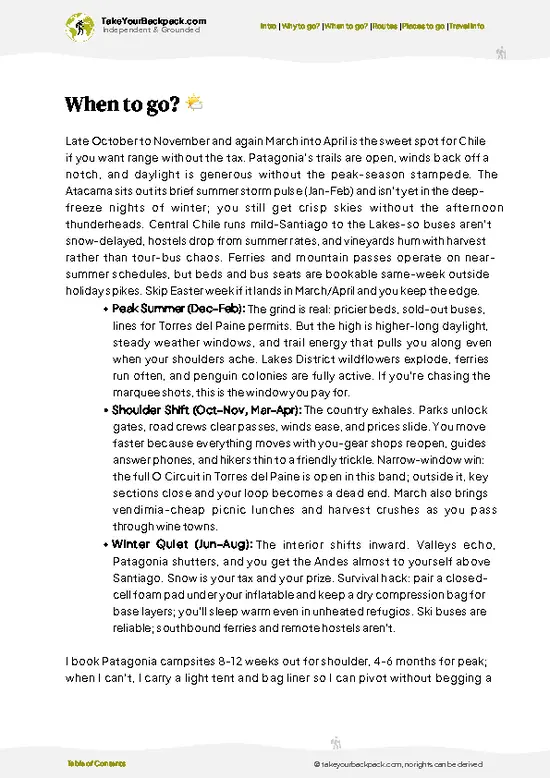
🌤️ When to go?Weather, crowds, and seasonal trade-offs


  • Weather: Antofagasta is a desert city, so expect dry conditions year-round. Rain is rare, but summer months (December to February) bring slightly warmer temperatures and a mild marine layer that can cool mornings.

  • Temperature: Daytime highs hover around 20-25°C (68-77°F) in summer, dropping to 14-18°C (57-64°F) in winter. Nights can get chilly, especially in winter, dipping to 8°C (46°F).

  • Daylight Hours: Summer offers long days with up to 14 hours of light, perfect for extended exploration. Winter days shrink to about 10 hours, limiting daylight for activities.

  • Crowds: Tourist flow peaks in summer, especially around holidays. Off-season months see fewer visitors, giving you more breathing room at popular spots.

  • Seasonal Activities: Summer is prime for coastal activities like swimming
read more 👉

  • Weather: Antofagasta is a desert city, so expect dry conditions year-round. Rain is rare, but summer months (December to February) bring slightly warmer temperatures and a mild marine layer that can cool mornings.

  • Temperature: Daytime highs hover around 20-25°C (68-77°F) in summer, dropping to 14-18°C (57-64°F) in winter. Nights can get chilly, especially in winter, dipping to 8°C (46°F).

  • Daylight Hours: Summer offers long days with up to 14 hours of light, perfect for extended exploration. Winter days shrink to about 10 hours, limiting daylight for activities.

  • Crowds: Tourist flow peaks in summer, especially around holidays. Off-season months see fewer visitors, giving you more breathing room at popular spots.

  • Seasonal Activities: Summer is prime for coastal activities like swimming and snorkeling. Winter is quieter but ideal for desert hikes without the heat stress.

  • Price Fluctuations: Expect higher accommodation and transport costs during summer and local holidays. Off-peak months offer better deals but fewer services.


Pro-tip: Visit in late spring or early autumn to balance pleasant weather, manageable crowds, and reasonable prices—your sweet spot for smart backpacking in Antofagasta.


source: climatestotravel.comJANJanuary: highly recommended for travelingFEBFebruary: highly recommended for travelingMARMarch: excellent for travelingAPRApril: excellent for travelingMAYMay: highly recommended for travelingJUNJune: good for travelingJULJuly: good for travelingAUGAugust: good for travelingSEPSeptember: excellent for travelingOCTOctober: excellent for travelingNOVNovember: highly recommended for travelingDECDecember: highly recommended for traveling
when-to-go

✈️ The backpacker research shortcutChile Travel Guide

An offline-friendly backpacking guide with optimized travel routes, ranked highlights, transport advice, and the best areas to stay.
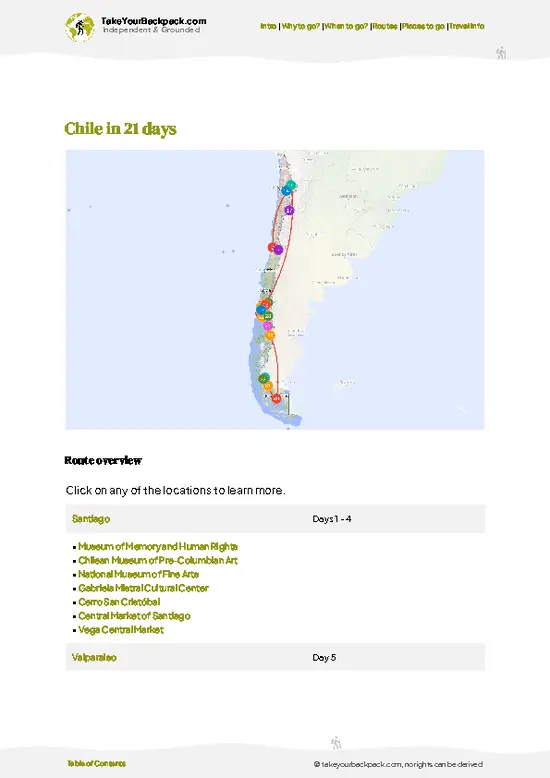
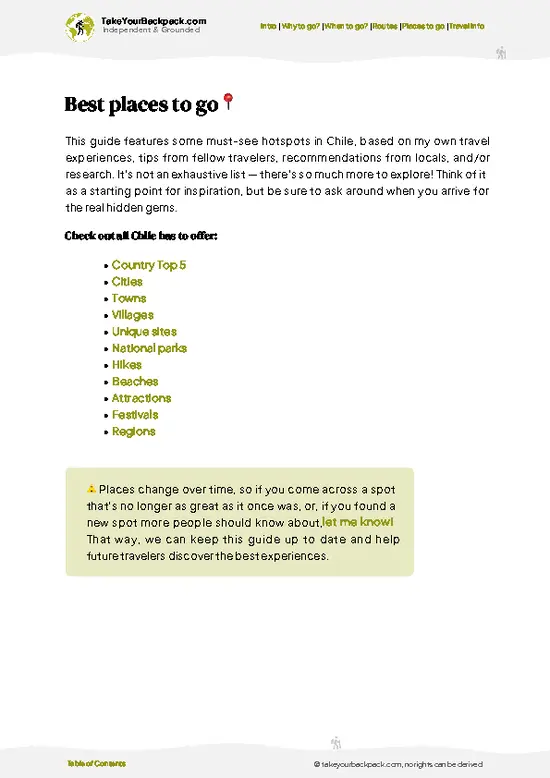
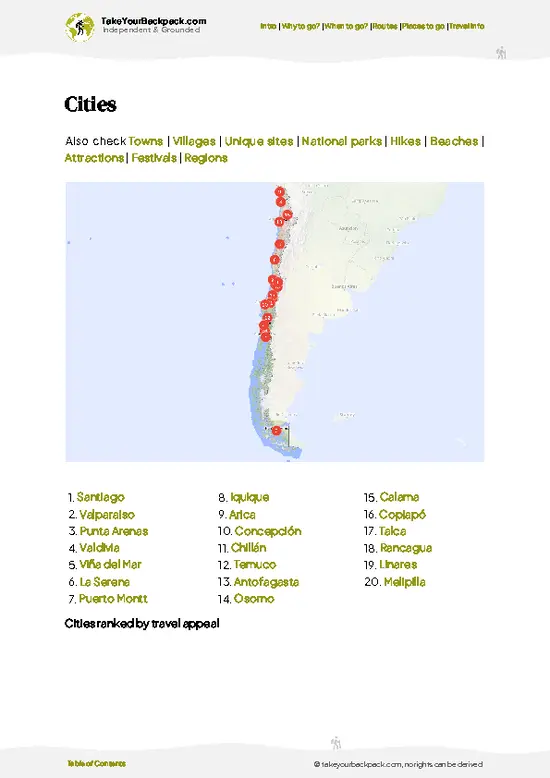
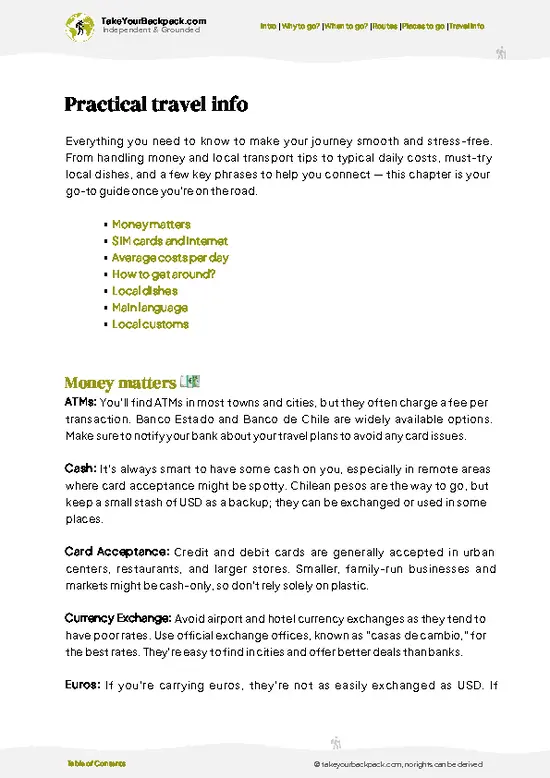
example page 0 from our offline Travel Guide for Chile
example page 1 from our offline Travel Guide for Chile
example page 2 from our offline Travel Guide for Chile
example page 3 from our offline Travel Guide for Chile
example page 4 from our offline Travel Guide for Chile
example page 5 from our offline Travel Guide for Chile
example page 6 from our offline Travel Guide for Chile
example page 7 from our offline Travel Guide for Chile
The digital guide (471 pages) contains:
119 highlights, ranked by travel appeal
Optimized 7, 14 & 21-day travel routes
Cities, national parks, landmarks, beaches
How to get around
Offline-friendly for travel without Wi-Fi
👉 Click to see all 30+ guide features

📅 Plan smarter in minutes, not weeks
Month by month travel advice
Festivals & national holidays
Budget expectations

🗺️ Go to the right places, skip the overrated ones
Honest pros & cons of destinations
Top hikes, parks & viewpoints
Lesser-known places most travelers miss
Clear “worth it vs skip it” guidance

🛏️ Travel smoothly without rookie mistakes
Best areas to stay
Transport systems explained simply
Common scams & safety advice
SIM cards, money & practical tips

🌍 Understand the country, not just visit it
Culture & traditions
52 Essential phrases & customs
Festivals worth planning around
Traveler-friendly historical context
Insights that make places more meaningful

📱 Built for real travel conditions
Fully downloadable PDF
Works completely offline
Optimized for phone use
Useful in remote areas & buses
Everything in one place
Save weeks of stressful planning
Get instant access to your full guide. 30‑day money-back guarantee.


By proceeding you agree to our terms.
Sent to your inbox immediately after payment • 100% Secure Checkout
Best Backpacking Travel Advisor 2025 tourism awardBest Backpacking
Travel Advisor
2025
What others say about Take Your Backpack Guides:
⭐⭐⭐⭐⭐
Fantastic, amazing amount of information!
⭐⭐⭐⭐⭐
My goodness this is amazing, it's what I've been looking for hats off too you!
⭐⭐⭐⭐⭐
I think this is absolutely BRILLIANT
⭐⭐⭐⭐
Very complete and informative. It's still missing places, but I gotta to commend you
⭐⭐⭐⭐⭐
This is truly amazing, thank you, can't wait to explore it with my kids!
⭐⭐⭐⭐⭐
Awesome resource, thank you!
⭐⭐⭐⭐⭐
This is amazing! Can't wait to explore the ones I haven't seen
⭐⭐⭐⭐
I love this! Well done, great idea.
⭐⭐⭐⭐⭐
Thanks for taking the time to make this gem!
⭐⭐⭐⭐⭐
This might be the best website I've ever seen.
⭐⭐⭐⭐⭐
Congratulations, and thank you so much for your work; it's incredibly valuable.
⭐⭐⭐⭐
In all seriousness I think you did a great job pointing out the important spots
⭐⭐⭐⭐⭐
10/10 very good
⭐⭐⭐⭐⭐
As someone who's only just starting to visit regularly this is awesome, thank you.
⭐⭐⭐⭐
Thank you very much! I'm going to visit my dad, it's going to be very useful!
⭐⭐⭐⭐⭐
This is really cool! We'll be travelling for the first time and this definitely come in handy.
⭐⭐⭐⭐⭐
You are now our minister of culture, congratulations 👨‍💼
⭐⭐⭐⭐⭐
Just wanted to tell you that this is a pearl! Going to follow your recommendations.
⭐⭐⭐⭐⭐
This is so cool. I'll definitely be using the resource for my travels soon.
⭐⭐⭐⭐⭐
This is very impressive! Good work.
⭐⭐⭐⭐⭐
This is an amazing and informative site. Very well done!

🛏️ Where to stay?How to pick the right area

Antofagasta’s sweet spot for backpackers is the area around the city center, especially near Avenida Argentina and the coastal stretch by Playa Colón. This zone nails the balance between safety and social buzz without the inflated prices of more touristy spots. You’ll find a cluster of hostels here, making it easy to meet fellow travelers and swap stories over cheap beers or street food. The vibe is laid-back but lively—think local markets, casual cafés, and easy access to the beach for downtime. Compared to the quieter, more residential neighborhoods farther inland, this area keeps you plugged … read more 👉
Antofagasta’s sweet spot for backpackers is the area around the city center, especially near Avenida Argentina and the coastal stretch by Playa Colón. This zone nails the balance between safety and social buzz without the inflated prices of more touristy spots. You’ll find a cluster of hostels here, making it easy to meet fellow travelers and swap stories over cheap beers or street food. The vibe is laid-back but lively—think local markets, casual cafés, and easy access to the beach for downtime. Compared to the quieter, more residential neighborhoods farther inland, this area keeps you plugged into the city’s pulse without sacrificing comfort or your budget. It’s a strategic choice: you’re close enough to public transport and main attractions to save time, but far enough from the industrial edges to avoid the noise and grime. This is where your money stretches, your social circle grows, and your Antofagasta experience deepens.

🚌 Getting aroundGetting around like a local

Antofagasta moves with a pulse that’s part desert clockwork, part coastal improvisation. The city’s rhythm isn’t about strict timetables but a loose choreography where buses and colectivos (shared taxis) dart through the streets like they own the place—because, frankly, they do. You’ll find that patience and a bit of street savvy pay off more than obsessing over schedules. The trade-off here is clear: save money and dive into the local flow, or pay a bit more for predictability and comfort. Either way, you’re playing the city’s game, and knowing the rules means you win.


  • Walking: Antofagasta’s downtown is compact enough to explore on foot, especially if you’re budget-conscious and want to soak in the gritty seaside vibe. Zero cost, full control, but prepare for sun and wind—shade is scarce.
read more 👉
Antofagasta moves with a pulse that’s part desert clockwork, part coastal improvisation. The city’s rhythm isn’t about strict timetables but a loose choreography where buses and colectivos (shared taxis) dart through the streets like they own the place—because, frankly, they do. You’ll find that patience and a bit of street savvy pay off more than obsessing over schedules. The trade-off here is clear: save money and dive into the local flow, or pay a bit more for predictability and comfort. Either way, you’re playing the city’s game, and knowing the rules means you win.


  • Walking: Antofagasta’s downtown is compact enough to explore on foot, especially if you’re budget-conscious and want to soak in the gritty seaside vibe. Zero cost, full control, but prepare for sun and wind—shade is scarce.

  • Local Buses: These are the backbone of budget transit, running roughly from 6:00 AM to 10:00 PM. Fares hover around 400-600 CLP (less than a dollar), but expect crowded rides and stops that aren’t always clearly marked. Speed varies with traffic, and comfort is minimal—think hard plastic seats and open windows.

  • Colectivos: Shared taxis that fill up before they leave, running similar routes to buses but faster and more flexible. Cost is about double a bus fare, around 800-1,200 CLP. They don’t run on a strict schedule; they leave when full, so timing is unpredictable but often quicker.

  • Taxi Services: Metered taxis exist but are pricier, starting around 2,000 CLP for short trips. They offer door-to-door comfort and air conditioning but at a cost that can quickly add up. Best for late-night rides or when you’re hauling gear.

👛 Costs (as of 20 January 2026)Money, prices, and spending tips

Backpacking in Antofagasta, Chile, involves a clear balancing act between your budget and comfort, with costs that reflect its status as a coastal city with a mining-driven economy. Here’s the breakdown to help you play the game smart.
  • Dorm Accommodation (High Season): Expect to pay around $15 to $25 USD per night for a bed in a shared dorm. High season, typically summer months, pushes prices up due to demand from tourists and workers alike.
  • Dorm Accommodation (Off-Season): Drop to about $10 to $18 USD per night. Off-season means fewer visitors, so hostels lower prices to fill beds, giving you better value if you can time it right.
  • Meals: Street food and local markets offer meals for $3 to $6 USD. A modest sit-down meal at a local restaurant will run $7 to $12 USD. Cooking your own food
read more 👉
Backpacking in Antofagasta, Chile, involves a clear balancing act between your budget and comfort, with costs that reflect its status as a coastal city with a mining-driven economy. Here’s the breakdown to help you play the game smart.
  • Dorm Accommodation (High Season): Expect to pay around $15 to $25 USD per night for a bed in a shared dorm. High season, typically summer months, pushes prices up due to demand from tourists and workers alike.
  • Dorm Accommodation (Off-Season): Drop to about $10 to $18 USD per night. Off-season means fewer visitors, so hostels lower prices to fill beds, giving you better value if you can time it right.
  • Meals: Street food and local markets offer meals for $3 to $6 USD. A modest sit-down meal at a local restaurant will run $7 to $12 USD. Cooking your own food can cut costs further, but local flavors are worth sampling.
  • Local Transport: Single bus rides within the city cost roughly $0.70 to $1 USD. Buses are frequent and cover most areas, making them the go-to for budget travelers.
  • City Transport Pass: A multi-ride card or daily pass can cost around $2 to $4 USD, which is a smart move if you plan to hop around a lot in one day.
  • Basic Activities/Entry Fees: Museums and local attractions typically charge between $2 and $5 USD. Nature spots like beaches are free, but guided tours or special sites can push costs higher.
  • Miscellaneous Expenses: Budget $2 to $5 USD for essentials like bottled water, snacks, or small personal items. These add up, especially in a dry, coastal climate where hydration is key.

Total daily costs for a backpacker in Antofagasta generally fall between $25 and $50 USD, depending on your choices around accommodation and dining. The city rewards those who mix public transport with local eats and off-season timing, turning what could be a pricey mining town into a manageable, interesting stop on your route.


source: chile.travel
⚠️ Prices can change and everyone travels differently, so take this as a rough guide. Hope it helps you plan your adventure!

🚌 Day tripsWhere to go beyond the main area

Antofagasta is a fantastic launchpad for day trips that reveal the raw beauty of northern Chile. With its unique geography and rich culture, you can easily explore diverse landscapes and experiences without breaking the bank.

La Portada
Just a 30-minute drive from Antofagasta, La Portada is a natural rock formation that juts dramatically into the Pacific Ocean. The views here are breathtaking, especially at sunrise when the light dances on the cliffs. Bring a picnic and enjoy the coastal breeze while soaking in the scenery. Expect to spend around $10 for transportation and snacks. The best time to visit is during the cooler months from May to September, when the weather is more pleasant. A common mistake is rushing through; take your time to explore the surrounding trails.


Valle de read more 👉
Antofagasta is a fantastic launchpad for day trips that reveal the raw beauty of northern Chile. With its unique geography and rich culture, you can easily explore diverse landscapes and experiences without breaking the bank.

La Portada
Just a 30-minute drive from Antofagasta, La Portada is a natural rock formation that juts dramatically into the Pacific Ocean. The views here are breathtaking, especially at sunrise when the light dances on the cliffs. Bring a picnic and enjoy the coastal breeze while soaking in the scenery. Expect to spend around $10 for transportation and snacks. The best time to visit is during the cooler months from May to September, when the weather is more pleasant. A common mistake is rushing through; take your time to explore the surrounding trails.


Valle de la Luna
About a two-hour bus ride will take you to Valle de la Luna, a surreal landscape that feels like stepping onto another planet. The unique rock formations and salt flats are best explored in the late afternoon when the sun casts long shadows, enhancing the otherworldly feel. Budget around $15 for the bus and entrance fee. The ideal time to visit is during the dry season, from April to October. First-timers often underestimate the cold at night; bring layers to stay warm while stargazing.
👉 Explore Valle de la Luna

Cerro Moreno
For a quick escape, head to Cerro Moreno, just 20 minutes from the city. This hill offers panoramic views of Antofagasta and the coastline. It’s a great spot for a short hike and a chance to catch your breath away from the urban hustle. You can easily do this trip for under $5, making it a budget-friendly option. The best time is early morning or late afternoon to avoid the heat. Many overlook the trailhead; make sure to check your map to find the right path.


Punta de Choros
A bit further afield, about a three-hour bus ride, Punta de Choros is worth the trek for its stunning marine life and beautiful beaches. You can take a boat tour to see sea lions and dolphins, which adds to the adventure. Expect to spend around $30 for transportation and the boat tour. The best months are from September to April when wildlife is most active. First-timers often forget to book the boat in advance, so plan ahead to secure your spot.
👉 Explore Punta de Choros
Want to know what more Chile offers?
The Chile Travel Guide describes 119 highlights, from cities to national parks, from beaches to hikes

Get the Travel Guide -

🍲 FoodLocal Cuisine & Drinks

In Antofagasta, food is a vibrant reflection of its coastal roots. Dive into empanadas de mariscos, stuffed with fresh seafood, a must-try that bursts with flavor. Pair it with a glass of pisco sour, the national drink, which balances tangy lime with a smooth finish.

Backpackers often find their meals at bustling markets or from street vendors. The Mercado Central is a sensory overload, where the scent of grilled fish mingles with the chatter of locals. Grab a plate of ceviche from a stall; the freshness will redefine your expectations.

Eating here is a communal experience. Expect to share tables, especially in casual eateries. It’s common to see locals enjoying a leisurely meal, so don’t rush. When it comes to drinks, tercer tiempo—the third time—refers to the social hour after work, … read more 👉
In Antofagasta, food is a vibrant reflection of its coastal roots. Dive into empanadas de mariscos, stuffed with fresh seafood, a must-try that bursts with flavor. Pair it with a glass of pisco sour, the national drink, which balances tangy lime with a smooth finish.

Backpackers often find their meals at bustling markets or from street vendors. The Mercado Central is a sensory overload, where the scent of grilled fish mingles with the chatter of locals. Grab a plate of ceviche from a stall; the freshness will redefine your expectations.

Eating here is a communal experience. Expect to share tables, especially in casual eateries. It’s common to see locals enjoying a leisurely meal, so don’t rush. When it comes to drinks, tercer tiempo—the third time—refers to the social hour after work, where friends gather over beers or chicha. Embrace this custom; it’s a chance to connect and unwind.

In Antofagasta, every bite and sip tells a story, making your culinary journey as rich as the landscape.

🛡️ SafetyScams, Hazards, and Annoyances

Antofagasta is generally safe, but like any city, it has its quirks. Stay alert in crowded areas, especially around the bus terminal and markets. These spots can attract pickpockets, so keep your valuables close and your backpack zipped.

If you’re traveling solo, be cautious at night. The waterfront is lively, but some side streets can feel deserted. Stick to well-lit areas and consider using rideshare apps instead of walking late.

Scams are rare, but watch for overly friendly strangers offering unsolicited help or trying to sell you something. A polite but firm “no gracias” usually does the trick. Everyday annoyances include occasional street vendors who can be persistent. Just smile and keep moving. With a bit of awareness, you’ll navigate Antofagasta like a pro.

Other Chilean cities near Antofagasta

Explore more nearby:

  • Calama—copper mines, desert plateau, gateway to Atacama| 201 km away
  • Iquique—dune landscapes, duty-free zone, paragliding| 380 km away
  • Copiapó—oasis valley, mining past, arid hills| 413 km away

💡 Not sure where to go next?
Create a personalized itinerary for Chile including Antofagasta and the places that fit your trip.

Generate my itinerary

👉 Discover all cities

Or checkout all Chile has to offer (think cities, towns, villages, national parks, hikes, beaches, festivals)
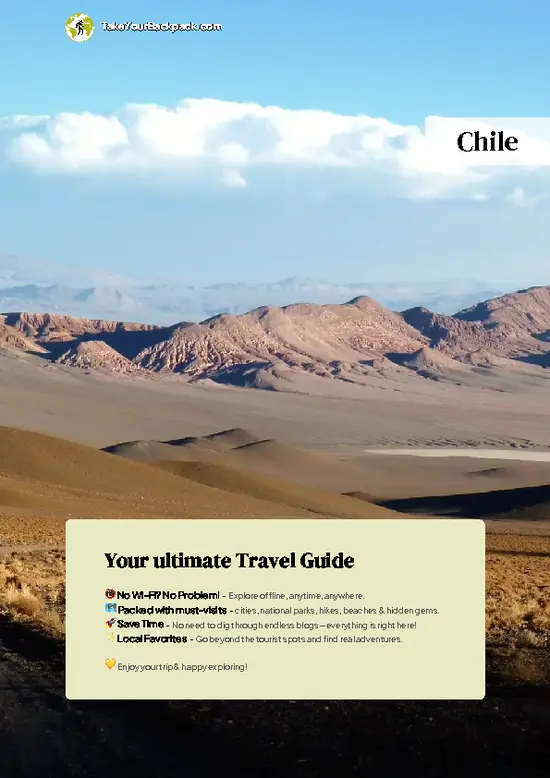
Country photo of Chile

We 💚 feedbackKey takeaways before you go

Antofagasta’s coastal vibe is magnetic. The sunsets here are a painter’s dream, casting fiery hues over the Pacific. But let’s be real: the city can feel a bit isolated. Services and amenities aren’t always up to par, and the desert climate can be relentless. If you’re ready to embrace the raw beauty and a few quirks, you’ll find a unique slice of Chile that’s worth the trek.

✈️ When did I visit Chile?
I have visited Chile, together with Argentina, in September 2012.

✍️ Help improve this page!
The information on this page is based on my own backpacking experience in Chile, supplemented with up-to-date research and feedback from other travelers. Travel details can change, so if you notice anything outdated or incomplete, feel free to let me know.


🙋‍♂️ Give feedback

👋 Meet the founderWho’s Behind Take Your Backpack?

Johan, backpacker and founder of TakeYourBackpackHi, I’m Johan (Netherlands 🇳🇱), the creator of TakeYourBackpack. Over the past decade, I’ve backpacked through 80+ countries across six continents, gaining extensive experience with independent travel, long-term trips, and overland routes.

This site is built on a combination of firsthand travel experience and carefully curated insights from other backpackers. Many guides are based on places I’ve personally visited, while others bring together tips, observations, and practical advice shared by trusted travelers I’ve met along the way.

The goal is to provide realistic, experience-driven guidance — not generic itineraries — so you can explore destinations with better context, clearer expectations, and more confidence.

Get full Chile guide •
Instant download • 119 highlights • Full Offline guide