×

Chile🇨🇱 | citiesCopiapóoasis valley, mining past, arid hills | things to do and best time to go

Explore CalamaExplore Linares

Backpacking in Copiapó
👌 Worth visitingcity ranked #17
By Johan Kruseman 🇳🇱 | Updated June 17, 2026

Copiapó is not for people chasing headline sights or wild party hostels; it’s a working desert city first, travel destination second. But that’s exactly why it’s useful for backpackers. In northern Chile’s Atacama region, it’s a cheap, calm base between La Serena and the San Pedro circus, with decent plazas, a couple of small museums, and a low-key bar scene. Buses are easy, prices undercut tourist hubs, and it feels safe but sleepy. You’ll meet more miners and students than travelers, which can be oddly refreshing.

Discover everything you want to know in the 📖 Chile Travel Guide.


Get your Chile guide
120 ranked highlights, routes & tips, works offline (471 pages)
Loading the map 🌍
CLICK TO FILTER
cities
towns
villages
landmarks
national parks
hikes
beaches
attractions
festivals
regions
SHOW COUNTRY’S BESTSHOW ALL

✨ Why go?
Ranked #17 city in Chile
Reasons people choose to visit here

Copiapó is a strategic basecamp for backpackers navigating northern Chile. It offers a solid mix of affordable hostels that cater to budget travelers, making it easy to find a cozy spot without breaking the bank. The city’s walkability means you can explore local markets and eateries without needing a taxi, and the food scene is a delightful surprise, with fresh seafood and hearty Chilean dishes. While nightlife isn’t wild, there are enough bars to unwind after a day of adventure. Plus, it’s a convenient jump-off point for day trips into the surrounding desert landscapes, allowing you to maximize your time without sacrificing comfort.
Want to include Copiapó in your Chile route?
Create a personalized Chile itinerary that includes Copiapó and the places that fit your trip — based on your travel style, budget, and available time. Get your route in seconds.

Generate my trip

💡 HighlightsPlaces and moments you shouldn't skip

  1. Plaza de Armas — The social heart of Copiapó: shady benches, kids kicking a ball, municipal buildings and a good first-glance snapshot of the city’s rhythm and architecture.
  2. Catedral de Copiapó — The city’s main church by the plaza; notable for its façade and local religious art, and useful as a quiet spot to take in Copiapó’s civic history up close.
  3. Museo Regional de Atacama — The best single place in town to understand the region: archaeology, colonial-era artifacts and mining history all under one roof — short exhibits that punch above their size.
  4. Teatro Municipal — A classic municipal theater where you can catch local performances, see period architecture inside, or just admire the restored exterior and its place in Copiapó’s cultural life.
  5. Mercado Municipal (Central Market) — A
read more 👉
  1. Plaza de Armas — The social heart of Copiapó: shady benches, kids kicking a ball, municipal buildings and a good first-glance snapshot of the city’s rhythm and architecture.
  2. Catedral de Copiapó — The city’s main church by the plaza; notable for its façade and local religious art, and useful as a quiet spot to take in Copiapó’s civic history up close.
  3. Museo Regional de Atacama — The best single place in town to understand the region: archaeology, colonial-era artifacts and mining history all under one roof — short exhibits that punch above their size.
  4. Teatro Municipal — A classic municipal theater where you can catch local performances, see period architecture inside, or just admire the restored exterior and its place in Copiapó’s cultural life.
  5. Mercado Municipal (Central Market) — A lively market for fresh produce, local snacks and street-level sociability; great for trying regional flavors and watching vendors and miners chat.
  6. Estación de Ferrocarril / Antiguo Paseo Ferroviario — The area tied to Chile’s early rail history; remnants and displays commemorate the Copiapó-Caldera line and make for a compact, tangible mining/transport history stop.
  7. Barrio Histórico (downtown colonial streets) — Walkable lanes around the center with old merchant houses, period architecture and small façades that tell the story of the 19th-century mining boom without needing a museum label.
  8. Plaza O’Higgins / Paseos y parques urbanos — One of the city’s green pockets where locals gather; useful for people-watching and seeing everyday Copiapó life away from the main square.
  9. Museos y Memoriales Mineros — Small, local mining exhibits and memorials scattered in the city that preserve miners’ tools, photos and personal stories — essential context for the region’s identity.
  10. Feria Artesanal y talleres de cobre — Small artisan stalls and workshops selling copper pieces and regional crafts; a hands-on way to connect to the local material culture and pick up authentic souvenirs.
A few great day trips nearby are Bahía Inglesa (beaches at Caldera — my personal favorite), Parque Nacional Pan de Azúcar for coastal desert and wildlife, and the seasonal Desierto Florido wildflower zones — all visitable from Copiapó in a day.
Spotted a mistake or missing something? Contact us.

🏘️ NeighborhoodsUnderstanding the local layout

Copiapó offers a unique blend of desert charm and urban life, making it a fascinating stop for backpackers. Here’s how the neighborhoods stack up:

Centro Histórico: This is the heart of Copiapó. It’s vibrant, with local markets and cafes. Perfect for short stays, everything is walkable. Costs are moderate, and you’ll find a mix of nightlife and quiet spots.

Bahía Inglesa: A coastal escape just outside the city. Ideal for beach lovers, it’s a bit pricier but worth it for the stunning views. Less walkable, so plan for transport. Great for longer stays if you want to unwind.

Los Carrera: A residential area with a local vibe. It’s quieter, making it suitable for those seeking a break from the hustle. Costs are lower, and while it’s less central, public transport is accessible. Good for longer … read more 👉
Copiapó offers a unique blend of desert charm and urban life, making it a fascinating stop for backpackers. Here’s how the neighborhoods stack up:

Centro Histórico: This is the heart of Copiapó. It’s vibrant, with local markets and cafes. Perfect for short stays, everything is walkable. Costs are moderate, and you’ll find a mix of nightlife and quiet spots.

Bahía Inglesa: A coastal escape just outside the city. Ideal for beach lovers, it’s a bit pricier but worth it for the stunning views. Less walkable, so plan for transport. Great for longer stays if you want to unwind.

Los Carrera: A residential area with a local vibe. It’s quieter, making it suitable for those seeking a break from the hustle. Costs are lower, and while it’s less central, public transport is accessible. Good for longer stays to immerse in local life.

Each area offers a different flavor, so choose based on your priorities!

⌛️ 1 day1-day itinerary for Copiapó

Copiapó, a city nestled in the Atacama Desert, is a blend of rich mining history and vibrant local culture. It’s not just a pit stop; it’s a place where you can feel the pulse of Chilean life.

Start your morning at Plaza de Armas, the heart of the city. Grab a coffee at a local café and soak in the atmosphere. The colonial architecture around the square is a feast for the eyes, and you might even catch a local artisan selling handmade crafts.

As the sun climbs, head to the nearby Museo Mineralógico. This spot is often overlooked by tourists but offers a fascinating glimpse into the region’s mining heritage. The mineral displays are stunning, and you’ll leave with a deeper appreciation for the area’s geological wonders.

In the afternoon, wander through the historic Barrio Estación. The … read more 👉
Copiapó, a city nestled in the Atacama Desert, is a blend of rich mining history and vibrant local culture. It’s not just a pit stop; it’s a place where you can feel the pulse of Chilean life.

Start your morning at Plaza de Armas, the heart of the city. Grab a coffee at a local café and soak in the atmosphere. The colonial architecture around the square is a feast for the eyes, and you might even catch a local artisan selling handmade crafts.

As the sun climbs, head to the nearby Museo Mineralógico. This spot is often overlooked by tourists but offers a fascinating glimpse into the region’s mining heritage. The mineral displays are stunning, and you’ll leave with a deeper appreciation for the area’s geological wonders.

In the afternoon, wander through the historic Barrio Estación. The streets are lined with colorful houses and murals that tell stories of the past. Stop by a local eatery for a hearty lunch—try the pastel de choclo, a corn pie that’s a local favorite.

As evening approaches, make your way to the nearby Parque El Pretil. It’s a perfect spot to unwind, with views of the sunset painting the desert sky. Grab a drink from a local vendor and enjoy the peaceful ambiance. This day in Copiapó isn’t just about sights; it’s about connecting with the spirit of the place.
Turn your Copiapó visit into an Chile adventure
Build a complete Chile route with Copiapó, hidden gems, must-see destinations, and realistic travel times included.

Generate my trip

🌤️ When to go?Choosing the right time of year


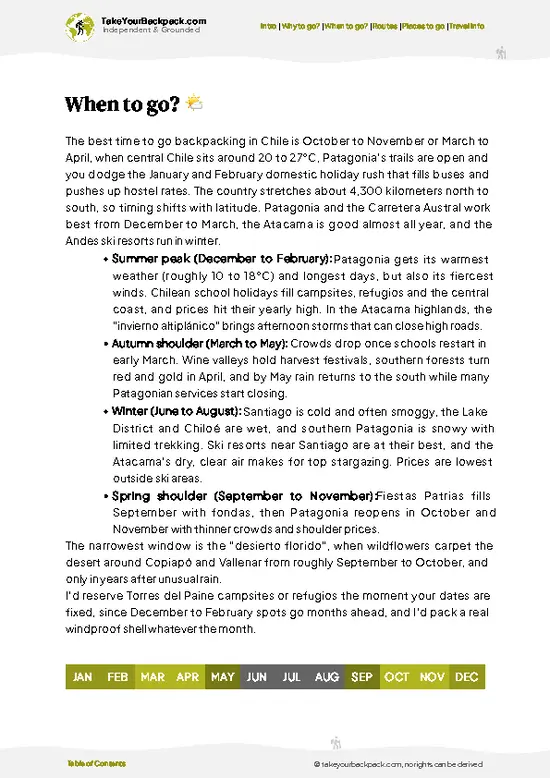
  • Topic: Weather and Temperature – Copiapó bakes in a desert climate. Summers hit 30–35°C (86–95°F), scorching but dry. Winters cool down to 10–15°C (50–59°F), still pleasant for hiking without sweating buckets.

  • Topic: Daylight Hours – Summer offers long days, up to 14 hours of light, perfect for extended treks. Winter days shrink to about 10 hours, limiting daylight but easing the heat stress.

  • Topic: Crowds – Tourist flow peaks in summer, especially December to February. Expect more hikers and higher prices. Off-season means fewer people, more solitude, and better deals.

  • Topic: Seasonal Activities – Summer unlocks desert trails and nearby coastal escapes. Winter is quieter, ideal for exploring cultural sites without the rush but some outdoor activities may be less accessible.

  • Topic:
read more 👉

  • Topic: Weather and Temperature – Copiapó bakes in a desert climate. Summers hit 30–35°C (86–95°F), scorching but dry. Winters cool down to 10–15°C (50–59°F), still pleasant for hiking without sweating buckets.

  • Topic: Daylight Hours – Summer offers long days, up to 14 hours of light, perfect for extended treks. Winter days shrink to about 10 hours, limiting daylight but easing the heat stress.

  • Topic: Crowds – Tourist flow peaks in summer, especially December to February. Expect more hikers and higher prices. Off-season means fewer people, more solitude, and better deals.

  • Topic: Seasonal Activities – Summer unlocks desert trails and nearby coastal escapes. Winter is quieter, ideal for exploring cultural sites without the rush but some outdoor activities may be less accessible.

  • Topic: Price Fluctuations – Peak season drives up accommodation and transport costs. Shoulder seasons (spring and autumn) offer a sweet spot with moderate weather and better rates.


Pro-tip: Aim for spring or autumn to balance comfort, daylight, and budget—beat the heat and crowds without sacrificing the adventure.


source: climatestotravel.comJANJanuary: good for travelingFEBFebruary: good for travelingMARMarch: highly recommended for travelingAPRApril: highly recommended for travelingMAYMay: highly recommended for travelingJUNJune: good for travelingJULJuly: good for travelingAUGAugust: good for travelingSEPSeptember: highly recommended for travelingOCTOctober: highly recommended for travelingNOVNovember: highly recommended for travelingDECDecember: good for traveling
when-to-go

✈️ The backpacker research shortcutChile Travel Guide

An offline-friendly backpacking guide with optimized travel routes, ranked highlights, transport advice, and the best areas to stay.
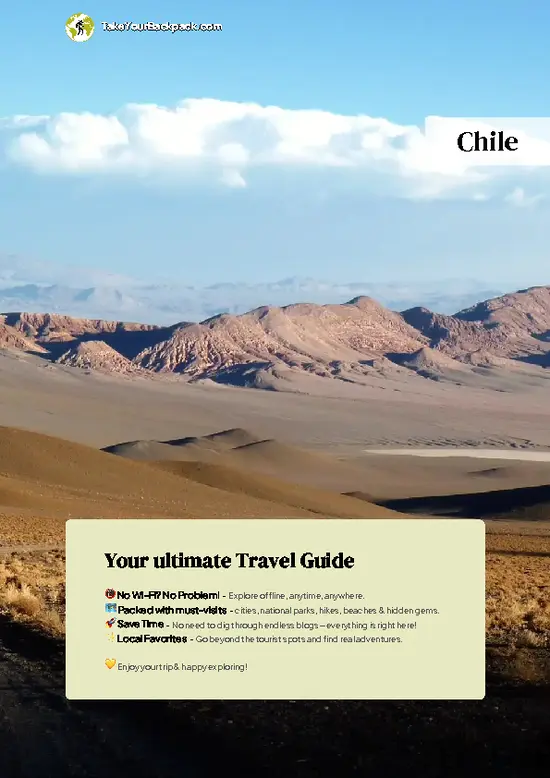
example page 0 from our offline Travel Guide for Chile
example page 1 from our offline Travel Guide for Chile
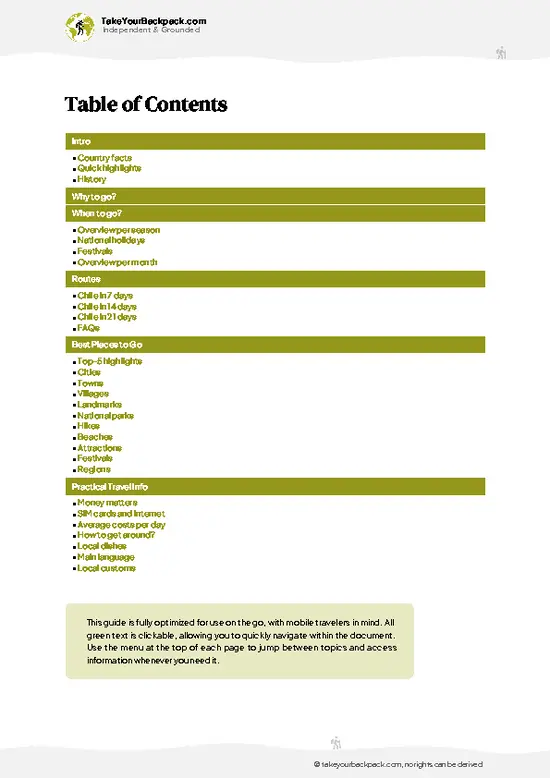
example page 2 from our offline Travel Guide for Chile
example page 3 from our offline Travel Guide for Chile
example page 4 from our offline Travel Guide for Chile
example page 5 from our offline Travel Guide for Chile
example page 6 from our offline Travel Guide for Chile
example page 7 from our offline Travel Guide for Chile
The digital guide (471 pages) contains:
120 highlights, ranked by travel appeal
Optimized 7, 14 & 21-day travel routes
Cities, national parks, landmarks, beaches
How to get around
Offline-friendly for travel without Wi-Fi
👉 Click to see all 30+ guide features

📅 Plan smarter in minutes, not weeks
Month by month travel advice
Festivals & national holidays
Budget expectations

🗺️ Go to the right places, skip the overrated ones
Honest pros & cons of destinations
Top hikes, parks & viewpoints
Lesser-known places most travelers miss
Clear “worth it vs skip it” guidance

🛏️ Travel smoothly without rookie mistakes
Best areas to stay
Transport systems explained simply
Common scams & safety advice
SIM cards, money & practical tips

🌍 Understand the country, not just visit it
Culture & traditions
52 Essential phrases & customs
Festivals worth planning around
Traveler-friendly historical context
Insights that make places more meaningful

📱 Built for real travel conditions
Fully downloadable PDF
Works completely offline
Optimized for phone use
Useful in remote areas & buses
Everything in one place
Save weeks of stressful planning
Get instant access to your full guide. 30‑day money-back guarantee.


By proceeding you agree to our terms.
Sent to your inbox immediately after payment • 100% Secure Checkout
Best Backpacking Travel Advisor 2025 tourism awardBest Backpacking
Travel Advisor
2025
What others say about Take Your Backpack Guides:
⭐⭐⭐⭐⭐
Fantastic, amazing amount of information!
⭐⭐⭐⭐⭐
My goodness this is amazing, it's what I've been looking for hats off too you!
⭐⭐⭐⭐⭐
I think this is absolutely BRILLIANT
⭐⭐⭐⭐
Very complete and informative. It's still missing places, but I gotta to commend you
⭐⭐⭐⭐⭐
This is truly amazing, thank you, can't wait to explore it with my kids!
⭐⭐⭐⭐⭐
Awesome resource, thank you!
⭐⭐⭐⭐⭐
This is amazing! Can't wait to explore the ones I haven't seen
⭐⭐⭐⭐
I love this! Well done, great idea.
⭐⭐⭐⭐⭐
Thanks for taking the time to make this gem!
⭐⭐⭐⭐⭐
This might be the best website I've ever seen.
⭐⭐⭐⭐⭐
Congratulations, and thank you so much for your work; it's incredibly valuable.
⭐⭐⭐⭐
In all seriousness I think you did a great job pointing out the important spots
⭐⭐⭐⭐⭐
10/10 very good
⭐⭐⭐⭐⭐
As someone who's only just starting to visit regularly this is awesome, thank you.
⭐⭐⭐⭐
Thank you very much! I'm going to visit my dad, it's going to be very useful!
⭐⭐⭐⭐⭐
This is really cool! We'll be travelling for the first time and this definitely come in handy.
⭐⭐⭐⭐⭐
You are now our minister of culture, congratulations 👨‍💼
⭐⭐⭐⭐⭐
Just wanted to tell you that this is a pearl! Going to follow your recommendations.
⭐⭐⭐⭐⭐
This is so cool. I'll definitely be using the resource for my travels soon.
⭐⭐⭐⭐⭐
This is very impressive! Good work.
⭐⭐⭐⭐⭐
This is an amazing and informative site. Very well done!

🛏️ Where to stay?Best areas to stay in Chile

In Copiapó, the best spot for backpackers is the city center, especially around Avenida Chacabuco. This area strikes a smart balance between safety and social buzz. It’s where budget travelers naturally gravitate because it’s walkable, packed with affordable eateries, and close to essential services. Hostels here tend to cluster, creating a low-key hub for meeting fellow travelers without the touristy noise. Compared to the quieter, more residential neighborhoods on the outskirts, the center offers a pulse that’s both manageable and engaging—perfect for solo adventurers who want to plug into local … read more 👉
In Copiapó, the best spot for backpackers is the city center, especially around Avenida Chacabuco. This area strikes a smart balance between safety and social buzz. It’s where budget travelers naturally gravitate because it’s walkable, packed with affordable eateries, and close to essential services. Hostels here tend to cluster, creating a low-key hub for meeting fellow travelers without the touristy noise. Compared to the quieter, more residential neighborhoods on the outskirts, the center offers a pulse that’s both manageable and engaging—perfect for solo adventurers who want to plug into local life without sacrificing comfort or security. Venturing too far out means losing that social vibe and easy access to transport, which can eat into your time and energy.

🚌 Getting aroundTransportation options and practical tips

Copiapó moves at its own rhythm—neither frantic nor sluggish. It’s a city where the desert sun sets a steady pace, and locals navigate with a mix of routine and relaxed intuition. You won’t find a hyper-precise timetable here, but neither is it a free-for-all chaos. Instead, the flow is about balancing time, money, and comfort with a practical eye. Knowing which transit mode to pick means you’re not just getting from A to B—you’re hacking the city’s pulse, choosing when to save minutes, when to save pesos, and when to save your energy for what really matters.


  • Walking: The most straightforward and free option. Copiapó’s compact downtown invites exploration on foot, especially between 8 a.m. and 8 p.m. when the streets are lively but not overwhelming. Perfect for soaking in local life without
read more 👉
Copiapó moves at its own rhythm—neither frantic nor sluggish. It’s a city where the desert sun sets a steady pace, and locals navigate with a mix of routine and relaxed intuition. You won’t find a hyper-precise timetable here, but neither is it a free-for-all chaos. Instead, the flow is about balancing time, money, and comfort with a practical eye. Knowing which transit mode to pick means you’re not just getting from A to B—you’re hacking the city’s pulse, choosing when to save minutes, when to save pesos, and when to save your energy for what really matters.


  • Walking: The most straightforward and free option. Copiapó’s compact downtown invites exploration on foot, especially between 8 a.m. and 8 p.m. when the streets are lively but not overwhelming. Perfect for soaking in local life without spending a cent, though it demands decent stamina under the desert sun.


  • Local Buses: Running roughly from 6 a.m. to 10 p.m., these are the budget traveler’s backbone. Tickets cost around 400-600 CLP, offering a slow but steady way to cover longer distances. Expect basic comfort and frequent stops, so factor in extra time if you’re on a tight schedule.


  • Shared Taxis (Colectivos): These operate on semi-fixed routes and leave once full, usually from 7 a.m. to 9 p.m. They cost about 800-1,000 CLP. Faster than buses but less predictable, they’re a smart middle ground if you want to shave off some travel time without blowing your budget.


  • Private Taxis: Available 24/7 but pricier, expect to pay 4,000 CLP or more for short trips. They offer door-to-door comfort and speed, ideal if you’re carrying heavy gear or traveling late. Use them sparingly to keep costs down.

👛 Costs (as of 24 January 2026)Typical daily expenses

Backpacking in Copiapó, Chile, offers a straightforward cost structure that lets you decide where to save and where to splurge, depending on your priorities.
  • Dorm Accommodation (High Season): Expect to pay around $15 to $25 USD per night in shared dorms during the busy months. These are basic but clean, often with communal kitchens and Wi-Fi.
  • Dorm Accommodation (Off-Season): Prices drop to about $10 to $18 USD per night when the tourist flow slows, giving you a chance to stretch your budget without sacrificing safety or comfort.
  • Meals: Street food and local markets offer hearty meals for $3 to $6 USD. If you opt for casual sit-down restaurants, budget $7 to $12 USD per meal. Cooking your own food can cut costs further.
  • Local Transport: Single bus rides within the city typically cost around
read more 👉
Backpacking in Copiapó, Chile, offers a straightforward cost structure that lets you decide where to save and where to splurge, depending on your priorities.
  • Dorm Accommodation (High Season): Expect to pay around $15 to $25 USD per night in shared dorms during the busy months. These are basic but clean, often with communal kitchens and Wi-Fi.
  • Dorm Accommodation (Off-Season): Prices drop to about $10 to $18 USD per night when the tourist flow slows, giving you a chance to stretch your budget without sacrificing safety or comfort.
  • Meals: Street food and local markets offer hearty meals for $3 to $6 USD. If you opt for casual sit-down restaurants, budget $7 to $12 USD per meal. Cooking your own food can cut costs further.
  • Local Transport: Single bus rides within the city typically cost around $0.50 to $1 USD. Taxis start at about $2 USD for short trips but can add up quickly if used frequently.
  • City Transport Pass: A monthly or multi-day transport card isn’t common here, so daily pay-as-you-go bus fares are the norm, which keeps your daily transport costs flexible but requires a bit of planning.
  • Basic Activities/Entry Fees: Museums and local attractions usually charge between $2 and $5 USD. Outdoor activities like visiting nearby natural parks might have small entrance fees or guided tour costs starting around $10 USD.
  • Miscellaneous Expenses: Budget $2 to $5 USD for essentials like bottled water, snacks, or occasional internet café use. Small purchases add up, so keep track if you’re on a tight budget.

Altogether, a realistic daily budget for backpacking in Copiapó ranges from about $20 to $40 USD. This range gives you the freedom to choose between basic comfort and a few small indulgences without breaking the bank. The key is balancing your accommodation and meal choices since transport and activities are relatively affordable here.


source: chile.travel
⚠️ Prices can change and everyone travels differently, so take this as a rough guide. Hope it helps you plan your adventure!

🚌 Day tripsShort trips worth adding

Copiapó is a strategic launchpad for unforgettable day trips, offering a mix of stunning landscapes and cultural experiences. Here’s how to make the most of your time.

Atacama Desert Adventure
Just a couple of hours from Copiapó, the Atacama Desert is a must-see. You’ll find surreal salt flats, colorful lagoons, and the eerie Valle de la Luna. The scenery feels otherworldly, and the photography opportunities are endless. Expect to spend around $30 for transport and entry fees. The best time to visit is during the dry season, from May to September, when the skies are clear. A common mistake? Underestimating the desert’s chill at night; pack a warm layer.
👉 Explore Atacama Desert

Oasis of San Pedro de Atacama
This charming oasis town is about a three-hour drive from Copiapó. San Pedro … read more 👉
Copiapó is a strategic launchpad for unforgettable day trips, offering a mix of stunning landscapes and cultural experiences. Here’s how to make the most of your time.

Atacama Desert Adventure
Just a couple of hours from Copiapó, the Atacama Desert is a must-see. You’ll find surreal salt flats, colorful lagoons, and the eerie Valle de la Luna. The scenery feels otherworldly, and the photography opportunities are endless. Expect to spend around $30 for transport and entry fees. The best time to visit is during the dry season, from May to September, when the skies are clear. A common mistake? Underestimating the desert’s chill at night; pack a warm layer.
👉 Explore Atacama Desert

Oasis of San Pedro de Atacama
This charming oasis town is about a three-hour drive from Copiapó. San Pedro is a hub for adventure, with options like sandboarding and exploring ancient ruins. The vibe is laid-back, perfect for soaking in local culture. Budget around $40 for transport and snacks. Spring and fall offer the best weather, avoiding the summer heat. First-timers often miss the chance to wander the town’s artisan markets—don’t skip that!
👉 Explore San Pedro de Atacama

La Serena and Elqui Valley
A bit further afield, La Serena and the Elqui Valley are worth the trip for their stunning coastlines and starry skies. It’s about a four-hour journey, but the beaches and pisco distilleries make it worthwhile. Plan for around $50 for transport and tastings. The best time to go is during the summer months, when the beaches are lively. Many overlook the local vineyards; take a tour to taste the region’s famous pisco.
👉 Explore La Serena
Want to know what more Chile offers?
The Chile Travel Guide describes 120 highlights, from cities to national parks, from beaches to hikes

Get the Travel Guide -

🍲 FoodLocal Cuisine & Drinks

In Copiapó, local cuisine bursts with flavor. Don’t miss the empanadas, stuffed with everything from cheese to seafood, often sold at bustling street stalls. Pair them with a glass of chicha, a fermented drink made from grapes or apples, which locals sip casually, especially during festivals.

Markets are the heartbeat of the city. Here, you’ll find fresh produce and homemade treats. Grab a completo, a Chilean hot dog loaded with avocado and mayonnaise, from a vendor for a quick bite.

Dining is often communal; sharing plates is common, so don’t hesitate to dive into a paila marina, a seafood stew, with new friends. Embrace the laid-back vibe, and savor every moment.

🛡️ SafetyScams, Hazards, and Annoyances

Copiapó is generally safe for travelers, but a few situational awareness tips can enhance your experience. Stick to well-lit areas at night, especially around the bus terminal and central plaza, where things can feel a bit quieter after dark.

Be cautious of overly friendly strangers offering unsolicited help; they may be looking to distract you while an accomplice swipes your belongings. Keep your valuables close and avoid flashy displays of wealth.

Overall, if you stay alert and trust your instincts, you’ll navigate Copiapó smoothly and enjoy its unique charm.

Other Chilean cities near Copiapó

Explore more nearby:

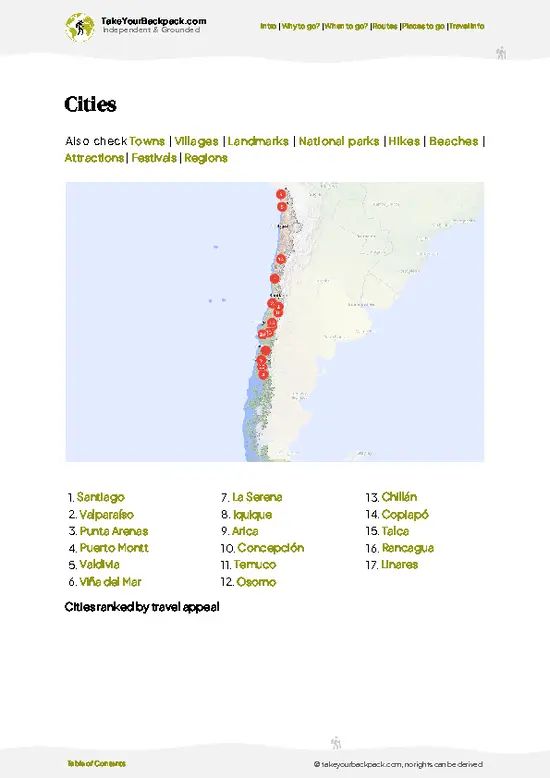
  • La Serena—colonial squares, Pacific beaches, astronomical observatories| 296 km away
  • Antofagasta—mineral exports, rocky shoreline, industrial port| 413 km away
  • Calama—copper mines, desert plateau, gateway to Atacama| 564 km away

💡 Not sure where to go next?
Create a personalized itinerary for Chile including Copiapó and the places that fit your trip.

Generate my itinerary

👉 Discover all cities

Or checkout all Chile has to offer (think cities, towns, villages, national parks, hikes, beaches, festivals)
Country photo of Chile

We 💚 feedbackWhat to keep in mind

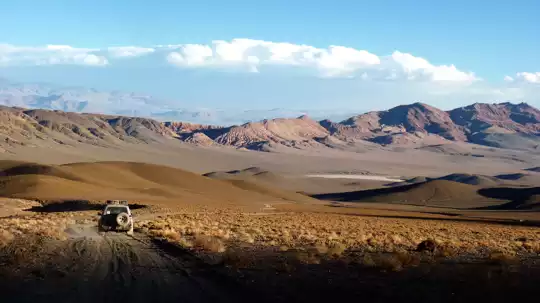
Copiapó is a gateway to the Atacama Desert’s surreal landscapes. The salt flats and valleys are jaw-dropping, offering a unique backdrop for adventure. But be ready for the heat; it can be relentless. Hydration is key, and comfort might take a hit. Still, the experience? Totally worth it.

✈️ When did I visit Chile?
I have visited Chile, together with Argentina, in September 2012.

✍️ Help improve this page!
The information on this page is based on my own backpacking experience in Chile, supplemented with up-to-date research and feedback from other travelers. Travel details can change, so if you notice anything outdated or incomplete, feel free to let me know.


🙋‍♂️ Give feedback

👋 Meet the founderWho’s Behind Take Your Backpack?

Johan, backpacker and founder of TakeYourBackpackHi, I’m Johan (Netherlands 🇳🇱), the creator of TakeYourBackpack. Over the past decade, I’ve backpacked through 80+ countries across six continents, gaining extensive experience with independent travel, long-term trips, and overland routes.

This site is built on a combination of firsthand travel experience and carefully curated insights from other backpackers. Many guides are based on places I’ve personally visited, while others bring together tips, observations, and practical advice shared by trusted travelers I’ve met along the way.

The goal is to provide realistic, experience-driven guidance — not generic itineraries — so you can explore destinations with better context, clearer expectations, and more confidence.

Get full Chile guide •
Instant download • 120 highlights • Full Offline guide