
×

Chile🇨🇱 | townsLicán RayBlack-sand beach, fish grills, Calafquén kayaking, Villarrica lookout | things to do and best time to go

Explore VillarricaExplore Puerto Aysén

Backpacking in Licán Ray
👍 Recommendedtown ranked #11
By Johan Kruseman 🇳🇱 | Updated October 19, 2026

Licán Ray sits on Lake Calafquén, yet its black volcanic sand beach and the lake’s warm shallows make it one of the few places in Chile’s Lakes District where you can actually swim in summer. The town lies in the Araucanía region of Chile, and a conflict with my own plans taught me something: I arrived in January without a bed booked, and the hostels were full. Demand spikes because the grid of streets is tiny and everything sits within ten minutes’ walk. Volcán Villarrica looms over the water, and fried fish from the costanera is the reward. Evenings are social but low-key, and the lake’s end-of-day glow over the pier is the last thing you see.

Discover everything you want to know in the 📖 Chile Travel Guide.


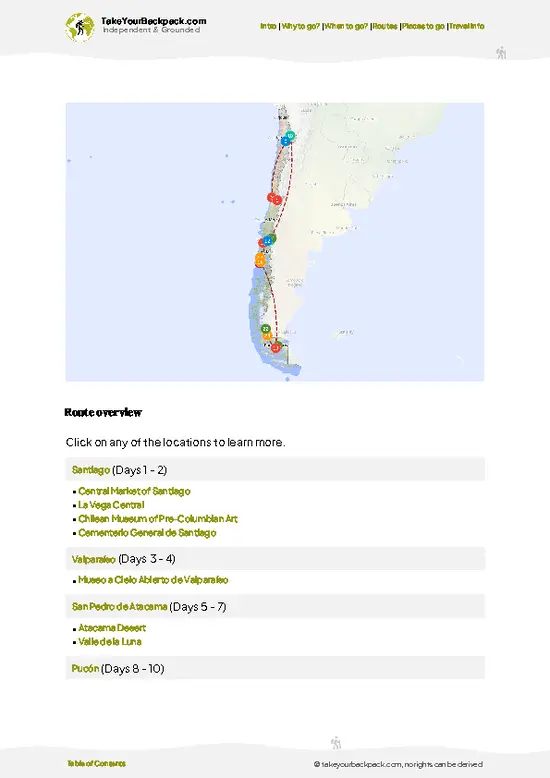
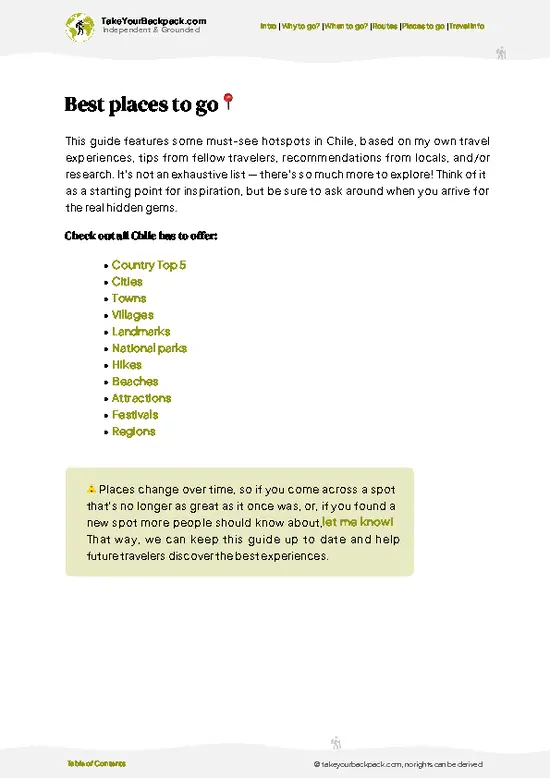
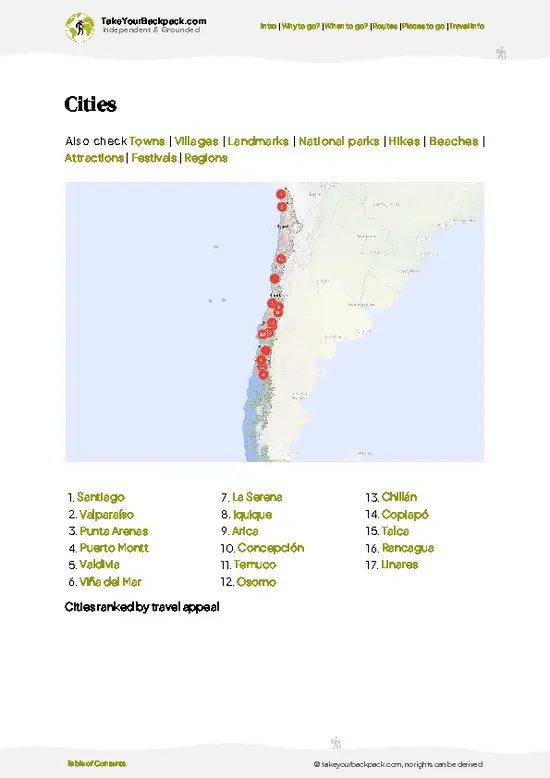
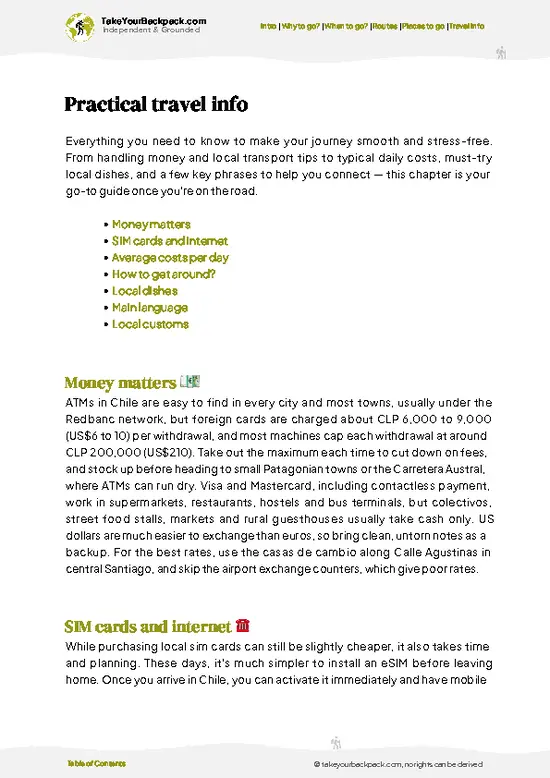
example page 0 from our offline Travel Guide for Chile
example page 1 from our offline Travel Guide for Chile
example page 2 from our offline Travel Guide for Chile
example page 3 from our offline Travel Guide for Chile
example page 4 from our offline Travel Guide for Chile
example page 5 from our offline Travel Guide for Chile
example page 6 from our offline Travel Guide for Chile
example page 7 from our offline Travel Guide for Chile
Loading the map 🌍
CLICK TO FILTER
cities
towns
villages
landmarks
national parks
hikes
beaches
attractions
festivals
regions
SHOW COUNTRY’S BESTSHOW ALL

✨ Why go?
Ranked #11 town in Chile
What sets this place apart

Licán Ray works because it gives you a lake town without the polish of Pucón. Most travelers stay two or three days, long enough to swim off the black sand beach, hike or kayak on Calafquén, and visit nearby Mapuche communities. Hostels and cabañas are small and family run, so meeting other backpackers happens naturally at the costanera grills or on the beach. The main street, General Urrutia, has crafts stalls and simple restaurants serving fresh trout and empanadas. It suits slow travelers, small groups and solo travelers who want a calm base rather than a party. In high summer it fills with Chilean families and gets loud; outside it, the town is quiet and easy.

💡 HighlightsWhat this place is best known for

  1. Playa Grande: the long black volcanic sand beach is the town’s signature. Go on a clear summer afternoon for swimming. Free, allow 1 to 3 hours.
  2. Costanera and Avenida Manquel: the lakefront strip of fish grills, ice cream and craft stalls. Evenings are liveliest. Free to walk, meals cost US$8 to 15, about 1 to 2 hours.
  3. Mirador Cerro Cuerno: a short hill climb above town with views across Calafquén to Volcán Villarrica. Go in the morning for clearer air. Free, about 1 to 1.5 hours.
  4. Peninsula and pier area: the small peninsula (Península de Licán Ray) and pier are good for sunset walks and watching local boats. Free, about 45 minutes.
  5. Kayak or boat outing on Lago Calafquén: rentals on the beach let you paddle toward the lake’s islands on calm mornings, when winds are lighter. Expect roughly US$10
… read more 👉
  1. Playa Grande: the long black volcanic sand beach is the town’s signature. Go on a clear summer afternoon for swimming. Free, allow 1 to 3 hours.
  2. Costanera and Avenida Manquel: the lakefront strip of fish grills, ice cream and craft stalls. Evenings are liveliest. Free to walk, meals cost US$8 to 15, about 1 to 2 hours.
  3. Mirador Cerro Cuerno: a short hill climb above town with views across Calafquén to Volcán Villarrica. Go in the morning for clearer air. Free, about 1 to 1.5 hours.
  4. Peninsula and pier area: the small peninsula (Península de Licán Ray) and pier are good for sunset walks and watching local boats. Free, about 45 minutes.
  5. Kayak or boat outing on Lago Calafquén: rentals on the beach let you paddle toward the lake’s islands on calm mornings, when winds are lighter. Expect roughly US$10 to 20 per hour, 1 to 2 hours.
Day trips from town include Coñaripe’s hot springs, Villarrica and Pucón, and Lago Panguipulli. All five highlights together fit comfortably into one full day.
Spotted a mistake or missing something? Contact us.

Things to do near Licán Ray

Ratings based on Tripadvisor reviews. When you book through this link, you support our work at no extra cost to you.

🏘️ NeighborhoodsWhere things are and how it's laid out

Licán Ray is small enough to cover on foot in an afternoon, and its areas differ mainly by how close they sit to Lake Calafquén.
  • Costanera and Beach: The lakefront strip has dark volcanic sand, a flat promenade and the town’s main cluster of grilled-fish and sandwich stands. Everything here faces the water because the lake is the whole reason for the town, so you get Volcán Villarrica on the horizon with your lunch.
  • Urrutia and Main Street: The commercial spine runs inland from the lake, lined with bakeries, minimarkets, ATMs, and craft stalls selling wool and carved wood. It is busiest on summer evenings, when the pedestrian flow makes it the easiest place to find dinner and a cold beer.
  • Peninsula and Mirador: A short walk east, the road climbs a wooded rise toward viewpoints over the lake and
… read more 👉
Licán Ray is small enough to cover on foot in an afternoon, and its areas differ mainly by how close they sit to Lake Calafquén.
  • Costanera and Beach: The lakefront strip has dark volcanic sand, a flat promenade and the town’s main cluster of grilled-fish and sandwich stands. Everything here faces the water because the lake is the whole reason for the town, so you get Volcán Villarrica on the horizon with your lunch.
  • Urrutia and Main Street: The commercial spine runs inland from the lake, lined with bakeries, minimarkets, ATMs, and craft stalls selling wool and carved wood. It is busiest on summer evenings, when the pedestrian flow makes it the easiest place to find dinner and a cold beer.
  • Peninsula and Mirador: A short walk east, the road climbs a wooded rise toward viewpoints over the lake and its small islands. It is quiet and shaded, and the payoff is a panorama with almost no crowds.
  • Back Streets Uphill: Residential lanes with unpaved stretches hold local almuerzo spots and cheap bakeries. They are steep enough to feel in your legs, and prices are lower than on the waterfront.

⌛️ 1 daySeeing the highlights in 24 hours

A slow lake day, built around water and short walks.
8:30 AM: Avenida Manquel Start with coffee and a pastry on the main street, then watch the craft stalls open. It is a short stroll downhill to the lake.
10:00 AM: Playa Grande Walk the black sand and swim or paddle while the water is calmest. Rent a kayak if you want to go out further.
12:30 PM: Costanera Eat fried fish or a trout plate at one of the lakeside grills. Stay for a long, easy lunch with the volcano in view.
3:00 PM: Mirador Cerro Cuerno Climb the short trail for a wide view over the lake. Take water and go slowly.
5:30 PM: Peninsula and pier Walk the quieter peninsula side, away from the beach crowds, where fishers work and locals sit. It is the least visited stretch of town.
7:30 PM: Back on the costanera Finish with ice cream and a drink as the lights come on.

🌤️ When to go?Seasonal considerations and timing

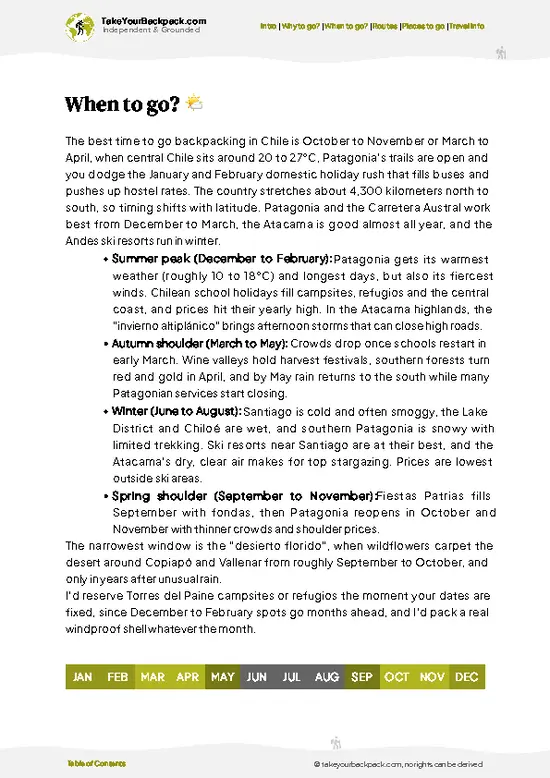
January and February are the warmest and busiest months, and lake swimming only really works then.
  • Summer (Dec to Feb): Highs reach 22 to 27°C (72 to 81°F), days are long, and beds and cabins cost the most, with crowds along the beach.
  • Autumn (Mar to May): Temperatures of 12 to 20°C (54 to 68°F), quieter streets and falling prices, though rain begins to build.
  • Winter (Jun to Aug): Cold and wet at 3 to 10°C (37 to 50°F), short days, many businesses shut, and Villarrica often hides in cloud.
  • Spring (Sep to Nov): Mild at 8 to 17°C (46 to 63°F) with changeable weather and thin crowds.
Book ahead for the first two weeks of January, when beds fill fastest.

source: climatestotravel.comJANJanuary: excellent for travelingFEBFebruary: excellent for travelingMARMarch: highly recommended for travelingAPRApril: good for travelingMAYMay: fair for travelingJUNJune: below average for travelingJULJuly: below average for travelingAUGAugust: below average for travelingSEPSeptember: good for travelingOCTOctober: highly recommended for travelingNOVNovember: highly recommended for travelingDECDecember: excellent for traveling
when-to-go

✈️ The backpacker research shortcutChile Travel Guide

An offline-friendly backpacking guide with optimized travel routes, ranked highlights, transport advice, and the best areas to stay.
example page 0 from our offline Travel Guide for Chile
example page 1 from our offline Travel Guide for Chile
example page 2 from our offline Travel Guide for Chile
example page 3 from our offline Travel Guide for Chile
example page 4 from our offline Travel Guide for Chile
example page 5 from our offline Travel Guide for Chile
example page 6 from our offline Travel Guide for Chile
example page 7 from our offline Travel Guide for Chile
The digital guide (333 pages) contains:
✅ 107 highlights, ranked by travel appeal
✅ Optimized 7, 14 & 21-day travel routes
✅ Cities, national parks, landmarks, beaches
✅ How to get around
✅ Offline-friendly for travel without Wi-Fi
👉 Click to see all 30+ guide features

📅 Plan smarter in minutes, not weeks
✅ Month by month travel advice
✅ Festivals & national holidays
✅ Budget expectations

🗺️ Go to the right places, skip the overrated ones
✅ Honest pros & cons of destinations
✅ Top hikes, parks & viewpoints
✅ Lesser-known places most travelers miss
✅ Clear “worth it vs skip it” guidance

🛏️ Travel smoothly without rookie mistakes
✅ Best areas to stay
✅ Transport systems explained simply
✅ Common scams & safety advice
✅ SIM cards, money & practical tips

🌍 Understand the country, not just visit it
✅ Culture & traditions
✅ 52 Essential phrases & customs
✅ Festivals worth planning around
✅ Traveler-friendly historical context
✅ Insights that make places more meaningful

📱 Built for real travel conditions
✅ Fully downloadable PDF
✅ Works completely offline
✅ Optimized for phone use
✅ Useful in remote areas & buses
✅ Everything in one place
Stop searching, start planning
Get instant access to your full guide. 30‑day money-back guarantee.
+ Add another guide for just

By proceeding you agree to our terms.
Sent to your inbox immediately after payment • 100% Secure Checkout
Best Backpacking Travel Advisor 2025 tourism awardBest Backpacking
Travel Advisor
2025
What others say about Take Your Backpack Guides:
⭐⭐⭐⭐⭐
Fantastic, amazing amount of information!
⭐⭐⭐⭐⭐
My goodness this is amazing, it's what I've been looking for hats off too you!
⭐⭐⭐⭐⭐
I think this is absolutely BRILLIANT
⭐⭐⭐⭐
Very complete and informative. It's still missing places, but I gotta to commend you
⭐⭐⭐⭐⭐
This is truly amazing, thank you, can't wait to explore it with my kids!
⭐⭐⭐⭐⭐
Awesome resource, thank you!
⭐⭐⭐⭐⭐
This is amazing! Can't wait to explore the ones I haven't seen
⭐⭐⭐⭐
I love this! Well done, great idea.
⭐⭐⭐⭐⭐
Thanks for taking the time to make this gem!
⭐⭐⭐⭐⭐
This might be the best website I've ever seen.
⭐⭐⭐⭐⭐
Congratulations, and thank you so much for your work; it's incredibly valuable.
⭐⭐⭐⭐
In all seriousness I think you did a great job pointing out the important spots
⭐⭐⭐⭐⭐
10/10 very good
⭐⭐⭐⭐⭐
As someone who's only just starting to visit regularly this is awesome, thank you.
⭐⭐⭐⭐
Thank you very much! I'm going to visit my dad, it's going to be very useful!
⭐⭐⭐⭐⭐
This is really cool! We'll be travelling for the first time and this definitely come in handy.
⭐⭐⭐⭐⭐
You are now our minister of culture, congratulations 👨‍💼
⭐⭐⭐⭐⭐
Just wanted to tell you that this is a pearl! Going to follow your recommendations.
⭐⭐⭐⭐⭐
This is so cool. I'll definitely be using the resource for my travels soon.
⭐⭐⭐⭐⭐
This is very impressive! Good work.
⭐⭐⭐⭐⭐
This is an amazing and informative site. Very well done!

🛏️ Where to stay?Where staying makes the most sense

The area within a few blocks of Urrutia street and the lakefront is the best choice for a budget bed. It holds most of the hostels, guesthouses and campsites, plus the bus stops, supermarkets and ATMs. Dorm beds are scarce compared with Pucón, so many backpackers use simple rooms, cabins or camping, which cost about US$10 to 25 per person in summer. The downside is noise: summer nights near the beach and main street run late, with music and crowds until after midnight.

The quieter residential streets uphill from the center suit lighter sleepers. You walk 5 to 10 minutes to the lake and food, … read more 👉
The area within a few blocks of Urrutia street and the lakefront is the best choice for a budget bed. It holds most of the hostels, guesthouses and campsites, plus the bus stops, supermarkets and ATMs. Dorm beds are scarce compared with Pucón, so many backpackers use simple rooms, cabins or camping, which cost about US$10 to 25 per person in summer. The downside is noise: summer nights near the beach and main street run late, with music and crowds until after midnight.

The quieter residential streets uphill from the center suit lighter sleepers. You walk 5 to 10 minutes to the lake and food, and the streets are calm and well used by locals at night. Prices dip there, and some places offer kitchens, which saves money. Book early for January and February, since the town fills up, and in winter many places close, leaving fewer options.

🚌 Getting aroundGetting around like a local

The costliest error is arriving in Licán Ray from Santiago and assuming a direct bus exists, when most routes run through Villarrica or Pucón and you then change onto a local bus. Plan on that transfer and you avoid a wasted afternoon in a terminal. Once you are in town, everything sits within about 15 minutes on foot, and traffic only clogs on summer weekend evenings.
  • Walking: Free and fastest. The lakefront, main street and peninsula viewpoints are all flat or gently sloping, and you pass bakeries and stalls on every block.
  • Regional buses from Villarrica: Local companies run about every 30 to 60 minutes in summer, taking 1 hour to 1 hour 15 minutes for roughly US$2 to 3. Frequencies drop in winter and the last services leave in the early evening, so check the final departure.
  • Colectivos and
… read more 👉
The costliest error is arriving in Licán Ray from Santiago and assuming a direct bus exists, when most routes run through Villarrica or Pucón and you then change onto a local bus. Plan on that transfer and you avoid a wasted afternoon in a terminal. Once you are in town, everything sits within about 15 minutes on foot, and traffic only clogs on summer weekend evenings.
  • Walking: Free and fastest. The lakefront, main street and peninsula viewpoints are all flat or gently sloping, and you pass bakeries and stalls on every block.
  • Regional buses from Villarrica: Local companies run about every 30 to 60 minutes in summer, taking 1 hour to 1 hour 15 minutes for roughly US$2 to 3. Frequencies drop in winter and the last services leave in the early evening, so check the final departure.
  • Colectivos and shared taxis: These shared taxis run on routes toward Coñaripe and Villarrica for about US$2 to 5 per seat. They are quicker than buses and let you reach thermal-spring roads with lake views.
  • Taxis: A short in-town ride costs roughly US$3 to 6, and longer trips to hot springs run US$20 to 40 one way. They are handy after dark or with a heavy pack.
  • Bicycle rental: Bikes cost about US$10 to 15 a day in summer and suit the flat lakeshore roads. You will hear the lapping lake and smell wood smoke along the way.

👛 Costs (as of 19 October 2026)How expensive it really is

Expect to spend about US$75 a day in Licán Ray in high season, with prices dropping outside summer.
CategoryBudget RangeLocal Reality
Dorm accommodationUS$15 to 30Dorm beds are limited, so simple rooms or camping fill in. Summer prices peak.
MealsUS$15 to 25Fixed-price lunch menus cost about US$6 to 10, and bakery snacks fill the gaps.
Local transportUS$2 to 6Colectivos and buses to nearby towns cost a few dollars, and the town is walkable.
Basic activities/entry feesUS$5 to 15Beach and viewpoints are free, while boat rides and bike rentals cost extra.
Miscellaneous expensesUS$5 to 10Snacks, laundry and craft souvenirs. Pay in Chilean pesos.
Total Daily BudgetUS$42 to 86About US$75 using the high-season beds and typical spending.
Cook in a hostel or cabin kitchen and buy bread and produce at the minimarkets on the main street to cut food costs.

source: chile.travel
⚠️ Prices can change and everyone travels differently, so take this as a rough guide. Hope it helps you plan your adventure!

🚌 Day tripsShort trips worth adding

Licán Ray works well as a base for day trips because buses and colectivos radiate to nearby lakes, hot springs and towns.
Villarrica and Pucón: Pucón offers volcano views, lake beaches and an outdoor-sports scene. Buses via Villarrica take about 1.5 to 2 hours, costing US$4 to 7 each way. Go in summer for the best weather, and leave by mid-afternoon to catch the last bus back.
👉 Explore Pucón
Coñaripe and Termas Geométricas: A bus or colectivo along the lake takes about 30 to 40 minutes to Coñaripe, the starting point for several hot springs. Geometric pools sit in a forested ravine, with entry around US$40 to 50 and a taxi ride on top. Book in advance, since many first-timers arrive without a slot in peak season.

Lago Calafquén islands: Boat trips from the shore visit small islands with Mapuche … read more 👉
Licán Ray works well as a base for day trips because buses and colectivos radiate to nearby lakes, hot springs and towns.
Villarrica and Pucón: Pucón offers volcano views, lake beaches and an outdoor-sports scene. Buses via Villarrica take about 1.5 to 2 hours, costing US$4 to 7 each way. Go in summer for the best weather, and leave by mid-afternoon to catch the last bus back.
👉 Explore Pucón
Coñaripe and Termas Geométricas: A bus or colectivo along the lake takes about 30 to 40 minutes to Coñaripe, the starting point for several hot springs. Geometric pools sit in a forested ravine, with entry around US$40 to 50 and a taxi ride on top. Book in advance, since many first-timers arrive without a slot in peak season.

Lago Calafquén islands: Boat trips from the shore visit small islands with Mapuche history and quiet coves. A short trip costs roughly US$10 to 20 and takes 1 to 2 hours. Calm summer mornings give the smoothest water.

Panguipulli: This lakeside town is known for its cafes and calm streets. It takes around 1.5 to 2 hours by bus with a connection, so budget US$6 to 10 round trip. Check the return schedule before going.

🛡️ SafetyTraveler Safety Guide

Licán Ray is a low-crime lakeside town, and the common problems are petty. In summer the beach and main street get crowded, so keep phones and cameras out of back pockets and never leave bags unattended on the sand. Parked cars with visible belongings attract break-ins, so stash gear in the trunk or your lodging. Walking at night along the center is normal, but the dark back streets and the peninsula road are best avoided alone late. Solo travelers, including women, generally report few issues. Lake currents and cold water can surprise swimmers, so stay near the shore. Volcanic activity near Villarrica is monitored, and local alerts are posted.

FAQFrequently asked questions about Licán Ray

Licán Ray is worth a stop of its own if you like lakes and an easygoing atmosphere. You get a dark-sand beach on Lago Calafquén, views toward Volcán Villarrica and cheap grilled fish, with Pucón about 1.5 to 2 hours away for more active plans. It is quiet outside summer, so go in January or February for the liveliest scene.
Two to three days is enough in Licán Ray to enjoy the beach, the peninsula viewpoints and a hot-spring excursion. A third day lets you add a boat trip on Lago Calafquén or a ride to Coñaripe, about 30 to 40 minutes away. Stay longer in summer only if you want to relax by the lake.
Licán Ray can be done as a day trip from Villarrica, about 1 to 1.25 hours by bus for roughly US$2 to 3 each way. From Pucón you need about 1.5 to 2 hours and a connection. A day gives time for the beach and lunch, but you miss the calm evenings and must watch the last bus back.
⚠️ Things can change over time, so always validate details locally before you go.

Other Chilean towns near Licán Ray

Explore more nearby:

  • Villarrica—Lake promenade, Mapuche museum, volcano gateway| 23 km away
  • Pucón—Villarrica summit climb, lakeside black sand, adventure outfitters, Mapuche crafts| 29 km away
  • Frutillar—Lakeside concert hall, German settler park, kuchen teahouses, volcano views| 196 km away

💡 Not sure where to go next?
Create a personalized itinerary for Chile including Licán Ray and the places that fit your trip.

Generate my itinerary

👉 Discover all towns

Or checkout all Chile has to offer (think cities, towns, villages, national parks, hikes, beaches, festivals)
Country photo of Chile

We 💚 feedbackIs it worth it?

Licán Ray pairs best with Pucón or Coñaripe on a Lakes District loop, using it as the quiet lake stop between the busier adventure towns. I would book a bed early in January and February and swing through in shoulder months instead if you can.

✈️ When did I visit Chile?
I have visited Chile, together with Argentina, in September 2012.

✍️ Help improve this page!
The information on this page is based on my own backpacking experience in Chile, supplemented with up-to-date research and feedback from other travelers. Travel details can change, so if you notice anything outdated or incomplete, feel free to let me know.


🙋‍♂️ Give feedback

👋 Meet the founderWho’s Behind Take Your Backpack?

Johan, backpacker and founder of TakeYourBackpackHi, I’m Johan (Netherlands 🇳🇱), the creator of TakeYourBackpack. Over the past 3 decades, I’ve backpacked through 90+ countries across six continents, gaining extensive experience with independent travel, long-term trips, and overland routes.

This site is built on a combination of firsthand travel experience and carefully curated insights from other backpackers. Many guides are based on places I’ve personally visited, while others bring together tips, observations, and practical advice shared by trusted travelers I’ve met along the way.

The goal is to provide realistic, experience-driven guidance — not generic itineraries — so you can explore destinations with better context, clearer expectations, and more confidence.