×

China🇨🇳 | citiesGuilinkarst peaks, Li River, rural villages | things to do and best time to go

Explore Fenghuang Ancient TownExplore Hangzhou

Backpacking in Guilin
🏆 Top pickcity ranked #6
By Johan Kruseman 🇳🇱 | Updated June 15, 2026

Most people only realize on the way out that Guilin is less a “city destination” and more a launchpad that makes the whole Guangxi region dramatically easier and cheaper to explore. It sits in southern China, in northern Guangxi province, plugged into a web of trains, buses, and river boats that fan out to Yangshuo, Longji rice terraces, and smaller karst towns. As a backpacker stop, Guilin itself is…fine: a few lakes and pagodas lit up at night, a couple of caves, some pedestrian streets, but the real payoff is how efficiently you can move through the landscape from here. It’s safe, walkable, and cheaper than big hitters like Guangzhou or Shenzhen, but less social and polished than Yangshuo. Think: one or two nights to get your bearings, meet a few travelers in hostels, then escape to the countryside.

Discover everything you want to know in the 📖 China Travel Guide.


Get your China guide
139 ranked highlights, routes & tips, works offline (496 pages)
Loading the map 🌍
CLICK TO FILTER
cities
towns
landmarks
national parks
hikes
beaches
attractions
festivals
regions
SHOW COUNTRY’S BESTSHOW ALL

✨ Why go?
Ranked #6 city in China
Reasons people choose to visit here

Guilin is a strategic hub for backpackers, offering a blend of affordability and accessibility that makes it hard to resist. The city is a basecamp for day trips to stunning landscapes, but it also has its own charm. You’ll find a variety of hostels that cater to different budgets, from social spots buzzing with fellow travelers to quieter retreats for solo explorers.

The food scene is a delightful mix of local flavors and international options, ensuring you can refuel without breaking the bank. Plus, the city is incredibly walkable, allowing you to soak in the atmosphere without the hassle of public transport. When the sun sets, the nightlife offers everything from laid-back bars to lively clubs, keeping the energy high.

Guilin also serves as a convenient stop for onward travel to other … read more 👉
Guilin is a strategic hub for backpackers, offering a blend of affordability and accessibility that makes it hard to resist. The city is a basecamp for day trips to stunning landscapes, but it also has its own charm. You’ll find a variety of hostels that cater to different budgets, from social spots buzzing with fellow travelers to quieter retreats for solo explorers.

The food scene is a delightful mix of local flavors and international options, ensuring you can refuel without breaking the bank. Plus, the city is incredibly walkable, allowing you to soak in the atmosphere without the hassle of public transport. When the sun sets, the nightlife offers everything from laid-back bars to lively clubs, keeping the energy high.

Guilin also serves as a convenient stop for onward travel to other destinations in China, making it a smart choice for those looking to maximize their time. Whether you stay a few days or just overnight, this city fits seamlessly into your backpacking route.
Want to include Guilin in your China route?
Create a personalized China itinerary that includes Guilin and the places that fit your trip — based on your travel style, budget, and available time. Get your route in seconds.

Generate my trip

💡 HighlightsKey sights and experiences for travelers

  • Elephant Trunk Hill (Xiangbishan) — Guilin’s postcard: a natural rock that looks like an elephant drinking from the Li River. Great for photos, short climbs, and the viewpoint where the river makes that classic karst silhouette.
  • Reed Flute Cave (Ludiyan) — A surprisingly theatrical limestone cave with stalactites and stalagmites lit in soft colors. It’s touristy but genuinely impressive and explains a lot about the region’s karst underpinnings.
  • Two Rivers and Four Lakes — A linked series of inner-city waterways and lakes you can walk or boat around. Evening lights and riverside bars/teahouses make it a lovely, relaxed way to feel Guilin’s rhythm after dark.
  • Sun and Moon Pagodas (Riyue Shuangta) — Twin glazed pagodas set on the water in Shanhu/Mulong Lake, lit up at night and reachable
read more 👉
  • Elephant Trunk Hill (Xiangbishan) — Guilin’s postcard: a natural rock that looks like an elephant drinking from the Li River. Great for photos, short climbs, and the viewpoint where the river makes that classic karst silhouette.
  • Reed Flute Cave (Ludiyan) — A surprisingly theatrical limestone cave with stalactites and stalagmites lit in soft colors. It’s touristy but genuinely impressive and explains a lot about the region’s karst underpinnings.
  • Two Rivers and Four Lakes — A linked series of inner-city waterways and lakes you can walk or boat around. Evening lights and riverside bars/teahouses make it a lovely, relaxed way to feel Guilin’s rhythm after dark.
  • Sun and Moon Pagodas (Riyue Shuangta) — Twin glazed pagodas set on the water in Shanhu/Mulong Lake, lit up at night and reachable by short boat rides or the pedestrian paths. The riverside reflections are worth the visit alone.
  • Seven Star Park (Qixing Park) — Huge urban park with karst peaks, caves, a river valley, and a modest zoo. It’s where locals picnic, climb little peaks, and you can explore quieter trails away from the main tourist traps.
  • Fubo Hill (Fubo Shan) — A compact hill with a cave, stone inscriptions and a steep stair to a summit with a clean view down the Li River. Less crowded than Elephant Trunk Hill but just as rewarding for a short climb.
  • Diecai Hill (Folded Brocade Hill) — A small rocky outcrop beside the river with steps, pavilions and one of the best classic camera angles of Guilin’s river-and-peak combo. Short, steep walk; great at sunrise or late afternoon light.
  • Jingjiang Princes’ City & Solitary Beauty Peak — The Ming-dynasty princely compound and its parked-up hill (with a small temple) give a sense of Guilin’s historical backbone beyond just scenery—good architecture, gates and a calm climb.
  • Guilin Museum — Compact, well-curated museum covering local history, ethnic minority artifacts and karst geology. Free or very cheap entry; useful context for everything you’ll see around the city.
  • Zhengyang Pedestrian Street & local food stalls — The best place to sample Guilin’s street life and real food (start with a bowl of Guilin rice noodles). Noisy, messy, and authentic—perfect for late-afternoon wandering and cheap eats.
Nearby day-trip highlights include Yangshuo (famous karst countryside and cycling), the Longji/Dragon’s Backbone Rice Terraces near Longsheng, and the riverside Daxu Ancient Town—my personal favorite for scenery and atmosphere is the Longji terraces.
Spotted a mistake or missing something? Contact us.

Things to do in Guilin

Ratings based on Tripadvisor reviews. When you book through this link, you support our work at no extra cost to you.

🏘️ NeighborhoodsUnderstanding the local layout

Guilin is a backpacker’s playground, where stunning landscapes meet vibrant culture. Each neighborhood offers a unique flavor, making it essential to choose wisely.

Yangshuo: This area is a must for outdoor enthusiasts. Known for its breathtaking karst mountains, it’s a hub for rock climbing and biking. Expect a lively vibe with plenty of hostels and budget eateries. Walkability is excellent, and you can easily explore the surrounding countryside. Nightlife is buzzing, with bars lining the streets. Perfect for both short and longer stays, but be ready for crowds.

Guilin City Center: The heart of the action. Here, you’ll find a mix of traditional and modern. It’s more urban, with shopping and dining options galore. Walkability is decent, but public transport is your best bet for longer distances. … read more 👉
Guilin is a backpacker’s playground, where stunning landscapes meet vibrant culture. Each neighborhood offers a unique flavor, making it essential to choose wisely.

Yangshuo: This area is a must for outdoor enthusiasts. Known for its breathtaking karst mountains, it’s a hub for rock climbing and biking. Expect a lively vibe with plenty of hostels and budget eateries. Walkability is excellent, and you can easily explore the surrounding countryside. Nightlife is buzzing, with bars lining the streets. Perfect for both short and longer stays, but be ready for crowds.

Guilin City Center: The heart of the action. Here, you’ll find a mix of traditional and modern. It’s more urban, with shopping and dining options galore. Walkability is decent, but public transport is your best bet for longer distances. Nightlife is quieter compared to Yangshuo, making it suitable for those seeking a more relaxed atmosphere. Ideal for short stays, especially if you want to dive into local culture.

Elephant Trunk Hill Area: This is where nature meets tranquility. The iconic hill offers stunning views and peaceful parks. It’s less touristy, making it perfect for those who want a break from the hustle. Walkability is good, and you can easily access nearby attractions. Nightlife is minimal, so it’s best for longer stays focused on relaxation and exploration.

⌛️ 1 daySeeing the highlights in 24 hours

Guilin, with its dramatic karst landscapes and winding rivers, is a feast for the senses. This city is a gateway to some of China’s most breathtaking scenery, but it also has a vibrant local culture that deserves exploration.

Start your morning at the iconic Elephant Trunk Hill. Arrive early to beat the crowds and soak in the serene atmosphere. The hill resembles an elephant drinking from the Li River, and the view from the top is worth the climb. Afterward, stroll through the nearby Zhengyang Pedestrian Street. Here, you can grab a local breakfast of rice noodles at a street vendor. The flavors are bold, and the energy of the locals will set a positive tone for your day.

In the afternoon, head to the Reed Flute Cave, a short ride away. This natural wonder is often overlooked by tourists, … read more 👉
Guilin, with its dramatic karst landscapes and winding rivers, is a feast for the senses. This city is a gateway to some of China’s most breathtaking scenery, but it also has a vibrant local culture that deserves exploration.

Start your morning at the iconic Elephant Trunk Hill. Arrive early to beat the crowds and soak in the serene atmosphere. The hill resembles an elephant drinking from the Li River, and the view from the top is worth the climb. Afterward, stroll through the nearby Zhengyang Pedestrian Street. Here, you can grab a local breakfast of rice noodles at a street vendor. The flavors are bold, and the energy of the locals will set a positive tone for your day.

In the afternoon, head to the Reed Flute Cave, a short ride away. This natural wonder is often overlooked by tourists, but its colorful stalactites and stalagmites are mesmerizing. It’s a bit of a trek, but the otherworldly beauty makes it a hidden treasure. After exploring, take a leisurely walk along the lakes in the city center, particularly the serene Seven Star Park. The park is spacious and offers a peaceful escape, perfect for unwinding.

As evening approaches, make your way to the vibrant Yangshuo West Street. This area buzzes with life, filled with shops and eateries. Treat yourself to a dinner of local specialties like beer fish, and don’t skip dessert—try the sweet, sticky rice dumplings.

Guilin may be small, but its charm lies in the balance of nature and culture. Spend your day savoring each moment, and you’ll leave with memories that linger long after you’ve returned home.
Turn your Guilin visit into an China adventure
Build a complete China route with Guilin, hidden gems, must-see destinations, and realistic travel times included.

Generate my trip

🌤️ When to go?Choosing the right time of year


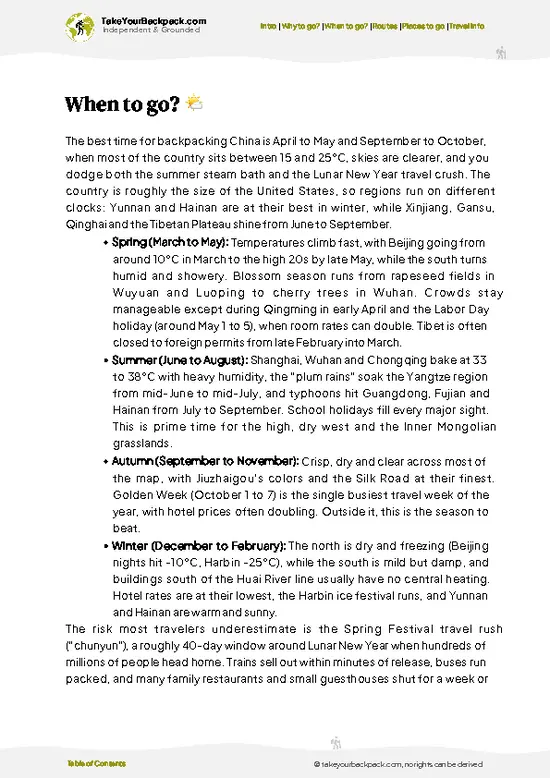
  • Topic: Weather – Guilin’s best weather lands in spring (April to June) and autumn (September to October). Temperatures hover between 15-25°C (59-77°F), avoiding the stifling summer heat and the damp chill of winter. Rainfall peaks in summer, making trails slippery and views foggy.

  • Topic: Temperature – Spring and autumn offer mild, comfortable temps perfect for hiking and river cruises. Winter can dip to 5°C (41°F), which is manageable but less pleasant for long days outdoors. Summer spikes above 30°C (86°F), often with high humidity.

  • Topic: Daylight Hours – Longer days from April to September provide up to 13-14 hours of light, maximizing your exploration window. Winter days shrink to about 10 hours, limiting daylight activities.

  • Topic: Crowds – Peak tourist season aligns with Chinese
read more 👉

  • Topic: Weather – Guilin’s best weather lands in spring (April to June) and autumn (September to October). Temperatures hover between 15-25°C (59-77°F), avoiding the stifling summer heat and the damp chill of winter. Rainfall peaks in summer, making trails slippery and views foggy.

  • Topic: Temperature – Spring and autumn offer mild, comfortable temps perfect for hiking and river cruises. Winter can dip to 5°C (41°F), which is manageable but less pleasant for long days outdoors. Summer spikes above 30°C (86°F), often with high humidity.

  • Topic: Daylight Hours – Longer days from April to September provide up to 13-14 hours of light, maximizing your exploration window. Winter days shrink to about 10 hours, limiting daylight activities.

  • Topic: Crowds – Peak tourist season aligns with Chinese holidays in May and October, swelling crowds and prices. Visiting just before or after these spikes means fewer people and a more authentic vibe.

  • Topic: Seasonal Activities – Spring brings blooming flowers and lush landscapes, while autumn offers clear skies and golden rice terraces. Summer’s heavy rains can disrupt outdoor plans, and winter is quiet but less scenic.

  • Topic: Price Fluctuations – Expect higher accommodation and transport costs during peak seasons (May, October). Shoulder seasons (late March, November) often have better deals without sacrificing much on weather or experience.


Pro-tip: Aim for late April or early October—sweet spots where weather, light, and crowd size align, letting you savor Guilin’s magic without paying a premium or battling the masses.


source: climatestotravel.comJANJanuary: fair for travelingFEBFebruary: fair for travelingMARMarch: good for travelingAPRApril: excellent for travelingMAYMay: highly recommended for travelingJUNJune: excellent for travelingJULJuly: fair for travelingAUGAugust: fair for travelingSEPSeptember: highly recommended for travelingOCTOctober: excellent for travelingNOVNovember: good for travelingDECDecember: fair for traveling
when-to-go

✈️ The backpacker research shortcutChina Travel Guide

An offline-friendly backpacking guide with optimized travel routes, ranked highlights, transport advice, and the best areas to stay.
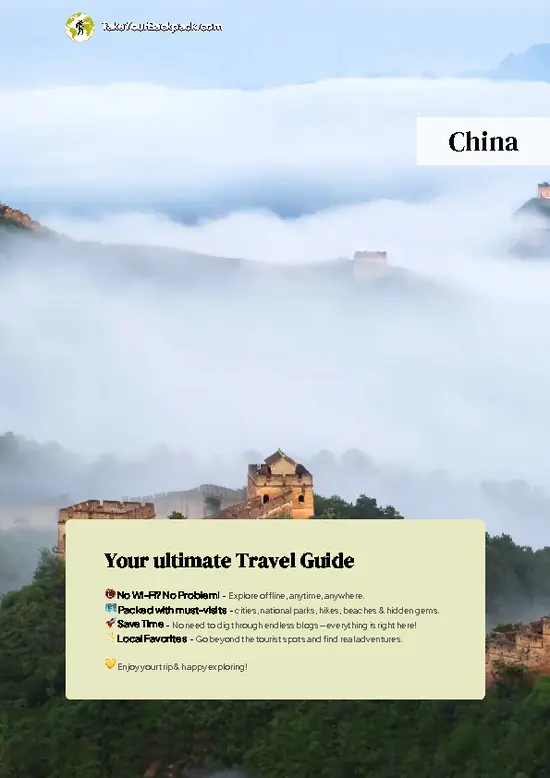
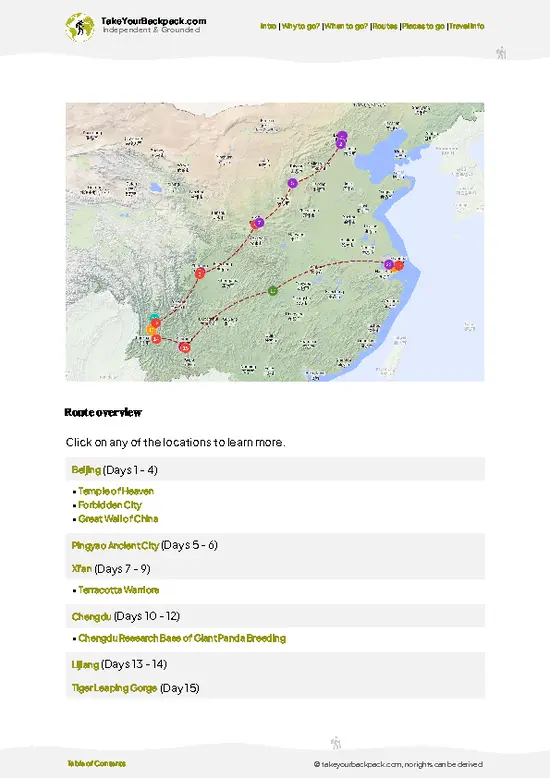
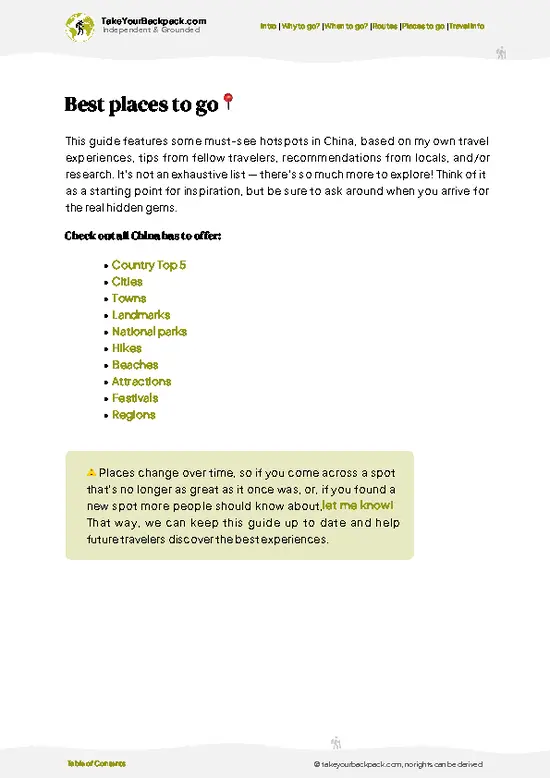
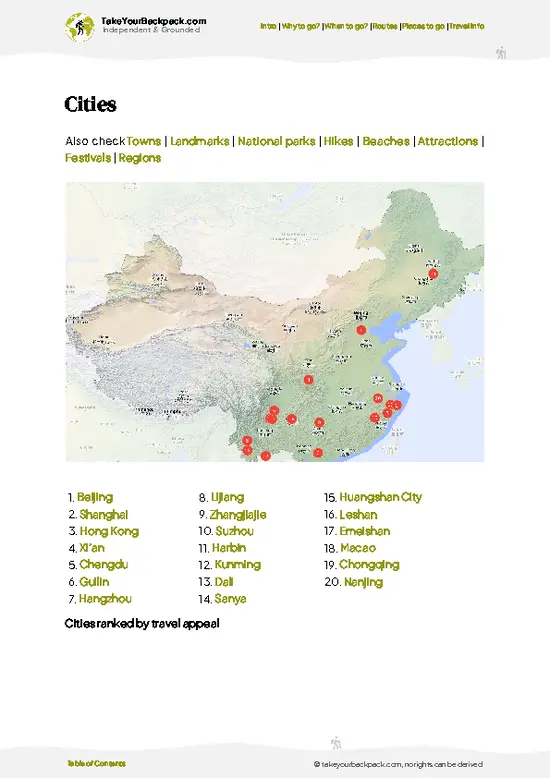
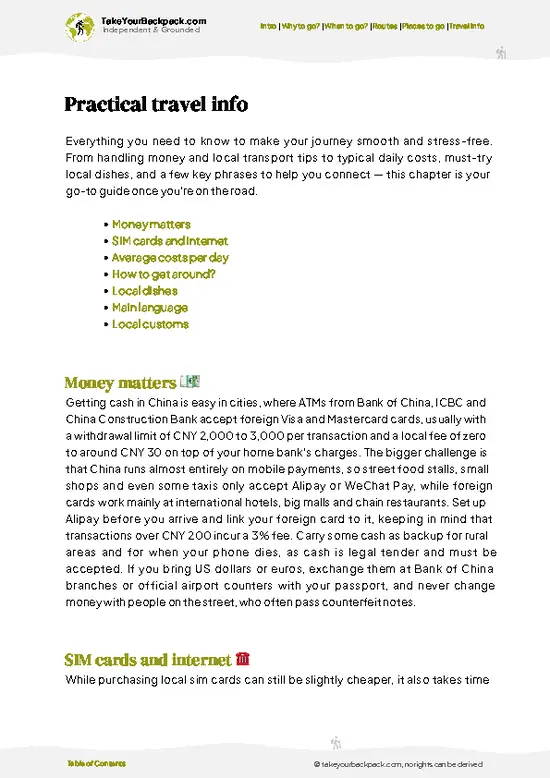
example page 0 from our offline Travel Guide for China
example page 1 from our offline Travel Guide for China
example page 2 from our offline Travel Guide for China
example page 3 from our offline Travel Guide for China
example page 4 from our offline Travel Guide for China
example page 5 from our offline Travel Guide for China
example page 6 from our offline Travel Guide for China
example page 7 from our offline Travel Guide for China
The digital guide (496 pages) contains:
139 highlights, ranked by travel appeal
Optimized 14, 21 & 30-day travel routes
Cities, national parks, landmarks, beaches
How to get around
Offline-friendly for travel without Wi-Fi
👉 Click to see all 30+ guide features

📅 Plan smarter in minutes, not weeks
Month by month travel advice
Festivals & national holidays
Budget expectations

🗺️ Go to the right places, skip the overrated ones
Honest pros & cons of destinations
Top hikes, parks & viewpoints
Lesser-known places most travelers miss
Clear “worth it vs skip it” guidance

🛏️ Travel smoothly without rookie mistakes
Best areas to stay
Transport systems explained simply
Common scams & safety advice
SIM cards, money & practical tips

🌍 Understand the country, not just visit it
Culture & traditions
52 Essential phrases & customs
Festivals worth planning around
Traveler-friendly historical context
Insights that make places more meaningful

📱 Built for real travel conditions
Fully downloadable PDF
Works completely offline
Optimized for phone use
Useful in remote areas & buses
Everything in one place
Save weeks of stressful planning
Get instant access to your full guide. 30‑day money-back guarantee.


By proceeding you agree to our terms.
Sent to your inbox immediately after payment • 100% Secure Checkout
Best Backpacking Travel Advisor 2025 tourism awardBest Backpacking
Travel Advisor
2025
What others say about Take Your Backpack Guides:
⭐⭐⭐⭐⭐
Fantastic, amazing amount of information!
⭐⭐⭐⭐⭐
My goodness this is amazing, it's what I've been looking for hats off too you!
⭐⭐⭐⭐⭐
I think this is absolutely BRILLIANT
⭐⭐⭐⭐
Very complete and informative. It's still missing places, but I gotta to commend you
⭐⭐⭐⭐⭐
This is truly amazing, thank you, can't wait to explore it with my kids!
⭐⭐⭐⭐⭐
Awesome resource, thank you!
⭐⭐⭐⭐⭐
This is amazing! Can't wait to explore the ones I haven't seen
⭐⭐⭐⭐
I love this! Well done, great idea.
⭐⭐⭐⭐⭐
Thanks for taking the time to make this gem!
⭐⭐⭐⭐⭐
This might be the best website I've ever seen.
⭐⭐⭐⭐⭐
Congratulations, and thank you so much for your work; it's incredibly valuable.
⭐⭐⭐⭐
In all seriousness I think you did a great job pointing out the important spots
⭐⭐⭐⭐⭐
10/10 very good
⭐⭐⭐⭐⭐
As someone who's only just starting to visit regularly this is awesome, thank you.
⭐⭐⭐⭐
Thank you very much! I'm going to visit my dad, it's going to be very useful!
⭐⭐⭐⭐⭐
This is really cool! We'll be travelling for the first time and this definitely come in handy.
⭐⭐⭐⭐⭐
You are now our minister of culture, congratulations 👨‍💼
⭐⭐⭐⭐⭐
Just wanted to tell you that this is a pearl! Going to follow your recommendations.
⭐⭐⭐⭐⭐
This is so cool. I'll definitely be using the resource for my travels soon.
⭐⭐⭐⭐⭐
This is very impressive! Good work.
⭐⭐⭐⭐⭐
This is an amazing and informative site. Very well done!

🛏️ Where to stay?How to pick the right area

In Guilin, the sweet spot for backpackers is the area around the Two Rivers and Four Lakes Scenic Area, especially near the pedestrian-friendly Zhongshan Middle Road. This neighborhood nails the balance between safety, social buzz, and budget options. It’s where you’ll find a cluster of hostels catering to solo travelers and small groups, making it easy to connect without the chaos of a party district. The vibe here is relaxed but lively enough to keep you engaged after a day of trekking or river cruises.

Compared to the quieter, more residential outskirts, this central zone offers instant access … read more 👉
In Guilin, the sweet spot for backpackers is the area around the Two Rivers and Four Lakes Scenic Area, especially near the pedestrian-friendly Zhongshan Middle Road. This neighborhood nails the balance between safety, social buzz, and budget options. It’s where you’ll find a cluster of hostels catering to solo travelers and small groups, making it easy to connect without the chaos of a party district. The vibe here is relaxed but lively enough to keep you engaged after a day of trekking or river cruises.

Compared to the quieter, more residential outskirts, this central zone offers instant access to key sights without the need for expensive taxis or long commutes. It’s a strategic choice: you sacrifice a bit of the ultra-cheap, off-the-beaten-path feel for convenience and a built-in social scene. On the flip side, areas like the Xiangshan Park neighborhood lean more toward local life and fewer backpackers, which means less socializing but a more authentic, slower pace.

Choosing the central lakeside area means you’re investing a little more in comfort and time saved, but you gain a network of fellow travelers and easy access to Guilin’s iconic landscapes. It’s a trade-off that pays off in both experience and efficiency.

🚌 Getting aroundHow to get around Guilin

Guilin moves at a pace that’s neither frantic nor sluggish—it’s a city where ancient rhythms meet modern hustle. You won’t find the rigid clockwork of a metropolis like Tokyo, nor the freewheeling chaos of a sprawling megacity. Instead, Guilin’s flow is a blend of predictable routines and flexible local intuition. Buses and taxis run on schedules, but expect a little wiggle room. Streets pulse with a steady stream of scooters, bikes, and pedestrians, all weaving through the limestone karst backdrop like a living puzzle. Understanding this flow means you can play the city’s transit game smart, choosing when to save time, when to save money, and when to grab a bit of comfort without breaking the bank.


  • Walking: Guilin’s compact downtown and riverside areas are best explored on foot. It’s
read more 👉
Guilin moves at a pace that’s neither frantic nor sluggish—it’s a city where ancient rhythms meet modern hustle. You won’t find the rigid clockwork of a metropolis like Tokyo, nor the freewheeling chaos of a sprawling megacity. Instead, Guilin’s flow is a blend of predictable routines and flexible local intuition. Buses and taxis run on schedules, but expect a little wiggle room. Streets pulse with a steady stream of scooters, bikes, and pedestrians, all weaving through the limestone karst backdrop like a living puzzle. Understanding this flow means you can play the city’s transit game smart, choosing when to save time, when to save money, and when to grab a bit of comfort without breaking the bank.


  • Walking: Guilin’s compact downtown and riverside areas are best explored on foot. It’s free, flexible, and lets you soak in the city’s texture—cobbled alleys, street vendors, and riverside views. Walking is slow but priceless for discovery, especially around the Two Rivers and Four Lakes area.


  • City Buses: The backbone of budget travel here. Fares hover around 1-2 RMB, with routes covering most tourist spots and neighborhoods. Buses start around 6:00 AM and run until 9:00 PM, but expect some variability in frequency. They’re slow during rush hours but unbeatable for cost-efficiency and local flavor.


  • Shared Electric Scooters: A modern twist on local transit. You can rent these via apps for about 1 RMB per 15 minutes. They’re faster than walking and more flexible than buses, perfect for short hops. Comfort is minimal—think open air and a bit of wind—but the speed and freedom make up for it.


  • Taxi: Starting fare is around 8 RMB, with rides averaging 2-3 RMB per kilometer. Taxis are plentiful and offer door-to-door comfort, especially useful if you’re carrying gear or traveling late. They’re faster than buses but costlier, so reserve them for when time or convenience trumps budget.


  • Long-Distance Bus Station Shuttle: If you’re arriving or departing by bus, the shuttle connects the station to central Guilin for about 10 RMB. It runs roughly from 7:00 AM to 7:00 PM. It’s a no-frills, budget-friendly way to bridge the gap between long-haul travel and city exploration.


Mastering Guilin’s transit means balancing these options like a chess game. Walk when you want to dive deep into the city’s soul. Hop on a bus to stretch your budget across more ground. Grab a scooter for quick, flexible bursts of movement. And call a taxi when comfort or time is your priority. Each choice is a trade-off—your ticket to controlling the tempo of your adventure.

👛 Costs (as of 31 January 2025)How expensive it really is

Backpacking in Guilin, China, offers a clear trade-off between time, money, and comfort, and knowing the daily costs helps you play that trade-off game smartly.
  • Dorm Accommodation (High Season): Expect to pay around $8 to $12 per night for a bed in a shared dorm during peak tourist months. These places are basic but clean, often with free Wi-Fi and a social vibe.
  • Dorm Accommodation (Off-Season): Prices drop to about $5 to $8 per night when the crowds thin out. You might get a quieter dorm or even a private room at a similar price if you hunt well.
  • Meals: Street food and local eateries keep costs low, roughly $3 to $6 per day if you stick to staples like rice noodles, dumplings, and fresh fruit. Splurging on a nicer sit-down meal can push this to $10 or more.
  • Local Transport: Buses within
read more 👉
Backpacking in Guilin, China, offers a clear trade-off between time, money, and comfort, and knowing the daily costs helps you play that trade-off game smartly.
  • Dorm Accommodation (High Season): Expect to pay around $8 to $12 per night for a bed in a shared dorm during peak tourist months. These places are basic but clean, often with free Wi-Fi and a social vibe.
  • Dorm Accommodation (Off-Season): Prices drop to about $5 to $8 per night when the crowds thin out. You might get a quieter dorm or even a private room at a similar price if you hunt well.
  • Meals: Street food and local eateries keep costs low, roughly $3 to $6 per day if you stick to staples like rice noodles, dumplings, and fresh fruit. Splurging on a nicer sit-down meal can push this to $10 or more.
  • Local Transport: Buses within Guilin are cheap, usually under $0.50 per ride. Budget around $1.50 to $3 daily if you’re hopping on and off frequently.
  • City Transport Pass: If you plan heavy use of buses, a city transport card or pass can save you money, typically costing around $5 to $7 for a multi-day pass.
  • Basic Activities/Entry Fees: Guilin’s natural attractions like Elephant Trunk Hill or Reed Flute Cave charge entrance fees ranging from $5 to $10. Budget $10 to $15 daily if you want to hit a couple of spots.
  • Miscellaneous Expenses: This covers bottled water, snacks, occasional coffee, or small souvenirs. Around $2 to $5 daily keeps you covered without going overboard.

Altogether, a realistic daily budget for backpacking in Guilin falls between $20 and $40. This range lets you balance comfort and experience without feeling pinched or overspending. The key is timing your visit to snag lower accommodation rates and mixing free or low-cost activities with a few paid highlights.
⚠️ Prices can change and everyone travels differently, so take this as a rough guide. Hope it helps you plan your adventure!

🚌 Day tripsExploring the surroundings

Guilin is a backpacker’s dream, offering a perfect launchpad for unforgettable day trips into the stunning landscapes of southern China. Here’s how to make the most of your time, money, and comfort while exploring the region.

Li River Cruise
A classic choice, the Li River cruise from Guilin to Yangshuo is a must. The journey takes about 4 hours, winding through karst mountains and lush rice paddies. Expect to pay around 200 RMB for a ticket, which is a steal for the views you’ll get. The best time to go is in spring or autumn when the weather is mild and the scenery is at its peak. A common mistake? Many travelers skip the early morning boats, missing the magical mist that blankets the river.


Longsheng Rice Terraces
Just a couple of hours from Guilin, the Longsheng Rice Terraces are … read more 👉
Guilin is a backpacker’s dream, offering a perfect launchpad for unforgettable day trips into the stunning landscapes of southern China. Here’s how to make the most of your time, money, and comfort while exploring the region.

Li River Cruise
A classic choice, the Li River cruise from Guilin to Yangshuo is a must. The journey takes about 4 hours, winding through karst mountains and lush rice paddies. Expect to pay around 200 RMB for a ticket, which is a steal for the views you’ll get. The best time to go is in spring or autumn when the weather is mild and the scenery is at its peak. A common mistake? Many travelers skip the early morning boats, missing the magical mist that blankets the river.


Longsheng Rice Terraces
Just a couple of hours from Guilin, the Longsheng Rice Terraces are a marvel of engineering and nature. The bus ride costs about 50 RMB, and the entrance fee is around 80 RMB. The terraces are best visited in late spring or early summer when the rice is lush and green. Don’t forget to hike up to the viewpoint for the best photos. A rookie error is underestimating the hike; wear sturdy shoes and bring water.


Yangshuo Countryside
Yangshuo’s countryside is a playground for outdoor enthusiasts. Rent a bike for about 30 RMB and explore the winding paths that lead to hidden caves and charming villages. The ride is about 1 hour from Guilin, making it an easy day trip. Spring and fall are ideal for cycling, avoiding the summer heat. Many first-timers miss the chance to stop at local eateries, where you can savor authentic dishes at a fraction of the cost.


Reed Flute Cave
Just a short bus ride from Guilin, Reed Flute Cave is a natural wonder filled with stunning stalactites and stalagmites. The entrance fee is around 90 RMB, and you can easily spend an hour exploring the colorful lights illuminating the formations. Visit in the morning to avoid crowds. A common oversight is rushing through; take your time to appreciate the unique shapes and colors.
Want to know what more China offers?
The China Travel Guide describes 139 highlights, from cities to national parks, from beaches to hikes

Get the Travel Guide -

🍲 FoodWhat to Eat & Drink

In Guilin, the food scene is a vibrant tapestry of flavors that beckons you to dive in. Start with the signature rice noodles—they’re a staple here. Slurp them up in a steaming bowl of broth, topped with fresh herbs and a hint of chili. The local specialties often include beer fish, a dish where the fish is cooked with local beer, giving it a unique twist that’s hard to resist.

Street food is where the magic happens. Wander through bustling night markets and let the aroma of grilled skewers and fried dumplings guide you. You’ll find vendors serving up baozi (steamed buns) and jiaozi (dumplings) that are both cheap and delicious. This is where backpackers mingle, sharing tables and stories, creating a lively atmosphere that’s infectious.

When it comes to drinks, don’t miss trying local teas. … read more 👉
In Guilin, the food scene is a vibrant tapestry of flavors that beckons you to dive in. Start with the signature rice noodles—they’re a staple here. Slurp them up in a steaming bowl of broth, topped with fresh herbs and a hint of chili. The local specialties often include beer fish, a dish where the fish is cooked with local beer, giving it a unique twist that’s hard to resist.

Street food is where the magic happens. Wander through bustling night markets and let the aroma of grilled skewers and fried dumplings guide you. You’ll find vendors serving up baozi (steamed buns) and jiaozi (dumplings) that are both cheap and delicious. This is where backpackers mingle, sharing tables and stories, creating a lively atmosphere that’s infectious.

When it comes to drinks, don’t miss trying local teas. The tea culture here is rich; sipping a cup while chatting with locals is a rite of passage. Remember, it’s customary to offer a toast with your drink—“Ganbei!” (bottoms up!)—before diving into the feast. Embrace the communal spirit; food is not just sustenance, but a way to connect.

🛡️ SafetyStaying Safe: What Travelers Should Know

Guilin is generally safe for backpackers, but a few smart habits can enhance your experience. Stay alert in crowded areas like the night markets, where pickpockets might lurk. If you’re solo, avoid dimly lit streets after dark; stick to well-populated paths.

Common scams include overly friendly locals offering to guide you to “authentic” restaurants or shops that are anything but. Politely decline and trust your instincts.

Annoyances can pop up, like aggressive street vendors or persistent touts. A firm but friendly “no, thank you” usually does the trick.

Carry a small amount of cash for street food and local transport, but keep your valuables secure and out of sight. With these strategies, you’ll navigate Guilin with confidence and ease, focusing on the breathtaking landscapes rather than potential pitfalls.

Other Chinese cities near Guilin

Explore more nearby:

  • Fenghuang Ancient Town—Stilt houses, Tuojiang River, Miao culture| 305 km away
  • Zhangjiajie—sandstone pillars, national park, glass bridge| 428 km away
  • Macao—Portuguese heritage, casinos, colonial facades| 476 km away

💡 Not sure where to go next?
Create a personalized itinerary for China including Guilin and the places that fit your trip.

Generate my itinerary

👉 Discover all cities

Or checkout all China has to offer (think cities, towns, villages, national parks, hikes, beaches, festivals)
Country photo of China

We 💚 feedbackSumming up the experience

Guilin’s karst landscapes are jaw-dropping—seriously, they look like nature’s own artwork. You’ll find yourself snapping photos at every turn. But here’s the catch: it can get crowded, especially during peak season. If you’re after solitude, plan your hikes early or explore lesser-known trails. Embrace the chaos; it’s part of the experience. Just know that the beauty comes with a side of hustle.

✈️ When did I visit China?
As part of my 1.5 year travel around the world trip, I visited China in August 2015, coming from Mongolia by the TransMongolia Express.

✍️ Help improve this page!
The information on this page is based on my own backpacking experience in China, supplemented with up-to-date research and feedback from other travelers. Travel details can change, so if you notice anything outdated or incomplete, feel free to let me know.


🙋‍♂️ Give feedback

👋 Meet the founderWho’s Behind Take Your Backpack?

Johan, backpacker and founder of TakeYourBackpackHi, I’m Johan (Netherlands 🇳🇱), the creator of TakeYourBackpack. Over the past decade, I’ve backpacked through 80+ countries across six continents, gaining extensive experience with independent travel, long-term trips, and overland routes.

This site is built on a combination of firsthand travel experience and carefully curated insights from other backpackers. Many guides are based on places I’ve personally visited, while others bring together tips, observations, and practical advice shared by trusted travelers I’ve met along the way.

The goal is to provide realistic, experience-driven guidance — not generic itineraries — so you can explore destinations with better context, clearer expectations, and more confidence.

Get full China guide •
Instant download • 139 highlights • Full Offline guide