×
Hong Kong

China🇨🇳 | citiesHong Kongskyscraper skyline, harbor ferries, street markets | things to do and best time to go

Explore HangzhouExplore Lijiang

Backpacking in Hong Kong
🏆 Top pickcity ranked #3
By Johan Kruseman 🇳🇱 | Updated June 12, 2026

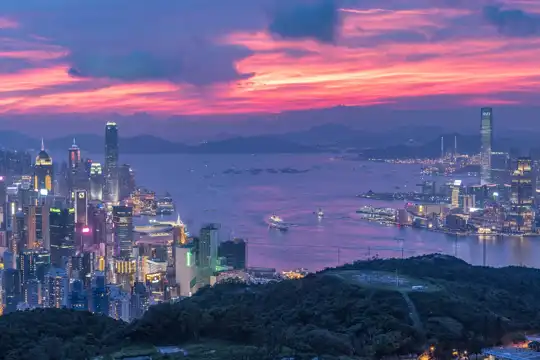
Hong Kong is not for backpackers chasing rock-bottom prices, empty trails, or slow, meditative villages. It’s dense, fast, and unapologetically expensive by China standards. But that intensity is exactly why it’s worth a stop. Wedged on the southern coast of China, just across the border from Shenzhen, Hong Kong gives you a crash course in how East–meets–West actually works in daily life. You bounce from incense-thick Man Mo Temple to glassy Central skyscrapers, then ride a cheap ferry across Victoria Harbour that feels like a first-class skyline tour. Hostels are compact but social, the MTR makes navigation almost foolproof, and street food lets you hack the cost problem if you skip bar-heavy nights in Lan Kwai Fong. It’s safer and more orderly than most nearby cities, less chaotic than Guangzhou, and the overall vibe is sharp, wired, and oddly addictive.

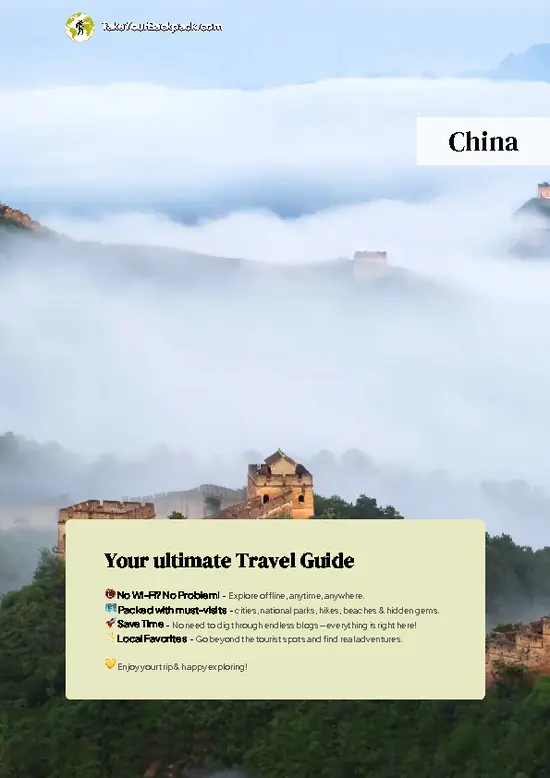
Discover everything you want to know in the 📖 China Travel Guide.


Get your China guide
139 ranked highlights, routes & tips, works offline (496 pages)
Loading the map 🌍
CLICK TO FILTER
cities
towns
landmarks
national parks
hikes
beaches
attractions
festivals
regions
SHOW COUNTRY’S BESTSHOW ALL

✨ Why go?
Ranked #3 city in China
Why visitors keep coming back

Hong Kong is a backpacker’s playground, offering a unique blend of highlights and activities that cater to various travel styles. It’s a basecamp for day trips, making it easy to explore nearby gems without the hassle of constant packing. The hostel scene is vibrant and affordable, providing a great way to meet fellow travelers while keeping costs down.

The city’s walkability is a game-changer; you can easily navigate bustling streets and discover local eateries that serve some of the best street food you’ll ever taste. When the sun sets, the nightlife kicks in, with options ranging from laid-back bars to energetic clubs, ensuring there’s something for everyone.

Onward travel is a breeze, with efficient public transport connecting you to mainland China and beyond. This makes Hong Kong … read more 👉
Hong Kong is a backpacker’s playground, offering a unique blend of highlights and activities that cater to various travel styles. It’s a basecamp for day trips, making it easy to explore nearby gems without the hassle of constant packing. The hostel scene is vibrant and affordable, providing a great way to meet fellow travelers while keeping costs down.

The city’s walkability is a game-changer; you can easily navigate bustling streets and discover local eateries that serve some of the best street food you’ll ever taste. When the sun sets, the nightlife kicks in, with options ranging from laid-back bars to energetic clubs, ensuring there’s something for everyone.

Onward travel is a breeze, with efficient public transport connecting you to mainland China and beyond. This makes Hong Kong a strategic stop on your backpacking route, whether you’re heading to Southeast Asia or diving deeper into China. If you’re after a city that combines cultural richness with convenience, Hong Kong is worth more than just a fleeting visit; it’s a place where you can immerse yourself and recharge before your next adventure.
Want to include Hong Kong in your China route?
Create a personalized China itinerary that includes Hong Kong and the places that fit your trip — based on your travel style, budget, and available time. Get your route in seconds.

Generate my trip

💡 HighlightsMust-see experiences and standout moments

  1. Victoria Peak (The Peak) — The classic skyline viewpoint: ride the Peak Tram or hike up for sweeping harbor views, great at sunset or early morning, plus short ridge walks like Lugard Road if you want fewer tourists and more perspective.
  2. Star Ferry & Tsim Sha Tsui Promenade — A five-minute harbor crossing but a huge cultural moment; cheap, iconic, and perfect for skyline photos, night lights, the Clock Tower and the waterfront museums on either side.
  3. Man Mo Temple (Sheung Wan) — A tiny, atmospheric 19th-century temple full of spiraling incense and local worship; it’s a living piece of old Hong Kong tucked among dried-goods shops and antique streets.
  4. Tai Kwun (Central Police Station Compound) — Beautiful adaptive reuse: colonial buildings turned into a vibrant heritage and arts hub with
read more 👉
  1. Victoria Peak (The Peak) — The classic skyline viewpoint: ride the Peak Tram or hike up for sweeping harbor views, great at sunset or early morning, plus short ridge walks like Lugard Road if you want fewer tourists and more perspective.
  2. Star Ferry & Tsim Sha Tsui Promenade — A five-minute harbor crossing but a huge cultural moment; cheap, iconic, and perfect for skyline photos, night lights, the Clock Tower and the waterfront museums on either side.
  3. Man Mo Temple (Sheung Wan) — A tiny, atmospheric 19th-century temple full of spiraling incense and local worship; it’s a living piece of old Hong Kong tucked among dried-goods shops and antique streets.
  4. Tai Kwun (Central Police Station Compound) — Beautiful adaptive reuse: colonial buildings turned into a vibrant heritage and arts hub with free exhibits, contemporary shows and buzzing courtyards — you get history and present-day culture in one place.
  5. PMQ (Former Police Married Quarters) — Now a design and creative hub: meet local designers, browse pop-up shops and noisy weekend markets, or join a hands-on workshop — good for souvenirs that don’t scream “tourist tchotchke.”
  6. Kowloon Walled City Park — The peaceful park hides a wild past: visit the landscaped gardens and interpretive plaques that tell the story of the dense, self-run enclave that used to sit here — haunting and educational.
  7. Chi Lin Nunnery & Nan Lian Garden — Stunning Tang-style wooden architecture and a meticulously kept classical Chinese garden in Diamond Hill; a calm, photogenic escape from the urban crush with real Buddhist practice on display.
  8. Wong Tai Sin Temple — A loudly colorful, working temple where locals come to pray, burn incense and draw fortunes (kau chim); it’s tourist-friendly but genuinely local and great for people-watching during festivals.
  9. Mong Kok Street Markets — A true slice of Hong Kong street life: Ladies’ Market, the sneaker and gadget lanes, the Goldfish Market and nearby Flower Market — loud, crowded, cheap and unforgettable if you like the city at street level.
  10. Hong Kong Tramways (“Ding Ding”) — Cheap, slow, and utterly local: hop on a double-decker tram to see neighborhoods on Hong Kong Island at street level. It’s not a landmark building, but the ride itself is a small cultural rite.
A few great day trips just outside the city: Lantau Island (Big Buddha and the Tai O fishing village), Macau’s historic center, and Sai Kung’s beaches/geo-park — my personal favorite is Tai O for its stilt houses, seafood stalls and seriously salty atmosphere.
Spotted a mistake or missing something? Contact us.

🏘️ NeighborhoodsUnderstanding the local layout

Hong Kong is a vibrant blend of cultures, offering backpackers a unique playground. Each neighborhood has its own character, making it essential to choose wisely based on your priorities.

Central: This is the heartbeat of Hong Kong. Expect a bustling atmosphere with skyscrapers and high-end shops. It’s pricey but offers excellent transport links. Perfect for short stays if you want to dive into the city’s pulse. Nightlife is vibrant, with bars and clubs aplenty, but it can be overwhelming.

Sheung Wan: Just west of Central, Sheung Wan has a more laid-back vibe. You’ll find quirky cafes and traditional markets. It’s walkable, making it easy to explore. Costs are slightly lower than Central, and it’s great for longer stays if you want a mix of local life and accessibility. Nightlife is quieter … read more 👉
Hong Kong is a vibrant blend of cultures, offering backpackers a unique playground. Each neighborhood has its own character, making it essential to choose wisely based on your priorities.

Central: This is the heartbeat of Hong Kong. Expect a bustling atmosphere with skyscrapers and high-end shops. It’s pricey but offers excellent transport links. Perfect for short stays if you want to dive into the city’s pulse. Nightlife is vibrant, with bars and clubs aplenty, but it can be overwhelming.

Sheung Wan: Just west of Central, Sheung Wan has a more laid-back vibe. You’ll find quirky cafes and traditional markets. It’s walkable, making it easy to explore. Costs are slightly lower than Central, and it’s great for longer stays if you want a mix of local life and accessibility. Nightlife is quieter here, with more focus on cozy bars.

Tsim Sha Tsui: This area is a tourist magnet, known for its waterfront views and shopping. It’s bustling and can feel crowded, but it’s a transport hub. Costs vary, with budget options available. Ideal for short stays, especially if you want to see the sights. Nightlife is lively, with plenty of options along the promenade.

Mong Kok: A sensory overload, Mong Kok is famous for its street markets and local eateries. It’s one of the most densely populated areas, so expect a vibrant, chaotic energy. Costs are lower, making it a backpacker favorite. Walkability is high, and it’s suitable for longer stays if you enjoy being in the thick of things. Nightlife is energetic, with late-night food stalls and bars.

Stanley: For a quieter escape, head to Stanley on the southern coast. It’s picturesque, with a relaxed beach vibe. Costs are higher here, but the atmosphere is worth it. Great for longer stays if you want a break from the city hustle. Nightlife is minimal, focusing more on laid-back evenings by the water.

⌛️ 1 daySeeing the highlights in 24 hours

Hong Kong is a city that thrives on contrasts, where towering skyscrapers meet lush mountains, and bustling markets coexist with serene temples. It’s a place that invites exploration, offering a mix of rich history and modern vibrancy. You can easily spend a day here and feel the pulse of its unique culture.

Start your morning in the Central district, where you can grab a traditional Hong Kong breakfast at a local cha chaan teng. Try the pineapple bun with a slab of butter and a cup of milk tea. It’s a simple pleasure that sets the tone for the day. After breakfast, take a stroll through the nearby streets, soaking in the blend of colonial architecture and contemporary design. Don’t miss the Mid-Levels Escalator, the world’s longest outdoor covered escalator, which offers a quirky ride through … read more 👉
Hong Kong is a city that thrives on contrasts, where towering skyscrapers meet lush mountains, and bustling markets coexist with serene temples. It’s a place that invites exploration, offering a mix of rich history and modern vibrancy. You can easily spend a day here and feel the pulse of its unique culture.

Start your morning in the Central district, where you can grab a traditional Hong Kong breakfast at a local cha chaan teng. Try the pineapple bun with a slab of butter and a cup of milk tea. It’s a simple pleasure that sets the tone for the day. After breakfast, take a stroll through the nearby streets, soaking in the blend of colonial architecture and contemporary design. Don’t miss the Mid-Levels Escalator, the world’s longest outdoor covered escalator, which offers a quirky ride through the city’s hilly terrain.

In the afternoon, head over to Sheung Wan, a neighborhood that’s often overlooked by tourists. Explore the dried seafood shops and herbal medicine stores along Des Voeux Road. For a unique experience, visit the Man Mo Temple, a serene spot where the scent of incense fills the air, providing a stark contrast to the city’s hustle. Afterward, make your way to the vibrant streets of Soho for lunch. Grab a bite at one of the many international eateries, or indulge in some dim sum at a local favorite.

As the sun begins to set, take the Star Ferry from Central to Tsim Sha Tsui. The ride offers stunning views of the skyline, and it’s a quintessential Hong Kong experience. Once you arrive, wander along the Avenue of Stars, where you can admire the city’s cinematic history and catch a glimpse of the iconic skyline. For dinner, dive into the local food scene at a dai pai dong, an open-air food stall, where you can savor dishes like claypot rice or stir-fried noodles.

This day in Hong Kong is a tapestry of flavors, sights, and experiences that captures the essence of the city. Each choice you make—whether it’s a quick bite or a leisurely stroll—adds to the richness of your adventure. Embrace the trade-offs of time, money, and comfort, and you’ll find that the high-value experiences are often the simplest ones.
Turn your Hong Kong visit into an China adventure
Build a complete China route with Hong Kong, hidden gems, must-see destinations, and realistic travel times included.

Generate my trip

🌤️ When to go?Weather, crowds, and seasonal trade-offs


  • Topic: Weather and Temperature – Hong Kong’s subtropical climate means hot, humid summers with temps often hitting 30-33°C (86-91°F), making backpacking sweaty and sticky. Winters are mild and dry, hovering around 14-20°C (57-68°F), ideal for long days on foot without overheating or freezing.

  • Topic: Daylight Hours – From October to March, daylight stretches roughly 11-12 hours, giving you ample time to explore without rushing. Summer days are longer but come with the trade-off of oppressive humidity and sudden downpours.

  • Topic: Crowds – Peak tourist season aligns with cooler months and major holidays like Chinese New Year (January/February), when the city buzzes with events but also swells with visitors. Shoulder seasons (late autumn and early spring) offer a quieter vibe, letting you
read more 👉

  • Topic: Weather and Temperature – Hong Kong’s subtropical climate means hot, humid summers with temps often hitting 30-33°C (86-91°F), making backpacking sweaty and sticky. Winters are mild and dry, hovering around 14-20°C (57-68°F), ideal for long days on foot without overheating or freezing.

  • Topic: Daylight Hours – From October to March, daylight stretches roughly 11-12 hours, giving you ample time to explore without rushing. Summer days are longer but come with the trade-off of oppressive humidity and sudden downpours.

  • Topic: Crowds – Peak tourist season aligns with cooler months and major holidays like Chinese New Year (January/February), when the city buzzes with events but also swells with visitors. Shoulder seasons (late autumn and early spring) offer a quieter vibe, letting you savor the city’s pulse without elbowing through crowds.

  • Topic: Seasonal Activities – Autumn hosts the Mid-Autumn Festival, a cultural highlight with lanterns and mooncakes, while winter brings festive markets and light displays. Summer’s typhoon season can disrupt plans but also cools down the city if you time it right.

  • Topic: Price Fluctuations – Accommodation and flights spike during holidays and festivals. Booking in shoulder seasons can save you a solid chunk of cash, letting you upgrade your stay or splurge on local eats without breaking the bank.


Pro-tip: Aim for late October to early December—cool, manageable crowds, vibrant festivals, and better prices. It’s the sweet spot where comfort, cost, and cultural richness align like a well-played hand.


source: climatestotravel.comJANJanuary: good for travelingFEBFebruary: good for travelingMARMarch: highly recommended for travelingAPRApril: good for travelingMAYMay: fair for travelingJUNJune: fair for travelingJULJuly: below average for travelingAUGAugust: below average for travelingSEPSeptember: fair for travelingOCTOctober: excellent for travelingNOVNovember: excellent for travelingDECDecember: highly recommended for traveling
China - Hong Kong

✈️ The backpacker research shortcutChina Travel Guide

An offline-friendly backpacking guide with optimized travel routes, ranked highlights, transport advice, and the best areas to stay.
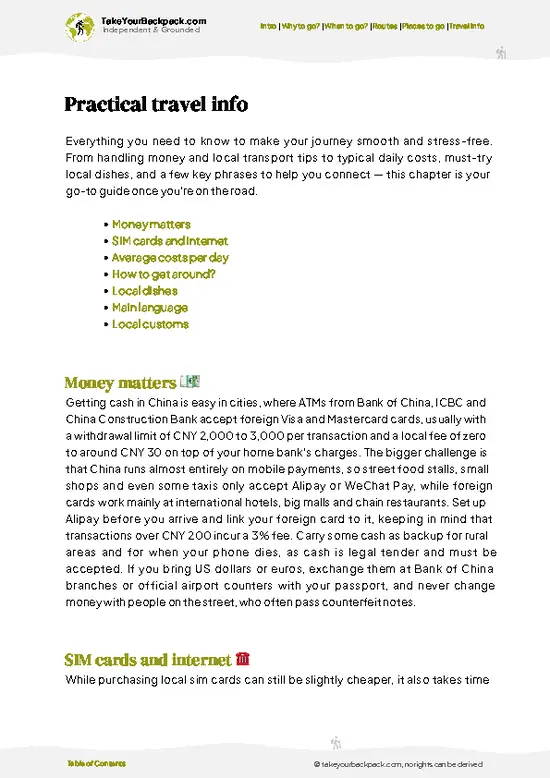
example page 0 from our offline Travel Guide for China
example page 1 from our offline Travel Guide for China
example page 2 from our offline Travel Guide for China
example page 3 from our offline Travel Guide for China
example page 4 from our offline Travel Guide for China
example page 5 from our offline Travel Guide for China
example page 6 from our offline Travel Guide for China
example page 7 from our offline Travel Guide for China
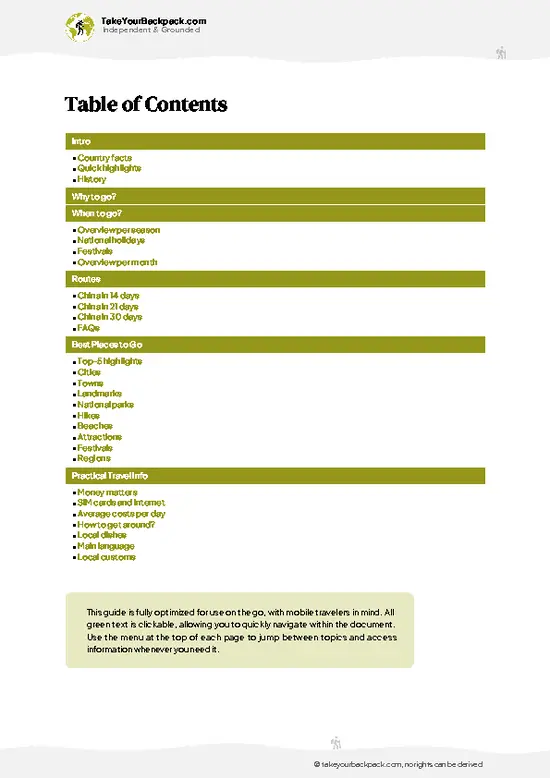
The digital guide (496 pages) contains:
139 highlights, ranked by travel appeal
Optimized 14, 21 & 30-day travel routes
Cities, national parks, landmarks, beaches
How to get around
Offline-friendly for travel without Wi-Fi
👉 Click to see all 30+ guide features

📅 Plan smarter in minutes, not weeks
Month by month travel advice
Festivals & national holidays
Budget expectations

🗺️ Go to the right places, skip the overrated ones
Honest pros & cons of destinations
Top hikes, parks & viewpoints
Lesser-known places most travelers miss
Clear “worth it vs skip it” guidance

🛏️ Travel smoothly without rookie mistakes
Best areas to stay
Transport systems explained simply
Common scams & safety advice
SIM cards, money & practical tips

🌍 Understand the country, not just visit it
Culture & traditions
52 Essential phrases & customs
Festivals worth planning around
Traveler-friendly historical context
Insights that make places more meaningful

📱 Built for real travel conditions
Fully downloadable PDF
Works completely offline
Optimized for phone use
Useful in remote areas & buses
Everything in one place
Save weeks of stressful planning
Get instant access to your full guide. 30‑day money-back guarantee.


By proceeding you agree to our terms.
Sent to your inbox immediately after payment • 100% Secure Checkout
Best Backpacking Travel Advisor 2025 tourism awardBest Backpacking
Travel Advisor
2025
What others say about Take Your Backpack Guides:
⭐⭐⭐⭐⭐
Fantastic, amazing amount of information!
⭐⭐⭐⭐⭐
My goodness this is amazing, it's what I've been looking for hats off too you!
⭐⭐⭐⭐⭐
I think this is absolutely BRILLIANT
⭐⭐⭐⭐
Very complete and informative. It's still missing places, but I gotta to commend you
⭐⭐⭐⭐⭐
This is truly amazing, thank you, can't wait to explore it with my kids!
⭐⭐⭐⭐⭐
Awesome resource, thank you!
⭐⭐⭐⭐⭐
This is amazing! Can't wait to explore the ones I haven't seen
⭐⭐⭐⭐
I love this! Well done, great idea.
⭐⭐⭐⭐⭐
Thanks for taking the time to make this gem!
⭐⭐⭐⭐⭐
This might be the best website I've ever seen.
⭐⭐⭐⭐⭐
Congratulations, and thank you so much for your work; it's incredibly valuable.
⭐⭐⭐⭐
In all seriousness I think you did a great job pointing out the important spots
⭐⭐⭐⭐⭐
10/10 very good
⭐⭐⭐⭐⭐
As someone who's only just starting to visit regularly this is awesome, thank you.
⭐⭐⭐⭐
Thank you very much! I'm going to visit my dad, it's going to be very useful!
⭐⭐⭐⭐⭐
This is really cool! We'll be travelling for the first time and this definitely come in handy.
⭐⭐⭐⭐⭐
You are now our minister of culture, congratulations 👨‍💼
⭐⭐⭐⭐⭐
Just wanted to tell you that this is a pearl! Going to follow your recommendations.
⭐⭐⭐⭐⭐
This is so cool. I'll definitely be using the resource for my travels soon.
⭐⭐⭐⭐⭐
This is very impressive! Good work.
⭐⭐⭐⭐⭐
This is an amazing and informative site. Very well done!

🛏️ Where to stay?Best areas and accommodation options

Hong Kong’s backpacker sweet spot is undeniably around Tsim Sha Tsui and Mong Kok on the Kowloon side. These neighborhoods strike a sharp balance between budget and buzz. You get safe streets, a dense cluster of hostels, and a social vibe that’s perfect for solo travelers who want to meet others without sacrificing convenience. The energy here is palpable—street markets, late-night eateries, and easy access to the Star Ferry for quick hops to Hong Kong Island.

Compared to the glossier, pricier Central district, Tsim Sha Tsui and Mong Kok offer a more grounded experience. You’re not paying a premium … read more 👉
Hong Kong’s backpacker sweet spot is undeniably around Tsim Sha Tsui and Mong Kok on the Kowloon side. These neighborhoods strike a sharp balance between budget and buzz. You get safe streets, a dense cluster of hostels, and a social vibe that’s perfect for solo travelers who want to meet others without sacrificing convenience. The energy here is palpable—street markets, late-night eateries, and easy access to the Star Ferry for quick hops to Hong Kong Island.

Compared to the glossier, pricier Central district, Tsim Sha Tsui and Mong Kok offer a more grounded experience. You’re not paying a premium for fancy views or luxury amenities, but you’re right in the thick of local life and backpacker camaraderie. Hostels here tend to be compact but clean, with common areas that encourage interaction—ideal if you want to swap stories or plan day trips.

If you lean toward a quieter, more residential feel, Sham Shui Po is another option. It’s less polished but offers a raw, authentic slice of Hong Kong life with cheaper digs and fewer tourists. However, it’s a trade-off: less nightlife and social buzz, more local immersion.

In short, Tsim Sha Tsui and Mong Kok are your best bets for a safe, social, and budget-friendly base that keeps you plugged into the city’s pulse without draining your wallet.

🚌 Getting aroundGetting around like a local

Hong Kong moves fast, but not like a frantic rush-hour crush where everything feels out of control. It’s more like a well-oiled machine with a pulse—precise, efficient, and relentless. The city’s rhythm is a dance between strict timetables and the hum of constant motion. You’ll find that every second counts here, but the system is designed to reward your savvy choices. Understanding the trade-offs between time, money, and comfort isn’t just helpful—it’s your secret weapon to mastering Hong Kong’s urban flow.


  • MTR (Mass Transit Railway): The backbone of Hong Kong’s transit, the MTR runs from about 6:00 AM to 1:00 AM with trains every 2-4 minutes during peak hours. It’s fast and reliable, covering nearly all major districts. Tickets range from HKD 4 to 12 depending on distance, making it
read more 👉
Hong Kong moves fast, but not like a frantic rush-hour crush where everything feels out of control. It’s more like a well-oiled machine with a pulse—precise, efficient, and relentless. The city’s rhythm is a dance between strict timetables and the hum of constant motion. You’ll find that every second counts here, but the system is designed to reward your savvy choices. Understanding the trade-offs between time, money, and comfort isn’t just helpful—it’s your secret weapon to mastering Hong Kong’s urban flow.


  • MTR (Mass Transit Railway): The backbone of Hong Kong’s transit, the MTR runs from about 6:00 AM to 1:00 AM with trains every 2-4 minutes during peak hours. It’s fast and reliable, covering nearly all major districts. Tickets range from HKD 4 to 12 depending on distance, making it a budget-friendly option that saves you hours compared to buses or taxis. Comfort is basic but clean and air-conditioned, perfect for zipping through the city without fuss.


  • Double-Decker Tram (“Ding Ding”): Operating from 6:00 AM to midnight, these trams are the cheapest way to see the city at street level, costing just HKD 3 per ride. They’re slow—expect a 30-40 minute crawl across northern Hong Kong Island—but that’s the trade-off for a unique, nostalgic experience and unbeatable views of the bustling streets. Comfort is minimal, but the open windows and standing room add to the charm.


  • Public Buses: Covering routes that the MTR doesn’t reach, buses run roughly from 5:30 AM to midnight, with fares between HKD 4 and 12. They’re slower than the MTR but offer a more scenic, ground-level perspective of neighborhoods. Comfort varies widely—some buses are modern and air-conditioned, others less so—so be ready for a mixed bag. Buses are your go-to when you want to save money but don’t mind sacrificing speed.


  • Walking: Hong Kong’s compact neighborhoods, especially in Central, Sheung Wan, and Tsim Sha Tsui, reward those who choose to walk. It costs nothing, offers maximum flexibility, and lets you soak in the city’s textures at your own pace. The trade-off is time and energy—hills and stairs are common, so pack good shoes. Walking is the ultimate comfort trade-off for those who want to slow down and absorb the city’s pulse.


  • Taxis: Available 24/7, taxis start at HKD 24 for the first 2 kilometers, with incremental charges after. They’re fast and convenient, especially late at night when other options dwindle, but the cost can add up quickly. Comfort is high, with air conditioning and direct routes, making taxis the choice when time is tight and money is less of a concern.

👛 Costs (as of 28 January 2025)Travel costs and budget guide for Hong Kong

Backpacking in Hong Kong means navigating a city where high energy meets high prices, but with smart choices, you can keep your daily costs manageable without sacrificing the experience.
  • Dorm Accommodation (High Season): Expect to pay around $25 to $40 USD per night for a bed in a well-located hostel dorm during peak travel months. These places often fill up fast, so booking early is key.
  • Dorm Accommodation (Off-Season): Prices drop to about $15 to $25 USD per night when the crowds thin out, especially in winter months. You might find quieter hostels with better vibes and more space.
  • Meals: Street food and local eateries offer meals for $3 to $7 USD. If you stick to dai pai dongs or small noodle shops, you’ll eat well without breaking the bank. Western-style meals or dining in tourist-heavy
read more 👉
Backpacking in Hong Kong means navigating a city where high energy meets high prices, but with smart choices, you can keep your daily costs manageable without sacrificing the experience.
  • Dorm Accommodation (High Season): Expect to pay around $25 to $40 USD per night for a bed in a well-located hostel dorm during peak travel months. These places often fill up fast, so booking early is key.
  • Dorm Accommodation (Off-Season): Prices drop to about $15 to $25 USD per night when the crowds thin out, especially in winter months. You might find quieter hostels with better vibes and more space.
  • Meals: Street food and local eateries offer meals for $3 to $7 USD. If you stick to dai pai dongs or small noodle shops, you’ll eat well without breaking the bank. Western-style meals or dining in tourist-heavy areas can easily double that.
  • Local Transport: Single rides on the MTR (subway) or buses typically cost between $0.50 and $1.50 USD, depending on distance. It’s efficient and clean, making it the backbone of getting around.
  • City Transport Pass: The Octopus Card is a must-have for convenience and small discounts. Loading around $10 to $15 USD daily covers unlimited short trips and some retail discounts, smoothing out your travel flow.
  • Basic Activities/Entry Fees: Many cultural sites and museums charge between $3 and $10 USD. Hiking trails and public parks are free, offering a great balance of paid and no-cost experiences.
  • Miscellaneous Expenses: Budget $5 to $10 USD for essentials like bottled water, snacks, or a quick coffee. Small splurges add up but keep them in check to stay on target.

Total daily costs for a backpacker in Hong Kong typically range from about $40 to $70 USD. This range reflects a balance between budget-conscious choices and the unavoidable premium of a bustling global city. Knowing where to save and where to spend turns the city’s price tag into a strategic game you can win.


source: numbeo.com
⚠️ Prices can change and everyone travels differently, so take this as a rough guide. Hope it helps you plan your adventure!

🚌 Day tripsShort trips worth adding

Hong Kong is a fantastic launchpad for day trips that blend culture, nature, and adventure. You can easily escape the urban hustle and dive into experiences that are both enriching and exhilarating. Here are some top picks.

Lantau Island
A short ferry ride or MTR trip takes you to Lantau Island, where you can hike to the iconic Tian Tan Buddha. The journey offers stunning views, and once you reach the top, the sense of accomplishment is palpable. Don’t miss the Ngong Ping Village for some local snacks. Budget around HKD 100 for transport and snacks. The best time to visit is during the cooler months, as summer can be sweltering. First-timers often underestimate the hike’s length; wear good shoes and bring water.


Sai Kung
Known for its breathtaking coastline and clear waters, Sai Kung … read more 👉
Hong Kong is a fantastic launchpad for day trips that blend culture, nature, and adventure. You can easily escape the urban hustle and dive into experiences that are both enriching and exhilarating. Here are some top picks.

Lantau Island
A short ferry ride or MTR trip takes you to Lantau Island, where you can hike to the iconic Tian Tan Buddha. The journey offers stunning views, and once you reach the top, the sense of accomplishment is palpable. Don’t miss the Ngong Ping Village for some local snacks. Budget around HKD 100 for transport and snacks. The best time to visit is during the cooler months, as summer can be sweltering. First-timers often underestimate the hike’s length; wear good shoes and bring water.


Sai Kung
Known for its breathtaking coastline and clear waters, Sai Kung is a paradise for outdoor enthusiasts. You can take a bus from Hong Kong, which takes about an hour. Once there, rent a kayak or join a boat tour to explore the nearby islands. Expect to spend around HKD 200 for transport and activities. Spring and autumn are ideal for pleasant weather. A common mistake is to overlook the local seafood restaurants; they’re a must-try after a day of adventure.


Tai O Fishing Village
This charming village offers a glimpse into Hong Kong’s traditional fishing culture. A bus ride from Tung Chung will get you there in about 30 minutes. Stroll along the stilt houses, sample local snacks, and maybe even take a boat ride to spot pink dolphins. Total costs can be around HKD 150 for transport and food. Visit during weekdays to avoid the crowds. Many first-timers miss the chance to chat with local fishermen; their stories are worth hearing.


Cheung Chau
A quick ferry ride from Central, Cheung Chau is a laid-back island perfect for cycling and beach lounging. The island’s famous bun festival is a highlight if you’re there in May. Expect to spend about HKD 100 for the ferry and snacks. Spring and fall are the best seasons for a visit. First-timers often rush through; take your time to explore the quieter paths and enjoy the local vibe.


Peng Chau
This small island is often overlooked but offers a peaceful retreat. A ferry ride from Central takes about 30 minutes. You can hike to the top of Finger Hill for panoramic views or explore the quaint village. Budget around HKD 80 for transport and snacks. The best time to visit is during the cooler months. Many visitors miss the local art installations; keep your eyes peeled for hidden creativity.
Want to know what more China offers?
The China Travel Guide describes 139 highlights, from cities to national parks, from beaches to hikes

Get the Travel Guide -

🍲 FoodWhat to Eat & Drink

In Hong Kong, food is a vibrant tapestry of flavors, and every bite tells a story. You can’t miss the dim sum—tiny, steamy parcels filled with everything from shrimp to pork. Grab a bamboo steamer at a local market and dive into this communal dining experience. It’s not just about eating; it’s about sharing and connecting.

Then there’s wonton noodles, a simple yet satisfying dish. Slurp those silky noodles and savor the rich broth. Street stalls serve these up hot and fresh, often with a side of crispy fried dough. The aroma wafts through the air, pulling you in like a magnet.

For drinks, milk tea is a must. This sweet, creamy concoction is a daily ritual for many locals. You’ll find it in bustling cafés, where the chatter and laughter create a lively atmosphere. Don’t forget to try Hong read more 👉
In Hong Kong, food is a vibrant tapestry of flavors, and every bite tells a story. You can’t miss the dim sum—tiny, steamy parcels filled with everything from shrimp to pork. Grab a bamboo steamer at a local market and dive into this communal dining experience. It’s not just about eating; it’s about sharing and connecting.

Then there’s wonton noodles, a simple yet satisfying dish. Slurp those silky noodles and savor the rich broth. Street stalls serve these up hot and fresh, often with a side of crispy fried dough. The aroma wafts through the air, pulling you in like a magnet.

For drinks, milk tea is a must. This sweet, creamy concoction is a daily ritual for many locals. You’ll find it in bustling cafés, where the chatter and laughter create a lively atmosphere. Don’t forget to try Hong Kong-style cocktails at rooftop bars, where the skyline becomes your backdrop.

Etiquette matters here. When dining, it’s customary to share dishes, so don’t be shy about passing the plates. Tipping isn’t mandatory, but rounding up the bill is appreciated. Embrace the chaos, savor the flavors, and let the city’s culinary heartbeat guide you.

🛡️ SafetyScams, Hazards, and Annoyances

Hong Kong is generally safe, but a few areas and situations warrant extra awareness. Stick to well-lit streets in neighborhoods like Mong Kok late at night. While solo travel is common, avoid quiet alleys after dark; the bustling vibe of places like Tsim Sha Tsui is more reassuring.

Scams are rare but can happen. Be cautious around street vendors who may inflate prices for tourists. If someone approaches you with unsolicited offers, like a free tour or a “special deal,” it’s best to politely decline.

Annoyances can include the occasional overly aggressive sales pitch in markets. A firm “no, thank you” usually suffices. Keep your belongings close, especially in crowded areas like MTR stations.

Overall, carry yourself confidently and stay aware of your surroundings. Trust your instincts; … read more 👉
Hong Kong is generally safe, but a few areas and situations warrant extra awareness. Stick to well-lit streets in neighborhoods like Mong Kok late at night. While solo travel is common, avoid quiet alleys after dark; the bustling vibe of places like Tsim Sha Tsui is more reassuring.

Scams are rare but can happen. Be cautious around street vendors who may inflate prices for tourists. If someone approaches you with unsolicited offers, like a free tour or a “special deal,” it’s best to politely decline.

Annoyances can include the occasional overly aggressive sales pitch in markets. A firm “no, thank you” usually suffices. Keep your belongings close, especially in crowded areas like MTR stations.

Overall, carry yourself confidently and stay aware of your surroundings. Trust your instincts; if something feels off, it probably is. With a little mindfulness, you can navigate Hong Kong smoothly and enjoy its vibrant energy.

Other Chinese cities near Hong Kong

Explore more nearby:


💡 Not sure where to go next?
Create a personalized itinerary for China including Hong Kong and the places that fit your trip.

Generate my itinerary

👉 Discover all cities

Or checkout all China has to offer (think cities, towns, villages, national parks, hikes, beaches, festivals)
Country photo of China

We 💚 feedbackParting advice and final tips

Hong Kong is a sensory overload in the best way. The street food alone—think char siu bao and egg waffles—makes it worth the trip. But be ready for the crowds; they can be relentless. Navigating the bustling streets can feel like a game of human Tetris. Embrace the chaos, and you’ll discover a city that’s alive in every sense. Just know that personal space is a luxury here.

✈️ When did I visit China?
As part of my 1.5 year travel around the world trip, I visited China in August 2015, coming from Mongolia by the TransMongolia Express.

✍️ Help improve this page!
The information on this page is based on my own backpacking experience in China, supplemented with up-to-date research and feedback from other travelers. Travel details can change, so if you notice anything outdated or incomplete, feel free to let me know.


🙋‍♂️ Give feedback

👋 Meet the founderWho’s Behind Take Your Backpack?

Johan, backpacker and founder of TakeYourBackpackHi, I’m Johan (Netherlands 🇳🇱), the creator of TakeYourBackpack. Over the past decade, I’ve backpacked through 80+ countries across six continents, gaining extensive experience with independent travel, long-term trips, and overland routes.

This site is built on a combination of firsthand travel experience and carefully curated insights from other backpackers. Many guides are based on places I’ve personally visited, while others bring together tips, observations, and practical advice shared by trusted travelers I’ve met along the way.

The goal is to provide realistic, experience-driven guidance — not generic itineraries — so you can explore destinations with better context, clearer expectations, and more confidence.

Get full China guide •
Instant download • 139 highlights • Full Offline guide