×

China🇨🇳 | landmarksMount Emei and Leshan Giant BuddhaSacred peaks, ancient monasteries, riverside Buddha | things to do and best time to go

Explore Mogao CavesExplore Mount Taishan

Backpacking in Mount Emei and Leshan Giant Buddha
UNESCO World Heritage site
🌟 Highlightunique site ranked #7
By Johan Kruseman 🇳🇱 | Updated October 15, 2026

Your calves burn on the last stone step, incense smoke curls into your face, and suddenly you’re staring sideways at a cliff where a 71-meter Buddha’s toenail is bigger than your head, river churning far below and tour groups yelling into megaphones. This is the Leshan Giant Buddha, part of the Mount Emei Scenic Area in Sichuan, southwest China. As a backpacker destination, it’s a paradox: the engineering and spiritual scale are jaw-dropping, the history is deep, and from the river boat the Buddha really does feel otherworldly. But it’s busy, ticketed to death, and every viewpoint has a queue and a selfie stick. It’s not cheap or tranquil, yet if you can tune out the loudspeakers and ignore the souvenir hawkers, the sheer audacity of carving faith into a cliff is absolutely worth the detour.

Discover everything you want to know in the 📖 China Travel Guide.


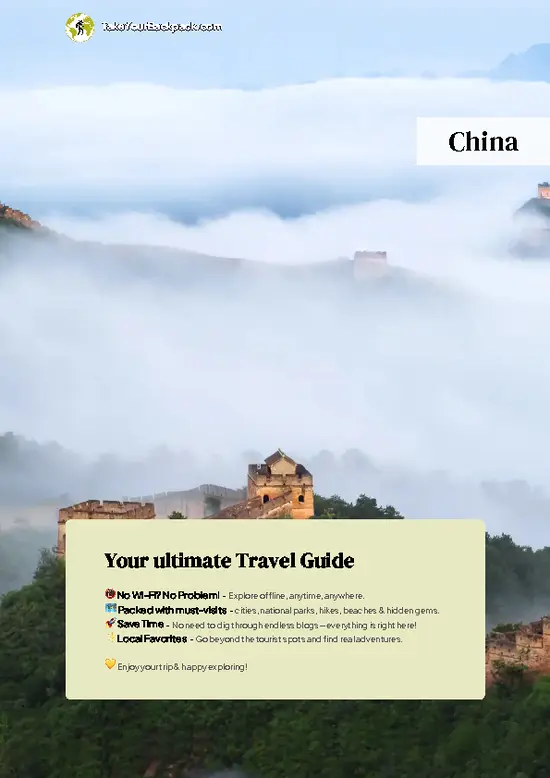
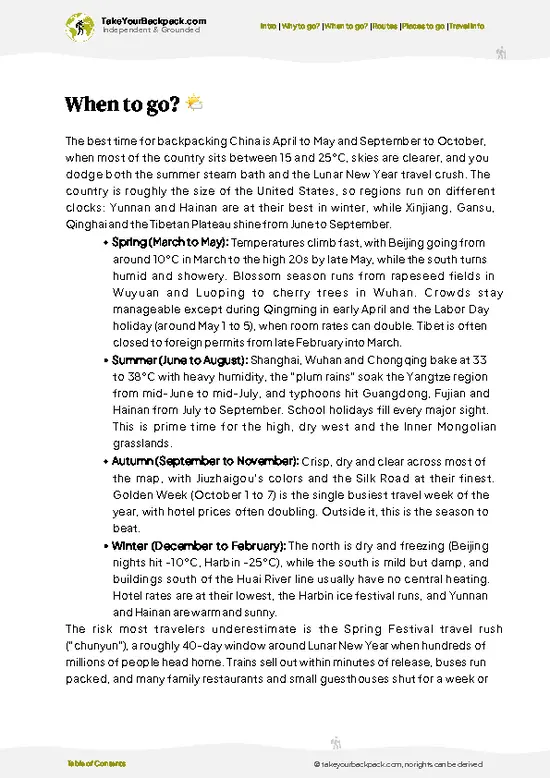
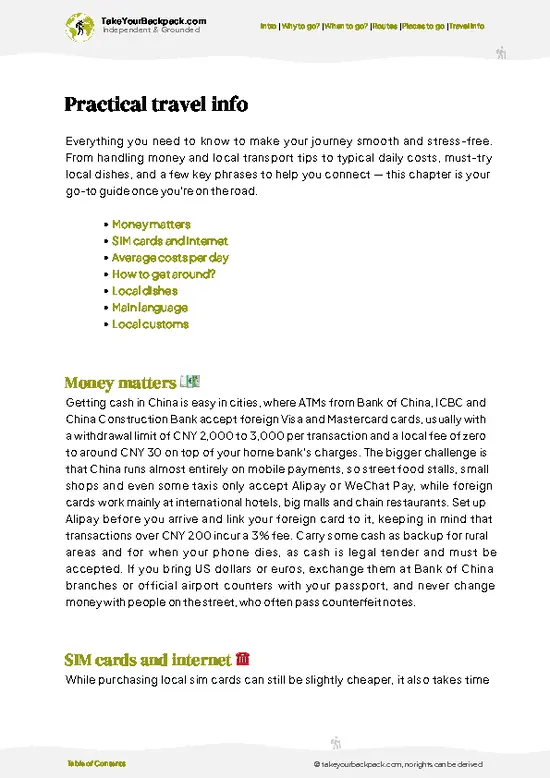
example page 0 from our offline Travel Guide for China
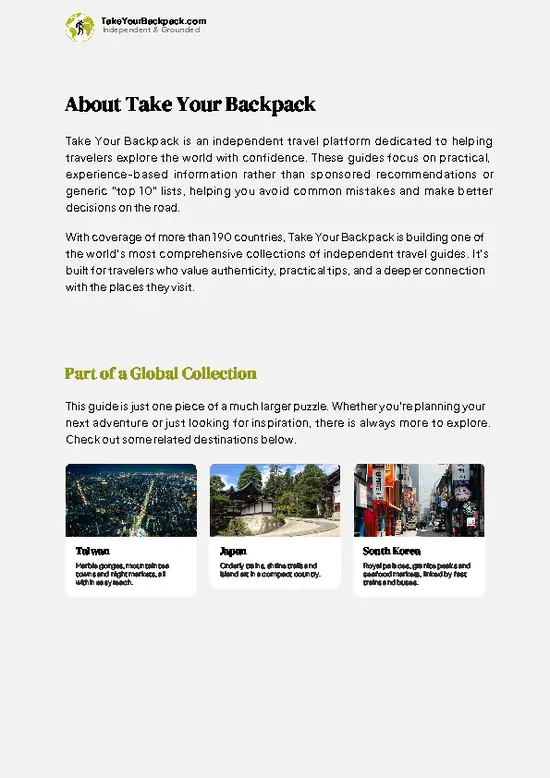
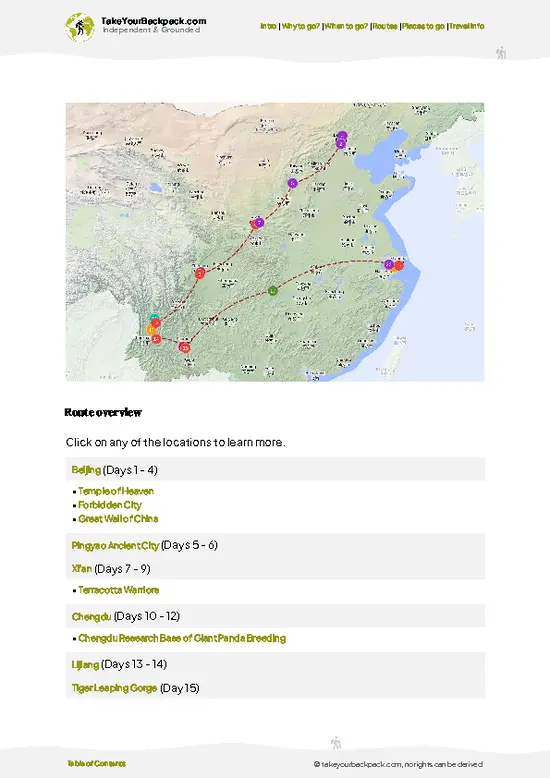
example page 1 from our offline Travel Guide for China
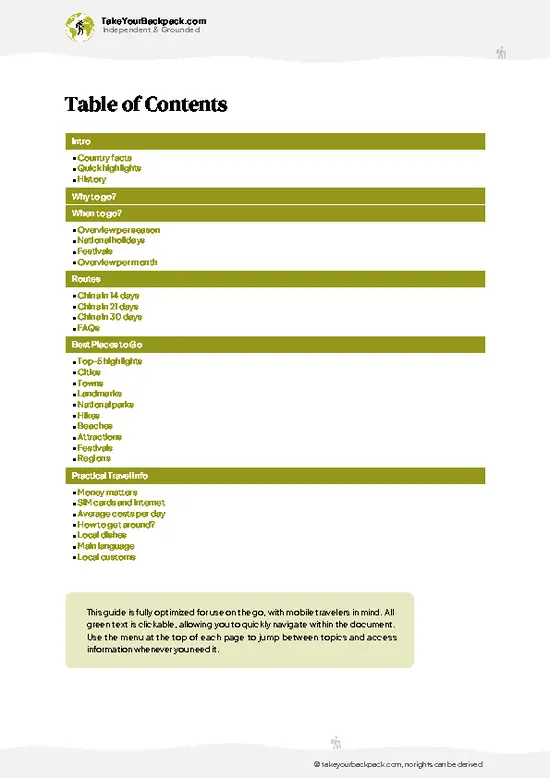
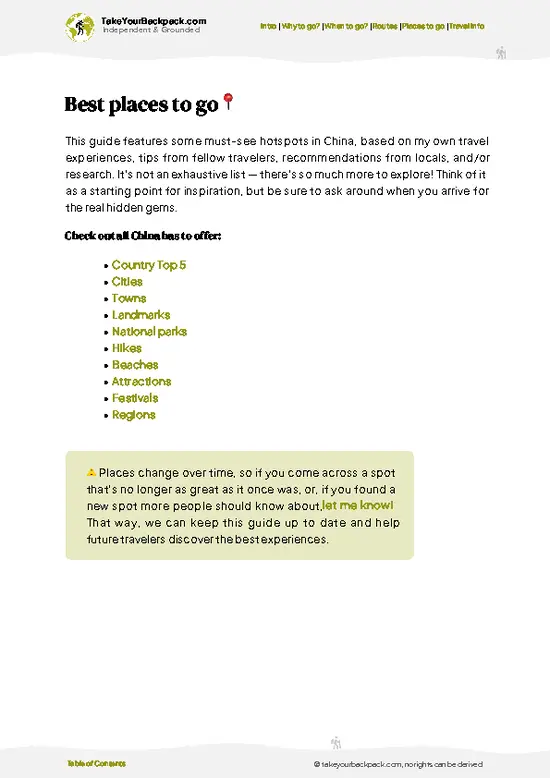
example page 2 from our offline Travel Guide for China
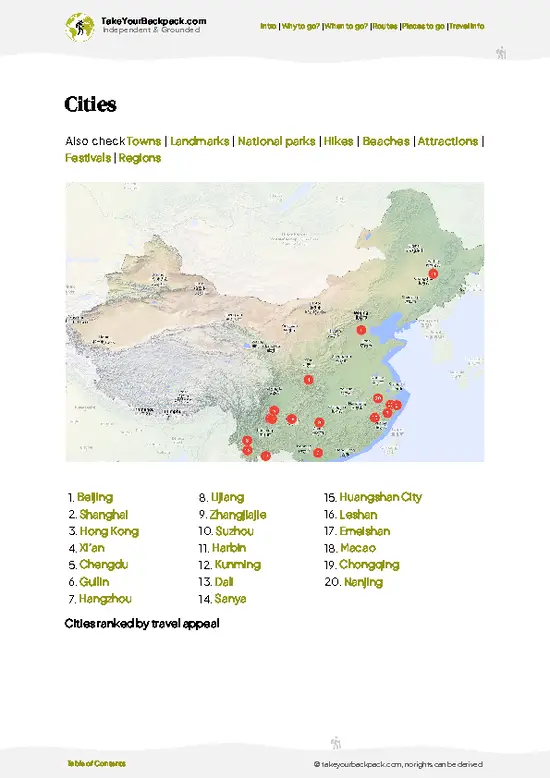
example page 3 from our offline Travel Guide for China
example page 4 from our offline Travel Guide for China
example page 5 from our offline Travel Guide for China
example page 6 from our offline Travel Guide for China
example page 7 from our offline Travel Guide for China
Loading the map 🌍
CLICK TO FILTER
cities
towns
landmarks
national parks
hikes
beaches
attractions
festivals
regions
SHOW COUNTRY’S BESTSHOW ALL

✨ Why go?
Ranked #7 unique site in China
The unique appeal for travelers

Mount Emei Scenic Area, home to the Leshan Giant Buddha, is a must for backpackers who crave authenticity over Instagram filters. Yes, it can get crowded—especially during peak seasons—but that’s part of the experience. You’re not just seeing a statue; you’re standing before a 1,300-year-old marvel carved into the rock, a testament to human creativity and devotion.

The cost is surprisingly low for what you get. Entrance fees are reasonable, and the surrounding area offers affordable accommodations and food. This isn’t just a pit stop; it fits perfectly into a broader route through Sichuan, allowing you to explore lush landscapes and vibrant local culture.

The hike up Mount Emei is rewarding, with breathtaking views and serene temples along the way. It’s about the journey, not just the destination. … read more 👉
Mount Emei Scenic Area, home to the Leshan Giant Buddha, is a must for backpackers who crave authenticity over Instagram filters. Yes, it can get crowded—especially during peak seasons—but that’s part of the experience. You’re not just seeing a statue; you’re standing before a 1,300-year-old marvel carved into the rock, a testament to human creativity and devotion.

The cost is surprisingly low for what you get. Entrance fees are reasonable, and the surrounding area offers affordable accommodations and food. This isn’t just a pit stop; it fits perfectly into a broader route through Sichuan, allowing you to explore lush landscapes and vibrant local culture.

The hike up Mount Emei is rewarding, with breathtaking views and serene temples along the way. It’s about the journey, not just the destination. Embrace the crowds, soak in the history, and let the real magic of this place transform your perspective.

💡 HighlightsKey sights and experiences for travelers

  • Leshan Giant Buddha (river cruise view) — The 71-meter-tall carved statue is jaw-dropping from the water: seeing it rise out of the river from a low boat gives the scale and the detail you can’t get from shore. It’s a perfect mix of ancient engineering and cinematic perspective; go early to dodge crowds and get softer light for photos.
  • Elephant Bathing Pool & close-up platforms — From the riverbank you can spot the Buddha’s toes that look like an elephant drinking — a charming optical trick that gave the pool its name. The stone platforms and stairways around the statue let you study the carving technique and the weathering patterns up close, which is oddly satisfying if you like history and stonework.
  • Mount Emei Golden Summit (Jinding) — personal favorite — Sunrise here is the full-package
… read more 👉
  • Leshan Giant Buddha (river cruise view) — The 71-meter-tall carved statue is jaw-dropping from the water: seeing it rise out of the river from a low boat gives the scale and the detail you can’t get from shore. It’s a perfect mix of ancient engineering and cinematic perspective; go early to dodge crowds and get softer light for photos.
  • Elephant Bathing Pool & close-up platforms — From the riverbank you can spot the Buddha’s toes that look like an elephant drinking — a charming optical trick that gave the pool its name. The stone platforms and stairways around the statue let you study the carving technique and the weathering patterns up close, which is oddly satisfying if you like history and stonework.
  • Mount Emei Golden Summit (Jinding) — personal favorite — Sunrise here is the full-package experience: a gilded Buddha, a sea of clouds, and a chilly, mystical atmosphere that feels intentionally cinematic. Hike or take the cable car up; if the weather plays along the light on the golden statues and the cloud inversions are unforgettable.
  • Wannian and Baoguo Temples — These historic temples are active Buddhist sites with ornate halls, incense, and pilgrims. They give the place spiritual depth beyond the tourist snapshots, and the architecture and temple art show centuries of religious life on the mountain.
  • Ancient stairways and forest trails — Stone steps carved into the mountain and winding forest trails make hiking here both scenic and archaeological — you’re walking routes used by monks for generations. It’s quieter away from the main attractions and full of moss, old pines, and little roadside shrines.
  • Monkeys and local wildlife — Wild macaques are everywhere on Emei; they’re entertaining and bold, so keep your gear zipped and food stashed. They add a playful, unpredictable element to hikes, but treat them with caution and respect (don’t feed them).
  • Cable car rides and waterfall scenery — If you want the drama without grinding up every step, the cable cars open up dramatic perspectives over waterfalls, valleys, and temple roofs. It’s the practical backpacker move: scenic, fast, and saves your legs for exploring the summit temples.
Spotted a mistake or missing something? Contact us.

Things to do around Mount Emei and Leshan Giant Buddha

Ratings based on Tripadvisor reviews. When you book through this link, you support our work at no extra cost to you.

🌤️ When to go?When to go for the best experience

  • Weather: Spring (April to June) and autumn (September to November) offer the best weather—mild and mostly dry. Summers are hot and humid, often pushing 30-35°C (86-95°F), while winters can be cold and foggy, dropping to 0-5°C (32-41°F).
  • Temperature: Expect comfortable hiking temps in spring and autumn, averaging 15-25°C (59-77°F). Summer heat can sap your energy fast, and winter chills make mountain trails slippery and less enjoyable.
  • Daylight Hours: Longer days in spring and summer mean more hiking time—up to 12-14 hours of daylight. Winter days shrink to about 10 hours, limiting exploration.
  • Crowds: Peak tourist season hits during Chinese public holidays and summer vacation. Expect packed trails and long waits at the Leshan Giant Buddha. Spring and autumn weekdays are your best bet
… read more 👉
  • Weather: Spring (April to June) and autumn (September to November) offer the best weather—mild and mostly dry. Summers are hot and humid, often pushing 30-35°C (86-95°F), while winters can be cold and foggy, dropping to 0-5°C (32-41°F).
  • Temperature: Expect comfortable hiking temps in spring and autumn, averaging 15-25°C (59-77°F). Summer heat can sap your energy fast, and winter chills make mountain trails slippery and less enjoyable.
  • Daylight Hours: Longer days in spring and summer mean more hiking time—up to 12-14 hours of daylight. Winter days shrink to about 10 hours, limiting exploration.
  • Crowds: Peak tourist season hits during Chinese public holidays and summer vacation. Expect packed trails and long waits at the Leshan Giant Buddha. Spring and autumn weekdays are your best bet for fewer people.
  • Seasonal Activities: Spring brings blooming rhododendrons and fresh greenery, while autumn paints the forest in fiery reds and golds—both perfect for photography and quieter treks.
  • Price Fluctuations: Accommodation and transport costs spike during national holidays and summer. Off-peak seasons offer better deals but fewer services might be available.
Pro-tip: Aim for late April or early October on a weekday—cool weather, manageable crowds, and the landscape at its most vivid make it worth every step.


source: climatestotravel.comJANJanuary: fair for travelingFEBFebruary: fair for travelingMARMarch: good for travelingAPRApril: excellent for travelingMAYMay: excellent for travelingJUNJune: highly recommended for travelingJULJuly: fair for travelingAUGAugust: fair for travelingSEPSeptember: excellent for travelingOCTOctober: excellent for travelingNOVNovember: highly recommended for travelingDECDecember: fair for traveling
china-unique-site-mount-emei-and-leshan-giant-buddha
© Google |

✈️ The backpacker research shortcutChina Travel Guide

An offline-friendly backpacking guide with optimized travel routes, ranked highlights, transport advice, and the best areas to stay.
example page 0 from our offline Travel Guide for China
example page 1 from our offline Travel Guide for China
example page 2 from our offline Travel Guide for China
example page 3 from our offline Travel Guide for China
example page 4 from our offline Travel Guide for China
example page 5 from our offline Travel Guide for China
example page 6 from our offline Travel Guide for China
example page 7 from our offline Travel Guide for China
The digital guide (436 pages) contains:
✅ 121 highlights, ranked by travel appeal
✅ Optimized 14, 21 & 30-day travel routes
✅ Cities, national parks, landmarks, beaches
✅ How to get around
✅ Offline-friendly for travel without Wi-Fi
👉 Click to see all 30+ guide features

📅 Plan smarter in minutes, not weeks
✅ Month by month travel advice
✅ Festivals & national holidays
✅ Budget expectations

🗺️ Go to the right places, skip the overrated ones
✅ Honest pros & cons of destinations
✅ Top hikes, parks & viewpoints
✅ Lesser-known places most travelers miss
✅ Clear “worth it vs skip it” guidance

🛏️ Travel smoothly without rookie mistakes
✅ Best areas to stay
✅ Transport systems explained simply
✅ Common scams & safety advice
✅ SIM cards, money & practical tips

🌍 Understand the country, not just visit it
✅ Culture & traditions
✅ 52 Essential phrases & customs
✅ Festivals worth planning around
✅ Traveler-friendly historical context
✅ Insights that make places more meaningful

📱 Built for real travel conditions
✅ Fully downloadable PDF
✅ Works completely offline
✅ Optimized for phone use
✅ Useful in remote areas & buses
✅ Everything in one place
Stop searching, start planning
Get instant access to your full guide. 30‑day money-back guarantee.
+ Add another guide for just

By proceeding you agree to our terms.
Sent to your inbox immediately after payment • 100% Secure Checkout
Best Backpacking Travel Advisor 2025 tourism awardBest Backpacking
Travel Advisor
2025
What others say about Take Your Backpack Guides:
⭐⭐⭐⭐⭐
Fantastic, amazing amount of information!
⭐⭐⭐⭐⭐
My goodness this is amazing, it's what I've been looking for hats off too you!
⭐⭐⭐⭐⭐
I think this is absolutely BRILLIANT
⭐⭐⭐⭐
Very complete and informative. It's still missing places, but I gotta to commend you
⭐⭐⭐⭐⭐
This is truly amazing, thank you, can't wait to explore it with my kids!
⭐⭐⭐⭐⭐
Awesome resource, thank you!
⭐⭐⭐⭐⭐
This is amazing! Can't wait to explore the ones I haven't seen
⭐⭐⭐⭐
I love this! Well done, great idea.
⭐⭐⭐⭐⭐
Thanks for taking the time to make this gem!
⭐⭐⭐⭐⭐
This might be the best website I've ever seen.
⭐⭐⭐⭐⭐
Congratulations, and thank you so much for your work; it's incredibly valuable.
⭐⭐⭐⭐
In all seriousness I think you did a great job pointing out the important spots
⭐⭐⭐⭐⭐
10/10 very good
⭐⭐⭐⭐⭐
As someone who's only just starting to visit regularly this is awesome, thank you.
⭐⭐⭐⭐
Thank you very much! I'm going to visit my dad, it's going to be very useful!
⭐⭐⭐⭐⭐
This is really cool! We'll be travelling for the first time and this definitely come in handy.
⭐⭐⭐⭐⭐
You are now our minister of culture, congratulations 👨‍💼
⭐⭐⭐⭐⭐
Just wanted to tell you that this is a pearl! Going to follow your recommendations.
⭐⭐⭐⭐⭐
This is so cool. I'll definitely be using the resource for my travels soon.
⭐⭐⭐⭐⭐
This is very impressive! Good work.
⭐⭐⭐⭐⭐
This is an amazing and informative site. Very well done!

🛏️ Where to stay?Best areas and accommodation options

Staying near the Mount Emei Scenic Area and the Leshan Giant Buddha? You’ve got options that balance safety, social vibes, and budget-friendliness.

First up, consider the area around Emei Town. It’s a hub for backpackers, with plenty of guesthouses and hostels. The atmosphere is lively, making it easy to meet fellow travelers. Plus, you’re just a short bus ride from the scenic area.

Then there’s Leshan City. This place is often overlooked but offers a more local experience. The streets are lined with affordable accommodations, and you can grab a bowl of noodles for next to nothing. The night … read more 👉
Staying near the Mount Emei Scenic Area and the Leshan Giant Buddha? You’ve got options that balance safety, social vibes, and budget-friendliness.

First up, consider the area around Emei Town. It’s a hub for backpackers, with plenty of guesthouses and hostels. The atmosphere is lively, making it easy to meet fellow travelers. Plus, you’re just a short bus ride from the scenic area.

Then there’s Leshan City. This place is often overlooked but offers a more local experience. The streets are lined with affordable accommodations, and you can grab a bowl of noodles for next to nothing. The night market here is a must-visit for street food and mingling with locals.

Both areas are safe, but keep your wits about you, especially in crowded spots. The real magic lies in the connections you make and the stories you gather. Embrace the chaos, and you’ll find the true essence of this stunning region.

👛 Costs (as of 15 October 2026)Typical daily expenses

Visiting the Mount Emei Scenic Area and the Leshan Giant Buddha isn’t just about snapping a photo; it’s about diving into a rich cultural experience. Here’s what you can expect in terms of costs:
  • Entrance Fees: Expect to pay around €10-€15 ($11-$16) for entry to the Mount Emei Scenic Area. The Leshan Giant Buddha has a separate fee, typically around €8-€12 ($9-$13). These fees can add up, especially if you plan to explore both sites thoroughly.
  • Transportation: Getting to Mount Emei from Chengdu will set you back about €5-€10 ($6-$11) for a bus ticket. If you opt for a train, it’s roughly the same. Local transport within the area, like buses or taxis, can add another €5-€15 ($6-$16) depending on how much you move around.
  • Food: Meals can range from €3-€10 ($3-$11) at local eateries. Street food
… read more 👉
Visiting the Mount Emei Scenic Area and the Leshan Giant Buddha isn’t just about snapping a photo; it’s about diving into a rich cultural experience. Here’s what you can expect in terms of costs:
  • Entrance Fees: Expect to pay around €10-€15 ($11-$16) for entry to the Mount Emei Scenic Area. The Leshan Giant Buddha has a separate fee, typically around €8-€12 ($9-$13). These fees can add up, especially if you plan to explore both sites thoroughly.
  • Transportation: Getting to Mount Emei from Chengdu will set you back about €5-€10 ($6-$11) for a bus ticket. If you opt for a train, it’s roughly the same. Local transport within the area, like buses or taxis, can add another €5-€15 ($6-$16) depending on how much you move around.
  • Food: Meals can range from €3-€10 ($3-$11) at local eateries. Street food is a great option for budget travelers, while sit-down restaurants might charge more. Don’t skip the local specialties; they’re worth every yuan.
  • Accommodation: Options vary widely. Budget hostels start around €10-€20 ($11-$22) per night, while mid-range hotels can go from €30-€70 ($33-$77). If you want something more luxurious, expect to pay upwards of €80 ($88) per night.
  • Guided Tours: If you want a deeper dive into the history and culture, guided tours can cost between €30-€100 ($33-$110), depending on the length and inclusions. This can be a worthwhile investment for a richer experience.

Plan your budget wisely. The experience is rich, but the costs can add up quickly. Prioritize what matters most to you, and enjoy the journey.


source: chinadiscovery.com
⚠️ Prices can change and everyone travels differently, so take this as a rough guide. Hope it helps you plan your adventure!

FAQCommon questions from travelers

Mount Emei Scenic Area is a UNESCO World Heritage site in Sichuan, China, famous for its ancient Buddhist temples and the Leshan Giant Buddha, the largest stone Buddha statue in the world, carved out of a cliff face.
Visiting Mount Emei Scenic Area and the Leshan Giant Buddha typically requires 1 to 2 days; one day can cover the main Buddha site and a quick visit to the mountain base, while a second day allows for hiking or taking the cable car up Mount Emei to explore temples and scenic spots.
You can reach Mount Emei Scenic Area by taking a train or bus from Chengdu to Emeishan City, which is about 150 kilometers away; from there, local buses or taxis connect to the Leshan Giant Buddha and Mount Emei entrances.
⚠️ Things can change over time, so always validate details locally before you go.

Other Chinese landmarks near Mount Emei and Leshan Giant Buddha

Explore more nearby:


💡 Not sure where to go next?
Create a personalized itinerary for China including Mount Emei and Leshan Giant Buddha and the places that fit your trip.

Generate my itinerary

👉 Discover all landmarks

Or checkout all China has to offer (think cities, towns, villages, national parks, hikes, beaches, festivals)
Country photo of China

We 💚 feedbackParting advice and final tips

Visiting Mount Emei and the Leshan Giant Buddha is a trip into ancient spirituality. The sheer scale of the Buddha is jaw-dropping, and the surrounding trails offer a serene escape from the chaos. But brace yourself for the crowds—especially during peak seasons. It can feel like a theme park at times. Still, if you can find those quiet moments, the experience is worth every step.

✈️ When did I visit China?
As part of my 1.5 year travel around the world trip, I visited China in August 2015, coming from Mongolia by the TransMongolia Express.

✍️ Help improve this page!
The information on this page is based on my own backpacking experience in China, supplemented with up-to-date research and feedback from other travelers. Travel details can change, so if you notice anything outdated or incomplete, feel free to let me know.


🙋‍♂️ Give feedback

👋 Meet the founderWho’s Behind Take Your Backpack?

Johan, backpacker and founder of TakeYourBackpackHi, I’m Johan (Netherlands 🇳🇱), the creator of TakeYourBackpack. Over the past 3 decades, I’ve backpacked through 90+ countries across six continents, gaining extensive experience with independent travel, long-term trips, and overland routes.

This site is built on a combination of firsthand travel experience and carefully curated insights from other backpackers. Many guides are based on places I’ve personally visited, while others bring together tips, observations, and practical advice shared by trusted travelers I’ve met along the way.

The goal is to provide realistic, experience-driven guidance — not generic itineraries — so you can explore destinations with better context, clearer expectations, and more confidence.