
×
Cartagena

Colombia🇨🇴 | citiesCartagenawalled city, Caribbean coast, colonial architecture | things to do and best time to go

Explore CaliExplore Medellin

Backpacking in Cartagena
UNESCO World Heritage site
🏆 Top pickcity ranked #1
By Johan Kruseman 🇳🇱 | Updated September 4, 2026

Everyone talks about Cartagena for the Instagram walls and bachelor-party rooftops, but what actually matters to you as a backpacker is the trade-off: how much heat, hassle, and cost you’re willing to swallow in exchange for history, nightlife, and easy social energy. Cartagena sits on Colombia’s Caribbean coast in the north, and it’s one of the country’s most touristy cities—for better and worse. The walled city and Getsemaní really are gorgeous to wander at sunset, and the nightlife is wild and social enough that you’ll meet people just by standing in Plaza de la Trinidad with a beer. It’s pricier and more polished than Santa Marta or Barranquilla, and you’ll feel that in hostel beds, cocktails, and tours. Safety is decent in the core areas if you stay street-smart, but scams and petty theft circle the crowds. Overall vibe: hot, colorful, a bit performative, but undeniably fun if you play it on your terms.

Discover everything you want to know in the 📖 Colombia Travel Guide.
Loading the map 🌍
CLICK TO FILTER
cities
towns
villages
landmarks
national parks
hikes
beaches
attractions
festivals
regions
SHOW COUNTRY’S BESTSHOW ALL

✨ Why go?
Ranked #1 city in Colombia
The unique appeal for travelers

Cartagena is a backpacker’s dream for several reasons. First, its basecamp value is hard to beat. You can easily launch day trips to nearby beaches or national parks without the hassle of constant packing. The hostel scene is vibrant, offering everything from party spots to quieter retreats, making it easy to find your tribe.

The food is a delightful mix of street vendors and local eateries, where you can feast on arepas and fresh seafood without breaking the bank. Plus, the city’s walkability means you can explore the colorful streets and historic architecture at your own pace, soaking in the local culture.

When the sun sets, the nightlife kicks in, with options ranging from laid-back bars to lively dance clubs, ensuring you can unwind after a day of exploration.

Finally, Cartagena … read more 👉
Cartagena is a backpacker’s dream for several reasons. First, its basecamp value is hard to beat. You can easily launch day trips to nearby beaches or national parks without the hassle of constant packing. The hostel scene is vibrant, offering everything from party spots to quieter retreats, making it easy to find your tribe.

The food is a delightful mix of street vendors and local eateries, where you can feast on arepas and fresh seafood without breaking the bank. Plus, the city’s walkability means you can explore the colorful streets and historic architecture at your own pace, soaking in the local culture.

When the sun sets, the nightlife kicks in, with options ranging from laid-back bars to lively dance clubs, ensuring you can unwind after a day of exploration.

Finally, Cartagena serves as a gateway to other Colombian destinations, making onward travel a breeze. Whether you’re looking for a short stop or a longer stay, this city offers a rich blend of experiences that cater to various travel styles, ensuring you won’t feel like you’re missing out.
Want to include Cartagena in your Colombia route?
Create a personalized Colombia itinerary that includes Cartagena and the places that fit your trip — based on your travel style, budget, and available time. Get your route in seconds.

Generate my trip

💡 HighlightsMust-see experiences and standout moments

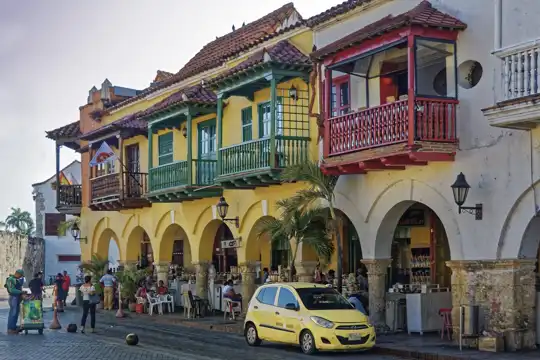
  1. Ciudad Amurallada (Walled City) — Walking its narrow streets is the quickest crash course in Cartagena: colonial architecture, balconies dripping with bougainvillea, tiny plazas and centuries of layered history. Best explored on foot so you can get lost on purpose and find hidden cafés and street life.
  2. Castillo San Felipe de Barajas — A massive 17th-century Spanish fortress with tunnels, artillery positions and ridiculous views over the city. Go early to avoid heat and crowds; the defensive engineering is impressively brutal and strangely fun to clamber around.
  3. Convento de La Popa — A hilltop convent with panoramic views of Cartagena’s skyline and bays, plus a peaceful cloister and small chapel. The climb (or short taxi ride) rewards you with perspective — and better photos than from sea
read more 👉
  1. Ciudad Amurallada (Walled City) — Walking its narrow streets is the quickest crash course in Cartagena: colonial architecture, balconies dripping with bougainvillea, tiny plazas and centuries of layered history. Best explored on foot so you can get lost on purpose and find hidden cafés and street life.
  2. Castillo San Felipe de Barajas — A massive 17th-century Spanish fortress with tunnels, artillery positions and ridiculous views over the city. Go early to avoid heat and crowds; the defensive engineering is impressively brutal and strangely fun to clamber around.
  3. Convento de La Popa — A hilltop convent with panoramic views of Cartagena’s skyline and bays, plus a peaceful cloister and small chapel. The climb (or short taxi ride) rewards you with perspective — and better photos than from sea level.
  4. Iglesia de San Pedro Claver — A sober, moving church and museum dedicated to the Jesuit priest who ministered to enslaved Africans; important for understanding Cartagena’s Afro-Caribbean history. The art and crypt add weight to what you see on the streets.
  5. Palacio de la Inquisición — A well-preserved colonial palace that now houses exhibits about the Inquisition and colonial justice. It’s a bit grim, but historically crucial — and the building itself is ornate and worth a look.
  6. Plaza de la Trinidad (Getsemaní) — The buzzing heart of Getsemaní: street art, musicians at sunset, cheap eats and a genuine neighborhood vibe that’s less polished than the Old City. Great for low-key nightlife and people-watching.
  7. Mercado de Bazurto — Cartagena’s chaotic central market: seafood, produce, street food and raw, authentic urban life. It’s not touristy for a reason — go with a local or guide, keep valuables tucked, and be ready for sensory overload (in a good way).
  8. Las Bóvedas — Old vaulted dungeons turned craft shops along the wall; a nice place to browse local handicrafts, bright hammocks, and small galleries without the full tourist market feel. Bargain politely and check quality before buying.
  9. Museo del Oro Zenú — A small museum focused on the Zenú people’s goldwork and ceramics, offering important context about pre-Colombian cultures of the region. Compact but rich — perfect if you’re into archaeology and design.
  10. Torre del Reloj (Clock Tower) — The iconic gateway to the Old City and an easy meeting point; passing under it feels like entering Cartagena’s story. Nearby plazas are good places to sit, sip, and watch the world go by.
For day trips outside the city try the Islas del Rosario (my personal favorite for snorkeling and clear water), Playa Blanca on Barú, or the Volcán de Lodo El Totumo for a strange-but-fun mud bath.
Spotted a mistake or missing something? Contact us.

Things to do in Cartagena

Ratings based on Tripadvisor reviews. When you book through this link, you support our work at no extra cost to you.

🏘️ NeighborhoodsNeighborhood guide to Cartagena

Cartagena is a vibrant city where history meets the Caribbean. Each neighborhood offers a unique flavor, catering to different backpacker needs. Here’s a breakdown to help you navigate your choices.

Getsemaní: This area is the heartbeat of Cartagena’s artsy scene. Expect colorful street art and a lively atmosphere. It’s budget-friendly, with plenty of hostels and local eateries. Walkability is high, making it easy to explore. The nightlife here is buzzing, with bars and live music. Perfect for short stays if you want to soak in the local culture quickly.

Old Town (Ciudad Amurallada): The historic core is a must-see. While it’s pricier, the charm is undeniable. Cobblestone streets and colonial architecture create a picturesque backdrop. It’s walkable, but can get crowded. Ideal for longer … read more 👉
Cartagena is a vibrant city where history meets the Caribbean. Each neighborhood offers a unique flavor, catering to different backpacker needs. Here’s a breakdown to help you navigate your choices.

Getsemaní: This area is the heartbeat of Cartagena’s artsy scene. Expect colorful street art and a lively atmosphere. It’s budget-friendly, with plenty of hostels and local eateries. Walkability is high, making it easy to explore. The nightlife here is buzzing, with bars and live music. Perfect for short stays if you want to soak in the local culture quickly.

Old Town (Ciudad Amurallada): The historic core is a must-see. While it’s pricier, the charm is undeniable. Cobblestone streets and colonial architecture create a picturesque backdrop. It’s walkable, but can get crowded. Ideal for longer stays if you want to immerse yourself in history, but be prepared for tourist traffic.

Bocagrande: This is the modern side of Cartagena, with high-rises and beach access. It’s more upscale, so expect higher prices. The vibe is relaxed during the day, but it can feel touristy at night. Good for those who want a mix of beach time and city life. Suitable for both short and long stays, especially if you enjoy a more contemporary atmosphere.

La Matuna: A quieter area, perfect for those seeking a break from the hustle. It’s less touristy and offers affordable accommodations. Walkability is decent, but you might need to rely on public transport for attractions. Best for longer stays if you want to experience local life without the noise.

Choose wisely, and each area will offer its own set of rewards.

⌛️ 1 daySeeing the highlights in 24 hours

Cartagena, Colombia, is a vibrant blend of history, culture, and coastal charm. Its colorful colonial architecture and lively streets pulse with stories from the past, making it a captivating destination. You can easily spend a day here, soaking in the essence of this coastal gem without feeling rushed.

Start your morning in the historic walled city, where the sun spills over the cobblestone streets. Grab a coffee at Café del Mar, perched on the city walls, and enjoy the view of the Caribbean Sea. From there, wander through the narrow streets of Getsemaní, a neighborhood that’s often overlooked by tourists. Here, street art adorns the walls, and the atmosphere buzzes with creativity. Don’t miss the chance to snap a photo at the iconic “La Casa de la Cerveza” mural.

As the day unfolds, head … read more 👉
Cartagena, Colombia, is a vibrant blend of history, culture, and coastal charm. Its colorful colonial architecture and lively streets pulse with stories from the past, making it a captivating destination. You can easily spend a day here, soaking in the essence of this coastal gem without feeling rushed.

Start your morning in the historic walled city, where the sun spills over the cobblestone streets. Grab a coffee at Café del Mar, perched on the city walls, and enjoy the view of the Caribbean Sea. From there, wander through the narrow streets of Getsemaní, a neighborhood that’s often overlooked by tourists. Here, street art adorns the walls, and the atmosphere buzzes with creativity. Don’t miss the chance to snap a photo at the iconic “La Casa de la Cerveza” mural.

As the day unfolds, head towards the Plaza de Santo Domingo. The vibrant energy here is infectious, with local vendors selling everything from handmade crafts to delicious arepas. Take a moment to appreciate the stunning sculpture by Botero, which adds a quirky touch to the plaza. For lunch, try La Cevichería, famous for its fresh ceviche that’s a must-have.

In the afternoon, stroll along the city walls for panoramic views of the ocean and the bustling city below. Make your way to the Castillo San Felipe de Barajas, a fortress that tells tales of Cartagena’s colonial past. The climb to the top is worth it for the sweeping vistas and a sense of history that envelops you.

As evening approaches, return to Getsemaní for dinner at a local eatery like Restaurante 1621, where you can savor traditional Colombian dishes in a cozy setting. Cap off your day with a leisurely walk along the waterfront, where the sunset paints the sky in hues of orange and pink.

In just one day, you’ve danced through history, tasted local flavors, and embraced the spirit of Cartagena. Each choice you made—whether to linger over coffee or explore a lesser-known neighborhood—has enriched your experience, proving that sometimes the best memories come from the paths less traveled.
Turn your Cartagena visit into an Colombia adventure
Build a complete Colombia route with Cartagena, hidden gems, must-see destinations, and realistic travel times included.

Generate my trip

🌤️ When to go?Seasonal considerations and timing


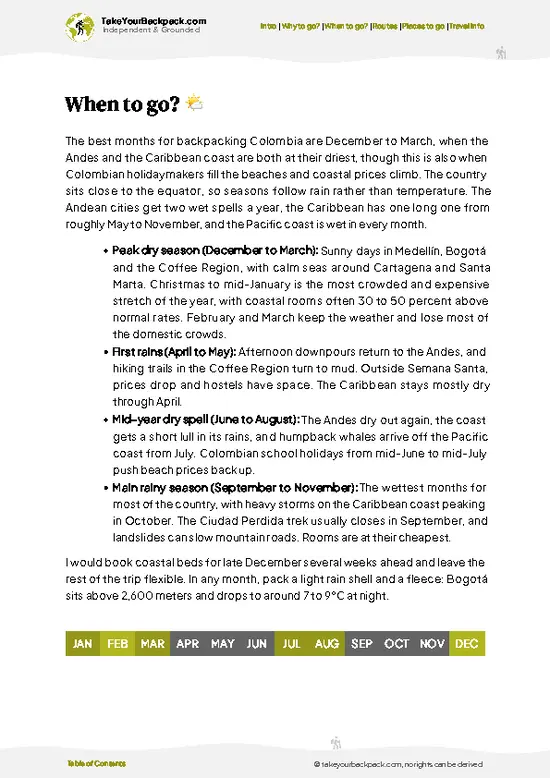
  • Weather: Cartagena’s climate is tropical, hot, and humid year-round, but the dry season from December to April offers the most comfortable conditions. Expect less rain, making it ideal for exploring without soggy interruptions.

  • Temperature: Daily highs hover around 30–33°C (86–91°F) consistently. Nights cool slightly to about 24–26°C (75–79°F), so pack light but breathable clothing regardless of when you visit.

  • Daylight Hours: Daylight is steady, roughly 12 hours year-round, thanks to Cartagena’s proximity to the equator. This means you can plan your days without worrying about early sunsets cutting adventures short.

  • Crowds: Peak tourist season aligns with the dry months and major holidays like Christmas and Easter, swelling the city with visitors. If you want fewer crowds, aim for
read more 👉

  • Weather: Cartagena’s climate is tropical, hot, and humid year-round, but the dry season from December to April offers the most comfortable conditions. Expect less rain, making it ideal for exploring without soggy interruptions.

  • Temperature: Daily highs hover around 30–33°C (86–91°F) consistently. Nights cool slightly to about 24–26°C (75–79°F), so pack light but breathable clothing regardless of when you visit.

  • Daylight Hours: Daylight is steady, roughly 12 hours year-round, thanks to Cartagena’s proximity to the equator. This means you can plan your days without worrying about early sunsets cutting adventures short.

  • Crowds: Peak tourist season aligns with the dry months and major holidays like Christmas and Easter, swelling the city with visitors. If you want fewer crowds, aim for the shoulder months of November or May, but be ready for occasional showers.

  • Seasonal Activities: The dry season hosts vibrant festivals like the Hay Festival in January and the Cartagena International Music Festival in January–February, adding cultural spice to your trip. The rainy season slows down events but offers lush landscapes and quieter streets.

  • Price Fluctuations: Prices spike during the dry season and holidays, especially December through March. Booking in the rainy season (May to November) can save you 20–40% on accommodation and tours, but weigh that against the weather trade-offs.


Pro-tip: For a savvy balance, visit late April or early November—weather’s decent, crowds thin, and prices dip, letting you experience Cartagena’s charm without the premium cost or packed streets.


source: climatestotravel.comJANJanuary: excellent for travelingFEBFebruary: excellent for travelingMARMarch: excellent for travelingAPRApril: highly recommended for travelingMAYMay: good for travelingJUNJune: fair for travelingJULJuly: fair for travelingAUGAugust: fair for travelingSEPSeptember: fair for travelingOCTOctober: fair for travelingNOVNovember: highly recommended for travelingDECDecember: excellent for traveling
Colombia - Cartagena

✈️ The backpacker research shortcutColombia Travel Guide

An offline-friendly backpacking guide with optimized travel routes, ranked highlights, transport advice, and the best areas to stay.
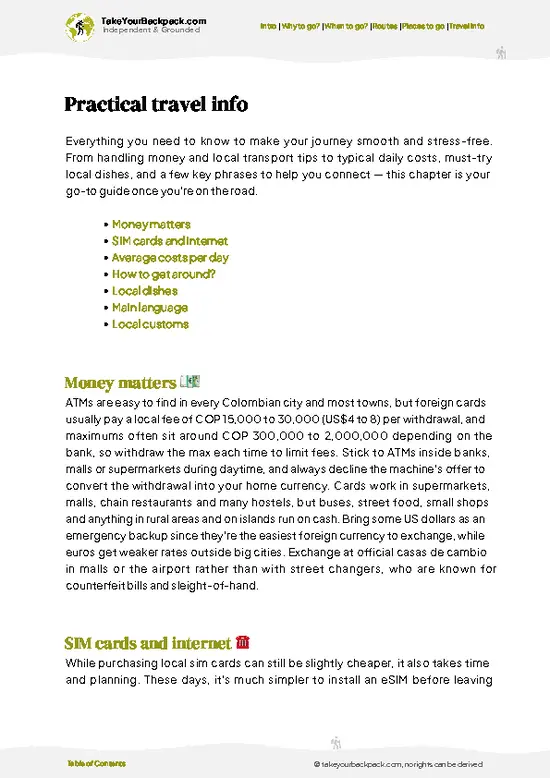
example page 0 from our offline Travel Guide for Colombia
example page 1 from our offline Travel Guide for Colombia
example page 2 from our offline Travel Guide for Colombia
example page 3 from our offline Travel Guide for Colombia
example page 4 from our offline Travel Guide for Colombia
example page 5 from our offline Travel Guide for Colombia
example page 6 from our offline Travel Guide for Colombia
example page 7 from our offline Travel Guide for Colombia
The digital guide (464 pages) contains:
122 highlights, ranked by travel appeal
Optimized 7, 14 & 21-day travel routes
Cities, national parks, landmarks, beaches
How to get around
Offline-friendly for travel without Wi-Fi
👉 Click to see all 30+ guide features

📅 Plan smarter in minutes, not weeks
Month by month travel advice
Festivals & national holidays
Budget expectations

🗺️ Go to the right places, skip the overrated ones
Honest pros & cons of destinations
Top hikes, parks & viewpoints
Lesser-known places most travelers miss
Clear “worth it vs skip it” guidance

🛏️ Travel smoothly without rookie mistakes
Best areas to stay
Transport systems explained simply
Common scams & safety advice
SIM cards, money & practical tips

🌍 Understand the country, not just visit it
Culture & traditions
52 Essential phrases & customs
Festivals worth planning around
Traveler-friendly historical context
Insights that make places more meaningful

📱 Built for real travel conditions
Fully downloadable PDF
Works completely offline
Optimized for phone use
Useful in remote areas & buses
Everything in one place
Save weeks of stressful planning
Get instant access to your full guide. 30‑day money-back guarantee.
+ Add another guide for just US$7.80

By proceeding you agree to our terms.
Sent to your inbox immediately after payment • 100% Secure Checkout
Best Backpacking Travel Advisor 2025 tourism awardBest Backpacking
Travel Advisor
2025
What others say about Take Your Backpack Guides:
⭐⭐⭐⭐⭐
Fantastic, amazing amount of information!
⭐⭐⭐⭐⭐
My goodness this is amazing, it's what I've been looking for hats off too you!
⭐⭐⭐⭐⭐
I think this is absolutely BRILLIANT
⭐⭐⭐⭐
Very complete and informative. It's still missing places, but I gotta to commend you
⭐⭐⭐⭐⭐
This is truly amazing, thank you, can't wait to explore it with my kids!
⭐⭐⭐⭐⭐
Awesome resource, thank you!
⭐⭐⭐⭐⭐
This is amazing! Can't wait to explore the ones I haven't seen
⭐⭐⭐⭐
I love this! Well done, great idea.
⭐⭐⭐⭐⭐
Thanks for taking the time to make this gem!
⭐⭐⭐⭐⭐
This might be the best website I've ever seen.
⭐⭐⭐⭐⭐
Congratulations, and thank you so much for your work; it's incredibly valuable.
⭐⭐⭐⭐
In all seriousness I think you did a great job pointing out the important spots
⭐⭐⭐⭐⭐
10/10 very good
⭐⭐⭐⭐⭐
As someone who's only just starting to visit regularly this is awesome, thank you.
⭐⭐⭐⭐
Thank you very much! I'm going to visit my dad, it's going to be very useful!
⭐⭐⭐⭐⭐
This is really cool! We'll be travelling for the first time and this definitely come in handy.
⭐⭐⭐⭐⭐
You are now our minister of culture, congratulations 👨‍💼
⭐⭐⭐⭐⭐
Just wanted to tell you that this is a pearl! Going to follow your recommendations.
⭐⭐⭐⭐⭐
This is so cool. I'll definitely be using the resource for my travels soon.
⭐⭐⭐⭐⭐
This is very impressive! Good work.
⭐⭐⭐⭐⭐
This is an amazing and informative site. Very well done!

🛏️ Where to stay?Where staying makes the most sense

Cartagena’s backpacker sweet spot is undeniably the Getsemaní neighborhood. It strikes a rare balance between safety and social buzz, making it a magnet for solo travelers and budget adventurers. Unlike the polished, tourist-heavy Old Town, Getsemaní pulses with street art, lively plazas, and a gritty charm that invites exploration without the usual tourist trap feel. Hostels here are plentiful, ranging from basic dorms to more boutique-style spots, all fostering a communal vibe that’s perfect for meeting fellow travelers.

Compared to Bocagrande, which leans more toward upscale resorts and a … read more 👉
Cartagena’s backpacker sweet spot is undeniably the Getsemaní neighborhood. It strikes a rare balance between safety and social buzz, making it a magnet for solo travelers and budget adventurers. Unlike the polished, tourist-heavy Old Town, Getsemaní pulses with street art, lively plazas, and a gritty charm that invites exploration without the usual tourist trap feel. Hostels here are plentiful, ranging from basic dorms to more boutique-style spots, all fostering a communal vibe that’s perfect for meeting fellow travelers.

Compared to Bocagrande, which leans more toward upscale resorts and a quieter, less interactive scene, Getsemaní offers a more authentic, energetic experience without sacrificing safety. The streets are well-patrolled, and the local cafes and bars create natural social hubs. Plus, it’s just a short walk or cheap taxi ride to the historic center, so you get the best of both worlds: budget-friendly, social living with easy access to Cartagena’s iconic sights.

If you’re weighing comfort against cost, Getsemaní leans toward value over luxury—expect simple but clean accommodations and a lively atmosphere rather than plush amenities. But that’s the trade-off that pays off: you’re investing in connection and local flavor, not just a place to crash. For backpackers who want to plug into Cartagena’s soul without blowing the budget, this neighborhood is the strategic choice.

🚌 Getting aroundHow to get around Cartagena

Cartagena moves with a rhythm that’s part old-world charm, part tropical hustle. It’s not a city where you’ll find everything running like clockwork, but neither is it a free-for-all. Instead, it’s a dance between the predictable and the spontaneous. The streets pulse with scooters weaving through traffic, vendors calling out their wares, and locals who know exactly when to wait and when to dart. For a budget traveler, understanding this flow means you’re not just getting from A to B—you’re playing the city’s game on your terms, balancing time, money, and comfort like a pro.


  • Walking: Cartagena’s Old Town is compact and best explored on foot. It costs nothing, gives you full control over your pace, and lets you soak in the colorful streets and colonial architecture up close. However, the
read more 👉
Cartagena moves with a rhythm that’s part old-world charm, part tropical hustle. It’s not a city where you’ll find everything running like clockwork, but neither is it a free-for-all. Instead, it’s a dance between the predictable and the spontaneous. The streets pulse with scooters weaving through traffic, vendors calling out their wares, and locals who know exactly when to wait and when to dart. For a budget traveler, understanding this flow means you’re not just getting from A to B—you’re playing the city’s game on your terms, balancing time, money, and comfort like a pro.


  • Walking: Cartagena’s Old Town is compact and best explored on foot. It costs nothing, gives you full control over your pace, and lets you soak in the colorful streets and colonial architecture up close. However, the tropical heat can slow you down, so plan your walking tours for early morning or late afternoon to avoid the midday scorch.


  • Transcaribe Bus System: This is the city’s rapid transit backbone, running from early morning (around 5:00 AM) until about 10:00 PM. A single ride costs roughly 2,500 COP (less than $1), making it the cheapest way to cover longer distances quickly. The buses are air-conditioned but can get crowded during rush hours, so comfort dips when you’re squeezed in with locals heading home.


  • Colectivos (Shared Taxis): These operate on fixed routes and are a middle ground between buses and private taxis. They’re faster than buses because they don’t stop as often, and cost around 3,000 to 5,000 COP per ride. You’ll share the ride with others, which means less privacy but a quicker trip. They don’t run on a strict schedule—more like when they fill up—so timing is flexible but unpredictable.


  • Private Taxis and Ride-Hailing Apps: If you’re short on time or traveling late at night, taxis and apps like Beat or DiDi offer door-to-door service. Expect to pay between 15,000 and 30,000 COP depending on distance and time of day. This option maximizes comfort and convenience but at a steep price compared to public transit. It’s a trade-off worth making if you value ease over budget.


  • Bicycle Rentals: For the adventurous and budget-conscious, renting a bike is a smart way to cover more ground than walking without the cost of motorized transport. Rentals run about 20,000 to 30,000 COP per day. Cartagena’s flat terrain makes cycling pleasant, but watch out for uneven cobblestones and traffic that doesn’t always respect bike lanes.


Mastering Cartagena’s transit options means you’re constantly weighing what you’re willing to trade: a few extra pesos for speed, a bit of sweat for free exploration, or a touch of discomfort for authentic local flavor. When you see these choices as a system rather than a hassle, you’re not just surviving the city—you’re winning it.

👛 Costs (as of 4 September 2026)Travel costs and budget guide for Cartagena

Backpacking in Cartagena, Colombia, means balancing your budget with the city’s vibrant energy and tourist-friendly infrastructure. Here’s the real deal on what you’ll spend daily, broken down so you can play the trade-off game like a pro.
  • Dorm Accommodation (High Season): Expect to pay around $12 to $18 per night during peak months (December to March). These prices reflect the demand surge when Cartagena fills up with tourists chasing sun and history.
  • Dorm Accommodation (Off-Season): Drop to about $8 to $12 per night when the crowds thin out, usually from April to November. You’ll find better deals and more space, but some hostels might close or reduce services.
  • Meals: Street food and casual eateries will cost you roughly $3 to $7 per meal. If you stick to local dishes like arepas or empanadas,
read more 👉
Backpacking in Cartagena, Colombia, means balancing your budget with the city’s vibrant energy and tourist-friendly infrastructure. Here’s the real deal on what you’ll spend daily, broken down so you can play the trade-off game like a pro.
  • Dorm Accommodation (High Season): Expect to pay around $12 to $18 per night during peak months (December to March). These prices reflect the demand surge when Cartagena fills up with tourists chasing sun and history.
  • Dorm Accommodation (Off-Season): Drop to about $8 to $12 per night when the crowds thin out, usually from April to November. You’ll find better deals and more space, but some hostels might close or reduce services.
  • Meals: Street food and casual eateries will cost you roughly $3 to $7 per meal. If you stick to local dishes like arepas or empanadas, you’ll eat well without breaking the bank. Mid-range restaurants push that to $10-$15 per meal.
  • Local Transport: Buses and colectivos (shared vans) run around $0.50 to $1 per ride. They’re cheap but can be crowded and slow, so factor in time if you’re on a tight schedule.
  • City Transport Pass: Cartagena doesn’t have a unified city transport pass like bigger metros. Instead, budget about $3 to $5 daily if you plan multiple bus or taxi rides.
  • Basic Activities/Entry Fees: Museums and historic sites typically charge $3 to $7 for entry. Walking tours might cost $10 to $15, but they’re often tip-based, so you can adjust according to your budget and interest.
  • Miscellaneous Expenses: Think water, snacks, occasional coffee, or a cold drink—budget around $2 to $5 daily. Cartagena’s tourist areas can be pricier, so keep an eye on your spending here.

All told, a realistic daily budget for backpacking in Cartagena ranges from about $25 on the lean side to $50 if you want a bit more comfort and flexibility. This range lets you decide if you’re squeezing every dollar or splurging on a few extras without losing the authentic vibe.


source: colombia.travel
⚠️ Prices can change and everyone travels differently, so take this as a rough guide. Hope it helps you plan your adventure!

🚌 Day tripsBest day trips from Cartagena

Cartagena is a vibrant launchpad for unforgettable day trips that balance time, money, and comfort. Here’s how to make the most of your adventure.

Islas del Rosario
Just a short boat ride from Cartagena, the Islas del Rosario are a tropical paradise worth every minute of your time. The coral reefs here are perfect for snorkeling, and the beaches are postcard-perfect. Expect to pay around $30 for a round-trip boat ticket, plus a bit more for gear rental. The best time to visit is during the dry season, from December to April, when the waters are calm and clear. A common mistake is to skip the early morning boats; the later trips can be overcrowded and less enjoyable.


Santa Marta
About a 4-5 hour bus ride from Cartagena, Santa Marta offers a different vibe with its stunning beaches … read more 👉
Cartagena is a vibrant launchpad for unforgettable day trips that balance time, money, and comfort. Here’s how to make the most of your adventure.

Islas del Rosario
Just a short boat ride from Cartagena, the Islas del Rosario are a tropical paradise worth every minute of your time. The coral reefs here are perfect for snorkeling, and the beaches are postcard-perfect. Expect to pay around $30 for a round-trip boat ticket, plus a bit more for gear rental. The best time to visit is during the dry season, from December to April, when the waters are calm and clear. A common mistake is to skip the early morning boats; the later trips can be overcrowded and less enjoyable.


Santa Marta
About a 4-5 hour bus ride from Cartagena, Santa Marta offers a different vibe with its stunning beaches and access to Tayrona National Park. The bus costs around $10, and you’ll want to budget for park entry fees if you plan to hike. The best time to visit is during the dry season, but be prepared for some humidity. Many first-timers underestimate the time it takes to explore Tayrona; don’t rush your experience.
👉 Explore Santa Marta

Palomino
If you’re looking for a chill day, Palomino is your spot. Just 5-6 hours by bus, this beach town is known for its lazy river tubing and laid-back atmosphere. The bus fare is similar to Santa Marta, around $10. The best months to go are December through March, when the weather is more predictable. A common pitfall? Many backpackers miss the sunset views; make sure to stick around for that golden hour.
👉 Explore Palomino

Mompox
For a taste of Colombia’s colonial history, Mompox is a hidden treasure about 4 hours away by bus. The fare is around $8, and the town’s charm lies in its well-preserved architecture and riverside views. The best time to visit is during the dry season, but avoid the peak tourist months for a more authentic experience. First-timers often overlook the local food scene; don’t miss trying the local fish dishes.


Tayrona National Park
While technically a bit of a stretch for a day trip, you can still make it work with an early start. The park is about a 5-hour journey, costing around $10 for the bus. The park is best visited from December to April, when the weather is dry. Many backpackers underestimate the hiking time; plan for a full day to truly enjoy the trails and beaches.
👉 Explore Tayrona National Park
Want to know what more Colombia offers?
The Colombia Travel Guide describes 122 highlights, from cities to national parks, from beaches to hikes

Get the Travel Guide -

🍲 FoodEating & Drinking in Cartagena

In Cartagena, food and drink are a vibrant part of the experience, bursting with local flavor and culture. Start with arepas, a corn-based staple that comes stuffed with everything from cheese to meat. You’ll find them at street stalls, sizzling on griddles, offering a taste of home in every bite. Pair that with patacones, crispy fried plantains, often topped with guacamole or hogao sauce, and you’re in for a treat.

For a refreshing drink, don’t miss aguapanela, a sweetened cane sugar drink served cold, perfect for the tropical heat. If you’re feeling adventurous, try cocoloco, a coconut cocktail that’s as much about the experience as the taste, often served right from the shell on the beach.

Backpackers flock to local markets like Bazurto, where the air is thick with spices and the chatter … read more 👉
In Cartagena, food and drink are a vibrant part of the experience, bursting with local flavor and culture. Start with arepas, a corn-based staple that comes stuffed with everything from cheese to meat. You’ll find them at street stalls, sizzling on griddles, offering a taste of home in every bite. Pair that with patacones, crispy fried plantains, often topped with guacamole or hogao sauce, and you’re in for a treat.

For a refreshing drink, don’t miss aguapanela, a sweetened cane sugar drink served cold, perfect for the tropical heat. If you’re feeling adventurous, try cocoloco, a coconut cocktail that’s as much about the experience as the taste, often served right from the shell on the beach.

Backpackers flock to local markets like Bazurto, where the air is thick with spices and the chatter of vendors. Here, you can sample fresh seafood, like ceviche, made with the catch of the day, or grab a quick bite from a food cart.

Dining is often communal, so don’t hesitate to share a table or strike up a conversation. Embrace the slow pace of meals; it’s all part of the culture. Remember, in Cartagena, food is not just sustenance; it’s a way to connect with the vibrant life around you.

🛡️ SafetyTraveler Safety Guide

Cartagena is generally safe for backpackers, but like any vibrant city, it has its quirks. The historic center is a tourist magnet, and while it’s lively, it’s wise to stay aware of your surroundings, especially in crowded areas. Pickpocketing can happen, so keep your valuables close and avoid flashy displays of wealth.

If you’re venturing out solo at night, stick to well-lit streets and popular areas. The Getsemaní neighborhood is buzzing with energy, but it’s best to travel in groups after dark. Trust your instincts; if a situation feels off, it probably is.

Scams can pop up, particularly around tourist hotspots. Be cautious of overly friendly strangers offering unsolicited help or guiding you to shops with inflated prices. Always agree on prices beforehand, especially with taxis or street … read more 👉
Cartagena is generally safe for backpackers, but like any vibrant city, it has its quirks. The historic center is a tourist magnet, and while it’s lively, it’s wise to stay aware of your surroundings, especially in crowded areas. Pickpocketing can happen, so keep your valuables close and avoid flashy displays of wealth.

If you’re venturing out solo at night, stick to well-lit streets and popular areas. The Getsemaní neighborhood is buzzing with energy, but it’s best to travel in groups after dark. Trust your instincts; if a situation feels off, it probably is.

Scams can pop up, particularly around tourist hotspots. Be cautious of overly friendly strangers offering unsolicited help or guiding you to shops with inflated prices. Always agree on prices beforehand, especially with taxis or street vendors.

Overall, a confident demeanor and a little street smarts go a long way. Embrace the experience, but stay alert, and you’ll navigate Cartagena like a pro.

FAQTraveler FAQ

3 to 4 days are sufficient to explore Cartagena's main attractions, including the walled city, Castillo San Felipe, and nearby beaches like Playa Blanca. This allows time for cultural tours and relaxation without rushing.
Yes, Cartagena is generally safe for solo backpackers, especially in well-populated tourist areas like the Old Town and Bocagrande. Standard precautions such as avoiding poorly lit areas at night and not displaying valuables are advised.
Cartagena is known for its well-preserved colonial architecture, vibrant street life, and historic walled city. It is also famous for its Caribbean beaches and as a gateway to the Rosario Islands.
⚠️ Things can change over time, so always validate details locally before you go.

Other Colombian cities near Cartagena

Explore more nearby:

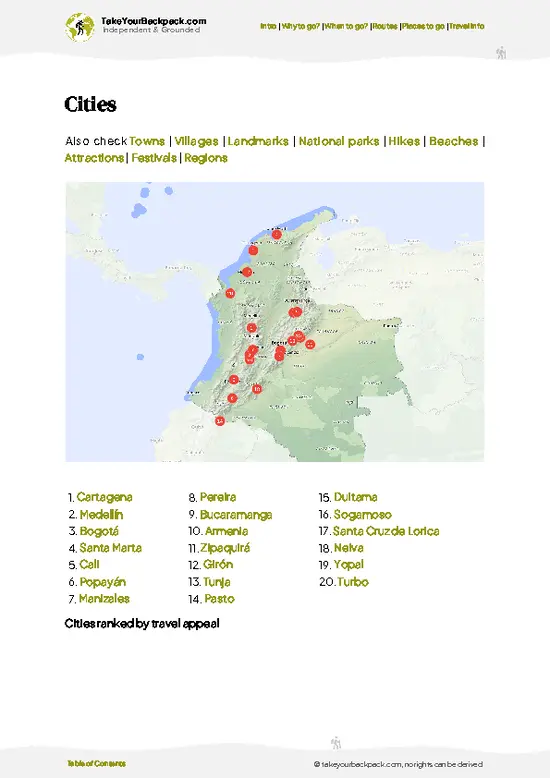
  • Lorica—Sinú River, Moorish facades, riverside market| 133 km away
  • Santa Marta—beachfront city, Sierra Nevada, port access| 168 km away
  • Turbo—Caribbean port, banana trade, humid lowlands| 290 km away

💡 Not sure where to go next?
Create a personalized itinerary for Colombia including Cartagena and the places that fit your trip.

Generate my itinerary

👉 Discover all cities

Or checkout all Colombia has to offer (think cities, towns, villages, national parks, hikes, beaches, festivals)
Country photo of Colombia

We 💚 feedbackIs it worth it?

Cartagena’s vibrant streets pulse with history and culture, making it a must-visit. Strolling through the walled city, you’ll feel the energy of centuries past. But here’s the catch: it can get touristy, especially in peak season. Prices spike, and finding a quiet spot can be a challenge. Embrace the hustle, but know that the charm lies in the chaos. Balance your time and budget wisely, and you’ll leave with stories worth sharing.

✈️ When did I visit Colombia?
Did a good 3-week trip around Colombia in August 2014.

✍️ Help improve this page!
The information on this page is based on my own backpacking experience in Colombia, supplemented with up-to-date research and feedback from other travelers. Travel details can change, so if you notice anything outdated or incomplete, feel free to let me know.


🙋‍♂️ Give feedback

👋 Meet the founderWho’s Behind Take Your Backpack?

Johan, backpacker and founder of TakeYourBackpackHi, I’m Johan (Netherlands 🇳🇱), the creator of TakeYourBackpack. Over the past decade, I’ve backpacked through 80+ countries across six continents, gaining extensive experience with independent travel, long-term trips, and overland routes.

This site is built on a combination of firsthand travel experience and carefully curated insights from other backpackers. Many guides are based on places I’ve personally visited, while others bring together tips, observations, and practical advice shared by trusted travelers I’ve met along the way.

The goal is to provide realistic, experience-driven guidance — not generic itineraries — so you can explore destinations with better context, clearer expectations, and more confidence.

Get full Colombia guide •
Instant download • 122 highlights • Full Offline guide