×

Dominican Republic🇩🇴 | citiesPunta Canaresort strip, white sand beaches, airport hub | things to do and best time to go

Explore Puerto PlataExplore Santiago

Backpacking in Punta Cana
🏆 Top pickcity ranked #1
By Johan Kruseman 🇳🇱 | Updated September 4, 2026

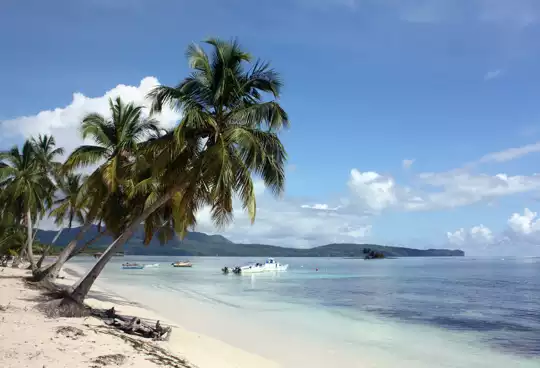
Punta Cana used to feel like the end of the road: a few resorts, a lot of sand, and long stretches where you could walk the beach without seeing more than a fisherman and a stray dog. Today it’s a full-blown tourism machine, with all-inclusive compounds, golf carts, and package tourists everywhere. It sits on the far eastern tip of the Dominican Republic, where the Atlantic and Caribbean meet, and that geography is the main event. For backpackers, the trade-off is clear: easy flights, simple logistics, and reliable beaches, but very little real street life. There’s no historic core like Santo Domingo, no bohemian buzz like Las Terrenas; nightlife is mostly resort clubs and organized bar crawls. It’s relatively safe if you stick to known areas, but prices skew high and local culture is diluted. The vibe is beach-first, bubble-like, and convenient rather than adventurous.

Discover everything you want to know in the 📖 Dominican Republic Travel Guide.
Loading the map 🌍
CLICK TO FILTER
cities
towns
landmarks
national parks
hikes
beaches
attractions
festivals
regions
SHOW COUNTRY’S BESTSHOW ALL

✨ Why go?
Ranked #1 city in Dominican Republic
What sets this place apart

Punta Cana is often seen as a resort haven, but it’s more than just sun and sand. For backpackers, it serves as a strategic basecamp. The city is well-connected, making onward travel to other Dominican hotspots a breeze. You’ll find a range of affordable hostels that cater to budget-conscious travelers, offering a chance to meet fellow adventurers.

The food scene is vibrant, with local eateries serving up delicious Dominican fare at prices that won’t break the bank. Plus, the walkability of the area means you can explore without relying on pricey taxis.

While Punta Cana may not have the depth of culture found in other cities, it offers a solid mix of highlights and activities that can easily fill a few days. The nightlife is lively, with bars and clubs that keep the energy high after sunset. … read more 👉
Punta Cana is often seen as a resort haven, but it’s more than just sun and sand. For backpackers, it serves as a strategic basecamp. The city is well-connected, making onward travel to other Dominican hotspots a breeze. You’ll find a range of affordable hostels that cater to budget-conscious travelers, offering a chance to meet fellow adventurers.

The food scene is vibrant, with local eateries serving up delicious Dominican fare at prices that won’t break the bank. Plus, the walkability of the area means you can explore without relying on pricey taxis.

While Punta Cana may not have the depth of culture found in other cities, it offers a solid mix of highlights and activities that can easily fill a few days. The nightlife is lively, with bars and clubs that keep the energy high after sunset.

If you’re looking for a place to recharge before diving into the more rugged parts of the island, or if you want a quick stop with a bit of everything, Punta Cana fits the bill. Just remember, it’s best enjoyed as a short stop rather than a long stay.
Want to include Punta Cana in your Dominican Republic route?
Create a personalized Dominican Republic itinerary that includes Punta Cana and the places that fit your trip — based on your travel style, budget, and available time. Get your route in seconds.

Generate my trip

💡 HighlightsWhat this place is best known for

  • Playa Punta Cana — The town’s public beach: wide sand, calm swimming, and a real feel for the place once you step away from resort lobbies; good for a relaxed morning walk and cheap ceviche from nearby stalls.
  • Playa Bávaro — The classic postcard stretch of white sand and turquoise water that actually locals use too; great for long walks, people-watching, and easy access to boat trips and water sports.
  • Playa Macao — A wind-friendly, surf-able beach with a raw, less-touristy vibe and food shacks on the sand; it’s one of the few public beaches where local fishermen still land boats and you can watch daily life unfold.
  • Indigenous Eyes Ecological Park (Ojos Indígenas) — A protected reserve of freshwater lagoons and shady trails inside the Puntacana area; it’s refreshing, educational, and gives
read more 👉
  • Playa Punta Cana — The town’s public beach: wide sand, calm swimming, and a real feel for the place once you step away from resort lobbies; good for a relaxed morning walk and cheap ceviche from nearby stalls.
  • Playa Bávaro — The classic postcard stretch of white sand and turquoise water that actually locals use too; great for long walks, people-watching, and easy access to boat trips and water sports.
  • Playa Macao — A wind-friendly, surf-able beach with a raw, less-touristy vibe and food shacks on the sand; it’s one of the few public beaches where local fishermen still land boats and you can watch daily life unfold.
  • Indigenous Eyes Ecological Park (Ojos Indígenas) — A protected reserve of freshwater lagoons and shady trails inside the Puntacana area; it’s refreshing, educational, and gives a good sense of the island’s natural and pre-Columbian landscape.
  • Puntacana Village — A compact commercial and dining strip where locals, expats, and travelers mix; come for affordable local restaurants, small shops, and a more authentic evening scene than resort strips.
  • Manatí Park Bavaro — A small animal and cultural park that combines Caribbean wildlife displays with Taino-style cultural shows; it’s touristy but useful for families and for a quick intro to folkloric performances and regional fauna.
  • Cabeza de Toro — A working fishing village and lagoon area offering mangrove boat rides and local seafood stands; visiting here gives a sense of how fishing communities around Punta Cana live and work.
  • Dolphin Explorer / Ocean Encounter — One of the on-land marine encounter centers in the area offering dolphin swims and marine shows; it’s an experiential stop (check ethical practices and choose what aligns with your values) and an easy hands-on marine introduction.
  • Cocotal Golf & Country Club (Punta Cana) — More than a golf course: palm-lined lagoons, a lively clubhouse, and public-friendly spots to grab a beer and watch local expats and visitors mingle; good if you want a quieter, green break from beaches.
  • Puntacana Ecological Foundation & Turtle Program — The local conservation outfit that runs guided nature projects and a sea-turtle conservation program; offers meaningful, educational visits and the chance to learn about local environmental efforts (reservations usually required).
A few great day-trip options just outside Punta Cana: Saona Island for palm-fringed beaches, the Basilica of Our Lady of Altagracia in Higüey for local religious history, and Altos de Chavón/La Romana for the riverside craft village and sweeping views.
Spotted a mistake or missing something? Contact us.

Things to do in Punta Cana

Ratings based on Tripadvisor reviews. When you book through this link, you support our work at no extra cost to you.

🏘️ NeighborhoodsKey areas and districts to know

Punta Cana is a playground for those seeking sun, sand, and a taste of local culture. Understanding its neighborhoods can help you maximize your experience while balancing time, money, and comfort.

Bavaro: This area is the heartbeat of Punta Cana. It’s lively, with a mix of budget-friendly hostels and upscale resorts. The beach is stunning, and you can easily walk to local eateries and shops. Nightlife here is vibrant, with bars and clubs buzzing until dawn. Perfect for short stays if you want to dive into the action, but longer stays can feel overwhelming.

Cap Cana: If luxury is your game, Cap Cana is where you’ll find it. This upscale neighborhood features pristine beaches and high-end amenities. It’s less walkable, so expect to rely on taxis or rental cars. The vibe is quieter, making … read more 👉
Punta Cana is a playground for those seeking sun, sand, and a taste of local culture. Understanding its neighborhoods can help you maximize your experience while balancing time, money, and comfort.

Bavaro: This area is the heartbeat of Punta Cana. It’s lively, with a mix of budget-friendly hostels and upscale resorts. The beach is stunning, and you can easily walk to local eateries and shops. Nightlife here is vibrant, with bars and clubs buzzing until dawn. Perfect for short stays if you want to dive into the action, but longer stays can feel overwhelming.

Cap Cana: If luxury is your game, Cap Cana is where you’ll find it. This upscale neighborhood features pristine beaches and high-end amenities. It’s less walkable, so expect to rely on taxis or rental cars. The vibe is quieter, making it ideal for those looking to unwind. However, the cost can be steep, so it’s best for longer stays if you want to enjoy the full experience without breaking the bank.

Pueblo Bavaro: A local favorite, this area offers a more authentic Dominican experience. It’s budget-friendly, with plenty of local markets and eateries. Walkability is decent, and you’ll find a mix of nightlife options that cater to locals rather than tourists. This is a great spot for longer stays if you want to immerse yourself in the culture without spending a fortune.

Uvero Alto: A bit farther from the main tourist areas, Uvero Alto is quieter and more laid-back. It’s ideal for those seeking solitude and natural beauty. Accommodations here are generally more affordable, but transport options are limited. Perfect for longer stays if you want to escape the hustle and bustle.

⌛️ 1 dayWhat you can realistically do in a day

Punta Cana is more than just a beach resort; it’s a vibrant slice of Dominican life, where palm trees sway and the ocean hums a soothing tune. While many flock to the all-inclusive resorts, there’s a world beyond the gates that’s worth exploring.

Start your day in the charming neighborhood of Bavaro. Grab a fresh mango smoothie at a local café, then stroll along the beach. The soft sand and gentle waves set the perfect tone. If you’re feeling adventurous, consider a quick snorkeling trip to explore the nearby coral reefs. It’s a small investment of time that pays off with colorful marine life and stunning underwater views.

As the sun climbs higher, head to the Indigenous Eyes Ecological Park. This lesser-known gem offers a refreshing escape from the tourist crowds. Wander through lush trails, … read more 👉
Punta Cana is more than just a beach resort; it’s a vibrant slice of Dominican life, where palm trees sway and the ocean hums a soothing tune. While many flock to the all-inclusive resorts, there’s a world beyond the gates that’s worth exploring.

Start your day in the charming neighborhood of Bavaro. Grab a fresh mango smoothie at a local café, then stroll along the beach. The soft sand and gentle waves set the perfect tone. If you’re feeling adventurous, consider a quick snorkeling trip to explore the nearby coral reefs. It’s a small investment of time that pays off with colorful marine life and stunning underwater views.

As the sun climbs higher, head to the Indigenous Eyes Ecological Park. This lesser-known gem offers a refreshing escape from the tourist crowds. Wander through lush trails, and take a dip in the crystal-clear lagoons. It’s a serene experience that connects you to the island’s natural beauty. Allocate a couple of hours here; it’s worth every minute.

For lunch, venture into the heart of Punta Cana Village. Try a local eatery for some sancocho, a hearty Dominican stew. The flavors are rich, and the atmosphere is laid-back. You’ll feel the pulse of the community here, a stark contrast to the resort scene.

In the afternoon, make your way to the Punta Cana Marina. Rent a kayak or simply enjoy the waterfront views. If you’re lucky, you might spot some playful dolphins.

As evening approaches, return to Bavaro for dinner. Choose a beachfront restaurant where you can savor fresh seafood while watching the sunset paint the sky.

End your day with a stroll along the beach, feeling the warm sand beneath your feet. This day in Punta Cana is a blend of relaxation and discovery, a perfect balance of time, money, and comfort that leaves you with lasting memories.
Turn your Punta Cana visit into an Dominican Republic adventure
Build a complete Dominican Republic route with Punta Cana, hidden gems, must-see destinations, and realistic travel times included.

Generate my trip

🌤️ When to go?Choosing the right time of year


  • Topic: Weather and Temperature – Punta Cana’s dry season from December to April offers sunny skies and temperatures hovering between 24°C to 29°C (75°F to 85°F). This is prime backpacking weather—warm but not sweltering. The wet season, May to November, brings heavy rain and humidity, with temps climbing to 31°C (88°F), which can sap your energy and limit outdoor plans.

  • Topic: Daylight Hours – Year-round, daylight stays steady around 11 to 12 hours, so you won’t lose precious exploration time. However, the dry season’s clearer skies make those daylight hours feel more inviting and less oppressive.

  • Topic: Crowds – Peak tourist season aligns with the dry months, especially around Christmas and spring break. Expect busier beaches and higher prices. Off-peak months see fewer travelers,
read more 👉

  • Topic: Weather and Temperature – Punta Cana’s dry season from December to April offers sunny skies and temperatures hovering between 24°C to 29°C (75°F to 85°F). This is prime backpacking weather—warm but not sweltering. The wet season, May to November, brings heavy rain and humidity, with temps climbing to 31°C (88°F), which can sap your energy and limit outdoor plans.

  • Topic: Daylight Hours – Year-round, daylight stays steady around 11 to 12 hours, so you won’t lose precious exploration time. However, the dry season’s clearer skies make those daylight hours feel more inviting and less oppressive.

  • Topic: Crowds – Peak tourist season aligns with the dry months, especially around Christmas and spring break. Expect busier beaches and higher prices. Off-peak months see fewer travelers, giving you more breathing room and a chance to connect with locals.

  • Topic: Seasonal Activities – Dry season unlocks the full range of water sports, hiking, and cultural festivals. The wet season can dampen outdoor plans but offers lush landscapes and lower rates.

  • Topic: Price Fluctuations – Prices spike December through April, especially lodging and flights. The wet season slashes costs, making it ideal if you prioritize budget over perfect weather.


Pro-tip: Aim for late April or early December—shoulder months that balance decent weather, manageable crowds, and better prices, turning timing into your secret weapon.


source: climatestotravel.comJANJanuary: excellent for travelingFEBFebruary: excellent for travelingMARMarch: excellent for travelingAPRApril: highly recommended for travelingMAYMay: fair for travelingJUNJune: fair for travelingJULJuly: fair for travelingAUGAugust: fair for travelingSEPSeptember: below average for travelingOCTOctober: fair for travelingNOVNovember: fair for travelingDECDecember: highly recommended for traveling
when-to-go

✈️ The backpacker research shortcutDominican Republic Travel Guide

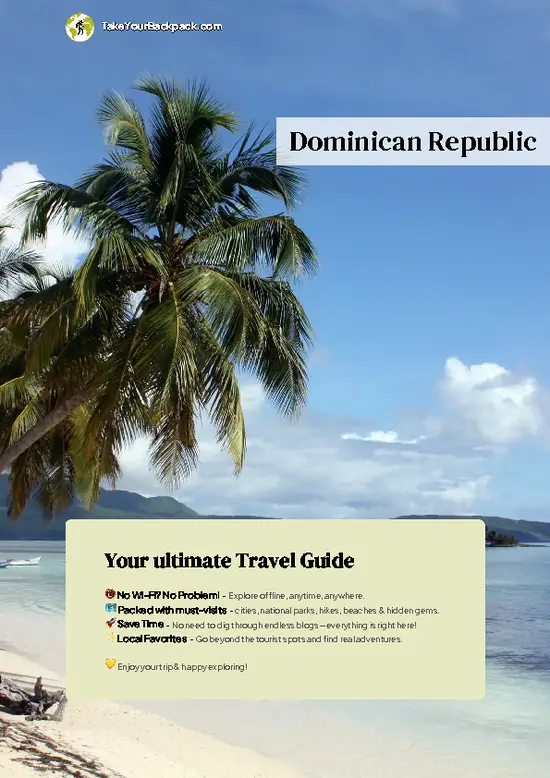
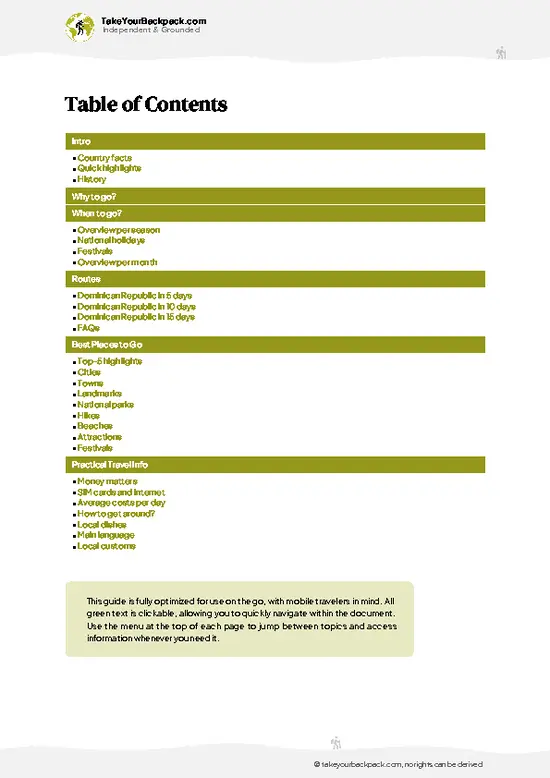
An offline-friendly backpacking guide with optimized travel routes, ranked highlights, transport advice, and the best areas to stay.
example page 0 from our offline Travel Guide for Dominican Republic
example page 1 from our offline Travel Guide for Dominican Republic
example page 2 from our offline Travel Guide for Dominican Republic
example page 3 from our offline Travel Guide for Dominican Republic
example page 4 from our offline Travel Guide for Dominican Republic
example page 5 from our offline Travel Guide for Dominican Republic
example page 6 from our offline Travel Guide for Dominican Republic
example page 7 from our offline Travel Guide for Dominican Republic
The digital guide (418 pages) contains:
116 highlights, ranked by travel appeal
Optimized 5, 10 & 15-day travel routes
Cities, national parks, landmarks, beaches
How to get around
Offline-friendly for travel without Wi-Fi
👉 Click to see all 30+ guide features

📅 Plan smarter in minutes, not weeks
Month by month travel advice
Festivals & national holidays
Budget expectations

🗺️ Go to the right places, skip the overrated ones
Honest pros & cons of destinations
Top hikes, parks & viewpoints
Lesser-known places most travelers miss
Clear “worth it vs skip it” guidance

🛏️ Travel smoothly without rookie mistakes
Best areas to stay
Transport systems explained simply
Common scams & safety advice
SIM cards, money & practical tips

🌍 Understand the country, not just visit it
Culture & traditions
52 Essential phrases & customs
Festivals worth planning around
Traveler-friendly historical context
Insights that make places more meaningful

📱 Built for real travel conditions
Fully downloadable PDF
Works completely offline
Optimized for phone use
Useful in remote areas & buses
Everything in one place
Save weeks of stressful planning
Get instant access to your full guide. 30‑day money-back guarantee.
+ Add another guide for just US$7.80

By proceeding you agree to our terms.
Sent to your inbox immediately after payment • 100% Secure Checkout
Best Backpacking Travel Advisor 2025 tourism awardBest Backpacking
Travel Advisor
2025
What others say about Take Your Backpack Guides:
⭐⭐⭐⭐⭐
Fantastic, amazing amount of information!
⭐⭐⭐⭐⭐
My goodness this is amazing, it's what I've been looking for hats off too you!
⭐⭐⭐⭐⭐
I think this is absolutely BRILLIANT
⭐⭐⭐⭐
Very complete and informative. It's still missing places, but I gotta to commend you
⭐⭐⭐⭐⭐
This is truly amazing, thank you, can't wait to explore it with my kids!
⭐⭐⭐⭐⭐
Awesome resource, thank you!
⭐⭐⭐⭐⭐
This is amazing! Can't wait to explore the ones I haven't seen
⭐⭐⭐⭐
I love this! Well done, great idea.
⭐⭐⭐⭐⭐
Thanks for taking the time to make this gem!
⭐⭐⭐⭐⭐
This might be the best website I've ever seen.
⭐⭐⭐⭐⭐
Congratulations, and thank you so much for your work; it's incredibly valuable.
⭐⭐⭐⭐
In all seriousness I think you did a great job pointing out the important spots
⭐⭐⭐⭐⭐
10/10 very good
⭐⭐⭐⭐⭐
As someone who's only just starting to visit regularly this is awesome, thank you.
⭐⭐⭐⭐
Thank you very much! I'm going to visit my dad, it's going to be very useful!
⭐⭐⭐⭐⭐
This is really cool! We'll be travelling for the first time and this definitely come in handy.
⭐⭐⭐⭐⭐
You are now our minister of culture, congratulations 👨‍💼
⭐⭐⭐⭐⭐
Just wanted to tell you that this is a pearl! Going to follow your recommendations.
⭐⭐⭐⭐⭐
This is so cool. I'll definitely be using the resource for my travels soon.
⭐⭐⭐⭐⭐
This is very impressive! Good work.
⭐⭐⭐⭐⭐
This is an amazing and informative site. Very well done!

🛏️ Where to stay?Best areas to stay in Dominican Republic

In Punta Cana, the backpacker sweet spot isn’t sprawling like in bigger cities, but it’s clear once you know where to look. The area around Bávaro Beach is your best bet. It’s where budget travelers and solo adventurers converge, drawn by a mix of safety, social energy, and wallet-friendly options. Unlike the all-inclusive resort zones that dominate Punta Cana’s coastline, Bávaro offers a more grounded, accessible vibe. You’ll find hostels clustered here, creating a natural hub for meeting fellow travelers without the resort bubble’s isolation.

This neighborhood balances comfort and cost cleverly. … read more 👉
In Punta Cana, the backpacker sweet spot isn’t sprawling like in bigger cities, but it’s clear once you know where to look. The area around Bávaro Beach is your best bet. It’s where budget travelers and solo adventurers converge, drawn by a mix of safety, social energy, and wallet-friendly options. Unlike the all-inclusive resort zones that dominate Punta Cana’s coastline, Bávaro offers a more grounded, accessible vibe. You’ll find hostels clustered here, creating a natural hub for meeting fellow travelers without the resort bubble’s isolation.

This neighborhood balances comfort and cost cleverly. It’s safe enough to wander after dark, with enough local eateries and bars to keep your evenings lively without draining your budget. The social scene is organic—hostels often organize group outings, beach days, or pub crawls, so you’re plugged into the community from day one. Compared to the resort-heavy areas, Bávaro feels less like a tourist trap and more like a base camp for genuine exploration.

Other parts of Punta Cana, like the resort districts or the town center, either skew too pricey or lack that backpacker-friendly pulse. Bávaro’s mix of affordability, safety, and social opportunities makes it the logical choice for anyone who wants to stretch their budget without sacrificing the chance to connect and explore.

🚌 Getting aroundHow to get from A to B

Punta Cana moves at a pace that’s more about the sun and sea than strict timetables. It’s a place where the clock bends to the rhythm of the waves and the chatter of tourists and locals alike. You won’t find a city obsessed with punctuality here; instead, it’s a blend of laid-back beach vibes and bursts of activity around resorts and markets. This means your transit choices aren’t just about getting from A to B—they’re about balancing patience, budget, and comfort in a way that suits your style. Understanding this flow is your secret weapon to mastering Punta Cana’s transit game.


  • Walking: The ultimate zero-cost option, especially within resort areas and nearby beaches. It’s slow but unbeatable for soaking in the local atmosphere and avoiding any transit hassle. Just watch for sun exposure
read more 👉
Punta Cana moves at a pace that’s more about the sun and sea than strict timetables. It’s a place where the clock bends to the rhythm of the waves and the chatter of tourists and locals alike. You won’t find a city obsessed with punctuality here; instead, it’s a blend of laid-back beach vibes and bursts of activity around resorts and markets. This means your transit choices aren’t just about getting from A to B—they’re about balancing patience, budget, and comfort in a way that suits your style. Understanding this flow is your secret weapon to mastering Punta Cana’s transit game.


  • Walking: The ultimate zero-cost option, especially within resort areas and nearby beaches. It’s slow but unbeatable for soaking in the local atmosphere and avoiding any transit hassle. Just watch for sun exposure and uneven sidewalks.


  • Local Buses (Guaguas): These are the backbone of budget travel here. They run roughly from 6 AM to 9 PM, with fares around 50-100 DOP (about $1-$2 USD). They’re slow, often crowded, and comfort is minimal, but they connect you to key spots like Bávaro and the town center. Timing is flexible but expect irregular schedules and stops on demand.


  • Shared Taxis (Carros Públicos): Faster than buses and more direct, these shared taxis operate on fixed routes but leave only when full. Prices hover around 100-150 DOP ($2-$3 USD). They offer a middle ground—more comfort and speed than buses, but less privacy and flexibility than private taxis. They run from early morning until about 10 PM.


  • Private Taxis: The fastest and most comfortable option, but also the priciest. Expect to pay 800-1500 DOP ($15-$30 USD) for common routes like the airport to resorts. No fixed schedule—just call or flag one down. Ideal if you value time and ease over cost, especially after a long flight or late at night.


  • Airport Shuttle Services: Many resorts offer shuttle transfers included or for a fee, typically around $20-$40 USD one way. They run on a schedule aligned with flights, providing a hassle-free, comfortable ride. Not the cheapest, but a solid choice if you want to avoid the unpredictability of local transit right off the bat.


In Punta Cana, every transit choice is a trade-off between time, money, and comfort. Walking costs nothing but demands time and stamina. Local buses save cash but test your patience and personal space. Shared taxis speed things up a bit without breaking the bank. Private taxis and shuttles buy you comfort and convenience at a premium. Knowing these trade-offs lets you play the system smartly—whether you’re stretching a tight budget or splurging for ease, you’re in control of your journey’s flow.

👛 Costs (as of 4 September 2026)What things cost and how to budget

Backpacking in Punta Cana, Dominican Republic, means balancing your budget against the island’s tourist-driven prices and local realities. Here’s how the daily costs typically break down for an independent traveler aiming to keep things efficient but comfortable.
  • Dorm Accommodation (High Season): Expect to pay around $15 to $25 per night. High season drives prices up due to demand, especially near popular beaches and resorts.
  • Dorm Accommodation (Off-Season): Prices drop to about $10 to $18 per night. You’ll find better deals and more availability, but some places might close or reduce services.
  • Meals: Budget $8 to $15 daily if you stick to local eateries and street food. Punta Cana’s tourist areas push prices higher, but venturing a bit inland or to markets can save you money without sacrificing
read more 👉
Backpacking in Punta Cana, Dominican Republic, means balancing your budget against the island’s tourist-driven prices and local realities. Here’s how the daily costs typically break down for an independent traveler aiming to keep things efficient but comfortable.
  • Dorm Accommodation (High Season): Expect to pay around $15 to $25 per night. High season drives prices up due to demand, especially near popular beaches and resorts.
  • Dorm Accommodation (Off-Season): Prices drop to about $10 to $18 per night. You’ll find better deals and more availability, but some places might close or reduce services.
  • Meals: Budget $8 to $15 daily if you stick to local eateries and street food. Punta Cana’s tourist areas push prices higher, but venturing a bit inland or to markets can save you money without sacrificing flavor.
  • Local Transport: Shared minibuses or motoconchos (motorcycle taxis) cost roughly $1 to $3 per trip. They’re cheap but can be unpredictable and crowded.
  • City Transport Pass: There isn’t a formal city transport pass system in Punta Cana. Most travelers rely on individual rides or taxis, which can add up if you’re moving around a lot.
  • Basic Activities/Entry Fees: Simple beach access is free, but expect to pay $10 to $30 for entry to parks, caves, or cultural sites. Organized tours and water activities start higher, so budget accordingly if you want to splurge.
  • Miscellaneous Expenses: Include about $3 to $7 daily for bottled water, snacks, and small essentials. Tourist areas tend to mark up prices, so shop around.

Total daily costs for backpackers in Punta Cana typically range from $40 to $70, depending on season and how much you lean into convenience versus local options. This range gives you a clear picture of what you’re trading off—time, comfort, or money—so you can plan a trip that feels smart and satisfying.


source: godominicanrepublic.com
⚠️ Prices can change and everyone travels differently, so take this as a rough guide. Hope it helps you plan your adventure!

🚌 Day tripsWhere to go beyond the main area

Punta Cana isn’t just about lounging on the beach; it’s a strategic launchpad for some incredible day trips that pack a punch without draining your wallet. Here’s how to make the most of your time, money, and comfort while exploring the Dominican Republic.

Saona Island
A classic day trip, Saona Island offers pristine beaches and crystal-clear waters. The journey typically takes about 1.5 hours by boat, but the ride is half the fun—think breezy sails and stunning coastal views. Expect to spend around $70, which usually includes lunch and drinks. The best time to go is during the dry season, from December to April. A common rookie mistake? Skipping the early boat to avoid crowds; the early bird gets the best spots on the beach.


Los Haitises National Park
For those who crave a bit of … read more 👉
Punta Cana isn’t just about lounging on the beach; it’s a strategic launchpad for some incredible day trips that pack a punch without draining your wallet. Here’s how to make the most of your time, money, and comfort while exploring the Dominican Republic.

Saona Island
A classic day trip, Saona Island offers pristine beaches and crystal-clear waters. The journey typically takes about 1.5 hours by boat, but the ride is half the fun—think breezy sails and stunning coastal views. Expect to spend around $70, which usually includes lunch and drinks. The best time to go is during the dry season, from December to April. A common rookie mistake? Skipping the early boat to avoid crowds; the early bird gets the best spots on the beach.


Los Haitises National Park
For those who crave a bit of adventure, Los Haitises National Park is a must. Just a two-hour drive from Punta Cana, this park is a treasure trove of mangroves, caves, and wildlife. A guided tour will set you back about $100, but it’s worth every penny for the chance to see the unique ecosystem. Aim for the dry season to avoid muddy trails. Many first-timers underestimate the park’s size; plan for a full day to soak it all in.
👉 Explore Los Haitises National Park

Hoyo Azul
If you’re after a refreshing swim, Hoyo Azul is a stunning natural lagoon that’s about a 30-minute drive from Punta Cana. The entry fee is around $20, and you can easily spend a few hours lounging and swimming in the turquoise waters. The best time to visit is early morning to beat the crowds. A common pitfall? Not bringing water shoes; the rocky entrance can be tricky.


Bavaro Adventure Park
For thrill-seekers, Bavaro Adventure Park is just a 20-minute drive away. With zip-lining, bungee trampolines, and more, it’s an adrenaline junkie’s paradise. Expect to pay around $80 for a day pass. The park is busiest on weekends, so aim for a weekday visit for shorter lines. Many backpackers overlook the importance of hydration; bring a refillable water bottle to stay energized.


Altos de Chavón
This charming replica of a 16th-century Mediterranean village is about an hour’s drive from Punta Cana. With its cobblestone streets and artisan shops, it’s a perfect spot for a leisurely stroll. Entry is free, but you might want to budget for lunch at one of the local eateries. The best time to visit is during the cooler months, from November to March. A common mistake is rushing through; take your time to soak in the atmosphere.
Want to know what more Dominican Republic offers?
The Dominican Republic Travel Guide describes 116 highlights, from cities to national parks, from beaches to hikes

Get the Travel Guide -

🍲 FoodLocal Flavors for Backpackers

In Punta Cana, food and drink are more than just sustenance; they’re a celebration of culture. Dive into sancocho, a hearty stew that’s a local favorite, packed with meats and root vegetables. Pair it with mangu, a mashed plantain dish that’s a breakfast staple, and you’ll understand why it’s beloved. Don’t skip the mofongo, fried plantains mashed with garlic and pork cracklings, offering a delightful crunch.

Street vendors are your best friends here. They serve up empanadas and tostones—crispy fried plantains that are perfect for snacking. Markets buzz with life, where you can grab fresh fruit juices, especially the mora (blackberry) juice, which is a refreshing treat in the tropical heat.

As for drinks, try the mamajuana, a local concoction of rum, red wine, and honey, infused with herbs … read more 👉
In Punta Cana, food and drink are more than just sustenance; they’re a celebration of culture. Dive into sancocho, a hearty stew that’s a local favorite, packed with meats and root vegetables. Pair it with mangu, a mashed plantain dish that’s a breakfast staple, and you’ll understand why it’s beloved. Don’t skip the mofongo, fried plantains mashed with garlic and pork cracklings, offering a delightful crunch.

Street vendors are your best friends here. They serve up empanadas and tostones—crispy fried plantains that are perfect for snacking. Markets buzz with life, where you can grab fresh fruit juices, especially the mora (blackberry) juice, which is a refreshing treat in the tropical heat.

As for drinks, try the mamajuana, a local concoction of rum, red wine, and honey, infused with herbs and spices. It’s said to be an aphrodisiac, so sip it slowly and enjoy the company around you.

Dining is often a communal affair. Expect to share dishes and stories, creating connections over meals. Embrace the laid-back vibe; it’s all about enjoying the moment, not just the food.

🛡️ SafetyTraveler Safety Guide

Punta Cana is generally safe, but like any popular destination, it has its quirks. Stay aware in crowded areas like the Bavaro Beach strip, where pickpockets might lurk. If you’re solo, especially at night, stick to well-lit areas and avoid wandering too far from your accommodations.

Common scams include overly friendly locals offering unsolicited help or guiding you to shops where they earn a commission. Politely decline and keep your plans to yourself.

Annoyances can pop up, like aggressive vendors on the beach. A firm “no, gracias” usually does the trick.

When it comes to transportation, opt for registered taxis or rideshare apps instead of hailing random cabs. Carry a small amount of cash for tips or small purchases, but keep larger sums secured.

By staying aware and maintaining … read more 👉
Punta Cana is generally safe, but like any popular destination, it has its quirks. Stay aware in crowded areas like the Bavaro Beach strip, where pickpockets might lurk. If you’re solo, especially at night, stick to well-lit areas and avoid wandering too far from your accommodations.

Common scams include overly friendly locals offering unsolicited help or guiding you to shops where they earn a commission. Politely decline and keep your plans to yourself.

Annoyances can pop up, like aggressive vendors on the beach. A firm “no, gracias” usually does the trick.

When it comes to transportation, opt for registered taxis or rideshare apps instead of hailing random cabs. Carry a small amount of cash for tips or small purchases, but keep larger sums secured.

By staying aware and maintaining a confident demeanor, you’ll navigate Punta Cana smoothly, focusing on the fun rather than the pitfalls.

FAQCommon questions from travelers

3 to 5 days is sufficient to explore Punta Cana's main attractions, including beaches, water sports, and nearby excursions. This allows time for relaxation and a day trip to Saona Island or Indigenous Eyes Ecological Park.
Yes, Punta Cana is generally safe for solo backpackers, especially in resort areas and popular tourist spots. Standard precautions like avoiding isolated areas at night and securing belongings are advised.
Punta Cana is known for its white sandy beaches, clear turquoise waters, and all-inclusive resorts. It is also famous for activities like snorkeling, scuba diving, and its proximity to natural parks and golf courses.
⚠️ Things can change over time, so always validate details locally before you go.

Other Dominican cities near Punta Cana

Explore more nearby:

  • Higuey—basilica, pilgrimage site, busy crossroads| 37 km away
  • La Romana—sugar refinery, golf resorts, port city| 64 km away
  • El Seibo—cattle ranches, colonial church, rural festivals| 74 km away

💡 Not sure where to go next?
Create a personalized itinerary for Dominican Republic including Punta Cana and the places that fit your trip.

Generate my itinerary

👉 Discover all cities

Or checkout all Dominican Republic has to offer (think cities, towns, villages, national parks, hikes, beaches, festivals)
Country photo of Dominican Republic

We 💚 feedbackSumming up the experience

Punta Cana has an easygoing vibe that’s hard to resist. You’ll find stunning beaches, but don’t miss the local markets; they’re a treasure trove of authentic Dominican life. The best surprise? The warmth of the locals—everyone’s ready to share a laugh or a story. Just a heads-up: the all-inclusive resorts can feel a bit isolating. Venture out, explore, and you’ll discover the real heart of this place. Trust me, it’s worth the effort.

✍️ Help improve this page!
The information on this page is based on in-depth research, insights shared by experienced travelers, and feedback from the local travel community in Dominican Republic. While every effort is made to keep the information accurate and current, conditions can change — so if you spot anything incorrect or outdated, please get in touch.


🙋‍♂️ Give feedback

👋 Meet the founderWho’s Behind Take Your Backpack?

Johan, backpacker and founder of TakeYourBackpackHi, I’m Johan (Netherlands 🇳🇱), the creator of TakeYourBackpack. Over the past decade, I’ve backpacked through 80+ countries across six continents, gaining extensive experience with independent travel, long-term trips, and overland routes.

This site is built on a combination of firsthand travel experience and carefully curated insights from other backpackers. Many guides are based on places I’ve personally visited, while others bring together tips, observations, and practical advice shared by trusted travelers I’ve met along the way.

The goal is to provide realistic, experience-driven guidance — not generic itineraries — so you can explore destinations with better context, clearer expectations, and more confidence.

Get full country guide •
Instant download • 116 highlights • Full Offline guide