×

Egypt🇪🇬 | best hikesWhere to Find the 9 Best hikes in Egypt

In Egypt, the best hikes offer a unique blend of ancient landscapes and cultural immersion. From the rugged Sinai Mountains to the vast expanses of the Western Desert, each region presents distinct challenges and rewards. Hikes vary significantly in difficulty, with some trails demanding technical skills while others welcome beginners.

Timing is crucial; summer heat can be punishing, making spring and autumn ideal for backpacking adventures. Altitude plays a role too—higher trails in the Sinai can leave you breathless, both literally and figuratively, as you take in sweeping views of the Red Sea.

Choosing wisely impacts your overall experience. A well-planned hike enhances your vibe, aligns with your budget, and ensures safety. Independent travelers should consider logistics like daylight hours and recovery needs, as these factors shape not just the hike, but the entire journey through Egypt’s rich tapestry of history and nature.

By Johan Kruseman 🇳🇱 | Updated June 15, 2026
Explore the best beaches in Egypt

Why go?What Makes Them Special

Hiking in Egypt is a unique experience, shaped by its diverse terrain and rich history. The country offers everything from rugged mountains to vast deserts, each trail telling a story of ancient civilizations and natural wonders. However, this variety comes with its own set of challenges. The altitude in the Sinai Peninsula can reach impressive heights, providing breathtaking views but also demanding physical stamina. Hikers must weigh the difficulty of these trails against the scenic rewards they promise.

Trail infrastructure varies significantly across Egypt. While some areas boast well-marked paths and established facilities, others require a more adventurous spirit. This inconsistency can affect logistics, making it crucial for travelers to plan ahead. Understanding the seasonal climateread more 👉
Hiking in Egypt is a unique experience, shaped by its diverse terrain and rich history. The country offers everything from rugged mountains to vast deserts, each trail telling a story of ancient civilizations and natural wonders. However, this variety comes with its own set of challenges. The altitude in the Sinai Peninsula can reach impressive heights, providing breathtaking views but also demanding physical stamina. Hikers must weigh the difficulty of these trails against the scenic rewards they promise.

Trail infrastructure varies significantly across Egypt. While some areas boast well-marked paths and established facilities, others require a more adventurous spirit. This inconsistency can affect logistics, making it crucial for travelers to plan ahead. Understanding the seasonal climate is vital; summer temperatures can soar, making hikes perilous. Opting for cooler months can enhance safety and enjoyment, but this also means sharing trails with more tourists.

Accessibility is another consideration. Some trails are easily reachable, allowing for quick excursions, while others demand a longer travel time, rewarding those who invest in deeper exploration. This trade-off between time and immersion can define the quality of the hiking experience.

Culturally, Egypt’s hiking trails are steeped in history, often leading to sites of archaeological significance. However, this also means that some areas may be restricted or require permits. Understanding these constraints is essential for a smooth journey.

In summary, Egypt’s hikes are not just about the physical challenge; they offer a profound connection to the land’s history and culture. Balancing the unique aspects of the terrain with logistical realities will ensure a rewarding adventure.
Our Approach to Ranking
The list of best hikes in Egypt is created based on scenery, challenge, trail quality, landmarks, and overall enjoyment. If you feel a hike is missing in this list, please let us know.

When to go?When to Plan Your Trip

Seasonality and Hiking Conditions


Egypt’s hiking conditions vary significantly throughout the year. The summer months can be brutally hot, especially in desert areas, with temperatures soaring. This heat can drain energy quickly, making hikes not just uncomfortable but potentially dangerous. Daylight hours are long, but the intensity of the sun can limit safe hiking times to early mornings or late afternoons.

Optimal Hiking Seasons


The best time for hiking is during the cooler months, typically from late fall to early spring. This period offers milder temperatures and more manageable conditions. Daylight hours remain ample, allowing for longer hikes without the risk of overheating.

Shoulder Seasons


Shoulder seasons, just before and after the peak hiking months, can be a mixed bag. … read more 👉

Seasonality and Hiking Conditions


Egypt’s hiking conditions vary significantly throughout the year. The summer months can be brutally hot, especially in desert areas, with temperatures soaring. This heat can drain energy quickly, making hikes not just uncomfortable but potentially dangerous. Daylight hours are long, but the intensity of the sun can limit safe hiking times to early mornings or late afternoons.

Optimal Hiking Seasons


The best time for hiking is during the cooler months, typically from late fall to early spring. This period offers milder temperatures and more manageable conditions. Daylight hours remain ample, allowing for longer hikes without the risk of overheating.

Shoulder Seasons


Shoulder seasons, just before and after the peak hiking months, can be a mixed bag. While they may offer fewer crowds and lower costs, weather can be unpredictable. Rainfall is rare but possible, particularly in the winter months. This can affect trail conditions, making some paths muddy or slippery.

Peak Periods


Peak tourist seasons coincide with the best hiking conditions. Expect more hikers on popular trails, which can detract from the experience. Costs for accommodations and services may also rise during these times.

Seasonal Constraints


Travelers should consider altitude when planning hikes. Higher elevations can lead to cooler temperatures, even in warmer months. Recovery needs are crucial; allow time for acclimatization, especially in mountainous areas. Balancing safety with scenic rewards is essential. Plan hikes according to weather patterns, and be prepared for rapid changes in conditions.

hike hoppingOptimizing Your Multi-Stop Itinerary

General Routing Logic

Start by clustering hikes regionally. The Sinai Peninsula offers a mix of rugged terrain and stunning views, while the Western Desert presents unique landscapes. Prioritize your direction of travel: begin in Cairo, then head south to the Red Sea or west to the desert. This minimizes backtracking and maximizes your time on the trails.

Typical Time Needed

Allocate at least two to three days per major hiking area. This allows for recovery and exploration. For instance, after a strenuous hike in the Sinai, a day of rest can recharge your legs for the next adventure. Factor in travel time between locations; some routes can be lengthy, so plan accordingly.

Common Planning Mistakes

Avoid cramming too many hikes into a short timeframe. This leads to burnout and missed experiences. … read more 👉

General Routing Logic

Start by clustering hikes regionally. The Sinai Peninsula offers a mix of rugged terrain and stunning views, while the Western Desert presents unique landscapes. Prioritize your direction of travel: begin in Cairo, then head south to the Red Sea or west to the desert. This minimizes backtracking and maximizes your time on the trails.

Typical Time Needed

Allocate at least two to three days per major hiking area. This allows for recovery and exploration. For instance, after a strenuous hike in the Sinai, a day of rest can recharge your legs for the next adventure. Factor in travel time between locations; some routes can be lengthy, so plan accordingly.

Common Planning Mistakes

Avoid cramming too many hikes into a short timeframe. This leads to burnout and missed experiences. Many travelers underestimate the physical demands of hiking in Egypt’s heat and varied terrain. Prioritize quality over quantity; a few well-chosen hikes will yield richer memories than a rushed itinerary.

Trade-offs and Constraints

Consider the balance between speed and depth of experience. Rushing through hikes may save time but can compromise enjoyment. Budget constraints often dictate accommodation choices, which can affect recovery. Opt for comfort where possible; a good night’s sleep is invaluable for maintaining energy levels.

Pacing Strategies

Pace yourself. Start with easier trails to acclimate, then gradually tackle more challenging hikes. Flexibility is key; be prepared to adjust your plans based on weather or personal energy levels. Listen to your body; it’s better to skip a hike than to risk injury. Prioritize scenic rewards that resonate with you, ensuring that every step is worth it.

The ListMust-Visit hikes in Egypt

1 Mount Sinai

summit sunrise, ancient pilgrimage, granite switchbacks

Climb a storied peak before dawn, tracing centuries-old footsteps to panoramic views and a landscape shaped by faith and geology.

egypt-hike-mount-sinai
© Google |

2 Sinai Trail

multi-day desert trek, Bedouin camps, remote wadis

Traverse a long-distance route linking tribal territories, where each stage reveals new terrain, traditions, and the rhythms of nomadic life.

egypt-hike-sinai-trail
© Google |

3 Gebel Katherina

Egypt’s highest peak, alpine meadows, granite domes

Ascend to Egypt’s highest summit, passing through high-altitude gardens and rocky plateaus with sweeping views over the Sinai interior.

egypt-hike-gebel-katherina v1
© Google |

4 Colored Canyon

narrow sandstone corridors, layered rock walls, shifting light

Navigate twisting passageways where sunlight reveals a spectrum of mineral hues, offering a constantly changing visual experience in the desert.

5 Wadi El Hitan

fossil beds, ancient whale skeletons, open desert plain

Walk through a UNESCO-listed valley where prehistoric marine fossils lie exposed, revealing the story of Egypt’s vanished seas.

egypt-hike-wadi-el-hitan
© Google |

6 Wadi El Gemal

coastal savannah, mangrove stands, camel herds

Explore a diverse landscape where the Red Sea meets inland plains, supporting both wildlife and the traditional livelihoods of local communities.

egypt-hike-wadi-el-gemal v1
© Google |

7 Gebel Elba

coastal mountains, rare flora, Nubian influence

Experience a seldom-visited region where lush microclimates and unique plant life contrast with the arid Red Sea hills and cultural diversity.

8 Wadi Sannur Cave

limestone cavern, stalactite formations, underground chambers

Descend into a cool subterranean world, where mineral-laden water has sculpted intricate shapes in the silence beneath the Eastern Desert.

egypt-hike-wadi-sannur-cave v1
© Google |

9 Wadi Ghuweib

desert valley, acacia groves, seasonal water pools

Follow a winding wadi where occasional water sustains pockets of green, attracting wildlife and offering rare shade in the open desert.

egypt-hike-wadi-ghuweib
© Google |
Loading the map 🌍

Expert viewTips and Advice from Travelers

Trail Logistics

Egypt’s hiking scene is a mixed bag of experiences, each with its own quirks. You’ll want to tackle at least three to five hikes to get a real feel for the country’s diverse landscapes. The Sinai Peninsula offers rugged mountains, while the Western Desert presents vast, open spaces. Each region demands a different approach, so be prepared to adapt your plans based on local conditions.

Expect to spend anywhere from a few hours to a couple of days on these trails. Some hikes are short and sweet, while others require serious commitment. Budget-wise, think about gear, permits, and local guides. You might save on accommodation by camping, but don’t skimp on safety. Hiring a local guide can be a game-changer, especially in remote areas where trail markers are scarce.

Altitude

read more 👉

Trail Logistics

Egypt’s hiking scene is a mixed bag of experiences, each with its own quirks. You’ll want to tackle at least three to five hikes to get a real feel for the country’s diverse landscapes. The Sinai Peninsula offers rugged mountains, while the Western Desert presents vast, open spaces. Each region demands a different approach, so be prepared to adapt your plans based on local conditions.

Expect to spend anywhere from a few hours to a couple of days on these trails. Some hikes are short and sweet, while others require serious commitment. Budget-wise, think about gear, permits, and local guides. You might save on accommodation by camping, but don’t skimp on safety. Hiring a local guide can be a game-changer, especially in remote areas where trail markers are scarce.

Altitude and Recovery

Altitude can be a sneaky adversary in Egypt, particularly in the Sinai. Some trails climb to elevations over 2,000 meters. If you’re not acclimatized, you might find yourself gasping for air. Take it slow. Your body needs time to adjust, so plan for recovery days between strenuous hikes. This isn’t just about physical stamina; it’s about enjoying the experience.

If you’re coming from sea level, give yourself a couple of days to acclimatize before hitting the higher trails. Hydration is crucial, especially in the dry desert air. Carry enough water and snacks to keep your energy up. A well-timed break can make all the difference, allowing you to soak in the views instead of just pushing through.

Difficulty and Pacing

Difficulty levels vary widely across Egypt’s trails. Some paths are well-trodden and manageable for beginners, while others are steep and technical, demanding solid hiking skills. Know your limits. If you’re not an experienced hiker, don’t bite off more than you can chew.

Pacing is key. Start early in the morning to avoid the midday heat, especially in the summer months. The sun can be relentless, and you don’t want to be caught out there when it’s at its peak. Aim for a steady pace that allows you to enjoy the scenery without burning out. If you’re hiking with a group, communicate openly about your comfort levels. It’s better to take a break than to push through and risk injury.

Planning and Prioritizing

When planning your hikes, prioritize based on your interests and physical capabilities. If you’re drawn to historical sites, consider trails that lead to ancient ruins or significant cultural landmarks. If you crave solitude, seek out lesser-known paths that offer a chance to connect with the landscape.

Local culture plays a big role in your hiking experience. Be respectful of customs and traditions, especially in rural areas. Dress modestly and be mindful of local norms. This isn’t just about being polite; it can enhance your experience and open doors to genuine interactions with locals.

Infrastructure can be hit or miss. Some areas have well-maintained trails and facilities, while others are more rugged and require self-sufficiency. Research the trail conditions ahead of time. If you’re venturing into remote areas, ensure you have the right gear and enough supplies.

Safety and Cultural Considerations

Safety should always be top of mind. Check local advisories before heading out, especially in regions with political sensitivities. Traveling in groups can enhance safety, but don’t rely solely on others. Trust your instincts. If something feels off, it probably is.

Cultural sensitivity is equally important. Engage with local communities respectfully. Learn a few basic phrases in Arabic; it goes a long way in breaking the ice. You’ll find that locals are often eager to share their stories and insights, enriching your journey.

In summary, Egypt’s hiking trails offer a wealth of experiences, but they come with their own set of challenges. By understanding the logistics, pacing yourself, and respecting local culture, you’ll not only preserve your energy and budget but also create lasting memories. Embrace the adventure, and let the landscapes speak for themselves.

✈️ The backpacker research shortcutEgypt Travel Guide

An offline-friendly backpacking guide with optimized travel routes, ranked highlights, transport advice, and the best areas to stay.
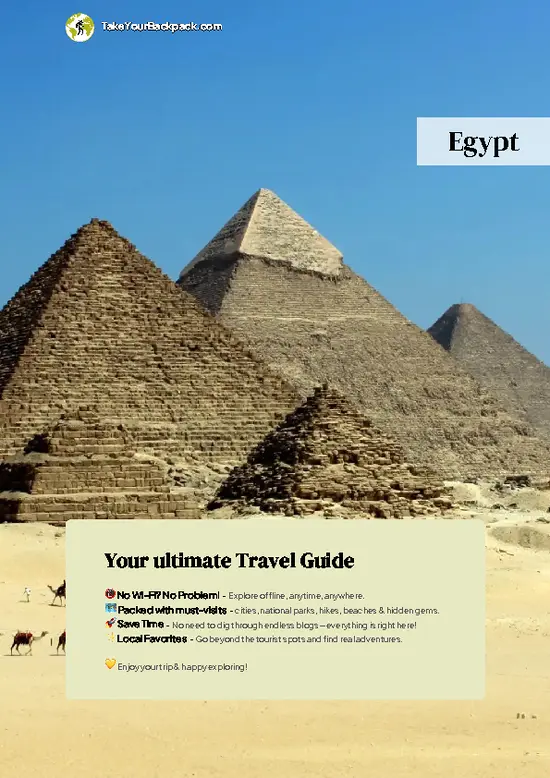
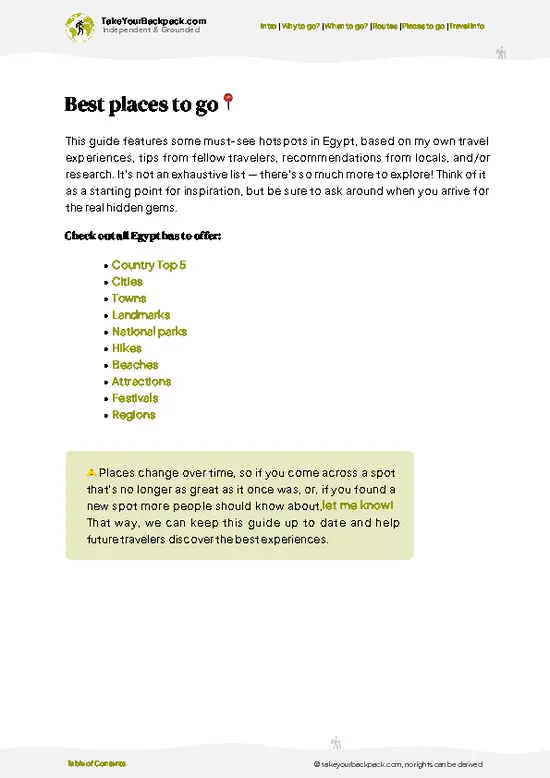
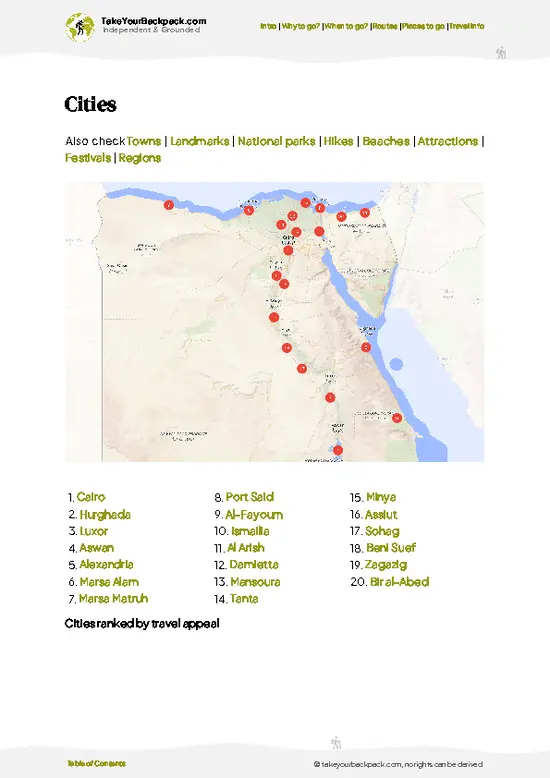
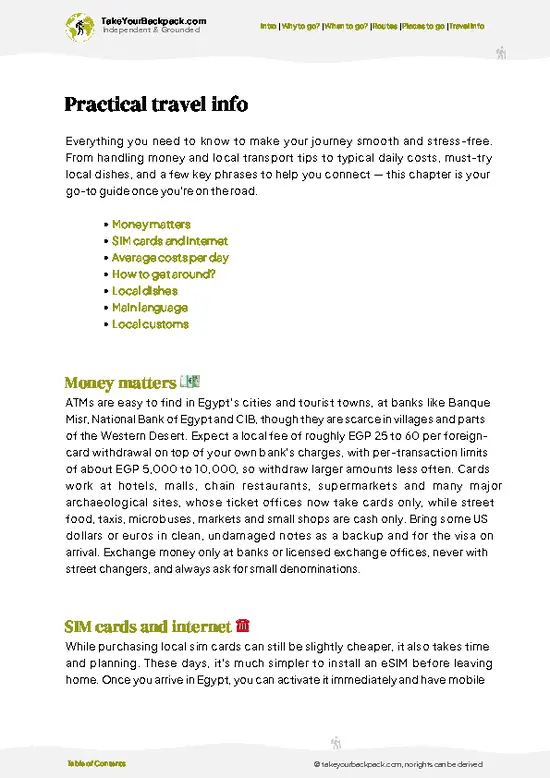
example page 0 from our offline Travel Guide for Egypt
example page 1 from our offline Travel Guide for Egypt
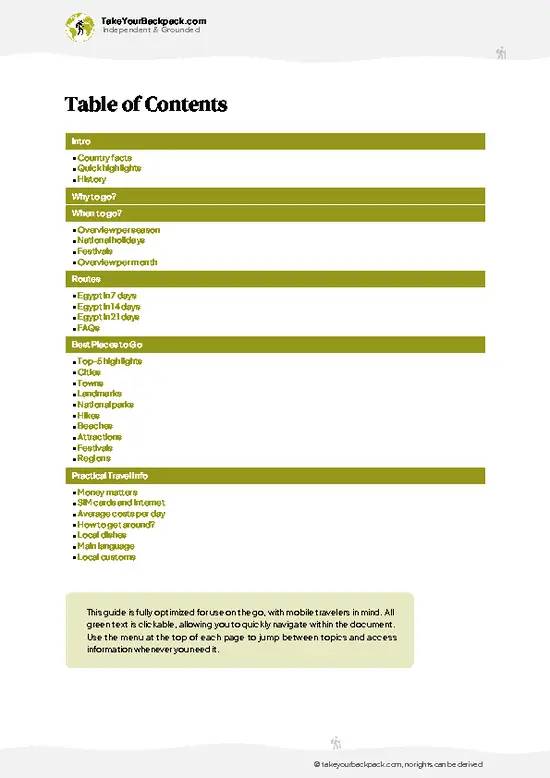
example page 2 from our offline Travel Guide for Egypt
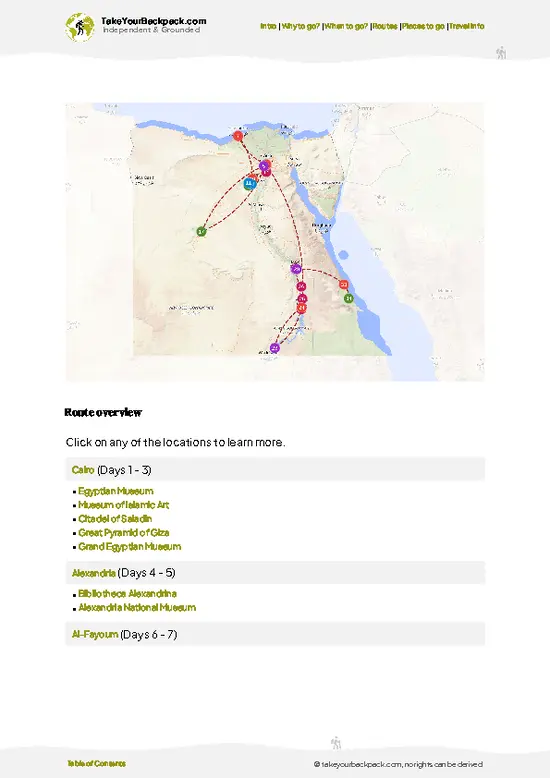
example page 3 from our offline Travel Guide for Egypt
example page 4 from our offline Travel Guide for Egypt
example page 5 from our offline Travel Guide for Egypt
example page 6 from our offline Travel Guide for Egypt
example page 7 from our offline Travel Guide for Egypt
The digital guide (438 pages) contains:
116 highlights, ranked by travel appeal
Optimized 7, 14 & 21-day travel routes
Cities, national parks, landmarks, beaches
How to get around
Offline-friendly for travel without Wi-Fi
👉 Click to see all 30+ guide features

📅 Plan smarter in minutes, not weeks
Month by month travel advice
Festivals & national holidays
Budget expectations

🗺️ Go to the right places, skip the overrated ones
Honest pros & cons of destinations
Top hikes, parks & viewpoints
Lesser-known places most travelers miss
Clear “worth it vs skip it” guidance

🛏️ Travel smoothly without rookie mistakes
Best areas to stay
Transport systems explained simply
Common scams & safety advice
SIM cards, money & practical tips

🌍 Understand the country, not just visit it
Culture & traditions
52 Essential phrases & customs
Festivals worth planning around
Traveler-friendly historical context
Insights that make places more meaningful

📱 Built for real travel conditions
Fully downloadable PDF
Works completely offline
Optimized for phone use
Useful in remote areas & buses
Everything in one place
Save weeks of stressful planning
Get instant access to your full guide. 30‑day money-back guarantee.


By proceeding you agree to our terms.
Sent to your inbox immediately after payment • 100% Secure Checkout
Best Backpacking Travel Advisor 2025 tourism awardBest Backpacking
Travel Advisor
2025
What others say about Take Your Backpack Guides:
⭐⭐⭐⭐⭐
Fantastic, amazing amount of information!
⭐⭐⭐⭐⭐
My goodness this is amazing, it's what I've been looking for hats off too you!
⭐⭐⭐⭐⭐
I think this is absolutely BRILLIANT
⭐⭐⭐⭐
Very complete and informative. It's still missing places, but I gotta to commend you
⭐⭐⭐⭐⭐
This is truly amazing, thank you, can't wait to explore it with my kids!
⭐⭐⭐⭐⭐
Awesome resource, thank you!
⭐⭐⭐⭐⭐
This is amazing! Can't wait to explore the ones I haven't seen
⭐⭐⭐⭐
I love this! Well done, great idea.
⭐⭐⭐⭐⭐
Thanks for taking the time to make this gem!
⭐⭐⭐⭐⭐
This might be the best website I've ever seen.
⭐⭐⭐⭐⭐
Congratulations, and thank you so much for your work; it's incredibly valuable.
⭐⭐⭐⭐
In all seriousness I think you did a great job pointing out the important spots
⭐⭐⭐⭐⭐
10/10 very good
⭐⭐⭐⭐⭐
As someone who's only just starting to visit regularly this is awesome, thank you.
⭐⭐⭐⭐
Thank you very much! I'm going to visit my dad, it's going to be very useful!
⭐⭐⭐⭐⭐
This is really cool! We'll be travelling for the first time and this definitely come in handy.
⭐⭐⭐⭐⭐
You are now our minister of culture, congratulations 👨‍💼
⭐⭐⭐⭐⭐
Just wanted to tell you that this is a pearl! Going to follow your recommendations.
⭐⭐⭐⭐⭐
This is so cool. I'll definitely be using the resource for my travels soon.
⭐⭐⭐⭐⭐
This is very impressive! Good work.
⭐⭐⭐⭐⭐
This is an amazing and informative site. Very well done!

🛏️ Where to stay?Top Areas to Stay

Hostels and budget accommodation are widely available across Egypt, concentrated in Cairo (Downtown, Islamic Quarter, Zamalek, Maadi), Nile/temple towns like Luxor and Aswan (Corniche and temple zones), Red Sea resorts (Hurghada, Sharm El Sheikh) and Sinai beach towns (Dahab, Nuweiba), while Alexandria has fewer true hostels but budget hotels along the Corniche.
Cairo: Downtown and the Islamic Quarter put you close to museums and markets but are noisy with higher petty‑theft risk; Zamalek and Maadi are quieter and safer but pricier and farther from ancient sites.
Luxor/Aswan: stay on the Corniche/East Bank for temple access and nightlife or take cheaper, basic guesthouses on the West Bank … read more 👉
Hostels and budget accommodation are widely available across Egypt, concentrated in Cairo (Downtown, Islamic Quarter, Zamalek, Maadi), Nile/temple towns like Luxor and Aswan (Corniche and temple zones), Red Sea resorts (Hurghada, Sharm El Sheikh) and Sinai beach towns (Dahab, Nuweiba), while Alexandria has fewer true hostels but budget hotels along the Corniche.
Cairo: Downtown and the Islamic Quarter put you close to museums and markets but are noisy with higher petty‑theft risk; Zamalek and Maadi are quieter and safer but pricier and farther from ancient sites.
Luxor/Aswan: stay on the Corniche/East Bank for temple access and nightlife or take cheaper, basic guesthouses on the West Bank for proximity to tombs; Red Sea and Sinai towns offer cheap dive‑hostels and lively tourist strips in Hurghada/Sharm or relaxed, budget backpacker vibes in Dahab/Nuweiba but expect rustic facilities and seasonal services.

If you enjoy meeting fellow travelers, consider choosing hostels with high ratings for atmosphere. On the other hand, if you prefer having your own space, a hotel might be a better option.

EgyptDiscover the Country

👋 Meet the founderWho’s Behind Take Your Backpack?

Johan, backpacker and founder of TakeYourBackpackHi, I’m Johan (Netherlands 🇳🇱), the creator of TakeYourBackpack. Over the past decade, I’ve backpacked through 80+ countries across six continents, gaining extensive experience with independent travel, long-term trips, and overland routes.

This site is built on a combination of firsthand travel experience and carefully curated insights from other backpackers. Many guides are based on places I’ve personally visited, while others bring together tips, observations, and practical advice shared by trusted travelers I’ve met along the way.

The goal is to provide realistic, experience-driven guidance — not generic itineraries — so you can explore destinations with better context, clearer expectations, and more confidence.

Get full Egypt guide •
Instant download • 116 highlights • Full Offline guide