×

Egypt🇪🇬 | best landmarksWhere to Find the 8 Best landmarks in Egypt

In Egypt, the best unique sites offer a blend of cultural, historical, and natural significance that sets them apart from typical tourist spots. These sites vary dramatically across regions, from the iconic pyramids of Giza to the lesser-known temples of Karnak, each presenting a distinct vibe and visitor experience. For backpackers and independent travelers, understanding these differences is crucial.

The scale of a site can affect accessibility; for instance, the vastness of the Valley of the Kings can be overwhelming, while the intimate charm of Siwa Oasis invites deeper exploration. Seasonal nuances also play a role—visiting during the cooler months can enhance your experience, while summer heat may deter you from certain locations.

Choosing the right unique site impacts your budget, safety, and cultural immersion. Opt for lesser-known spots to avoid crowds and connect more authentically with local culture. In Egypt, the journey is as significant as the destination, so make your choices wisely.

By Johan Kruseman 🇳🇱 | Updated June 13, 2026
Explore the best national parks in Egypt

Why go?What Makes Them Special

Egypt’s unique sites matter because they encapsulate a civilization that has shaped human history for millennia. The cultural significance of these locations is unparalleled; they offer a direct link to ancient practices, beliefs, and innovations that have influenced societies worldwide. Unlike many other countries, Egypt’s historical narrative is woven into its very landscape, where the remnants of pharaohs and monumental architecture stand as testaments to human ambition and creativity.

However, exploring these sites comes with trade-offs. Accessibility can be a double-edged sword. While some areas are well-connected, others demand a commitment of time and energy to reach. This often means sacrificing convenience for a deeper understanding of the culture and history. For instance, venturing … read more 👉
Egypt’s unique sites matter because they encapsulate a civilization that has shaped human history for millennia. The cultural significance of these locations is unparalleled; they offer a direct link to ancient practices, beliefs, and innovations that have influenced societies worldwide. Unlike many other countries, Egypt’s historical narrative is woven into its very landscape, where the remnants of pharaohs and monumental architecture stand as testaments to human ambition and creativity.

However, exploring these sites comes with trade-offs. Accessibility can be a double-edged sword. While some areas are well-connected, others demand a commitment of time and energy to reach. This often means sacrificing convenience for a deeper understanding of the culture and history. For instance, venturing into the less-visited temples or tombs can yield a more intimate experience, but it may require navigating challenging terrain or dealing with limited infrastructure.

The geographic factors also play a role. The vast deserts and the Nile’s winding path create a unique backdrop that can be both awe-inspiring and daunting. Travelers must consider the climatic conditions; the scorching heat can limit exploration hours, making early mornings or late afternoons the best times to visit. This timing constraint can affect how much one can see in a day, necessitating careful planning.

Moreover, the infrastructural challenges in some areas can impact the overall experience. While major sites are often equipped for tourists, smaller, lesser-known locations may lack amenities, requiring a more rugged approach. This can be rewarding but also demands a level of preparedness that not all travelers may be ready for.

In essence, the unique sites of Egypt are not just destinations; they are gateways to understanding a rich tapestry of human history. Balancing accessibility with immersive experiences is key to making the most of this extraordinary journey.
Evaluating the Top Choices
The list of best unique sites in Egypt is created based on history or culture, wow factor, atmosphere, quirks, and memorability. If you feel a unique site is missing in this list, please let us know.

When to go?When to Plan Your Trip

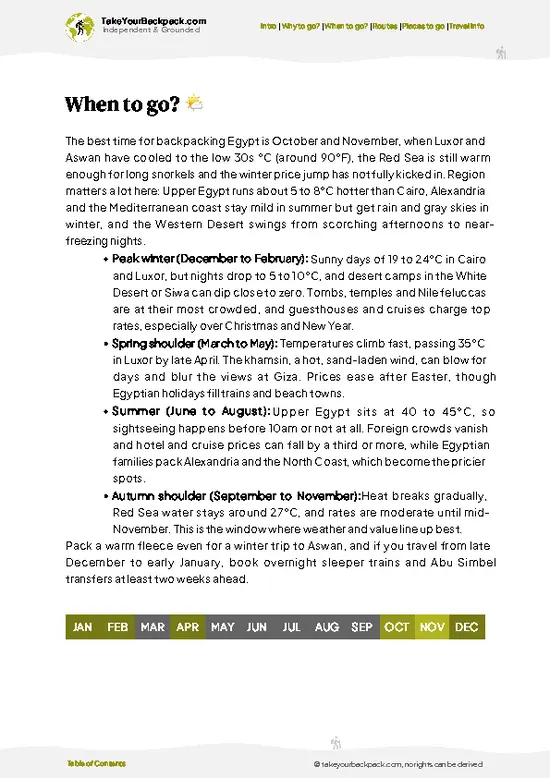
Seasonality plays a crucial role in experiencing Egypt’s unique sites. The country generally has a desert climate, meaning summers can be brutally hot, especially in the south. Daytime temperatures often soar above 100°F, making outdoor exploration uncomfortable and even dangerous. Winter months bring milder weather, with daytime highs around 70°F to 80°F, ideal for sightseeing.

Optimal months for visiting are typically from October to April. This period offers pleasant temperatures and clearer skies, enhancing visibility for those iconic views. However, be prepared for larger crowds during peak tourist season, particularly around holidays. Prices for accommodations and tours can spike, impacting budget considerations.

Shoulder seasons—late September and early May—can be a savvy choice. … read more 👉
Seasonality plays a crucial role in experiencing Egypt’s unique sites. The country generally has a desert climate, meaning summers can be brutally hot, especially in the south. Daytime temperatures often soar above 100°F, making outdoor exploration uncomfortable and even dangerous. Winter months bring milder weather, with daytime highs around 70°F to 80°F, ideal for sightseeing.

Optimal months for visiting are typically from October to April. This period offers pleasant temperatures and clearer skies, enhancing visibility for those iconic views. However, be prepared for larger crowds during peak tourist season, particularly around holidays. Prices for accommodations and tours can spike, impacting budget considerations.

Shoulder seasons—late September and early May—can be a savvy choice. These months often feature decent weather with fewer tourists. However, expect some trade-offs. While costs may be lower, the weather can be unpredictable, with lingering heat or occasional dust storms.

Peak periods like Christmas and New Year’s can lead to overcrowding at popular sites. If visiting during these times, advance planning is essential. Lines can be long, and accommodations may be fully booked.

Seasonal constraints also include cultural events that may affect access. Certain festivals or religious observances can lead to temporary closures or limited hours at sites. Understanding these nuances helps in planning effectively, ensuring that the focus remains on the experiences that truly matter.

In summary, timing your visit to align with favorable weather and lower crowd levels can significantly enhance the experience of Egypt’s unique sites.

unique site hoppingOptimizing Your Multi-Stop Itinerary

Efficient Routing
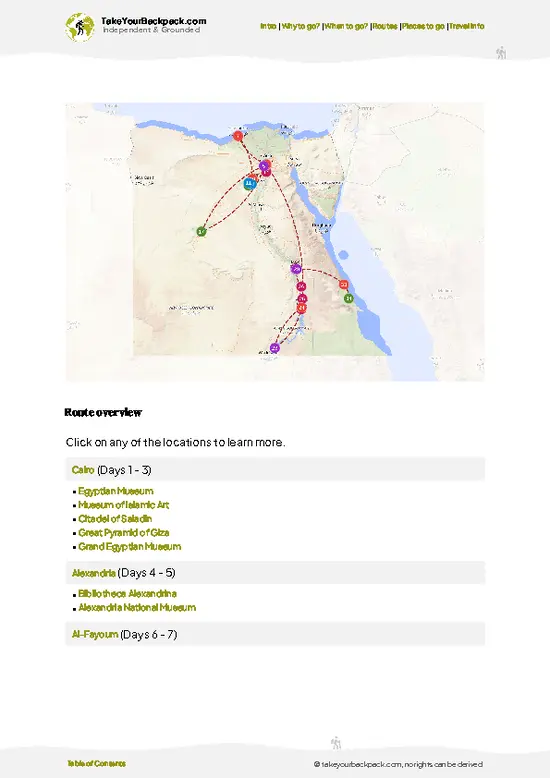
Start by clustering sites regionally. The Nile Valley is a natural corridor. Begin in Cairo, where the Pyramids and the Egyptian Museum set the stage. From there, head south to Luxor, home to the Valley of the Kings and Karnak Temple. This route not only saves travel time but also allows for a deeper understanding of ancient Egyptian civilization.

Time Management
Allocate at least half a day for major sites. The Pyramids deserve a full morning, while Luxor’s temples can take several hours each. Factor in travel time between locations—trains and buses can be slow, so plan for delays. A common mistake is underestimating how long it takes to soak in the history and culture. Rushing through sites leads to fatigue and missed experiences.

Planning Pitfalls
Avoid cramming too … read more 👉
Efficient Routing
Start by clustering sites regionally. The Nile Valley is a natural corridor. Begin in Cairo, where the Pyramids and the Egyptian Museum set the stage. From there, head south to Luxor, home to the Valley of the Kings and Karnak Temple. This route not only saves travel time but also allows for a deeper understanding of ancient Egyptian civilization.

Time Management
Allocate at least half a day for major sites. The Pyramids deserve a full morning, while Luxor’s temples can take several hours each. Factor in travel time between locations—trains and buses can be slow, so plan for delays. A common mistake is underestimating how long it takes to soak in the history and culture. Rushing through sites leads to fatigue and missed experiences.

Planning Pitfalls
Avoid cramming too many stops into a single day. The allure of Egypt can make it tempting to pack your itinerary, but this often results in burnout. Prioritize quality over quantity. If a site resonates, allow time to explore. Flexibility is key; sometimes, the best moments happen when you linger.

Trade-offs and Constraints
Consider the balance between speed and depth. A whirlwind tour might check off boxes but sacrifices meaningful engagement. Budget constraints can also dictate choices—luxury accommodations near major sites save time but can be pricey. Weigh comfort against the experience. Sometimes, a little discomfort leads to the most rewarding adventures.

Realistic Pacing
Embrace a slower pace to truly appreciate Egypt’s unique offerings. Allow for downtime to recharge. This isn’t just about seeing; it’s about feeling the pulse of a civilization that shaped history. Strategic planning will preserve energy and budget for the moments that matter most.

The ListMust-Visit landmarks in Egypt

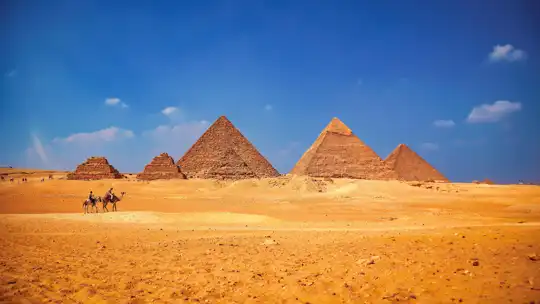
1 Great Pyramid of Giza

limestone blocks, triangular silhouette, ancient burial chamber

Gaze up at a geometric marvel that has endured for millennia, then step inside to experience the narrow, echoing corridors within.

Egypt - Great Pyramid of Giza

2 Abu Simbel Temples

colossal statues, relocated monuments, Nubian sandstone cliffs

Stand before monumental facades carved into rock, witnessing the scale and artistry that once guarded Egypt’s southern frontier.

3 Ancient Thebes with its Necropolis

Valley of the Kings, mortuary temples, painted tombs

Descend into elaborately decorated tombs and walk temple avenues that reveal the beliefs and ambitions of Egypt’s New Kingdom rulers.

4 Karnak Temple

hypostyle hall, carved obelisks, sacred lake

Wander through a vast complex of towering columns and open courtyards, where each corner reveals layers of religious and political history.

egypt-unique-site-karnak-temple
© Google |

5 St. Catherine’s Monastery

burning bush chapel, fortified walls, monastic gardens

Experience a living religious community at the foot of Mount Sinai, where daily rituals and rare icons connect past and present.

6 Abu Mena

early Christian pilgrimage, subterranean ruins, desert basilica

Trace the footsteps of ancient pilgrims through a remote archaeological site where early Christian rituals shaped a unique desert community.

egypt-unique-site-abu-mena
© Google |

7 Orthodox Monastery of St Catherine

Byzantine mosaics, ancient library, Sinai mountain setting

Absorb the quiet atmosphere of a remote monastery, surrounded by arid peaks and home to centuries-old manuscripts and sacred art.

8 Ahmad Al-Badawi Mosque

Sufi shrine, domed prayer hall, Tanta city center

Join local worshippers at a revered mosque, especially during annual festivals that fill the city with music, devotion, and communal gatherings.

Loading the map 🌍

Expert viewTips and Advice from Travelers

Significance
Egypt is a treasure trove of unique sites, each telling a story that transcends time. The Pyramids of Giza, the temples of Luxor, and the Valley of the Kings are just the tip of the iceberg. But here’s the kicker: not all sites are created equal in terms of accessibility and experience. Some are overrun with tourists, while others offer a more intimate glimpse into Egypt’s rich history. Prioritize sites that resonate with you personally, but be prepared to navigate the crowds, especially during peak seasons.

Access Constraints
Getting around Egypt can be a mixed bag. Major sites are often well-connected, but the infrastructure can be a challenge in more remote areas. Expect delays, especially if you’re relying on public transport. If you’re planning to visit multiple sites … read more 👉
Significance
Egypt is a treasure trove of unique sites, each telling a story that transcends time. The Pyramids of Giza, the temples of Luxor, and the Valley of the Kings are just the tip of the iceberg. But here’s the kicker: not all sites are created equal in terms of accessibility and experience. Some are overrun with tourists, while others offer a more intimate glimpse into Egypt’s rich history. Prioritize sites that resonate with you personally, but be prepared to navigate the crowds, especially during peak seasons.

Access Constraints
Getting around Egypt can be a mixed bag. Major sites are often well-connected, but the infrastructure can be a challenge in more remote areas. Expect delays, especially if you’re relying on public transport. If you’re planning to visit multiple sites in a day, factor in travel time and potential traffic snarls. A good rule of thumb is to aim for two to three unique sites per day. This allows you to soak in the atmosphere without feeling rushed.

Crowd Patterns
Timing is everything. The early bird gets the best views and fewer crowds. Most tourists flock to popular sites by mid-morning, so consider starting your day at dawn. This not only enhances your experience but also gives you the chance to capture stunning photos without a sea of people in the background. Conversely, visiting during off-peak seasons can yield a more serene experience, but be mindful of the weather—summer can be brutally hot.

Combining Sites
When planning your itinerary, think about geographical clusters. Sites that are close together can be visited in one go, saving you time and energy. For instance, if you’re at a major site, check what else is within a reasonable distance. However, don’t overstuff your schedule. Each site deserves your attention, and rushing through them can dilute the experience. Aim for a mix of well-known and lesser-visited sites to balance your time and budget effectively.

Time, Budget, and Effort
Expect to invest a fair amount of time and money. Unique sites often come with entrance fees, and some require guided tours for a deeper understanding. Budget for both the expected and the unexpected—like a sudden need for a guide or a local meal that catches your eye. A realistic range for time spent at each site is anywhere from one to three hours, depending on your interest level and the site’s size.

Safety & Cultural Considerations
Safety is generally not a major concern in tourist areas, but always stay aware of your surroundings. Dress modestly, especially when visiting religious sites. This isn’t just about safety; it’s about respect for local customs. Engaging with locals can enrich your experience, but approach interactions with an open mind and a willingness to learn.

Trade-offs and Constraints
One significant trade-off is the balance between depth and breadth. You can either skim the surface of many sites or dive deep into a few. If you choose the latter, you’ll gain a richer understanding of Egypt’s history and culture, but you may miss out on the variety. Consider what matters most to you—whether it’s the grandeur of the pyramids or the intricate details of a lesser-known temple.

Planning and Prioritizing
Start with a list of must-see sites, then research their proximity to one another. Use local insights to gauge which sites are worth the hype and which might be better skipped. Don’t hesitate to ask locals for recommendations—they often know the best times to visit and can offer tips that guidebooks overlook.

Final Thoughts
Egypt is a land of contrasts, where ancient history meets modern life. The key to a fulfilling experience lies in thoughtful planning and a willingness to adapt. Embrace the chaos, savor the moments, and remember that the journey is just as important as the destination. Each unique site has its own rhythm; find yours, and let it guide you through this incredible landscape.

✈️ The backpacker research shortcutEgypt Travel Guide

An offline-friendly backpacking guide with optimized travel routes, ranked highlights, transport advice, and the best areas to stay.
example page 0 from our offline Travel Guide for Egypt
example page 1 from our offline Travel Guide for Egypt
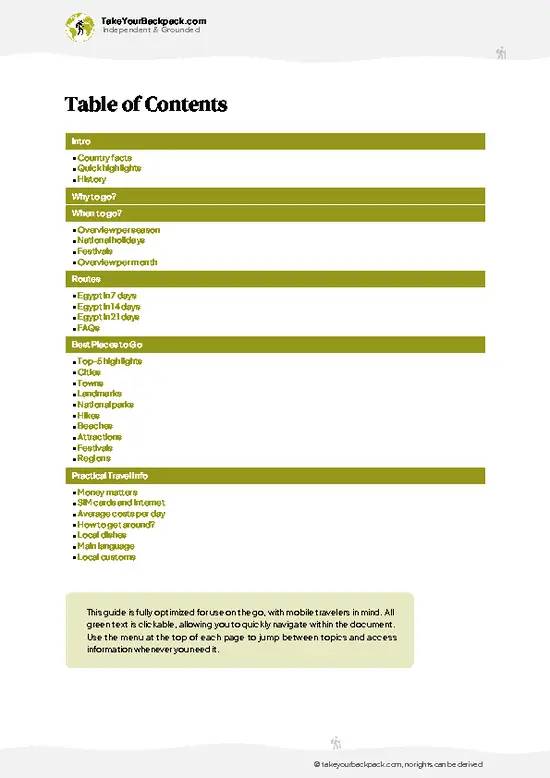
example page 2 from our offline Travel Guide for Egypt
example page 3 from our offline Travel Guide for Egypt
example page 4 from our offline Travel Guide for Egypt
example page 5 from our offline Travel Guide for Egypt
example page 6 from our offline Travel Guide for Egypt
example page 7 from our offline Travel Guide for Egypt
The digital guide (438 pages) contains:
116 highlights, ranked by travel appeal
Optimized 7, 14 & 21-day travel routes
Cities, national parks, landmarks, beaches
How to get around
Offline-friendly for travel without Wi-Fi
👉 Click to see all 30+ guide features

📅 Plan smarter in minutes, not weeks
Month by month travel advice
Festivals & national holidays
Budget expectations

🗺️ Go to the right places, skip the overrated ones
Honest pros & cons of destinations
Top hikes, parks & viewpoints
Lesser-known places most travelers miss
Clear “worth it vs skip it” guidance

🛏️ Travel smoothly without rookie mistakes
Best areas to stay
Transport systems explained simply
Common scams & safety advice
SIM cards, money & practical tips

🌍 Understand the country, not just visit it
Culture & traditions
52 Essential phrases & customs
Festivals worth planning around
Traveler-friendly historical context
Insights that make places more meaningful

📱 Built for real travel conditions
Fully downloadable PDF
Works completely offline
Optimized for phone use
Useful in remote areas & buses
Everything in one place
Save weeks of stressful planning
Get instant access to your full guide. 30‑day money-back guarantee.


By proceeding you agree to our terms.
Sent to your inbox immediately after payment • 100% Secure Checkout
Best Backpacking Travel Advisor 2025 tourism awardBest Backpacking
Travel Advisor
2025
What others say about Take Your Backpack Guides:
⭐⭐⭐⭐⭐
Fantastic, amazing amount of information!
⭐⭐⭐⭐⭐
My goodness this is amazing, it's what I've been looking for hats off too you!
⭐⭐⭐⭐⭐
I think this is absolutely BRILLIANT
⭐⭐⭐⭐
Very complete and informative. It's still missing places, but I gotta to commend you
⭐⭐⭐⭐⭐
This is truly amazing, thank you, can't wait to explore it with my kids!
⭐⭐⭐⭐⭐
Awesome resource, thank you!
⭐⭐⭐⭐⭐
This is amazing! Can't wait to explore the ones I haven't seen
⭐⭐⭐⭐
I love this! Well done, great idea.
⭐⭐⭐⭐⭐
Thanks for taking the time to make this gem!
⭐⭐⭐⭐⭐
This might be the best website I've ever seen.
⭐⭐⭐⭐⭐
Congratulations, and thank you so much for your work; it's incredibly valuable.
⭐⭐⭐⭐
In all seriousness I think you did a great job pointing out the important spots
⭐⭐⭐⭐⭐
10/10 very good
⭐⭐⭐⭐⭐
As someone who's only just starting to visit regularly this is awesome, thank you.
⭐⭐⭐⭐
Thank you very much! I'm going to visit my dad, it's going to be very useful!
⭐⭐⭐⭐⭐
This is really cool! We'll be travelling for the first time and this definitely come in handy.
⭐⭐⭐⭐⭐
You are now our minister of culture, congratulations 👨‍💼
⭐⭐⭐⭐⭐
Just wanted to tell you that this is a pearl! Going to follow your recommendations.
⭐⭐⭐⭐⭐
This is so cool. I'll definitely be using the resource for my travels soon.
⭐⭐⭐⭐⭐
This is very impressive! Good work.
⭐⭐⭐⭐⭐
This is an amazing and informative site. Very well done!

🛏️ Where to stay?Best Places to Stay in Egypt

Hostels and budget accommodation are widely available across Egypt, concentrated in Cairo (Downtown, Islamic Quarter, Zamalek, Maadi), Nile/temple towns like Luxor and Aswan (Corniche and temple zones), Red Sea resorts (Hurghada, Sharm El Sheikh) and Sinai beach towns (Dahab, Nuweiba), while Alexandria has fewer true hostels but budget hotels along the Corniche.
Cairo: Downtown and the Islamic Quarter put you close to museums and markets but are noisy with higher petty‑theft risk; Zamalek and Maadi are quieter and safer but pricier and farther from ancient sites.
Luxor/Aswan: stay on the Corniche/East Bank for temple access and nightlife or take cheaper, basic guesthouses on the West Bank … read more 👉
Hostels and budget accommodation are widely available across Egypt, concentrated in Cairo (Downtown, Islamic Quarter, Zamalek, Maadi), Nile/temple towns like Luxor and Aswan (Corniche and temple zones), Red Sea resorts (Hurghada, Sharm El Sheikh) and Sinai beach towns (Dahab, Nuweiba), while Alexandria has fewer true hostels but budget hotels along the Corniche.
Cairo: Downtown and the Islamic Quarter put you close to museums and markets but are noisy with higher petty‑theft risk; Zamalek and Maadi are quieter and safer but pricier and farther from ancient sites.
Luxor/Aswan: stay on the Corniche/East Bank for temple access and nightlife or take cheaper, basic guesthouses on the West Bank for proximity to tombs; Red Sea and Sinai towns offer cheap dive‑hostels and lively tourist strips in Hurghada/Sharm or relaxed, budget backpacker vibes in Dahab/Nuweiba but expect rustic facilities and seasonal services.

If you enjoy meeting fellow travelers, consider choosing hostels with high ratings for atmosphere. On the other hand, if you prefer having your own space, a hotel might be a better option.

EgyptExplore Egypt

👋 Meet the founderWho’s Behind Take Your Backpack?

Johan, backpacker and founder of TakeYourBackpackHi, I’m Johan (Netherlands 🇳🇱), the creator of TakeYourBackpack. Over the past decade, I’ve backpacked through 80+ countries across six continents, gaining extensive experience with independent travel, long-term trips, and overland routes.

This site is built on a combination of firsthand travel experience and carefully curated insights from other backpackers. Many guides are based on places I’ve personally visited, while others bring together tips, observations, and practical advice shared by trusted travelers I’ve met along the way.

The goal is to provide realistic, experience-driven guidance — not generic itineraries — so you can explore destinations with better context, clearer expectations, and more confidence.

Get full Egypt guide •
Instant download • 116 highlights • Full Offline guide